High-precision components engineered to secure low-loss power distribution across transit lines, grid infrastructures, and commercial developments.
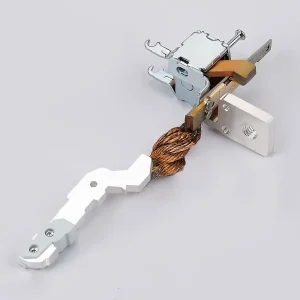
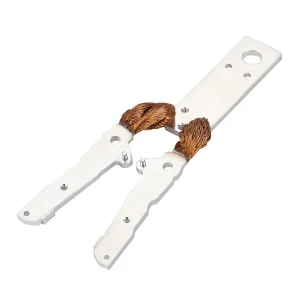
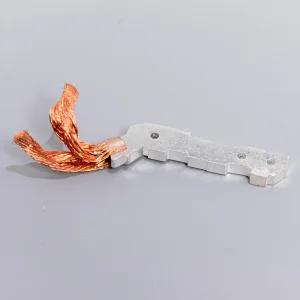
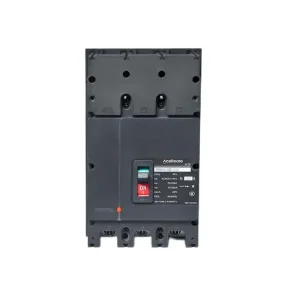
The state of New York, spearheaded by mandates like the Climate Leadership and Community Protection Act (CLCPA), is undergoing a monumental overhaul of its electrical transmission and distribution infrastructure. Modernizing the grid involves deploying massive battery energy storage systems (BESS), installing thousands of public EV fast-charging stations across Manhattan and Brooklyn, and integrating offshore wind power from Long Island. At the heart of this switchgear revolution are Molded Case Circuit Breakers (MCCBs) and Air Circuit Breakers (ACBs) that must handle higher fault currents, bi-directional energy flows, and severe outdoor environment fluctuations.
For New York's utilities (such as Con Edison and National Grid) and critical building systems, component failure is not an option. The demand for reliable MCCB metal welding parts—specifically moving contacts with silver-plated tips, braided copper shunts, and precision-stamped contact terminals—has surged. These components are responsible for withstanding massive thermal shock during high-fault short circuits without welding shut. Procurement managers must source components with superior electrical conductivity, excellent mechanical wear resistance, and long-term anti-corrosive properties to avoid outages in high-density urban environments.

Exploring the engineering requirements of MCCB contacts serving high-availability public systems and heavy industrial sites.
The contact tips of MCCBs operating on New York municipal and subway networks require high silver-content alloys. Our production facilities utilize advanced sintering and projection welding to join Silver-Nickel (AgNi), Silver-Tin Oxide (AgSnO2), or Silver-Graphite (AgGr) composites onto copper backings. AgSnO2, in particular, offers exceptional resistance to electrical arc erosion and contact welding under high rush currents. This material is essential for solar PV switchgears (up to 1000VAC/1500VDC) and EV charger distribution panels.
During a short circuit, mechanical elements are subjected to explosive magnetic forces. The mechanical integrity of the weld joint between the silver tip and the copper arm determines whether the breaker trips safely or fails catastrophically. By using state-of-the-art automated projection welding and medium frequency inverter DC welding equipment, we achieve ultra-precise heat control. This process prevents soft spots on the copper backing, ensures clean weld seams, and increases tensile strength beyond ANSI and NEMA standards.
New York City's coastal positioning, combined with subterranean salt runoff in Manhattan vaults, creates an aggressively corrosive atmosphere. Left untreated, base copper and brass parts develop high resistance oxide layers, leading to localized overheating. Our parts go through special post-processing plating—including thick silvering (up to 15-20 microns) and tin-plating—providing over 72 hours of complete machine salt spray resistance and 48 hours of bare sub-assembly protection.
How China's advanced manufacturing infrastructure benefits New York distributors and switchgear OEMs.
Formed in 2015, inheriting over two generations of component expertise to provide global and domestic OEMs with robust circuit protection solutions.
One-stop service offering six kinds of processing techniques, high-precision stamping equipment, automated silver welding lines, and more than 10 manual and automated assembly lines.
50+ design engineers familiar with SolidWorks, AutoCAD, and electrical simulation software. We complete more than 50 custom tooling and R&D projects every single year.
Dual wholly-owned manufacturing facilities run on integrated U8/ERP systems, aligning production schedules, raw-material purchasing, and shipping timelines to prevent project delays.
More than 150 laboratory testing instruments and 20+ dedicated inspectors testing mechanical lifespan, high currents, temperature rises, and metallurgical defects.
Our MCCB metal parts are engineered for the specific physical and environmental demands of local industrial and civil installations.
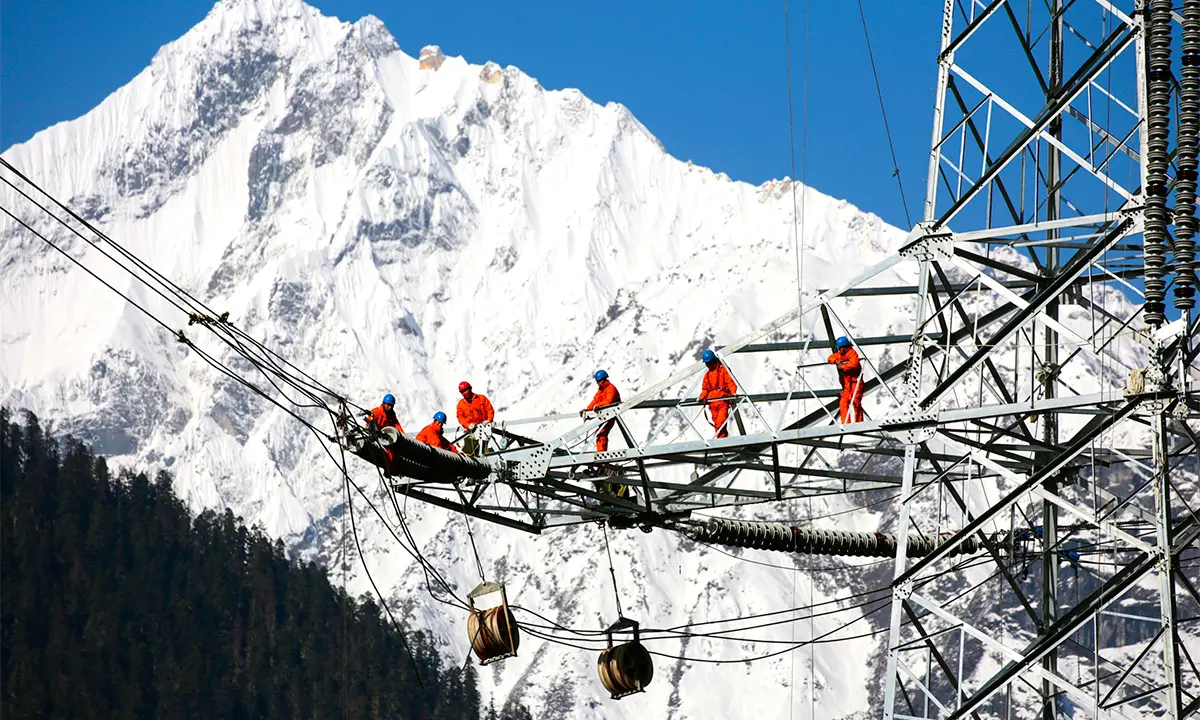
Substations in Albany and Buffalo experience intense winter blizzards. We apply specialized low-temperature greases and low-temperature resistant copper alloys that maintain their mechanical spring properties and elasticity down to -40°C.
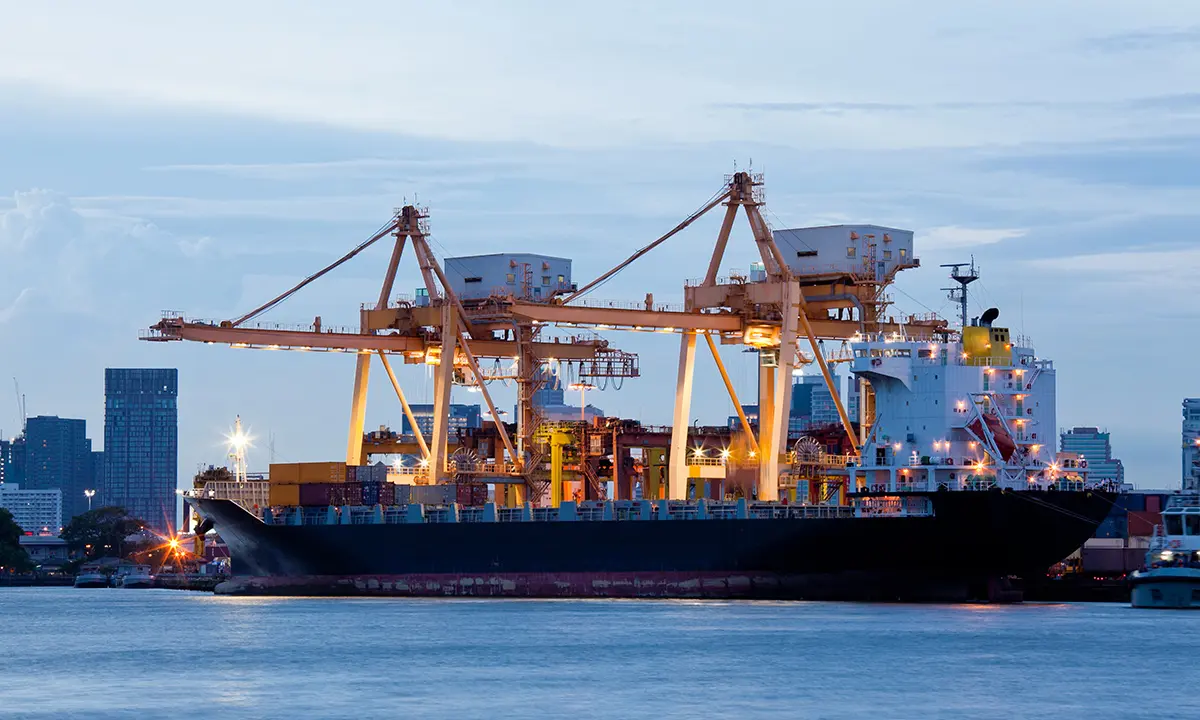
Dockside power terminals and marine panels along Brooklyn piers and Long Island harbors face salt-rich coastal air. Our silvered and tin-plated copper contacts pass 72h-96h salt-spray testing, securing reliability against marine corrosion.
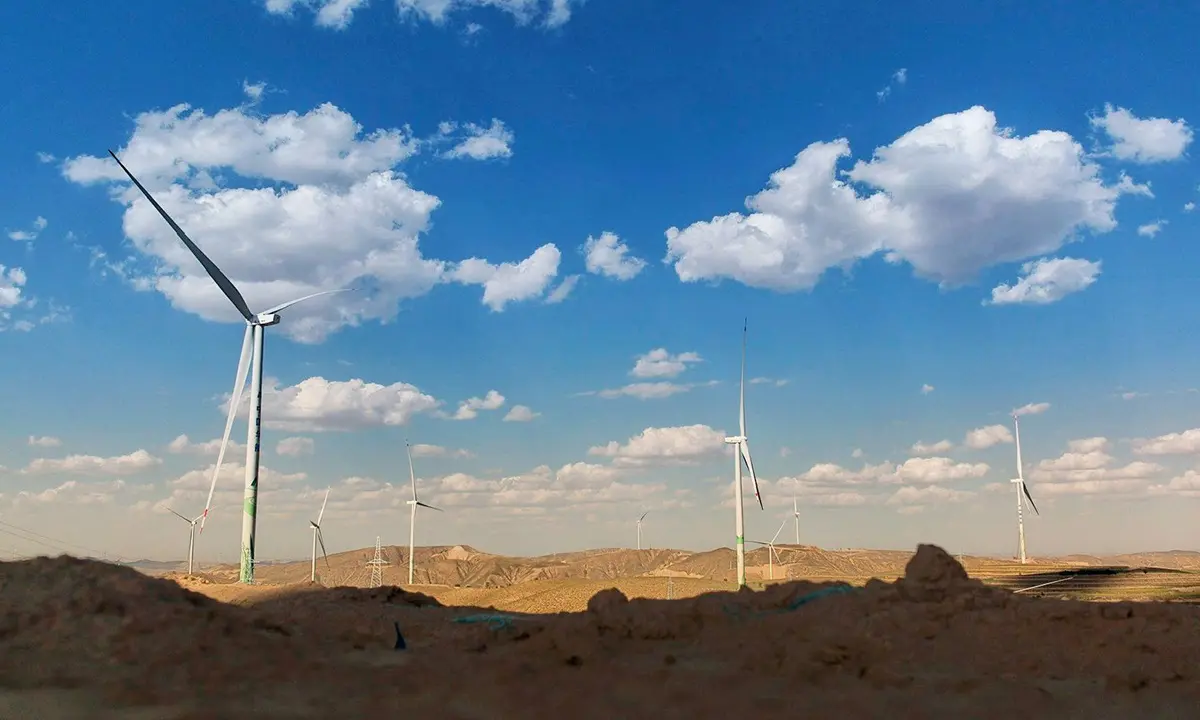
Underground metro tunnels and subway electrical hubs experience intense heat accumulation. Our parts feature high-density thermal insulation coatings and heat-tested copper backings rated for long-term continuous service at +55°C.
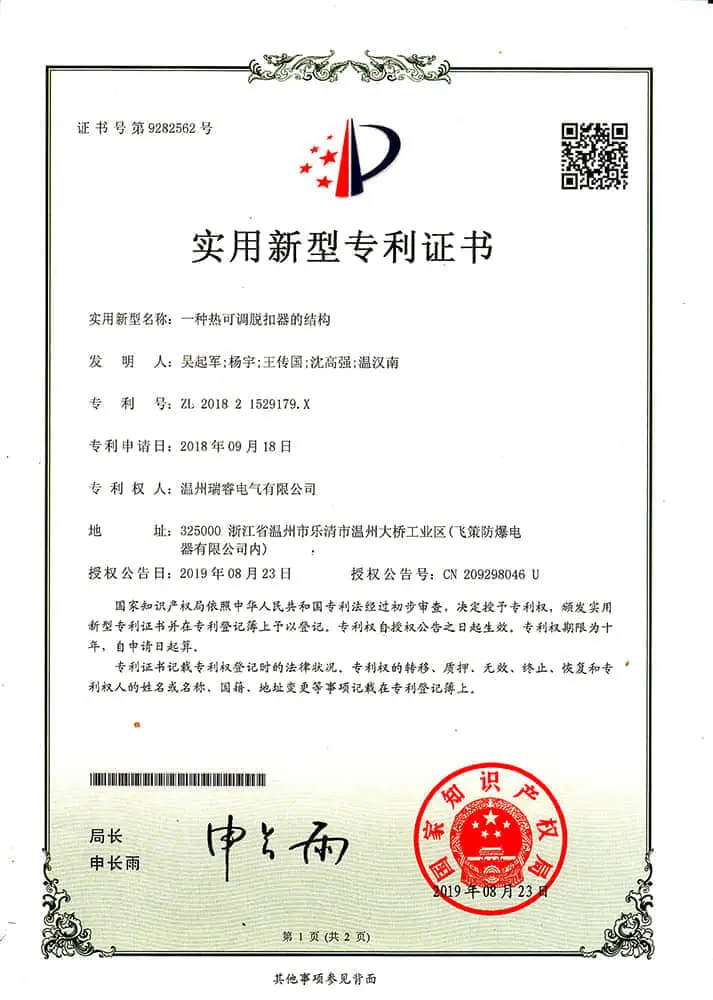
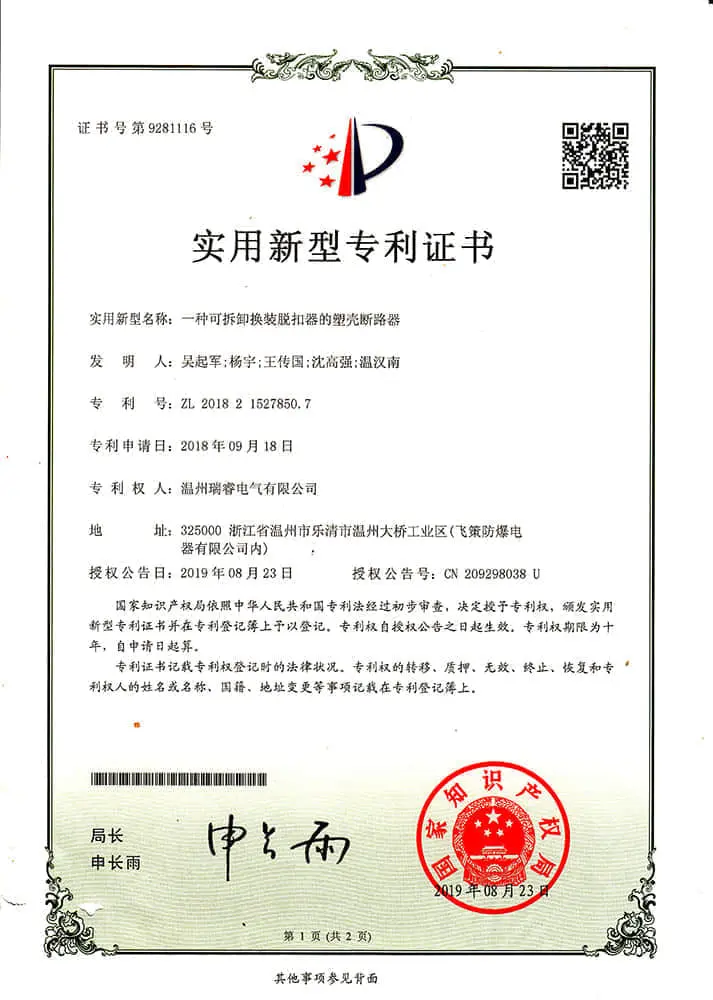
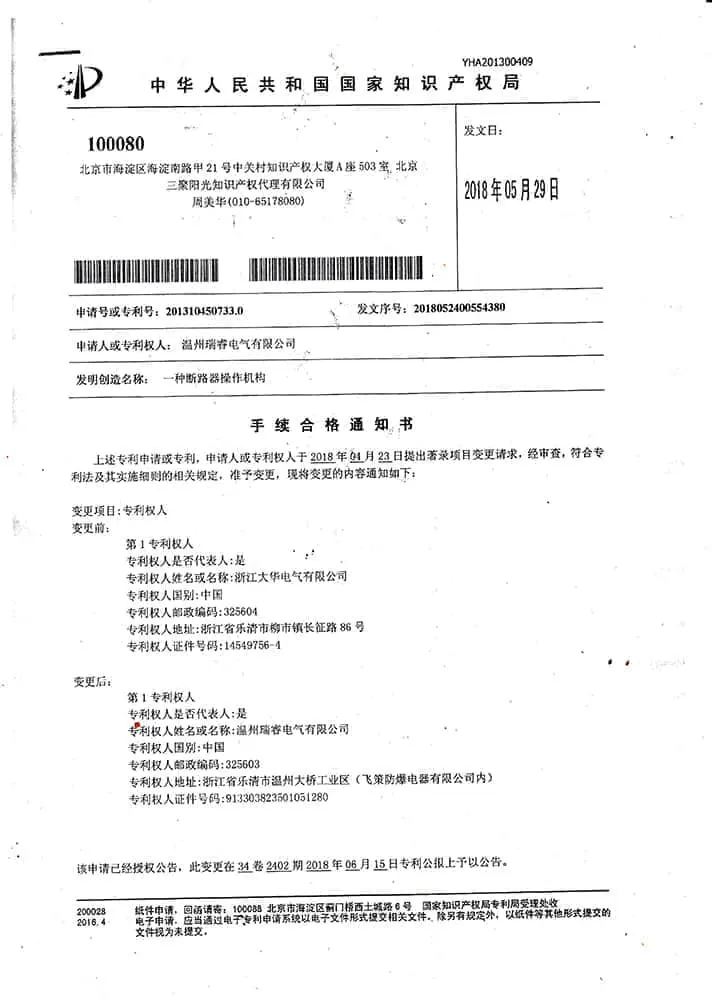
Our factories conform strictly to global electrical and environmental standards, paving the way for smooth UL and CE approvals.
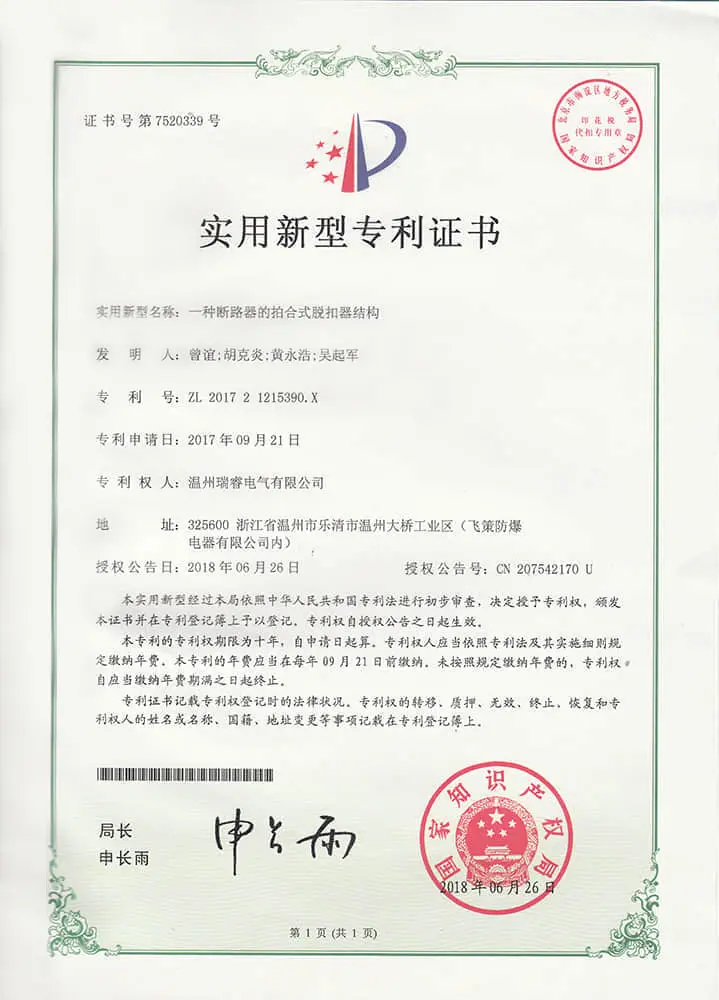
Choose the business model that fits your development timeline, production capacity, and budget requirements.
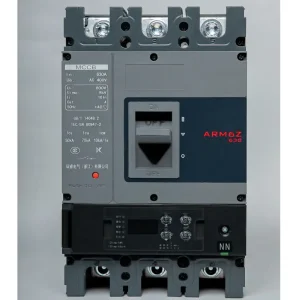
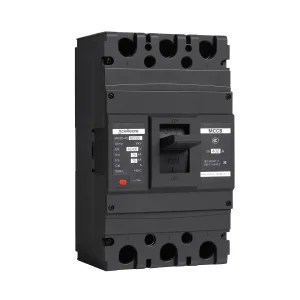
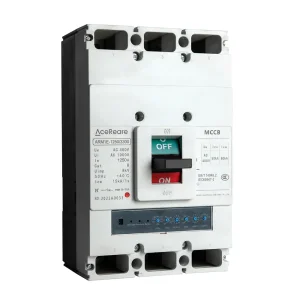
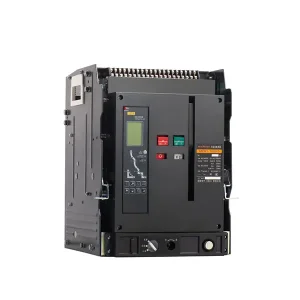
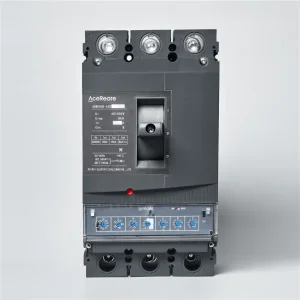
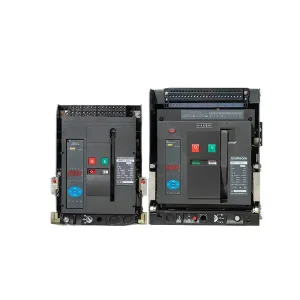
A full range of MCCBs, ACBs, and internal metal welding components serving commercial distribution systems in NY.
Get quick, direct answers regarding customization, technical specifications, and shipping to the East Coast.
 AceReare