 AceReare
1 / 1
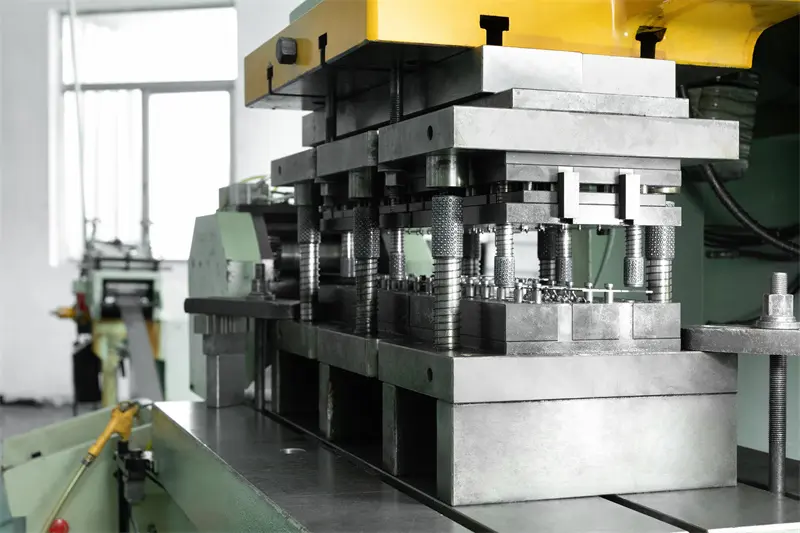
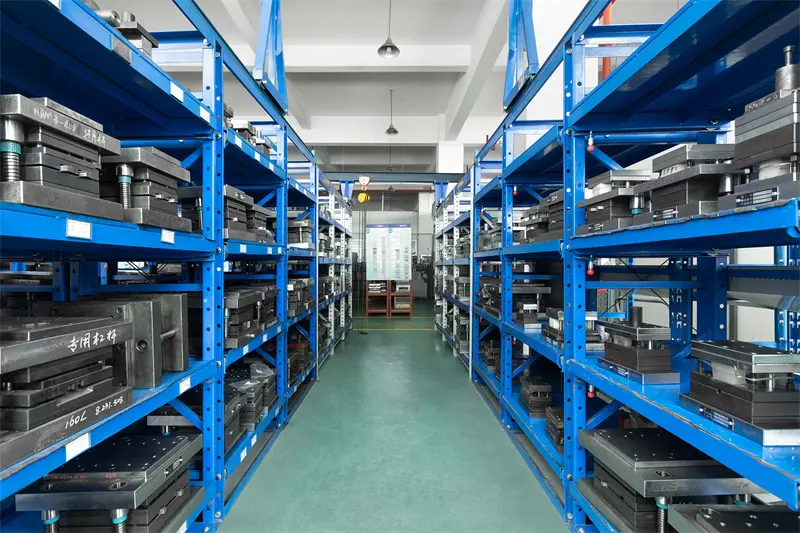
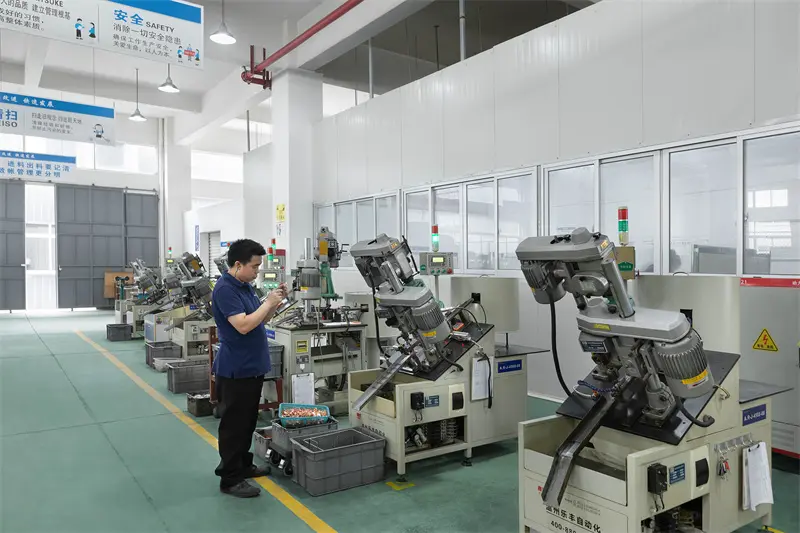
In a stamping production chain, use different stamping molds with different processes, use a manipulator or other automatic facilities, and use molds or parts to move to complete the rated mold for workpiece stamping processing.
Also called continuous mold, the material belt always moves in one direction during the stamping process; A progressive mold is one in which the strip inside the mold moves in two or more directions after being cut off. The automatic feeding continuous mold is used to complete the feeding of the material belt inside the mold. In real life, in order to get the same workpiece, mass production is also required. Then, we need to use the mold. In order to achieve rapid and stable continuous production, continuous mold is generated.
Performs multiple cutting and forming operations at a single station during a single press stroke, ensuring precise alignment and high dimensional accuracy.
Utilized when flat sheet metal needs to be stretched and formed into hollow or deep three-dimensional shapes for electrical enclosures.

Risus commodo viverra maecenas accumsan lacus vel facilisis.
Risus commodo viverra maecenas accumsan lacus vel facilisis.
Risus commodo viverra maecenas accumsan lacus vel facilisis.
Risus commodo viverra maecenas accumsan lacus vel facilisis.
Risus commodo viverra maecenas accumsan lacus vel facilisis.
Risus commodo viverra maecenas accumsan lacus vel facilisis.
Risus commodo viverra maecenas accumsan lacus vel facilisis.
Risus commodo viverra maecenas accumsan lacus vel facilisis.
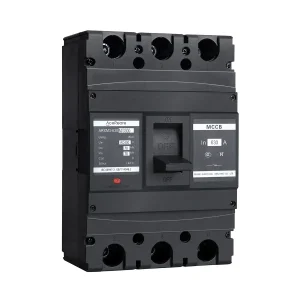
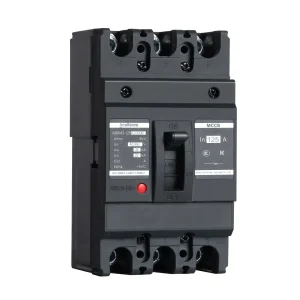
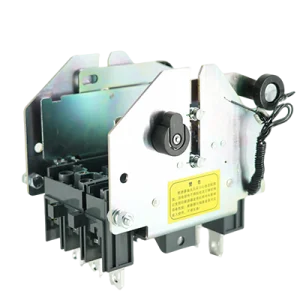
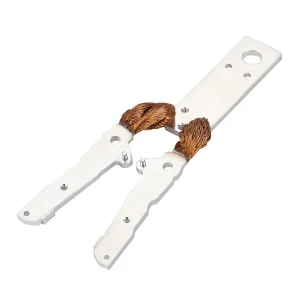
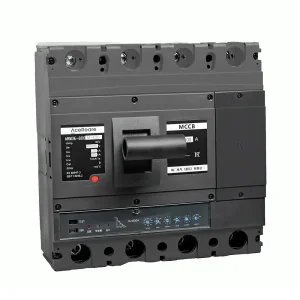
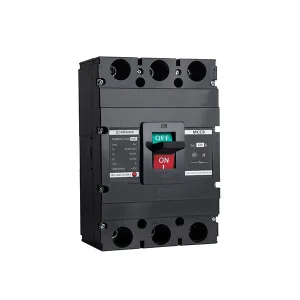
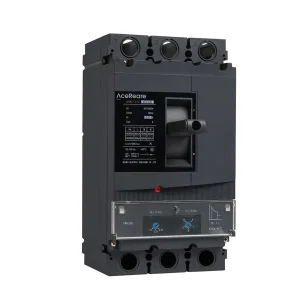
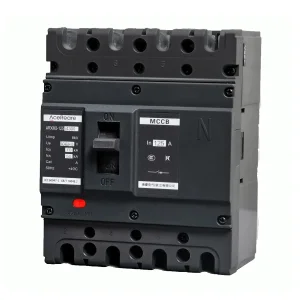
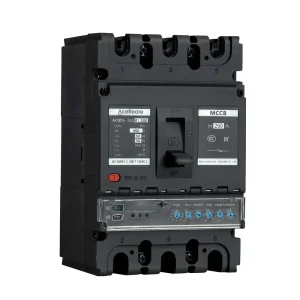
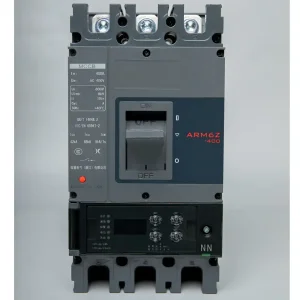
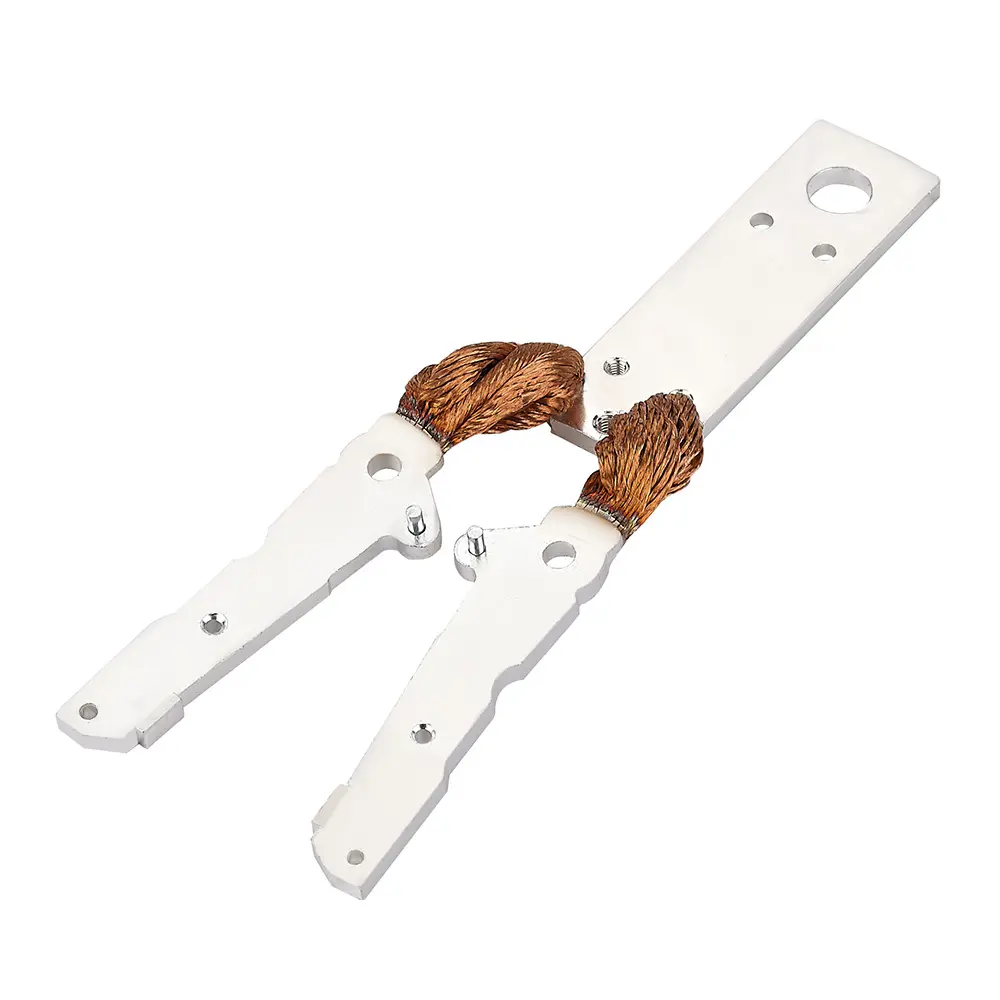
MCCB (Molded Case Circuit Breaker) metal stamping refers to the manufacturing process of forming precise metal components used in circuit breakers using specialized stamping dies and presses.
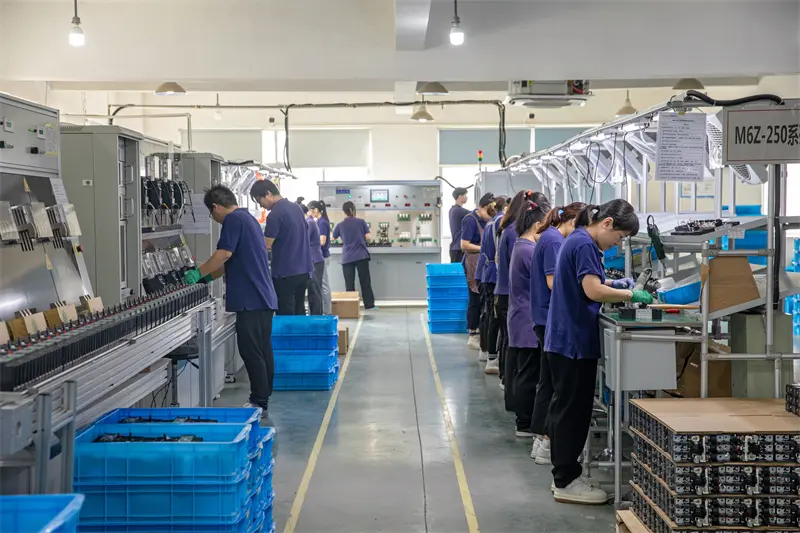
A progressive mold processes a continuous material strip moving in a single direction through sequential stations. In contrast, a multi-station mold utilizes separate molds and automated transfer systems to move individual workpieces between different processing stations.
Progressive molds are designed for automated, rapid, and continuous feeding of material. This ensures highly stable, fast-paced production cycles with consistent accuracy, making them ideal for high-volume manufacturing.
A compound mold performs multiple operations, such as cutting and forming, at a single station during a single press stroke, ensuring precise alignment and high dimensional accuracy for complex parts.
A drawing mold is utilized when flat sheet metal needs to be stretched and formed into hollow or deep three-dimensional shapes, which is critical for creating specific structural enclosures in electrical components.
The choice depends on production volume, part complexity, and accuracy requirements, ranging from progressive molds for high-speed continuous volume to drawing molds for custom deep structural enclosures.