 AceReare
1 / 4
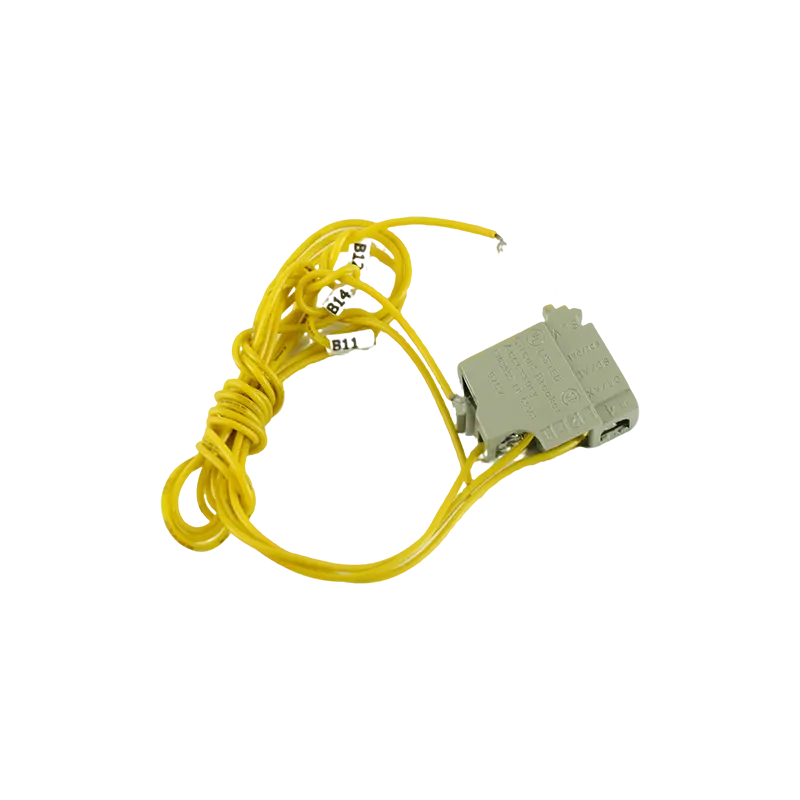
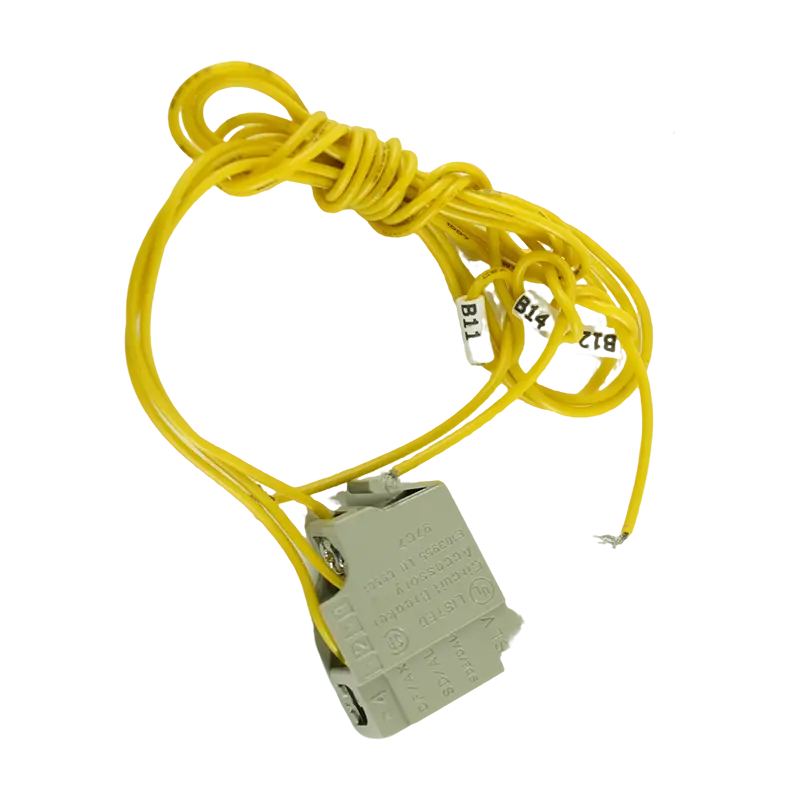
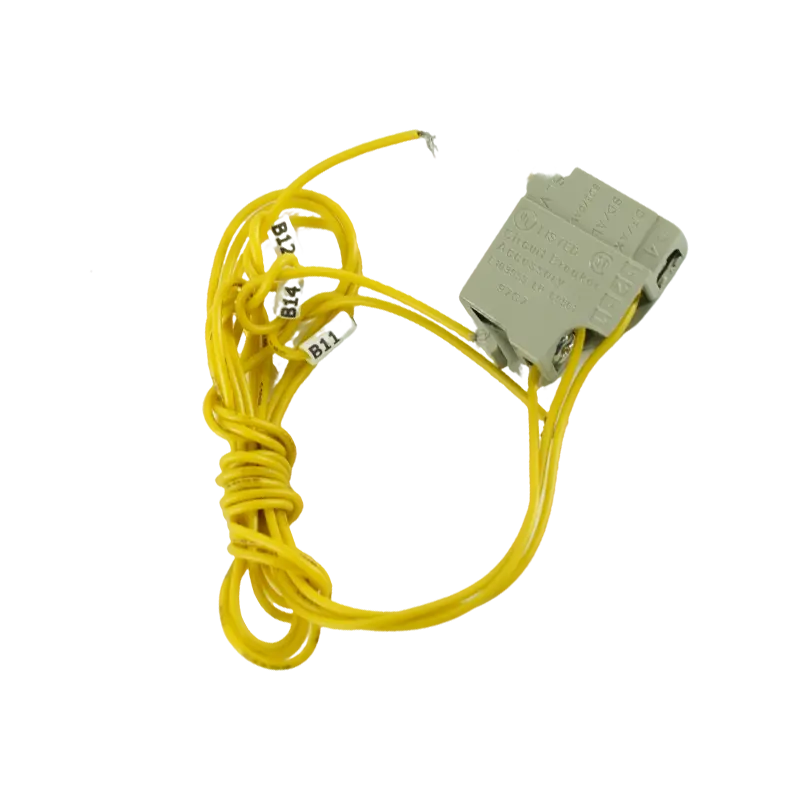
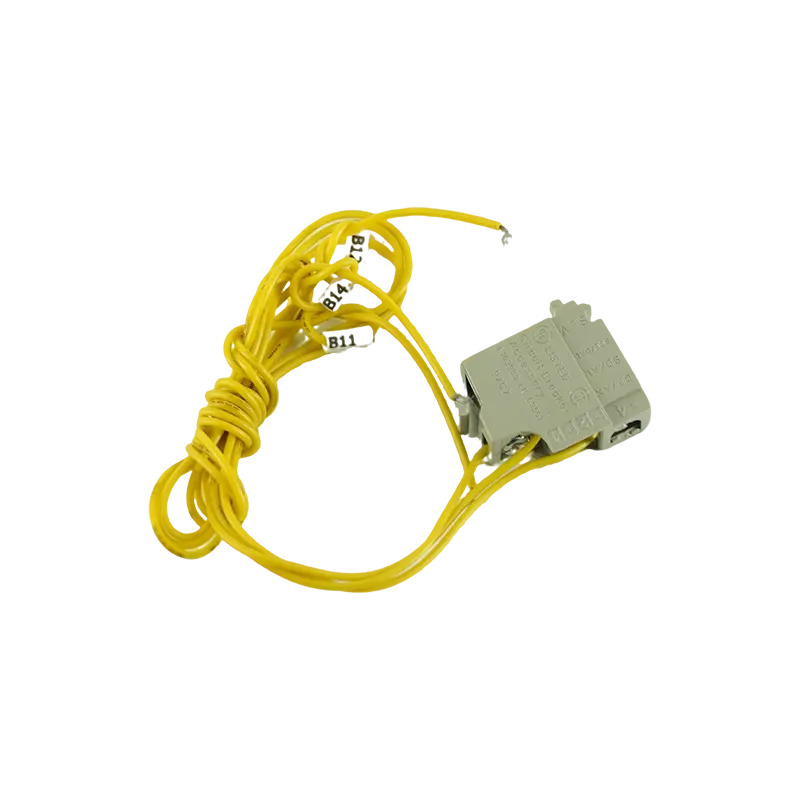
The auxiliary contact is a low current signal contact that is not shared with the main circuit's high current.
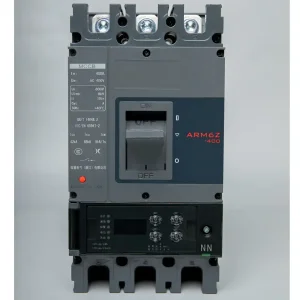
Low cost enables ordinary MCCBs to have monitoring and linkage capabilities, replacing expensive intelligent circuit breakers.
The signal circuit is electrically isolated from the main circuit, ensuring safety without affecting main circuit operations.
Easy modular installation with a small physical footprint that does not occupy excess space inside the cabinet.
Realizes remote visualization and rapid fault location, reducing manual inspections and improving O&M efficiency.
Improves electrical interlocking, reduces power distribution accidents, and complies with fire protection regulations.

Risus commodo viverra maecenas accumsan lacus vel facilisis.

Risus commodo viverra maecenas accumsan lacus vel facilisis.

Risus commodo viverra maecenas accumsan lacus vel facilisis.

Risus commodo viverra maecenas accumsan lacus vel facilisis.
Risus commodo viverra maecenas accumsan lacus vel facilisis.
Risus commodo viverra maecenas accumsan lacus vel facilisis.
Risus commodo viverra maecenas accumsan lacus vel facilisis.

Risus commodo viverra maecenas accumsan lacus vel facilisis.
An auxiliary contact is a low-current signal contact that operates synchronously with the MCCB's handle. It converts the circuit breaker's opening, closing, and fault tripping states into electrical signals for remote monitoring and feedback.
No. The signal circuit of the auxiliary contact is completely electrically isolated from the high-current main circuit, ensuring safe operation without interfering with the main power supply.
They provide real-time status signals to PLCs and automation systems. This allows the system to execute linkage controls, safety interlocks, and trigger remote fault alarms automatically.
Yes, to a large extent. By installing low-cost auxiliary contacts on standard MCCBs, you can achieve remote monitoring and linkage capabilities similar to expensive intelligent circuit breakers at a fraction of the cost.
Not at all. They feature a compact, modular design that easily integrates into the cabinet without occupying excess space, making installation and maintenance highly efficient.
Auxiliary contacts provide clear binary feedback indicating whether the breaker is manually opened/closed or tripped due to a electrical fault, enabling rapid troubleshooting and system linkage.