 AceReare
1 / 3
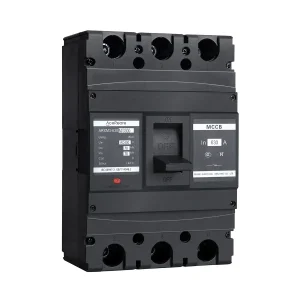
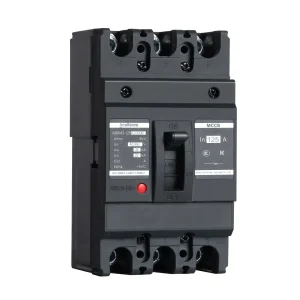
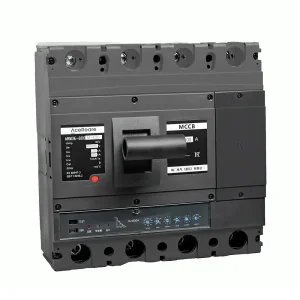
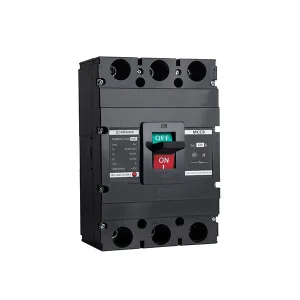
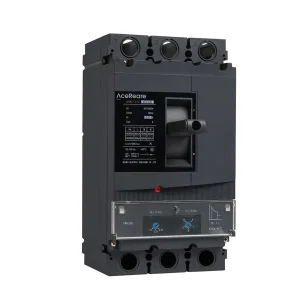
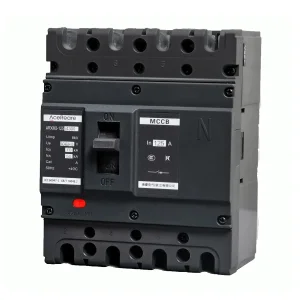
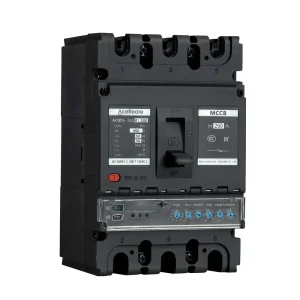
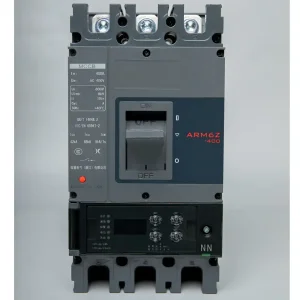
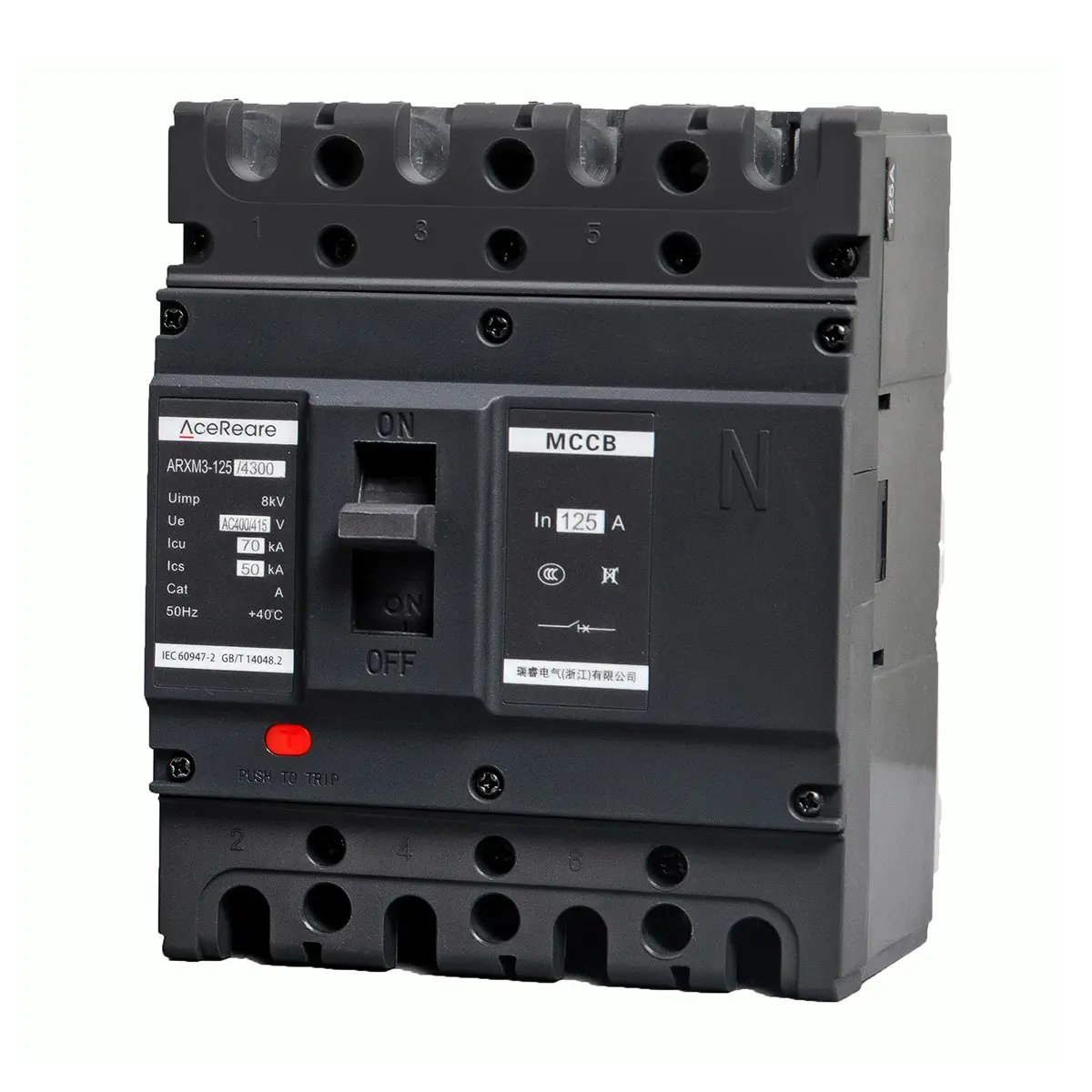
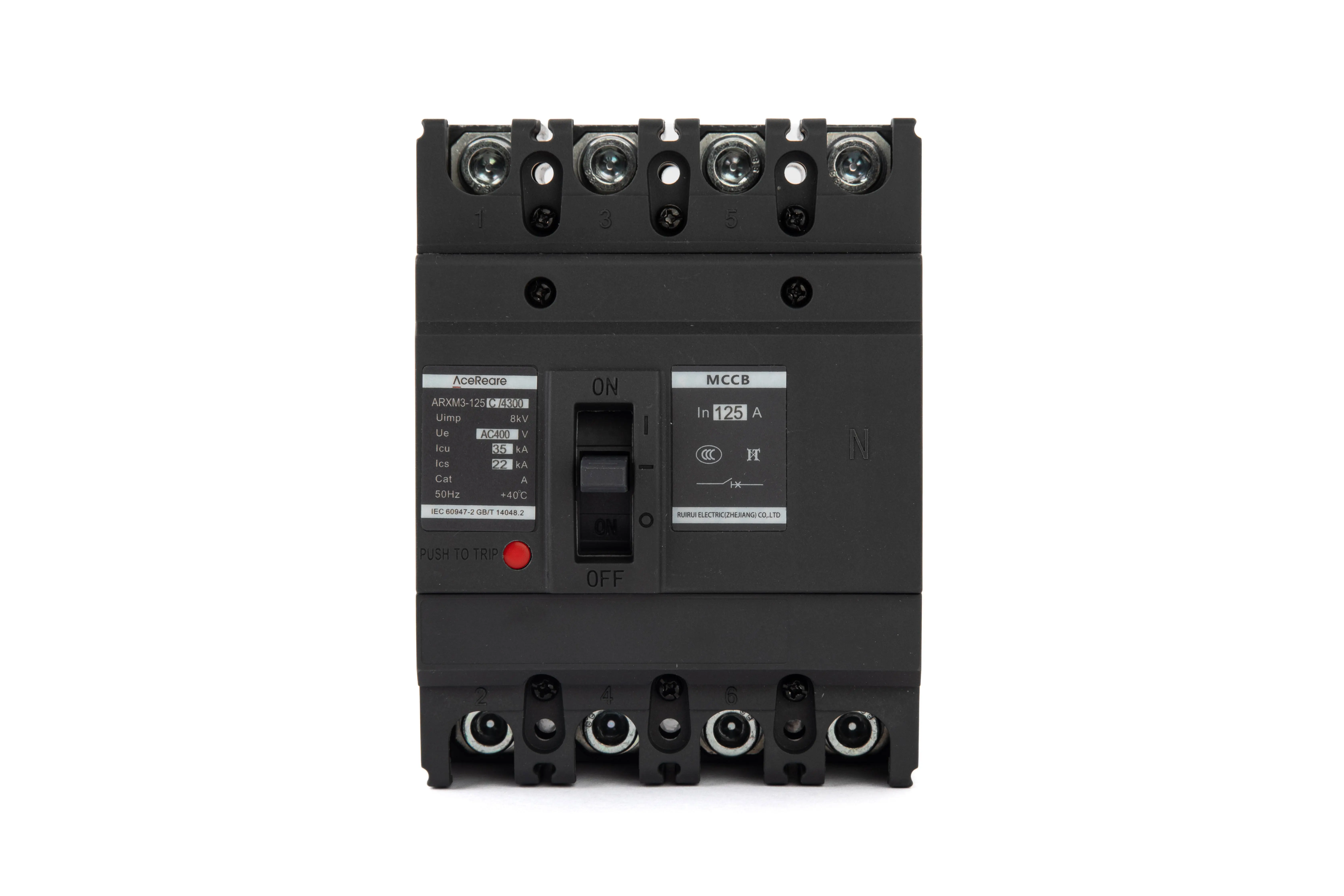
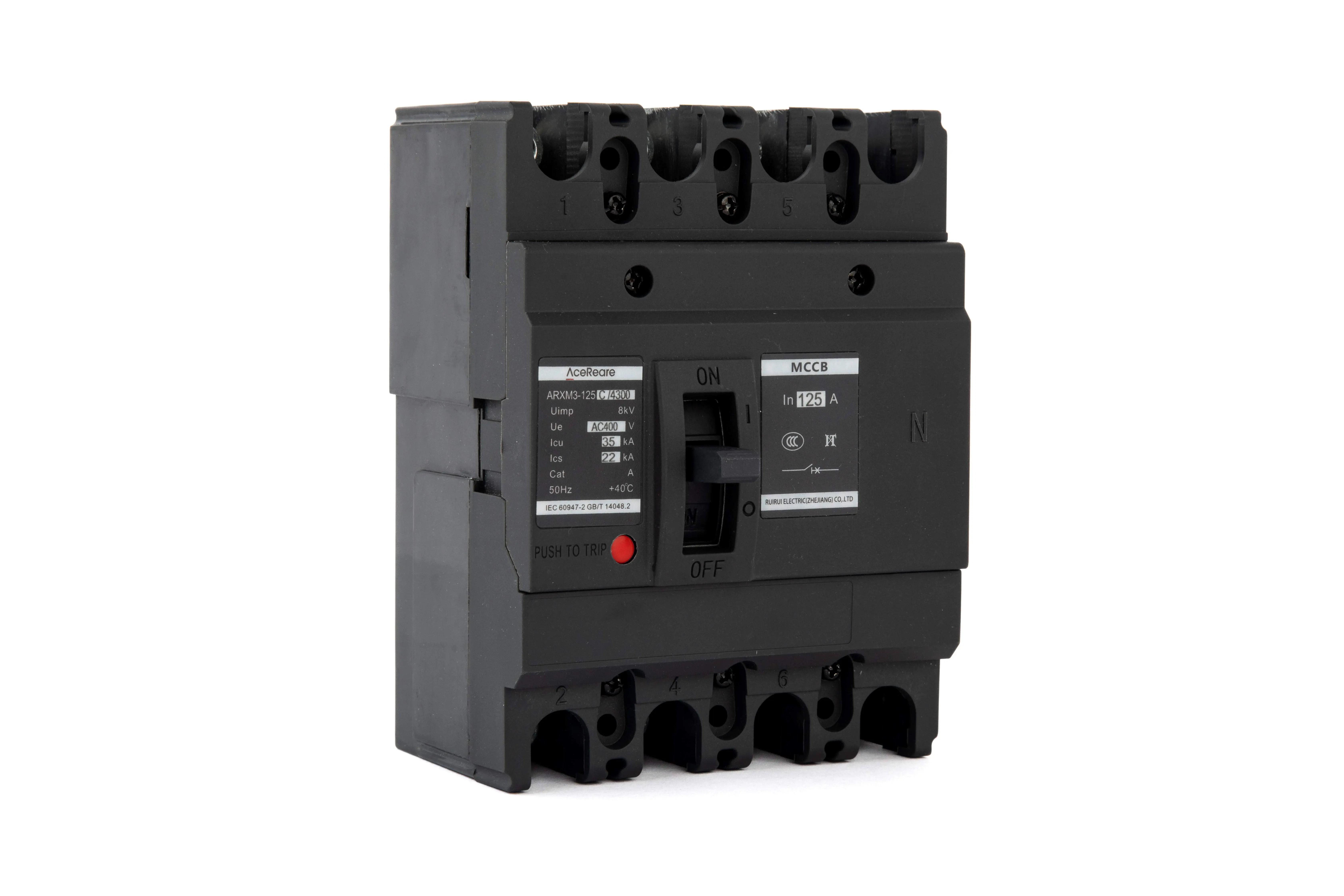
The molded case circuit breaker has overload, short circuit and undervoltage protection functions, and can protect lines and power equipment from damage.

Risus commodo viverra maecenas accumsan lacus vel facilisis.

Risus commodo viverra maecenas accumsan lacus vel facilisis.
Risus commodo viverra maecenas accumsan lacus vel facilisis.
Risus commodo viverra maecenas accumsan lacus vel facilisis.
Risus commodo viverra maecenas accumsan lacus vel facilisis.
Risus commodo viverra maecenas accumsan lacus vel facilisis.
Risus commodo viverra maecenas accumsan lacus vel facilisis.

Risus commodo viverra maecenas accumsan lacus vel facilisis.
What protection functions do these molded case circuit breakers provide?
These molded case circuit breakers (MCCBs) provide overload, short circuit, and undervoltage protection functions to safeguard lines and power equipment from potential damage.
How are the MCCBs classified by short-circuit breaking capacity?
Depending on their rated ultimate short-circuit breaking capacity, they are classified into four distinct types: C (economic type), L (standard type), M (medium breaking type), and H (high breaking type).
What are the key advantages of the ARM3 accessories?
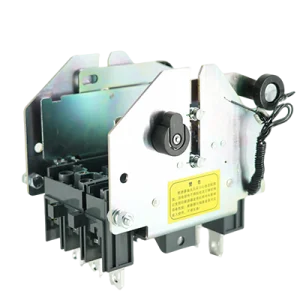
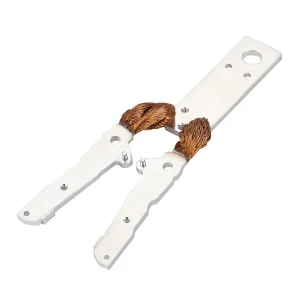
ARM3 accessories are modularized, safe, and reliable. They feature a small volume, high breaking capacity, short flashover, and high vibration resistance.
Which testing standards do these molded case circuit breakers comply with?
They have successfully passed the test requirements of GB/T2423 and IEC60947 standards, proving their capability to withstand humid air, salt mist, oil mist, and mold.
What is the unique feature of the ARXM3-125~630 MCCB 4-pole specification?
For the 4-pole specification, the neutral pole type A/B circuit breaker offers a unique "overload alarm without tripping" function. This ensures uninterrupted power supply and complies with Article 6.3.6 of GB50054.
What mechanical vibration limits can the circuit breakers withstand?
They are designed to withstand mechanical vibrations with a frequency of 2Hz to 13.2Hz (displacement of ±1mm) and a frequency of 13.2Hz to 100Hz (acceleration of ±0.7g).