 AceReare
1 / 5
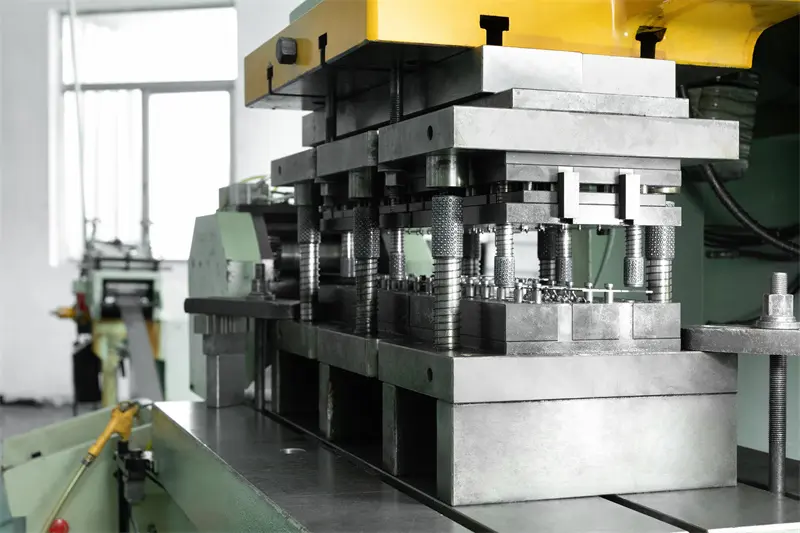
Attention: When building a digital model, we must pay attention to the adjustment of tolerance. Generally, the 3D model provided by customers is useless, because many of its dimensions are the limit dimensions. If we design the mold according to this, the produced mold will basically be scrapped.
Risus commodo viverra maecenas accumsan lacus vel facilisis.
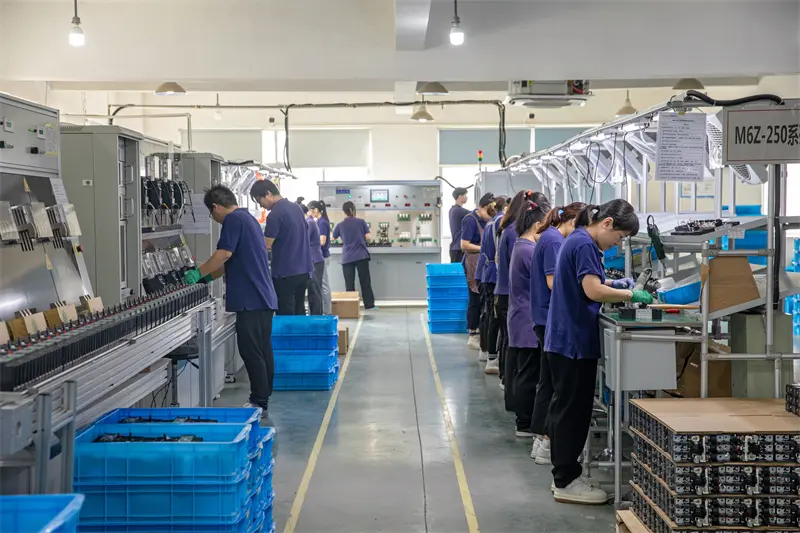
Risus commodo viverra maecenas accumsan lacus vel facilisis.
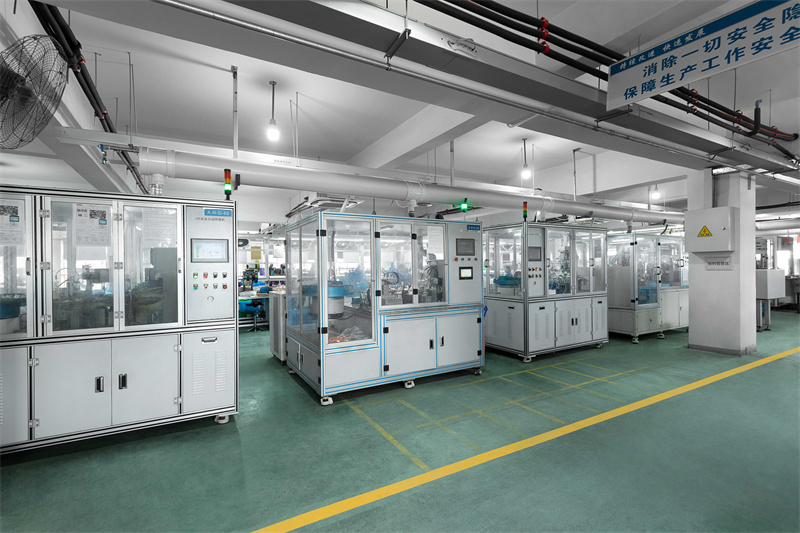
Risus commodo viverra maecenas accumsan lacus vel facilisis.
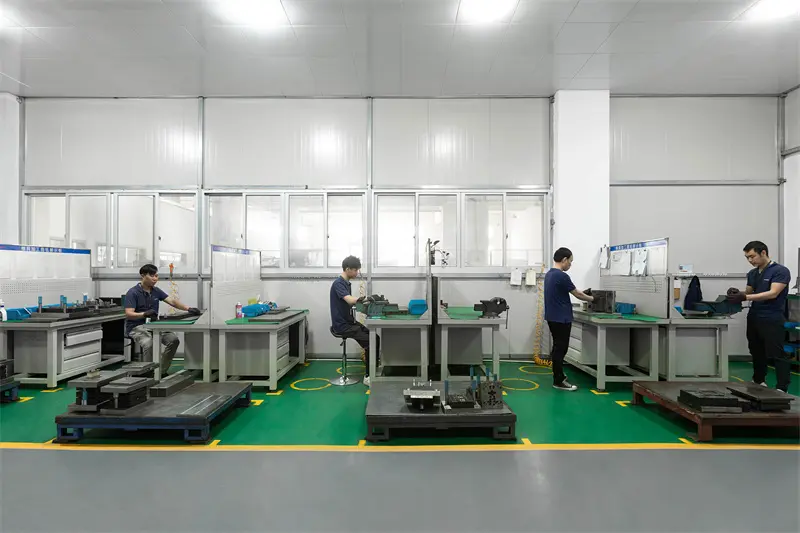
Risus commodo viverra maecenas accumsan lacus vel facilisis.
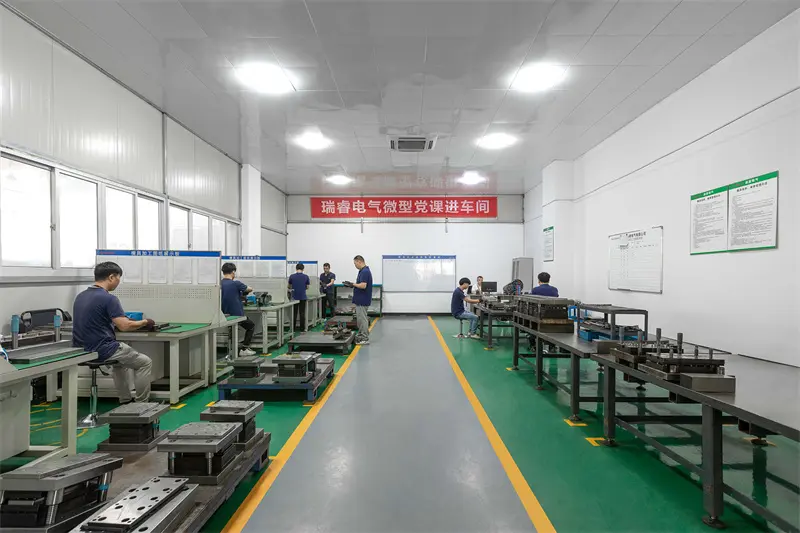
Risus commodo viverra maecenas accumsan lacus vel facilisis.
Risus commodo viverra maecenas accumsan lacus vel facilisis.
Risus commodo viverra maecenas accumsan lacus vel facilisis.
Risus commodo viverra maecenas accumsan lacus vel facilisis.
The difference is mainly reflected in the accuracy. Key dimensions of precision molds do not allow a slope, requiring strict adherence to specific tolerance zones during manufacturing.
While key dimensions cannot have a slope, the tolerance zone and a small slope are fully utilized in specific areas of mold manufacturing, such as the gear installation column, to ensure precise alignment.
Customer-provided 3D models often use limit dimensions. Designing a mold directly from these dimensions without adjusting the tolerances will likely result in a scrapped mold.
It is essential to pay close attention to the adjustment of tolerance zones rather than relying solely on the raw limit dimensions provided in the initial 3D models.
If the mold is designed strictly according to the limit dimensions without tolerance adjustments, the produced mold will fail to meet precision standards and will basically be scrapped.