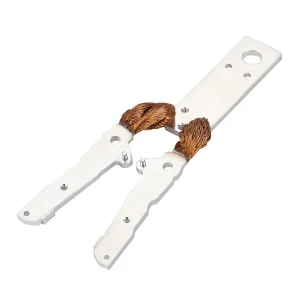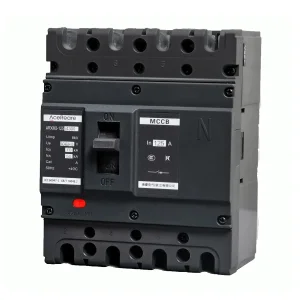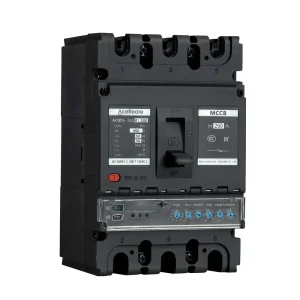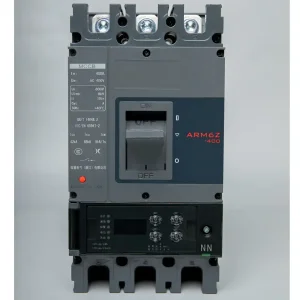
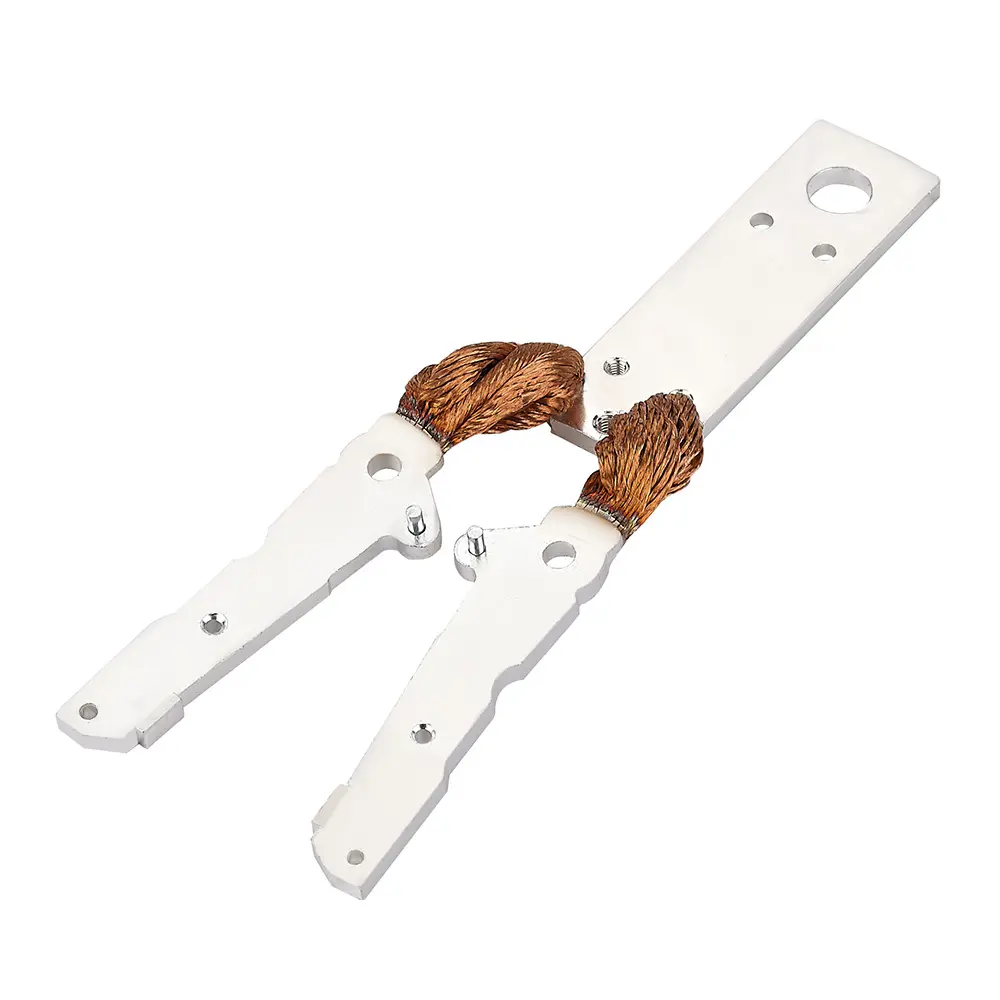
China Suppliers Factory 400A MCCB Moving Contact - High-Quality Circuit Breaker Components

Discover top-quality products sourced directly from our trusted China suppliers and factory. We specialize in delivering a diverse range of items crafted with precision and attention to detail. Our commitment to excellence ensures that each product meets the highest standards of quality and durability. By working closely with reputable manufacturers, we guarantee competitive pricing and reliable shipping options. Explore our extensive catalog and experience the best of what China has to offer through our established network of suppliers and manufacturing capabilities. Elevate your business with our premium products today!

Product Description

MCCB Metal Stamping Mold Classification

1. Multi-station Mold In a stamping production chain, different stamping molds with different processes are used. With the aid of a manipulator or other automatic facilities, molds or parts are moved to complete the rated mold for workpiece stamping processing.
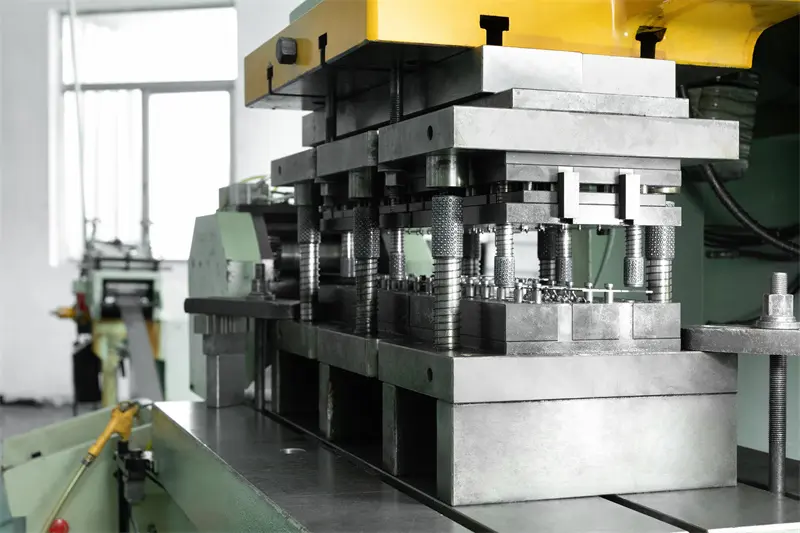
2. Progressive Mold Also called continuous mold, the material belt always moves in one direction during the stamping process. A progressive mold is one in which the strip inside the mold moves in two or more directions after being cut off. The automatic feeding continuous mold is used to complete the feeding of the material belt inside the mold. In real life, to obtain the same workpiece, mass production is required. In order to achieve rapid and stable continuous production, the continuous mold is generated.
3. Compound Mold A stamping mold structure designed to perform multiple operations simultaneously in a single press stroke.
4. Drawing Mold A specialized mold used to stretch and shape sheet metal into hollow cylindrical or box-shaped components.

Frequently Asked Questions (FAQ)

What are the main types of molds used in MCCB metal stamping?
The primary mold classifications include multi-station molds, progressive (continuous) molds, compound molds, and drawing molds, each suited for different production requirements and part complexities.
What is the difference between a progressive mold and a multi-station mold?
A progressive mold processes a continuous metal strip that moves in a fixed direction through sequential stations within a single mold. A multi-station mold utilizes separate molds and relies on automation or manipulators to move individual workpieces between processing stages.
Why are progressive molds preferred for mass production?
Progressive molds allow for rapid, stable, and continuous automatic feeding. They are ideal for high-volume manufacturing because they integrate multiple operations into a single continuous cycle, reducing production time and labor costs.
How does a compound mold improve manufacturing efficiency?
A compound mold performs multiple operations, such as cutting and forming, at the same station during a single stroke of the press. This ensures high precision and minimizes part handling.
What is the specific application of a drawing mold?
Drawing molds are specifically used to pull and stretch sheet metal into three-dimensional hollow shapes, which is essential for forming structural enclosures or deep-drawn components of MCCB units.
How do you select the right metal stamping mold for MCCB parts?
Selecting the right mold depends on production requirements, volume, part complexity, and material thickness. High-volume parts typically benefit from progressive molds, whereas complex components involving multiple stages may require multi-station systems.

Related Products