Engineered for extreme reliability, maximum breaking capacities, and precise electrical protection.
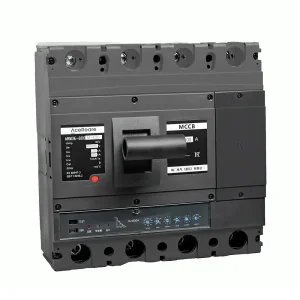
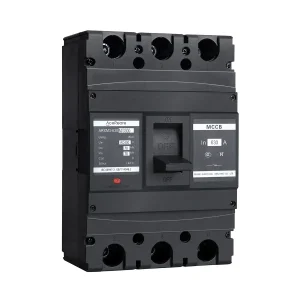
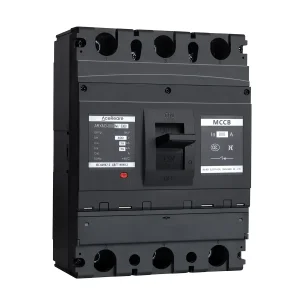
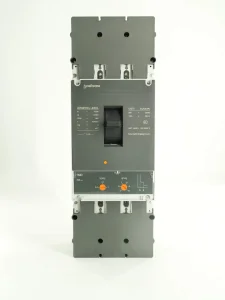

Founded in 2015, Acereare Electric operates through its two wholly-owned subsidiaries, "RuiRui Electric" and "KeRui Electric". Rooted in a rich legacy of industrial engineering, our operations inherit over 20 years of craftsmanship passed down across two generations of low-voltage electrical electrical pioneers.
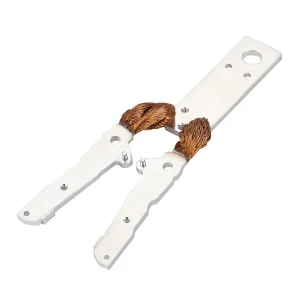
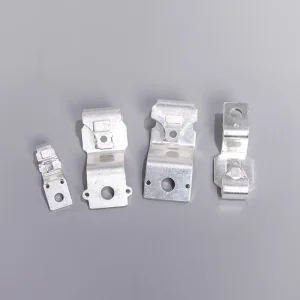
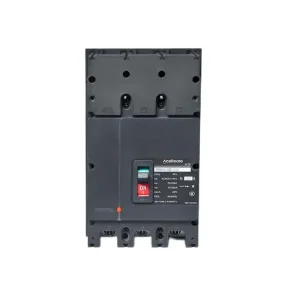
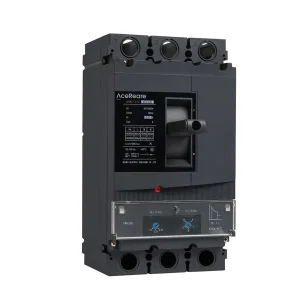
We are a professional original manufacturer integrating R&D, production, and global sales. Specializing in high-performance Molded Case Circuit Breakers (MCCB), Air Circuit Breakers (ACB), and premium-grade micro-components. Operating state-of-the-art facilities, our factory ranks among China’s premier ODM/OEM companies in low-voltage distribution systems.
By establishing long-term strategic cooperation with nearly 100 high-end domestic and overseas customers, we ensure that power grids around the world run efficiently, safely, and uninterrupted.
Maximizing quality, cost efficiency, and technological superiority across low-voltage power networks.
A true one-stop service powered by 6 advanced processing techniques. Our facility hosts ultra-high precision stamping, molding, and automated assembly systems alongside 10 manual and automated production lines.
Over 50 dedicated R&D engineers, each holding 5+ years of specialized low-voltage electrical design experience. Utilizing sophisticated 3D simulation software, we launch over 50 new research and development projects yearly.
By owning and managing two distinct specialized factories for raw components and finished machines, we integrate operations through advanced ERP and U8 enterprise software to ensure perfect delivery timelines.
Equipped with an independent testing laboratory, we utilize 150+ testing instruments and 20+ full-time inspectors. Production flows are monitored via integrated PLM, BI, ERP, and MES software architectures.
Engineered to deliver flawless performance in the world's most demanding physical environments.
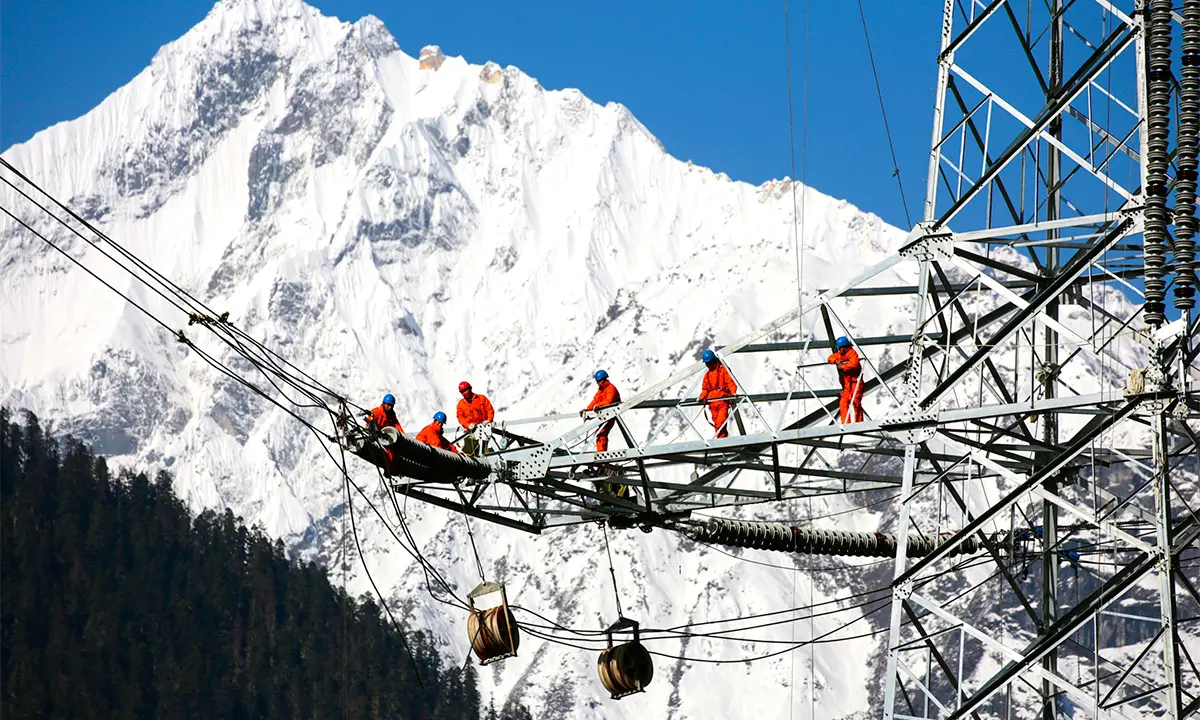
Traditional breakers fail when lubricating oils freeze and plastic components become brittle. We employ specially synthesized low-temperature resistant structural polymers and low-viscosity aerospace-grade lubricants. Tested in environmental chambers, our units carry official reports confirming reliable mechanical trips down to -40°C.

Humid, saline environments accelerate the oxidation of metal contact parts, raising resistance and causing fire hazards. We apply thick anti-corrosive electroplating to structural elements. Complete MCCB units endure 72 hours of intense salt spray tests (and 48 hours for core components) to protect machinery on shipping docks, ports, and wind farms.
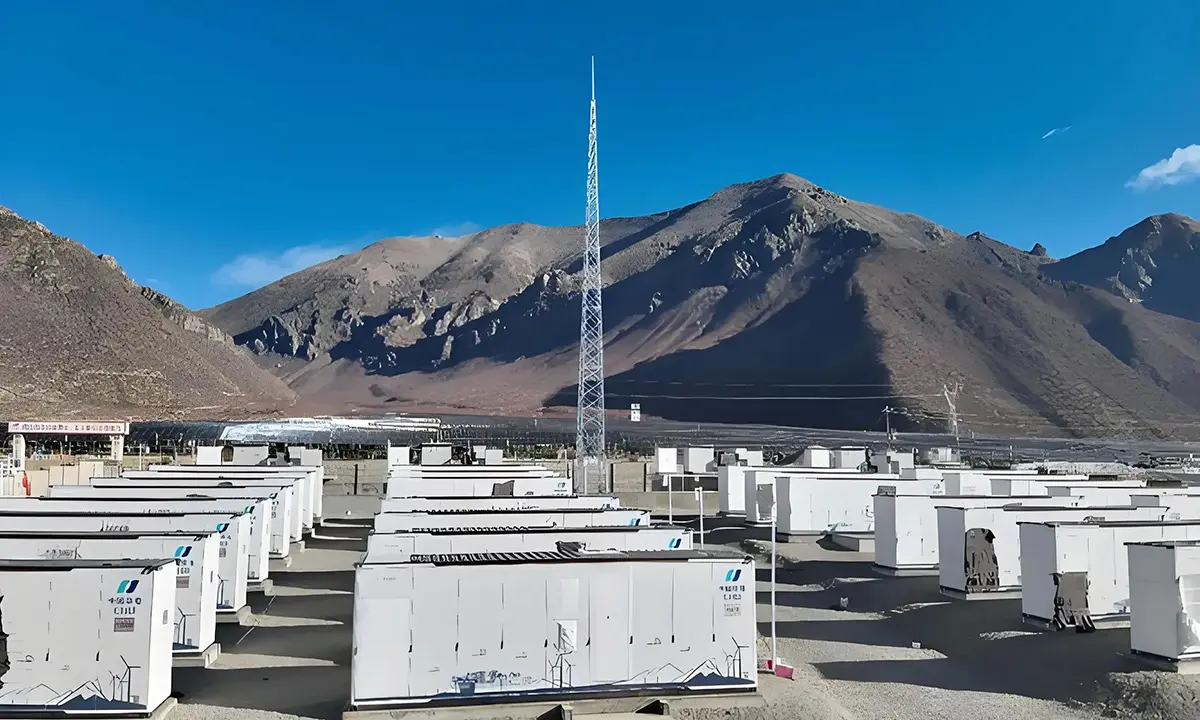
At high elevations, thin air reduces both dielectric strength and heat dissipation. Unadjusted breakers trip prematurely or fail to quench electrical arcs. We utilize calibrated high-altitude derating charts, increasing creepage distances and optimizing arc-chute geometry to guarantee reliable operations at elevations beyond 2000 meters.
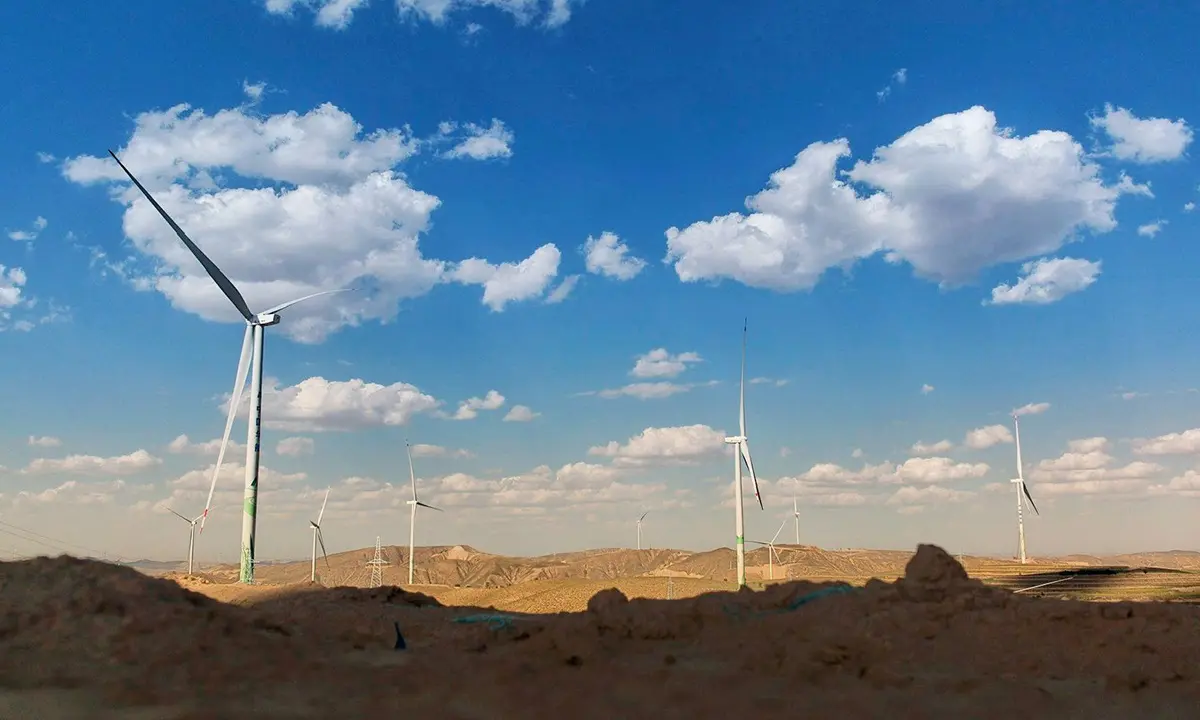
In heavy steel mills and desert solar installations, ambient heat causes thermal-magnetic breakers to drift. We formulate our products using high-temperature resistant compounds, coat controllers in thermal insulation layers, and apply anti-humidity/anti-corrosion finishes. Performance parameters are validated in 55°C constant-temperature rooms.
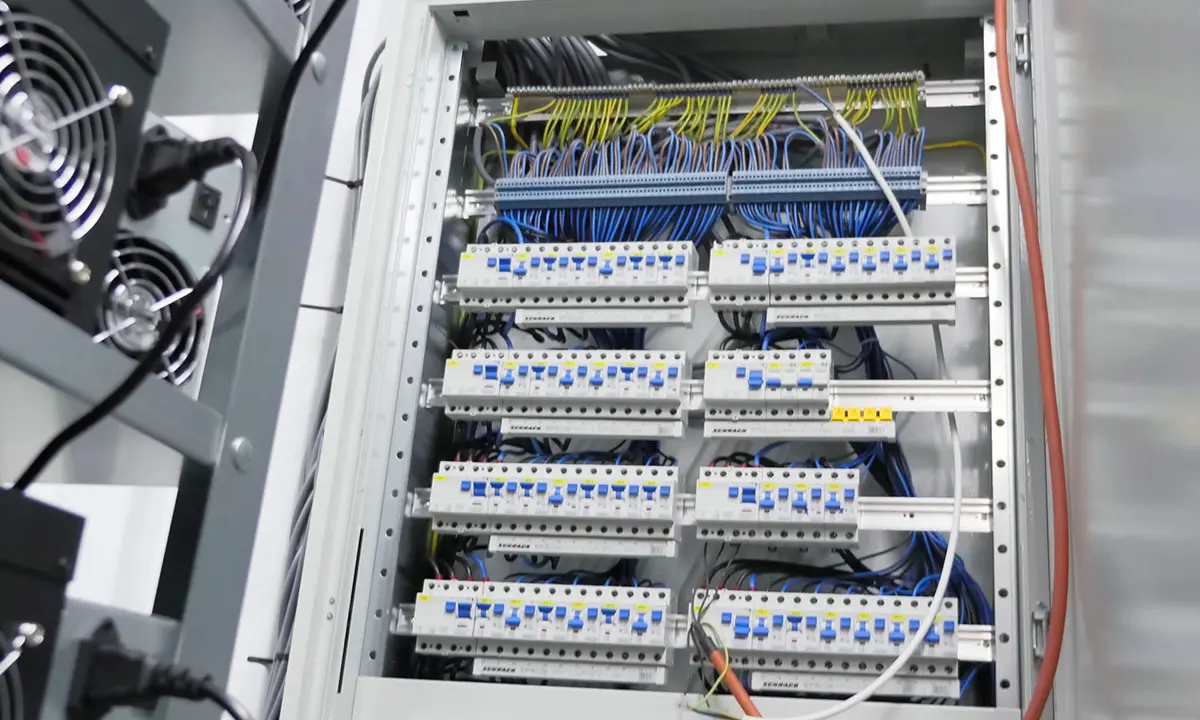
Modern electrical grids demand real-time diagnostics. Our smart MCCBs integrate digital communication, high-precision metering, and edge computing chips. Supporting Modbus, RS485, and Ethernet protocols, these units enable remote control, micro-second sensing, and instant trip status telemetry for automated factory controls.
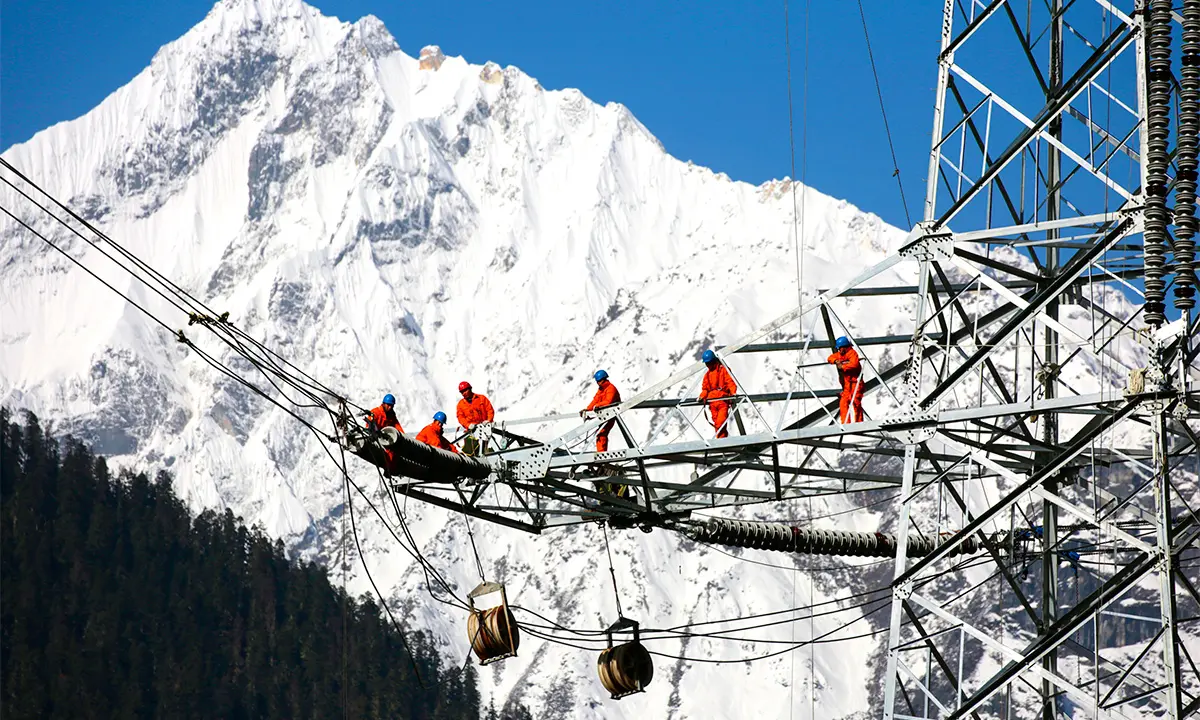
Solar arrays demand circuit breakers capable of interrupting high DC or elevated AC voltages (800VAC/1000VAC/1140VAC). We design circuit breakers specifically engineered to handle high voltages and extinguish intense electric arcs, shielding utility-scale solar farms from catastrophic overload conditions.
From initial inquiry to technical selection and global shipment logistics.
Identify system parameters, current demands, and environmental needs.
Engineers recommend customized adjustments and simulation mapping.
Finalize technical specs, certifications, and delivery timelines.
Automated assembly and physical testing in our quality lab.
Secure export packing and delivery tracking to your destination port.
Helping global brands build robust market share through highly customizable electrical solutions.
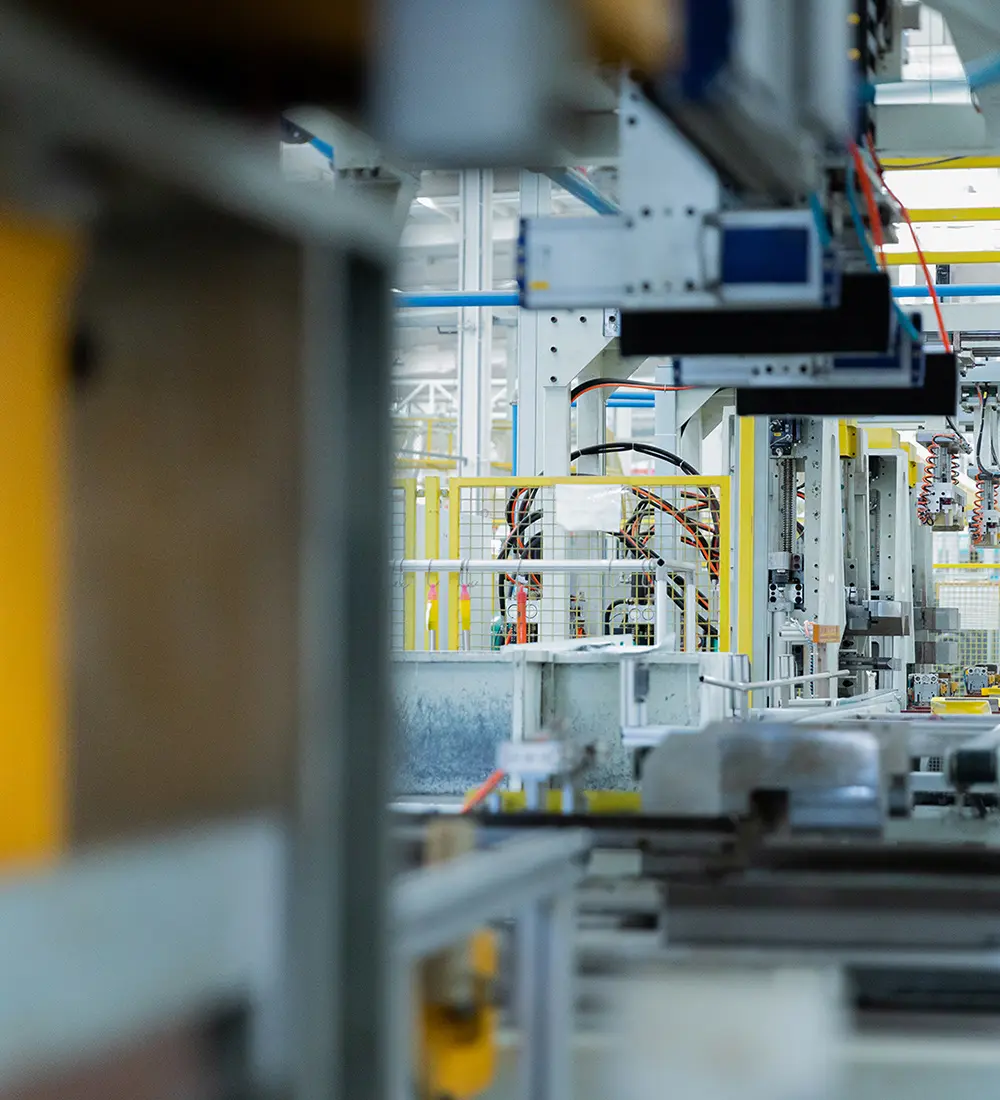
Maximize production efficiency by leveraging our state-of-the-art facilities. We handle high-volume runs of your established designs under strict confidentiality, maintaining compliance with all international standards.
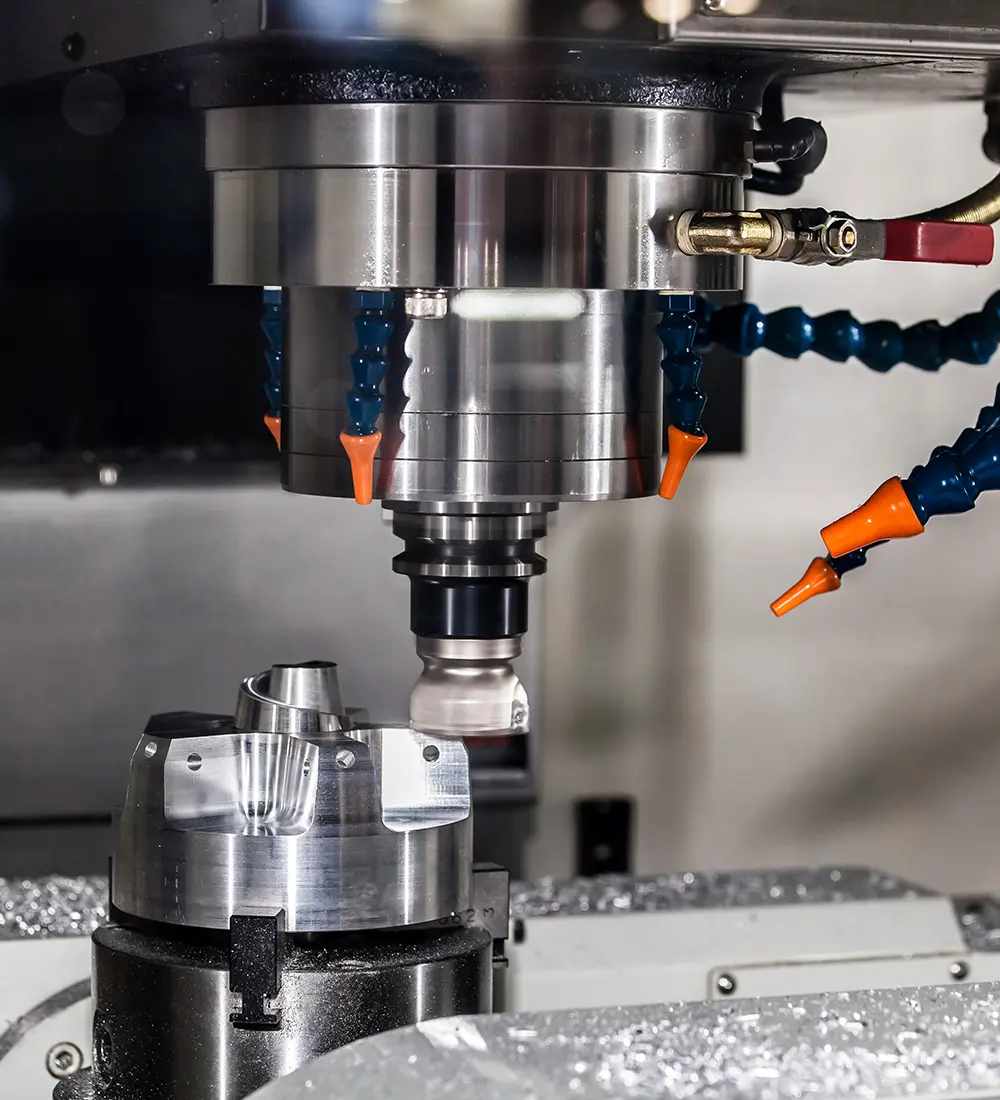
From initial concept to schematic drawings, mold development, and final production, our R&D division works alongside your engineering team to bring innovative electrical solutions to life.
Key technological directions shaping the global power distribution landscape from 2025 to 2030.
Solid-state technology introduces micro-second response times, eliminating mechanical wear and preventing dangerous arcing. While conventional mechanical units remain critical, hybrid circuit breakers are taking center stage in mission-critical applications like data centers and medical systems.
Today's power distribution systems demand more than reactive tripping. Next-generation circuit breakers utilize IoT architectures to report real-time current metrics, phase health, and contact wear, allowing facility managers to deploy predictive maintenance protocols before downtime occurs.
With global solar, wind, and battery storage systems rapidly expanding, the demand for high-voltage DC protection has surged. Breakers must handle voltages upward of 1500VDC without compromising insulation or service life, prompting manufacturers to innovate with advanced composite materials.
See our high-speed automated production lines, testing laboratories, and quality assurance processes in action.
Every circuit breaker undergoes rigorous testing to comply with international standards.
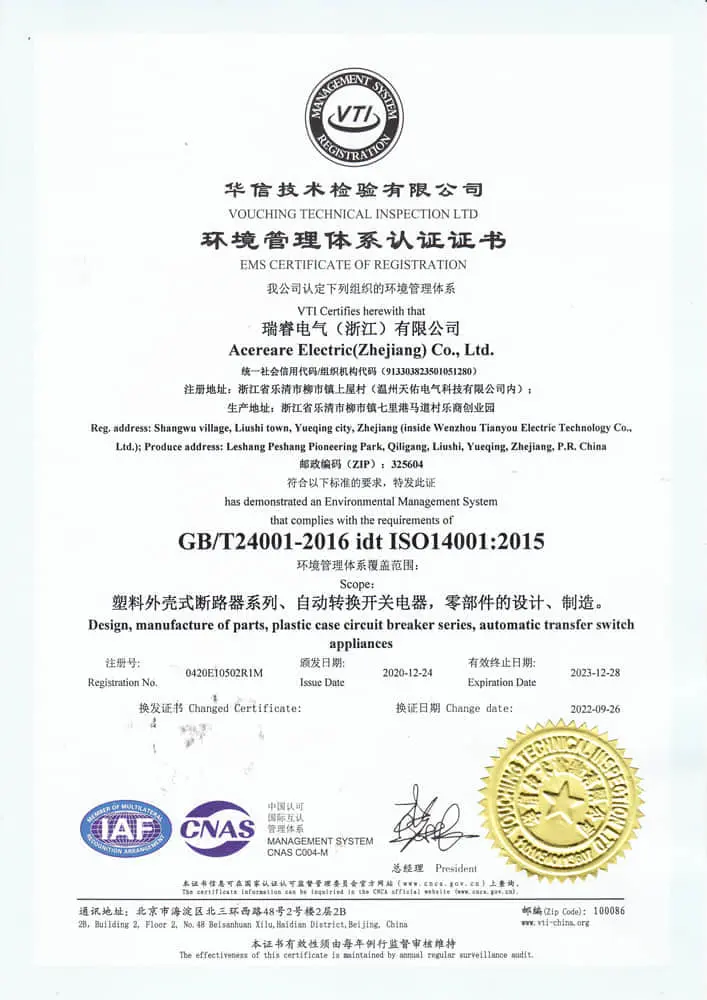
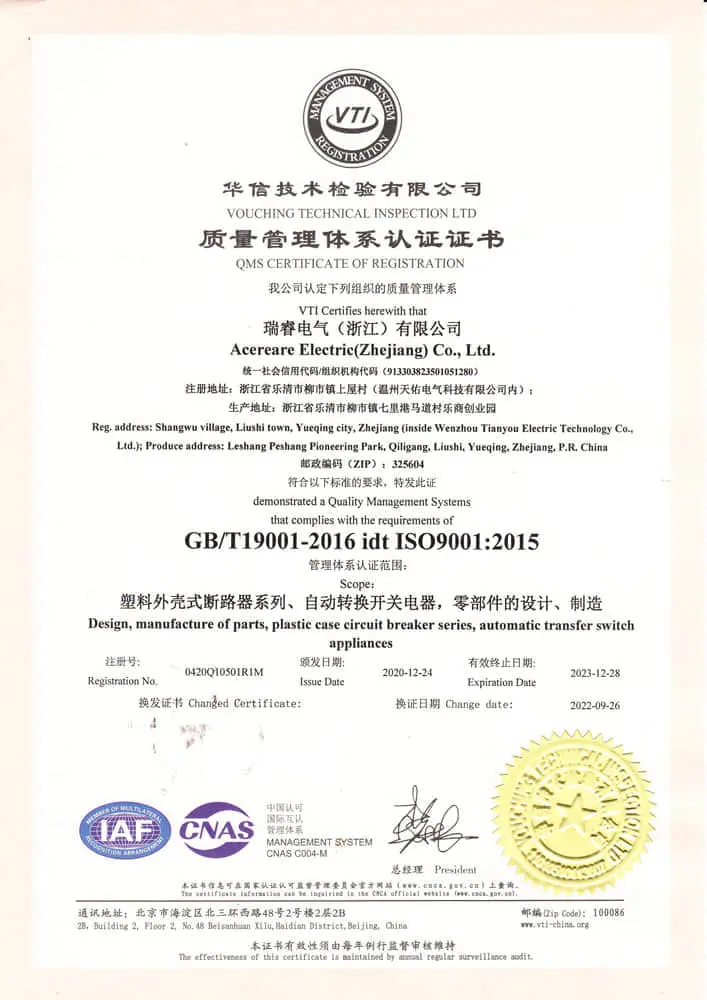
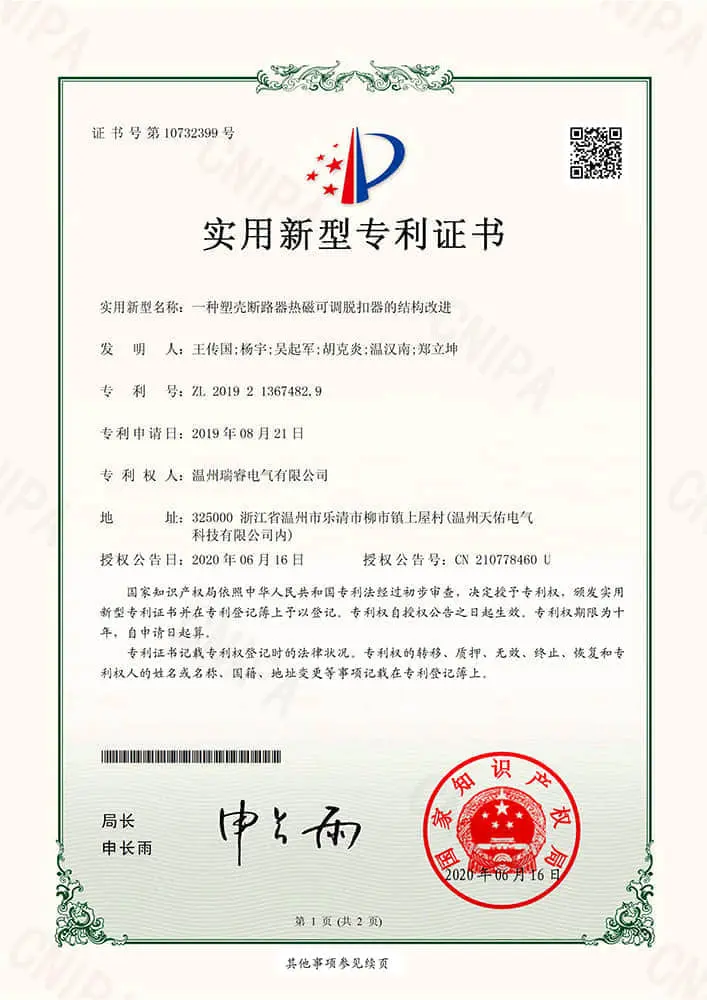
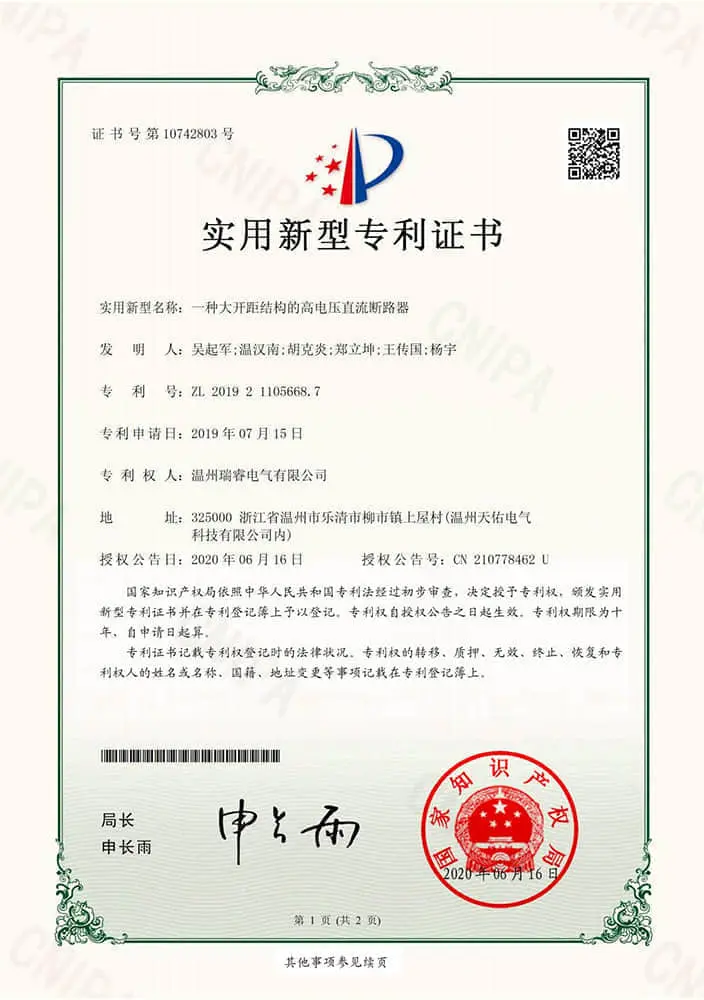
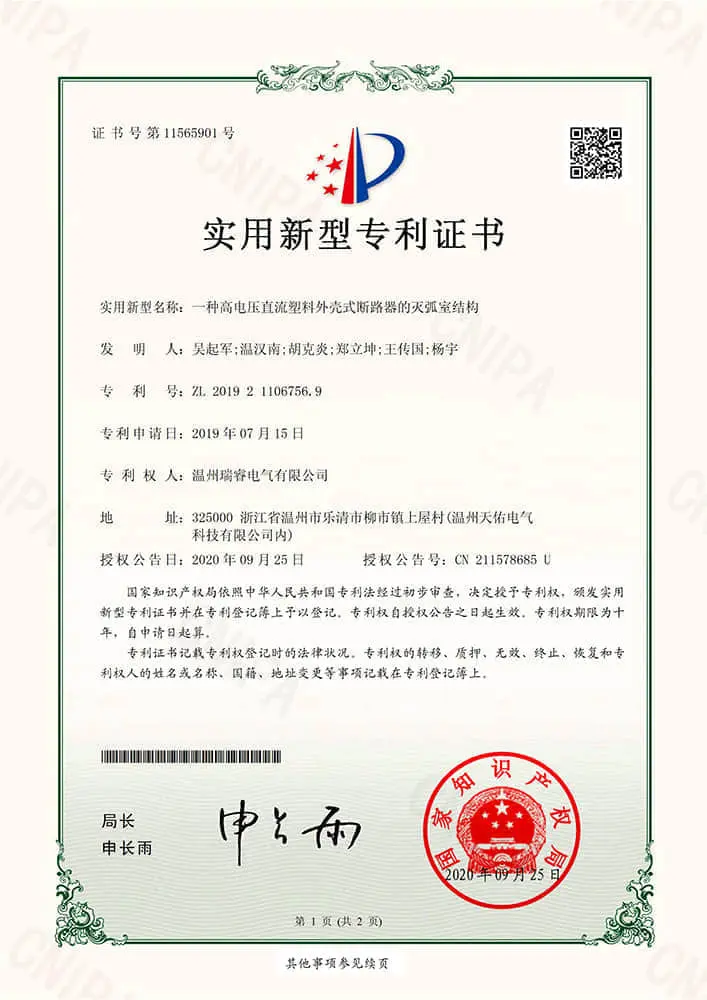
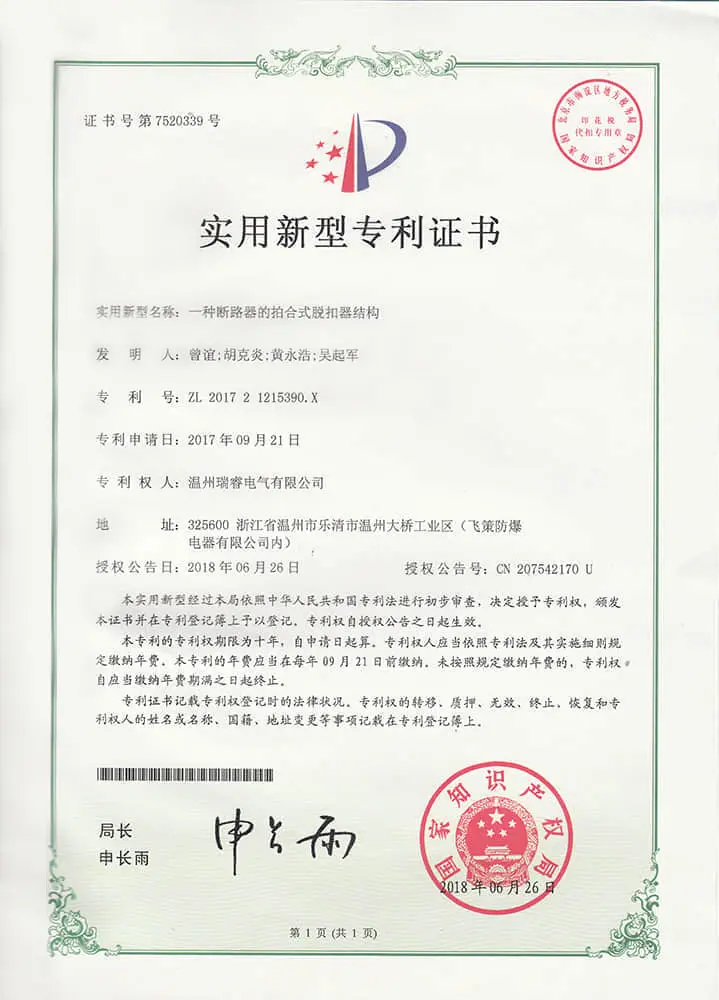
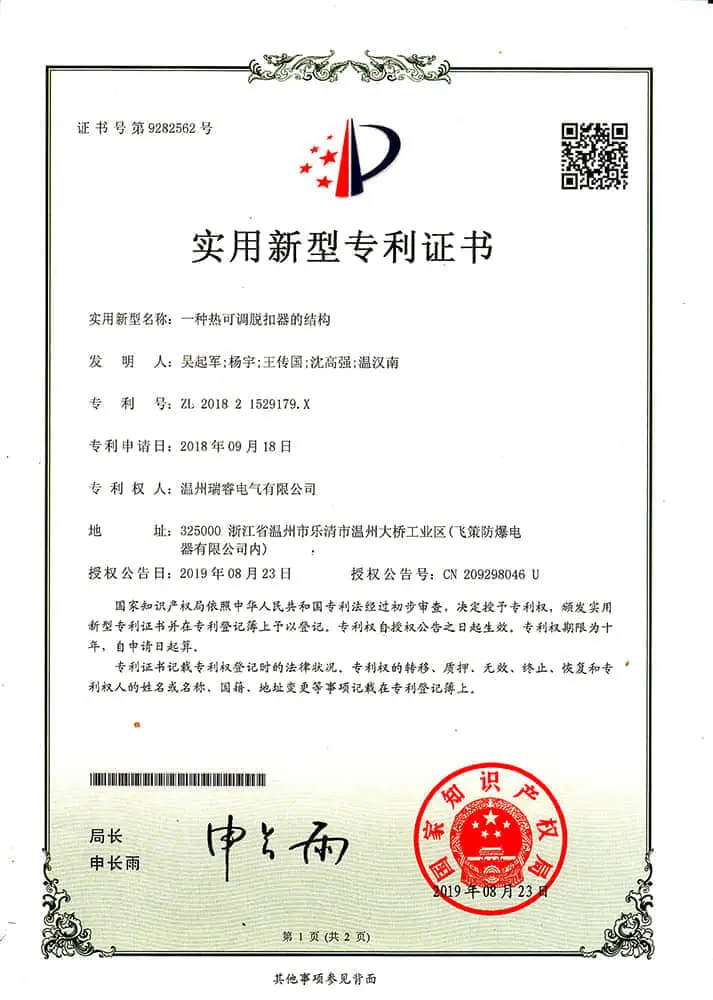
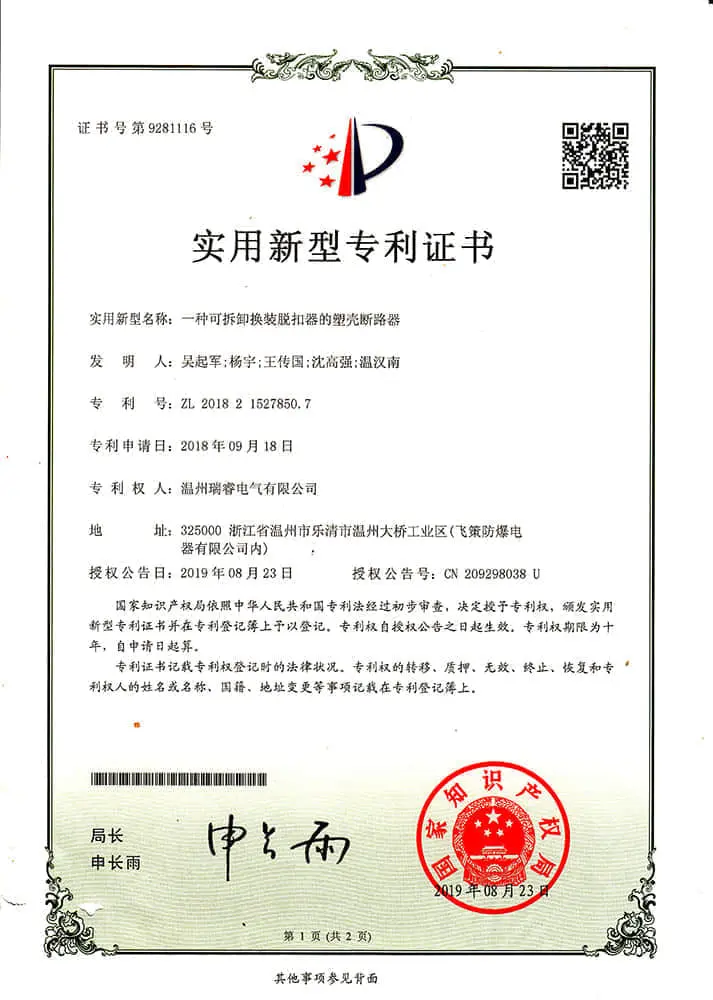
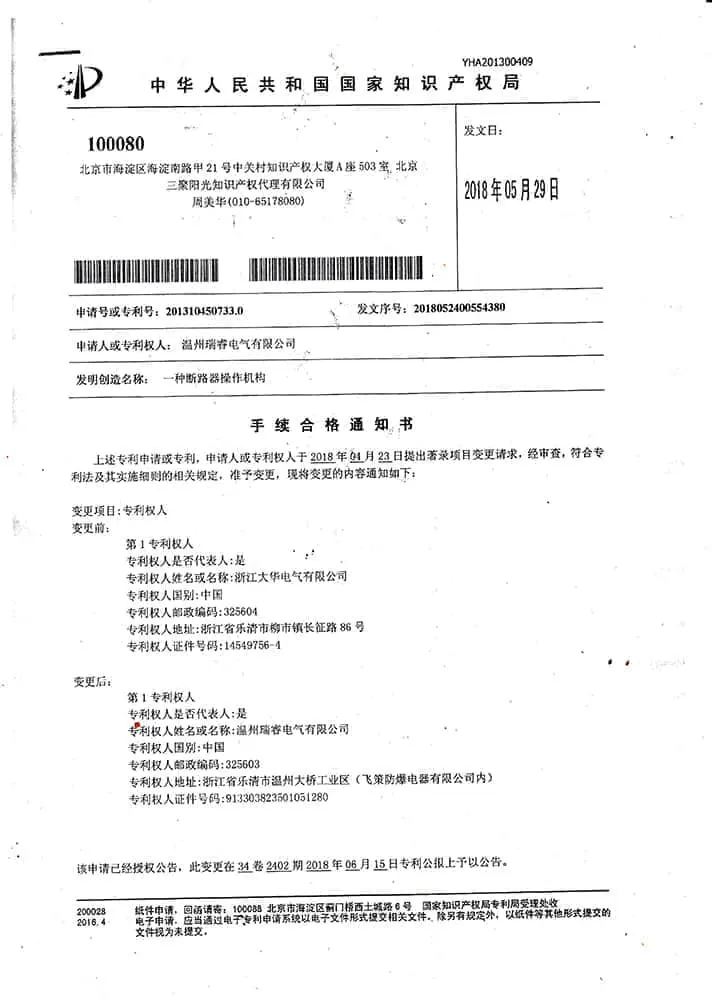
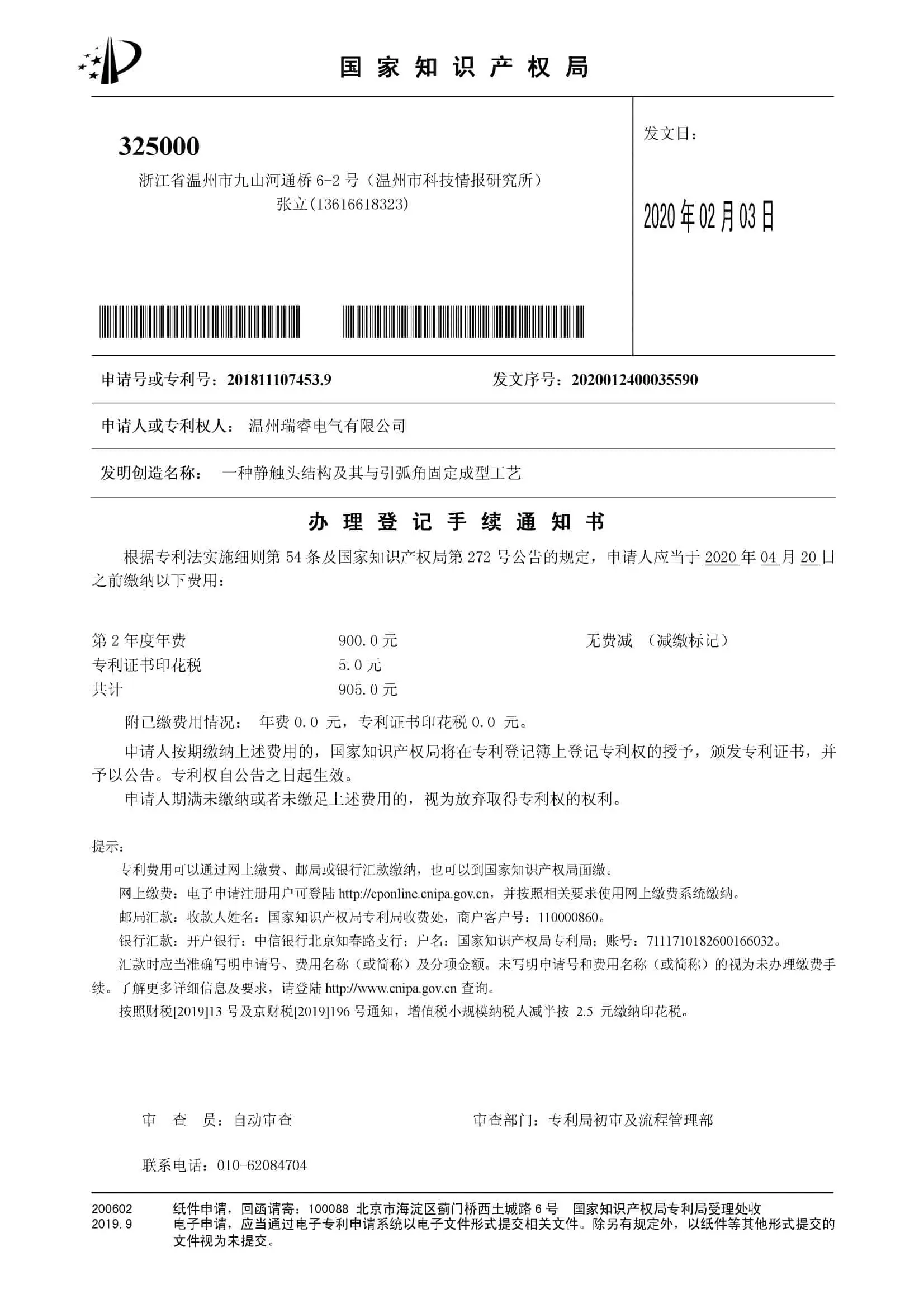
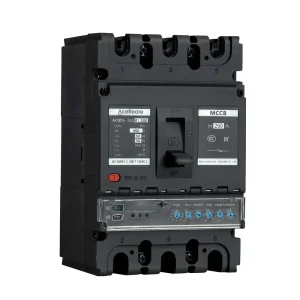
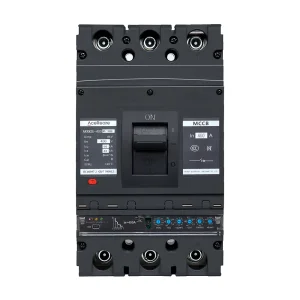
Our circuit breakers (including the ARM1, ARM1L, ARXM3, ARM3E, ARM5, ARM6, ARW1, ARW3 series) are designed and constructed in accordance with European and international safety standards. With robust designs, these components handle critical power distribution duties in systems from 400V to 1140V with absolute stability.
Expert technical insights regarding MCCBs, ACBs, and industrial power distribution design.
An LSIG trip unit provides comprehensive, adjustable electronic protection against various electrical fault conditions:
L (Long-time Delay): Provides overload protection, tripping when current exceeds ratings for a sustained period.
S (Short-time Delay): Delays trips during short circuits to allow downstream breakers to clear the fault first, maintaining system coordination.
I (Instantaneous): Trips immediately under high-level short circuits to minimize damage.
G (Ground Fault): Detects low-level current leakage to ground, protecting personnel and preventing fires.
At elevations exceeding 2000 meters, the thinner air reduces cooling efficiency and lowers the dielectric breakdown voltage of air. This reduces the breaker’s thermal performance and dielectric strength. To ensure safe operation, designers must apply a derating factor to current and voltage ratings using our calibrated altitude correction tables.
Solar photovoltaic applications operate at higher systemic DC and AC voltages (often 800VAC to 1140VAC). Extinguishing electrical arcs under these high voltages requires specialized arc chambers, magnetic blowouts, and contact configurations. Our solar-dedicated MCCB series are engineered to withstand these stresses, ensuring stable and reliable performance in clean energy systems.
Icu represents the maximum short-circuit current the breaker can safely interrupt, though it may require inspection or replacement afterward. Ics represents the maximum short-circuit current the breaker can interrupt and still remain operational. For premium industrial components like our ARM5 series, Ics is designed to equal Icu (100% Ics = Icu), ensuring maximum durability.
Electrical contacts must withstand substantial thermal shock and resist welding under fault conditions. We use high-purity copper and silver alloy contacts (such as silver-tungsten or silver-carbide) sourced from audited suppliers. We inspect these critical materials in our testing laboratory and monitor production quality through ERP, PLM, and MES software platforms.
Whether you require custom OEM packaging, prototype design via our ODM services, or high-volume shipments of standard MCCBs, our sales and engineering team is ready to support your project.
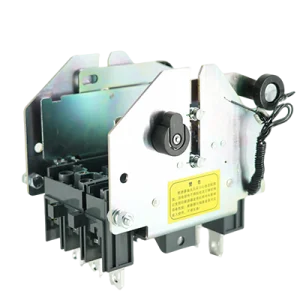
Contact Our Technical EngineersHigh-durability accessories, adjustable MCCBs, and specialized solar system components.
 AceReare