Industrial grade Molded Case Circuit Breakers, Air Circuit Breakers, and auxiliary feedback solutions manufactured to strict international quality standards.
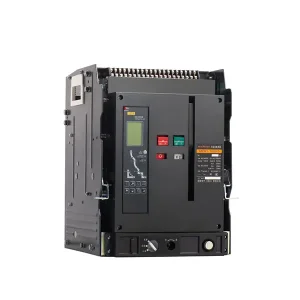
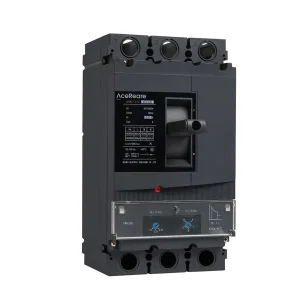
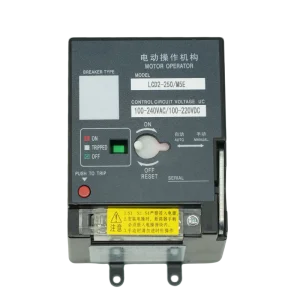
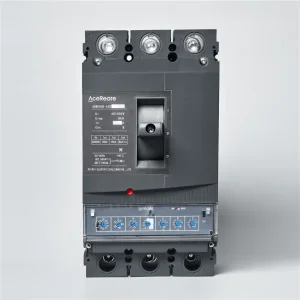
In modern industrial and commercial electrical grids, safety, continuity of service, and fault-handling capacities are non-negotiable parameters. As power distribution networks handle increasingly complex loads, Molded Case Circuit Breakers (MCCBs) have evolved from simple thermal-magnetic disconnect switches into intelligent, networked protection platforms. Today’s industrial buyers and electrical system designs require breakers that are not only robust under extreme conditions but also capable of providing real-time measurements, communication interfaces, and precise diagnostic capabilities.
Understanding these critical needs, China's leading manufacturing sector has transitioned from manual mechanical assembly to automated, software-driven factories. Electrical designers are prioritizing high-voltage systems (up to 800VAC or 1140VDC for renewable energy systems) with massive breaking capacities ($I_{cu}$) equivalent to service breaking capacities ($I_{cs}$). This alignment ensures that a circuit breaker can resume operation safely even after interrupting severe short circuits, optimizing uptime and preventing catastrophic infrastructure damage.

Ensuring operational safety and continuous power delivery through precision manufacturing and software-integrated supply chain networks.
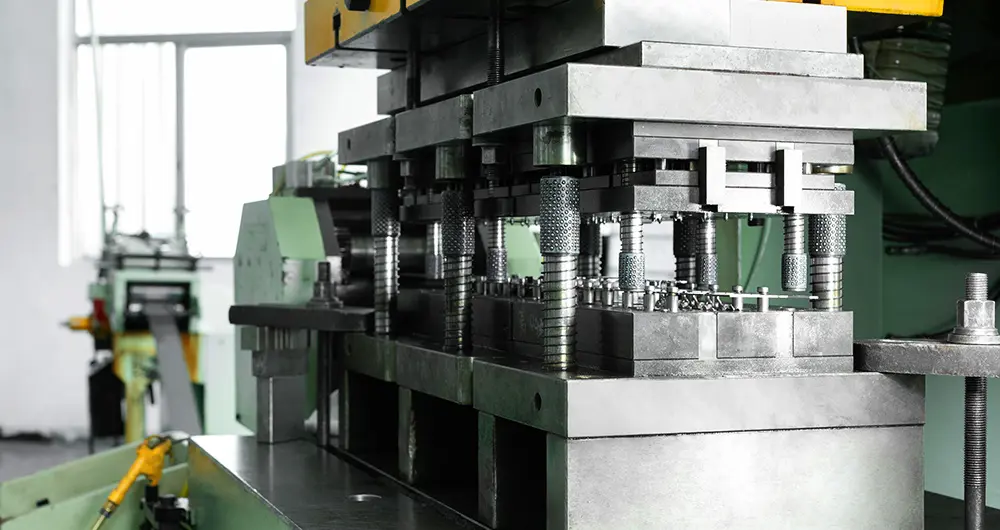
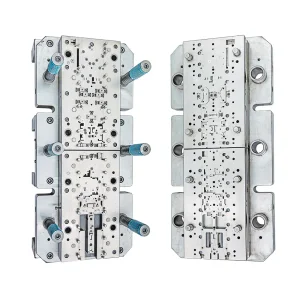
One-stop production incorporating six core processing techniques. We operate high-precision automated manufacturing equipment and over 10 manual and automated assembly lines.
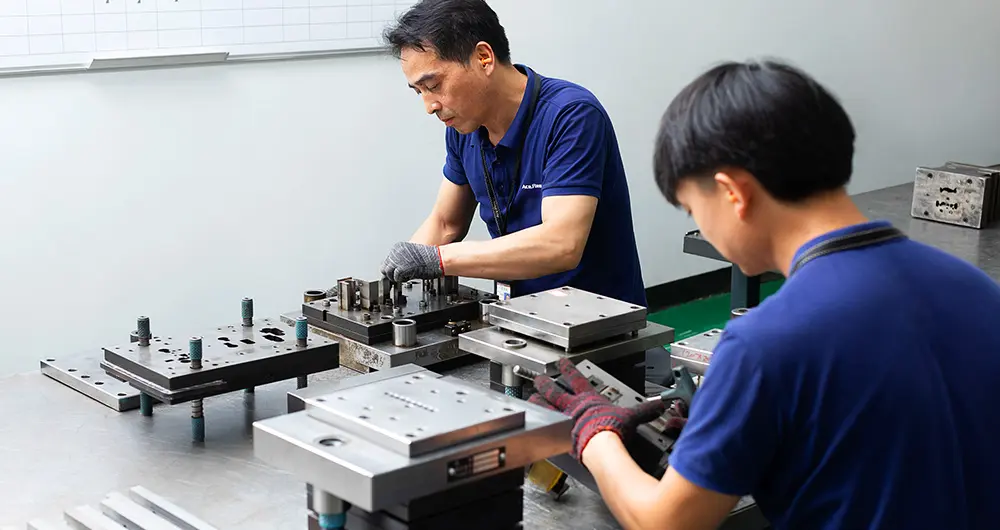
Over 50 R&D engineers with more than 5 years of domain experience. Experts in 3D modeling, component stress simulation, and tooling design, delivering 50+ projects annually.
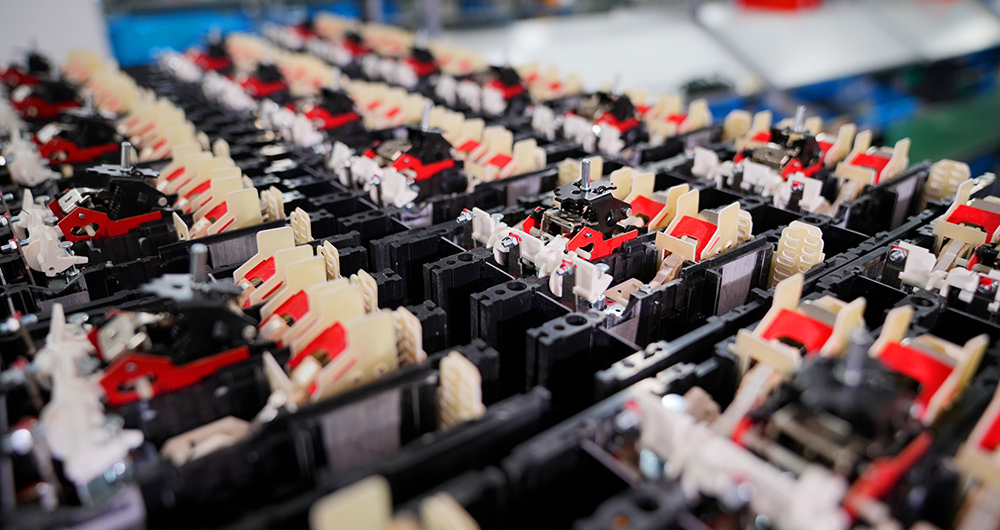
We own two specialized factories managing raw component stamping, moulding, and final system integration. Monitored and managed using advanced ERP and U8 software.
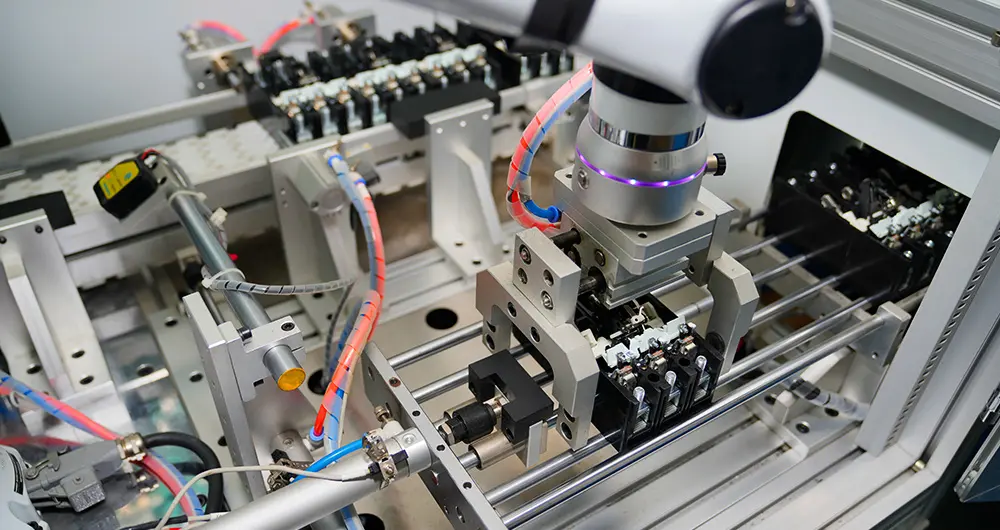
Rigorous testing in our internal testing laboratory, featuring over 150 dedicated testing instruments and 20+ inspectors. Quality managed via PLM, BI, ERP, and MES.
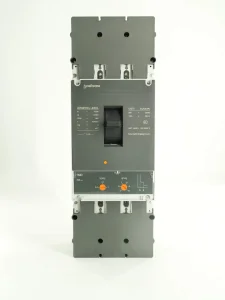
Designed for low-voltage power distribution up to 690V/800V/1000VAC and currents spanning 16A to 6300A.
Designed for earth leakage protection, overload, and short-circuit faults. Features dynamic fire-hazard prevention, custom residual current trip points, and high sensitivity to ground faults, providing robust safety levels in public utilities and multi-family structures.
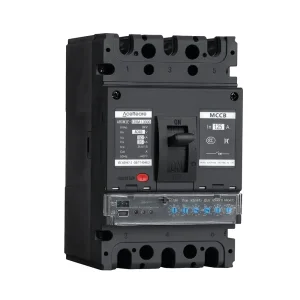
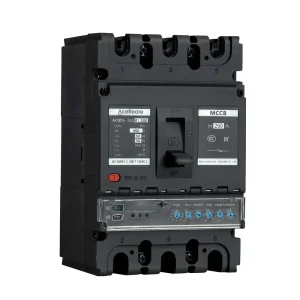
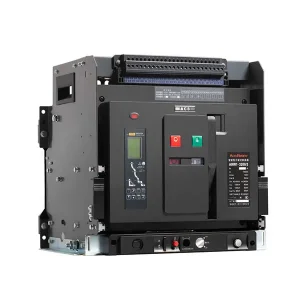
Equipped with thermal-magnetic or state-of-the-art electronic trip units offering adjustable Long-time, Short-time, Instantaneous, and Ground fault (LSIG) protection parameters. These units facilitate precise coordination curves for electrical engineers seeking grid selectivity.
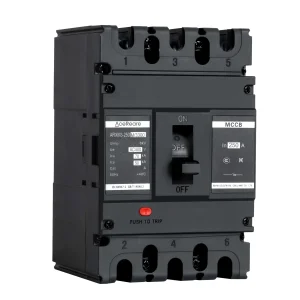
Configured with heavy-duty thermal-magnetic trip units, double-breaker arc-extinguishing chambers, and breaking capacities up to 200kA. Engineered for demanding industrial grids, heavy machinery, power generation utilities, and high-surge environments.
| Parameter Class | ARW1 Series (ACB) | ARM5 Series (MCCB) | ARM3E Series (Smart MCCB) |
|---|---|---|---|
| Rated Current ($I_n$) | 400A to 6300A | 100A to 630A | 32A to 800A |
| Rated Voltage ($U_e$) | 400VAC / 690VAC | 400V / 690V / 800VAC | 400V / 690VAC |
| Breaking Capacity ($I_{cu}$) | Up to 120kA | Up to 200kA | Up to 100kA |
| Trip Mechanism | Intelligent Electronic Control Unit | Thermal-Magnetic (Adjustable) | Electronic LSIG Trip Unit |
| Smart Automation | Supported (Four Remote Capabilities) | Via Electric Operating Mechanism | Communication Bus / Edge Computing |
Acereare Electric was established in 2015, integrating two manufacturing operations: "RuiRui Electric" and "KeRui Electric". Building on 20 years of craftsmanship, our facilities specialize in Molded Case Circuit Breakers (MCCB), Air Circuit Breakers (ACB), and precision steel stamping and molding parts.
We work in strategic partnership with nearly 100 high-end brands worldwide, providing engineering support and manufacturing capabilities to ensure your power distribution equipment achieves high safety ratings under all environmental operating conditions.
Tested and engineered to operate reliably in sub-zero climates, high-salinity offshore installations, high altitude zones, and extreme heat profiles.
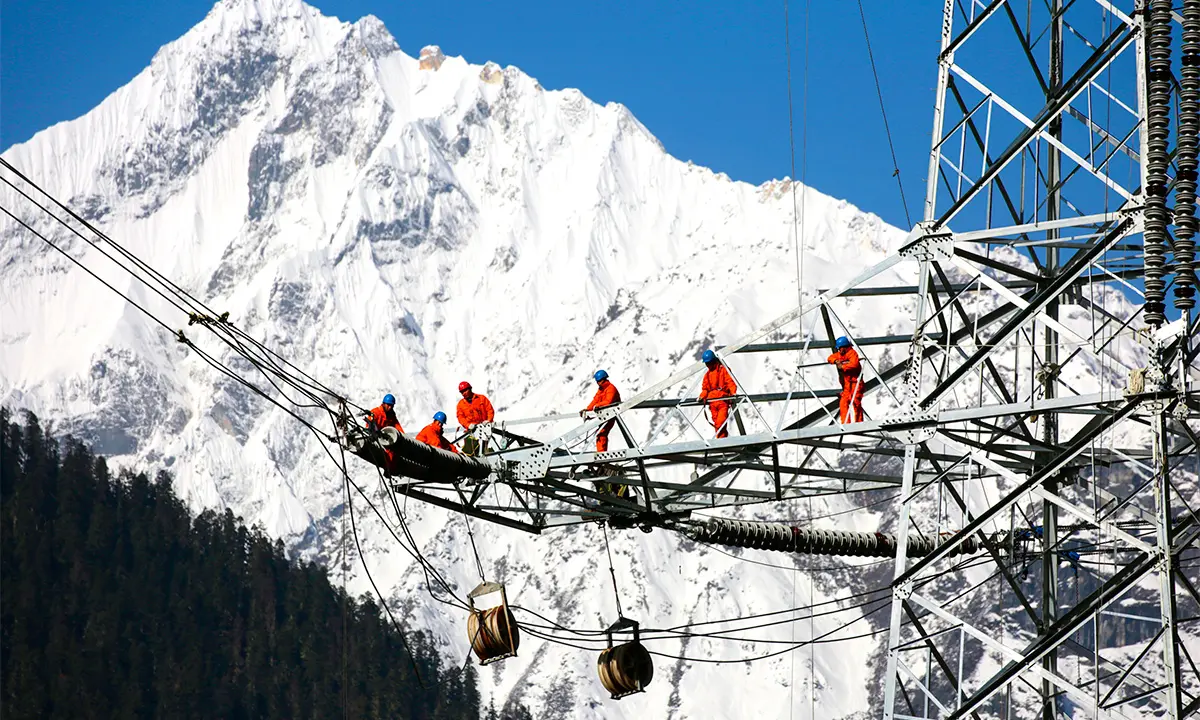
Constructed with specialized low-temperature resistant composite plastics, utilizing low-viscosity mechanical oils and thickened structural coatings. Verified via certified laboratory testing at temperatures as low as -40°C.

Undergoes 72-hour salt-spray chamber testing for completed breakers and 48-hour testing for internal subsystems. Prevents copper oxidation and structural fatigue in coastal installations and marine switchboards.
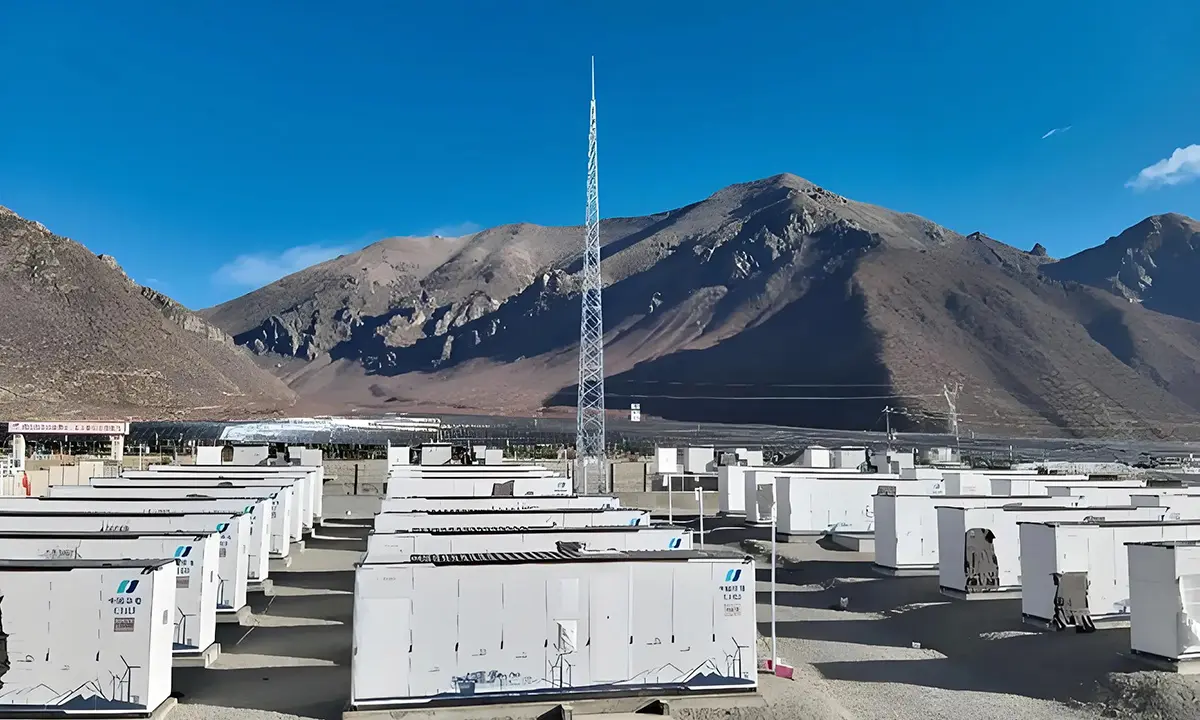
For installations exceeding 2000 meters above sea level, dielectric properties and insulation efficiency change due to thin air. We provide clear high-altitude de-rating metrics to prevent flashovers.

Compact form factor circuit breakers engineered for integration into residential distribution boards and commercial switchboards. Provides protection against overload and short-circuit faults.
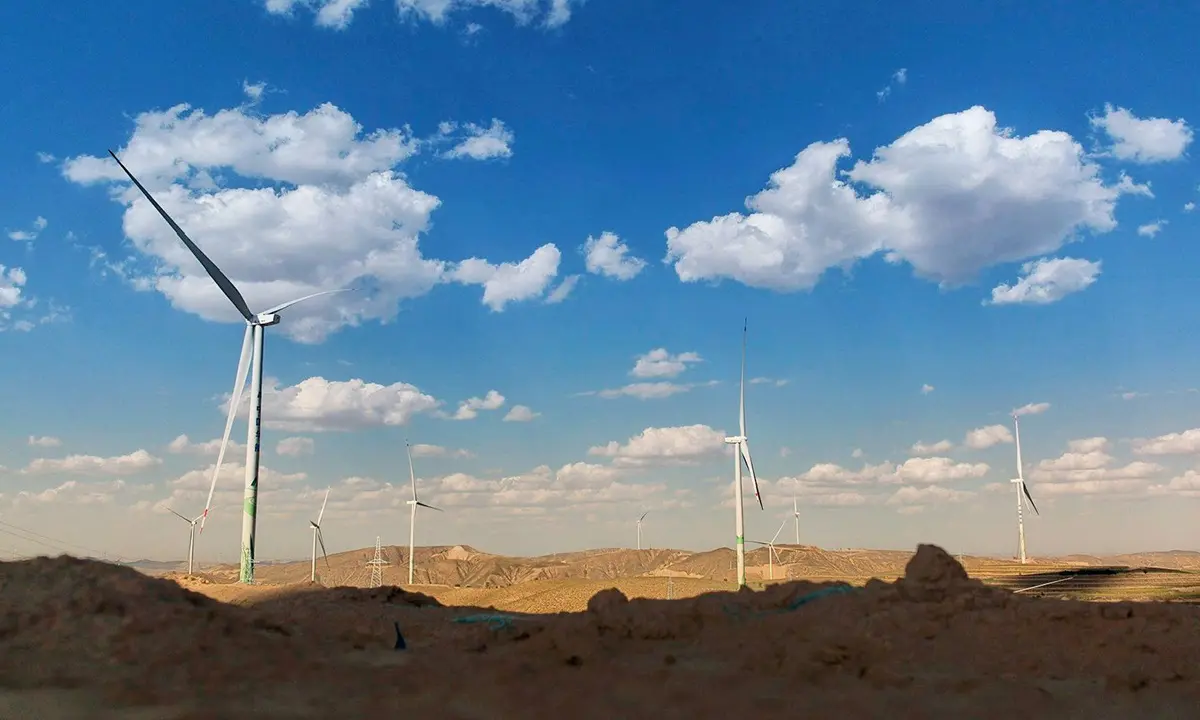
Utilizes thermal-resistant polymers, heat-reflective coatings on control components, and anti-corrosive treatments. Tested and verified inside our dedicated 55°C climate chambers.
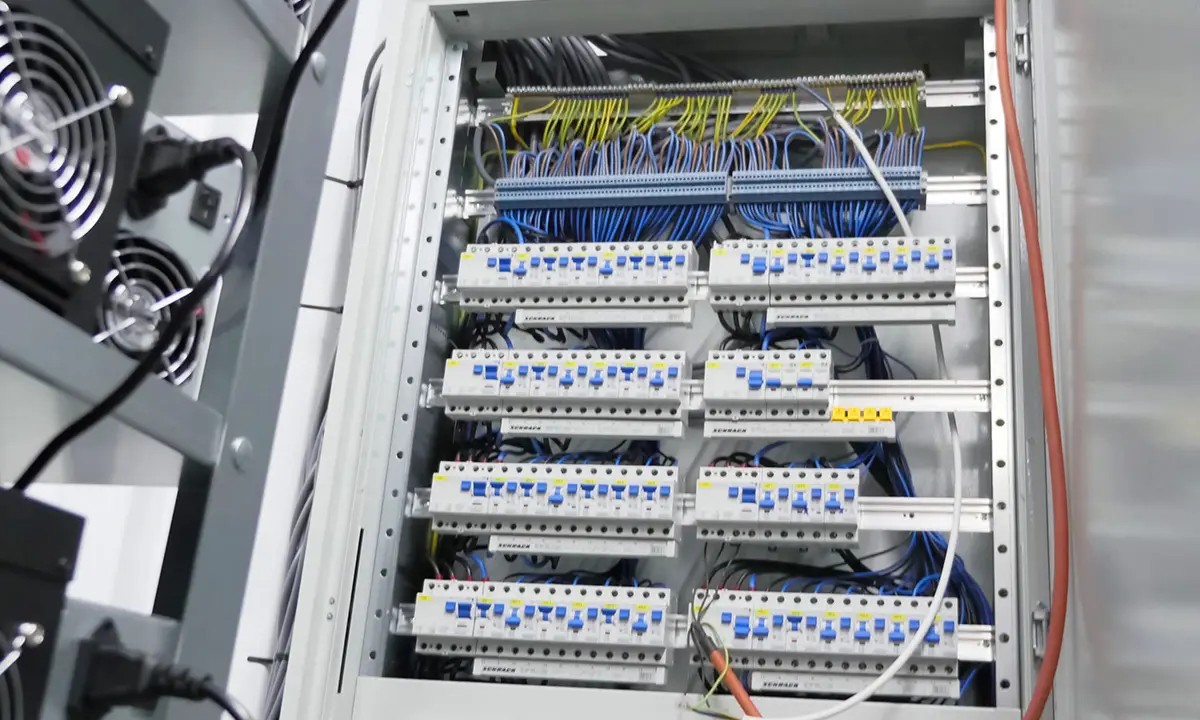
Supports modern digital grid infrastructures through advanced communication protocols, edge computing capabilities, real-time power metering, and integration with remote telemetry systems.
From initial design evaluation to mass manufacturing and compliance verification, we provide a complete path to market.
Evaluating technical grids, electrical loads, current curves, and target market regulatory requirements.
Customizing electrical trips, modeling switch gear parameters, and detailing internal busbar clearances.
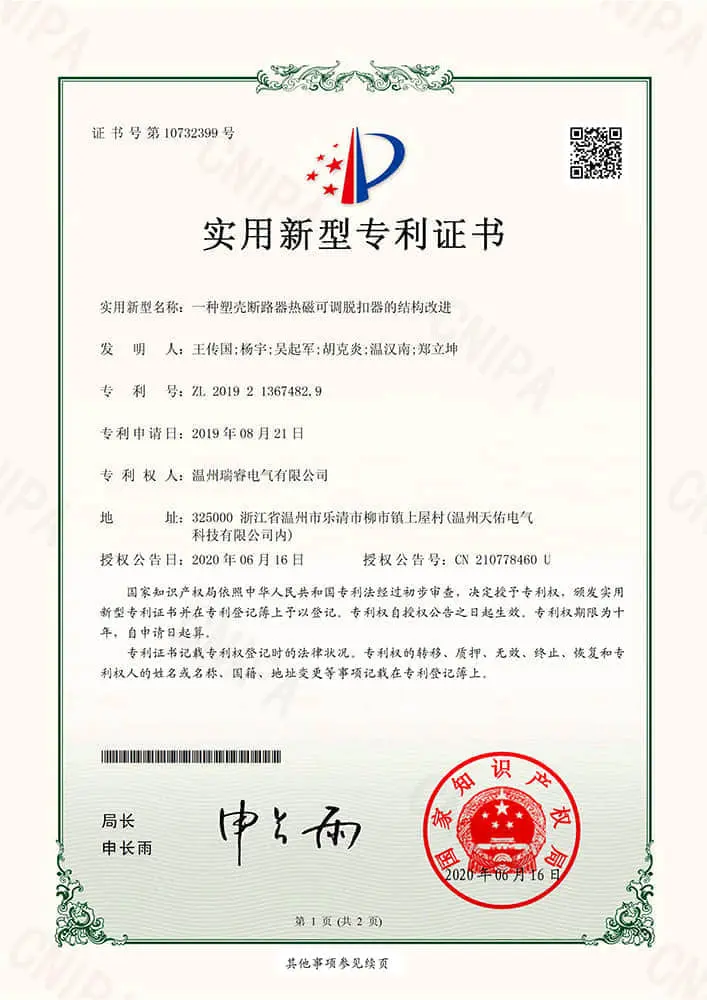
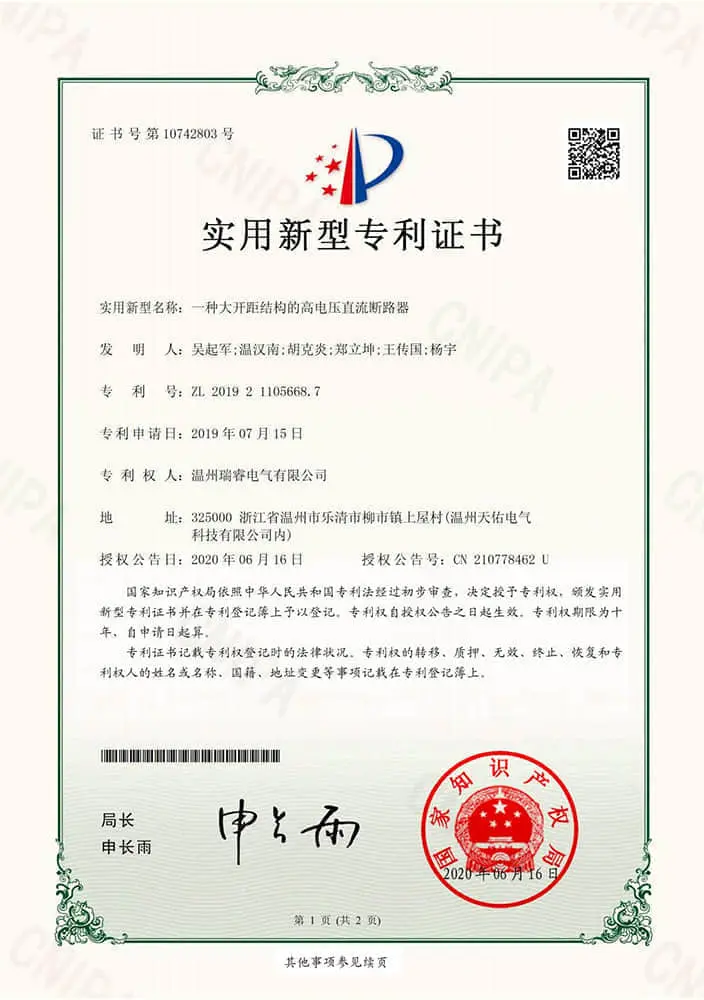
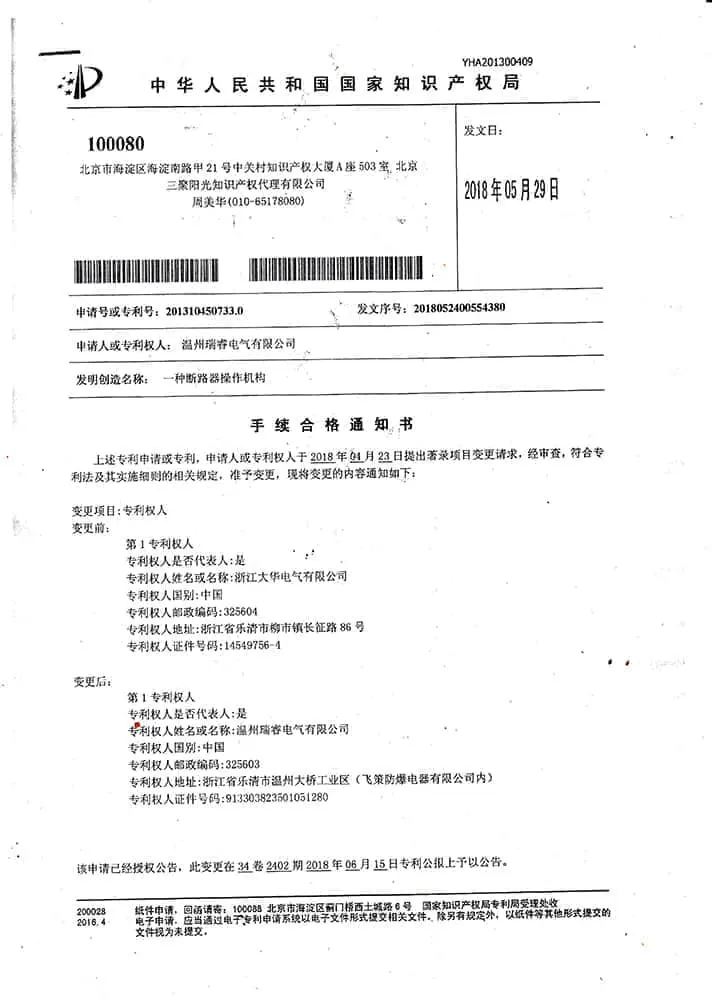
Establishing commercial parameters, defining delivery schedules, and executing intellectual property protection.
Subjecting systems to automated insulation, short-circuit, and mechanical trip evaluations.
Managing global shipping logistics, supplying compliance documentation, and providing after-sales support.
Supporting your market expansion with flexible branding options and dedicated manufacturing support.
Designed to help establish your brand identity and market position through customized structural designs and options.
Leverage our production lines and engineering experience to manufacture products according to your technical drawings.
Utilize our pre-designed, certified circuit breaker models and customize the branding and secondary properties.
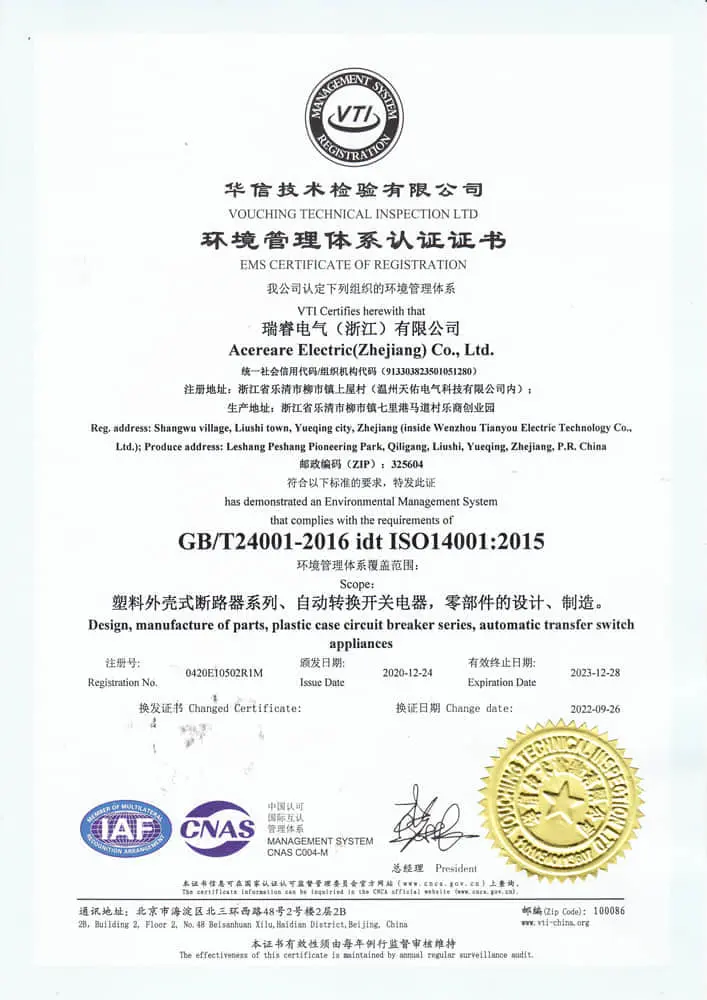
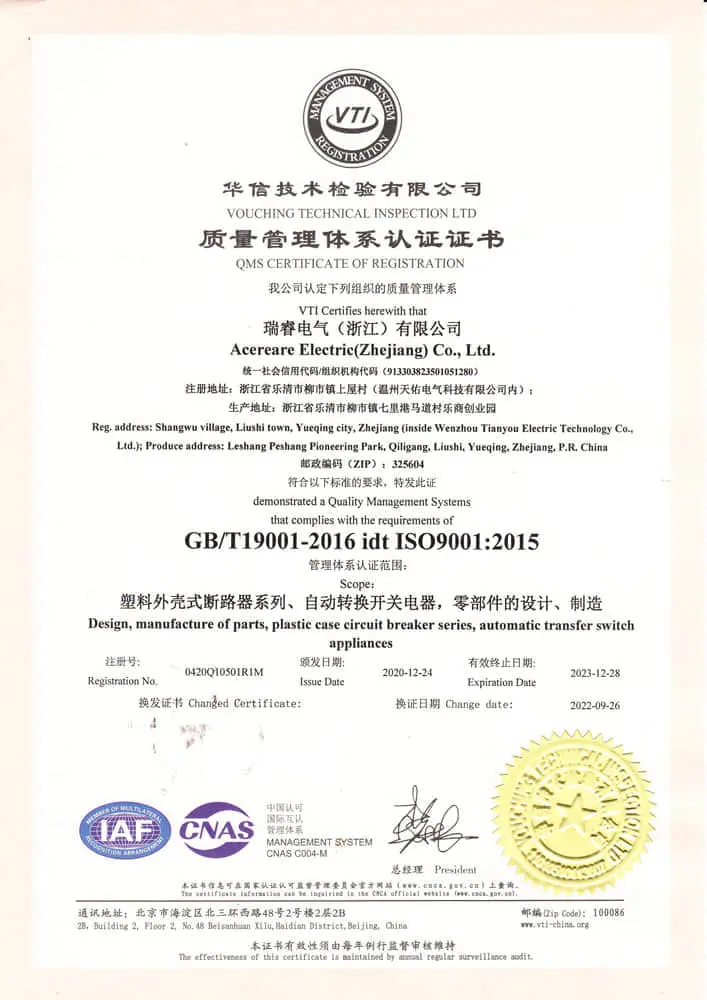
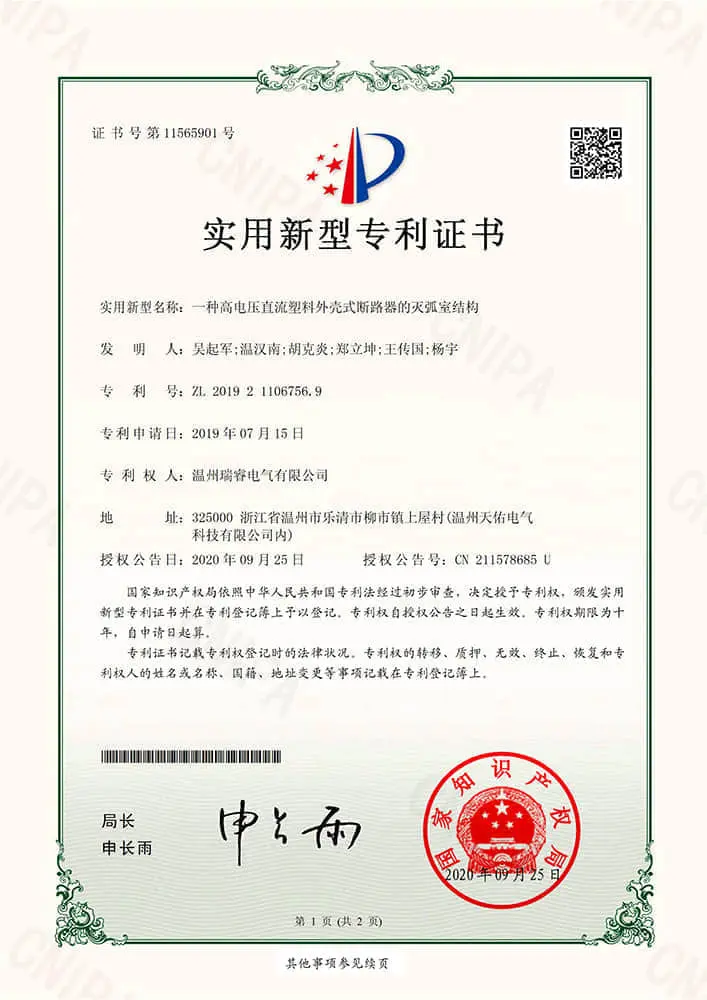
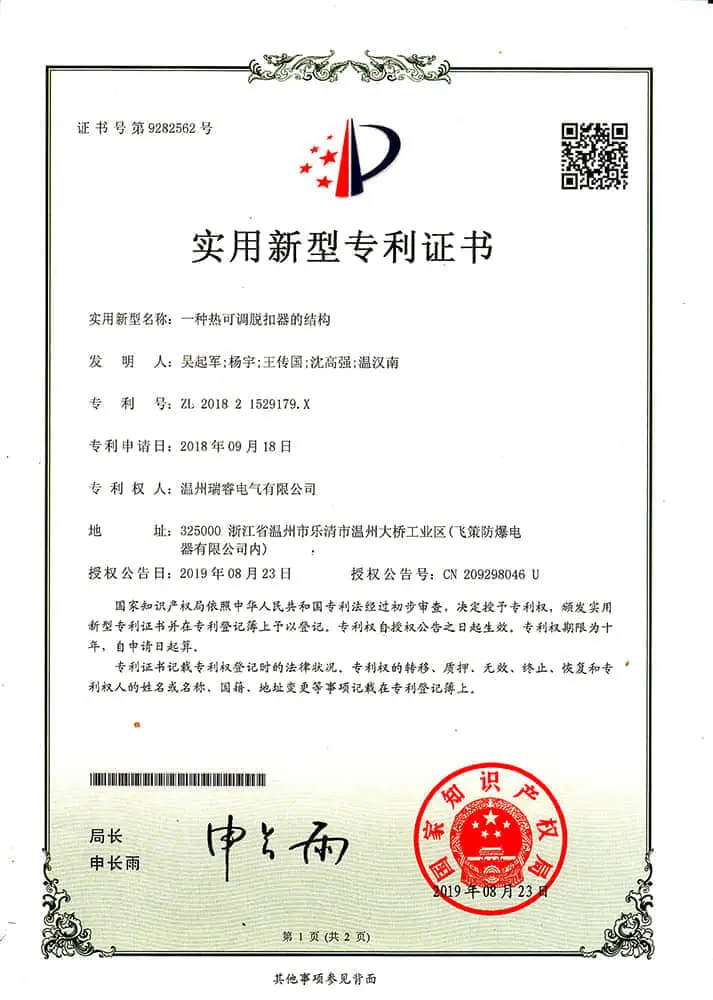
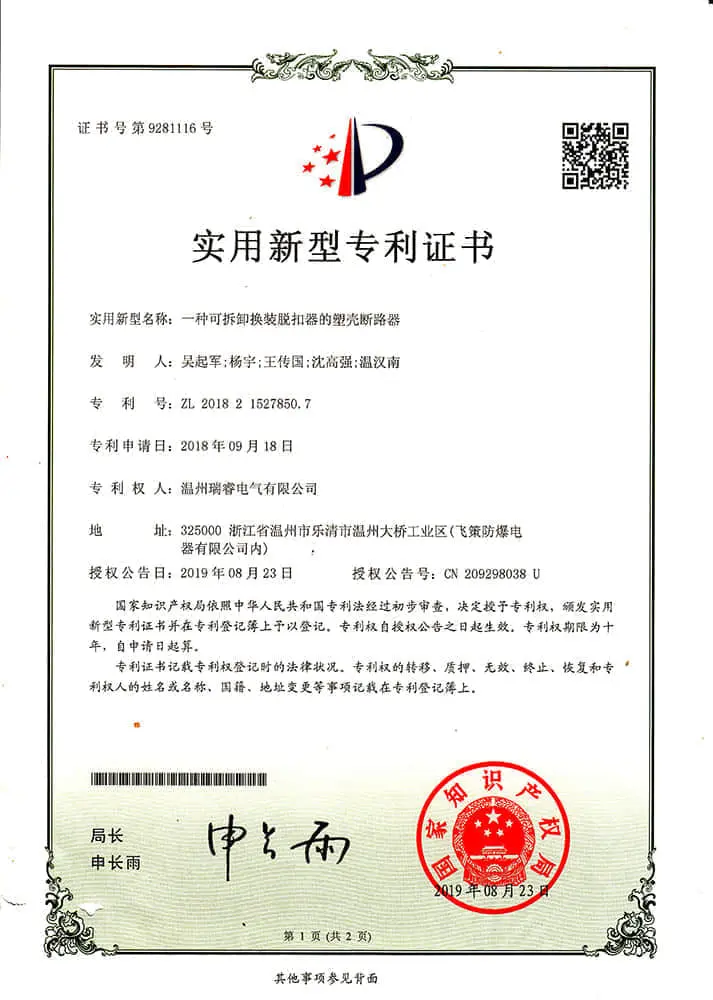
Our breakers conform to international standards, including CE, CB, TUV, and ISO 9001 quality management guidelines.

Common questions from electrical engineers, project buyers, and industrial distributors regarding MCCB standards and manufacturing.
Thermal-magnetic MCCBs utilize a bimetal strip for overload (thermal) protection and an electromagnet for short-circuit (magnetic) protection. They are reliable and cost-effective. Electronic trip units use current transformers to monitor currents and microprocessors to execute trip decisions. They offer adjustable thresholds for long-time delay, short-time delay, instantaneous, and ground fault (LSIG) curves, enabling precise selectivity.
At altitudes above 2000 meters, the low density of the air reduces the convective heat dissipation capacity, causing the breaker to heat up faster under load. Additionally, the lower dielectric strength of thin air reduces the insulation voltage rating ($U_i$) and the impulse withstand voltage capability ($U_{imp}$). Sourcing engineers should check de-rating tables to adjust both the continuous operational current and operational voltage limits.
$I_{cu}$ is the Ultimate Short-circuit Breaking Capacity; after interrupting this fault level, the breaker might no longer be safe to operate. $I_{cs}$ is the Service Short-circuit Breaking Capacity, representing the fault level the MCCB can interrupt and safely remain in service. A high-quality industrial breaker targets $I_{cs} = 100\% I_{cu}$, ensuring minimal downtime and higher safety margins after an electrical fault.
Double-breaker architectures split the internal electrical arc into two series pathways during contact opening. This configuration doubles the arc voltage, accelerating extinguishment and reducing the total energy let-through. It is useful in heavy industrial applications, commercial building mains, and high-voltage grids (e.g., 690V / 800VAC) where energy levels must be quickly managed to protect downstream installations.
Air Circuit Breakers (ACBs) are typically utilized for main distribution boards handling large currents (generally 800A to 6300A) and require high short-time withstand currents ($I_{cw}$) to allow downstream breakers to trip first. Molded Case Circuit Breakers (MCCBs) protect downstream branch circuits, operating at lower currents (15A to 1600A) and offering faster interruption speeds for direct load and cable protection.
We operate dedicated internal stamping and tooling lines where we closely monitor metal quality. Critical tolerances on silver contact surfaces, terminal connections, and trip mechanisms are verified using coordinate measuring machines. These procedures are integrated with our PLM and MES software, tracking raw materials back to their production batch numbers.
Yes. By utilizing our smart electronic trip units and adding electric operating mechanisms, our MCCBs and ACBs can transmit parameter data (including current, voltage, fault history, and status flags) over Modbus, Profibus, or Ethernet protocols. This functionality enables remote control, telemetry, configuration adjustments, and real-time status reporting.
For standard components with laser-marked branding and custom packaging, lead times average 3 to 4 weeks. For fully customized designs requiring new injection molds or specific terminal alterations, the development process takes 8 to 12 weeks. This includes modeling, prototyping, internal laboratory verification, and final compliance testing.
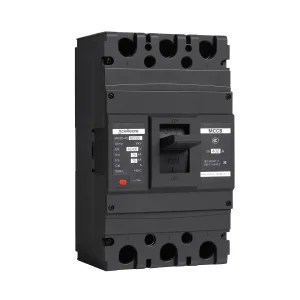
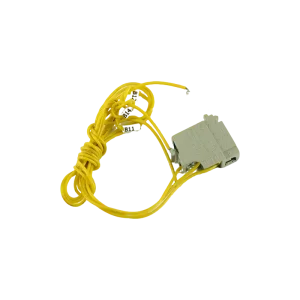
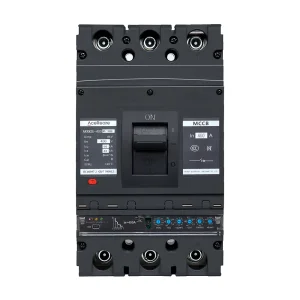
High-capacity trip systems, motor operating mechanisms, and auxiliary components designed to support global commercial and industrial electrical infrastructure.
 AceReare