Industrial-grade circuit breaking architectures engineered for high breaking capacity ($I_{cu}$), high-voltage operations, and long-term insulation integrity.
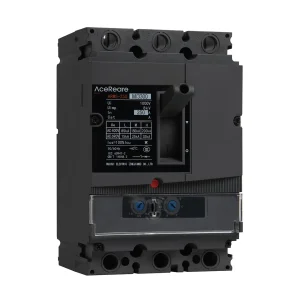
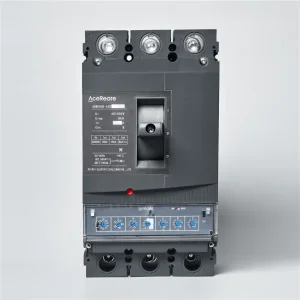
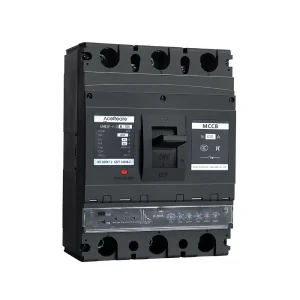
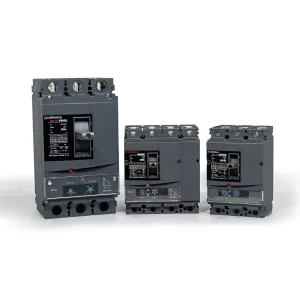
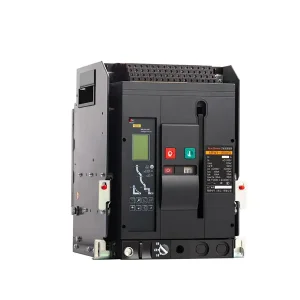
A comprehensive engineering analysis of modern MCCB & ACB topologies, electrical physics of arc extinction, and material science.
In low-voltage industrial distribution networks, the fundamental physics governing current interruption centers on the manipulation and suppression of high-temperature electrical arcs. When the contacts of a Molded Case Circuit Breaker (MCCB) or Air Circuit Breaker (ACB) separate under short-circuit conditions, the high potential difference across the parting contacts ionizes the medium (air or dielectric gases), forming a conductive plasma channel—the electric arc. This arc routinely reaches temperatures exceeding 6,000°K, posing an immediate structural threat to the device housing and contact elements.
To safely isolate high short-circuit currents (often exceeding 100kA at 400VAC or 690VAC), modern circuit breakers leverage specialized Arc Chutes (de-ionizing grids). The arc is accelerated into these chambers by the electromagnetic Lorentz force, generated dynamically by the geometry of the current path, and by the pressure drop caused by rapid thermal expansion. Within the arc chute, the arc is split into multiple series arcs by parallel steel splitters. This fragmentation accomplishes three core objectives:
Reliable operation across thousands of switching cycles requires structural elements capable of surviving mechanical shock and electrical erosion. The contacts are manufactured using powder metallurgy techniques, producing silver-alloy composites (typically Silver-Tungsten Carbide (AgWC) or Silver-Nickel (AgNi)). Silver provides low contact resistance ($R_{contact}$) and exceptional thermal conductivity, while tungsten carbide provides high hardness, resistance to welding, and a high melting point to withstand local arc roots.
The housing of the MCCB uses thermosetting glass-fiber reinforced unsaturated polyester resins (commonly known as DMC - Dough Molding Compound or BMC - Bulk Molding Compound). Unlike standard thermoplastics, thermosetting plastics do not melt at elevated temperatures. Under the severe mechanical stress of a short-circuit blast, the structural integrity of DMC/BMC ensures that no dimensional distortion occurs, keeping the critical internal alignment of the operating mechanism, link bars, and arc-extinguishing components completely intact.
Founded in 2015, Acereare Electric operates on a foundation of more than 20 years of low-voltage electrical design craftsmanship. Spanning two generations of engineering leadership, our organization owns and operates two wholly-owned subsidiaries: "RuiRui Electric" and "KeRui Electric". Together, these entities build a vertically integrated ecosystem from raw component fabrication to final product assembly.
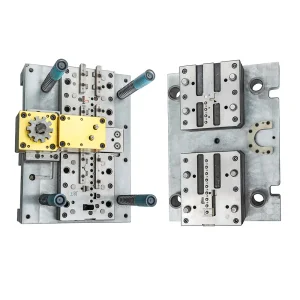
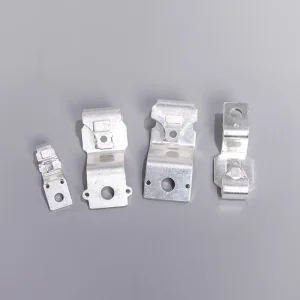
As a leading original manufacturer integrating research, design, production, and after-sales support, our factories rank among the top Original Design Manufacturers (ODM) in China. Our strategic focus is the design and manufacturing of molded case circuit breakers (MCCB), intelligent air circuit breakers (ACB), and precision metal stamping components. We have established strategic partnerships with nearly 100 high-end domestic and international power system integrators, distribution board builders, and utility operators.
Our facility operates dynamic mechanical laboratories, high-speed stamping presses, and automated assembly and testing bays. By managing the underlying physics of electrical contacts and mechanical linkages under one roof, we deliver protection devices that perform reliably under challenging operational conditions.

At Acereare Electric, we are committed to the success and satisfaction of our clients. We offer high-quality manufacturing, solid performance, and collaborative partnerships for complex engineering challenges.
Our manufacturing workflow is backed by over a decade of domain expertise. Whether you require standard MCCBs for light industrial facilities or custom-engineered ACBs for complex marine power systems, our team is equipped to meet your technical requirements.
Analyzing why China's industrial clusters drive global cost efficiencies, rapid prototyping, and raw material integration.
Our factories are located in the heart of China's primary electrical manufacturing cluster. This provides immediate access to high-purity copper, specialized silver alloy contacts, and custom-formulated thermosetting compounds within a small geographic radius, minimizing transit delays and material costs.
We perform metal stamping, injection molding, component assembly, and calibration inside our own facilities. This vertical integration allows for tight quality control, fast responses to engineering changes, and reduced production lead times.
High production volumes enable us to negotiate favorable raw material rates. We pass these savings on to global clients through competitive pricing, helping them compete effectively in their target markets.
Explore the full range of circuit protection devices engineered for diverse voltage classes and trip responses.
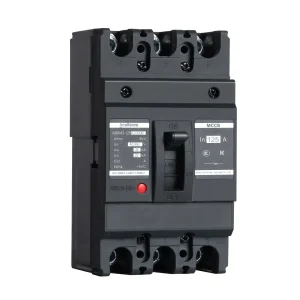
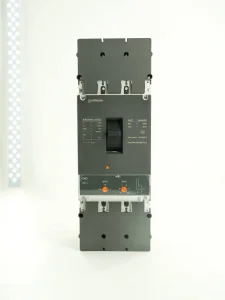
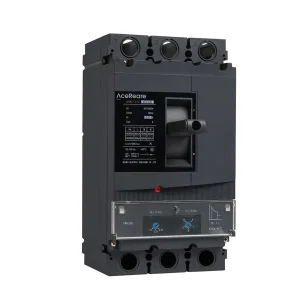
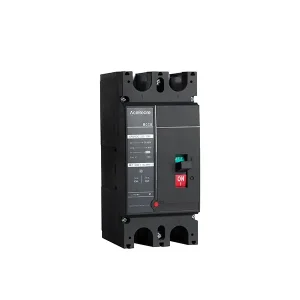
Molded case circuit breakers serve as the primary defensive layer for distribution systems. Our catalog spans several specialized series:
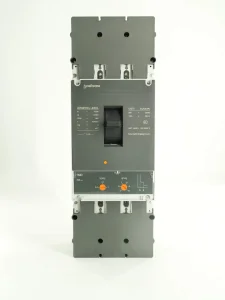
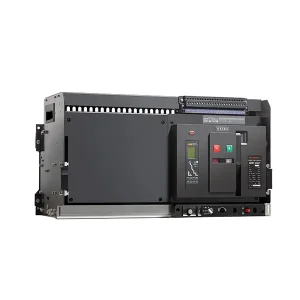
For main distribution switchboards handling high current demands, the ARW1 Series offers ratings from 400A to 6300A. These devices feature:
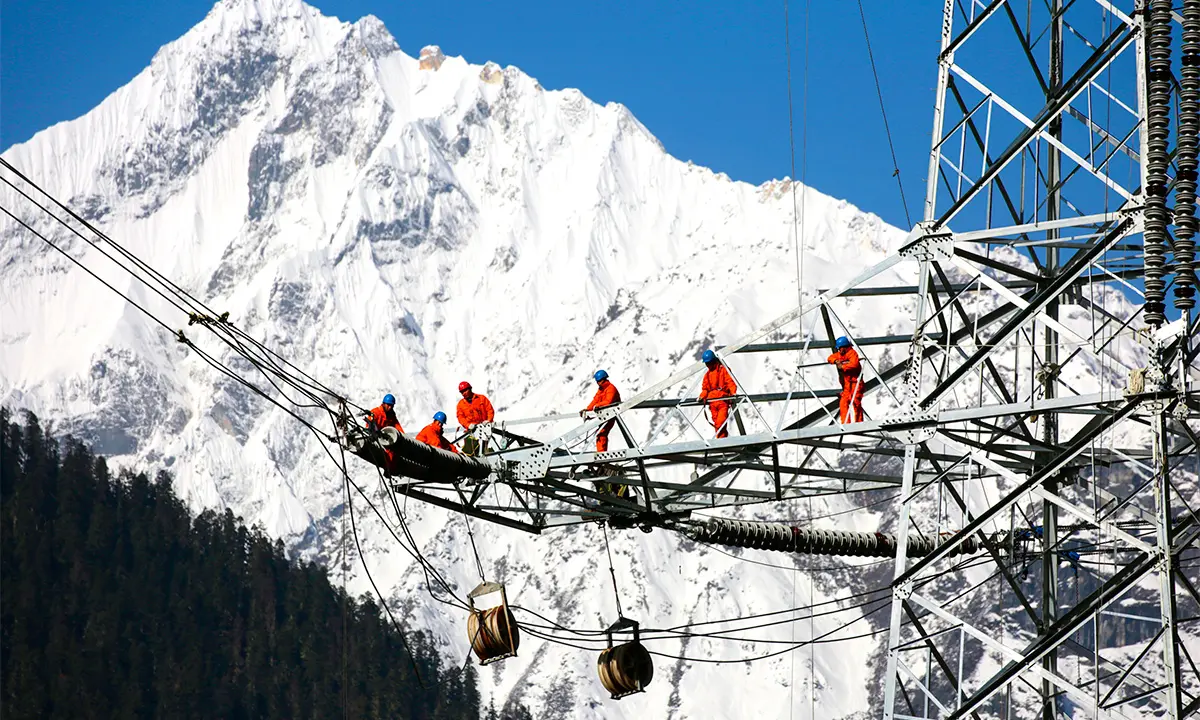
Built with low-temperature resistant structural materials and specialty lubricants, our circuit breakers feature thickened coatings and hold third-party test reports validating stable performance down to -40°C.

Designed to resist humid marine environments. We perform 72-hour salt spray testing on fully assembled machines and 48-hour testing on sub-assemblies to help protect dock and shipboard electrical systems from corrosion.
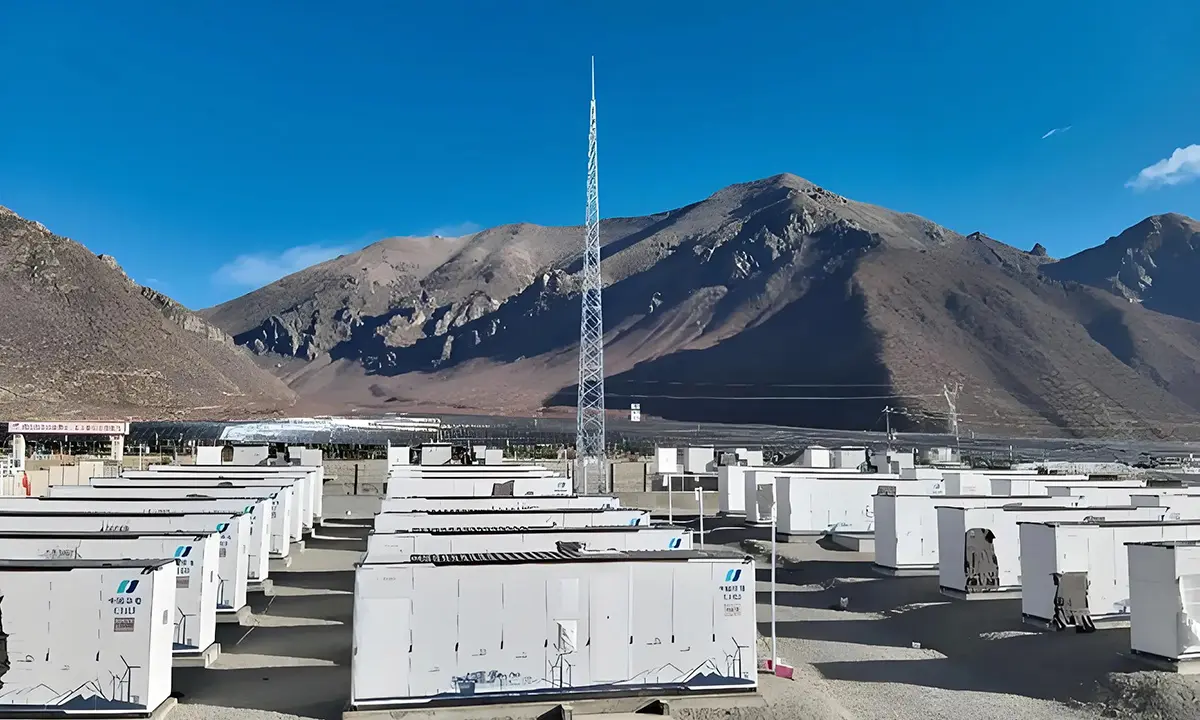
For installations above 2000 meters, we provide verified high-altitude derating curves to adjust operational coefficients, compensating for lower atmospheric density and reduced dielectric cooling.

Used widely in domestic consumer units and sub-distribution panels, our MCCBs help protect household appliances and residential wiring from damage caused by overloads and short circuits.
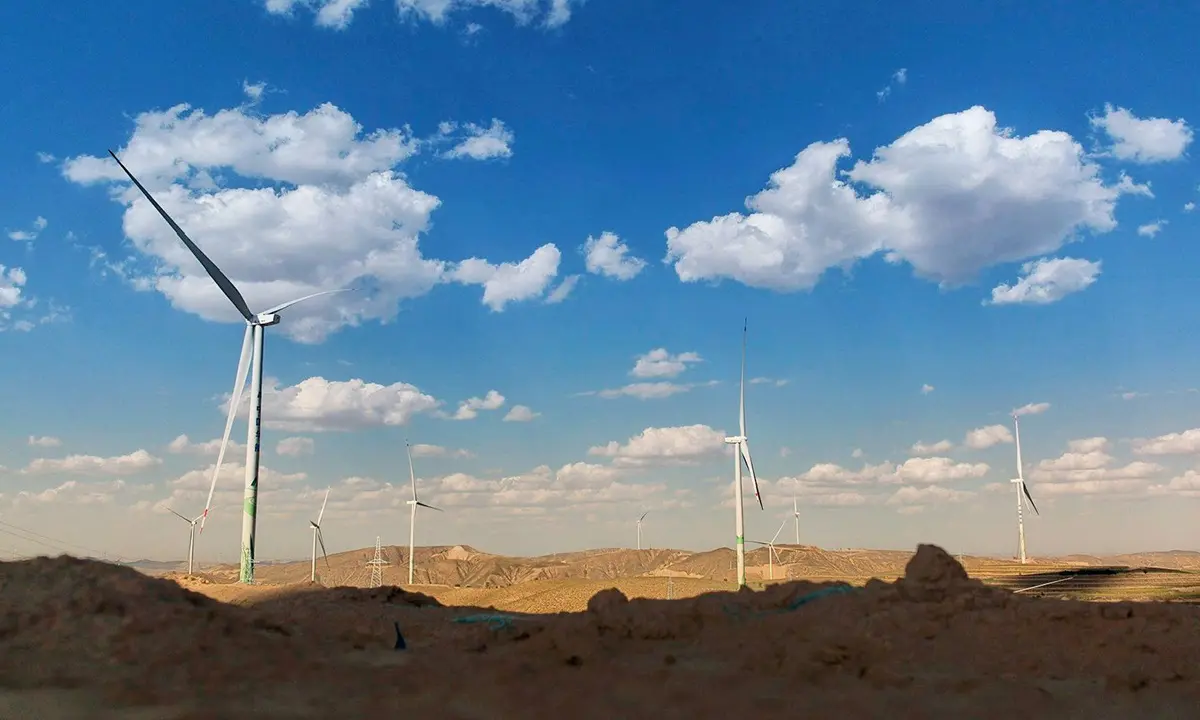
Utilizing high-temp polymers, thermal insulation coatings on critical control sections, and treated copper/iron components, our breakers are verified in +55°C climate chambers for tropical and hot industrial settings.
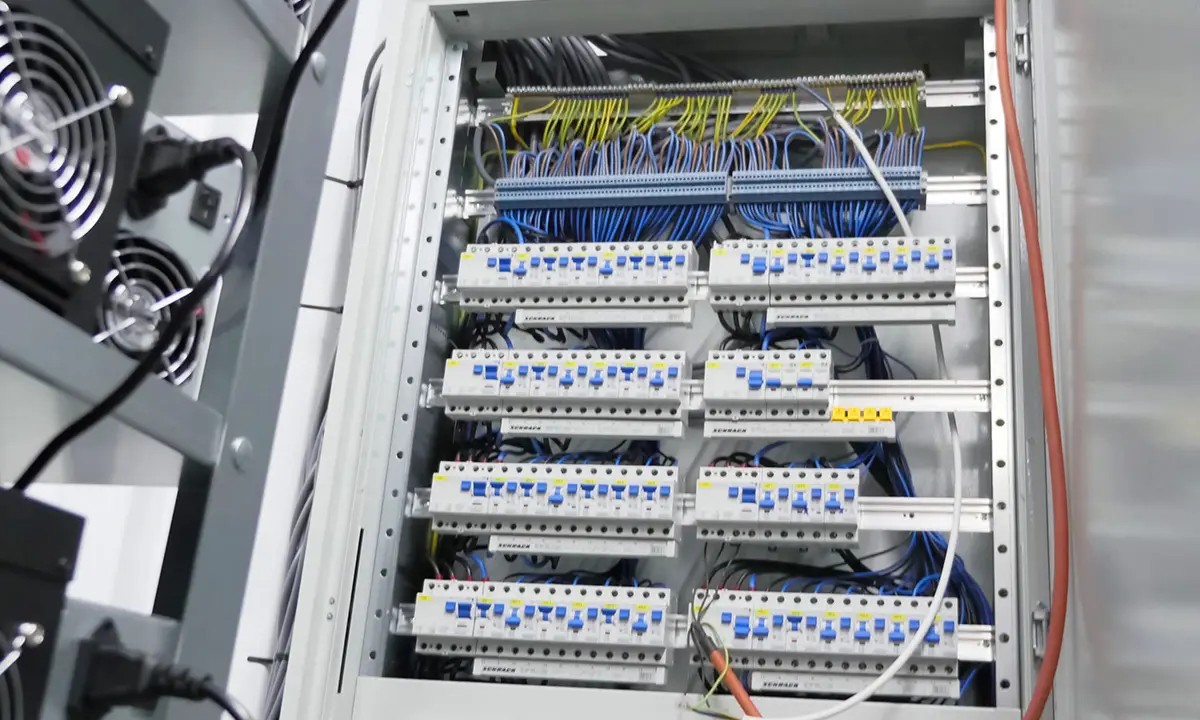
These units combine overcurrent protection with precision metering, edge computing, and communication modules, providing real-time consumption data to support smart grid distribution networks.
How we utilize advanced product lifecycles, real-time MES execution, and physical test protocols to ensure compliance.
Our quality control program operates throughout the entire manufacturing cycle. Product development is managed through Product Lifecycle Management (PLM) software, transition processes run via enterprise resource planning (ERP) systems, and real-time shop floor execution is supervised by Manufacturing Execution Systems (MES). Business intelligence (BI) analytics monitor data trends across all divisions.
To support this framework, our factory houses a dedicated testing laboratory equipped with more than 150 diagnostic instruments and staffed by over 20 quality inspectors. Every batch undergoes mechanical stress tests, temperature-rise evaluations, and precision calibration of trip thresholds before leaving our docks.
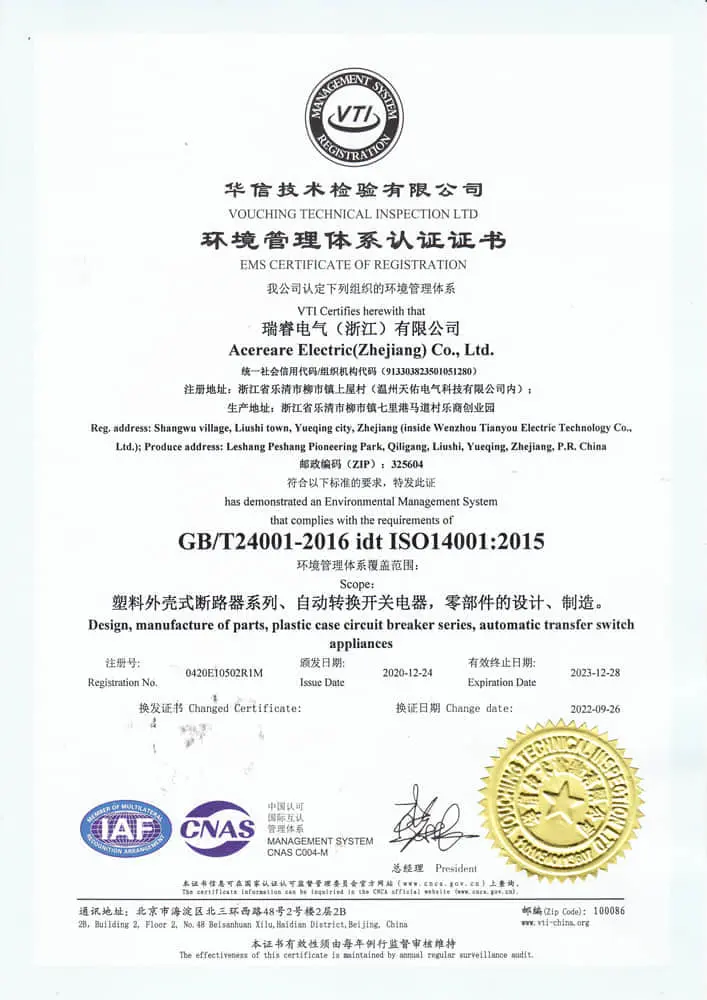
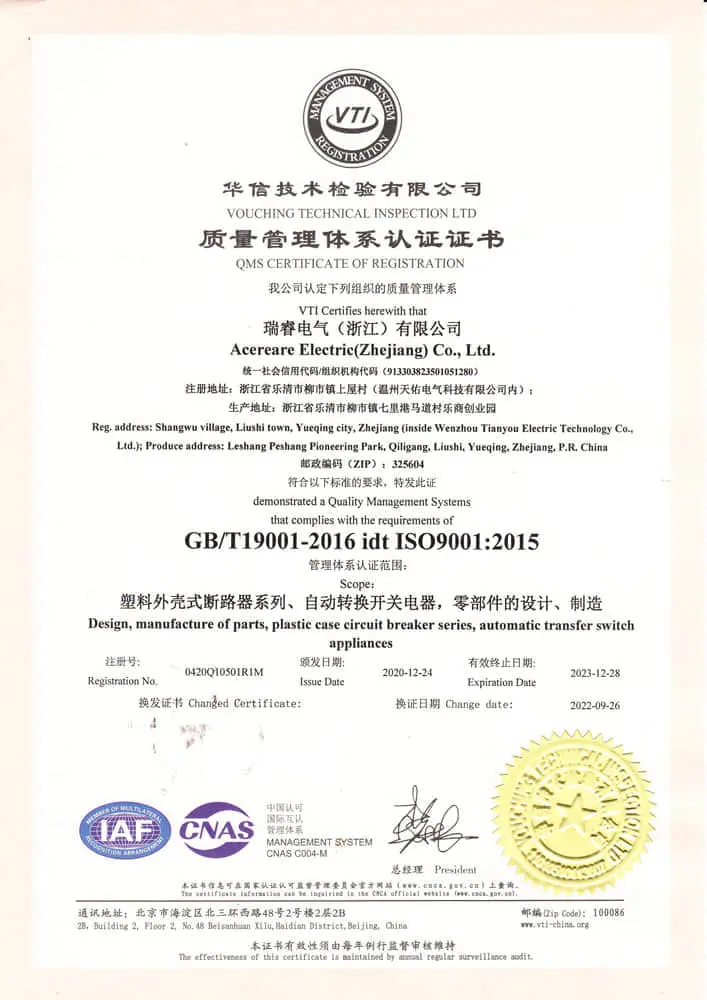
We work to align our products with recognized international standards, including CE, CB, CCC, and ISO9001, to support smooth integration into global distribution systems.
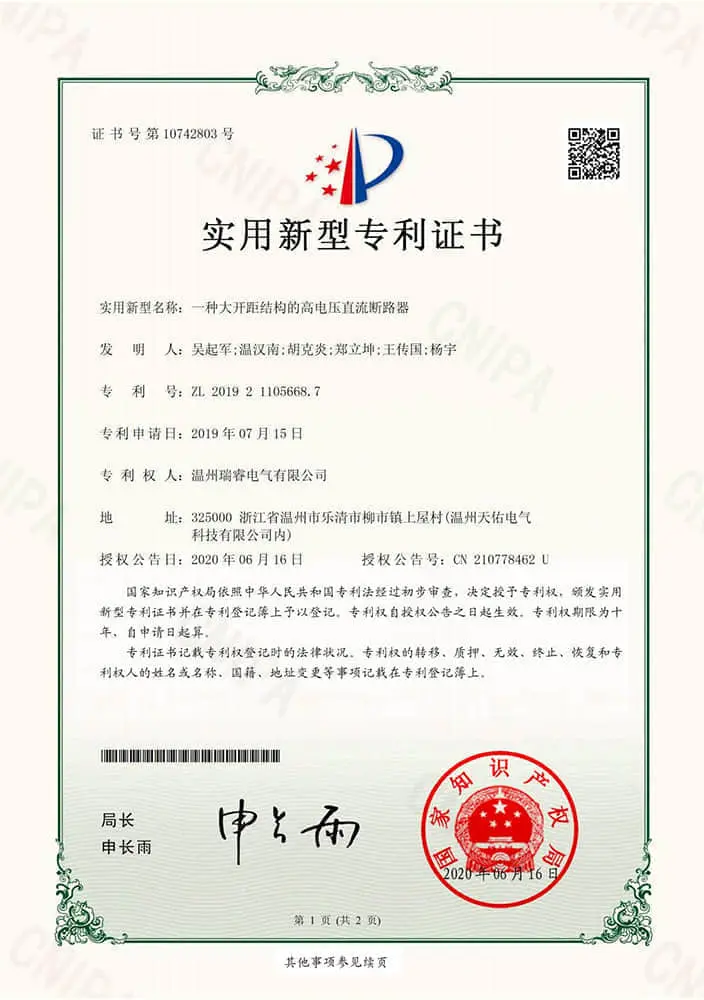
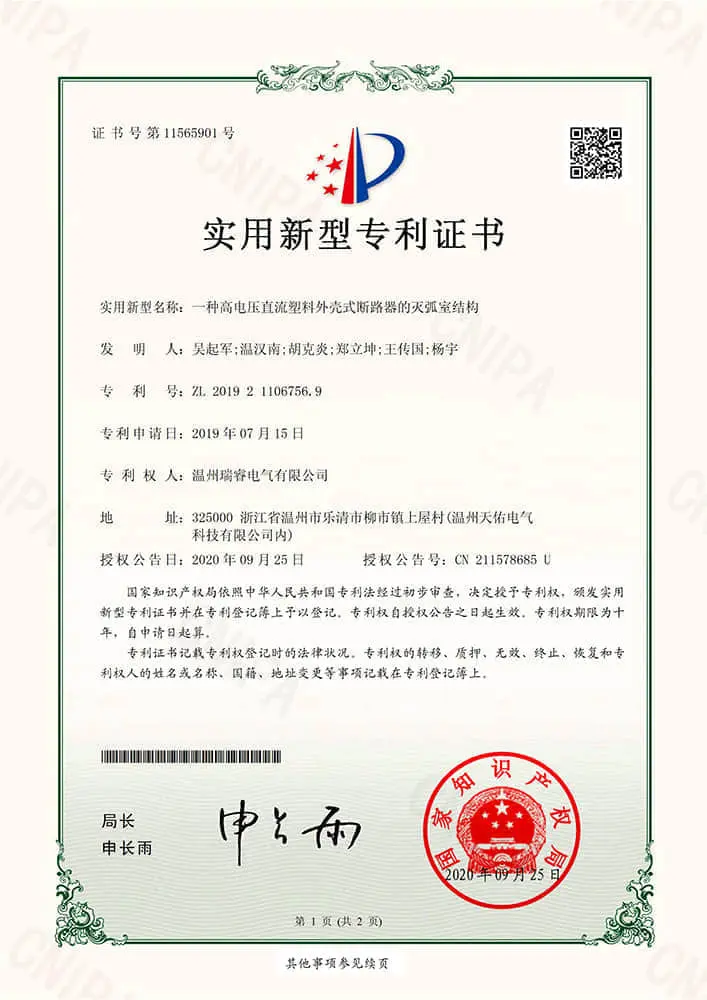
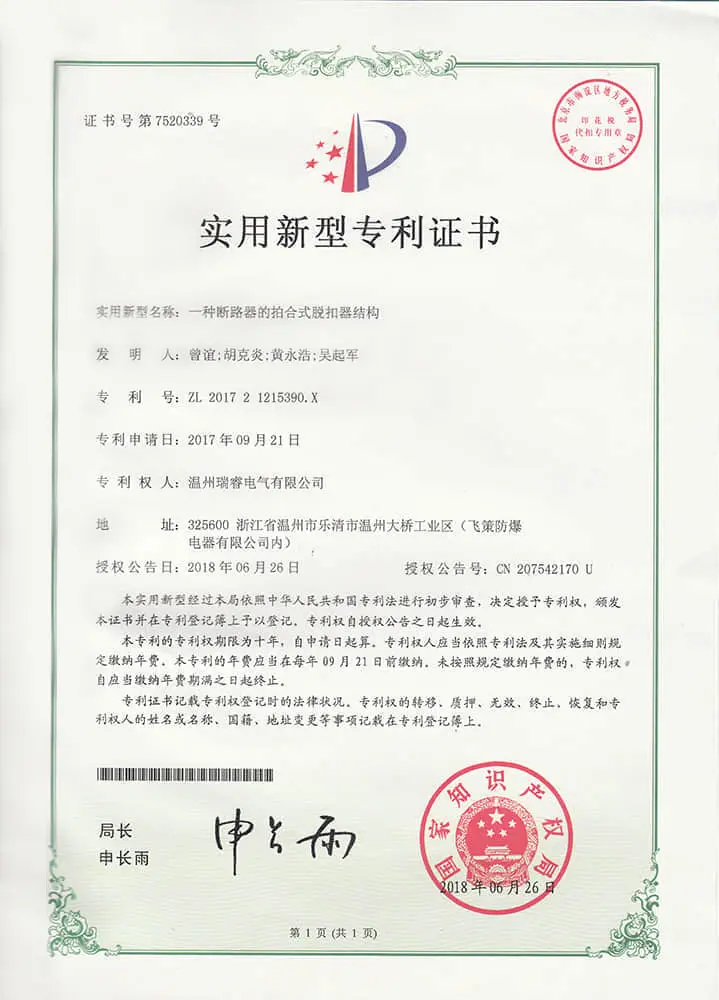
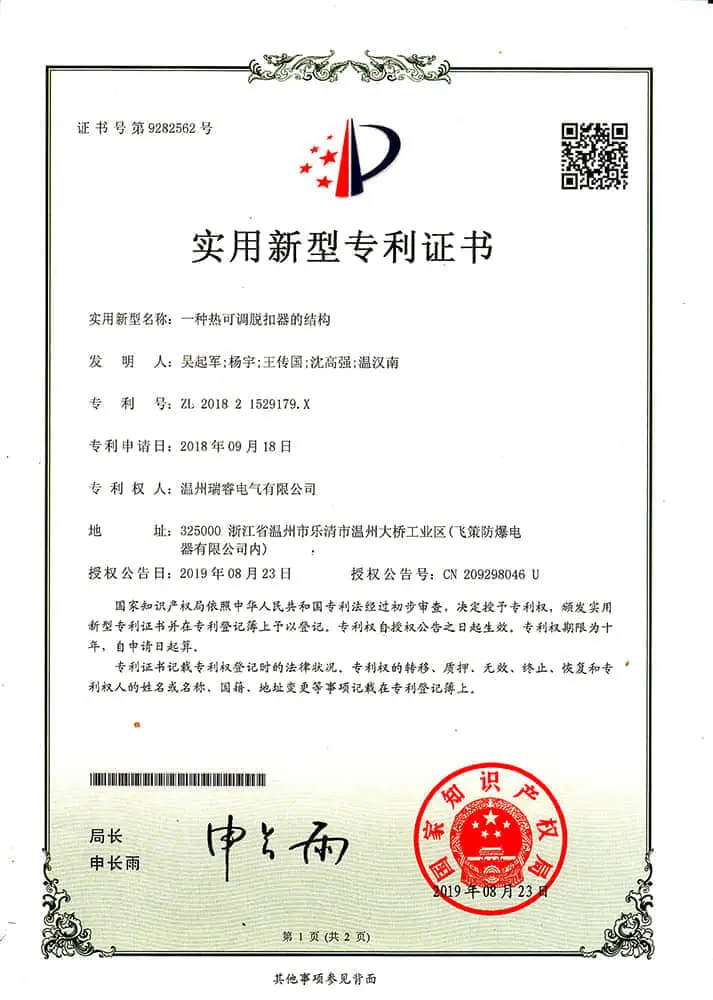
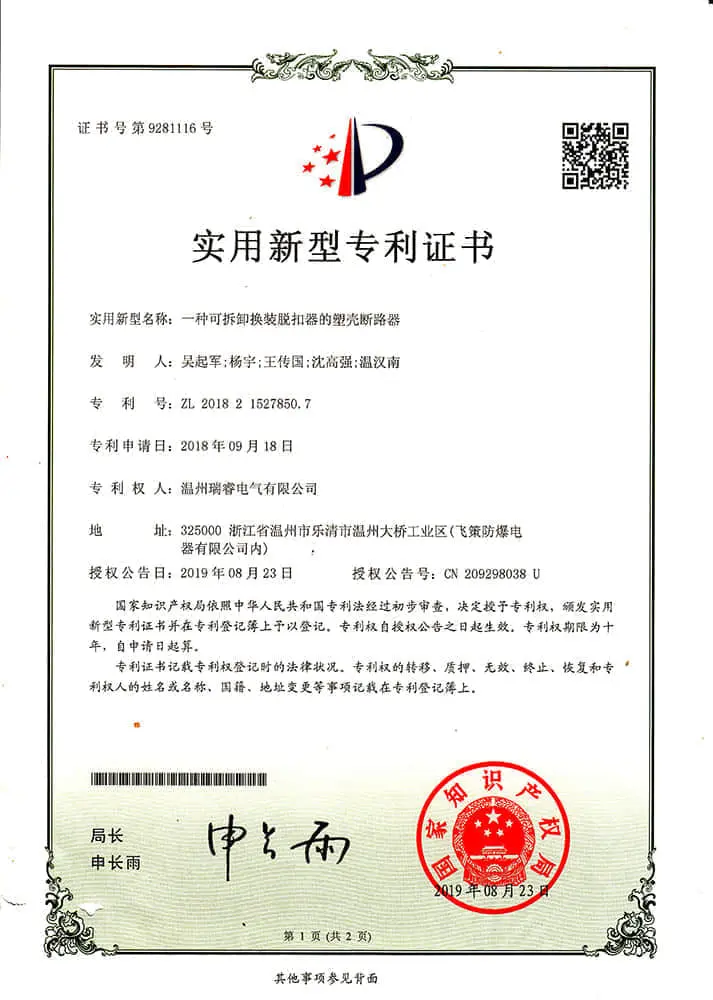
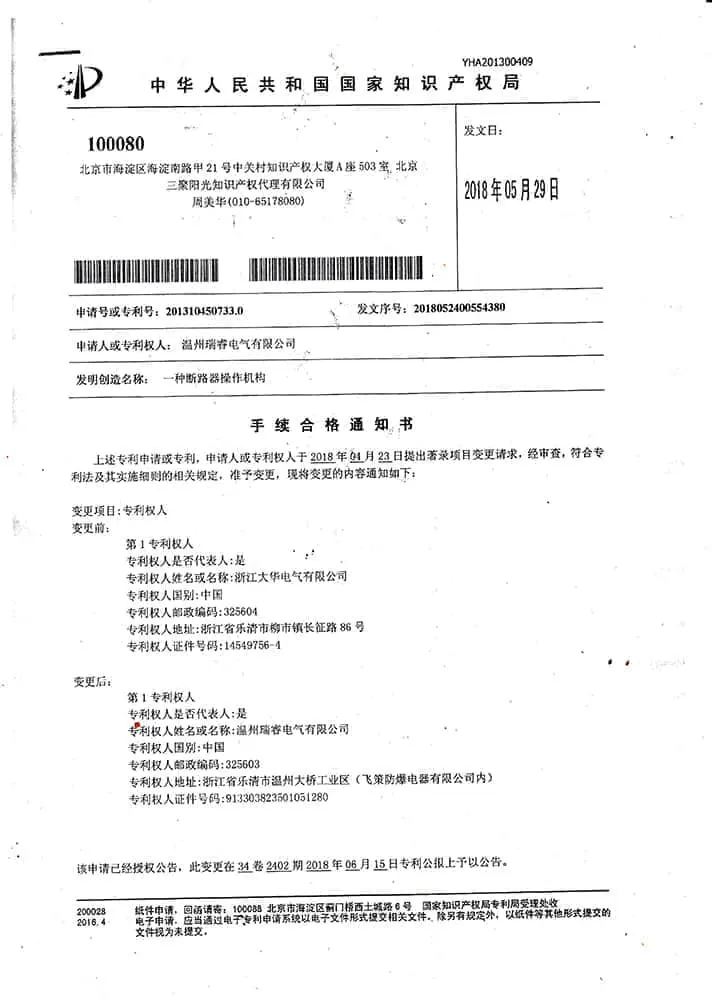
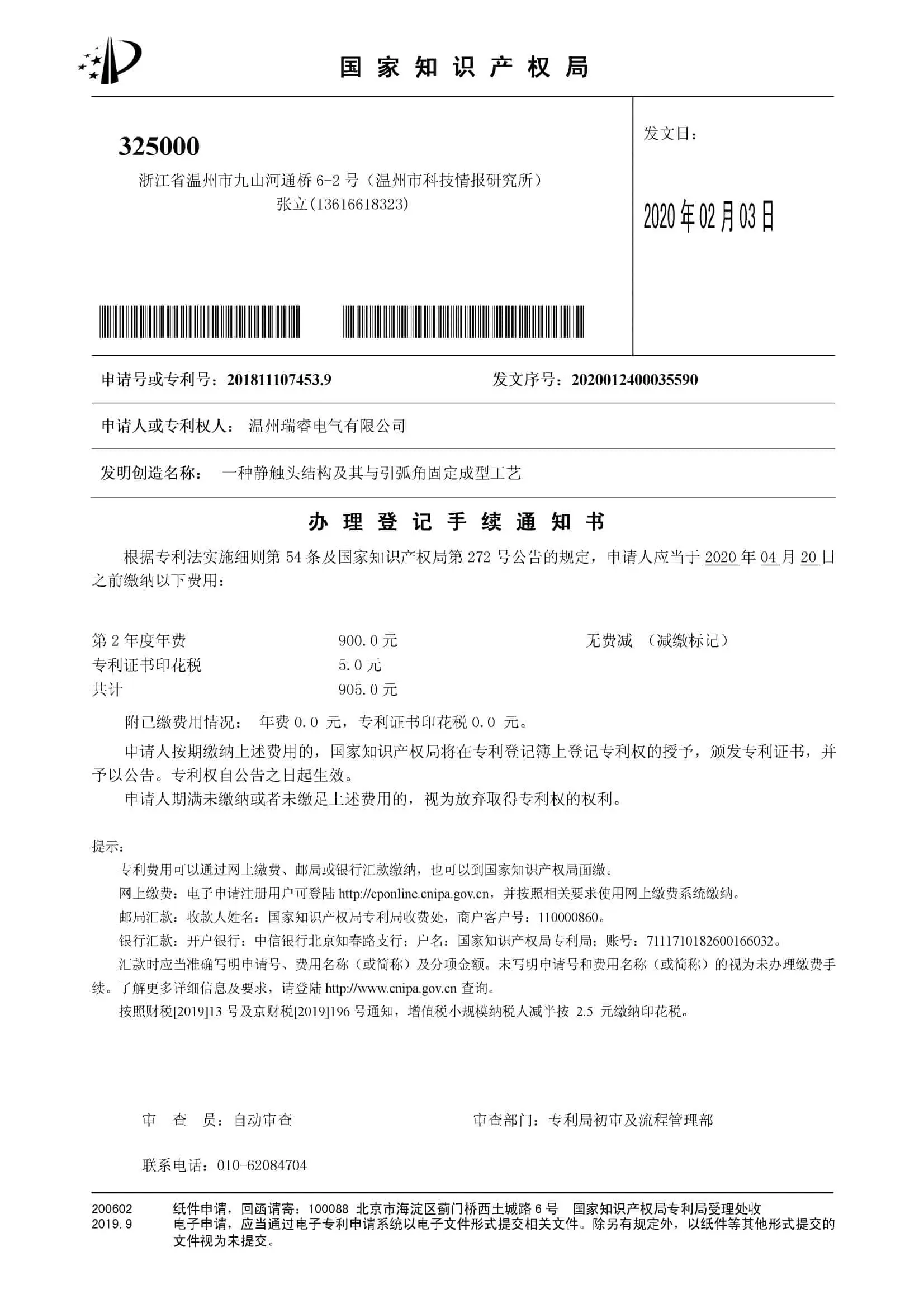
A transparent process designed to support global procurement needs from custom stampings to specialized configurations.
Acereare Electric offers tailored solutions through structured Brand, OEM, and ODM service frameworks, helping clients manage product development, brand positioning, and market compliance.
We discuss electrical specifications, load profiles, mounting options, and target compliance standards.
Our R&D team drafts custom 2D/3D component layouts and specifies electrical configuration options.
We finalize technical specifications, pricing, delivery schedules, and compliance targets.
Components are processed, assembled, and calibrated, with automated testing at our facilities.
Finished assemblies are packed in protective custom boxes and shipped through coordinated logistics networks.
Direct technical insights regarding breaker selection, parameter calculations, and installation requirements.
Intelligent Air Circuit Breakers, High-Voltage MCCB variants, DC Solar switchgear components, and structural connection parts.
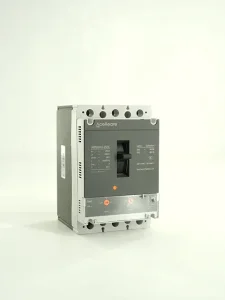
 AceReare