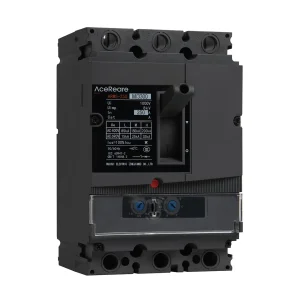
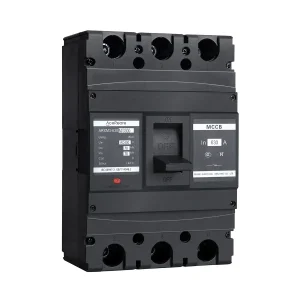
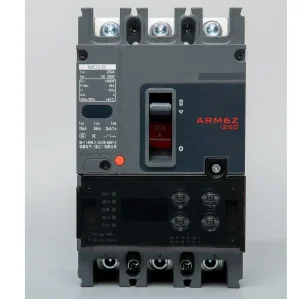
Direct supply from industrial-grade manufacturing facility utilizing silver-alloy contacts and automated calibrations.

Founded in 2015, Acereare Electric operates two wholly-owned production subsidiaries: RuiRui Electric and KeRui Electric. We represent over 20 years of craftsmanship, inherited and refined across two generations of low-voltage electrical component design. Our facility serves as a leading ODM manufacturer in China, integrating core R&D with advanced testing labs to produce high-performance Molded Case Circuit Breakers (MCCB), Air Circuit Breakers (ACB), and auxiliary mental structures.
Combining mechanical engineering precision with real-time digital tracking systems to achieve maximum production repeatability.
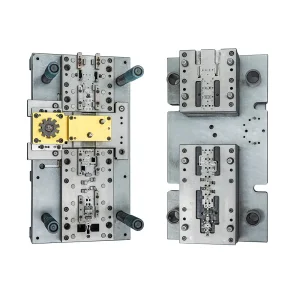
One-stop processing including six independent metallic forming methods. Automated assembly lines ensure tolerances under 0.05mm for heavy load trip mechanisms.
Over 50 R&D engineers expert in electromagnetic modeling. Annually deploying 50+ projects utilizing parametric 3D simulation for customized arc extinguish chutes.
Two specialized factories synchronized through ERP and U8 software management, linking production stages from stamping to finished assembly.
Rigorous multi-step quality control matching PLM, BI, and MES standards. Own laboratory with over 150 test instruments checking magnetic responsiveness.
An in-depth engineering analysis on short-circuit dynamics, metallurgy, and sourcing optimization from leading Chinese facilities.
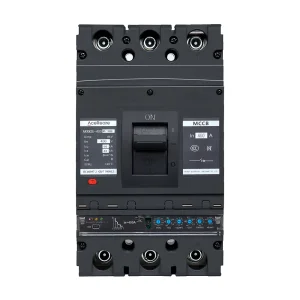
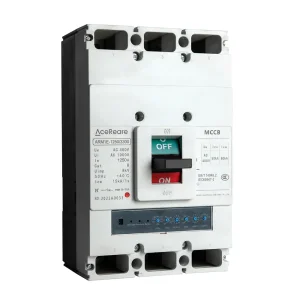
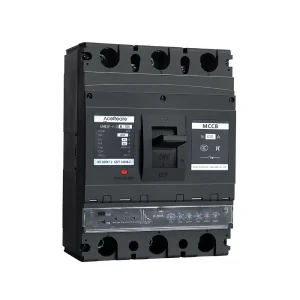
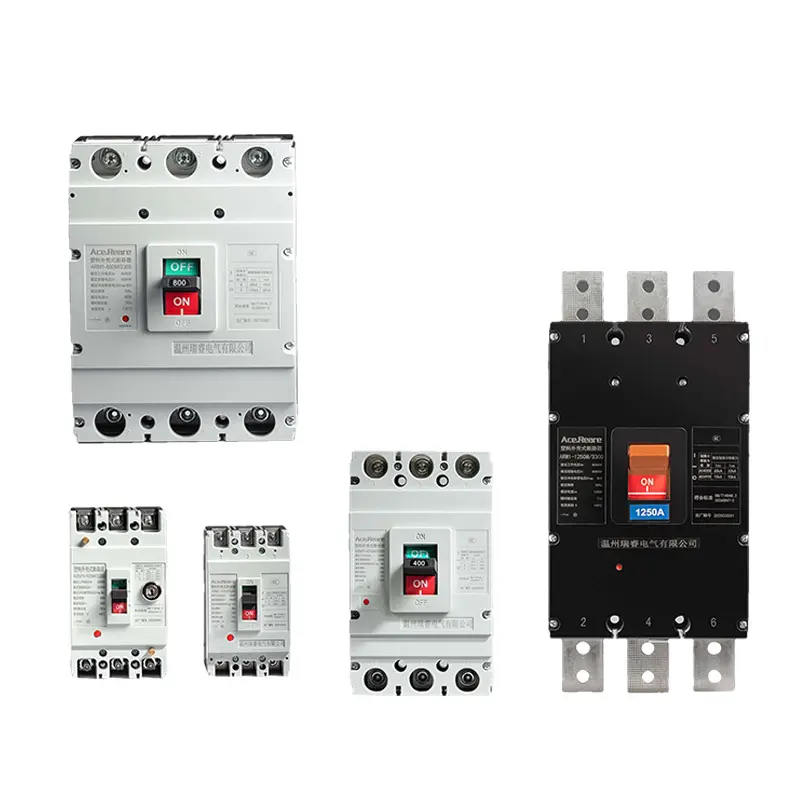
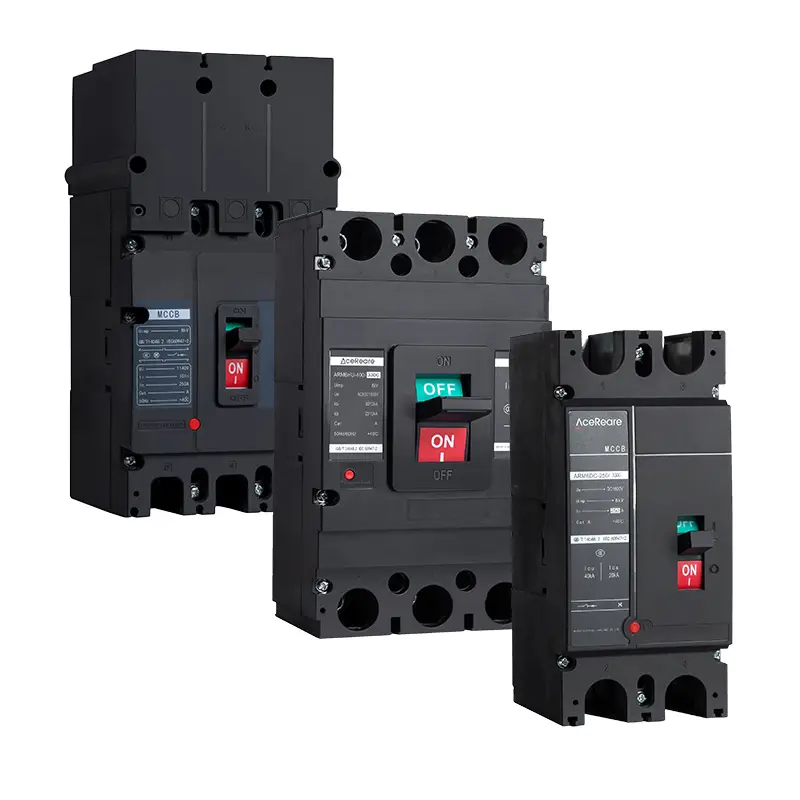
In low-voltage industrial distribution, Molded Case Circuit Breakers (MCCBs) serve as primary mechanical switching devices capable of making, carrying, and breaking currents under normal circuit conditions, as well as breaking currents under specified abnormal conditions. The protection engine utilizes two distinct trip mechanisms: a bi-metallic thermal element for slow-acting overload protection and an electromagnetic solenoid system for instantaneous short-circuit protection.
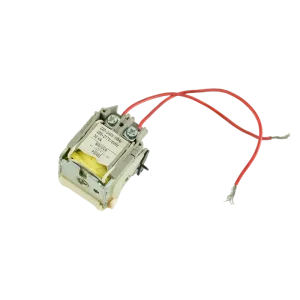
Instantaneous magnetic release operates on the principle of electromagnetic induction. When a fault current flows through the series coil or conductors inside the MCCB, it generates a magnetic field proportional to the magnitude of the current. The force equation governing this action is: F = k · I2, where F is the mechanical force exerted on the armature, I is the instantaneous current, and k represents the magnetic circuit constant.
When the current exceeds the safety threshold (typically defined as a multiple of the rated current, e.g., 5x to 10x In for C-curve, 10x to 15x In for D-curve protection), the electromagnetic force overcomes the mechanical retention spring. The armature is pulled toward the magnetic core, triggering the trip latch mechanism. This movement separates the main contacts in milliseconds, extinguishing the high-energy electric arc inside the chamber before it can cause downstream catastrophic damage.
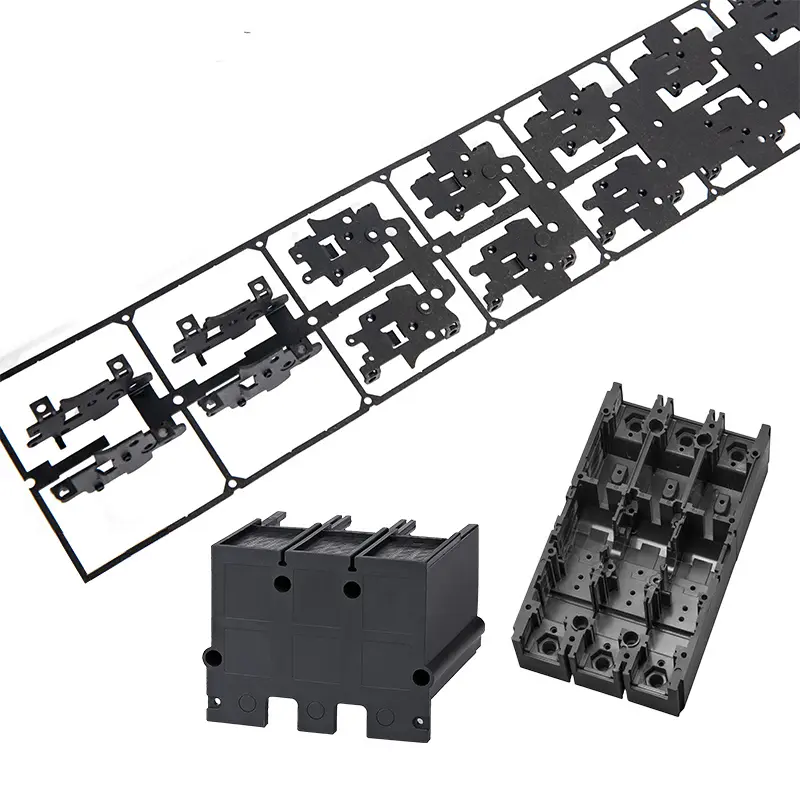
The breaking capacity of an MCCB (measured by Icu and Ics) depends on the structural integrity of the interior copper paths and contact systems. Stamping and moulding the busbars represent a critical phase in Chinese factory processes. The copper busbars must maintain a purity of at least 99.9% (T2 grade copper) to ensure low electrical resistivity and high thermal conductivity.
Advanced Chinese suppliers focus on the integration of these processes. By running their own metal stamping and silver soldering workshops, factories like Acereare control the mechanical tolerances of components, ensuring that the alignment between moving contacts and stationary contacts is perfectly calibrated during assembly.
Global procurement teams must establish a rigorous validation protocol to ensure that low-voltage apparatuses bought from China comply with local electrical codes (IEC/EN 60947-2, UL 489, and GB/T 14048.2). The validation checklist must assess both manufacturer manufacturing systems and compliance documentation:
| Assessment Criteria | Required Standard | Verification Methodology |
|---|---|---|
| Type Test Reports | CB Scheme, CE, CCC, KEMA | Cross-reference certificate numbers on IECEE databases. |
| Calibration Traceability | ISO/IEC 17025 Certified Testing Lab | Verify the presence of real-time calibrators for thermal/magnetic curves. |
| Process Quality Control | MES & ERP trace capability | Request visual documentation of production lot-number tracking. |
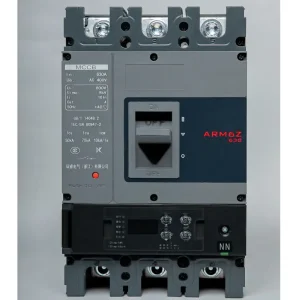
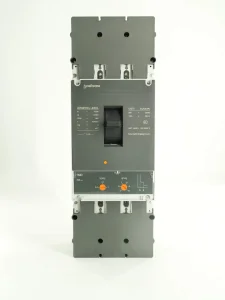
The industrial power distribution market is transitioning from purely analog thermal-magnetic trip units to electronic and micro-processor based trip devices (known as electronic type circuit breakers). Integrated micro-controllers sample the current waveforms continuously via internal Current Transformers (CT). This data is processed locally at the edge to enable advanced LSIG (Long-time, Short-time, Instantaneous, Ground fault) protection characteristics.
Moreover, modern digitalized MCCBs feature communicative interfaces (such as RS485 Modbus or Ethernet TCP/IP) to feed parameters back to Supervisory Control and Data Acquisition (SCADA) systems. High-precision metering capability allows operators to log energy consumption, track voltage drops, and receive predictive maintenance alerts by monitoring contact erosion indices, which improves utility operations in industrial environments.
Our circuit breaker units are configured to maintain performance stability across global industrial climates.
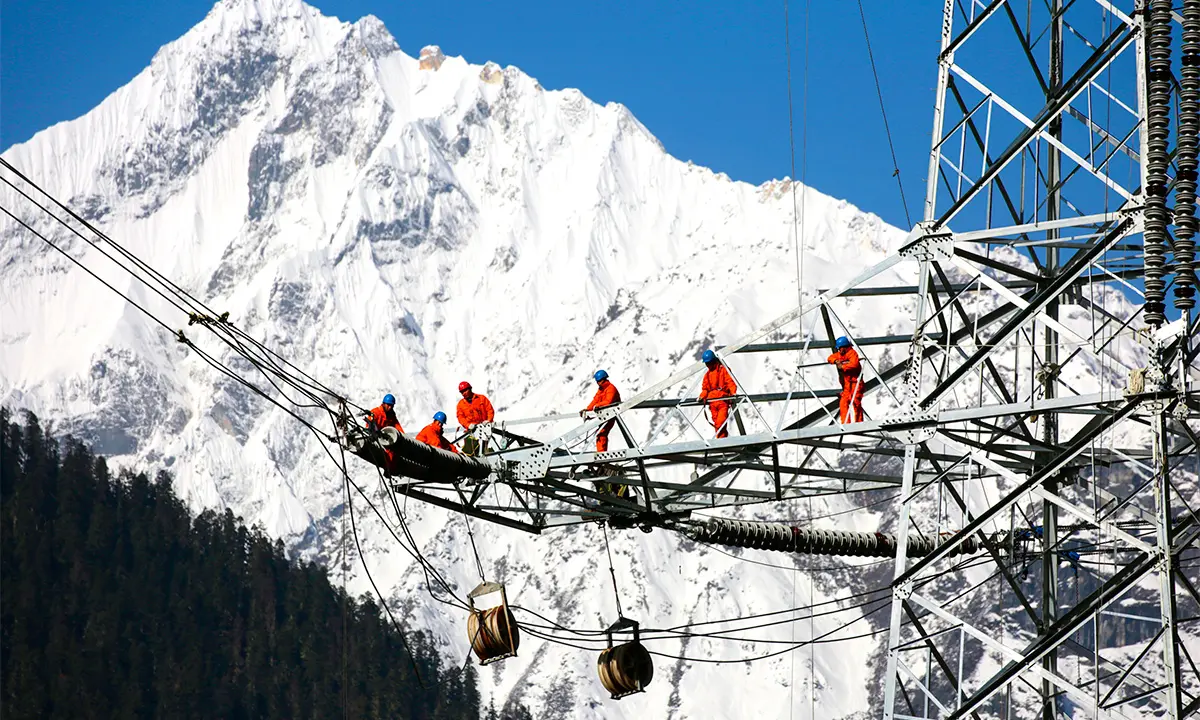
Utilizes special low-viscosity synthetic mechanical lubricants and reinforced engineering thermoplastics to prevent structural brittleness in freezing climates.

Tested up to 72 hours for finished assemblies. Anti-corrosive plating on metal components prevents oxidation in offshore oil platforms and coastal ports.
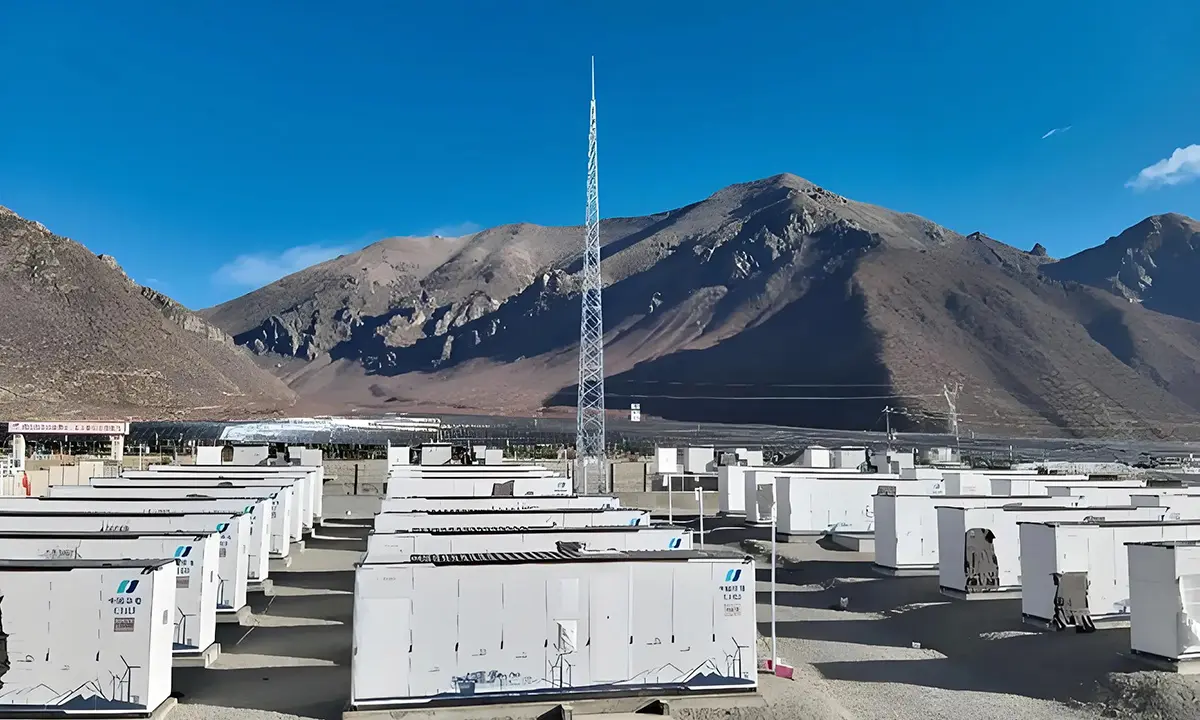
For installations exceeding 2000m. Dielectric breakdown constants and heat dissipation factors are recalculated using custom high-altitude derating data tables.

Compact construction designs optimized for distribution panels in residential housing, providing overload and short-circuit protection.

Tested in constant temperature chambers to prevent premature tripping under extreme ambient heat. Features thick thermal insulation coatings.
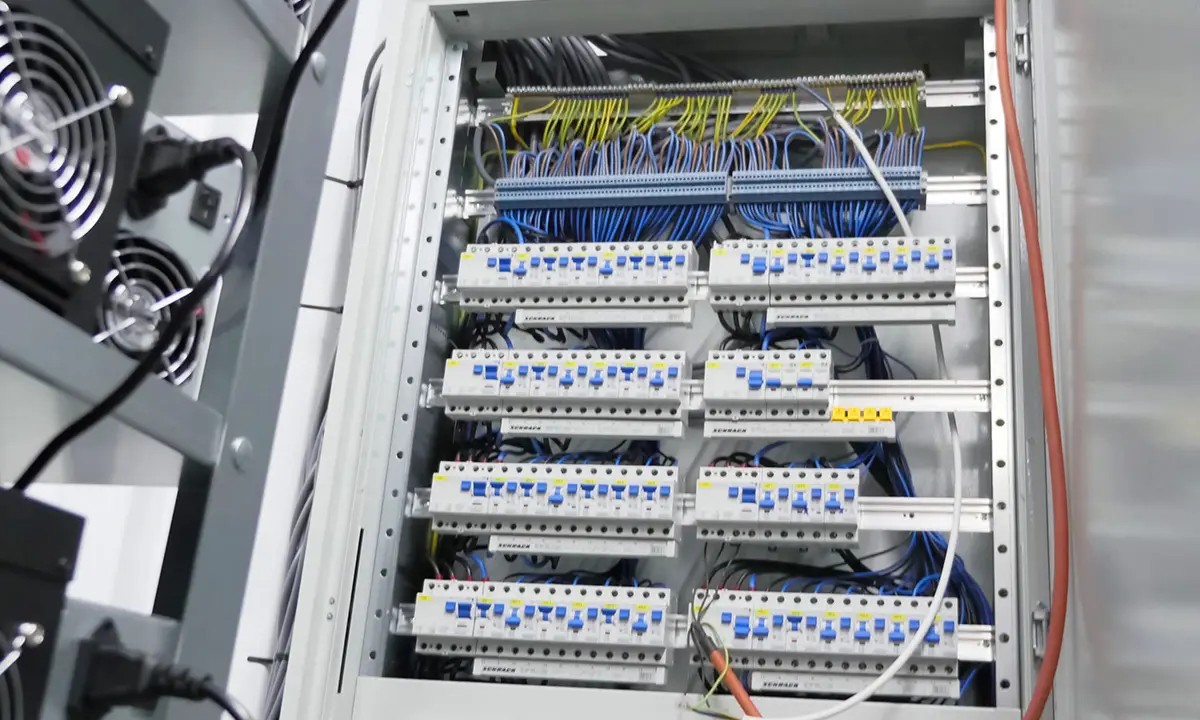
Combines current metering, communication interfaces, and edge computing for active energy management in modern smart grids.
Access our manufacturing capabilities to scale your private label product portfolio.
Create visual differentiation for your target wholesale markets while utilizing our certified circuit breaker designs.
Leverage our production facility as your overseas factory. Mold costs are amortized over production runs.
Develop bespoke smart breaker designs, merging analog mechanisms with electronic sensors and digital components.
Wide Range of Certified Breaker Designs:







Our products undergo type testing at laboratories to ensure compliance with global power system criteria.
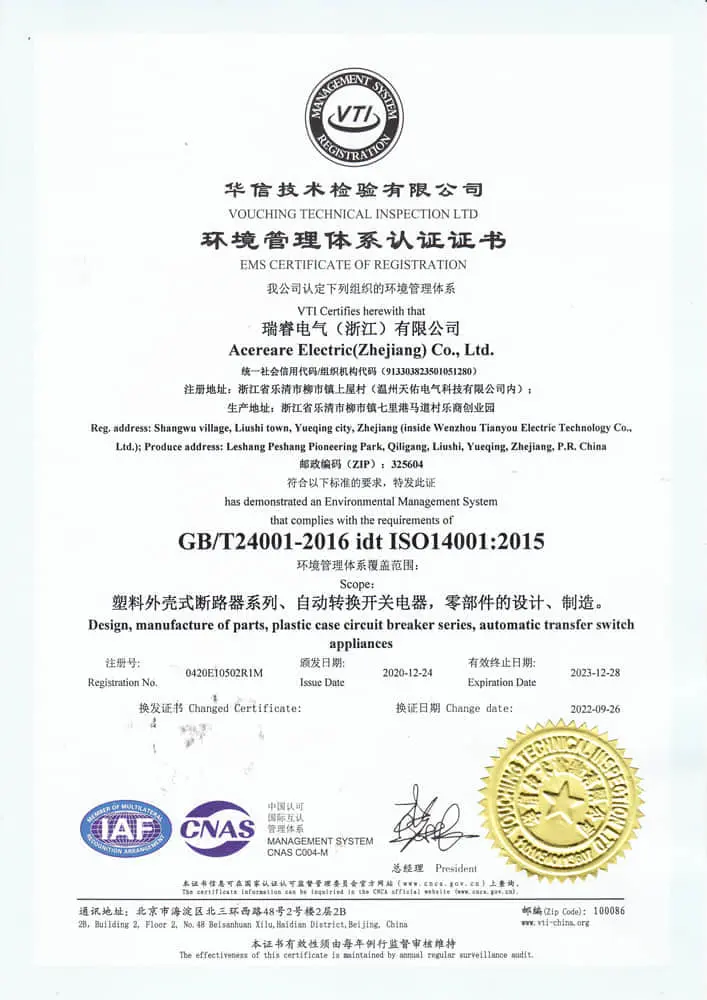
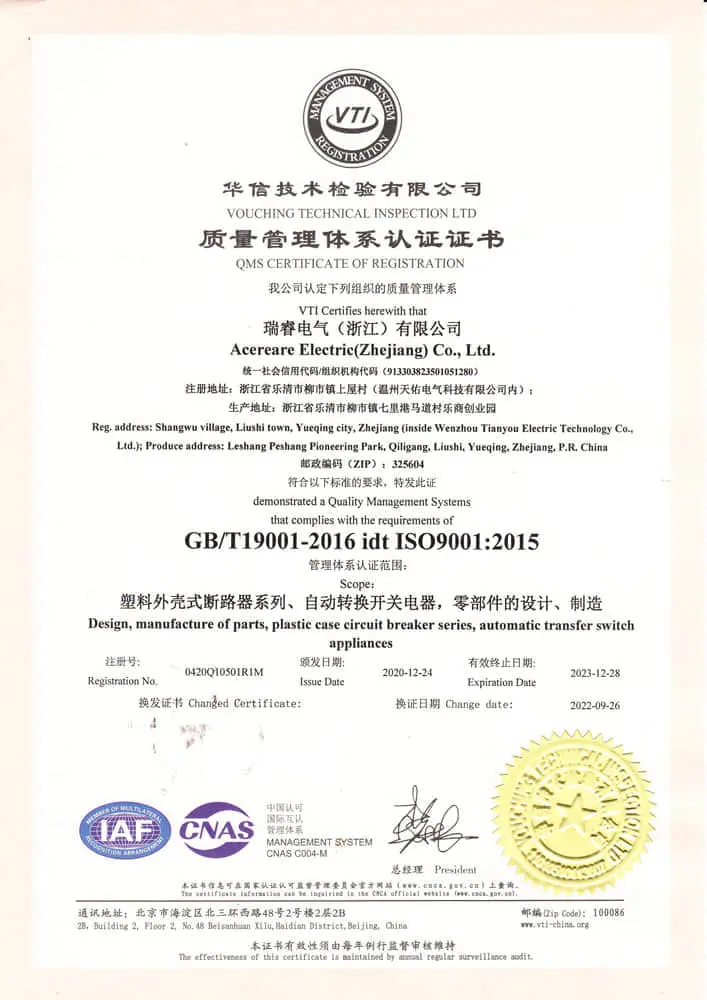
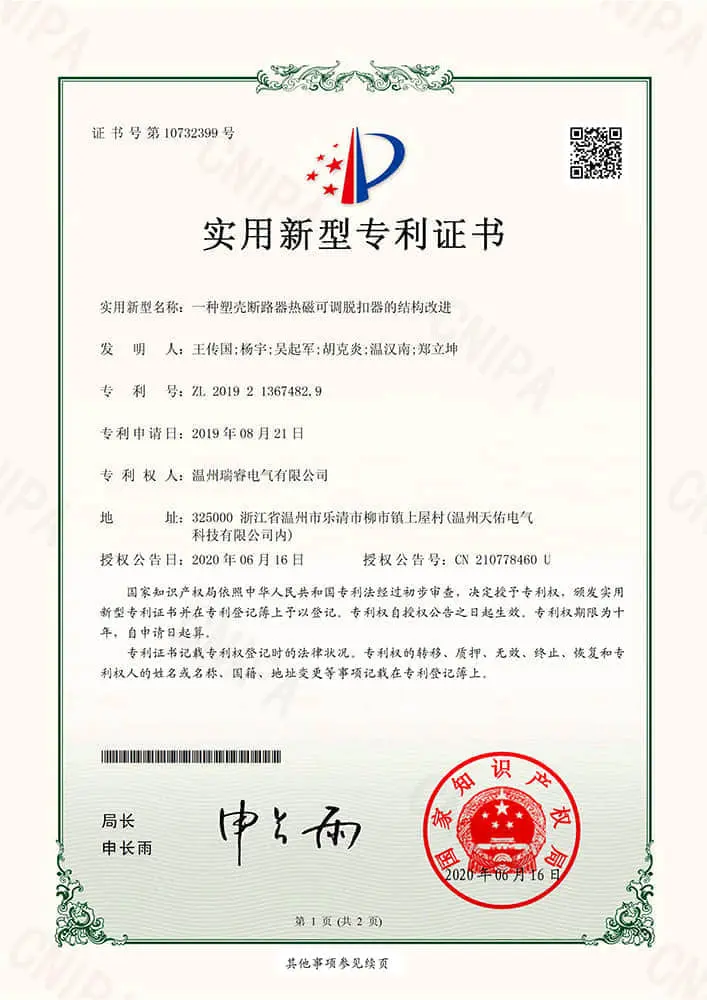
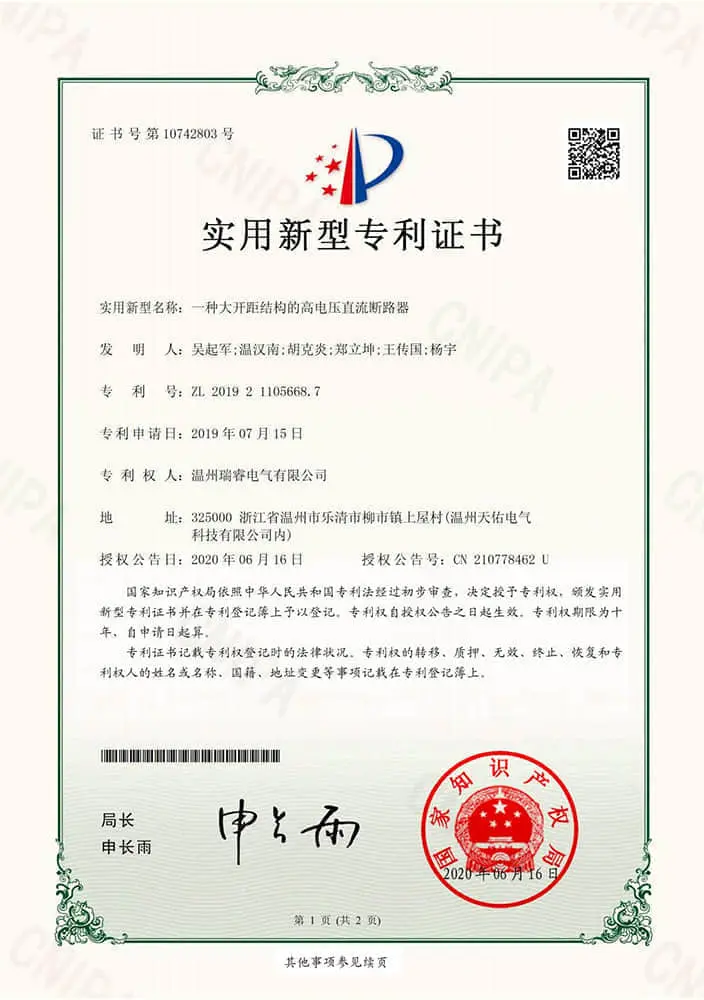
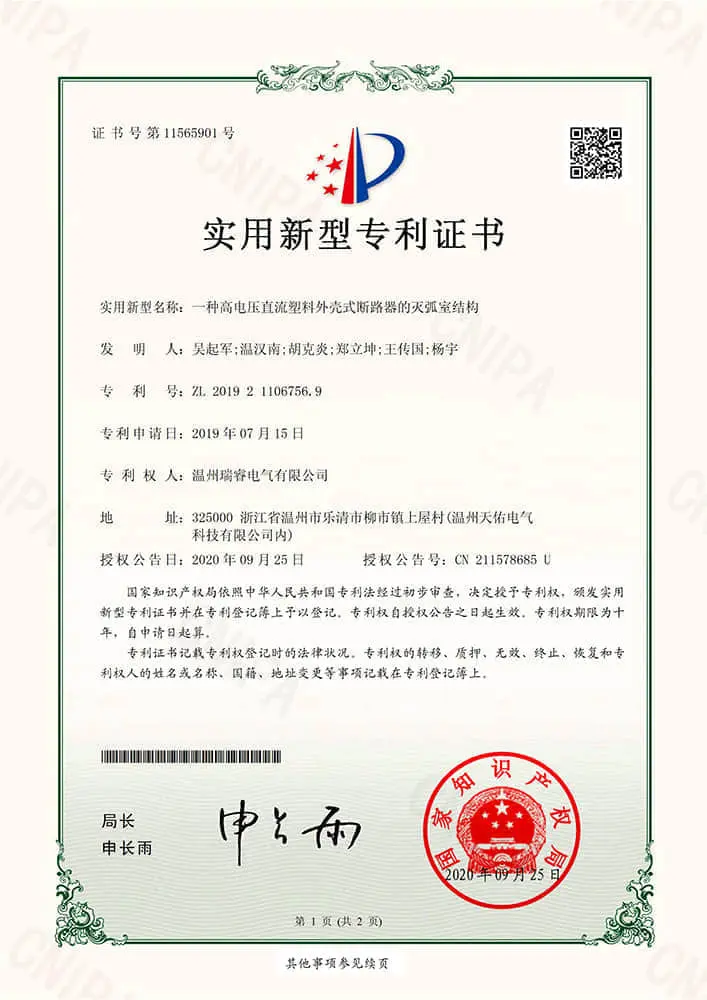
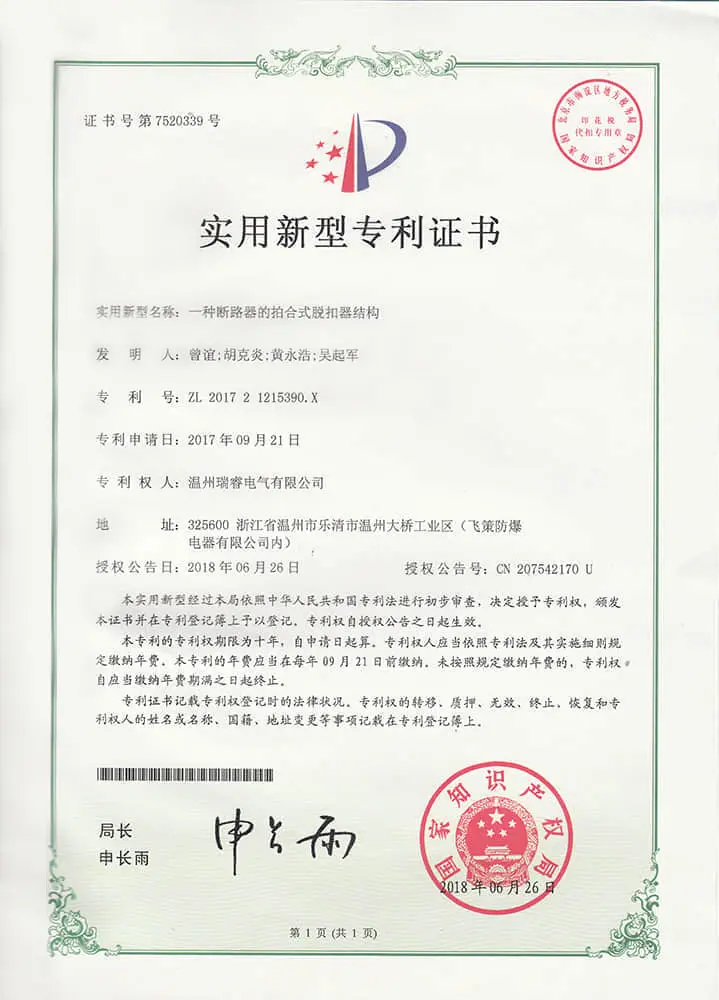
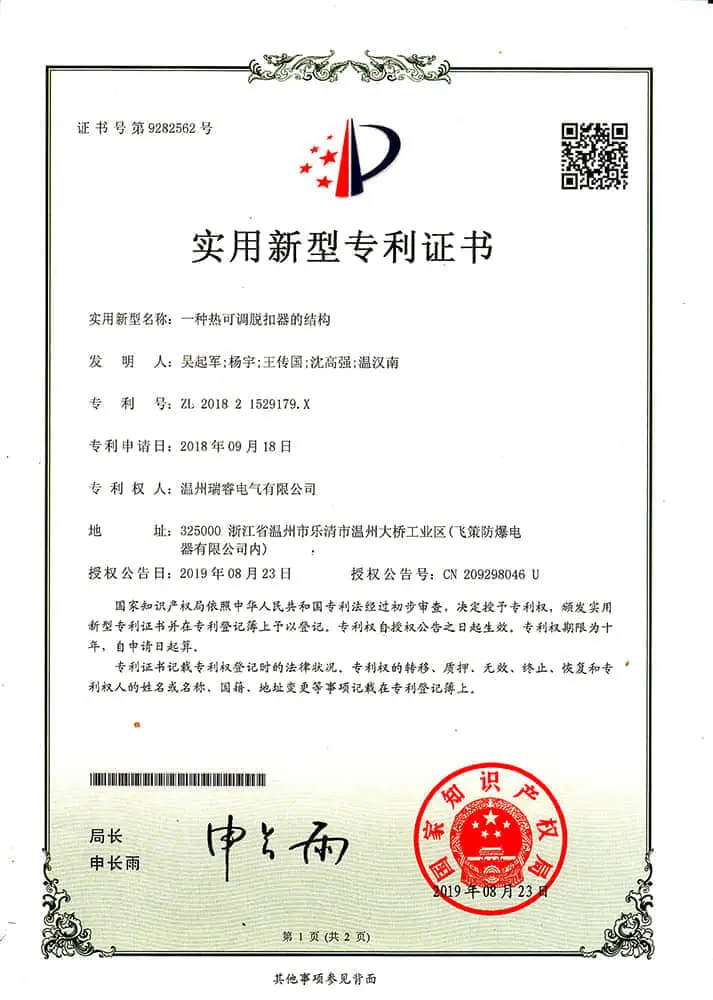
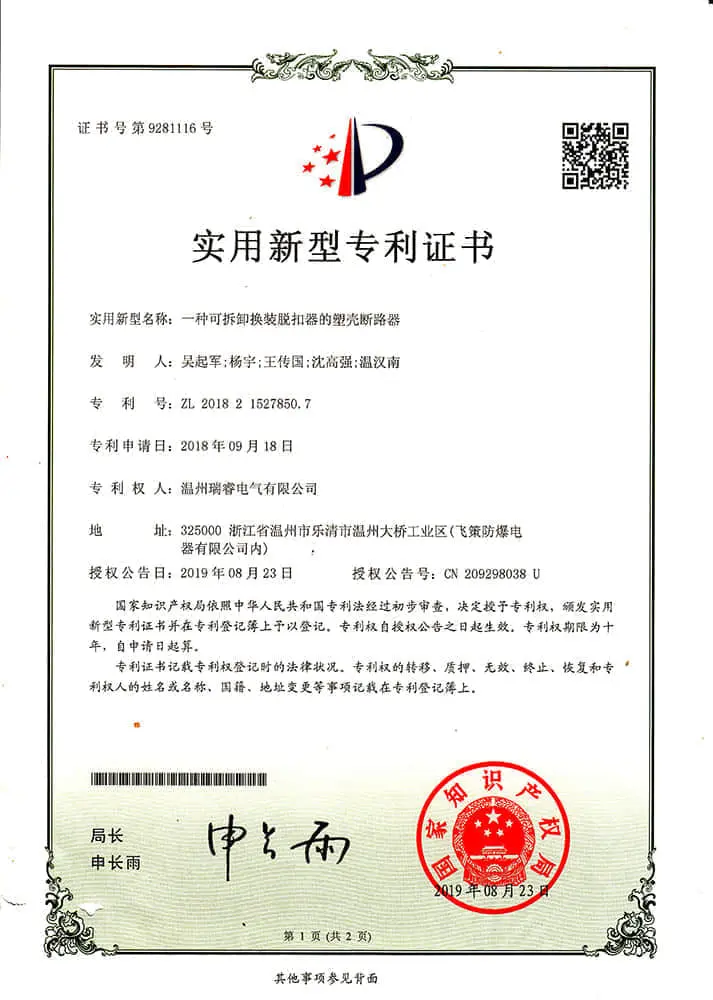
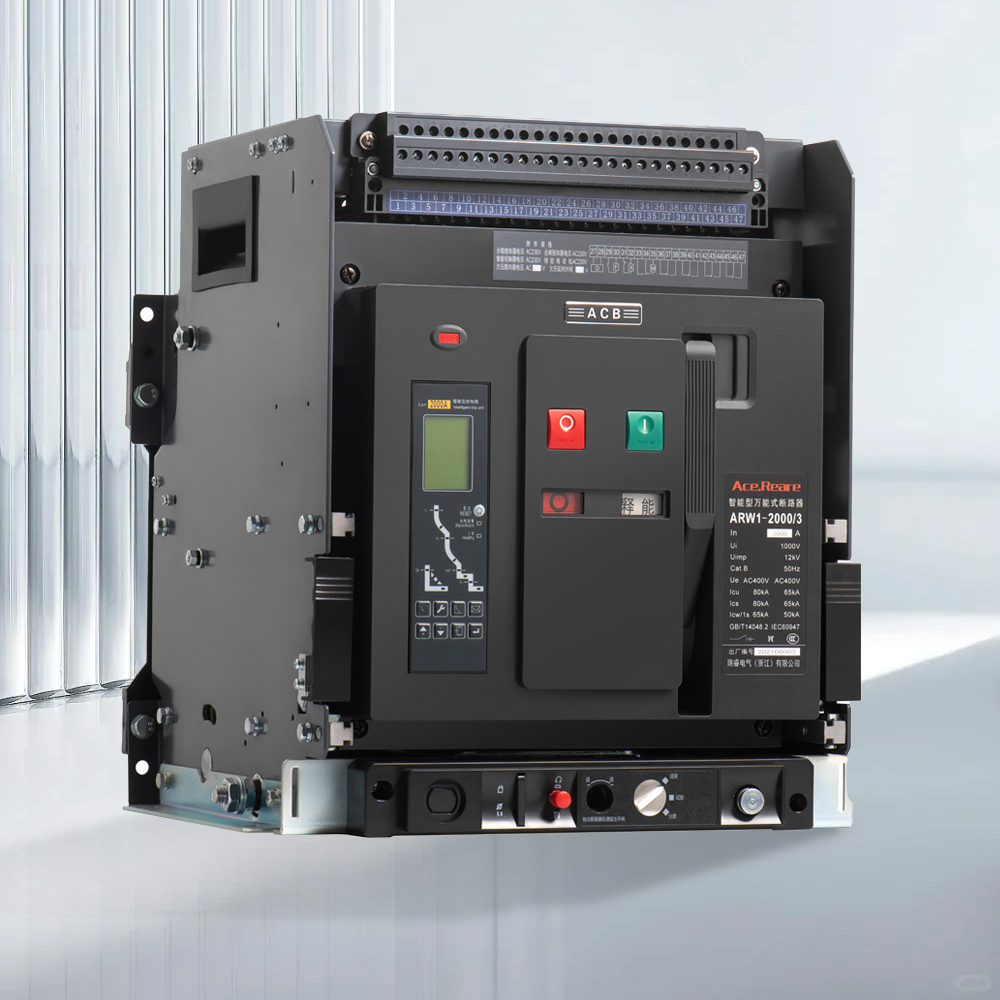
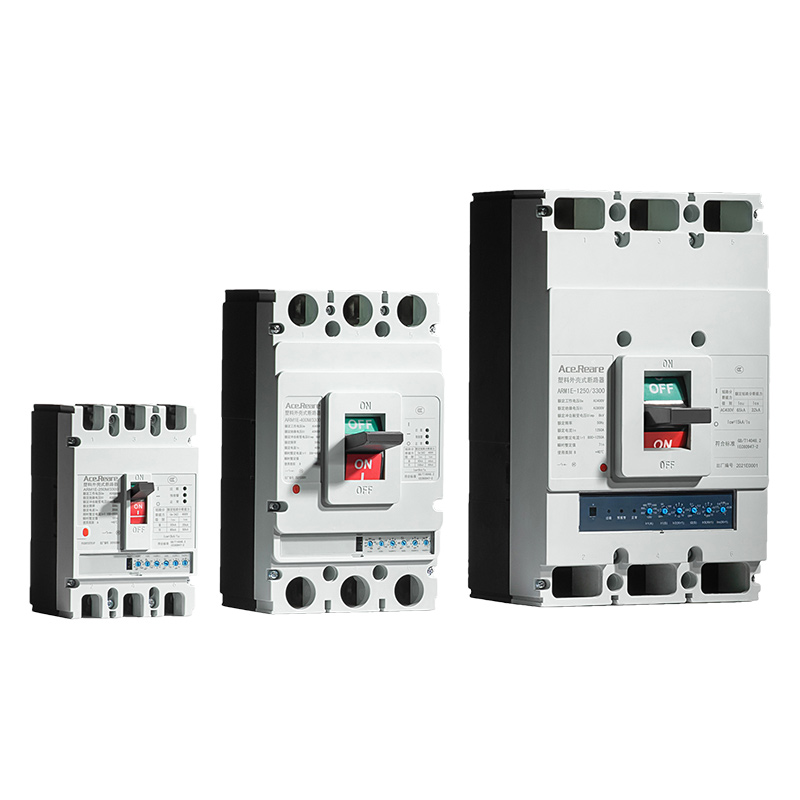
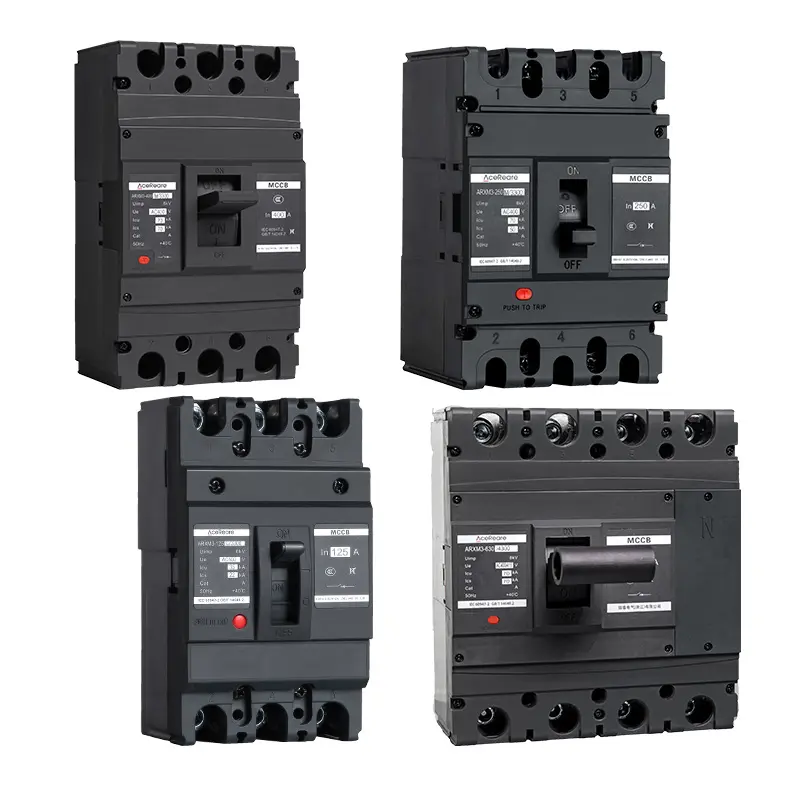
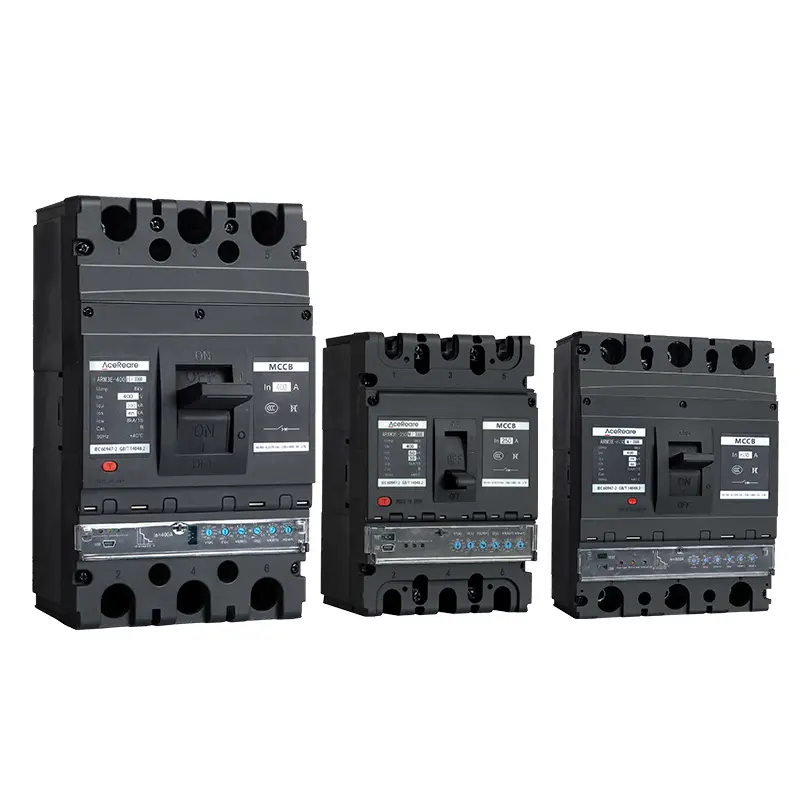
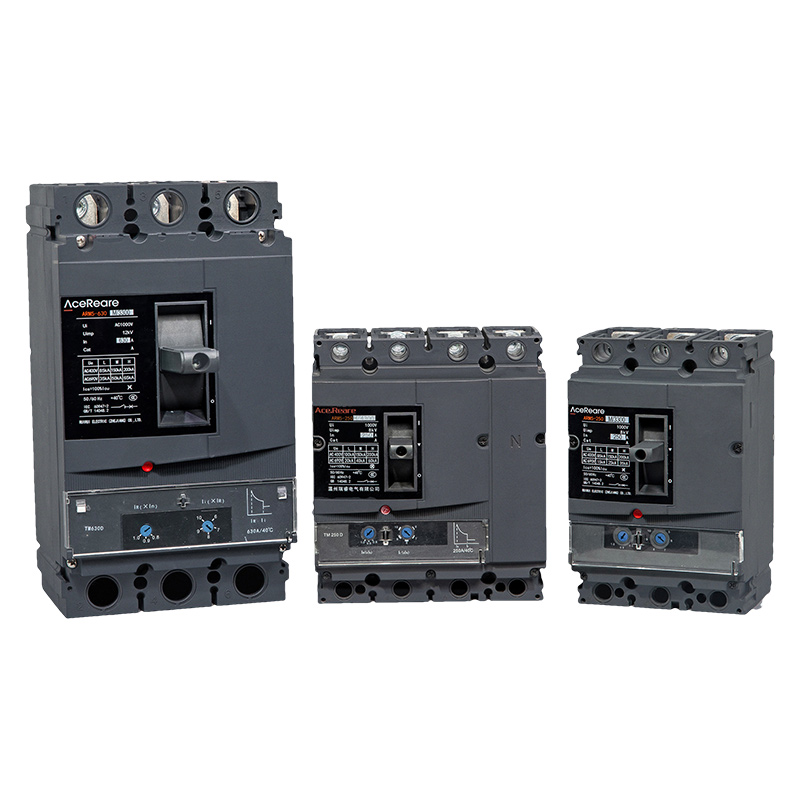
Explore our core designs engineered for industrial, commercial, and smart grid systems.
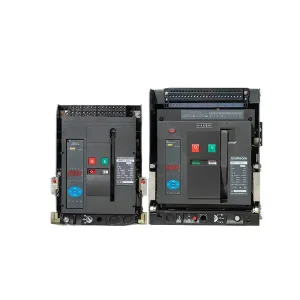
The ARW1 series intelligent Air Circuit Breaker (ACB) is applicable to AC 50Hz distribution networks with rated operational voltages up to 690V and currents from 400A up to 6300A. It provides high-precision protection functions for generator systems, busbar links, and power grids.
Features an open communication interface matching Modbus and Ethernet frameworks, allowing operations control to run four remote features: remote sensing, remote adjustment, remote control, and remote signaling.
Direct answers from our senior engineering team to help you make informed procurement decisions.
Icu indicates the maximum fault current that a circuit breaker can break without sustaining permanent damage. Ics, on the other hand, represents the fault current level that the circuit breaker can break and subsequently continue operating without service interruption. For high-reliability environments, look for an Ics = 100% Icu rating.
Since thermal-magnetic devices depend on air cooling and ambient heat levels to trigger the bi-metal strip, they must be adjusted at high altitudes (above 2000m) due to reduced air density. We calculate adjustment coefficients using altitude derating tables and calibrate thermal trip curves inside our 55°C constant-temperature rooms.
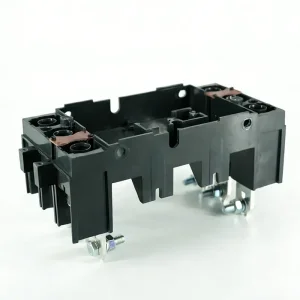
Yes. Our subsidiaries, RuiRui and KeRui, operate precision metal stamping workshops. We design and process custom progressive dies based on 3D drawings of components to match custom plug-in terminal block sizes.
We execute standard testing protocols, including contact resistance verification, mechanical cycle tests, thermal-overload calibration runs, and instantaneous magnetic release measurements on simulated short-circuits. All test logs are integrated via our MES software.
Heavy-duty systems design engineered to control electrical distribution loads.
 AceReare