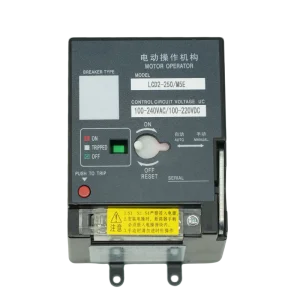
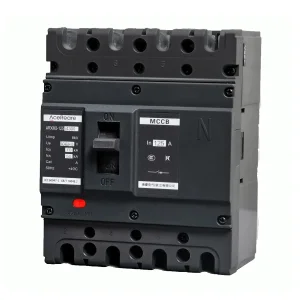
Explore our premium range of MCCB, ACB, and customized electrical automation components direct from our factory.
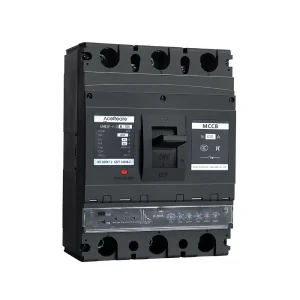
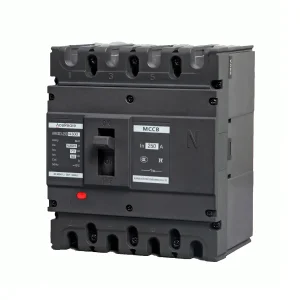
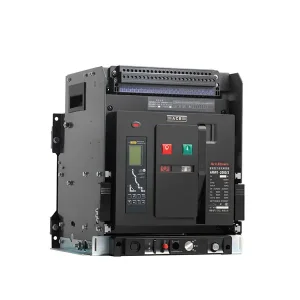
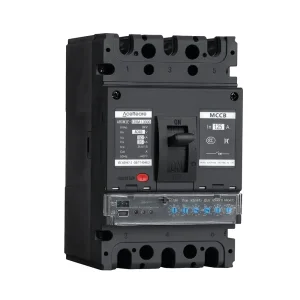
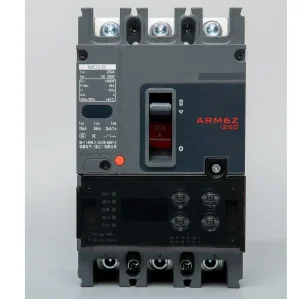
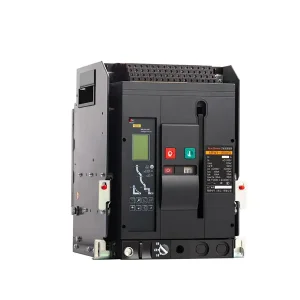
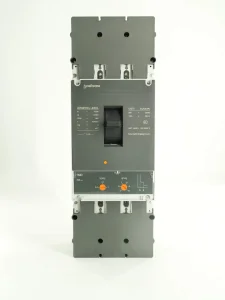
In modern industrial and commercial electrical networks, the 1600A Molded Case Circuit Breaker (MCCB) serves as a vital component in low-voltage power distribution. Situated between traditional Air Circuit Breakers (ACB) and lower-capacity MCCBs, the 1600A MCCB offers space-efficiency and high performance. Built to handle heavy electrical currents in factories, data centers, and multi-tenant buildings, these units protect facilities from short circuits, ground faults, and thermal overloads.
As heavy industries move toward electrification, the demand for reliable switchboards and smart electrical protection is growing. In regions like North America, Europe, and Asia-Pacific, power systems require safety mechanisms that integrate with building automation and industrial control networks. The 1600A rating provides a versatile breaker that can handle main incoming circuits or feed major distribution switchboards without the large footprint of air-insulated breakers.
Acereare Electric designs its 1600A MCCB platforms using durable materials and advanced digital trip units. Our breakers meet strict international regulations (IEC/EN 60947-2, GB/T 14048.2) to ensure consistent performance in demanding power grids globally.

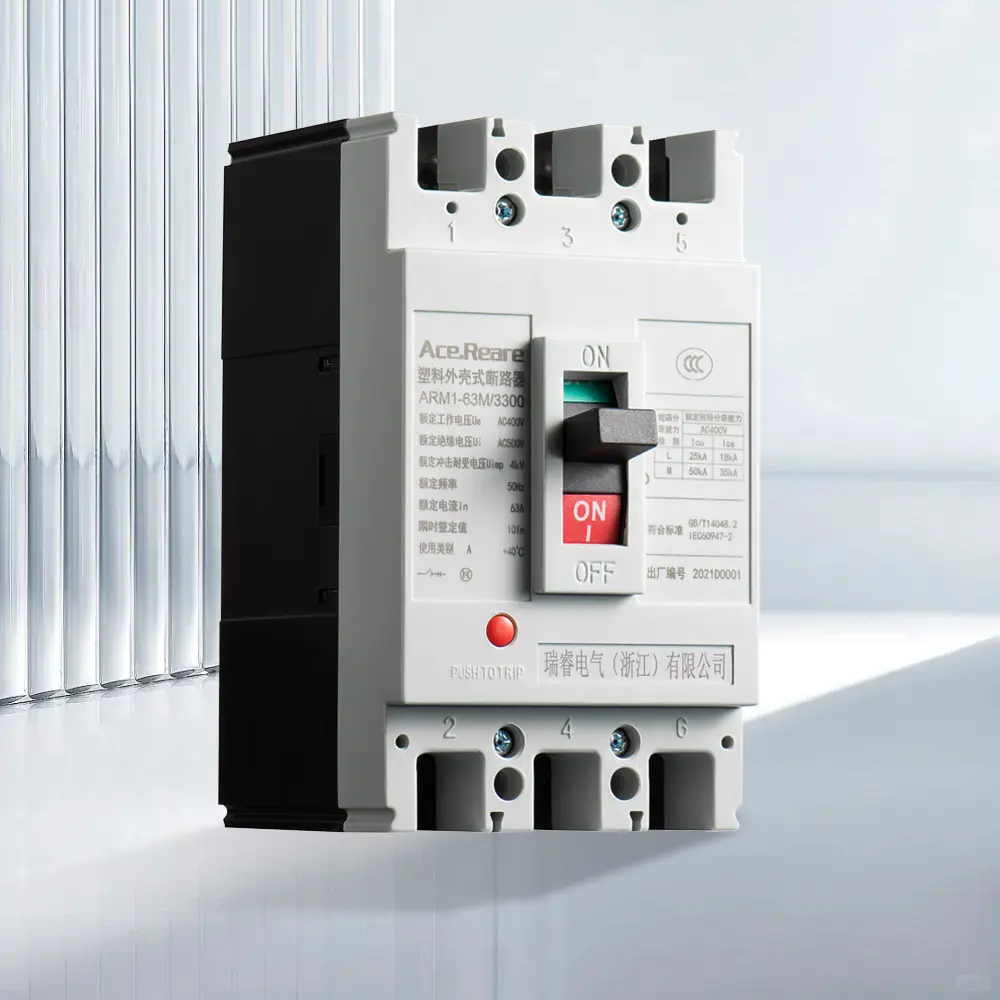
Acereare Electric was established in 2015, building upon two wholly-owned subsidiaries: RuiRui Electric and KeRui Electric. With over 20 years of craftsmanship passed down through two generations, the company has developed solid technical experience and a mature production system. Today, we rank among China's top ODM and OEM manufacturers for Molded Case Circuit Breakers (MCCB), Air Circuit Breakers (ACB), and related components.
We work with nearly 100 domestic and international partners to supply reliable electrical protection products. Our manufacturing process integrates R&D, tool-making, metal stamping, and plastic molding, concluding with automated assembly and strict multi-step testing. This comprehensive production approach allows us to maintain high quality control and adapt our products to diverse industrial needs.
Ensuring reliable, high-performance power distribution solutions through integrated R&D, manufacturing, and supply chain management.
One-stop processing with six distinct technical methods. Equipped with precision production tools and testing devices across 10 manual and automated assembly lines.
A team of over 50 R&D engineers with 5+ years of experience. Expert in 3D component and mold design, delivering more than 50 research and development projects annually.
Operating two dedicated factories to scale component and complete machine production. Connected workflows managed through integrated ERP and U8 software.
Multi-step laboratory inspections using over 150 testing instruments. Quality checks managed from raw materials to final packaging via PLM, BI, ERP, and MES software.
Understanding the future of electrical distribution systems and smart protective equipment.
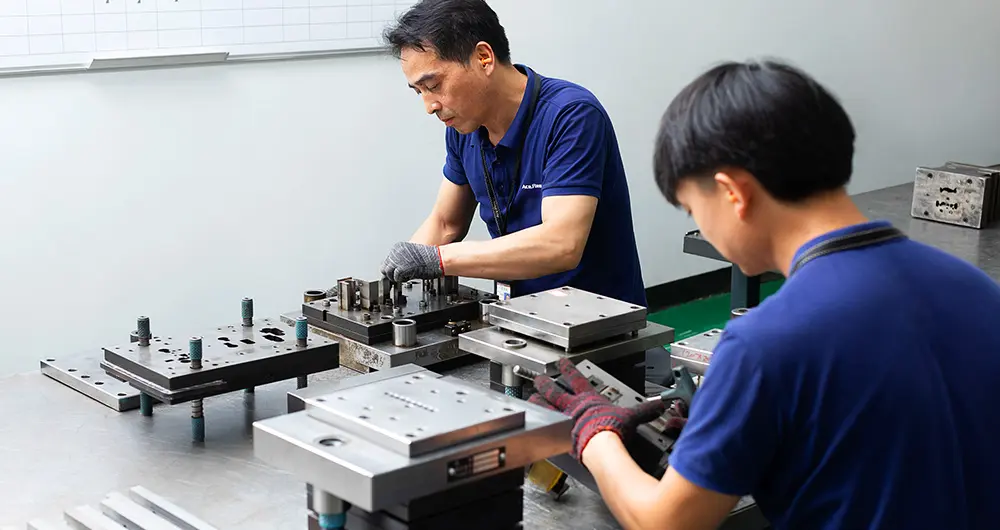
Renewable energy generation, particularly in solar PV installations, is pushing operational system voltages to AC 800V, 1000V, and 1140V. Our technical roadmap focuses on developing specialized high-voltage MCCBs to handle these higher utility environments safely.
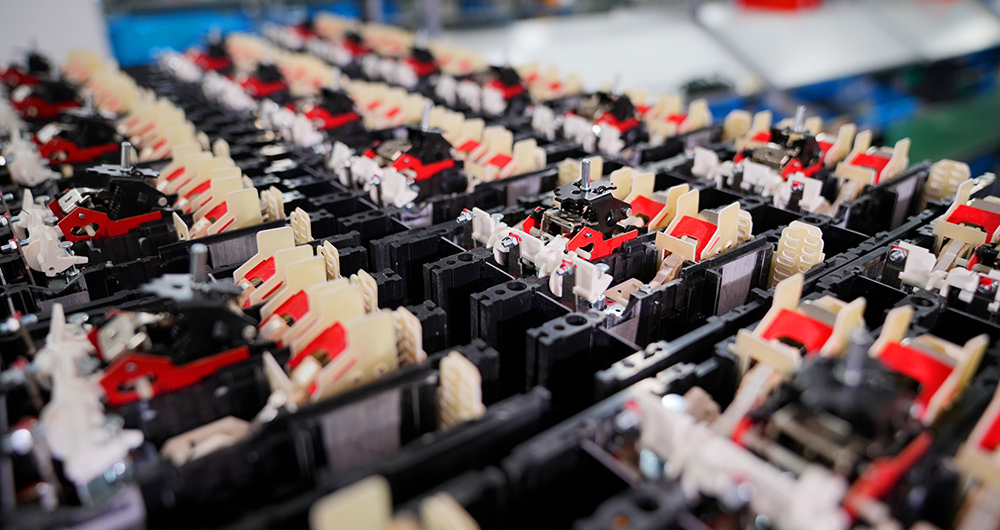
Modern power grids rely on real-time data. Modern MCCB architectures incorporate electronic trip units (LSIG) with built-in microprocessors. These systems support Modbus, Profibus, and Ethernet communications, enabling edge computing, predictive maintenance, and energy metering.
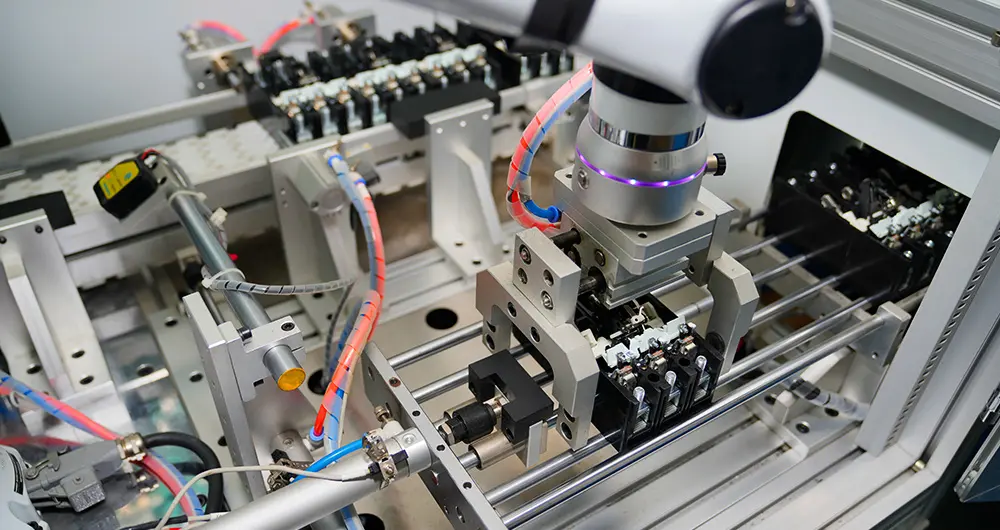
Our research focuses on using recyclable materials that remain flame-retardant and thermal-resistant. We design arc chutes and contact assemblies to extinguish high-energy faults quickly, helping extend the operational lifespan of the breaker.
Acereare MCCBs are engineered to perform in challenging environments globally, from sub-zero manufacturing sites to offshore platforms.
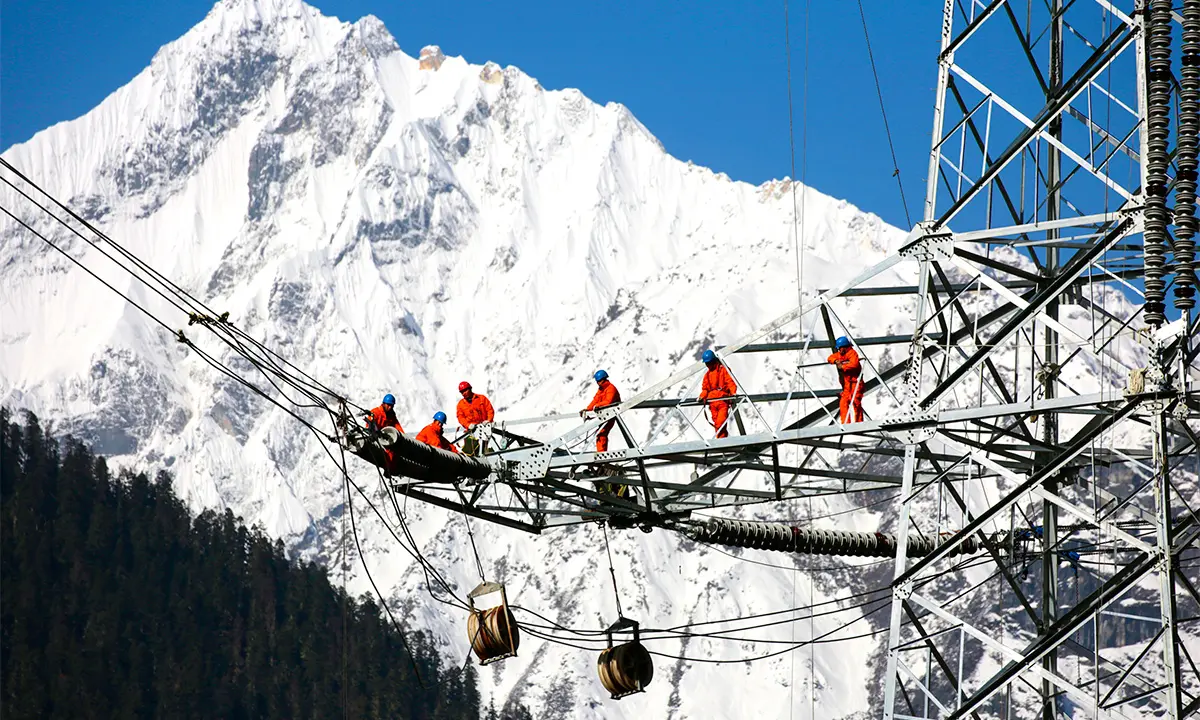
For installations in cold climates, we use specialized low-temperature resistant structural resins and low-viscosity lubricating oils. Our components receive thickened protective coatings, verified by laboratory testing down to -40°C.

Coastal and maritime installations expose electrical equipment to damp, corrosive salt air. Our MCCBs undergo salt spray testing (72 hours for complete assemblies, 48 hours for sub-assemblies) to ensure reliable operation on docks, ships, and seaside substations.
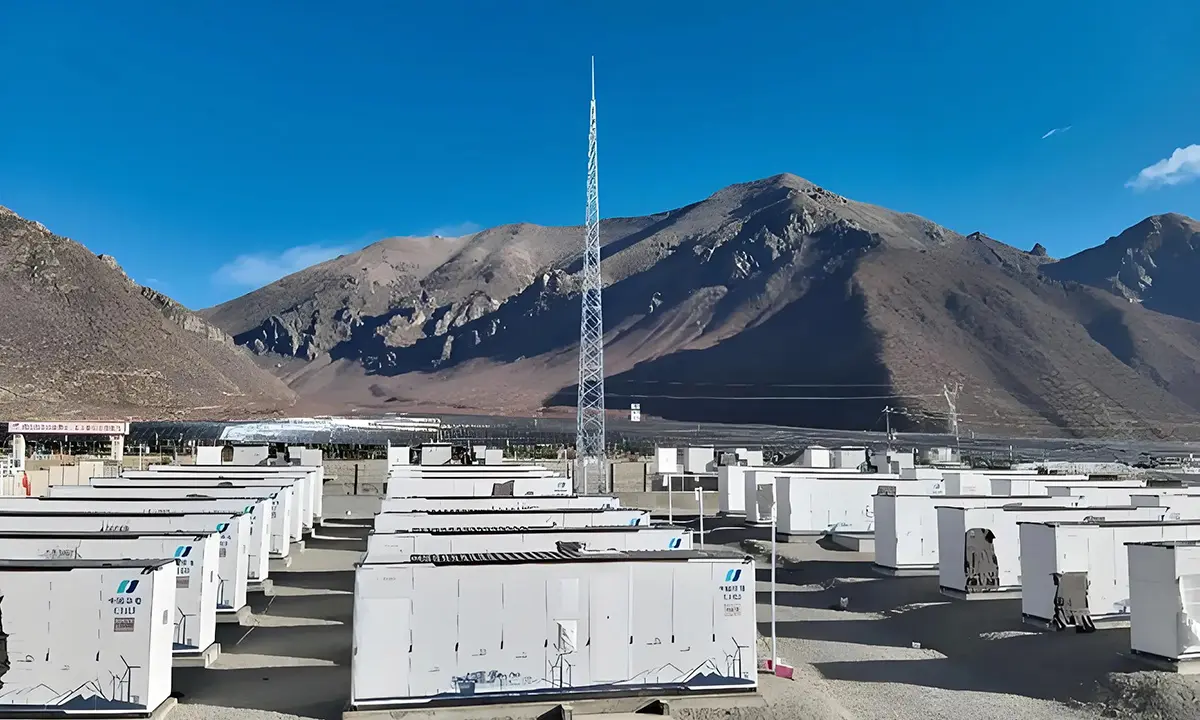
At altitudes above 2000 meters, lower air density reduces cooling efficiency and dielectric strength. We provide altitude derating guides to adjust electrical settings, ensuring safe operations in mountainous and remote mining areas.

Molded Case Circuit Breakers play a key role in building infrastructure, protecting equipment and main lines from overloads and short circuits while maintaining power continuity.
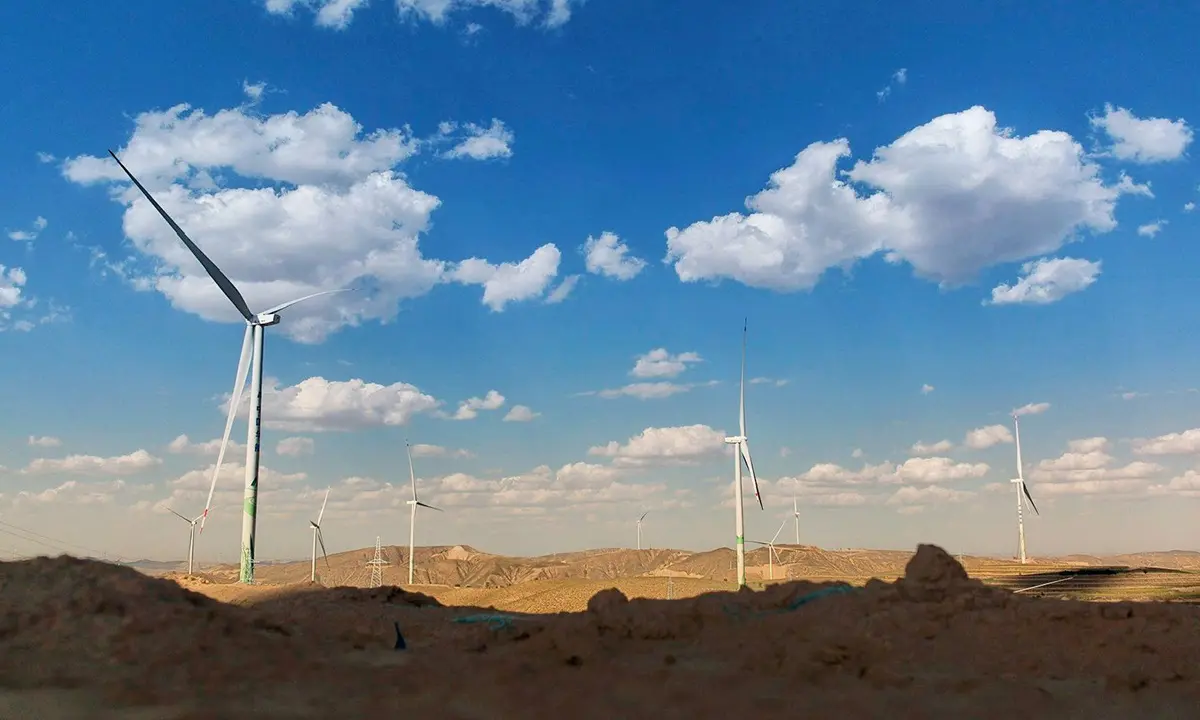
In hot climates and enclosed electrical panels, internal temperatures can rise quickly. We use heat-resistant materials and thermal barriers to prevent premature tripping, verifying performance in our 55°C environmental test chambers.
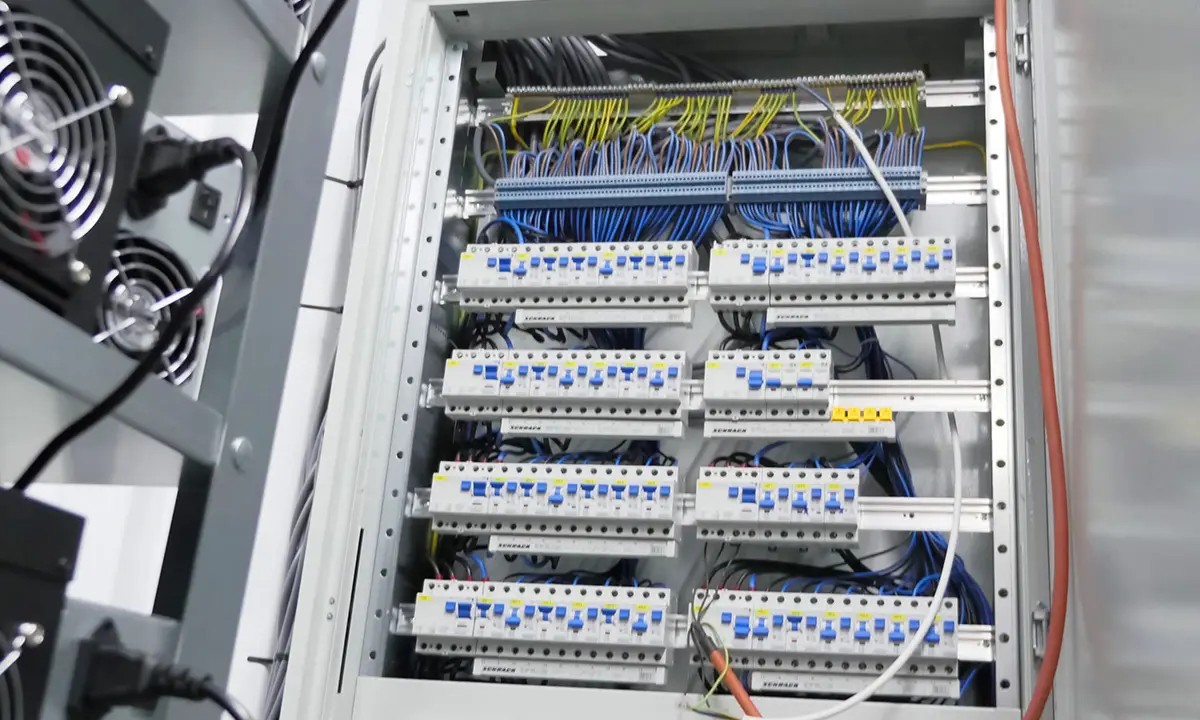
Our advanced MCCBs combine protective functions with high-accuracy metering and communication features. These smart units support real-time data tracking and integration into automated management systems.
A reference table detailing key electrical ratings, breaking capacities, and options for our MCCB products.
| Parameter Class | Technical Specifications | Industrial Application Impact |
|---|---|---|
| Rated Current (In) | 125A, 250A, 400A, 630A, 800A, 1250A, 1600A | Protects power circuits from small commercial panels to large industrial switchboards. |
| Rated Operating Voltage (Ue) | AC 400V / 690V / 800V / 1000V / 1140V | Supports standard power distribution grids and high-voltage renewable energy systems. |
| Poles Option | 3 Poles / 4 Poles | Provides options for neutral wire isolation and standard three-phase electrical systems. |
| Trip Unit Technology | Thermal-Magnetic, Electronic (LSIG), LCD Intelligent Display | Enables adjustable settings for short-circuit, overload, and ground-fault protection. |
| Breaking Capacity (Icu) | 35kA, 50kA, 65kA, 85kA, 100kA (at 400V) | Safely interrupts fault currents in high-demand industrial networks. |
| Certificates | CCC, CE, ISO9001, CB | Ensures compliance with international safety and quality standards. |
We work with global clients, offering tailored engineering, brand support, and manufacturing capabilities.
Our manufacturing sites and electrical products are certified to meet international quality and safety benchmarks.
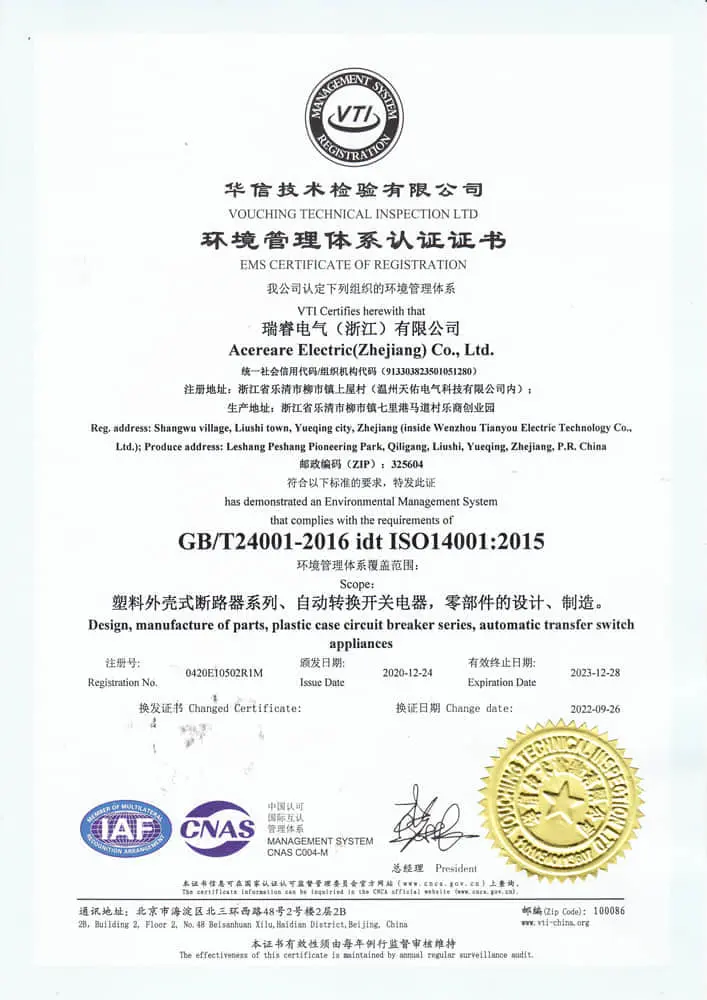
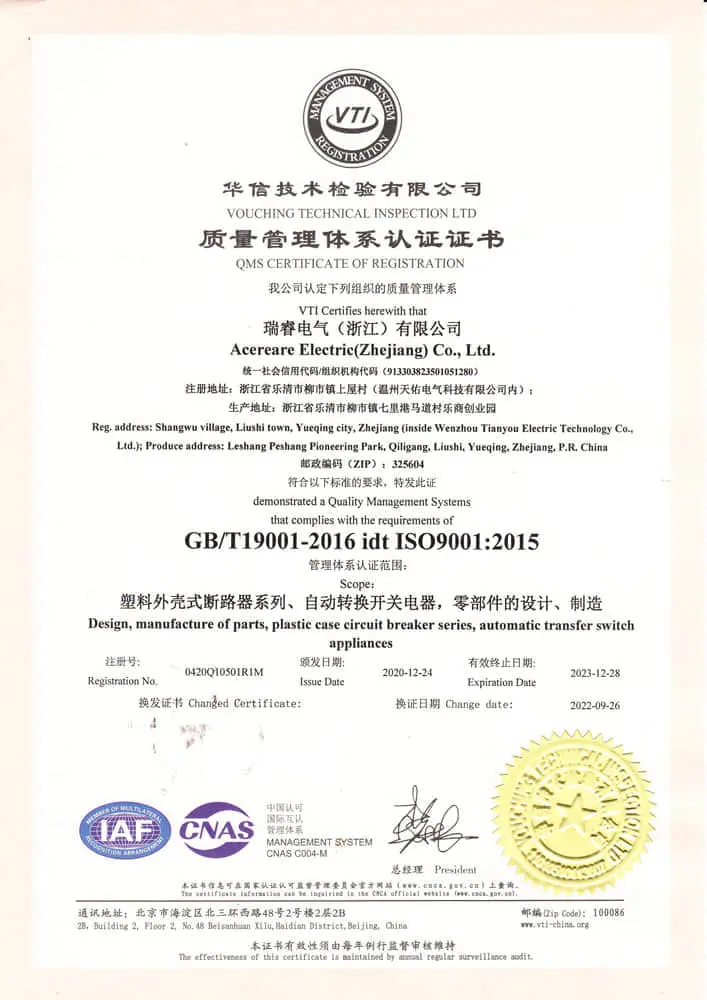
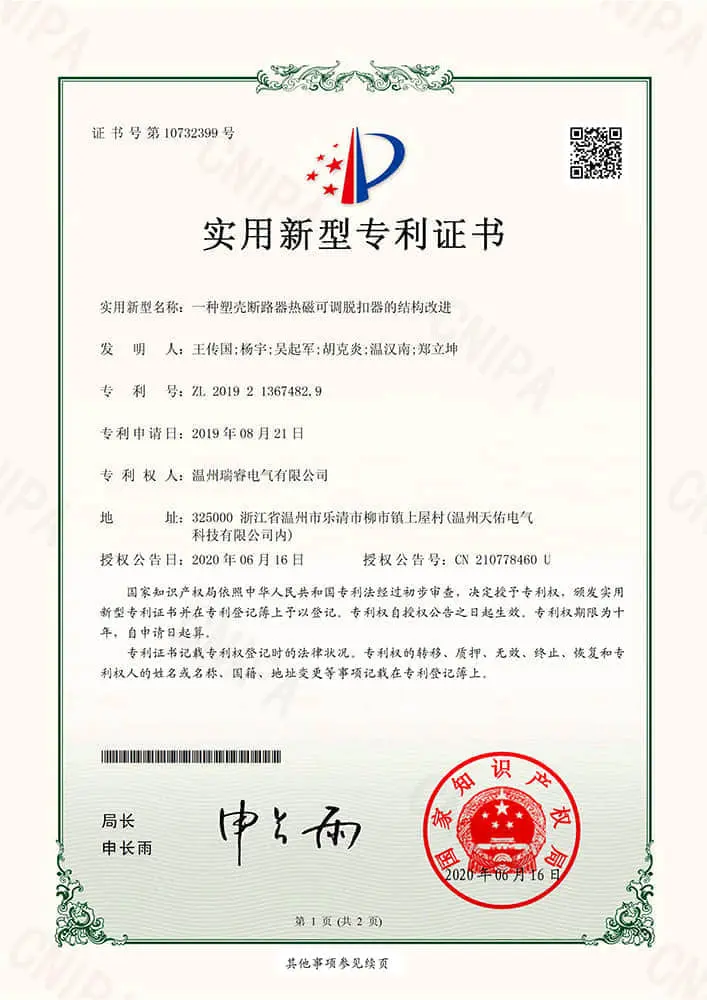

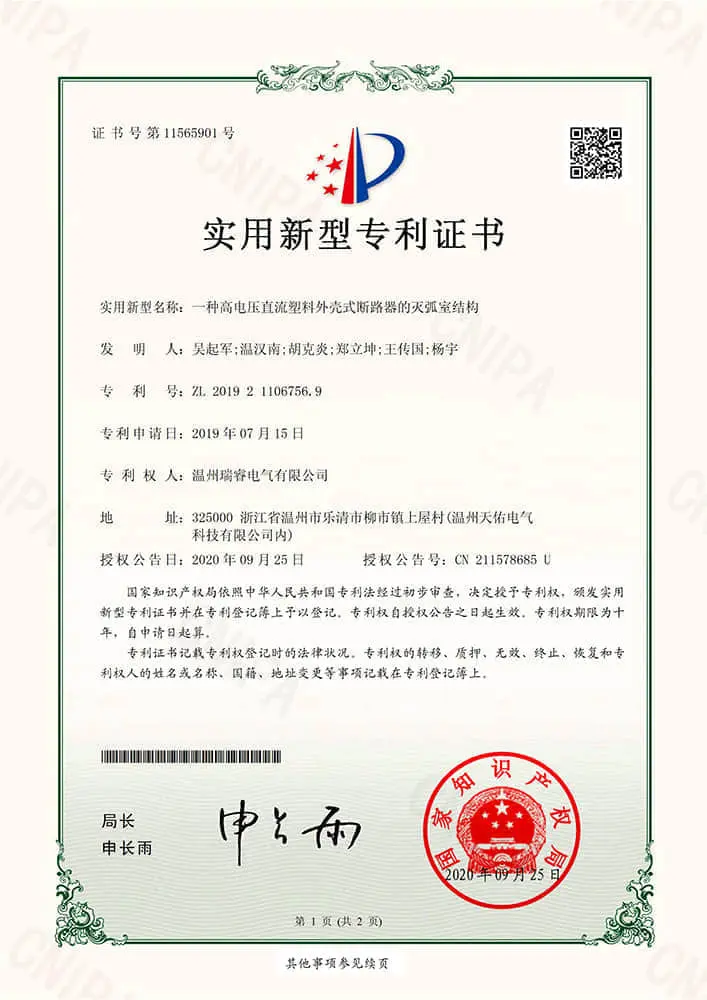
Answers to common questions regarding selection, operation, and environmental compliance for low-voltage power distribution systems.
While both options are rated to carry 1600A continuously, Air Circuit Breakers (ACBs) are typically larger units used as main breakers in switchboards. They provide high short-time withstand current (Icw) ratings for selective coordination. In contrast, 1600A Molded Case Circuit Breakers (MCCBs) feature a more compact, sealed enclosure. This design saves panel space, lowers installation costs, and makes them suitable as main breakers in smaller systems or sub-breakers in larger power grids.
At altitudes above 2,000 meters (approx. 6,600 feet), the thinner air has lower heat capacity and dielectric strength. This reduces the breaker's cooling efficiency and its ability to withstand voltage surges. To compensate, the rated operational voltage (Ue) and rated continuous current (In) must be adjusted using altitude correction tables. Adjustments typically range from a 2% to 10% reduction in ratings depending on the elevation.
An LSIG trip unit provides four adjustable protection settings: L (Long-time delay for overload protection), S (Short-time delay for selective short-circuit protection), I (Instantaneous trip for high-level short circuits), and G (Ground-fault protection to detect leakage currents). These settings allow engineers to configure the breaker to coordinate with upstream and downstream components, helping isolate electrical faults without shutting down the entire system.
Icu (Rated Ultimate Short-Circuit Breaking Capacity) is the maximum fault current the breaker can safely interrupt, though it may require servicing or replacement afterward. Ics (Rated Service Short-Circuit Breaking Capacity) is the level of fault current the breaker can interrupt and continue to operate safely. A high Ics-to-Icu ratio (such as 100%) indicates a robust design that remains functional after clearing short circuits.
Our breakers receive specialized treatments for corrosive environments, including zinc chromate plating on steel parts, moisture-resistant varnishes on electronics, and anti-corrosion grease on moving joints. We verify these protection measures with 72-hour salt spray testing on complete units, ensuring they remain reliable on docks, coastal factories, and vessels.
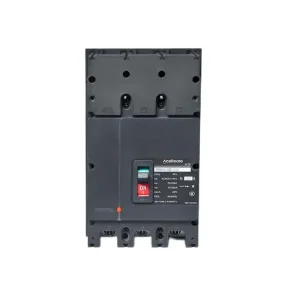
Select from our range of high-voltage industrial breakers, solar MCCBs, and protective components.
Partner with Acereare Electric for reliable, high-performance circuit breaker solutions. Contact us to discuss your system requirements, request samples, or explore OEM/ODM options.
Contact Our Engineers AceReare