Explore our industrial-grade molded case circuit breakers, smart air breakers, and core copper structural components, direct from our digital manufacturing center.
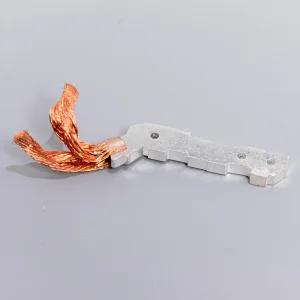
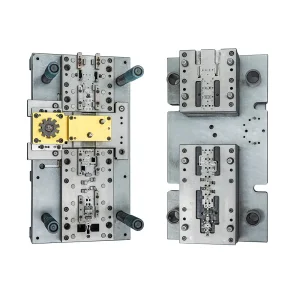
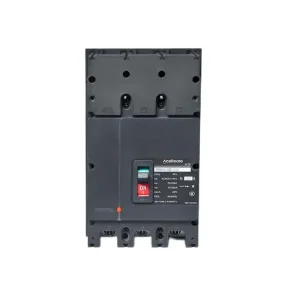
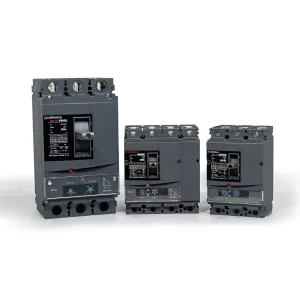
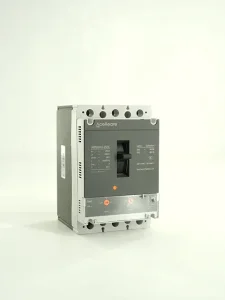
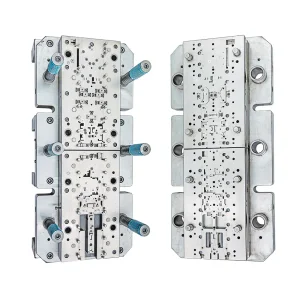
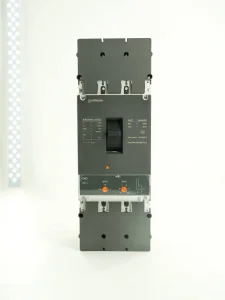
Founded in 2015, Acereare Electric operates two wholly-owned manufacturing subsidiaries: RuiRui Electric and KeRui Electric. As a vertically integrated original manufacturer (ODM/OEM) specializing in molded case circuit breakers (MCCB), air circuit breakers (ACB), and heavy-duty contact assemblies, we carry forward over 20 years of craftsmanship inherited across two generations of power distribution experts.
Leveraging state-of-the-art metal stamping, precision plastic injection molding, and automatic robotic calibration lines, our production base ranks among the top tier of industrial breaker factories in China. We supply global system integrators, power distribution boards builders, and smart grid developers with safety-critical electrical switches designed to protect equipment and human life.

How we solve procurement challenges for international buyers, panel builders, and project engineers through system-integrated manufacturing.
Global logistics bottlenecks, unstable raw material costs, and strict carbon emissions targets require resilient sourcing partners. Acereare addresses these market realities through complete control of raw materials.
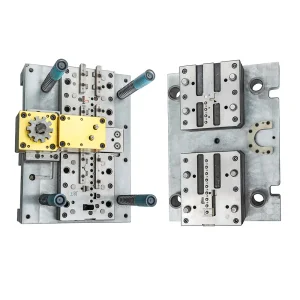
Modern low-voltage breakers require extreme structural tolerances and reliable trip units. Our manufacturing processes utilize specialized automation tools to maintain strict quality standards.
With global demands focusing on environmental sustainability and carbon neutrality, our research aligns with green grid frameworks and low-loss designs.
Our operational framework focuses on vertical integration, taking projects from engineering blueprints to verified industrial applications.
Our facilities house six distinct processing technologies, including high-speed stamping, automatic molding, and testing systems. We run over 10 manual and automated assembly lines for rapid turnaround times.
Our technical team consists of over 50 engineers with 5+ years of design experience. We handle complete 3D modeling for internal structures, molds, and finished assemblies, executing over 50 projects annually.
Operating two manufacturing facilities, we balance components production and breaker assembly. Our integration of ERP software maintains steady raw materials inventory levels.
Our production quality is monitored by over 20 certified inspectors using 150+ testing instruments. We utilize integrated PLM, ERP, and MES software to manage quality metrics across production lines.
Acereare circuit breakers are engineered for extreme environments, heavy-duty machinery, smart telemetry systems, and marine locations.
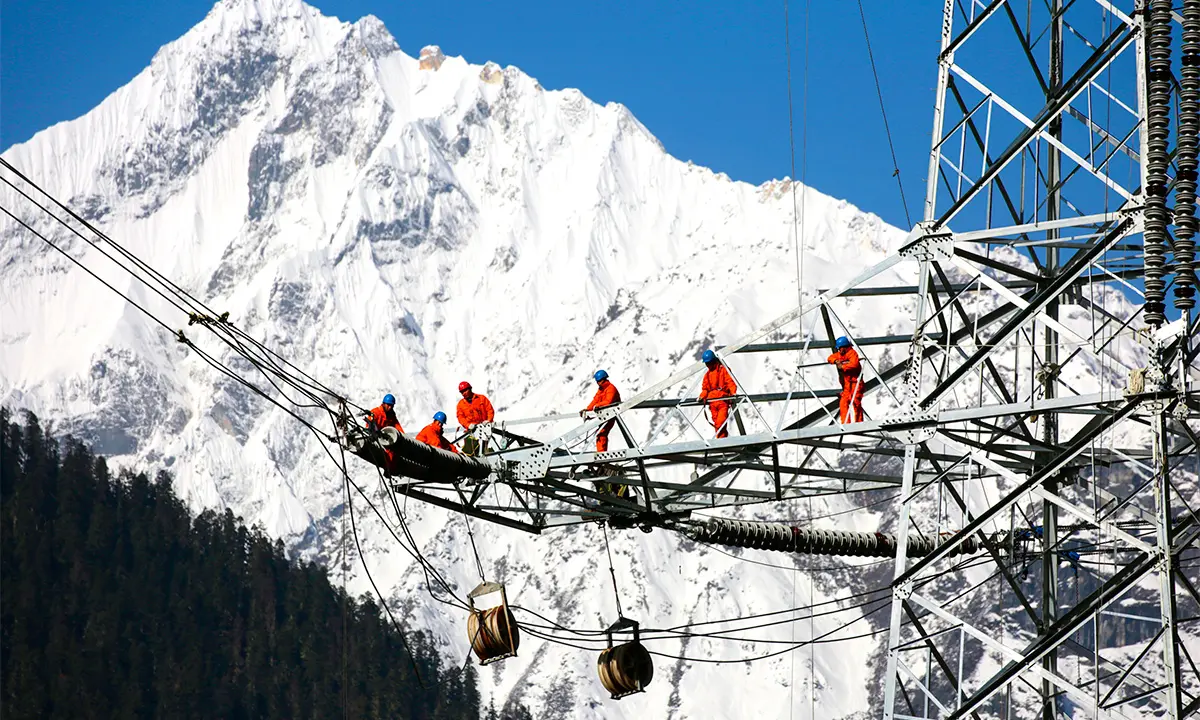
Designed for sub-zero locations, these units feature low-temperature lubricants, structural elements with thick electroplated coatings, and components certified down to -40°C.

Built for maritime terminals and dock power panels. Tested to withstand up to 72 hours of direct salt spray, preventing corrosion on copper terminals, main links, and structural enclosures.
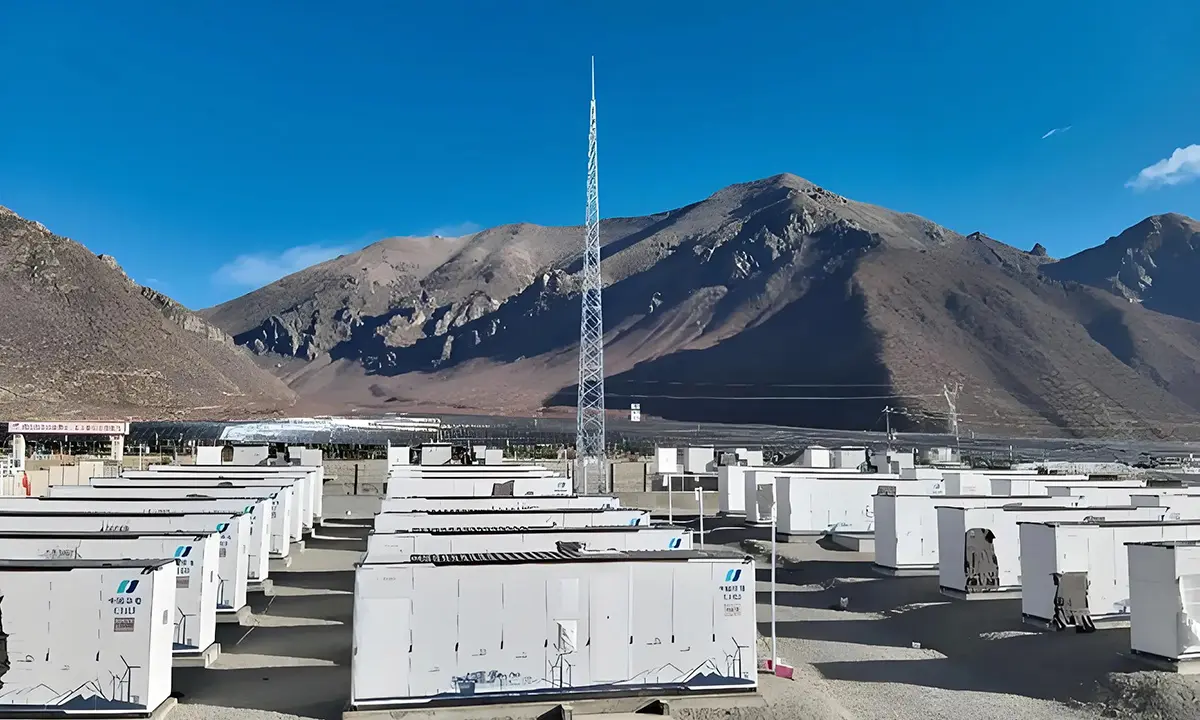
For installations above 2000m. We adjust internal clearances and breaking parameters using high-altitude derating tables to compensate for thinner air and lower cooling efficiency.

Designed for home appliances, lighting circuits, and commercial buildings. Provides protection against short circuits and overloads while fitting within standard compact distribution boards.
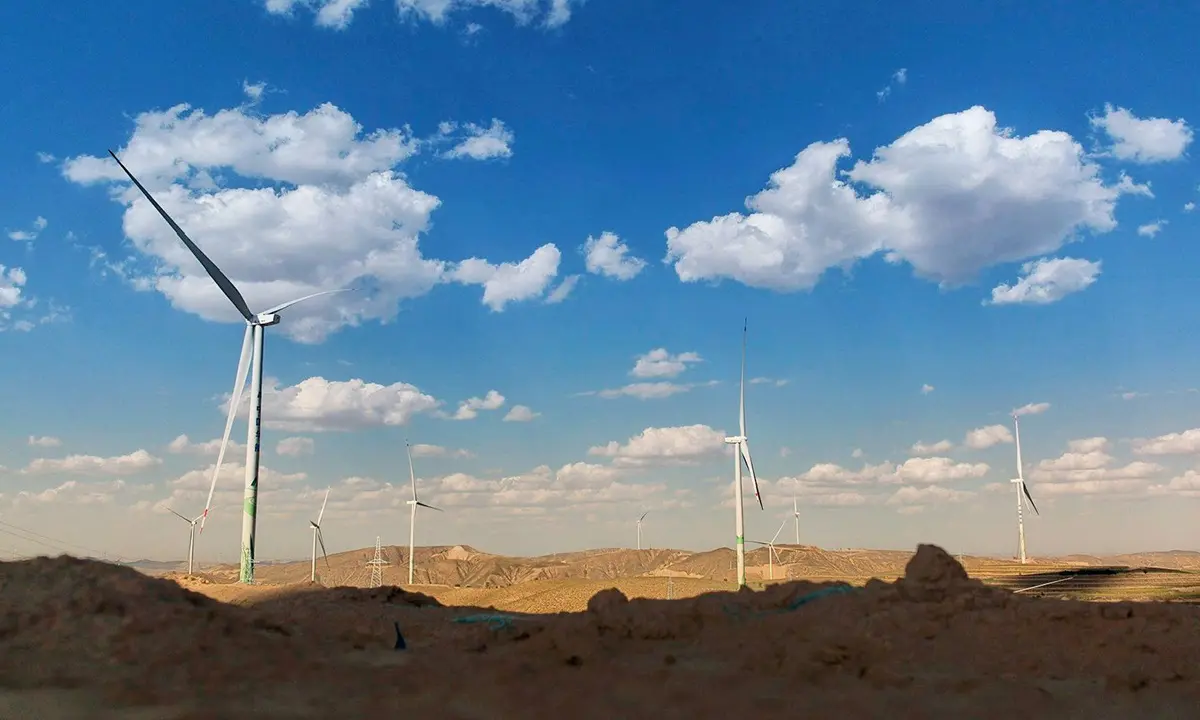
Built with heat-resistant polymers and insulated copper links. Calibrated and verified in environmental chambers at 55°C to prevent nuisance tripping in hot climates.
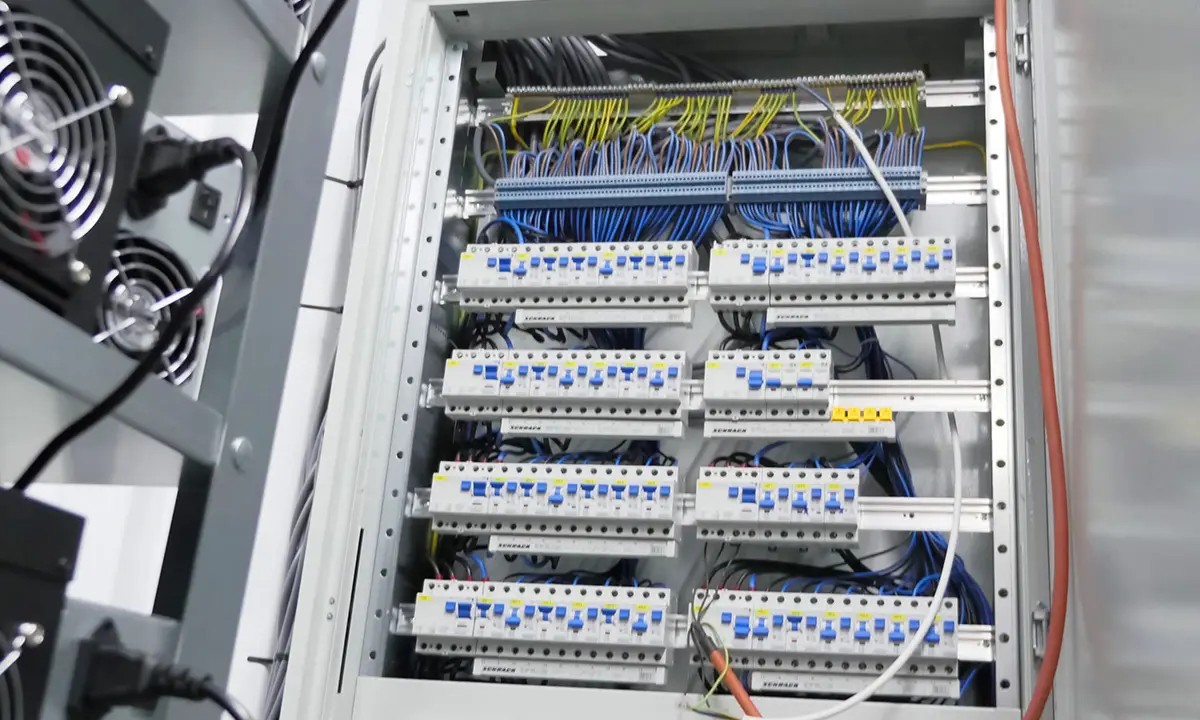
Features embedded telemetry, power quality metering, and communication protocols. Supports real-time control, data monitoring, and edge-computing applications for smart systems.
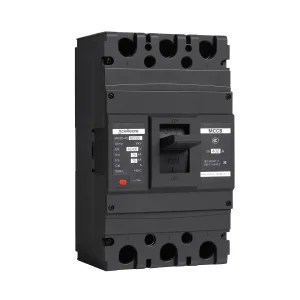
Review our core circuit breaker product lines, ranging from compact thermal-magnetic MCCBs to high-power air circuit breakers.
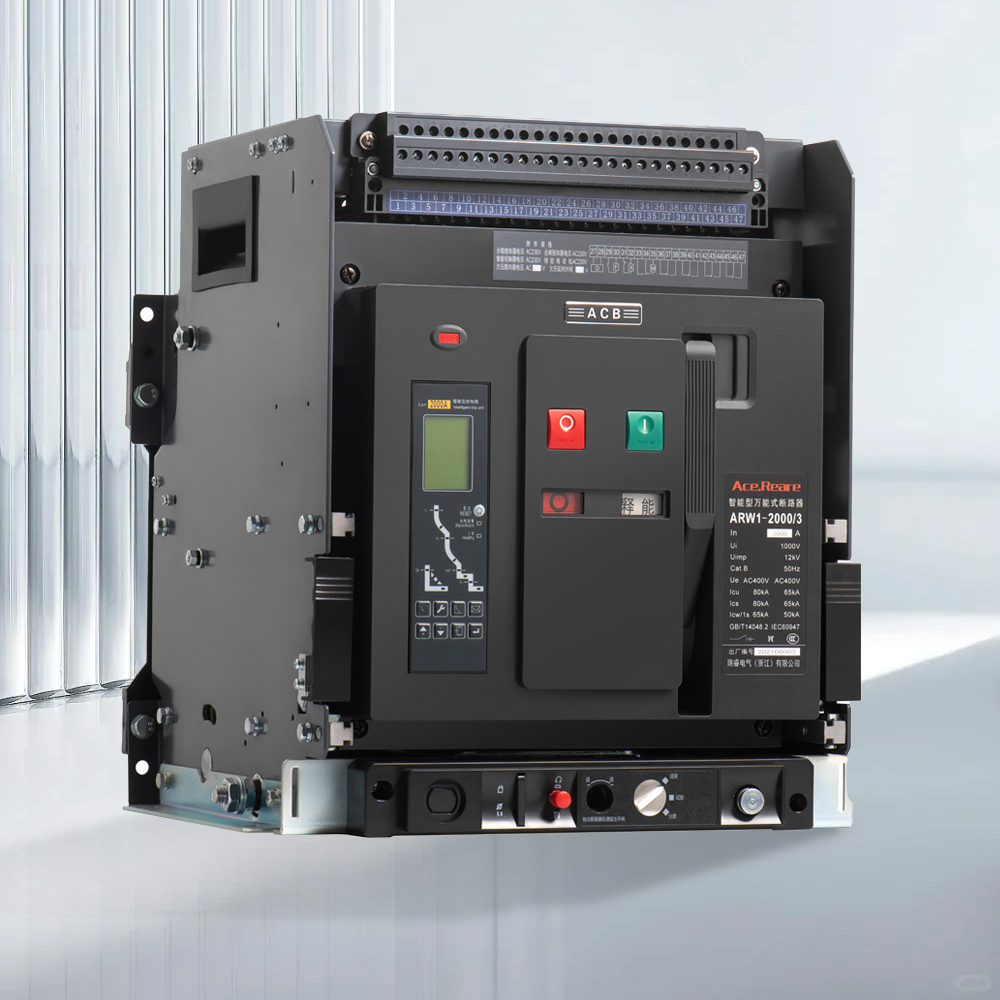
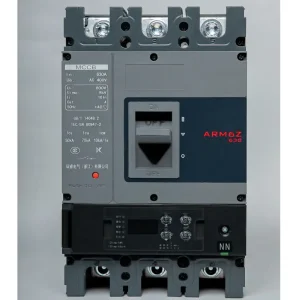
Designed for low-voltage distribution networks operating at 50Hz, with rated voltages up to 690V and currents from 400A to 6300A. The ARW1 series features precision trip units, selectivity under fault conditions, and communication interfaces for remote sensing, telemetry, adjustment, and control in automated industrial networks.
How we transition custom design concepts into certified, production-ready electrical solutions.
We review your specific application parameters, environmental challenges, and electrical load requirements.
Our engineering team designs custom molds, coordinates contact layouts, and develops electronic control circuitry.
We manufacture working prototypes and subject them to primary injection testing and insulation verification.
Prototypes undergo full load tests and third-party laboratory verification (CE, CB, CCC) to ensure safety compliance.
Using our MES and ERP systems, we manufacture, calibrate, and package your custom products for delivery.
A technical review of core engineering principles in modern molded case circuit breakers.
When short circuits occur in high-power distribution systems, currents can exceed nominal ratings by factors of ten. Under these conditions, separating the contacts creates an electric arc that can exceed 5000K, threatening the integrity of the breaker. Rapid arc extinction is critical to maintaining safety.
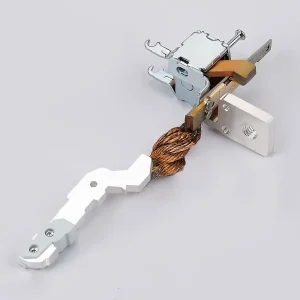
To address this, we use copper contact bases with a silver-alloy finish. The high electrical conductivity of the copper base minimizes power loss during normal operation, while the silver-alloy contact surface resists arc erosion and prevents contact welding under fault conditions. The arc is guided by specialized runner structures into steel-plate deionization splitter plates, cooling and extinguishing it within milliseconds.
For industrial design, selecting the proper breaking capacity parameters is critical to electrical safety:
Standard circuit breakers are calibrated for operation at 40°C ambient temperatures at sea level. In non-standard environments, derating factors must be applied:
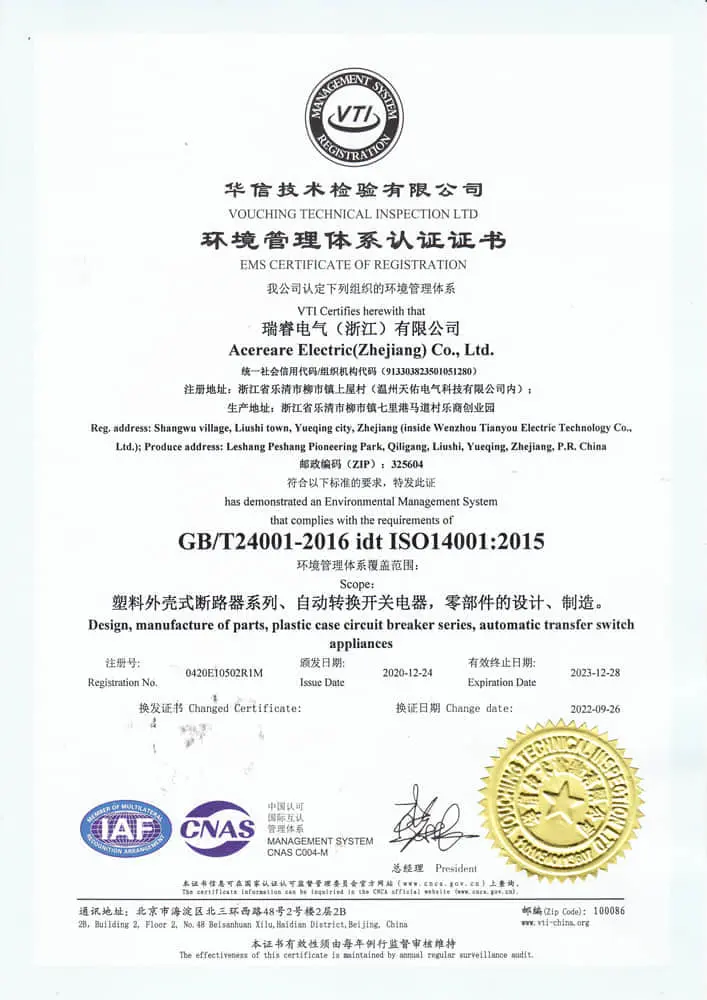
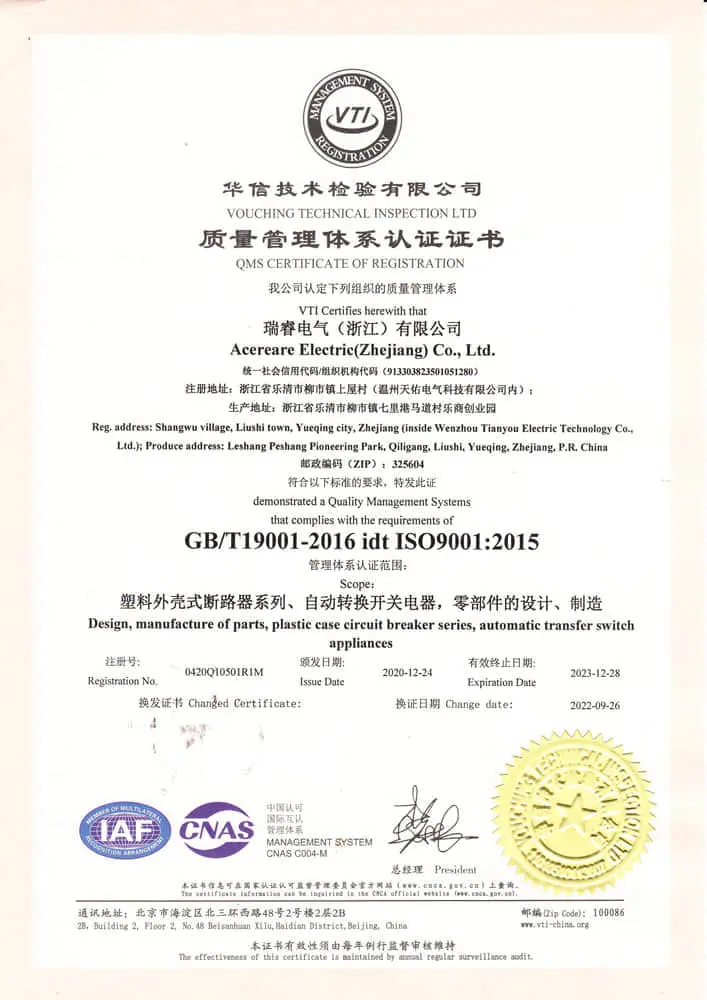
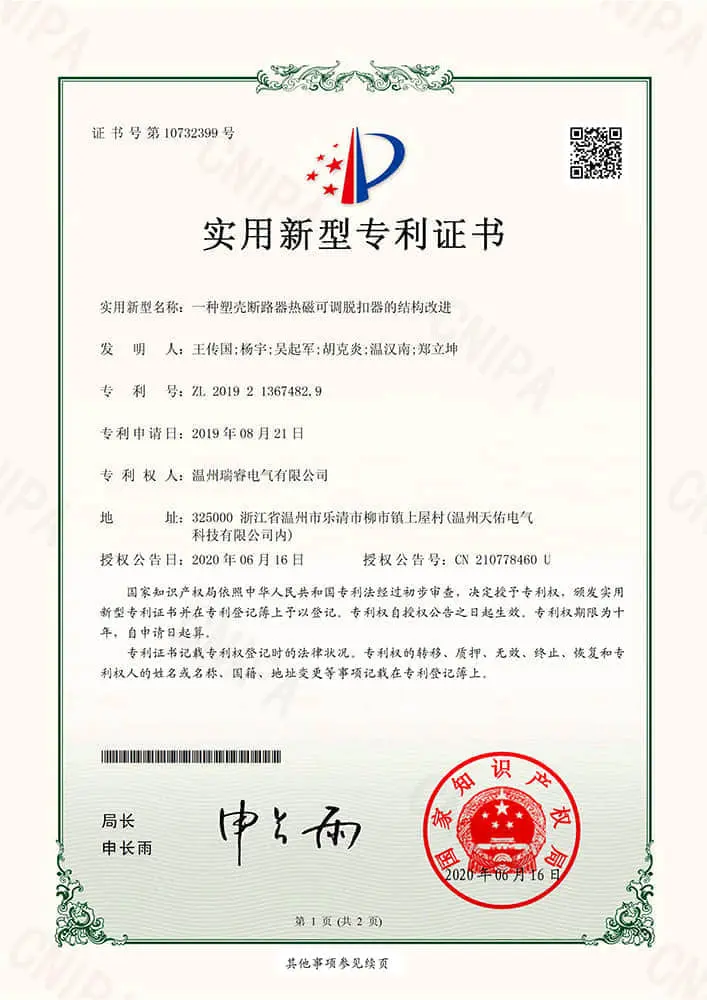
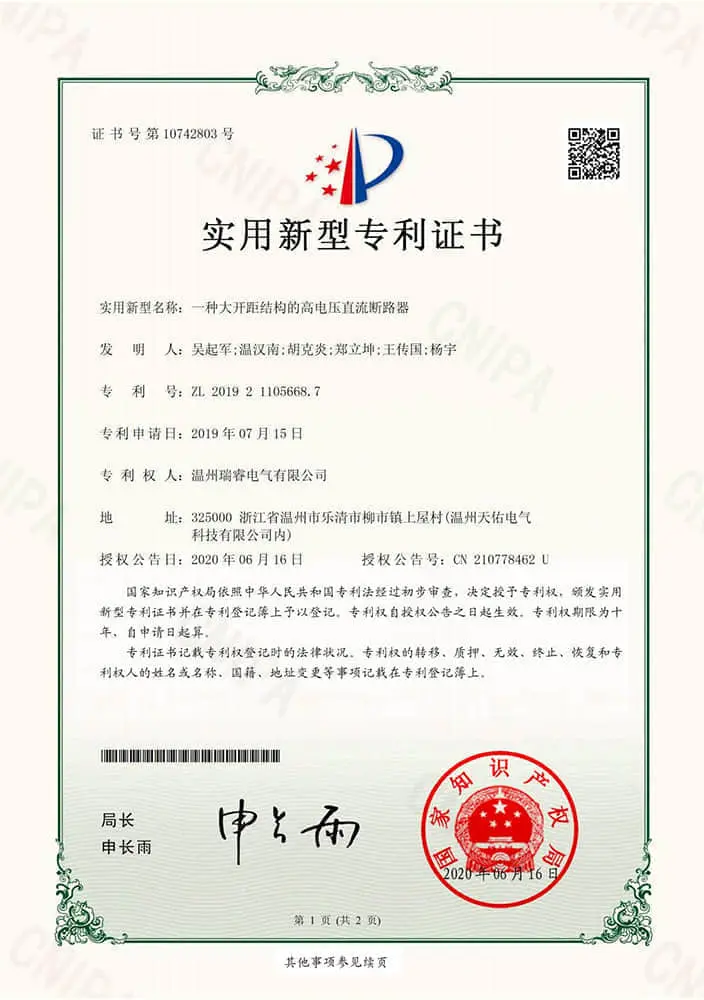
Our manufacturing and testing processes conform to international standards, ensuring reliable product performance.
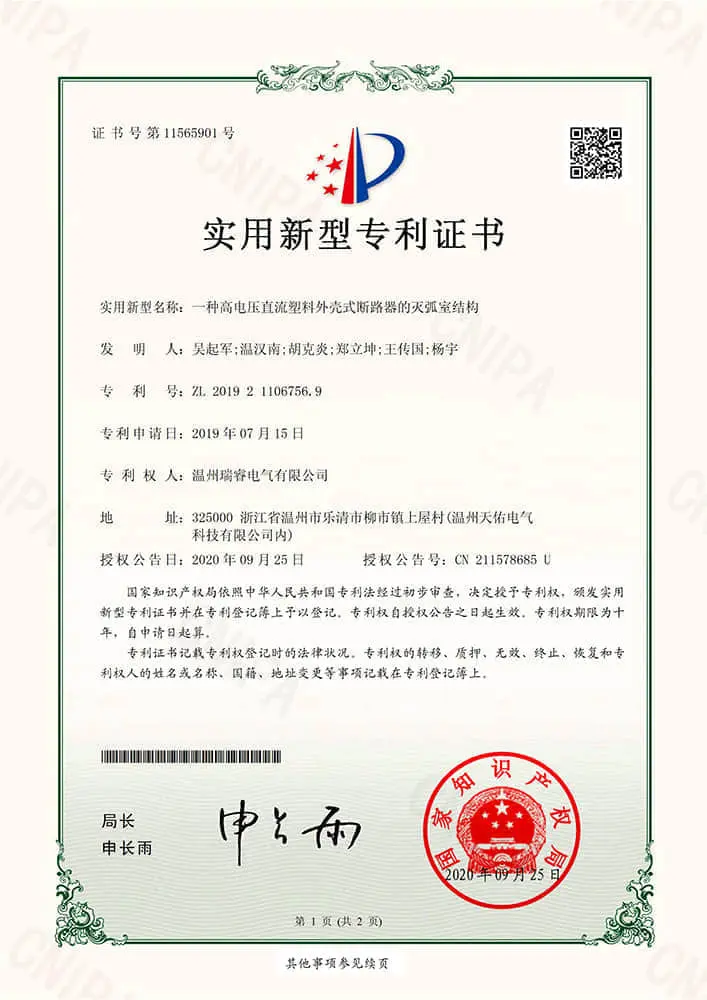
Explore our selection of heavy-duty air breakers, MCCBs, drawer bases, and precision-engineered stamping components.
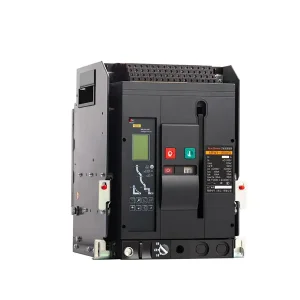
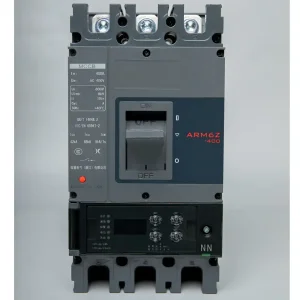
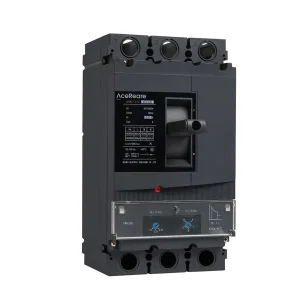
Technical guidance and product support from our engineering and manufacturing teams.
For installations above 2000 meters, reduced air density limits convective cooling and reduces the dielectric strength of the air. This requires applying derating factors for operating voltage and rated current according to our high-altitude configuration tables to ensure safe performance.
Key selection parameters include the rated operational current ($I_n$), ultimate breaking capacity ($I_{cu}$), short-time withstand current ($I_{cw}$), and system voltage. Additionally, select appropriate micro-processor control units to enable the required telemetry, protection, and integration features for your system.
We construct our marine-grade MCCBs with specialized materials, corrosion-resistant platings, and stainless steel hardware. The completed units are verified via 72-hour salt spray chamber testing (and 48 hours for semi-completed assemblies) to prevent contact degradation in coastal installations.
$I_{cu}$ is the ultimate short-circuit breaking capacity representing the limit a breaker can interrupt safely twice without damage. $I_{cs}$ is the service breaking capacity representing the fault level the breaker can repeatedly interrupt and remain operational. We target $I_{cs} = 100\% I_{cu}$ across our key product lines.
Our integrated ERP and MES software tracks every component from initial metal stamping to final calibration. It records thermal test curves, physical tolerances, and assembly steps, establishing a complete data record for each finished circuit breaker.
Yes, we offer custom calibration of thermal-magnetic trip curves to protect specific inductive motor profiles, capacitive banks, or high-inrush distribution transformers. Contact our engineering team with your load curve requirements.
Intelligent measurement MCCBs feature built-in microprocessors that measure voltage, current, power factor, and energy consumption with high precision. They support Modbus and RTU communications, transmitting diagnostic data to energy management systems for smart grid applications.
We utilize glass-fiber reinforced, high-dielectric polymers for our outer casings, along with thermal barriers around the trip components. This design prevents heat-induced housing deformation and helps maintain standard trip parameters up to 55°C.
Our process begins with technical requirement reviews, followed by 3D CAD modeling, custom tooling development, prototype testing, and third-party laboratory verification. Once certified, we schedule volume production using our digital manufacturing systems.
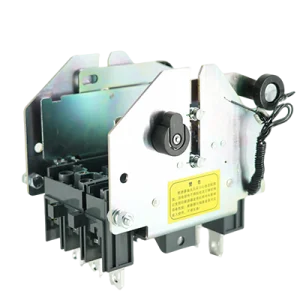
A drawer-type (draw-out) base allows maintenance staff to insert or remove active circuit breakers without disconnecting the main power busbars. This setup isolates the breaker during servicing, reducing downtime and protecting technicians.
Connect with our engineering and logistics teams to receive detailed technical datasheets, CAD models, and wholesale pricing for your project.
 AceReare