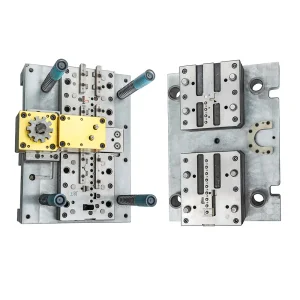
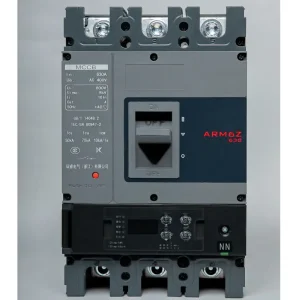
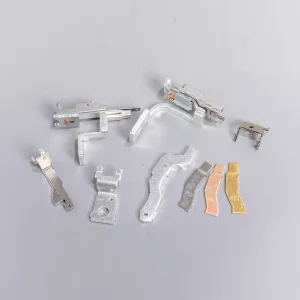
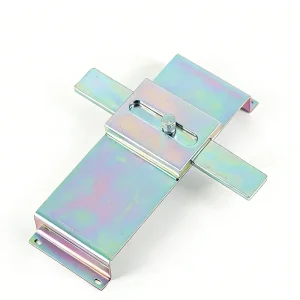
Explore our primary manufacturing line of smart circuit protection components, terminal parts, and custom mechanical interlocks.
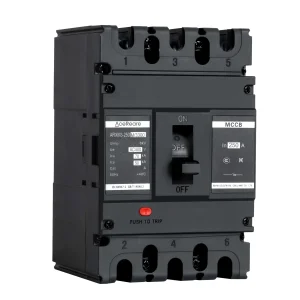
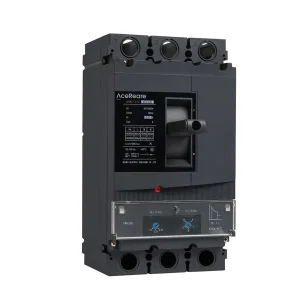
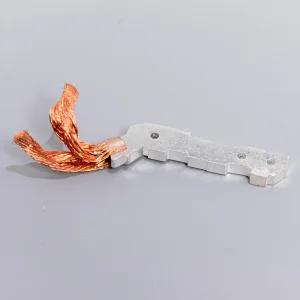
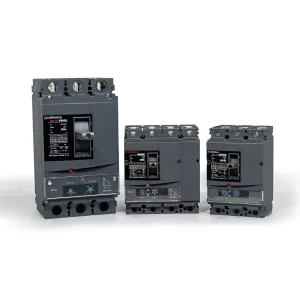
The transitional focal point in low-to-medium voltage switchgear networks
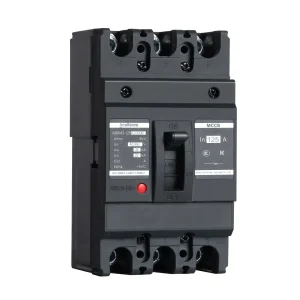
The global transition towards modern electrical systems requires intelligent, robust components. In this infrastructure matrix, the 200 Amp Circuit Breaker operates as a critical linchpin. It forms the standard threshold dividing commercial sub-distribution structures from large-scale municipal or industrial main panels. With the dynamic surge of industrial automation, smart buildings, and localized renewable grid integration, specifying the correct 200A protection framework has a direct impact on operational uptime and personnel safety.
Modern electrical configurations demand that circuit breakers do more than merely isolate thermal overloads and short circuits. Systems require integrated selective coordination, high-precision electromagnetic trip mechanisms, and harmonic load tolerances. Our production addresses these parameters by integrating advanced thermal-magnetic and electronic trip systems (LSIG) configured to withstand high-frequency environments, solar PV backfeeds, and inductive transient currents from industrial machinery.

Bespoke configurations for clean energy, data centers, and advanced manufacturing.
Supporting high DC-to-AC conversion networks. Our 200A thermal-magnetic breakers are engineered to handle the specific operational profiles of grid-tied photovoltaic inverters and localized commercial battery storage systems, offering optimal thermal stability under constant maximum loads.
Continuous runtime is non-negotiable. We integrate electronic trip units featuring adjustable LSIG parameters to ensure localized selective coordination. This minimizes systemic outages, selectively isolating faults to individual terminal branches without interrupting upstream operations.
Designed to handle high induction startup currents without nuisance tripping. The thermal-magnetic curves of the ARXM3 and ARM5 series are designed to permit temporary load spikes during motor ignition while maintaining immediate electromagnetic protection under true short-circuit events.
Proven performance under rigorous operational and environmental stress testing.
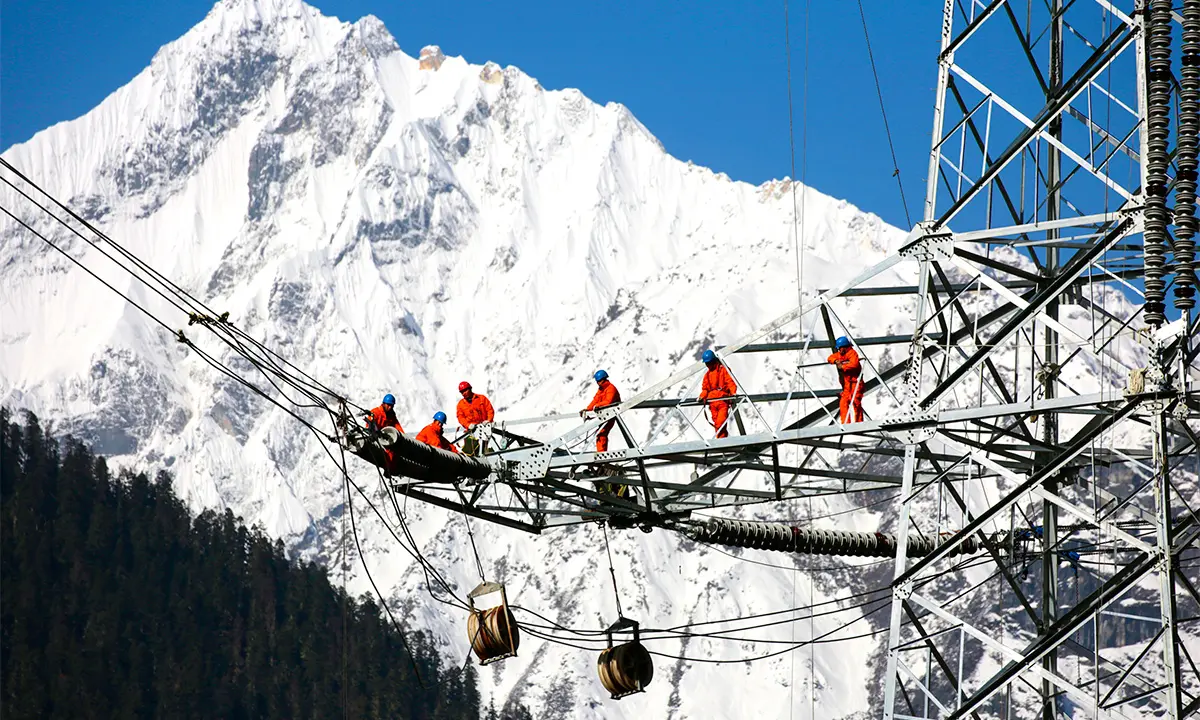
Standard circuit breakers can experience mechanism seizing and polycarbonate housing embrittlement when operated below freezing. Acereare integrates low-temperature resistant structural resins, low-viscosity synthetic lubricants, and electroplated components. Our breakers have verified low-temperature test reports down to -40°C, ensuring reliable mechanical action in arctic industrial installations, cold storage facilities, and high-latitude wind generation plants.

Moisture and high salinity cause rapid degradation of electrical terminals and internal contact points. Our circuit breakers undergo specialized corrosion testing, enduring up to 72 hours for the complete machine and 48 hours for semi-complete sub-assemblies. These units are deployed in port infrastructures, offshore marine platforms, and coastal processing facilities, preventing resistance anomalies and thermal runaways caused by marine environment corrosion.
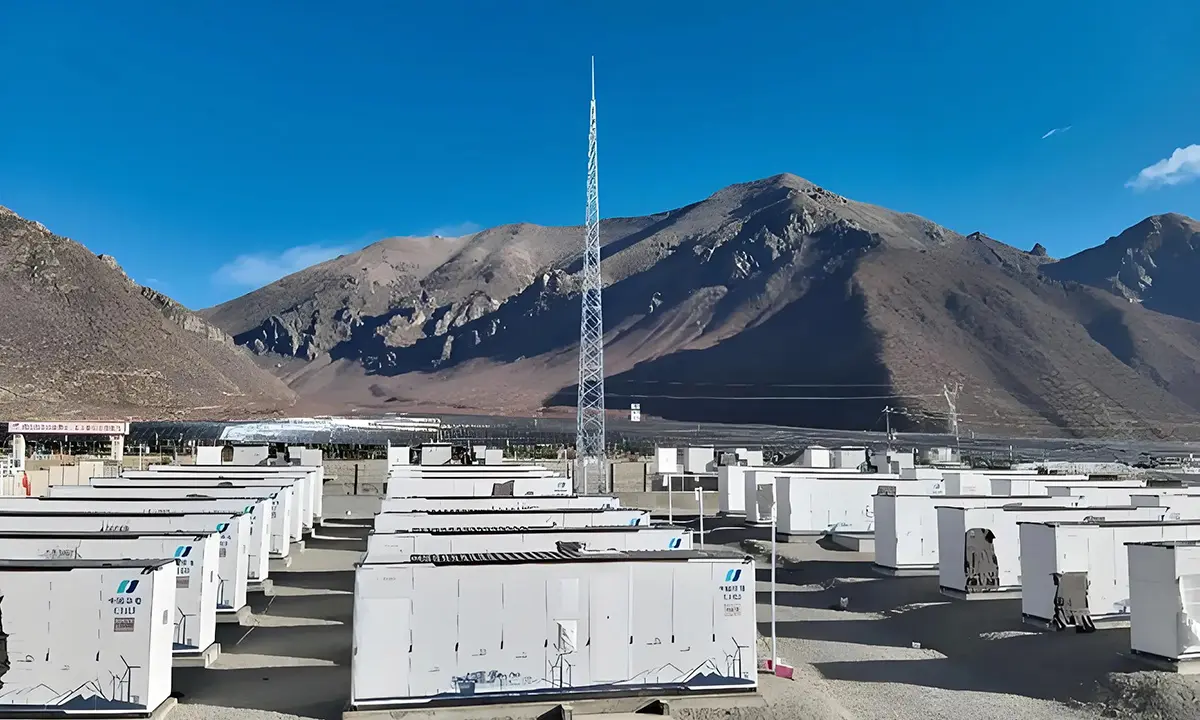
At elevations exceeding 2000 meters, the lower atmospheric pressure reduces air density, affecting both the dielectric breakdown strength and the convective cooling capability of electrical switchgear. To guarantee system safety, we apply precise high-altitude derating coefficients to prevent dielectric flashover and excessive thermal accumulation. This calibration is critical for industrial facilities, high-altitude mining networks, and remote wind farms.

In high-density residential and multi-use commercial structures, space efficiency and acoustic comfort are key considerations. Acereare MCCBs deliver compact form factors and quiet operation, protecting building systems from common overloads and short circuits. Their modular configurations permit easy integration into standard panel boards for straightforward commercial installation.

Industrial settings like metallurgy and glass manufacturing can reach ambient operating temperatures up to 55°C. Elevated ambient heat accelerates thermal trip response curves, leading to premature nuisance tripping. We address this using high-temp thermoset materials, heat-dissipating copper busbar designs, and specialized internal thermal barriers, verified in our 55°C environmental testing chambers.
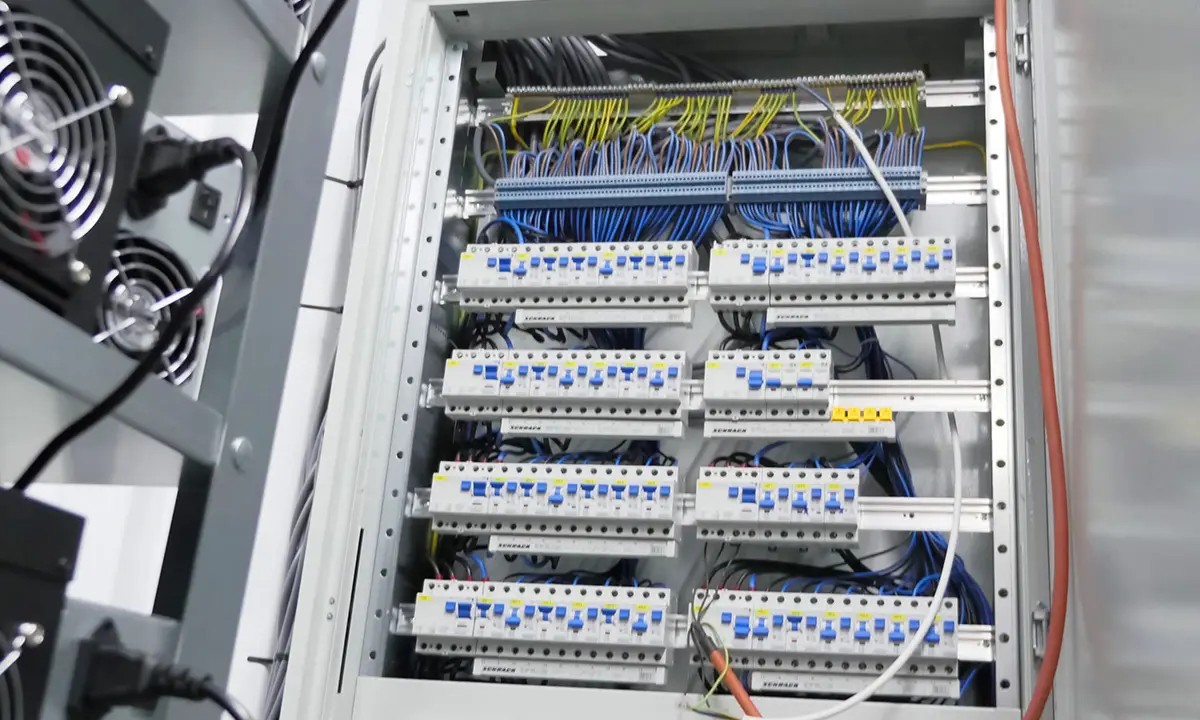
Modern electrical infrastructure relies on real-time data. Our intelligent MCCB models incorporate integrated current transformers and microprocessing units. They measure electrical variables (amperage, voltage, frequency, and harmonic distortion) with high accuracy. This data is transmitted via standard industrial protocols (Modbus, Profibus, or Ethernet) to SCADA architectures, enabling proactive maintenance strategies.
Acereare Electric: Precision production systems delivering high reliability.
Founded in 2015, Acereare Electric operates two specialized subsidiaries: RuiRui Electric and KeRui Electric. We draw upon over 20 years of manufacturing experience across two generations to deliver high-quality circuit protection systems. Our primary manufacturing facility is positioned as a leading domestic ODM/OEM partner, offering comprehensive electrical manufacturing solutions.
Our engineering team includes over 50 dedicated R&D professionals who manage 50+ new development designs per year. Using advanced 3D CAD modeling, FEA electromagnetic analysis, and virtual thermodynamic simulation, we optimize the performance of each breaker design. Production quality is managed through ERP, PLM, MES, and BI tracking software, ensuring consistency across every component batch.
Our operations feature 10+ automated assembly lines and specialized testing laboratories equipped with more than 150 diagnostic instruments. Each circuit breaker undergoes multi-point testing—including contact resistance validation, dielectric insulation testing, and accurate calibration of magnetic and thermal trip points—before leaving the facility.
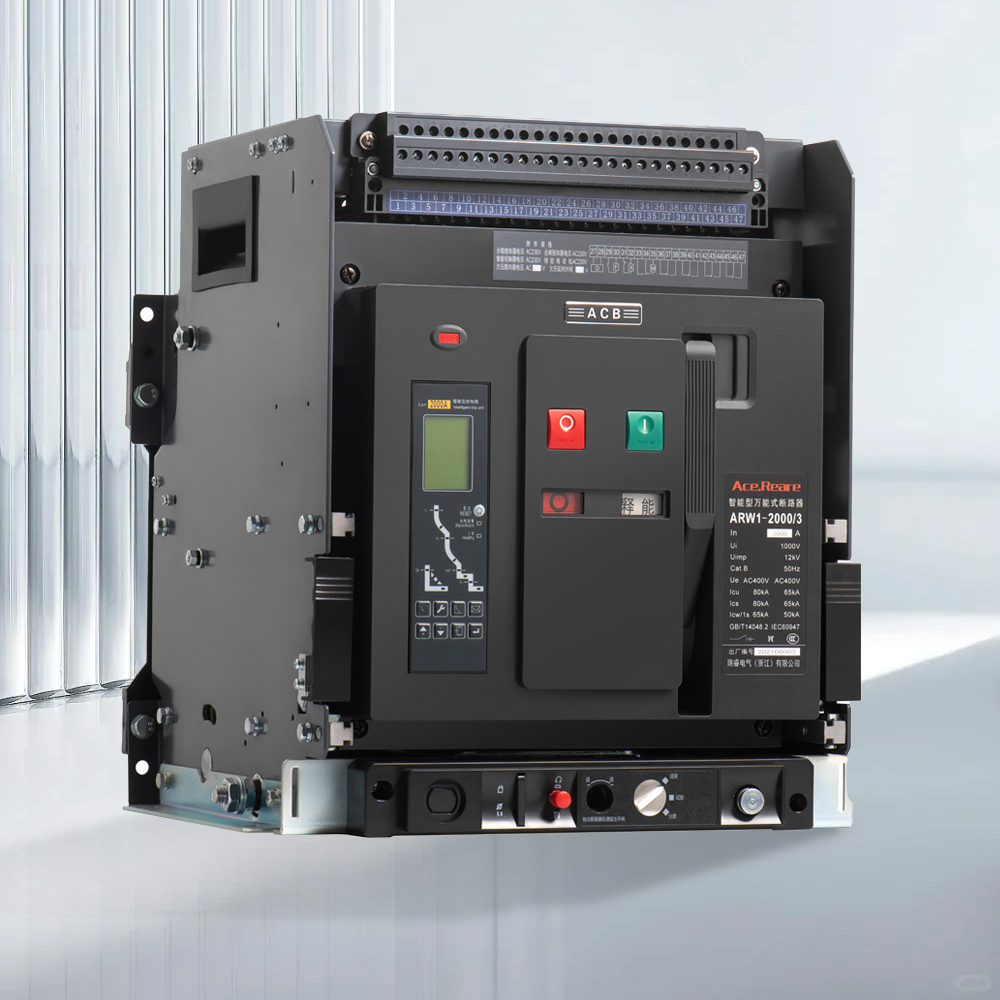
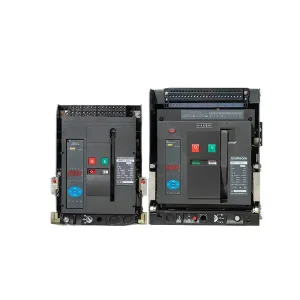
Designed for AC 50/60Hz distribution networks with rated operational voltages up to 690V and currents spanning 400A to 6300A. Feature-rich electronic control systems provide high selectivity, reliable insulation, and four remote communications interfaces (sensing, regulation, control, and signaling) to link directly with SCADA systems.
Strict compliance with global safety standards ensures broad regulatory acceptance.
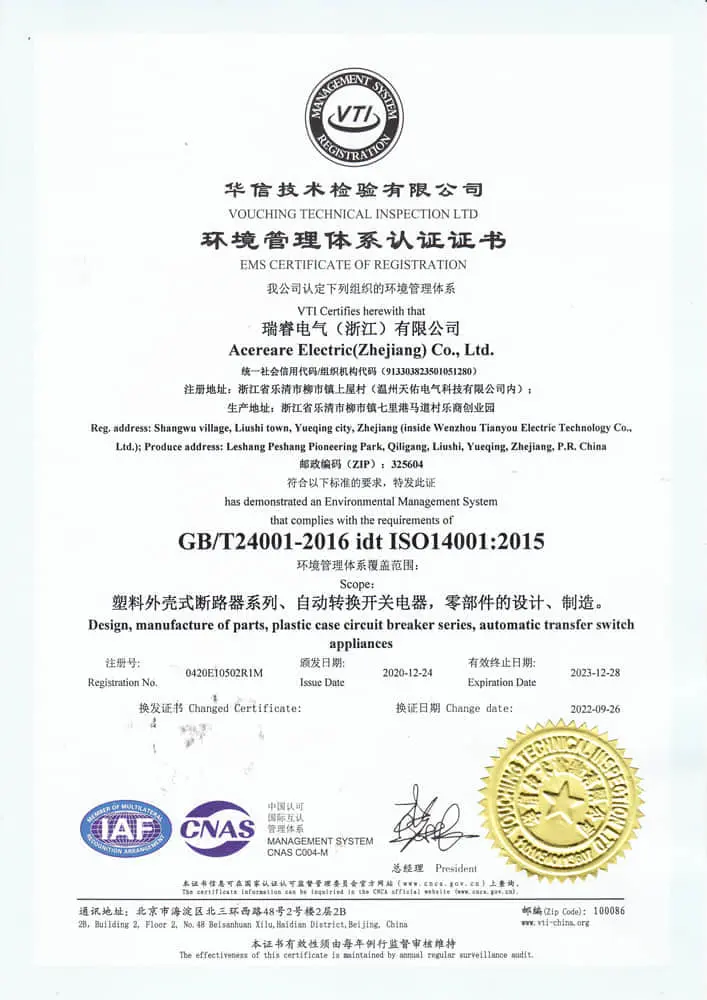
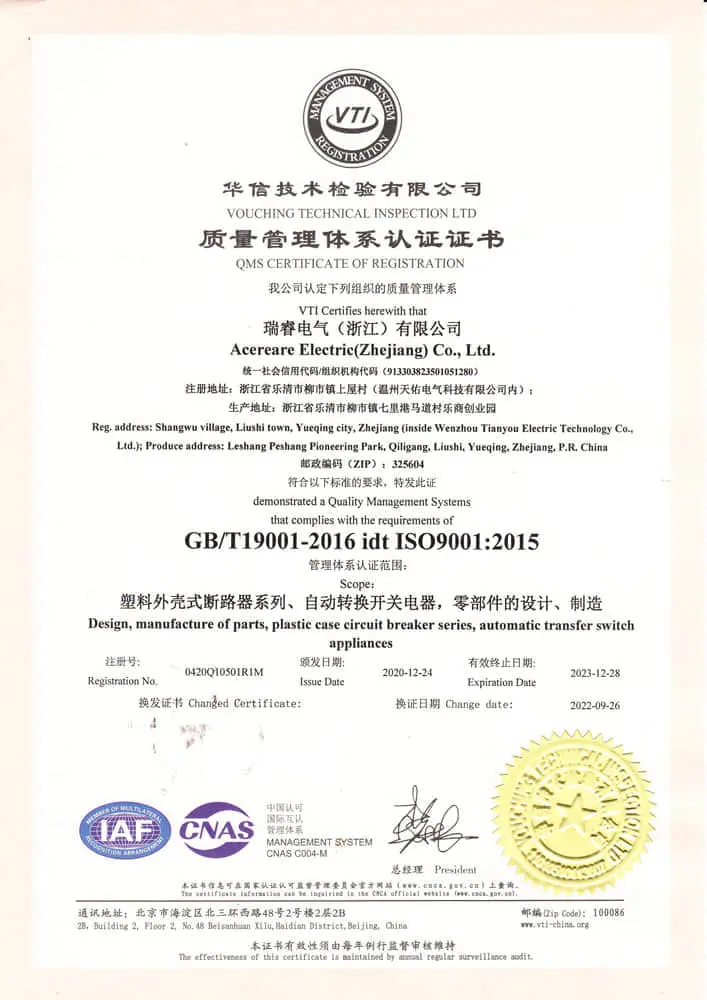
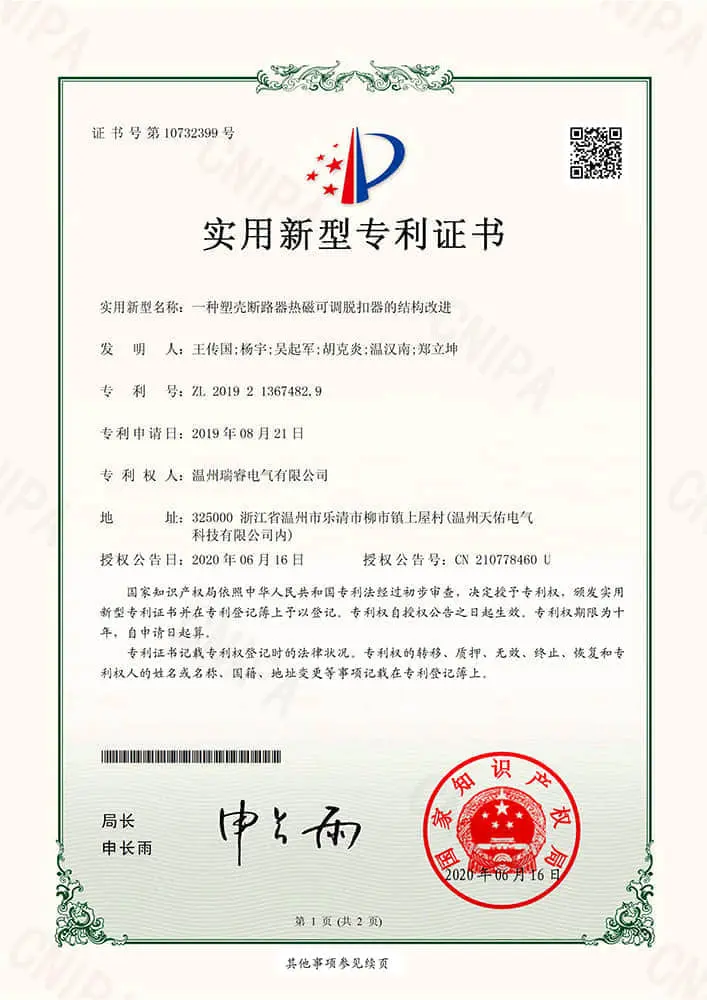

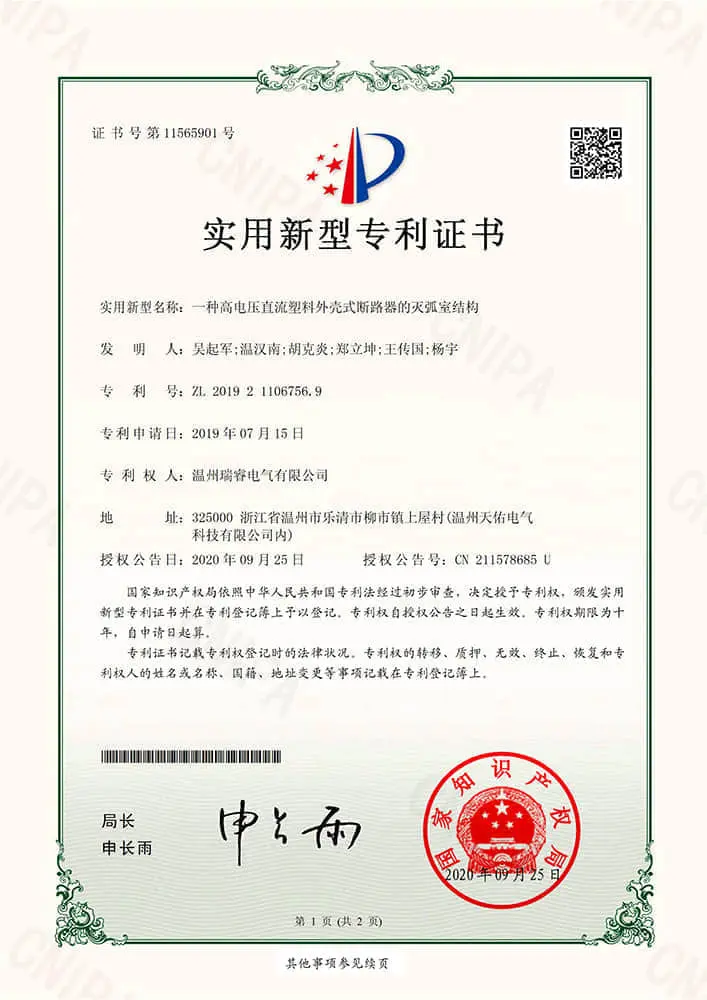




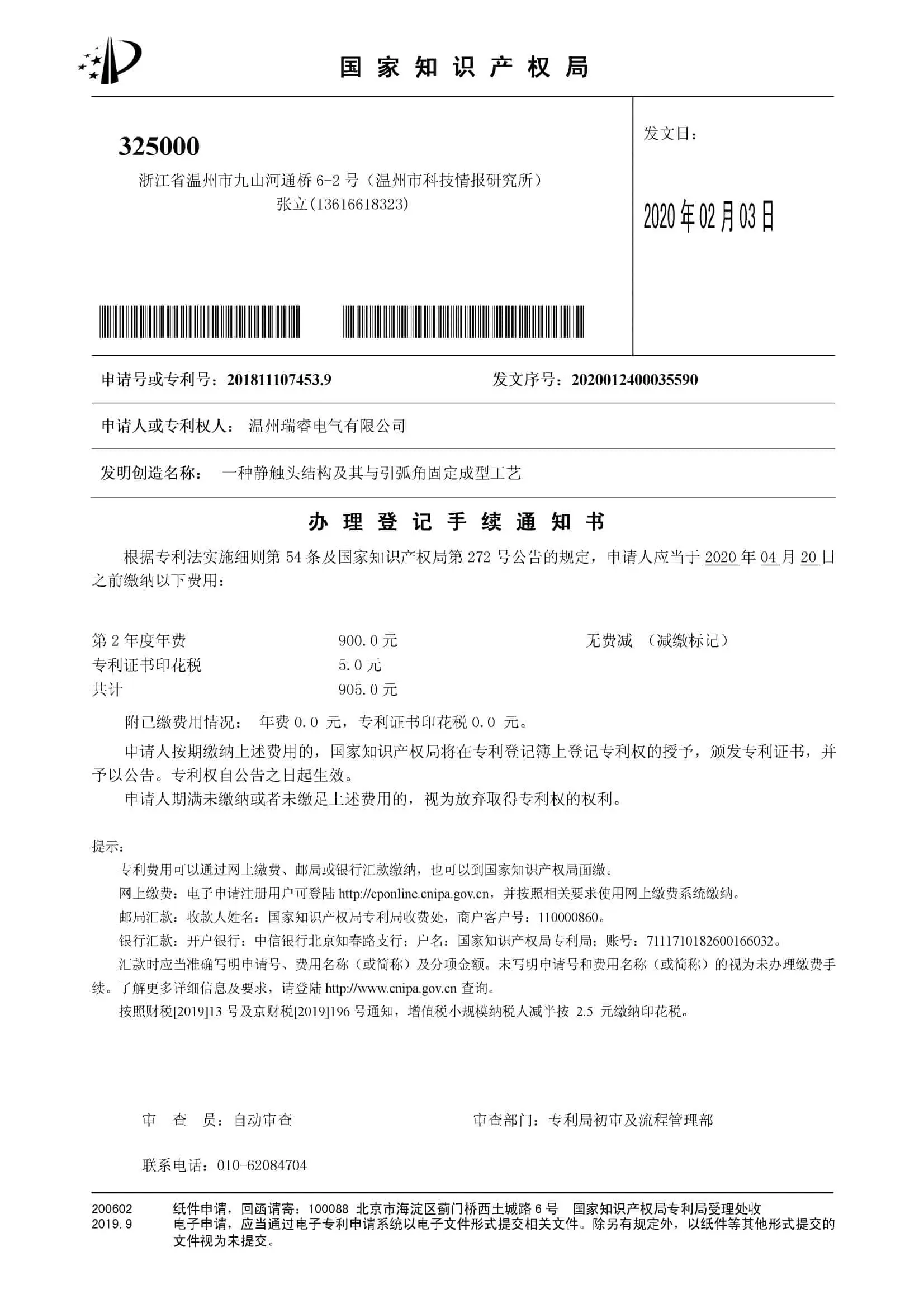
Flexible industrial collaboration models designed for global distributors and system integrators.
Accelerate your local market positioning. We offer high-durability customized brand labeling, structural housings tailored to your brand colors, and certified packaging solutions to help build your local brand equity.
Utilize our production capacity. We handle tooling modifications, proprietary contact materials formulation, customized current trip curves, and arrange international testing verification to meet your specific regional regulations.
From concept to certification. Collaborate directly with our 50+ design engineers. We develop custom circuit protection modules, connection interfaces, and busbar integrations, managing the entire lifecycle through our PLM and MES software.
Next-generation development pathways for medium-voltage circuit protection
As response time requirements shift from milliseconds to microseconds, we are investing in solid-state and hybrid topology research. By pairing wide-bandgap semiconductors (silicon carbide) with fast mechanical contact structures, we aim to virtually eliminate switching arc wear, extending electrical operating lifespans.
Future industrial circuit breakers will monitor internal contact wear and thermal profiles. Through integrated edge-computing microprocessors, our upcoming breaker designs will predict contact erosion and housing degradation, flagging maintenance needs before a faults occurs.
We are committed to reducing the environmental footprint of electrical distribution equipment. Our engineering team is testing thermoplastic materials with high recyclability and phase-out alternatives for heavy metal plating, aligning with global green building standards.
Common questions from project engineers and electrical system designers.
Icu (Ultimate Short-Circuit Breaking Capacity) defines the maximum fault current a circuit breaker can interrupt safety without causing danger to the surroundings, though the breaker itself may require replacement afterward.
Ics (Service Short-Circuit Breaking Capacity) defines the level of fault current the breaker can interrupt and still return to normal operational service. For high-reliability models like the ARM5 series, our design parameters achieve Ics = 100% Icu, ensuring the system remains functional even after resolving severe overcurrent faults.
Thermal-magnetic circuit breakers are calibrated at a baseline temperature of 40°C. If the ambient temperature inside the enclosure reaches 50°C, the bimetallic element warms up faster, triggering trips at lower currents.
To avoid nuisance tripping in hot climates (e.g., 55°C), we apply an engineering derating multiplier (typically between 0.88 and 0.92 depending on the enclosure design) or recommend our adjustable electronic trip units (LSIG) which use current transformers that are less sensitive to ambient temperature changes.
High-grade copper moving contacts provide superior electrical and thermal conductivity compared to brass. This reduces contact resistance under high loads, leading to less heat generation inside the breaker frame. Reduced thermal stress helps prevent contact welding and extends the mechanical and electrical service life of the switchgear.
Yes. However, DC currents do not have a natural zero-crossing point like AC, which makes extinguishing the electrical arc during interruption more difficult. Specialized internal configurations, such as deep arc chutes and magnetic blowouts, are required to stretch and extinguish the DC arc quickly. When using our MCCBs for DC installations, poles are often wired in series to divide the voltage stress across multiple contact gaps.
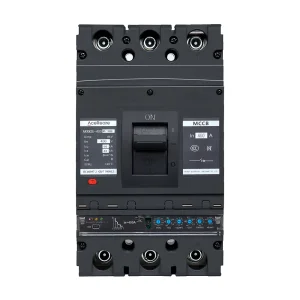
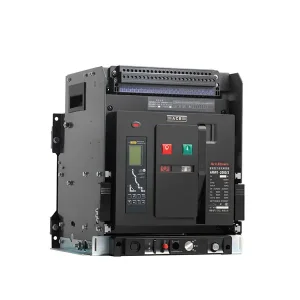
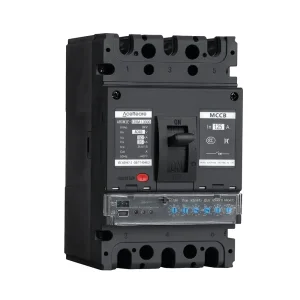
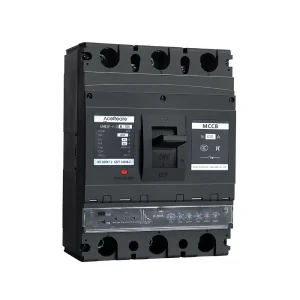
Support components, heavy-duty air breakers, and adjustable thermal-magnetic switchgear.
 AceReare