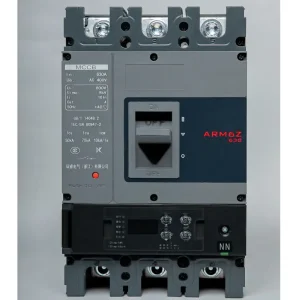
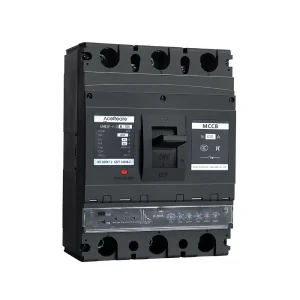
Engineered for mission-critical industrial applications, renewable energy integration, and smart utility distribution systems
Addressing systemic vulnerabilities in modern heavy industries, renewable networks, and urban megastructures
Modern electrical power networks are undergoing a massive transition. Industrial complexes, cloud data centers, high-capacity offshore wind farms, and metropolitan grids require absolute stability in power protection equipment. Air Circuit Breakers (ACB) and Molded Case Circuit Breakers (MCCB) serve as the vital line of defense for low-voltage (LV) and medium-voltage (MV) distribution grids.
At the center of system integrity is regular, diagnostic air circuit breaker servicing. Neglecting low-voltage switchgear maintenance can lead to catastrophic arc faults, thermal runaway, grid failures, and expensive unplanned downtime. As an authoritative original equipment manufacturer, we develop robust switchgear that integrates smoothly with advanced digital monitoring platforms. This allows modern industrial facilities to move from reactive maintenance schedules to highly predictive and data-driven servicing programs.

Founded in 2015, Acereare Electric operates through its two wholly-owned subsidiaries, RuiRui Electric and KeRui Electric. We preserve over 20 years of craftsmanship passed down through two generations of engineers, maintaining high-level control over our R&D processes, manufacturing systems, and quality checks.
Today, our modern factory ranks as one of the leading ODM/OEM switchgear and circuit breaker manufacturers in China. Our strategic partnerships span nearly 100 global buyers, system integrators, and distributors who depend on us for reliable circuit protection and electrical component engineering.
How we ensure quality, durability, and reliable delivery for our partners worldwide
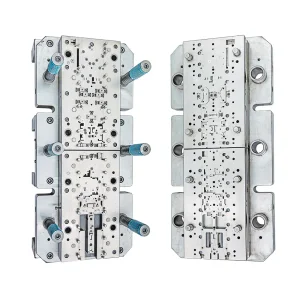
We provide a complete range of capabilities, featuring 6 processing techniques, precision manufacturing tooling, advanced testing gear, and over 10 manual and automated assembly lines.
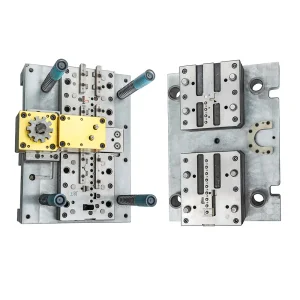
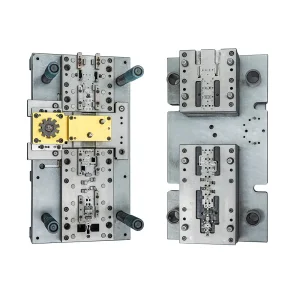
Our team includes over 50 R&D engineers, each bringing at least 5 years of industry experience. They use advanced 3D software for parts design, precision mold creation, and complete assembly modeling, handling over 50 new R&D projects annually.
Our two manufacturing facilities handle both component production and final assembly. We synchronize our operations using integrated ERP and U8 systems to ensure consistent lead times and tracking.
We perform multi-stage quality inspections in our in-house test labs. Equipped with more than 150 test instruments and a team of 20+ inspectors, we control quality standards using PLM, BI, ERP, and MES software.
How our equipment is adapted to perform in demanding, complex, and harsh conditions
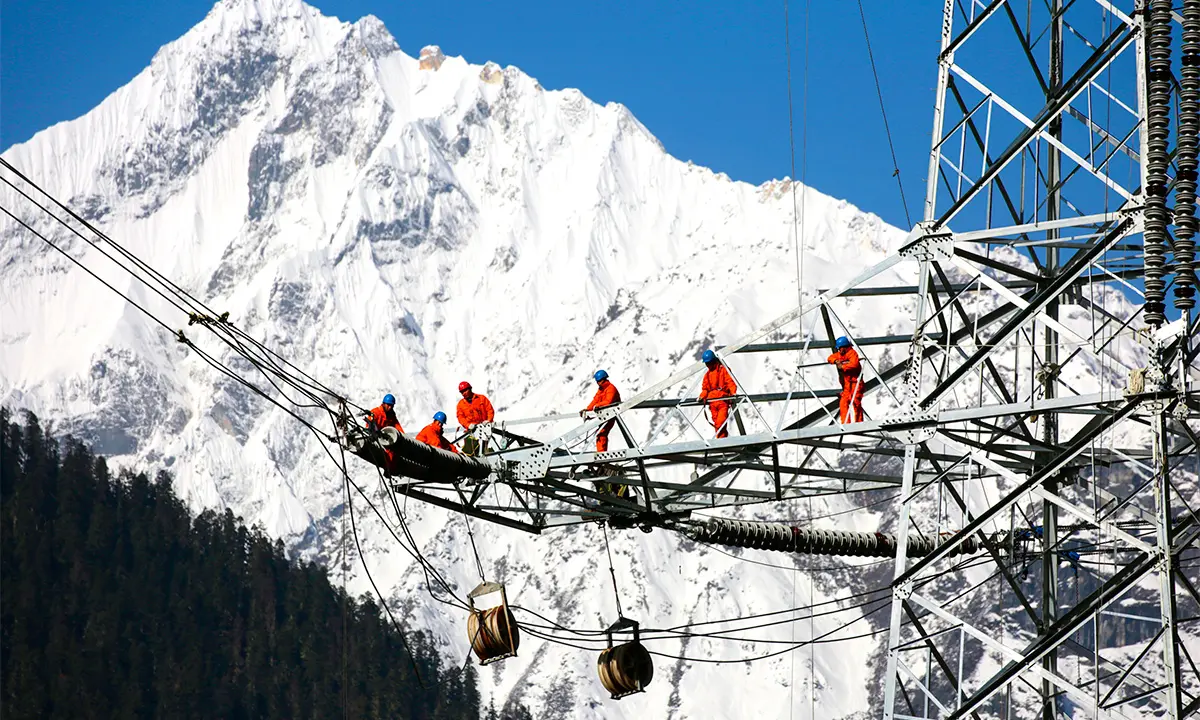
For operations down to -40℃, we construct our breakers using low-temperature resistant materials, low-viscosity lubricants, and thickened protective coatings. Every batch is tested in-house to verify thermal stability at low temperatures.

To resist humid, salty air in marine and dockyard environments, we subject our products to salt spray testing: 72 hours for complete assemblies and 48 hours for core sub-assemblies. This helps prevent corrosion on structural metal and main contacts.
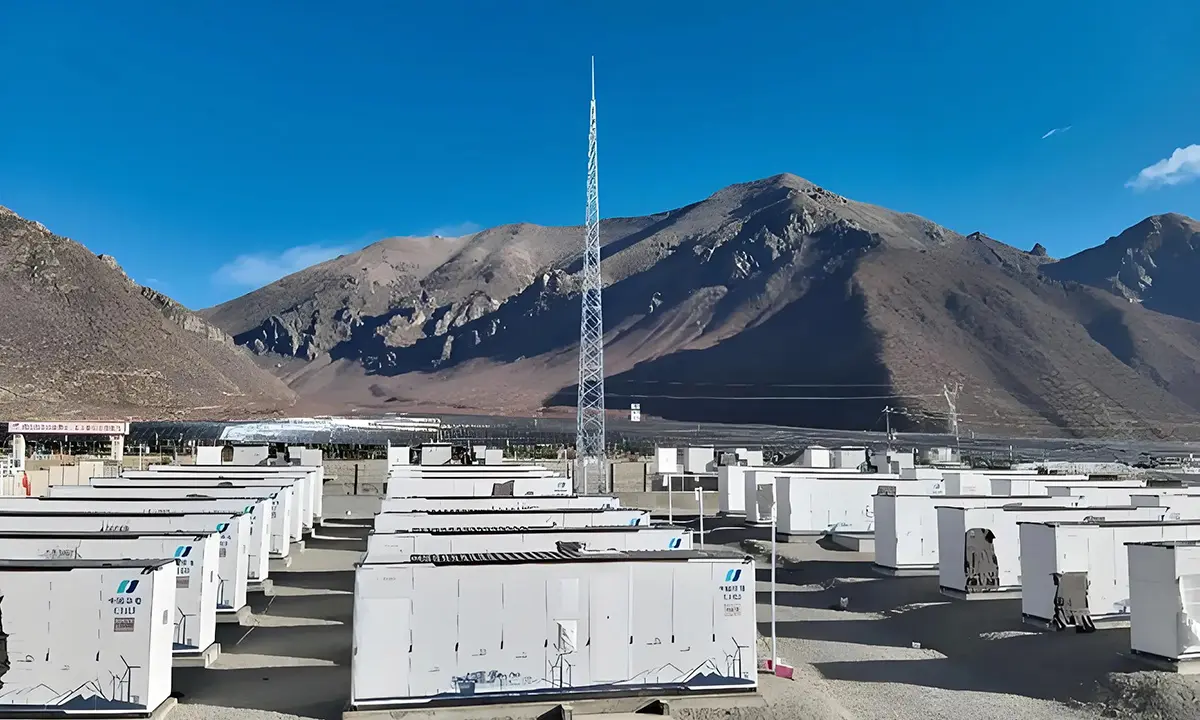
At installations above 2000m, reduced air density affects insulation and heat dissipation. We use specialized high-altitude derating tables to adjust voltage and current tolerances, ensuring safety under lower air pressure.

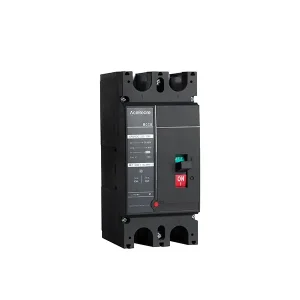
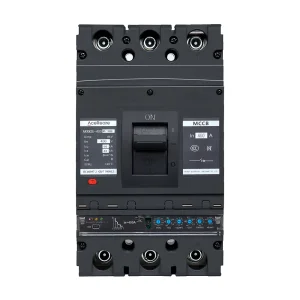
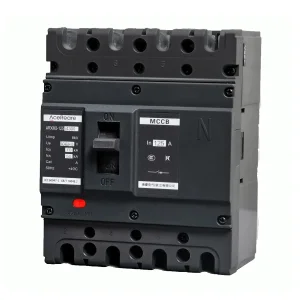
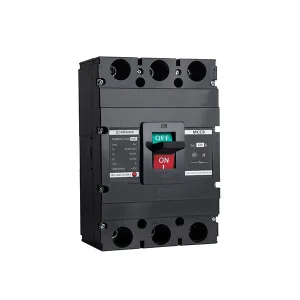
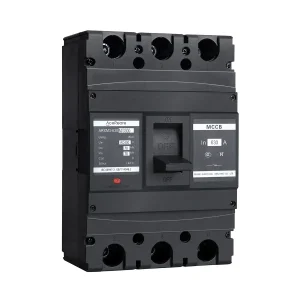
Our molded case circuit breakers (MCCB) protect building systems from faults, overloads, and short circuits. Designed for space efficiency, they integrate easily into standard distribution boards.
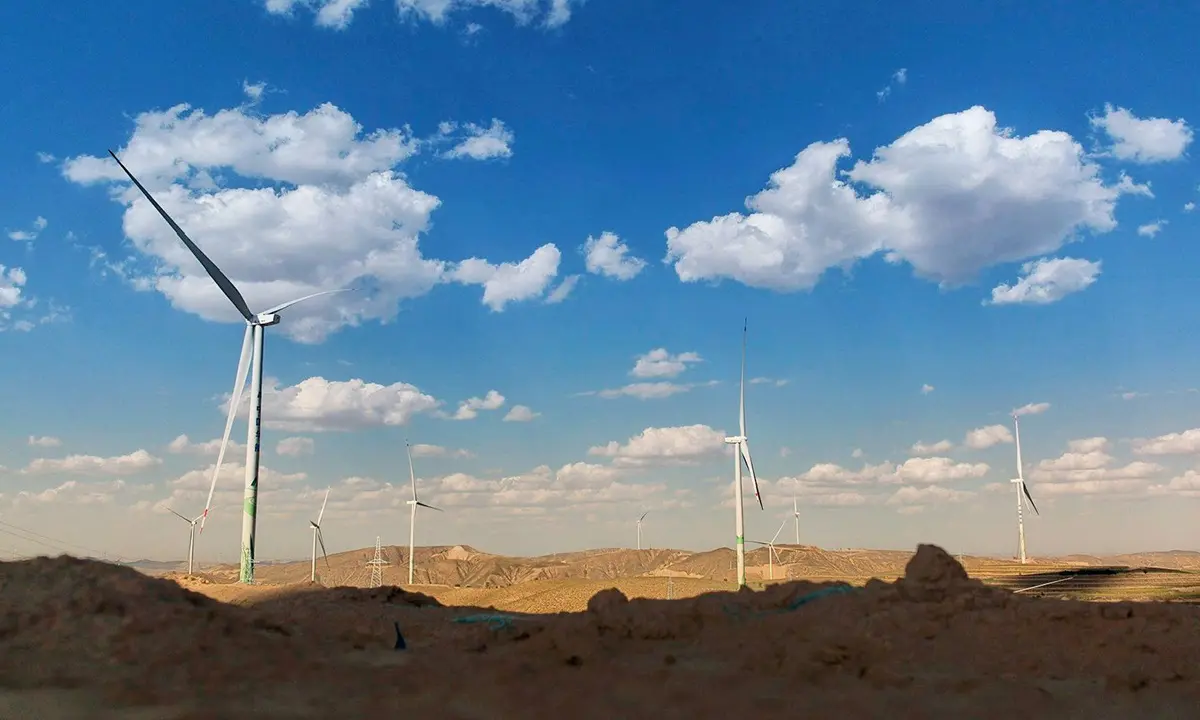
For desert solar farms or hot industrial plants, we build breakers with heat-resistant materials and thermal barriers. Conductive copper and iron parts are treated to prevent degradation, and we verify performance in our 55℃ testing room.
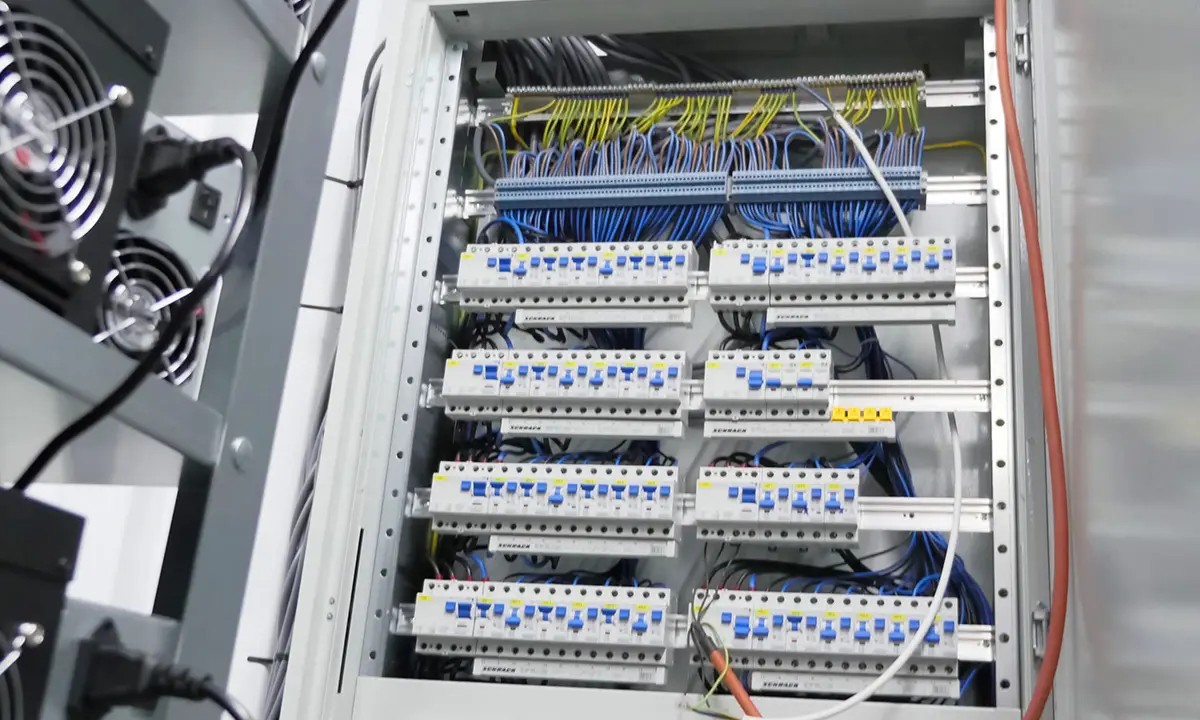
Our smart circuit breakers do more than protect circuits. They offer remote measurement, power quality analysis, and real-time communication, providing high-precision data to support smart grid control centers.
Engineered for high-amperage low-voltage distribution systems (400A to 6300A)
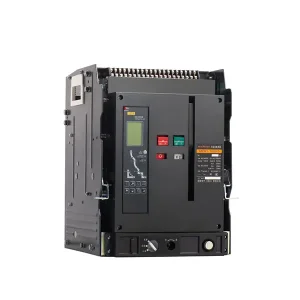
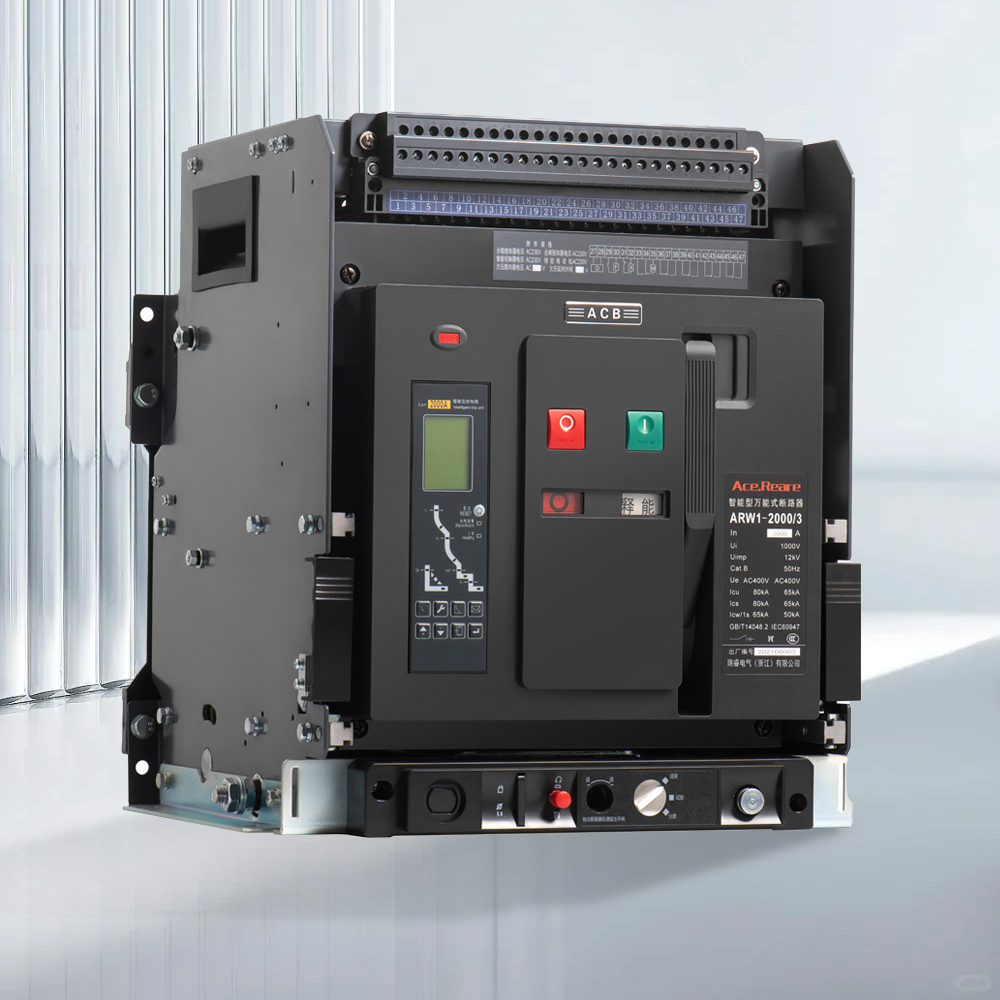
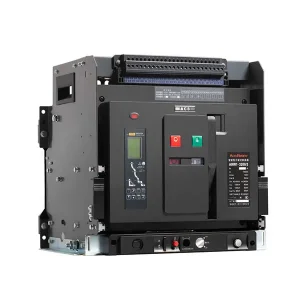
The ARW1 series is designed to handle demanding current loads in AC 50Hz networks up to 690V. Equipped with high-precision electronic trip units, these intelligent air circuit breakers provide selective overcurrent protection. This selective coordination ensures that faults are isolated locally, preventing wide-scale power outages across your facility.
To support modern industrial automation, the ARW1 features an open communication interface. This interface enables remote monitoring and control, allowing engineers to track real-time electrical data and respond to alarms from a central control room. Through these capabilities, operators can monitor current levels, diagnose line issues, and execute remote switching commands safely.
| Technical Characteristic | Specifications & Range |
|---|---|
| Rated Operating Voltage (Ue) | AC 400V / 690V |
| Rated Current (In) | 400A to 6300A |
| Poles Configurations | 3-Pole / 4-Pole |
| Installation Methods | Drawer Type / Fixed Type |
| Communication Protocols | Modbus-RTU / Open Architecture |
Custom engineering and brand support to fit your local market requirements
Adapting electrical protection systems to meet changing grid demands and digital technologies
Modern electrical networks require immediate system visibility. We are updating our air circuit breakers with high-speed microprocessors that monitor voltage harmonics, current leakage, and temperature trends directly at the contact points.
Safety remains a key priority in switchgear operation. Our ongoing development focuses on advanced arc-extinguishing chambers and optical sensors that detect arc events quickly, helping prevent equipment damage and improving operator safety.
With the growth of solar power and energy storage, the demand for DC protection is rising. We are expanding our ARM6DC breaker line to handle up to 1500VDC, helping protect clean energy infrastructure against high-voltage faults.
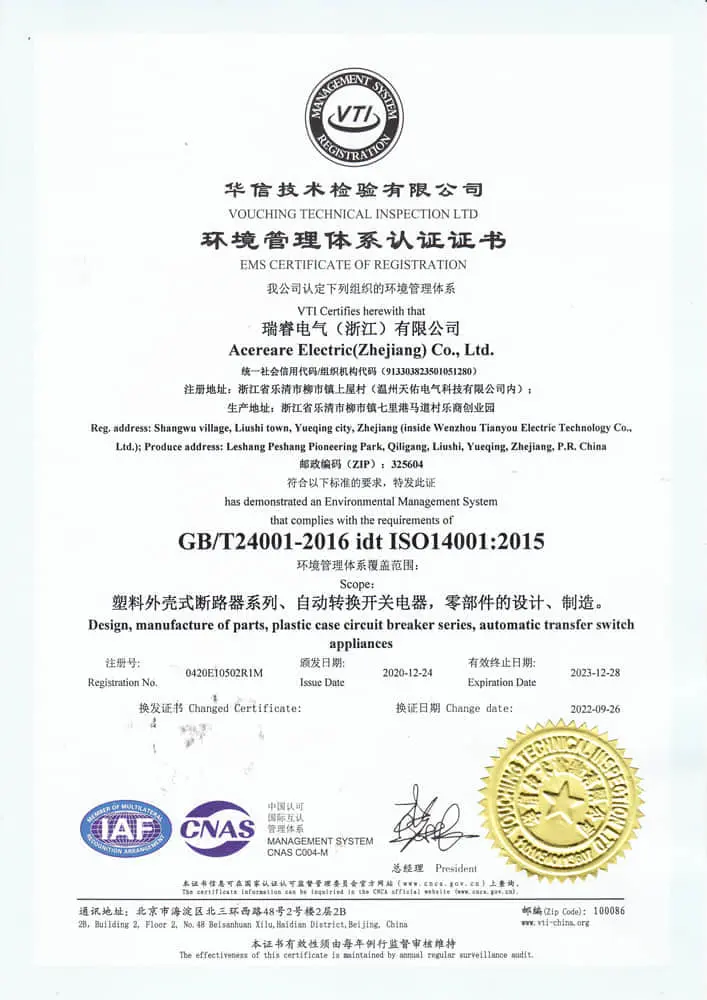
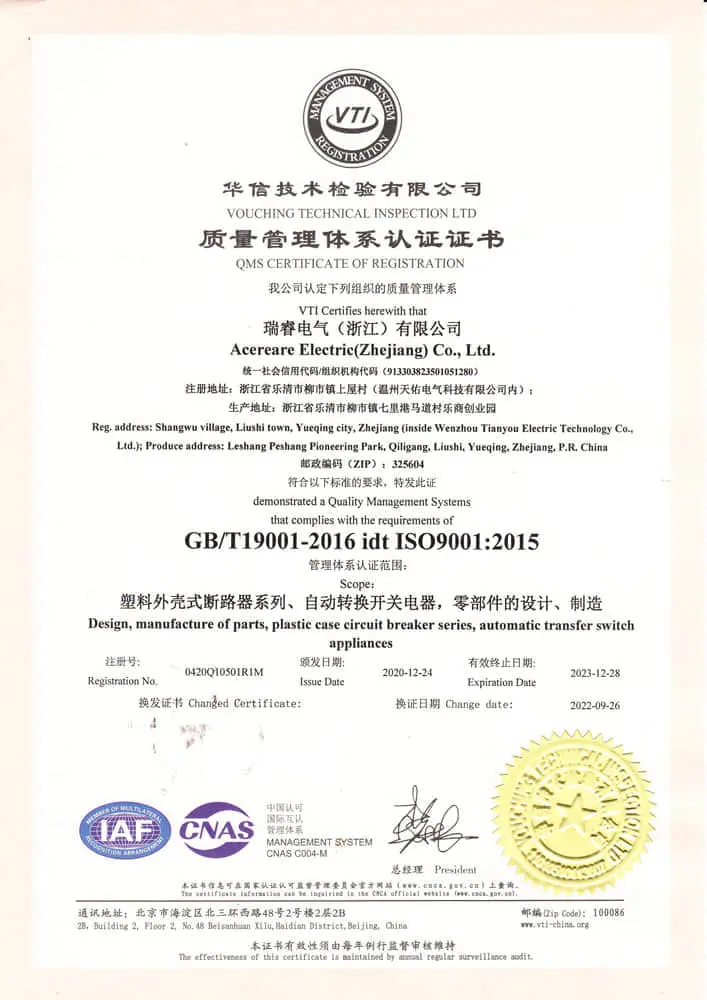
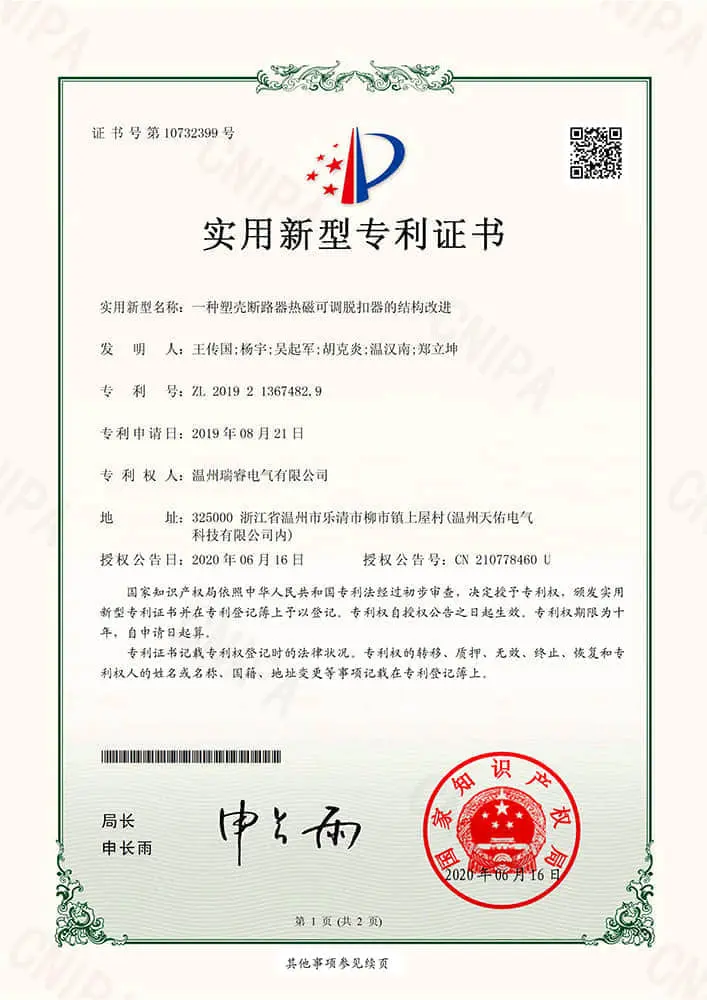
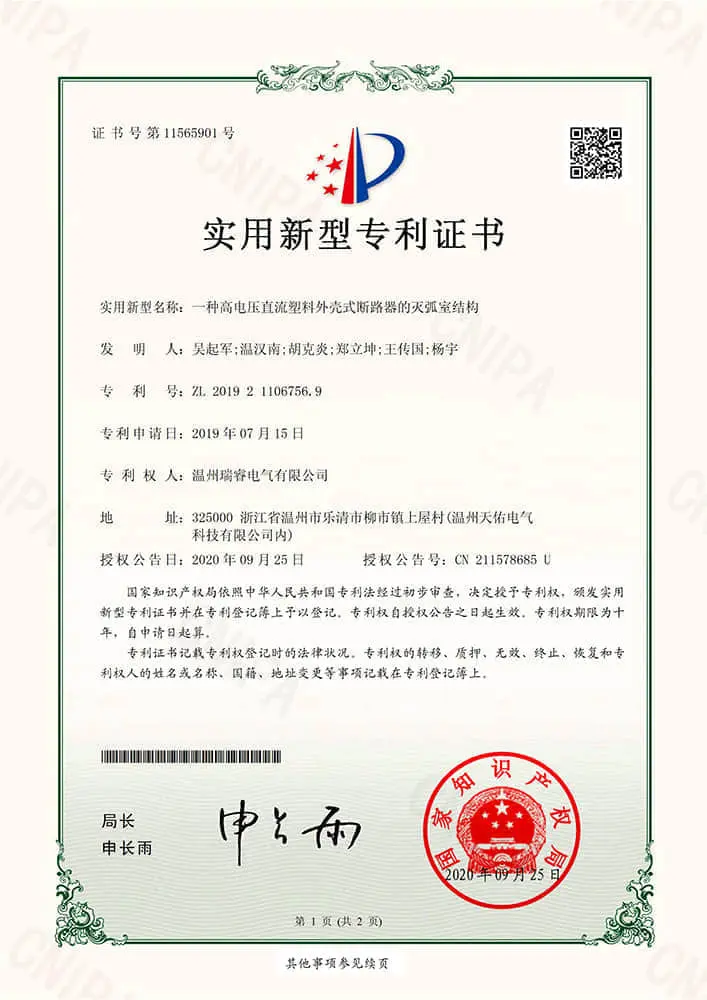
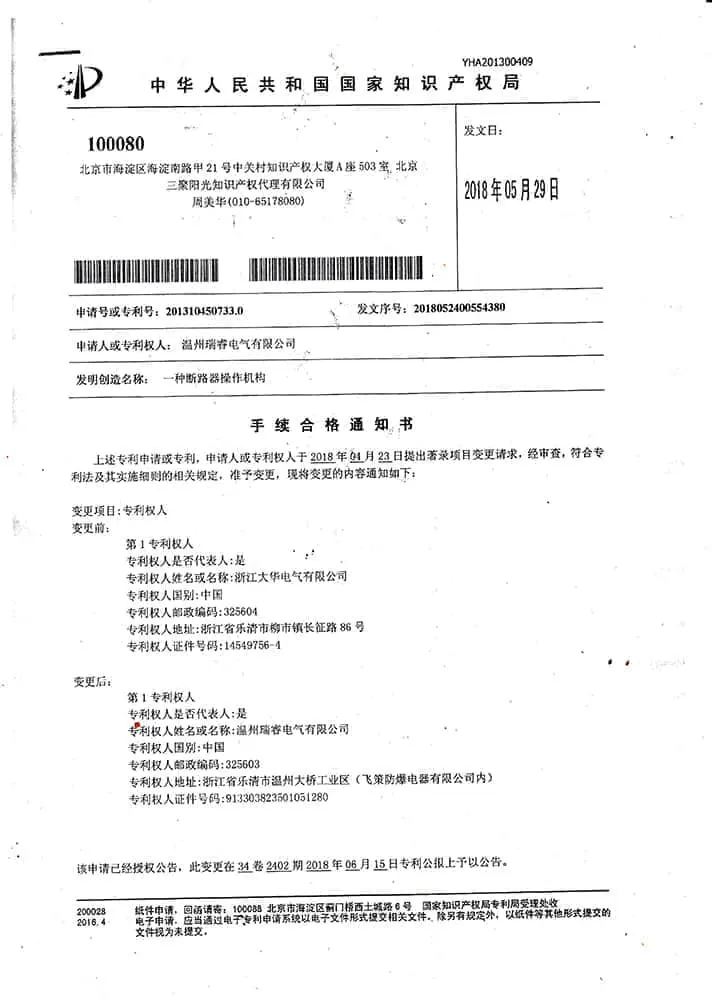
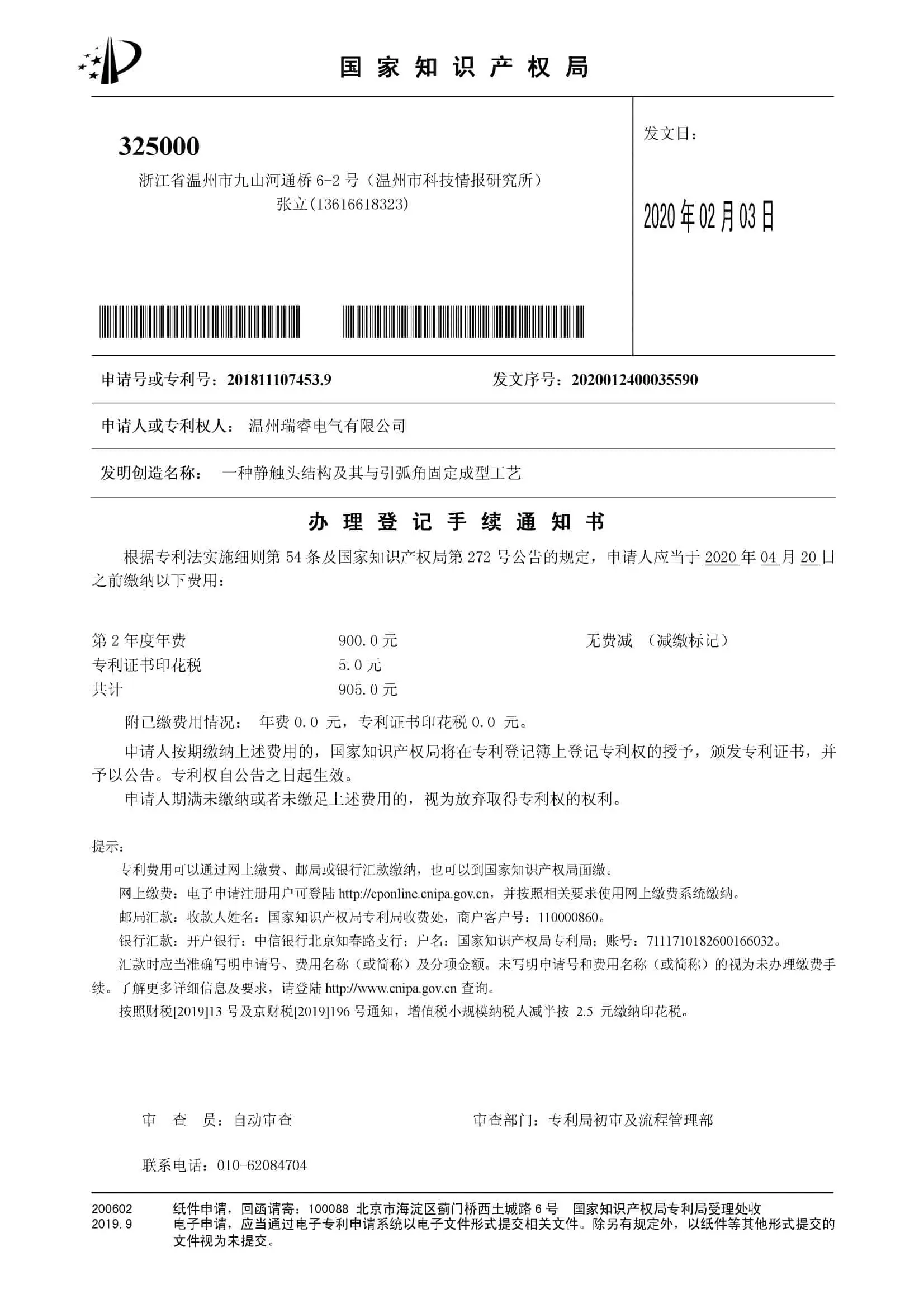
Tested and certified to comply with global safety, quality, and performance standards




Technical answers to common questions about air circuit breaker selection and maintenance
Key signs that an ACB needs maintenance include high operating temperatures on the contacts, changes in trip test times, visible soot or wear in the arc chute, and stiffness in the charging handle or spring mechanism. We recommend regular diagnostic inspections to prevent arc faults and ensure reliable trip performance.
At high altitudes, thin air reduces both the cooling capacity and the dielectric strength of the air. To compensate, the breaker's rated operating voltage and rated continuous current must be adjusted using standard altitude correction factors. This helps prevent insulation breakdown and overheating under load.
An intelligent ACB features electronic trip units (ETUs) equipped with built-in sensors and communication modules (such as Modbus-RTU). These systems measure voltage, current, power factor, and harmonic distortion in real time. They transmit this data to SCADA or energy management systems, enabling remote diagnostics and predictive maintenance.
Coastal air contains salt particles that speed up the corrosion of copper busbars, springs, and contact points. By running salt spray tests (72 hours for complete assemblies and 48 hours for core parts), we verify that our housings and metal platings can withstand marine environments, reducing the risk of structural failure.
Drawer-type ACBs are mounted on a slide-out chassis, making maintenance and replacement straightforward. Service personnel can safely isolate and remove the breaker without disconnecting the main power busbars, which helps minimize downtime during system inspections.
Explore our selection of MCCBs, smart switchgear components, and custom connection parts
 AceReare