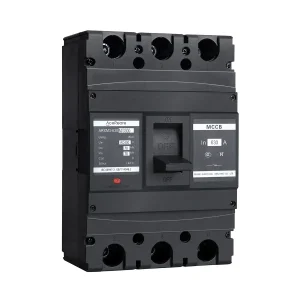
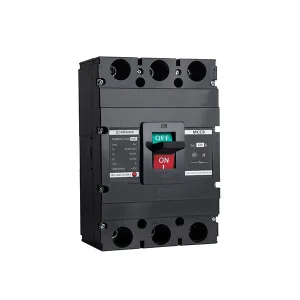
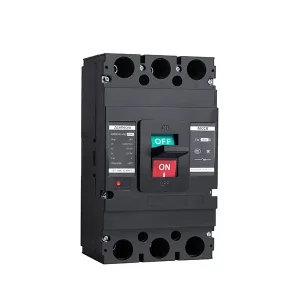
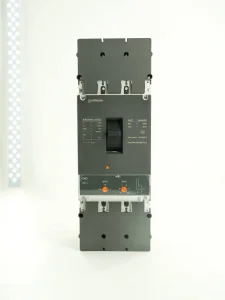
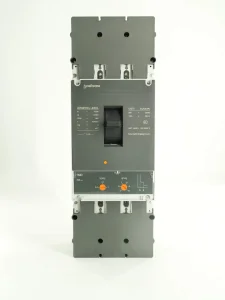
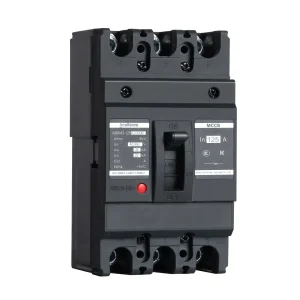
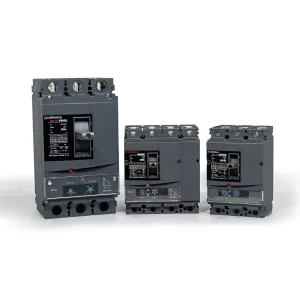
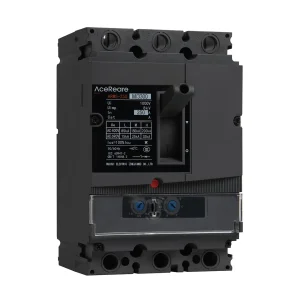
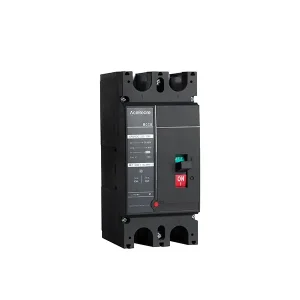
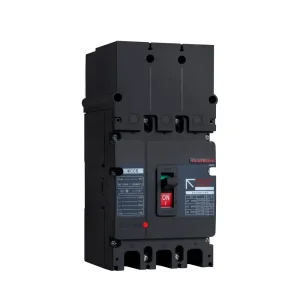
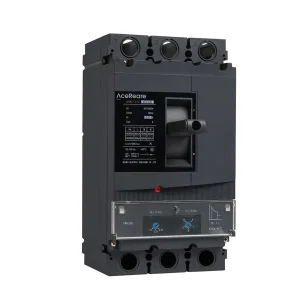
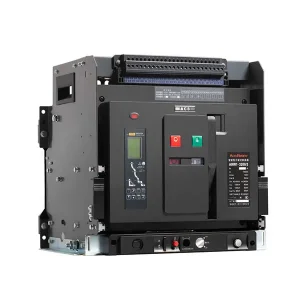
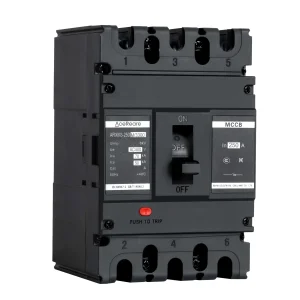
In the modern electrical distribution landscape, safety, resilience, and smart switching mechanisms form the bedrock of industrial efficiency. As a leading fused breaker manufacturer, Acereare Electric delivers next-generation electrical protection devices designed to address transient overvoltages, thermal overloads, and high short-circuit currents. Our comprehensive line of Molded Case Circuit Breakers (MCCBs) and Air Circuit Breakers (ACBs) bridges the gap between traditional robust safety and advanced network automation.
Whether mitigating fault currents in solar photovoltaic (PV) installations operating at 1140VAC, or protecting marine electrical distribution systems exposed to aggressive salt atmospheres, our engineering standards conform strictly to international safety rules. By integrating precise thermal-magnetic tripping properties with modern microprocessor-controlled metering, our product line ensures that commercial projects, industrial operations, and power generation fields remain continuously secure.
Explore our advanced thermal-magnetic & PV-specialized Molded Case Circuit Breakers (MCCB) direct from China's leading factory.
Acereare Electric, established in 2015, represents a landmark consolidation of manufacturing mastery. Consisting of two wholly-owned subsidiaries, "RuiRui Electric" and "KeRui Electric", we bring to the table a lineage of craftsmanship extending over 20 years. Passed down through two generations of engineers, our operational ethos is rooted in structural design reliability and technological evolution.
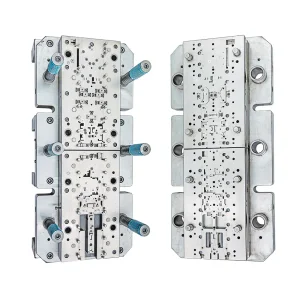
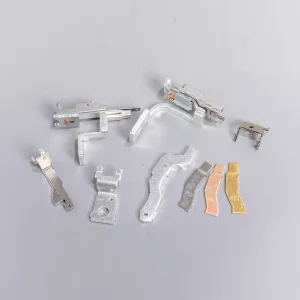
Our state-of-the-art facility stands as one of China's premier original manufacturers (ODM) specializing in high-breaking-capacity Molded Case Circuit Breakers (MCCB), Air Circuit Breakers (ACB), and auxiliary components. By maintaining control over the production supply chain, including precision metal stamping, tooling design, and circuit board surface mounting, we guarantee standard performance at competitive global scale prices.

Our operational capabilities are underpinned by structural investment in development, manufacturing control, and testing protocols.
One-Stop Service utilizing six core processing technologies, high-precision tooling, automated assembly lines, and testing stations to ensure repeatability at scale.
Over 50 R&D engineers specialized in 3D product modeling, finite element analysis (FEA), and mechanical simulation software. Delivering 50+ customized projects per annum.
Operating two manufacturing complexes for component fabrication and final product assembly. Fully integrated workflows using premium ERP and U8 business software.
Rigorous multi-stage check gates and internal testing laboratories equipped with over 150 diagnostic instruments. Controlled via PLM, BI, and MES frameworks.
Our circuit breakers are structurally designed and tested to withstand extreme environmental parameters.
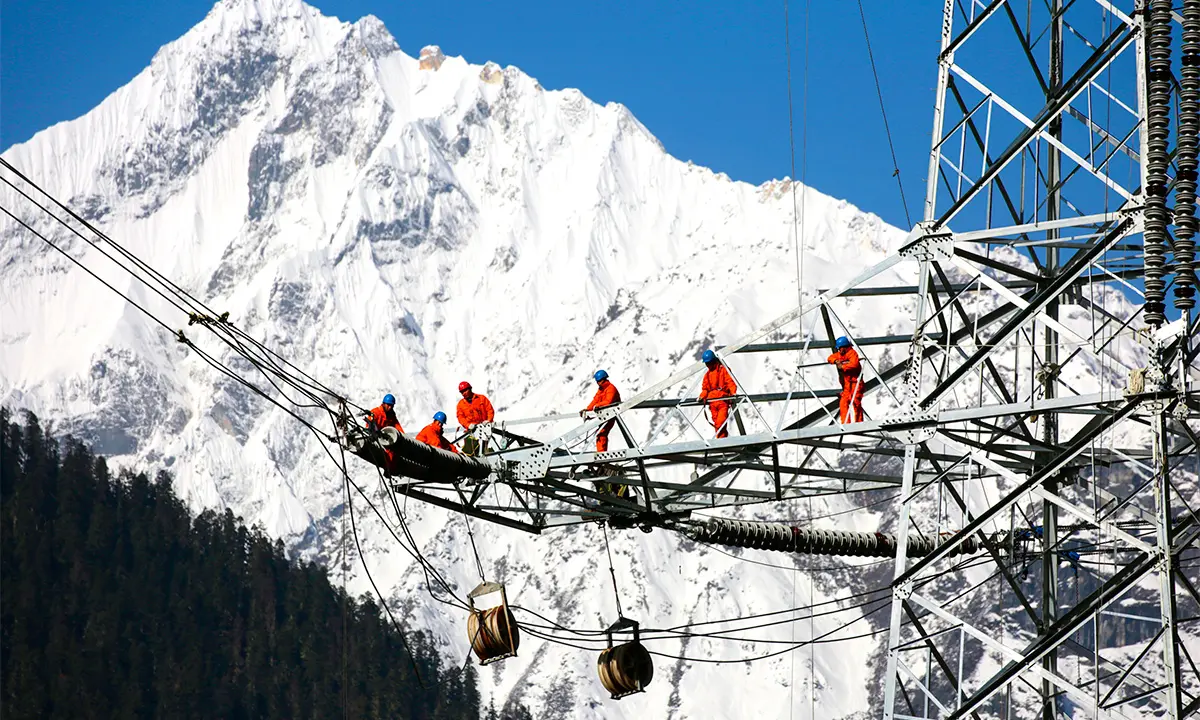
Engineered using low-temperature impact-resistant polymers and specialized mechanical lubricants. Verified performance down to -40°C with corresponding test reports.

Internal copper/metal parts undergo specialized chemical coating treatments. Designed to resist corrosion for marine switchboards, seaside PV facilities, and ports.
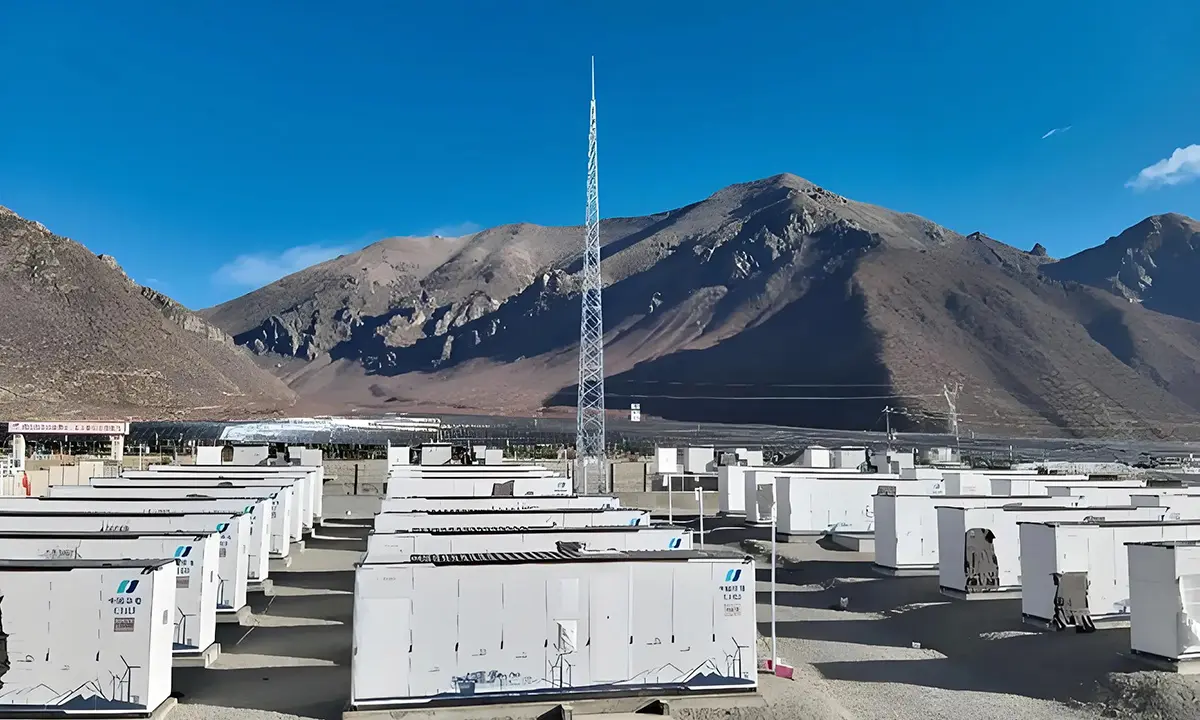
For operations exceeding 2000 meters above sea level, our engineering team supplies calibrated thermal-magnetic and dielectric adjustment tables for accurate overcurrent protection.

Designed for compact space profiles, optimizing air convection pathways inside domestic consumer units and sub-distribution panelboards.
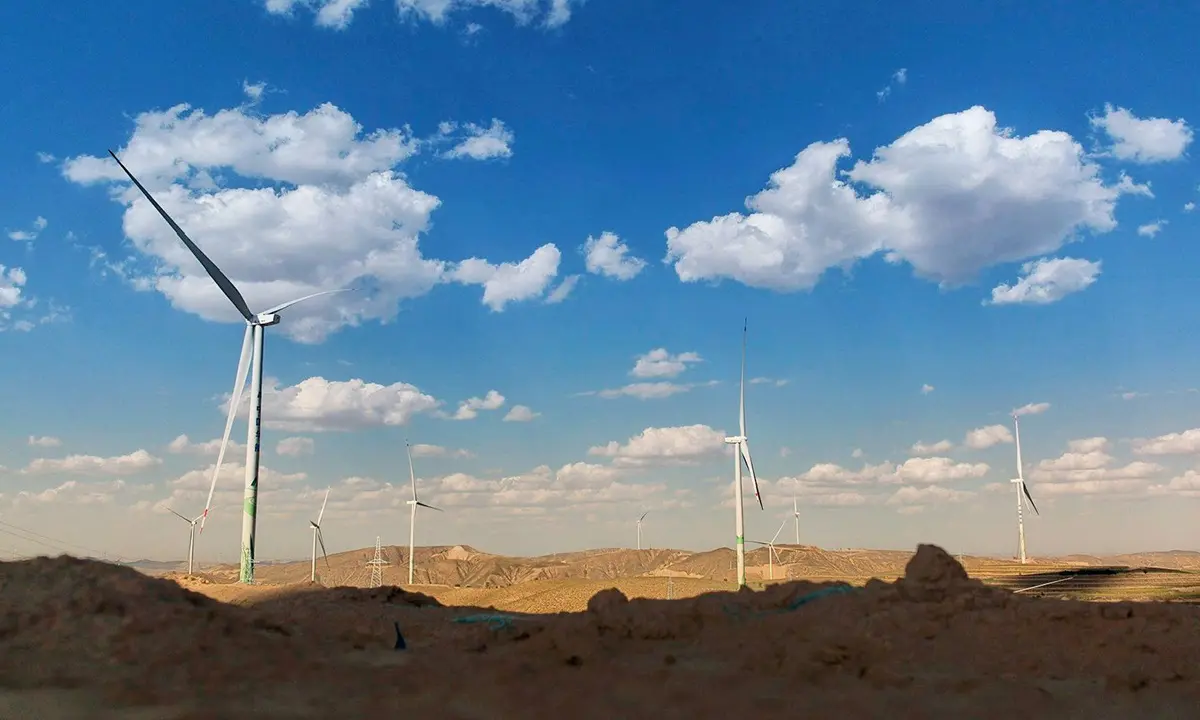
Coated controller units and high-tolerance internal components optimized in our constant-temperature chamber of 55°C, reducing risk of nuisance tripping.
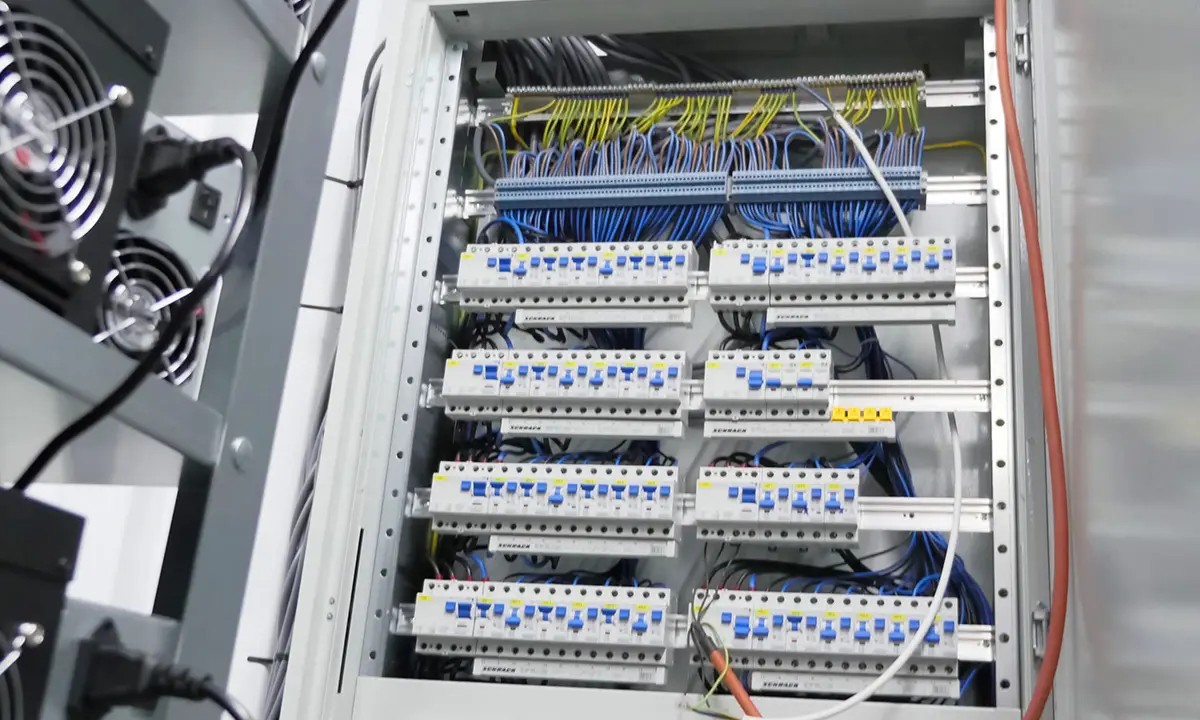
Smart MCCBs that combine short-circuit isolation with digital communication, edge computing energy monitoring, and remote micro-grid controls.
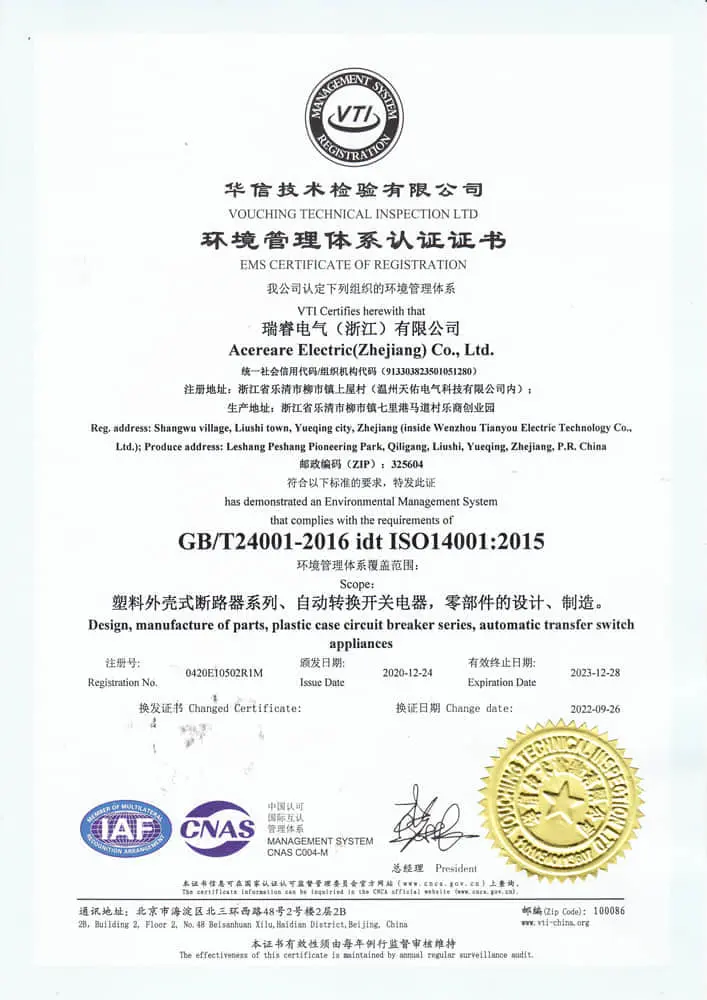
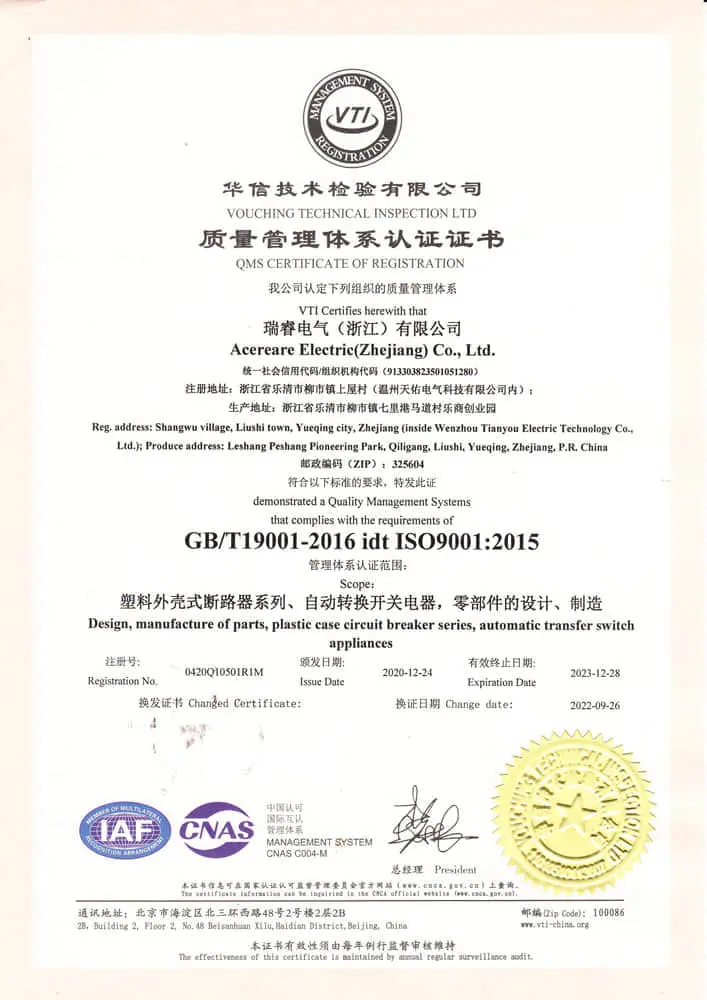
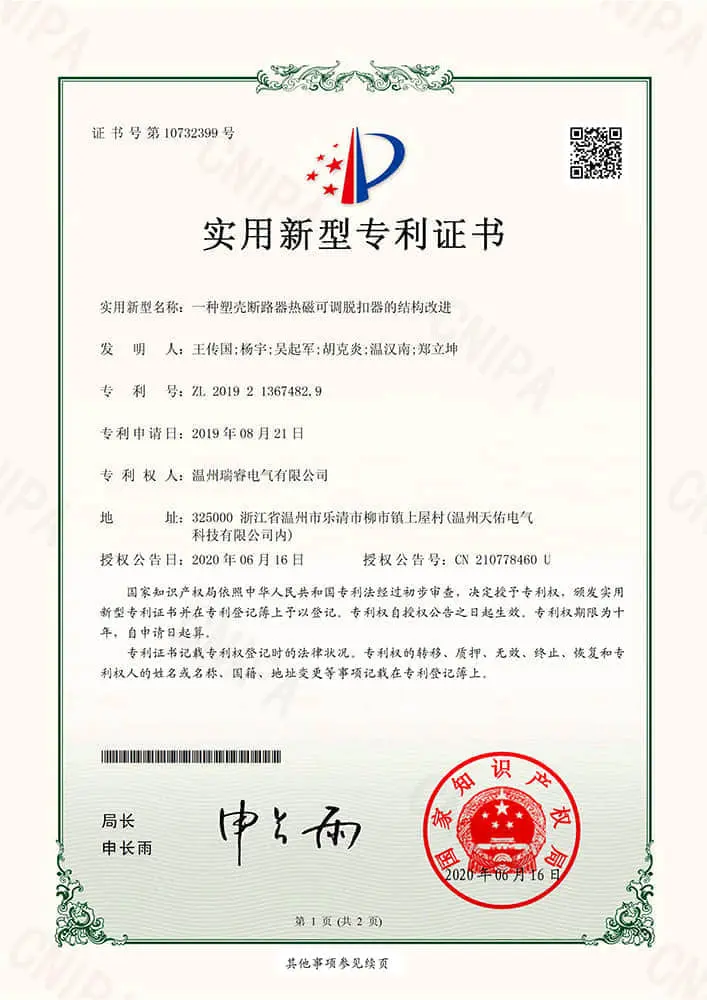
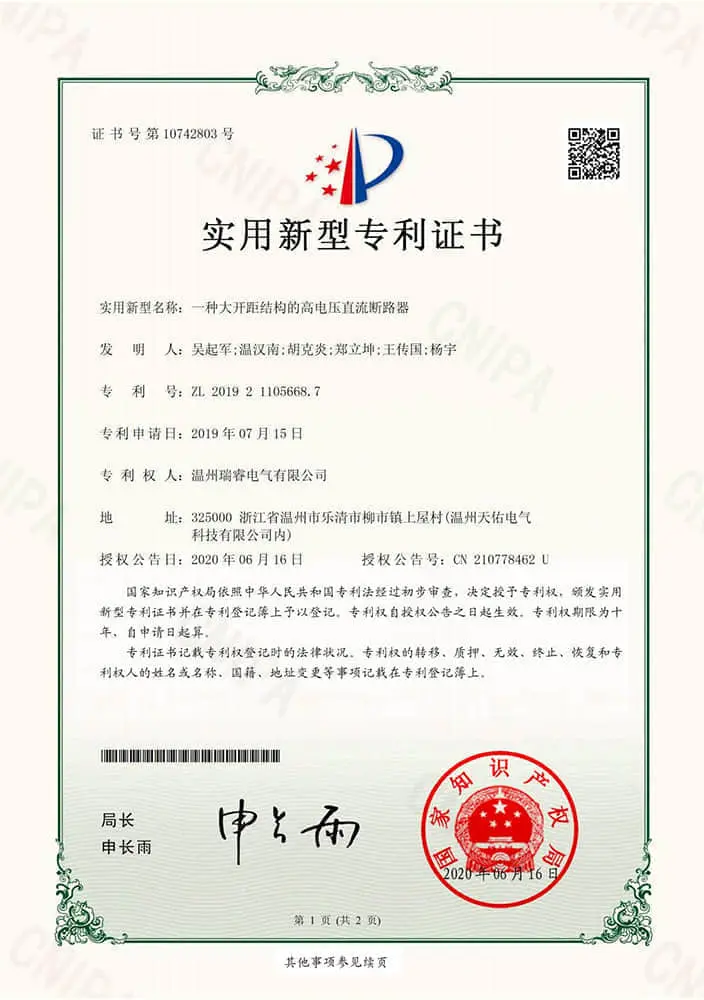
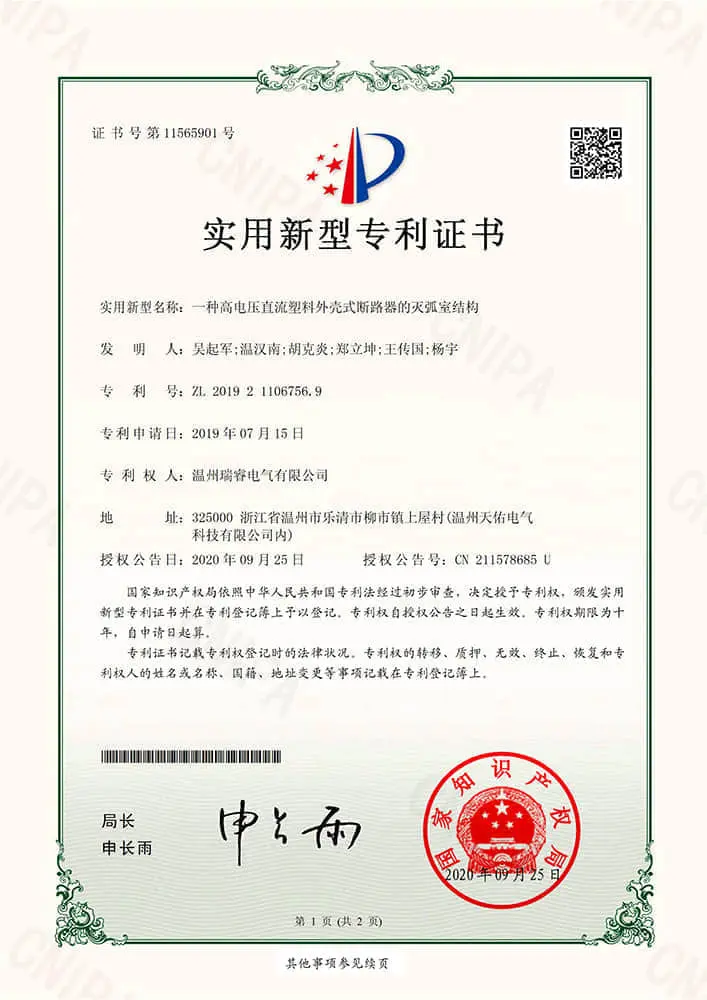
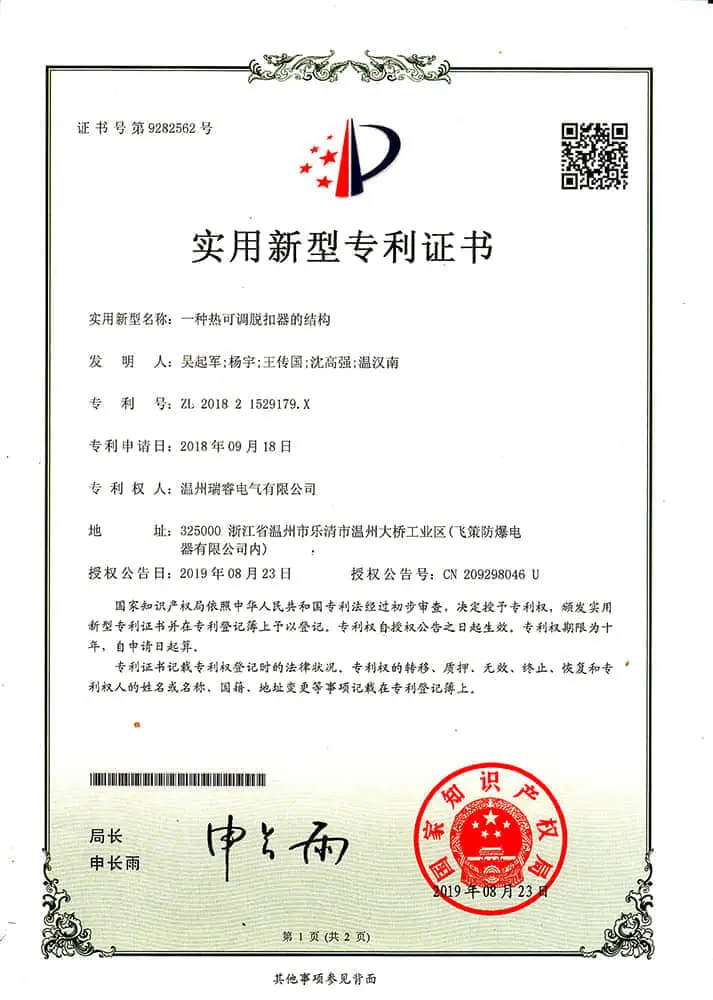
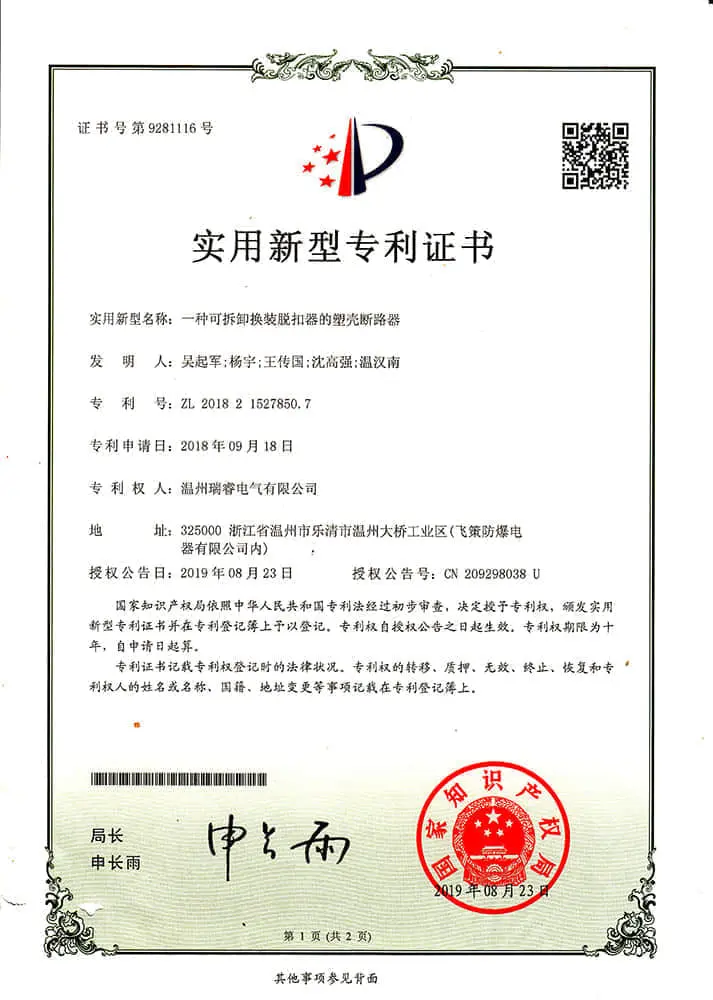
Our factory and products undergo extensive testing to conform with international quality benchmarks.

In modern industrial design, selecting the appropriate protection apparatus is crucial for maximizing system up-time. Traditionally, a fused breaker combined a high breaking capacity electrical fuse with a manual mechanical switch, offering unmatched performance in isolating high short-circuit currents. However, as modern engineering pushes towards high automated recovery and integrated smart capabilities, Molded Case Circuit Breakers (MCCBs) have developed to address similar parameters with notable operational advantages.
Unlike fuses, which require structural replacement once triggered, modern thermomagnetic and electronic circuit breakers can be reset instantly after a fault has been cleared. This translates to significantly reduced down-time in critical infrastructure such as wind turbines, high-load industrial plants, and utility-scale solar farms. Furthermore, using multi-pole mechanical linking ensures that in a three-phase system, a fault on any single phase instantly opens all three poles, preventing phase loss and potential damage to downstream equipment.
In step with global IoT deployment, the breaker is no longer merely an isolation device. Modern smart MCCBs incorporate internal current transformers, microprocessors, and standard Modbus/Profibus communication interfaces. This allows electrical systems to perform edge-computing operations, collect phase voltage/current data, and transmit real-time telemetry to supervisory control centers. This integration assists facility managers in shifting from reactive to predictive maintenance strategies.
Tailored power distribution configurations built to satisfy the needs of industrial sectors.
Utility-scale PV power stations require DC and high-voltage AC circuit isolation to protect inverters and battery storage modules. Our dedicated solar photovoltaic MCCBs operating up to 1140VAC / 1500VDC are built to manage fluctuating generation curves and high ambient operating temperatures.
Featured Models: ARM6DC, ARM5HU, ARM1L series.Protecting heavy three-phase motors from phase loss, short circuits, and severe overcurrents requires breakers with precise tripping curves. Our ARXM3 and ARM5 series feature customizable magnetic and thermal threshold settings to prevent damage to expensive stator coils.
Featured Models: ARXM3 Series, ARM3E Series.Explore our specialized high-voltage AC/DC breakers and metal structural components.
From initial design concepts to final system certification, our overseas super-factory supports your brand growth.
Custom logo printing, optimized product packaging, and specialized material selection to help build local brand authority and presence.
Mold design and custom modifications. We assist in product validation processes and offer support for obtaining international test certificates.
Full design authority for proprietary circuit breaker configurations, including smart microprocessor relays and communication features.
Technical guidance regarding short circuit parameters, thermal configurations, and system design.
Icu represents the maximum short-circuit current that a circuit breaker can successfully interrupt without permanent damage to its internal mechanisms. Ics, on the other hand, is defined as a percentage of Icu (often 75% or 100%). It indicates the fault current level the breaker can interrupt and subsequently remain operational after a test reset. Standard industrial designs typically aim for Ics = 100% Icu to verify mechanical durability under heavy faults.
Thermal-magnetic MCCBs rely on a bi-metallic strip that bends in response to heat generated by current flow. If the surrounding ambient temperature exceeds the standard calibration reference (typically 40°C), the bimetal strip expands sooner, leading to premature tripping at lower currents. To prevent this, system designs should apply derating factors derived from temperature calibration tables or utilize electronic breakers with sensor compensation.
Solar PV arrays run at high operating voltages (up to 1500VDC or 1140VAC) and generate continuous current load structures. DC current arcs are more challenging to extinguish than AC currents because they lack a natural zero crossing point. Solar-rated circuit breakers must feature specialized arc chutes and optimized magnetic blowouts to draw the DC arc away from the contacts and split it quickly.
At altitudes above 2000 meters, the thinner air has reduced cooling capability and lower dielectric strength. Consequently, breakers must be derated because they dissipate internal heat less efficiently and are more susceptible to arc flashover. System designers must calculate altitude derating coefficients, reducing the rated operating current (Ie) and impulse withstand voltage (Uimp) ratings accordingly.
Consult with our engineering team today to review your project design, request custom samples, or arrange a manufacturing audit.
Explore Full Product Catalog AceReare