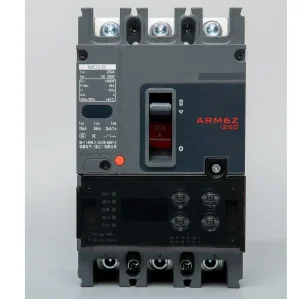
Explore our top-tier industrial electrical components designed to optimize distribution safety, featuring advanced trip systems and high-rated breaking capacities.
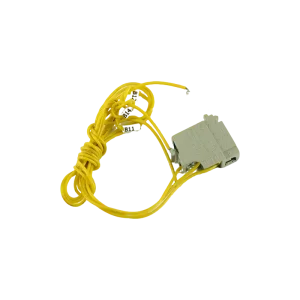
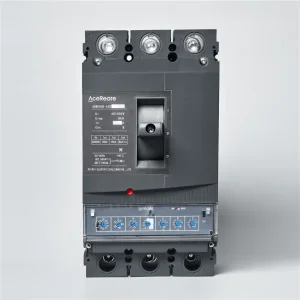
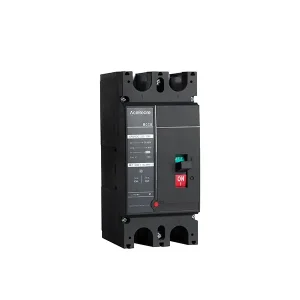
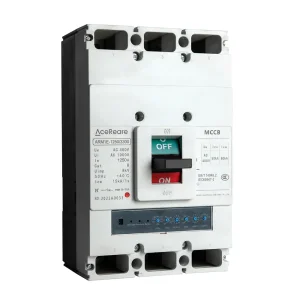
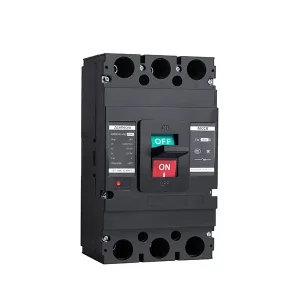
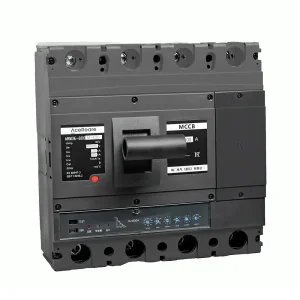
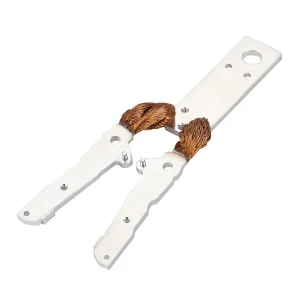
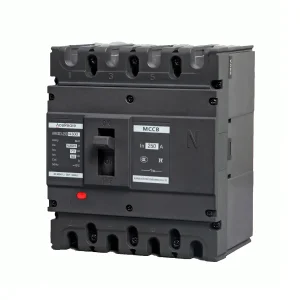
In modern electrical power distribution systems, Molded Case Circuit Breakers (MCCBs) function as the frontline defense mechanism guarding critical industrial, commercial, and utility applications. When sourcing wholesale MCCBs, electrical engineers, procurement experts, and system integrators focus heavily on a single, vital parameter: Ics (Rated Service Short-Circuit Breaking Capacity). This white paper presents a technical overview of Ics, its engineering implications on system downtime, and how Acereare Electric utilizes proprietary advancements to guarantee Ics = 100% Icu reliability across its product lines.
Standard IEC 60947-2 defines two primary short-circuit breaking metrics:
When an MCCB operates with an Ics rating equal to 100% of its Icu rating, it guarantees that even under ultimate fault limits, the MCCB survives the thermal and mechanical stresses of interruption. It can immediately be reclosed to restore power, minimizing operational downtime for critical grid assets.
"An Ics rating of 100% of Icu signifies that the MCCB is engineered with premium contact materials and optimized arc-chutes. This configuration allows the unit to survive repeated short-circuit interruptions without thermal-magnetic decay or welding of the main contact structures."
Inheriting over 20 years of craftsmanship, we stand as one of China's premier original manufacturers specializing in MCCBs, ACBs, and key power components.
Founded officially in 2015, Acereare Electric operates two wholly-owned subsidiaries: "RuiRui Electric" and "KeRui Electric." We serve as a direct manufacturer integrating research and development, production, and worldwide sales. Our craftsmanship spans two generations, providing us with a deep foundation in high-voltage arc extinguishing physics and electrical engineering.
Today, our factories rank among the top ODM/OEM partners in China for low-voltage power distribution. We maintain a strategic presence in industrial sectors worldwide, offering customized trip units, variable breaking capacities, and specialized environmental components.

Exploring the industrial synergy, advanced automation, and vertical integration that make Chinese MCCB manufacturing highly competitive.
Sourcing wholesale Ics in MCCB directly from Chinese manufacturing bases offers a range of competitive benefits. In the low-voltage electrical component sector, Chinese manufacturers have transitioned from low-cost operations to high-precision engineering, and are now leading global supply chains.
We source raw bimetals, high-conductivity copper coils, and raw resin composites within close proximity, keeping logistics costs low and production timelines short.
By using automated contact silver soldering and robotic calibration jigs, our production lines maintain close mechanical tolerances, ensuring consistent breaking capacity.
We offer customized engineering, matching local building codes, adjusting derating parameters for elevation, and calibrating trip curves to fit specific client needs.
Providing one-stop OEM/ODM solutions through engineering expertise, reliable delivery, and strict testing protocols.
Our facility utilizes high-precision automated testing, multiple manual and mechanical assembly lines, and advanced raw part manufacturing across six main processing technologies.
Our team of over 50 R&D engineers uses 3D modeling and finite element analysis (FEA) software to design internal components, resulting in 50+ new development projects yearly.
We leverage two production factories to split components and final assemblies, tracking processes via integrated ERP and U8 systems for transparent shipment updates.
Our quality control laboratory employs over 150 testing instruments and 20+ full-time inspectors, using MES and PLM systems to log performance batches.
Our circuit protection solutions are engineered for reliable operation in complex, challenging environments.

We select low-viscosity, low-temperature lubricants and apply thickened plating coats to metallic components. Our MCCBs carry verified lab test reports for standard operations at -40°C.

Designed for coastal docks, maritime transport, and offshore installations. We conduct 72-hour salt spray tests on full assemblies and 48-hour tests on subcomponents to prevent structural corrosion from humid air.
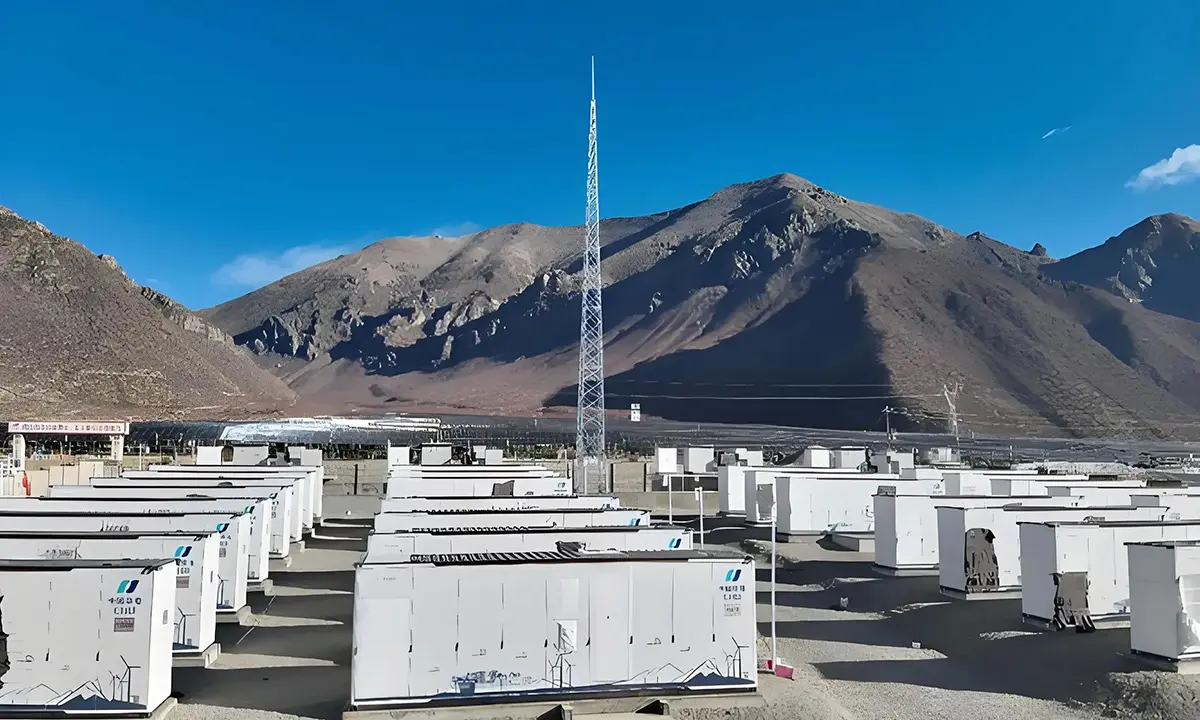
In elevations exceeding 2000m, low atmospheric density reduces heat dissipation and dielectric insulation. We apply specific high-altitude derating coefficients to safeguard system performance.
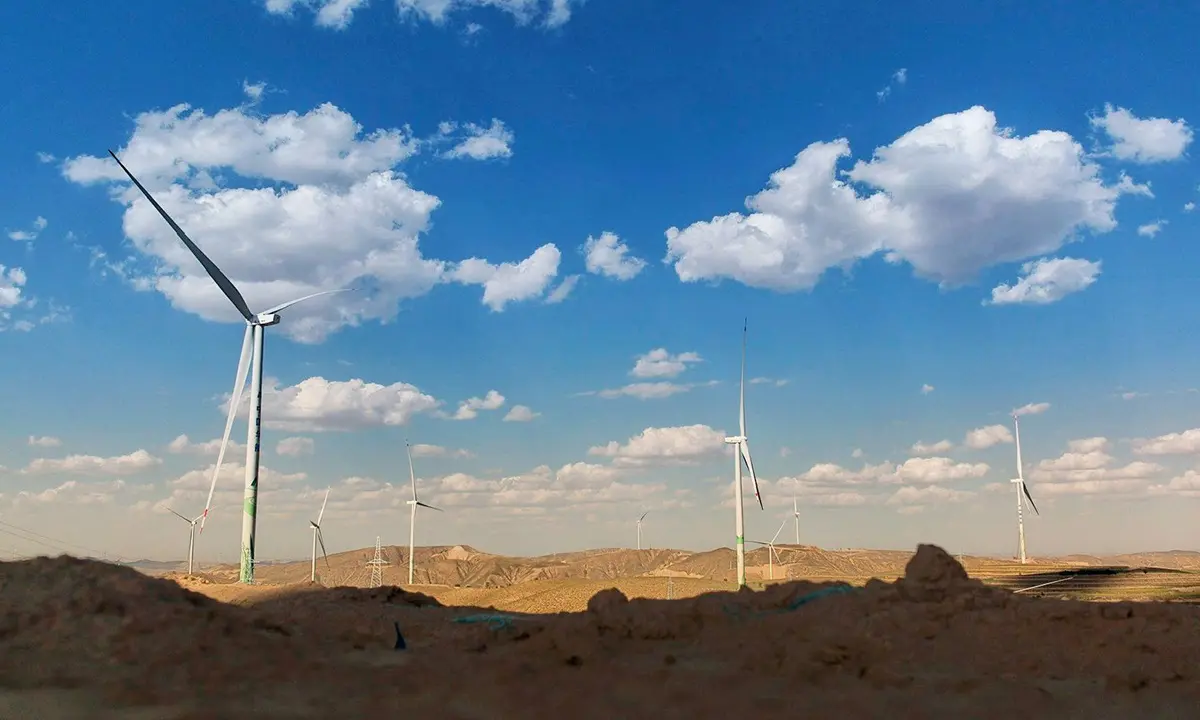
Using thermal barrier treatments on internal housings and specialized anti-corrosion finishes on conductors, we test our circuit breakers at 55°C constant temperatures to maintain calibrated trip curves.
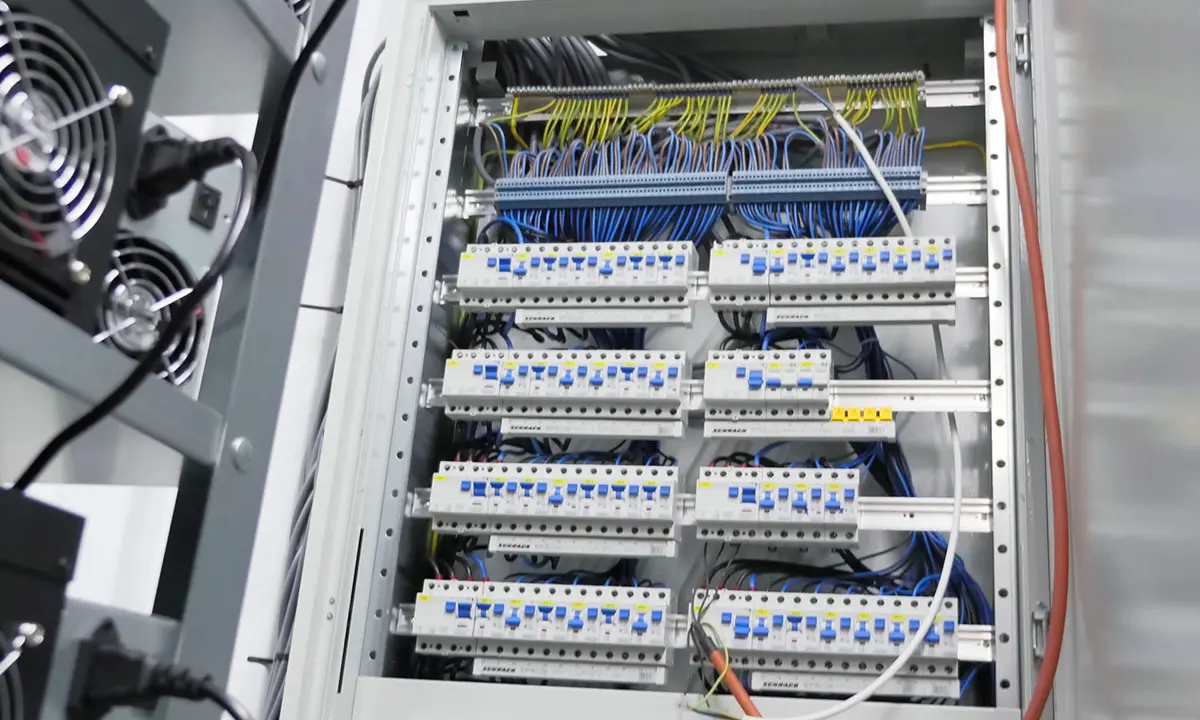
Equipped with edge computing microprocessors, our electronic models enable real-time energy metering, communication protocols, and remote configuration, supporting smart grid automation.

Optimized for space savings and quiet operation in high-density main distribution boards. These units prevent nuisance tripping caused by residential motor startup surges.
Collaborate with our R&D team to develop custom product lines that align with your local regulatory frameworks.
Our manufacturing and quality assurance frameworks align with international standards, ensuring reliable field operation.
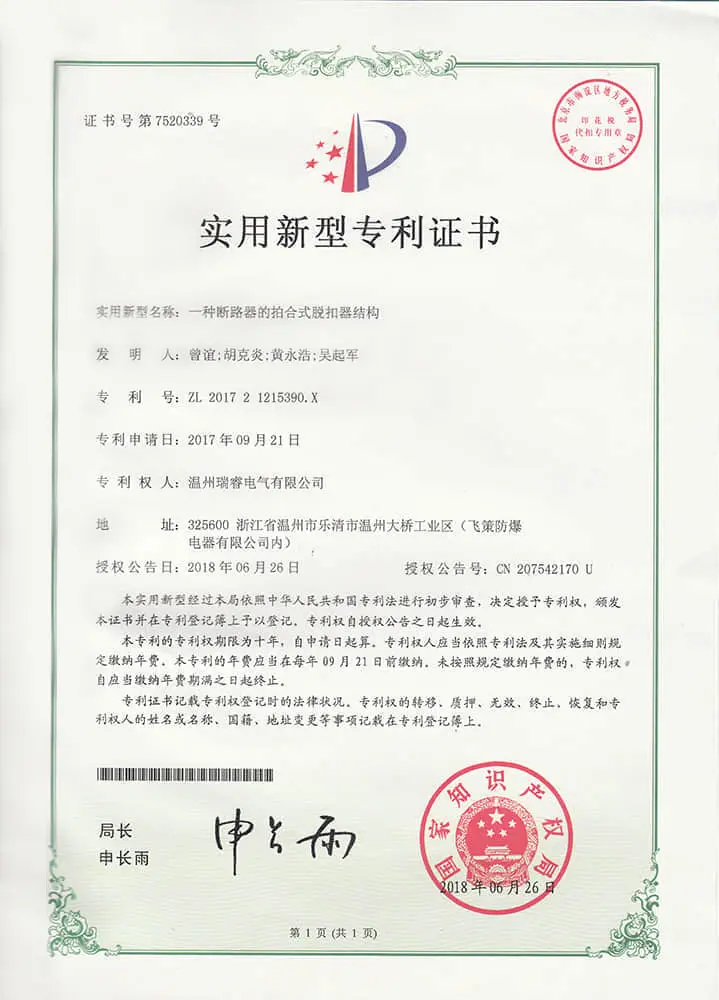
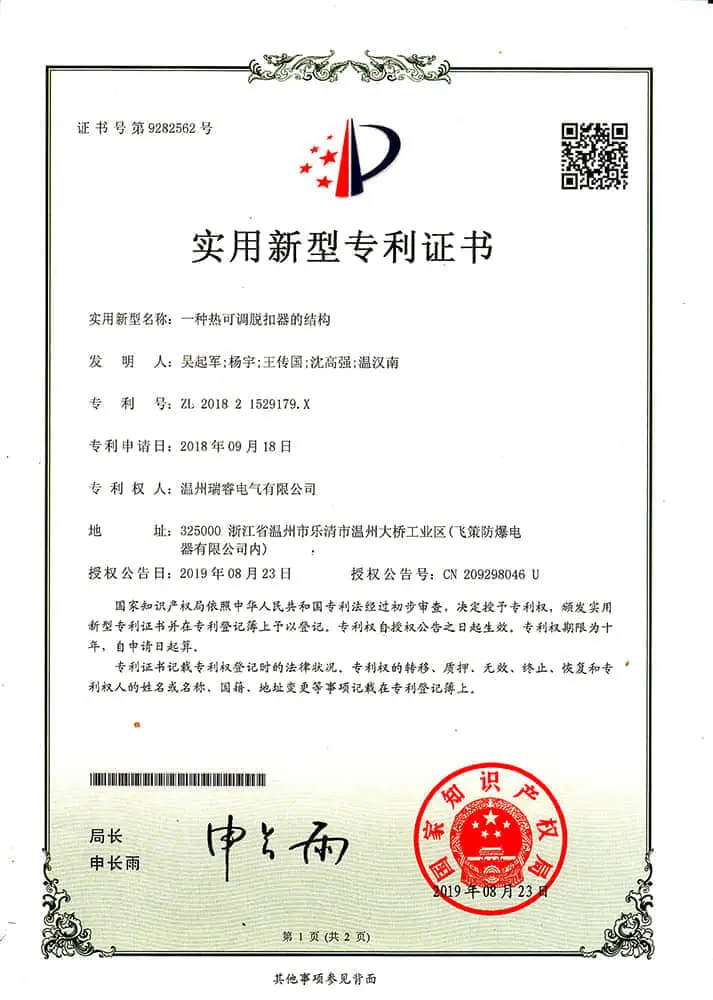
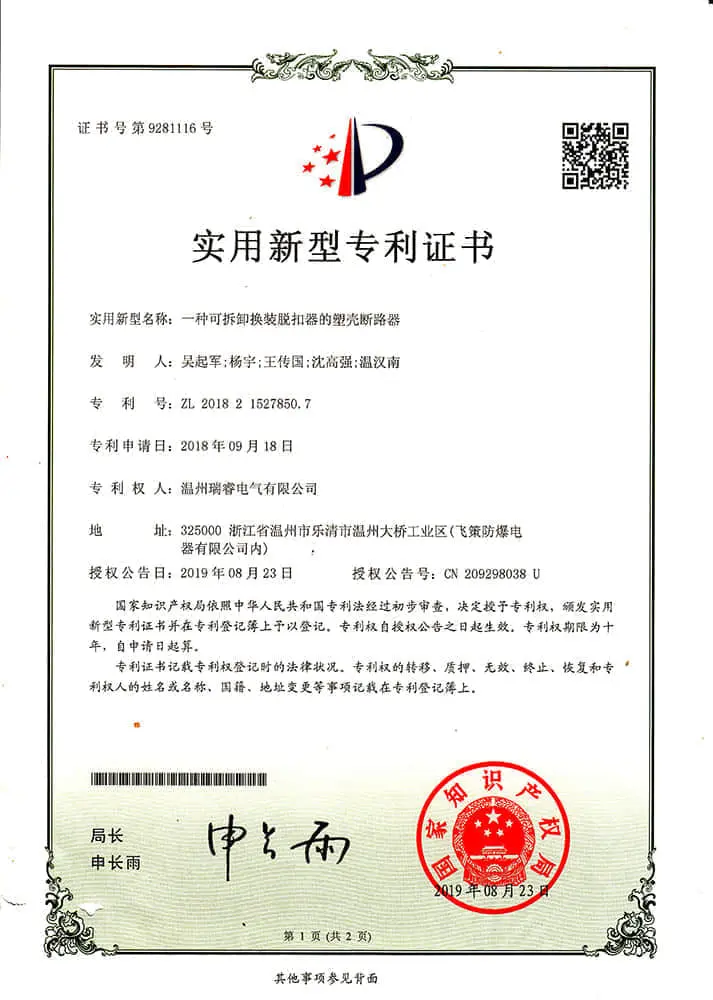
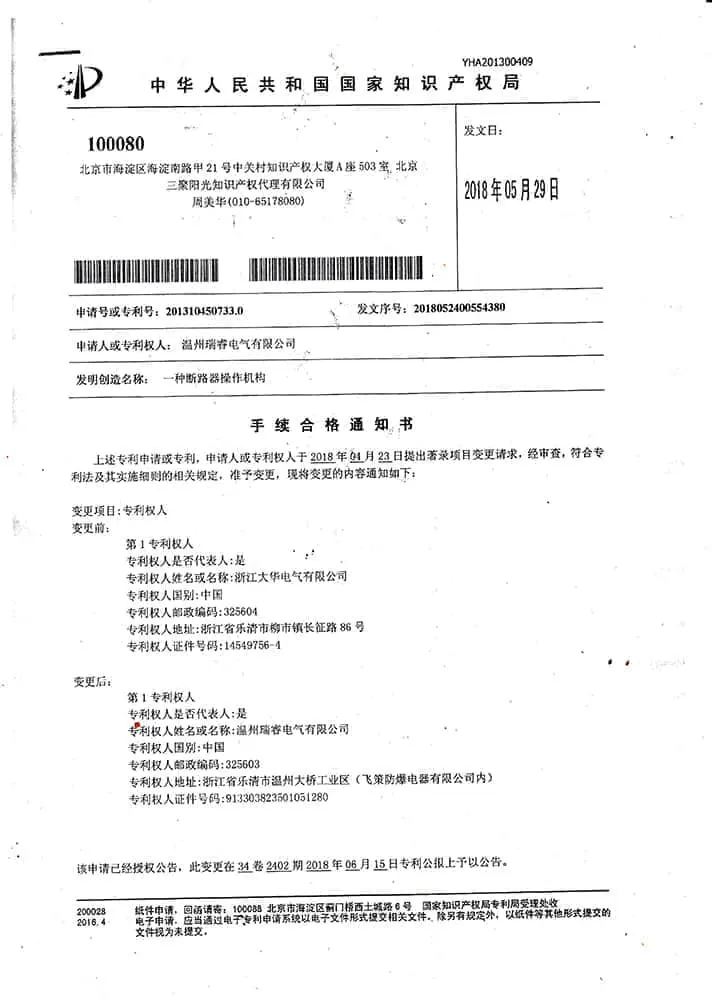
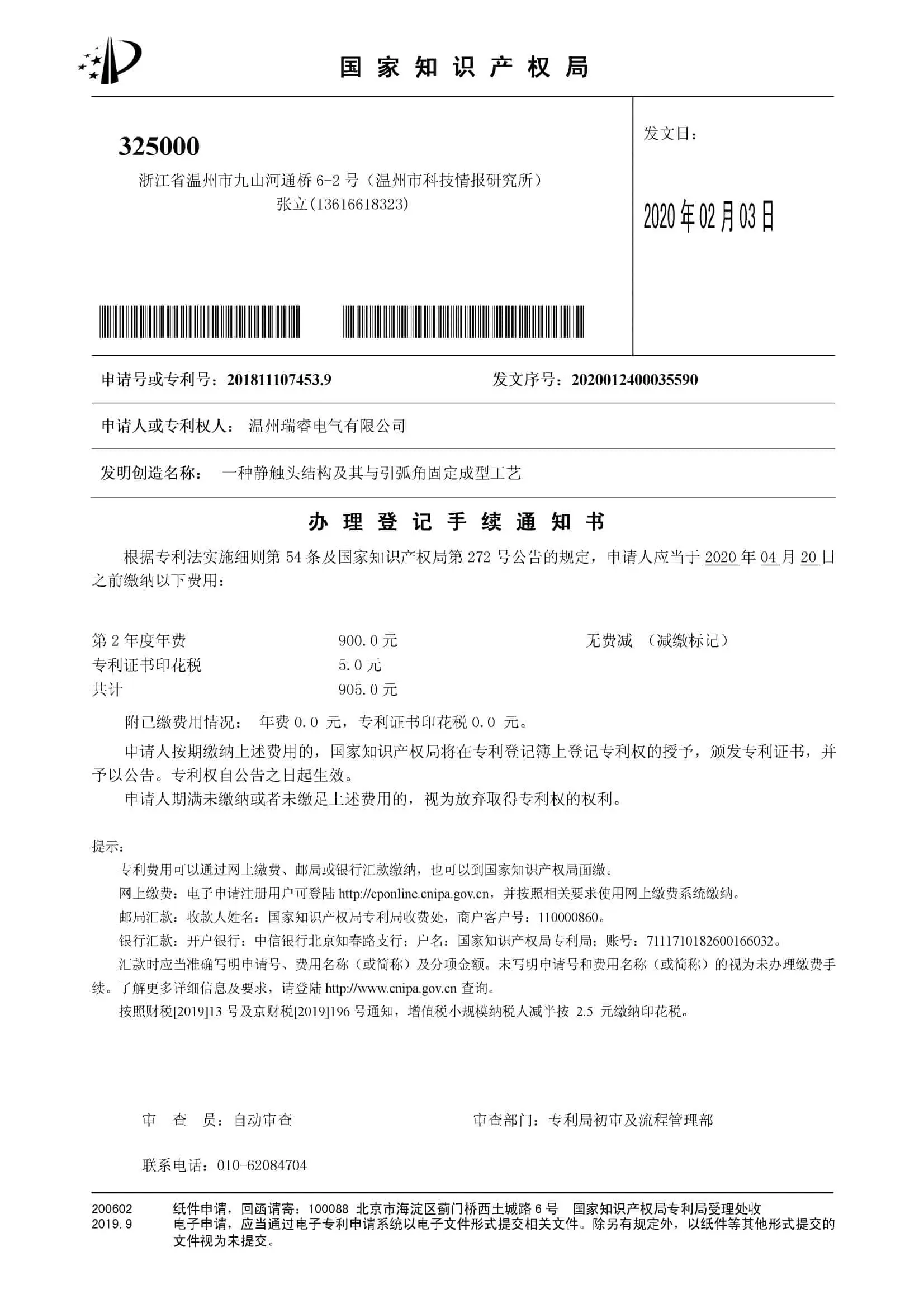
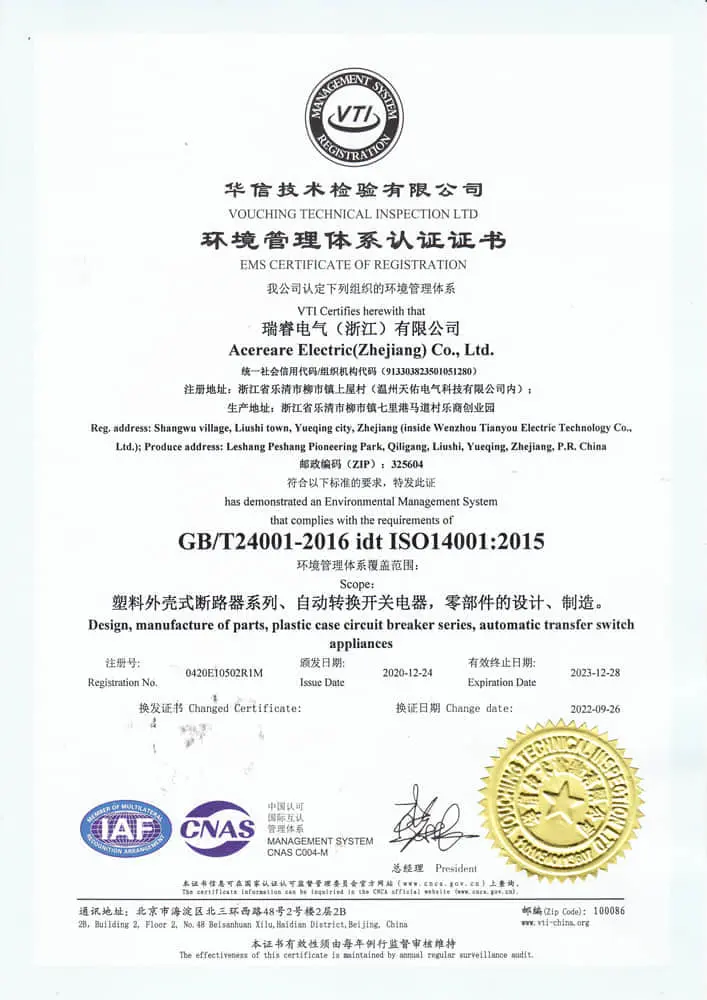
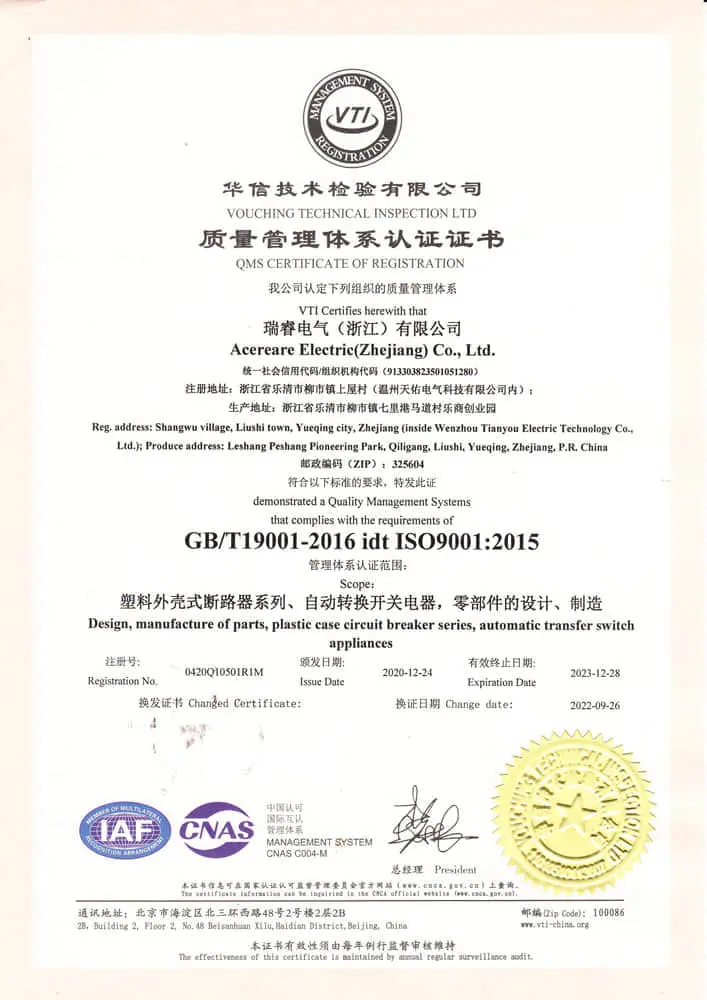
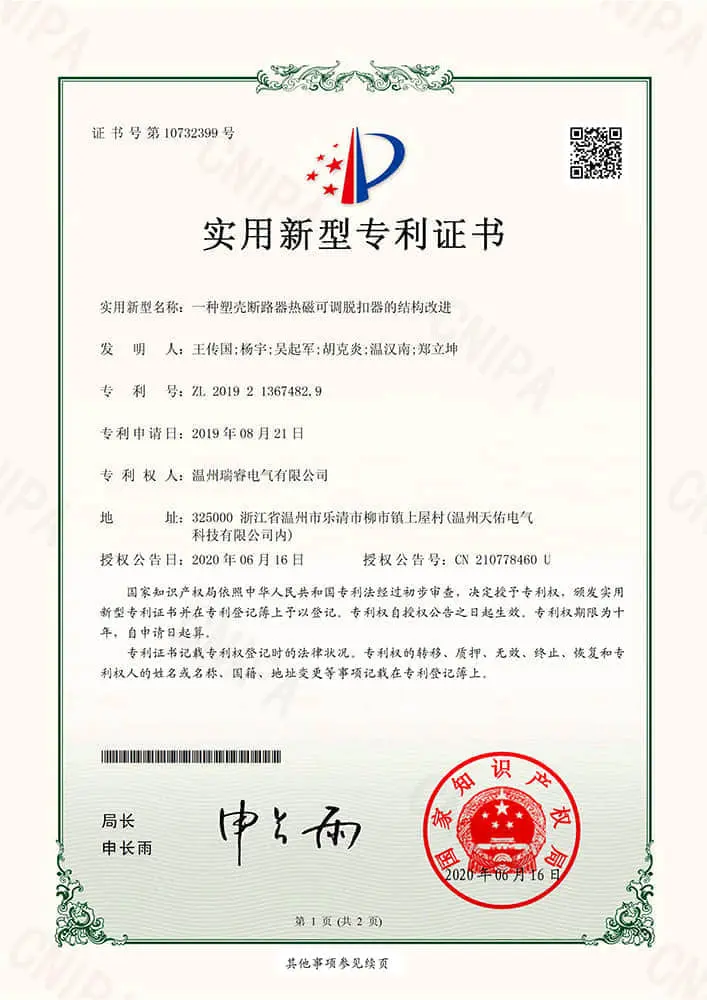
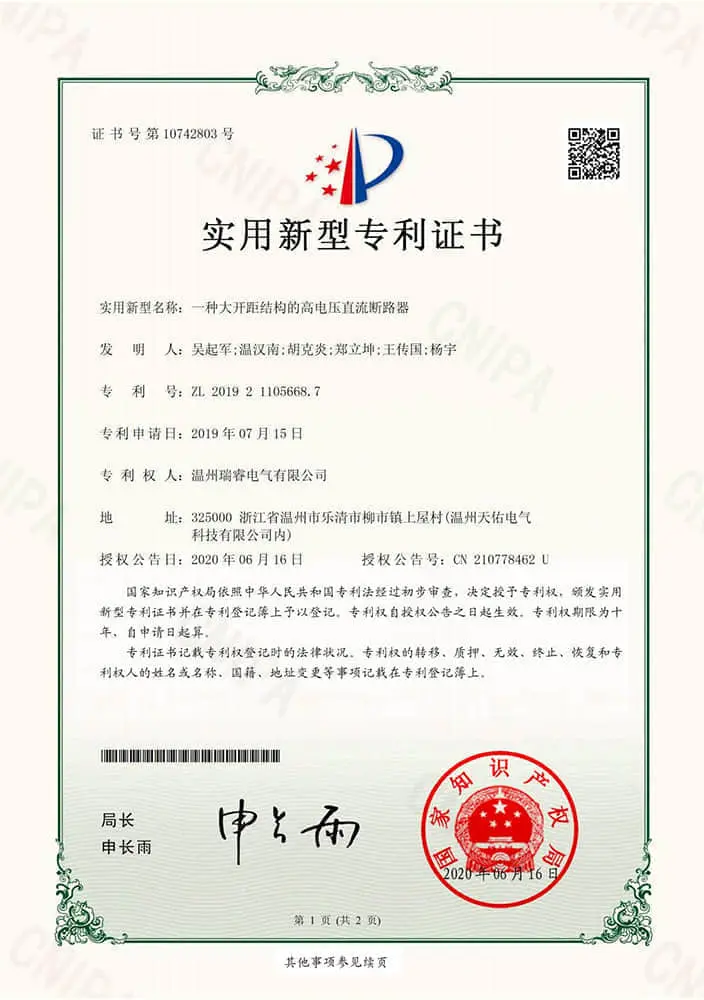
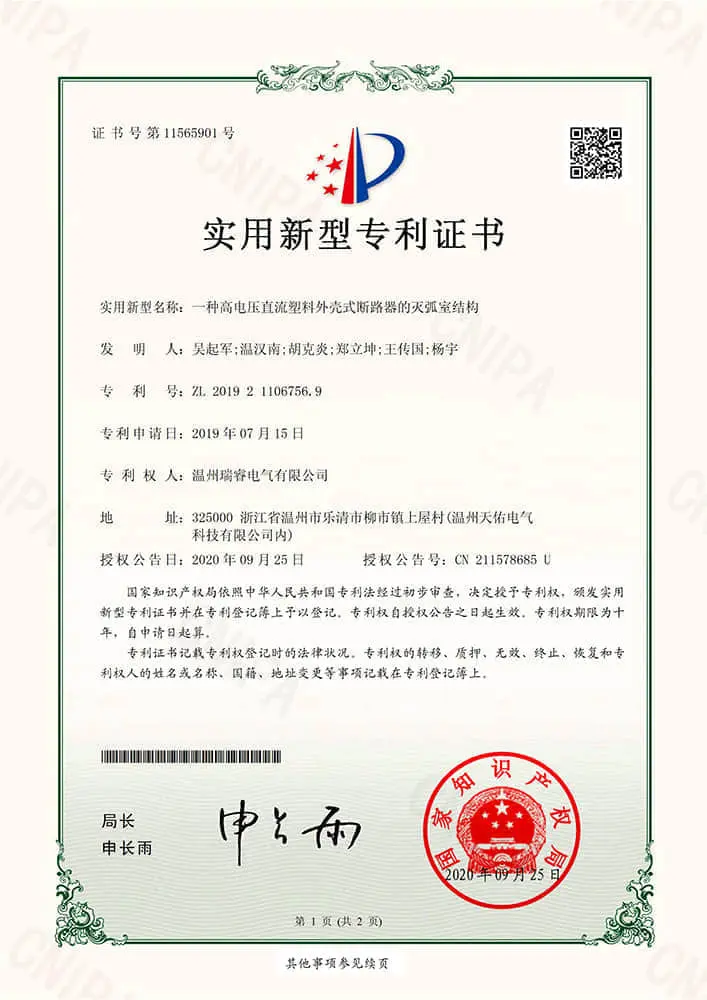
Answers to common questions regarding circuit protection, short-circuit ratings, and global compliance.
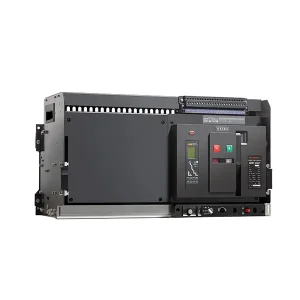
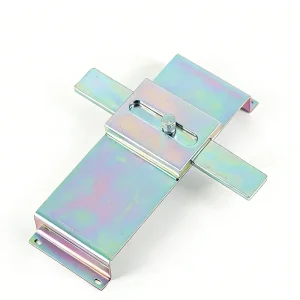
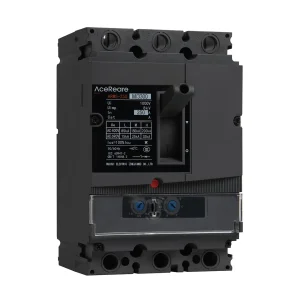
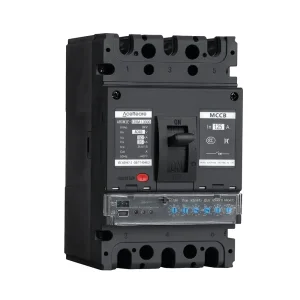
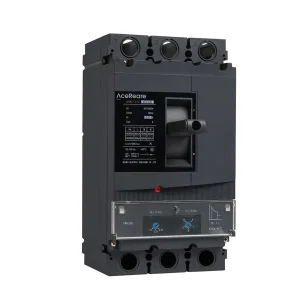
Explore our heavy-duty industrial circuit breakers and thermal-magnetic units designed to protect high-current networks and complex machinery.
 AceReare