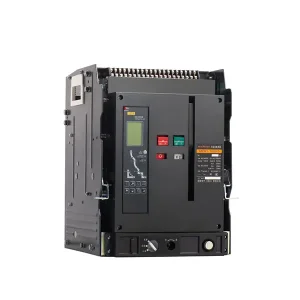
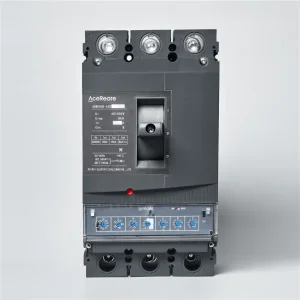
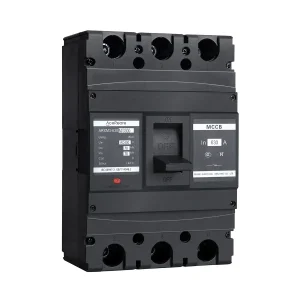
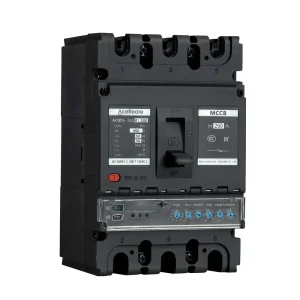
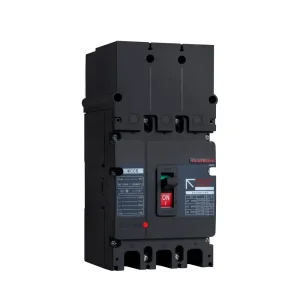
Engineered to withstand Seattle's high-humidity maritime climates and rigorous local cloud datastore power loads.
Analyzing local market dynamics: how smart grid retrofits, aerospace supply networks, and hyperscale cloud clusters in Washington State dictate demand for high-reliability electrical switchgear components.
The Seattle metropolitan area and the wider Pacific Northwest are undergoing a profound industrial transition. Traditionally defined by heavy aerospace assembly and maritime transport hub operations along Puget Sound, the region has evolved into a global epicenter for software-driven technological systems, advanced materials, and renewable microgrids. This confluence of heavy industry and high technology places unique demands on local electrical systems. From the electrification of municipal ferry systems and heavy crane systems at the Port of Seattle to the development of sub-transmission infrastructures for massive data processing centers in adjacent regions, power system components must adhere to absolute thresholds of thermal efficiency, short-circuit withstand capabilities, and operational life cycles.
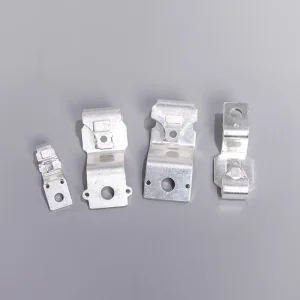
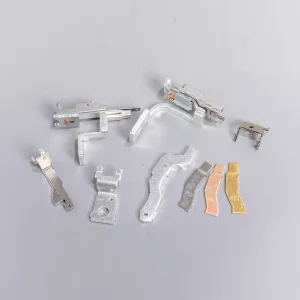
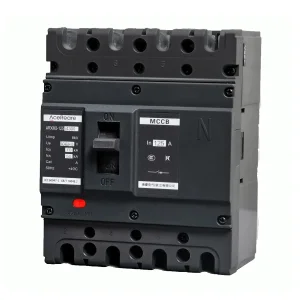
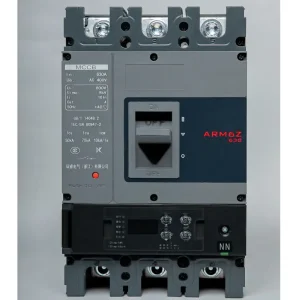
Specifically, Molded Case Circuit Breakers (MCCBs) represent the critical frontline defense for electrical systems. The integrity of the internal copper contacts, moving armatures, and connection plates within these circuit breakers relies on high-precision metal stamping technology. Because Seattle's coastal environment presents elevated atmospheric moisture and salt spray risks, local industrial buyers are shifting away from general-grade hardware toward customized alloy materials treated with advanced surface-finishing technologies. In response to regional sustainability targets, Seattle-based system integrators require OEM partners capable of engineering stamped assemblies that maintain low terminal contact resistance under dynamic current load scenarios, effectively minimizing waste heat generation.
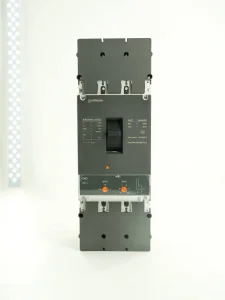
We are a professional original equipment manufacturer (OEM/ODM) integrating design research, development, and vertical production structures. Specializing in molded case circuit breakers (MCCB), air circuit breakers (ACB), and their fundamental metal stamped components, our corporate foundation is built on more than 20 years of craftsmanship inherited across two generations.
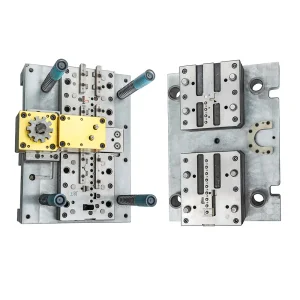
With a comprehensive and mature components production system, our manufacturing divisions rank among the top ODM partners in China, serving elite electrical enterprises globally. By maintaining in-house tool design laboratories, high-speed automated progressive die stamping facilities, and rigorous electrical laboratories, we guarantee that all internal stamping parts for circuit breakers provide unmatched mechanical reliability.

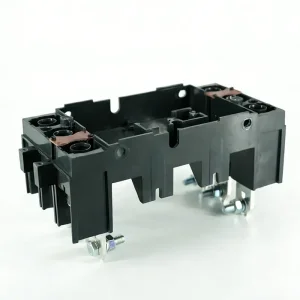
Engineered assemblies designed for integration into central distribution boards and local microgrid switchgear.
A look at the metallurgy, manufacturing tolerances, and tooling structures powering modern breaker technology.
We source premium oxygen-free high-conductivity copper (C10200) and electrolytic tough pitch copper (C11000) with conductivity ratings matching or exceeding 100% IACS. This reduces internal resistance, minimizing localized thermal build-up inside the breaker housing.
Our in-house CAD/CAM design center develops multi-stage progressive stamping dies capable of operating at up to 600 strokes per minute. Critical dimensional features (such as contact rivets, bends, and mounting holes) are stamped in a single continuous pass, maintaining precision tolerances of ±0.01mm.
To resist structural corrosion and electrical oxidation, stamped contacts are subjected to multi-layered plating processes. This includes thick nickel under-plating followed by selective silver or tin plating. This system ensures reliable contact and prevents degradation in high-moisture coastal environments.
How our stamped components and circuit breakers are customized to address critical physical and environmental demands.
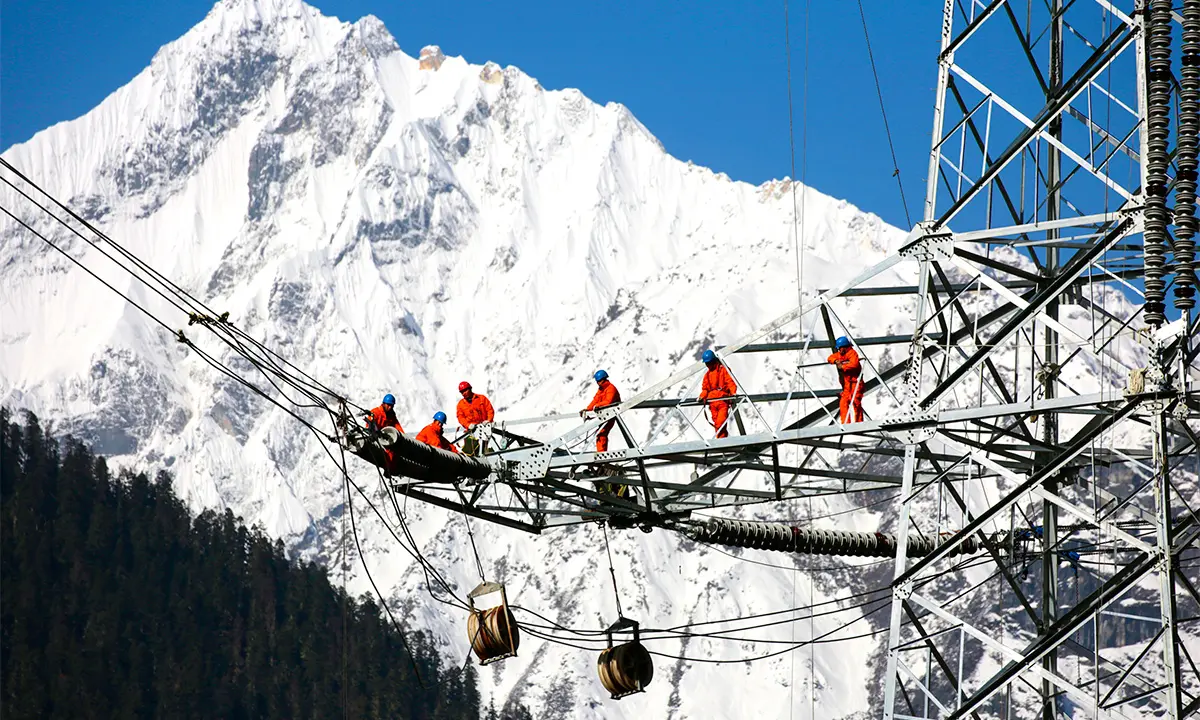
Designed for cold-storage logistics and high-latitude installations down to -40 °C. We utilize specialized materials, apply low-temperature lubricants, treat metal parts with thickened protective coatings, and verify performance with certified -40 °C laboratory test reports.

Our circuit breakers withstand humid sea air and saline conditions. We run continuous salt spray tests—72 hours for complete systems and 48 hours for semi-finished stampings—protecting dockside power infrastructure, heavy-duty cargo handling machinery, and marine vessels.
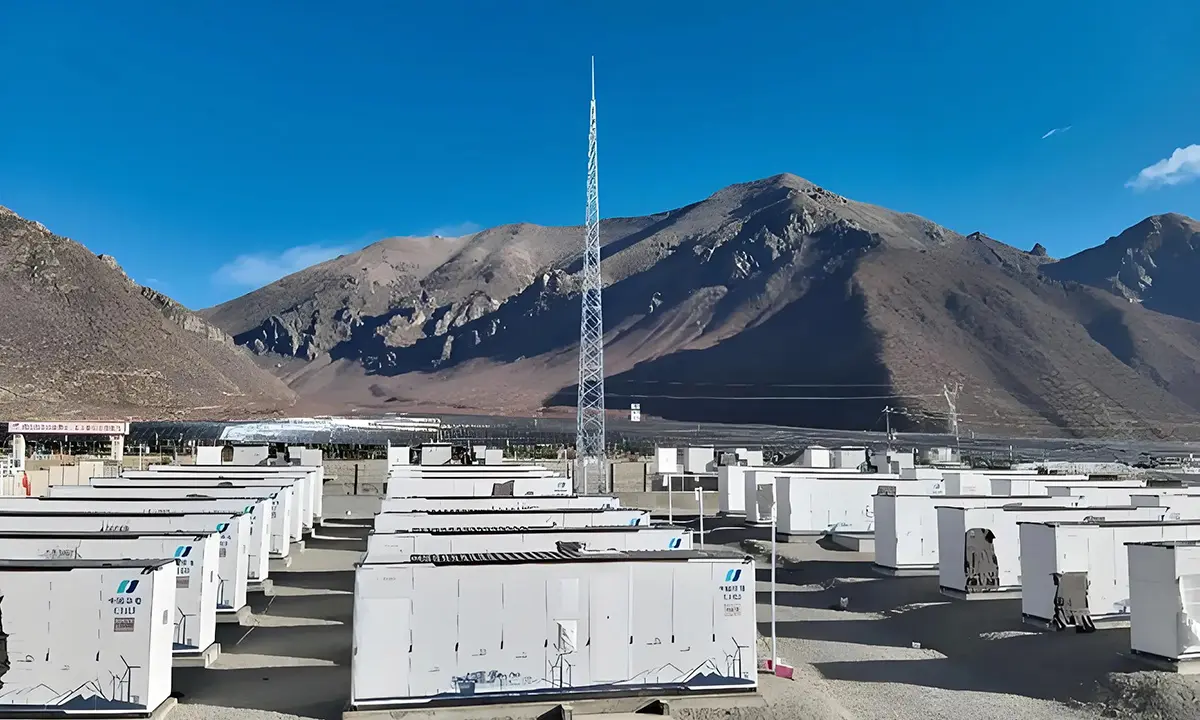
For installations exceeding altitudes of 2000m, electrical properties are adjusted via high-altitude derating curves. We modify dielectric clearance configurations and copper stamping thicknesses to ensure reliable arc suppression in thin atmosphere environments.

Providing protective sub-circuit hardware for modern residential buildings and light commercial structures. Stamped contact parts are optimized for compact footprints, ease of installation, high trip-sensitivity, and consistent, maintenance-free operational life cycles.
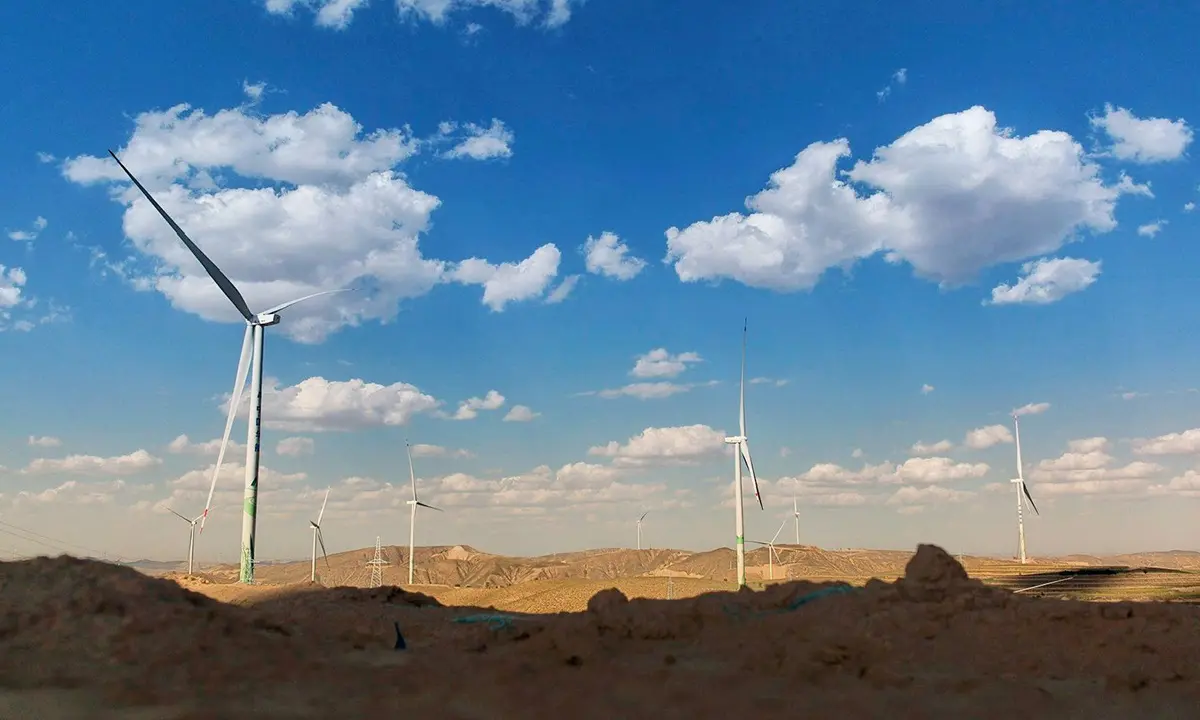
Engineered for high-heat environments. Internal controllers are coated with specialized heat-shielding layers, and structural copper and steel parts are treated to resist moisture and oxidation. Design performance is validated in our 55 °C environmental test chambers.
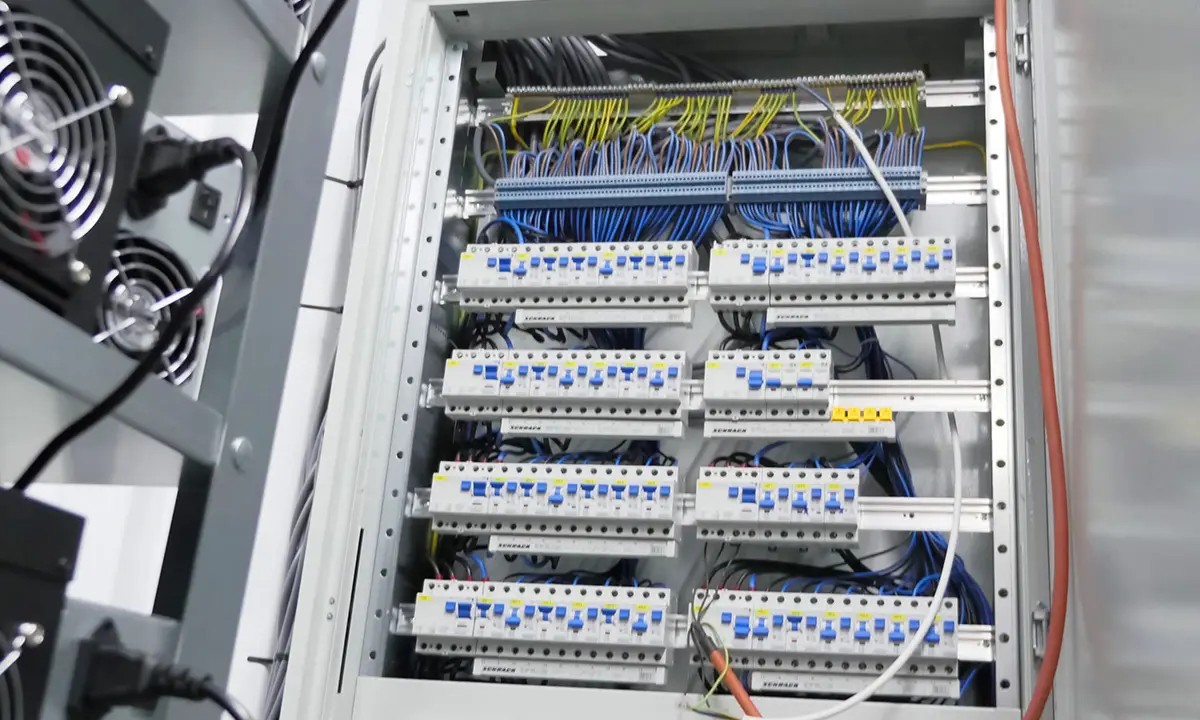
Supporting advanced smart grid architectures with integrated communication, metering, control, and edge-computing circuit breakers. High-precision shunt stampings provide clean signal returns, establishing a reliable hardware foundation for smart utility monitoring.
At our advanced production bases in China, we integrate manufacturing hardware with software-driven management layers. Leveraging ERP and U8 systems alongside active PLM (Product Lifecycle Management), MES (Manufacturing Execution Systems), and Business Intelligence (BI) software, we coordinate planning, tooling fabrication, stamping production, final assembly, and quality assurance.
For Seattle-based engineering teams and procurement specialists, this digitized workflow ensures complete production transparency. From raw material heat-number tracking to structural tolerance inspections, all critical data is logged digitally.
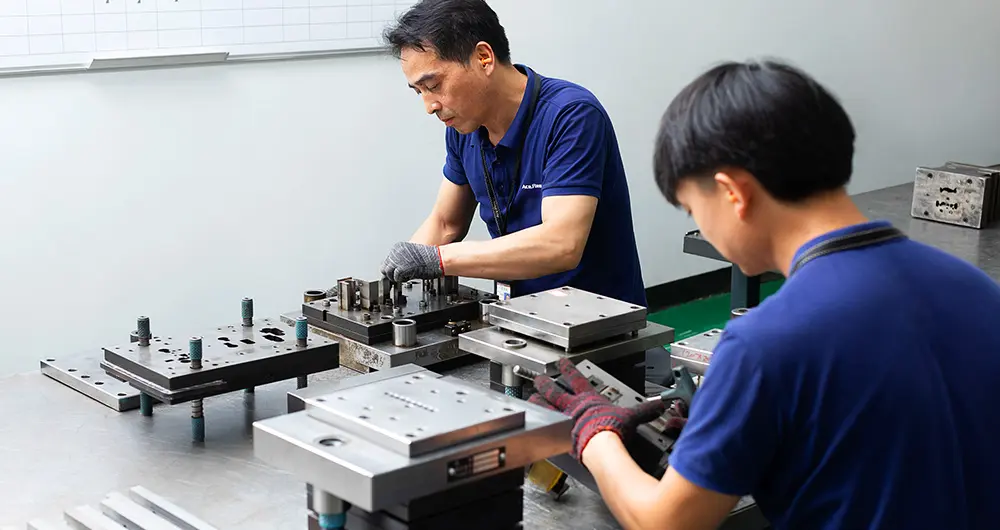
How we ensure mechanical and electrical reliability for every stamped component and breaker assembly.
Comprehensive component processing setups with precision metal forming equipment, advanced measurement instruments, and ten automated and manual assembly lines.
Over 50 dedicated engineers with extensive design experience, utilizing 3D modeling and analysis software to design components, progressive stamping molds, and complete assemblies.
Integrated production management across our specialized facilities, coordinated via ERP/U8 networks to track raw material inputs, stamping runs, assembly schedules, and final shipping.
Our testing laboratory houses 150+ specialized test instruments and is staffed by over 20 quality inspectors tracking component dimensions, surface finishes, and structural properties.
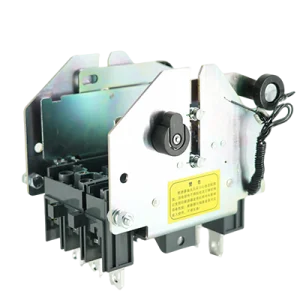
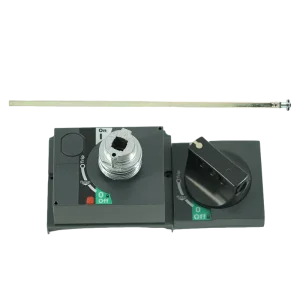
Essential connection plates, drawer mounts, operating mechanisms, and solar power components optimized for industrial power grids.
Ensuring compliance with ANSI, NEMA, and UL standards for seamless integration into North American distribution networks.
Electrical components entering the Pacific Northwest market must satisfy rigorous safety and environmental criteria. Our electrical components and internal metal stamped contacts are engineered to comply with UL 489, CSA 22.2 No. 5, and international IEC 60947-2 parameters.
Our material selection strictly adheres to RoHS and REACH environmental guidelines. This ensures that no hazardous materials are present in our stamped terminals, contact assemblies, or plating layers.
To support regional marine and outdoor projects, our raw materials undergo periodic mechanical property validation, ensuring reliable operation under high humidity and variable thermal loads.
We offer specialized design and engineering integration services for local system designers and OEMs, including:
Addressing engineering, materials science, and supply chain logistics questions from procurement specialists and utility system designers.
Contact our engineering support team today to review your technical drawings, arrange custom material testing, or receive a complete quote for your custom stamped switchgear components.
Submit Request for Quote AceReare