Top-performing structural components and integrated circuit breakers tailored for heavy automation, automotive tooling, and high-breaking capacity requirements in Central Japan.
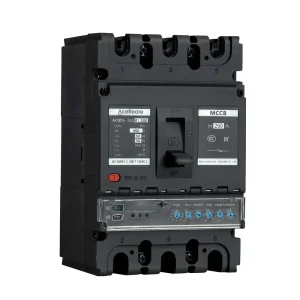
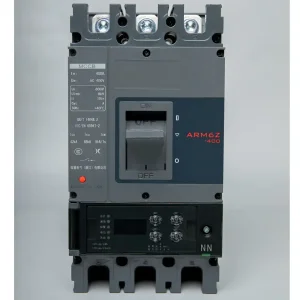
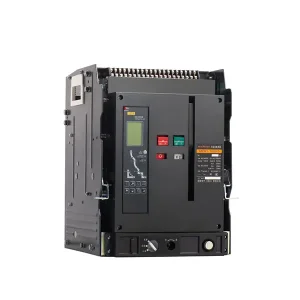
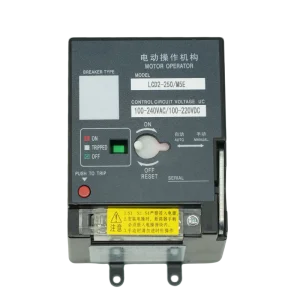
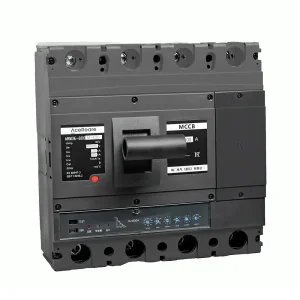
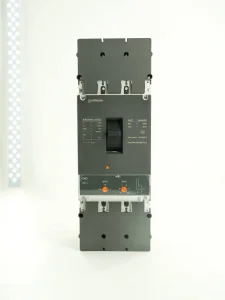
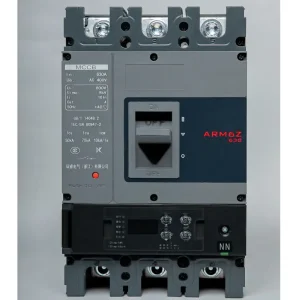
Nagoya and the broader Aichi Prefecture represent the absolute heart of Japan’s manufacturing and industrial robotics prowess. As the global logistics epicenter for leading automotive manufacturers, machine tool innovators, and advanced robotics companies, Nagoya demands zero-compromise electrical components. Molded Case Circuit Breakers (MCCBs) form the foundational safety mechanism within these automated factories, CNC machinery panels, and smart power grids.
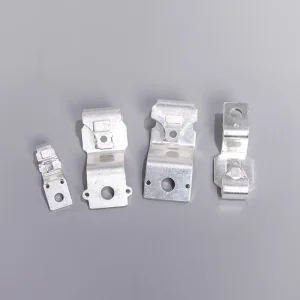
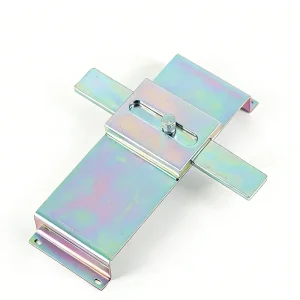
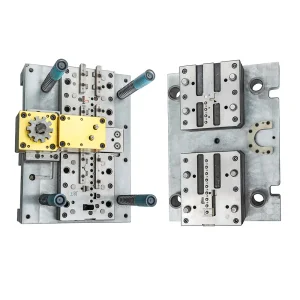
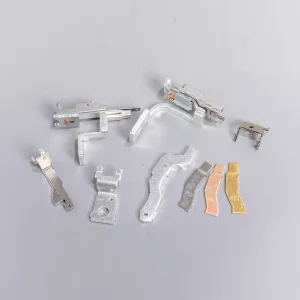
The performance of an MCCB relies on its internal metal stamping parts—such as terminal plates, moving contacts, fixed contacts, arc extinguishing grids, and copper busbars. Standard off-the-shelf hardware cannot survive the constant thermal cycles, vibrational stress, and high-frequency fault interruptions found in automated automotive assembly bays. Our stamping elements are designed to withstand local environmental fluctuations, offering exceptional electrical conductivity and fatigue resistance to Nagoya's top-tier system integrators and power distribution cabinet builders.
Engineered to meet specific Japanese Industrial Standards for circuit breakers operating in critical industrial environments.
Utilizing high-grade copper alloys (C1100, C1020) and specialized silver-nickel contacts for minimal contact resistance.
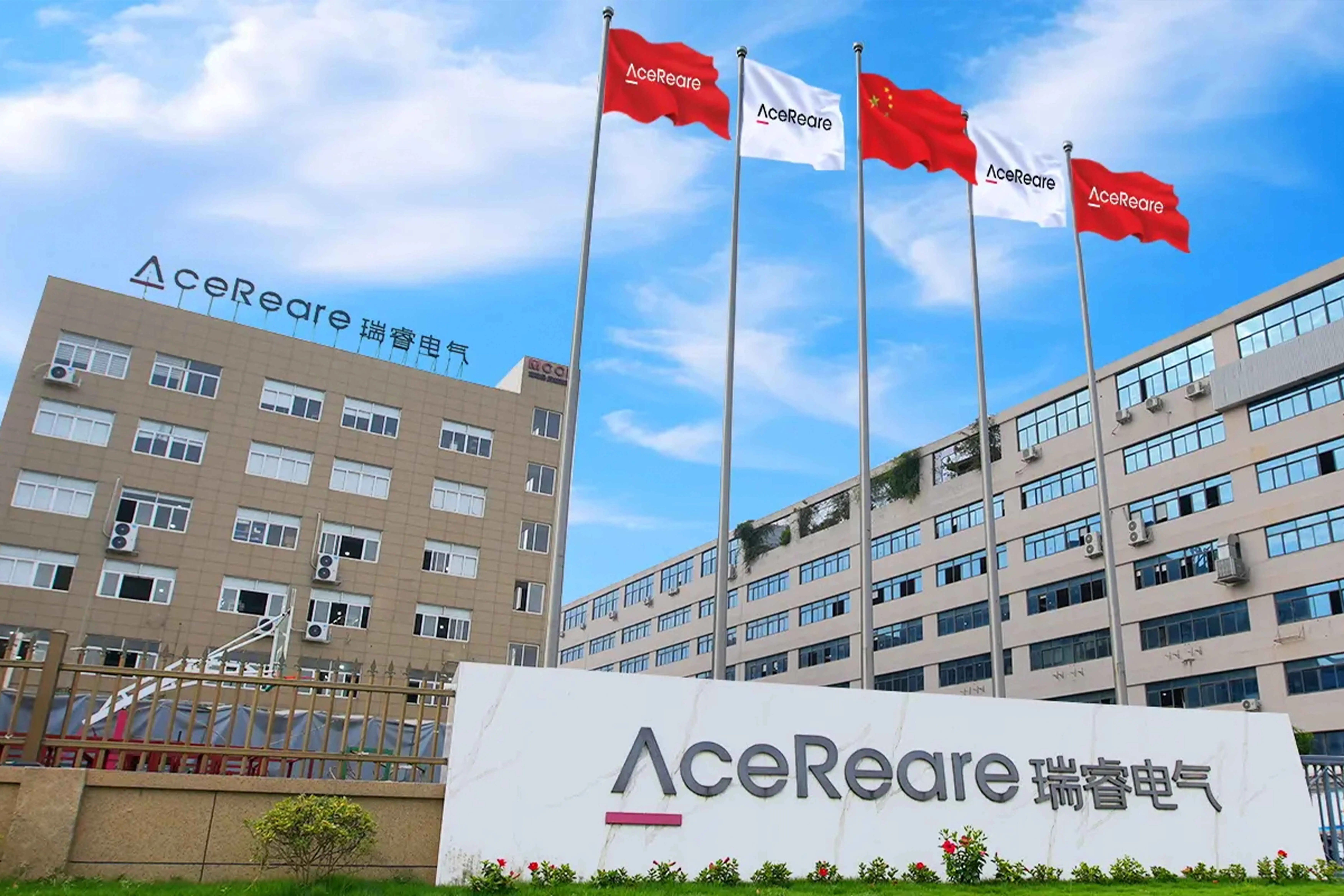
Providing technical transparency and structural information gain for power grid engineers and procurement executives.
To guarantee high breaking capacity (Icu) and service breaking capacity (Ics), MCCB contact systems require extreme dimensional consistency. Our high-speed stamping process achieves precision tolerances within ±0.01mm. This eliminates minute gaps during contact assembly, preventing localized electric arc development and eventual contact welding under short-circuit conditions.
Our components are engineered for challenging chemical environments. We provide nickel plating, silver plating, and tin plating solutions matching targeted conductivity needs. Nickel layers prevent copper diffusion, while high-density silver plating (typically 5 to 15 microns) minimizes surface contact resistance and protects copper substrates from oxidation at high operating temperatures.
In modern high-amperage breakers (e.g., 250A to 1250A), continuous load leads to severe thermal build-up. We optimize terminal configuration and connection plates with specific cold-forging and stamping operations. This structural design expands the heat dissipation surface area, lowering standard operating temperatures by up to 15% and preventing early thermal tripping.
Professional R&D Engineers
Skilled Industrial Workers
Annual Value of Sales (RMB)
Decades of manufacturing expertise backed by strict quality management and a robust supply chain network.
We run more than 10 manual and automated high-speed stamping and assembly lines, utilizing advanced testing machinery to guarantee geometric tolerances.
Our engineering team designs and simulates components using 3D solid modeling and finite element analysis (FEA) to maximize durability under heavy loads.
With two wholly owned production subsidiaries (RuiRui Electric & KeRui Electric), we control costs and timelines from raw metal procurement to shipping.
We enforce strict quality control at every stage through PLM, ERP, and MES tracking systems. We supply full metallurgical reports with every shipment.
How our stamping components perform under severe industrial, environmental, and thermal operational loads.
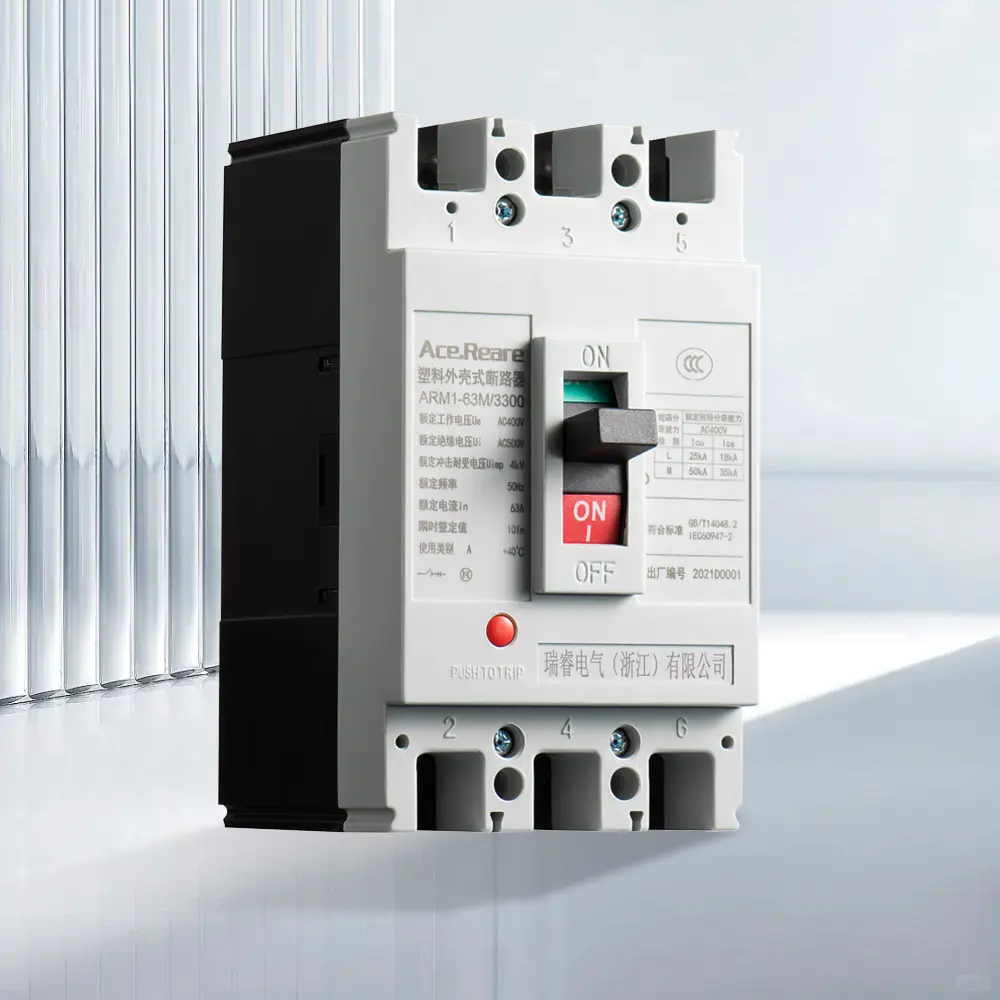
Our MCCB hardware components utilize cold-resistant structural alloys and specialized lubrication. They maintain mechanical elasticity and functional integrity at temperatures as low as -40°C, suitable for cold-storage logistics and sub-zero outdoor installations.
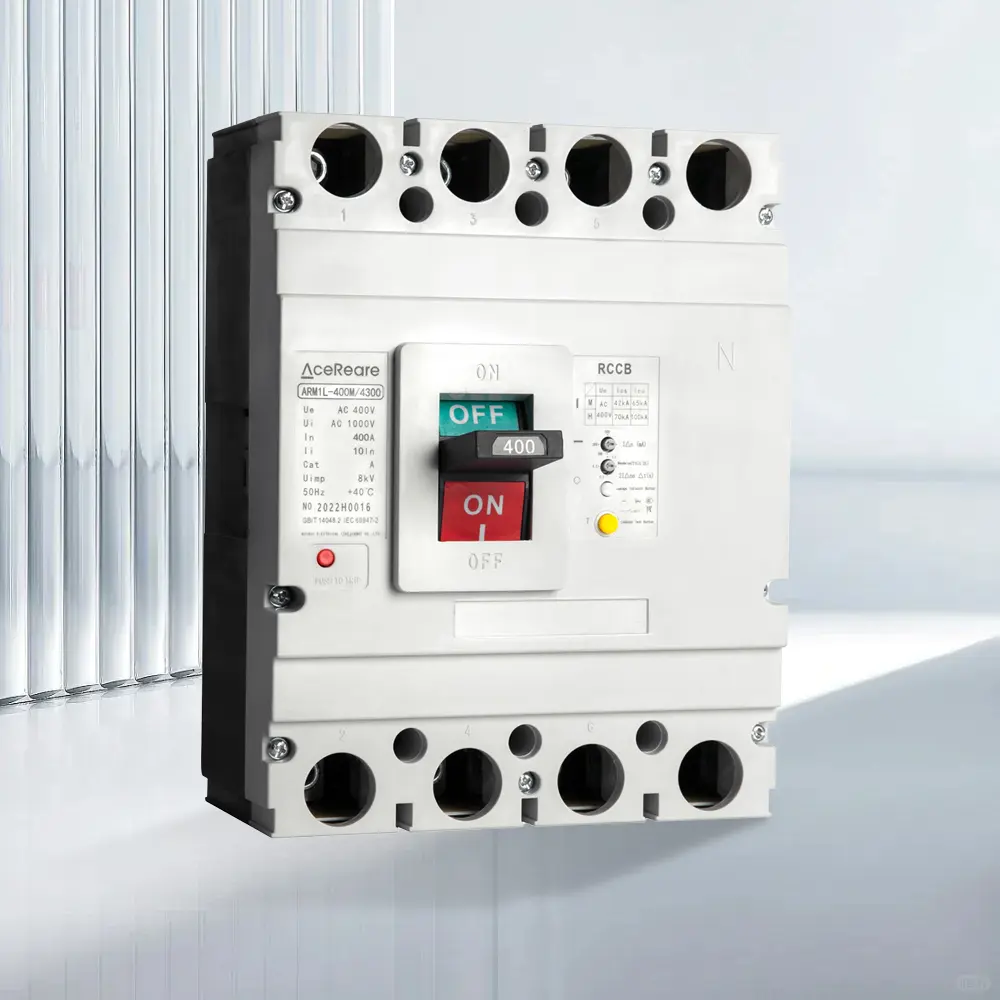
We perform 72-hour salt spray testing on fully assembled units and 48-hour testing on components. These parts are highly resistant to humid, saline marine environments, making them ideal for Nagoya port facilities and coastal industrial zones.
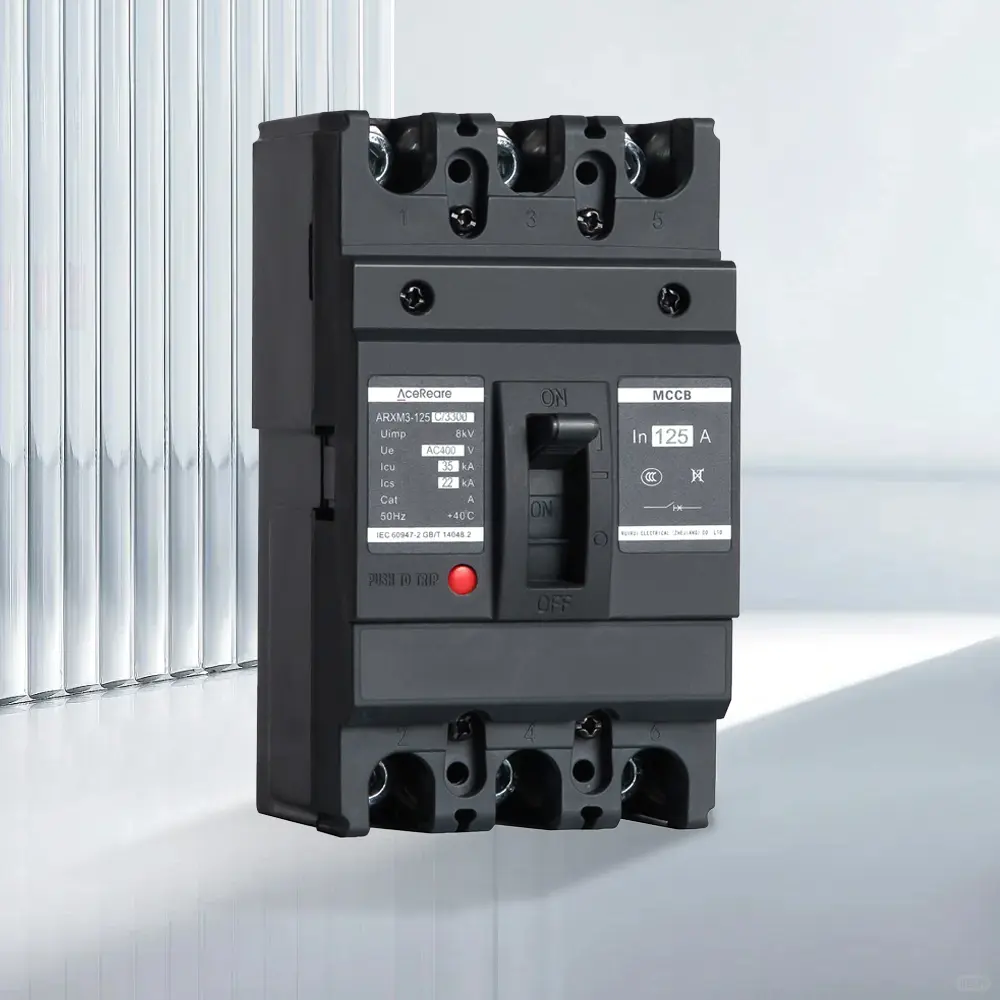
At operating altitudes exceeding 2000m, standard electrical clearances degrade. We modify die configurations to supply extended air gap dimensions, helping systems meet standard altitude derating curves with ease.
From custom engineering to automated component production, we serve your brand with efficiency and precision.
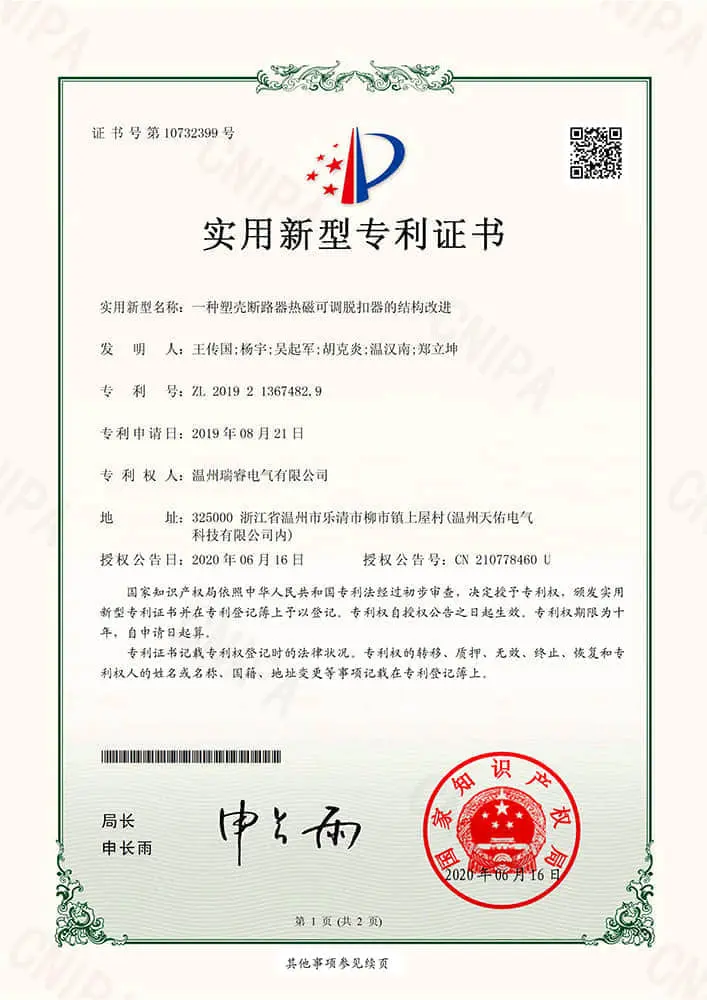
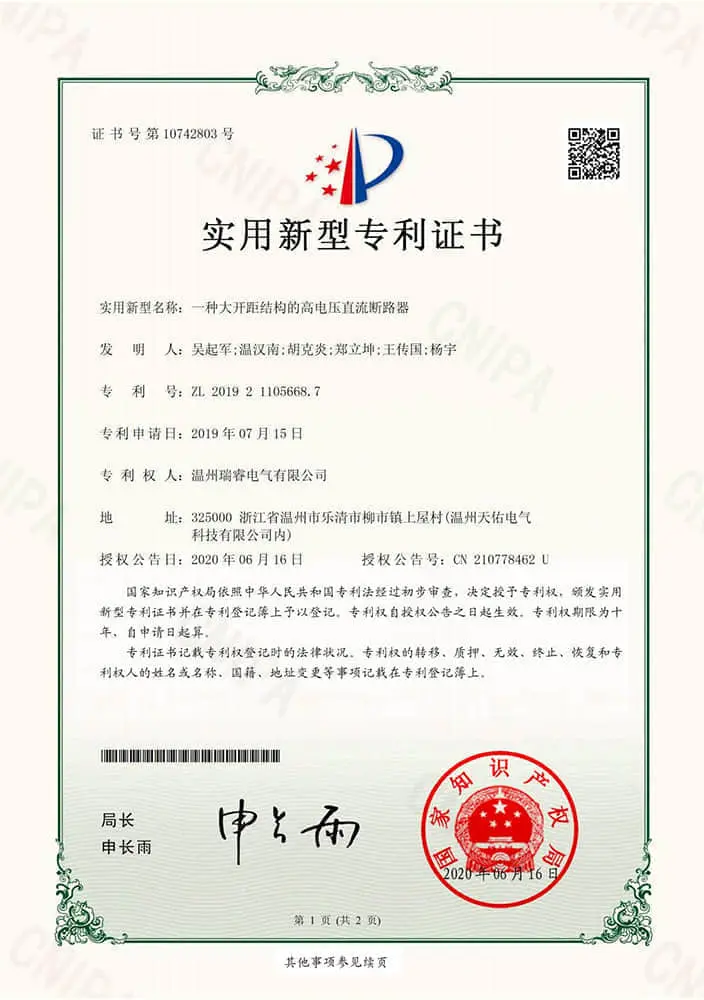
We maintain a rigorous quality assurance program backed by third-party testing and international certifications.
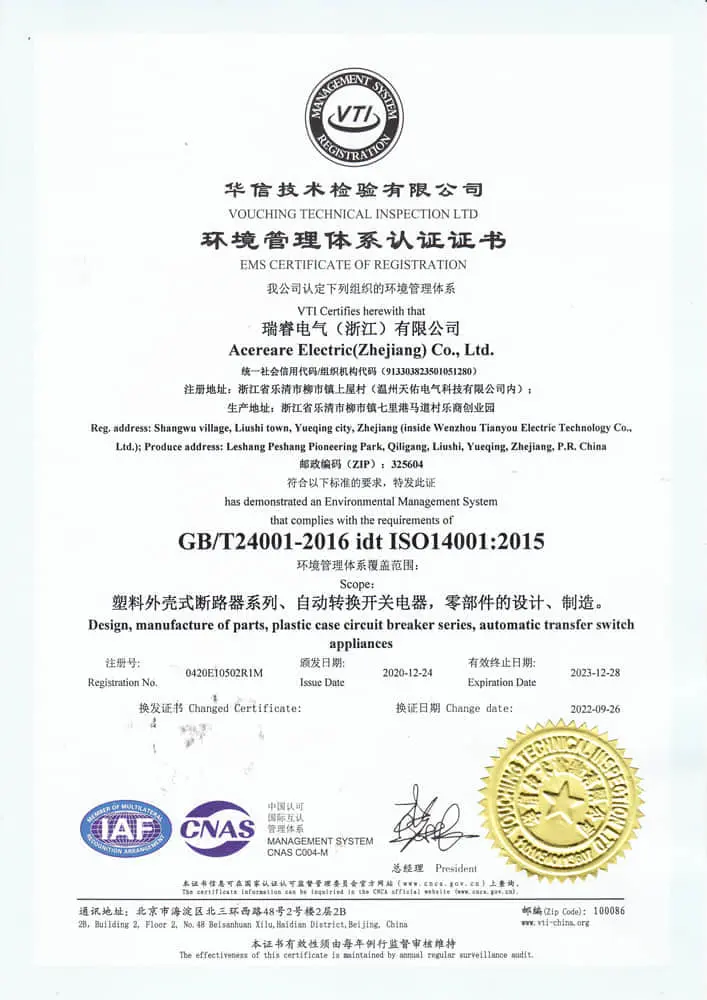
ISO 9001 Certification
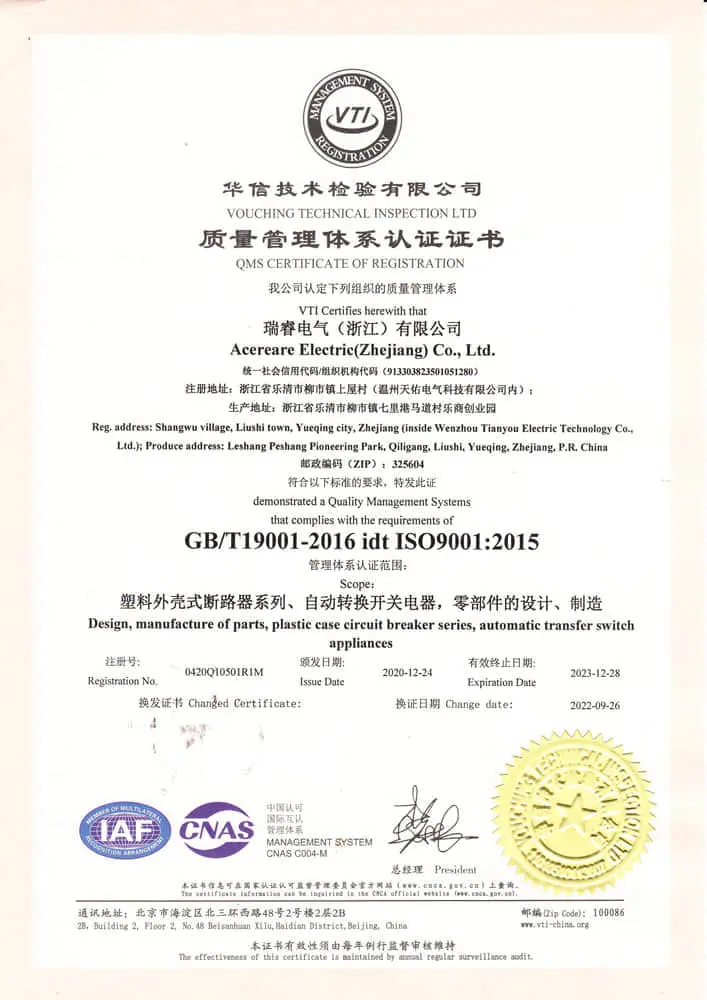
ISO 14001 Standards
CE Verification Compliance
CQC Quality Conformity
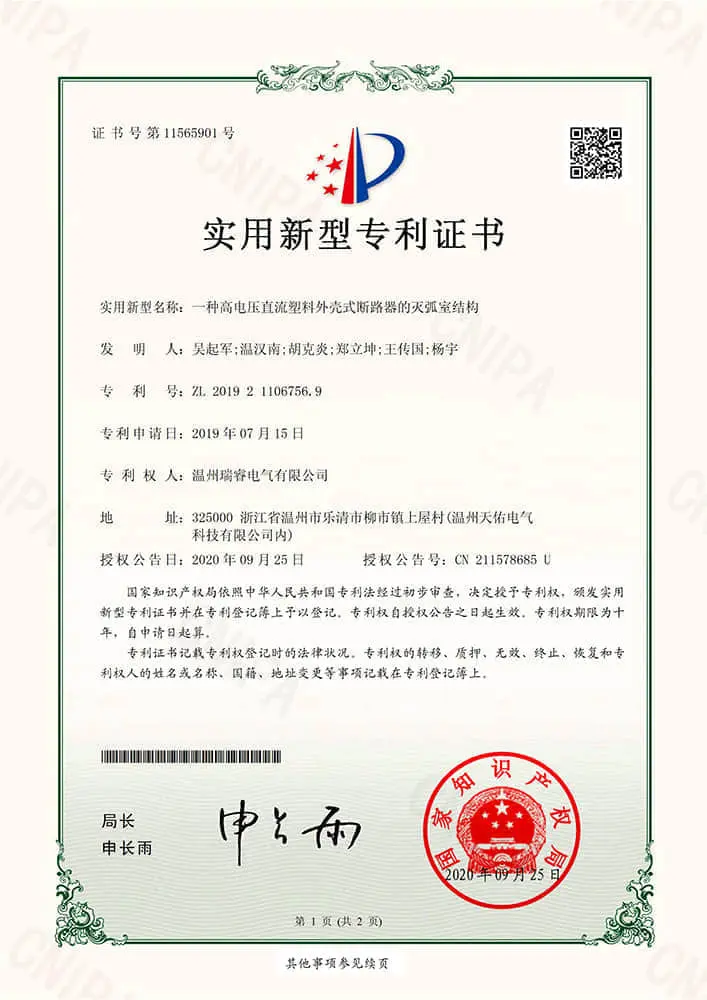
UL Testing Verification
Engineered for direct drop-in integration, upgrading plant safety networks, and expanding heavy industry infrastructure.
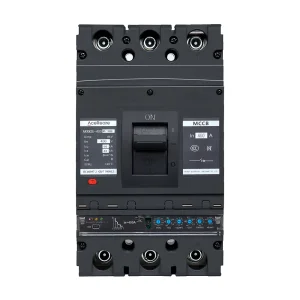
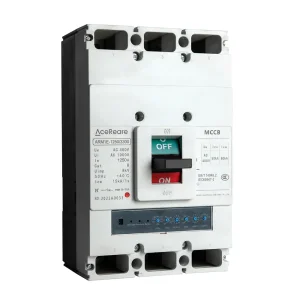
Providing clear answers to common technical, commercial, and logistical inquiries from Nagoya's engineering procurement departments.
Partner with a top-tier Chinese manufacturer with over two decades of electrical component engineering expertise. Get optimized pricing, high metallurgical reliability, and specialized design services tailored for Nagoya's industrial market.
Send Inquiry Now AceReare