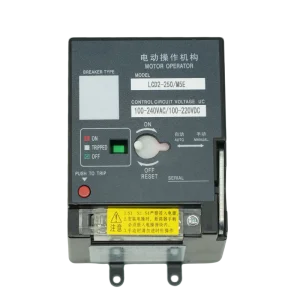
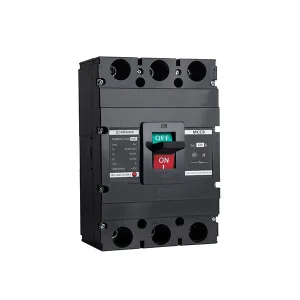
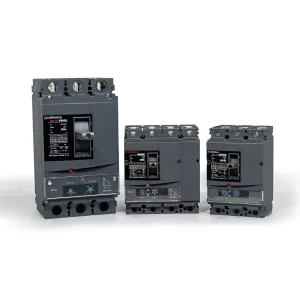
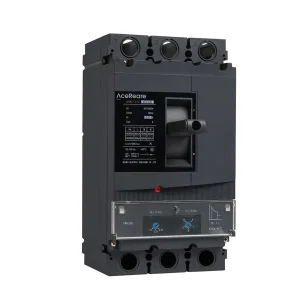
Engineered for heavy-duty industrial switchboards, infrastructure sub-panels, and solar applications throughout New Zealand.
New Zealand's electricity distribution network is undergoing a rapid, technology-driven evolution. With the national commitment to reaching 100% renewable electricity generation by 2030, localized grids, distribution networks, and industrial switchboards must adapt to bi-directional power flows, solar PV generation, and the electrification of high-capacity processes.
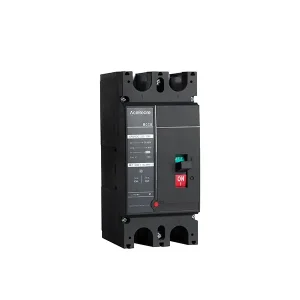
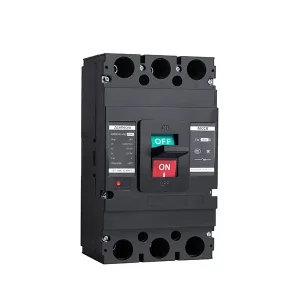
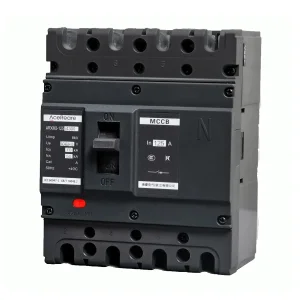
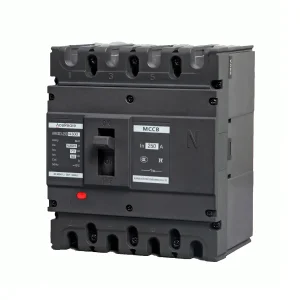
From the agricultural irrigation demands of Canterbury to the high-load industrial hubs of Auckland and Christchurch, stable power distribution relies heavily on high-breaking-capacity Molded Case Circuit Breakers (MCCBs) and intelligent Air Circuit Breakers (ACBs). Local switchgear builders must ensure their products adhere strictly to joint AS/NZS 60947 standards, ensuring safety, reliability, and ease of maintenance across remote substations and central urban nodes alike.
To support this transition, electrical suppliers must deliver solutions that not only survive harsh local environments—such as marine corrosion in port regions and sub-zero temperatures in the Southern Alps—but also integrate seamlessly with modern SCADA automation frameworks.

A professional original manufacturer integrating R&D, production, and sales since 2015.
Acereare Electric, founded in 2015, operates two wholly-owned subsidiaries: "RuiRui Electric" and "KeRui Electric". Specializing in molded case circuit breakers (MCCB), air circuit breakers (ACB), and premium copper/metal stamping components, we carry over 20 years of craftsmanship inherited across two generations. As a leading ODM manufacturer in China, our advanced factory ranks at the forefront of the industry, delivering custom electrical protection systems to engineering firms, solar developers, and switchboard builders globally.
One-stop production incorporating six core processing techniques, ultra-precision stamping equipment, and more than 10 automated assembly lines.
A team of 50+ engineers utilizing advanced 3D mold rendering software to launch over 50 new protective device designs annually.
Dual factories running synchronized ERP and U8 software management, linking component fabrication directly to final assembly timelines.
An in-house testing lab featuring 150+ instrumentation setups. Quality monitoring driven via PLM, BI, ERP, and MES software.
Our products are engineered to operate in the most demanding climatic zones in New Zealand.
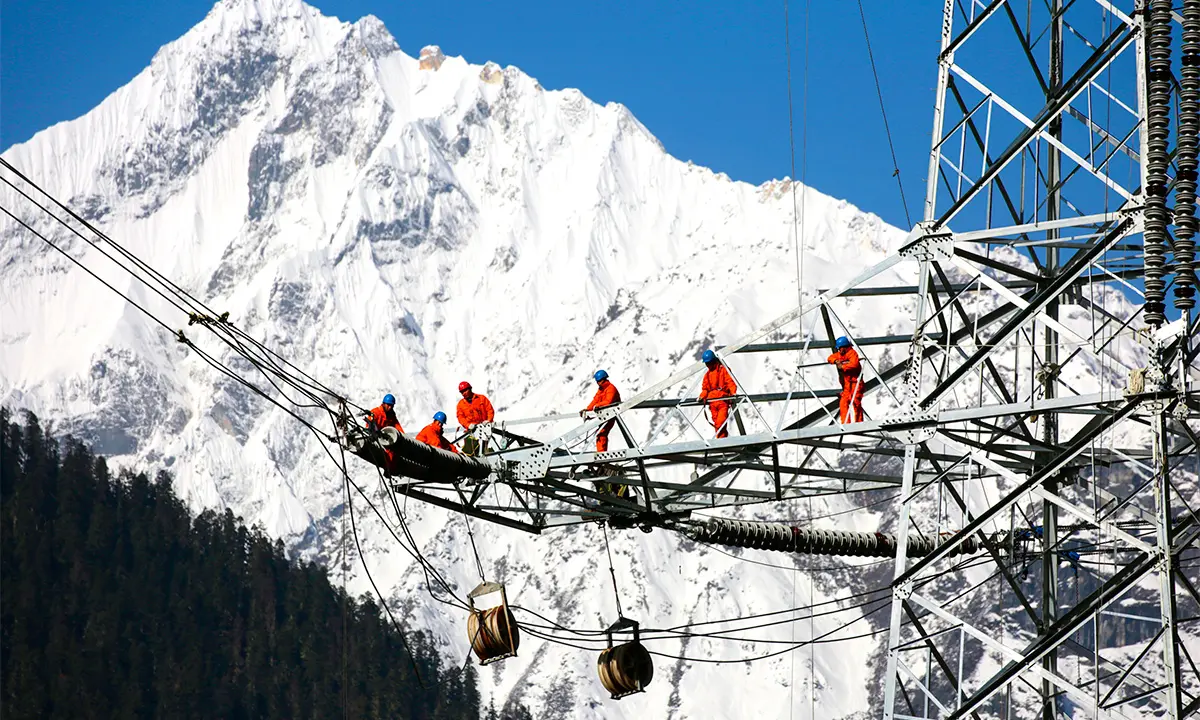
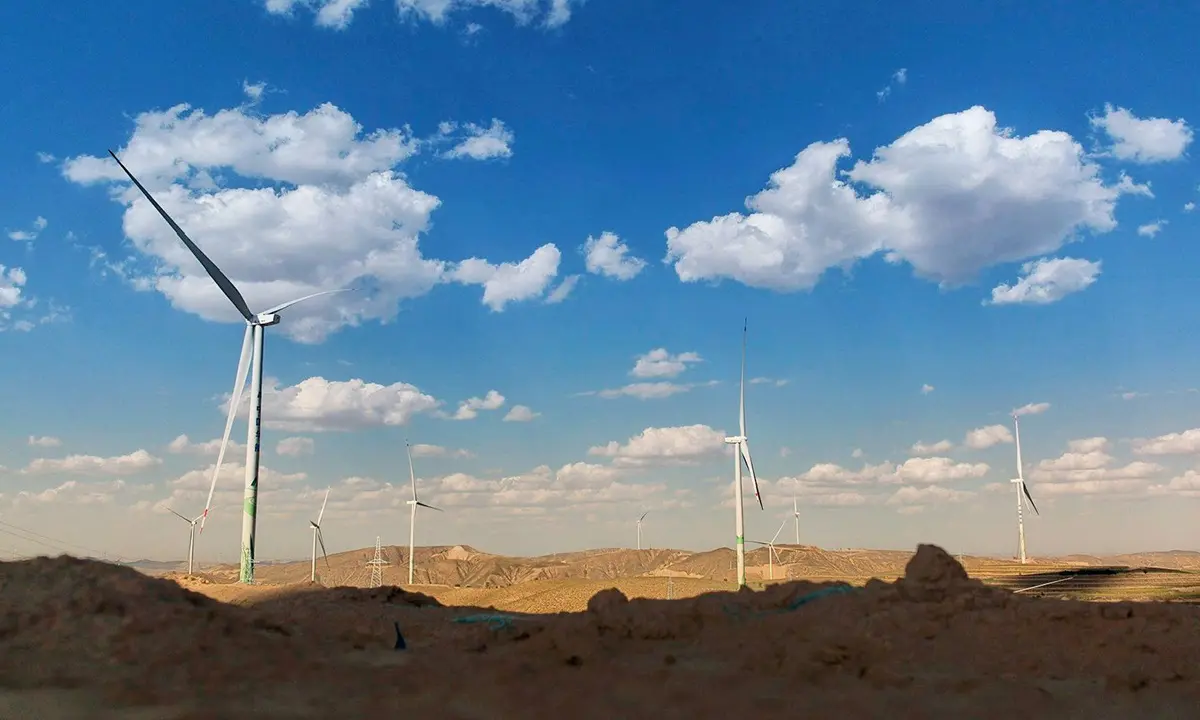
Utilizes advanced low-temperature lubricants and specialized thermal-expansion-matched plastics, with full low-temperature test certification down to -40℃. Ideal for alpine pump systems and wind arrays in Otago and the Southern Alps.

Designed with specialized plating layers and moisture barrier resins. Built to prevent tracking faults in salt-mist-heavy coastal regions, supporting ports and marine assets in Auckland, Wellington, and Lyttelton.
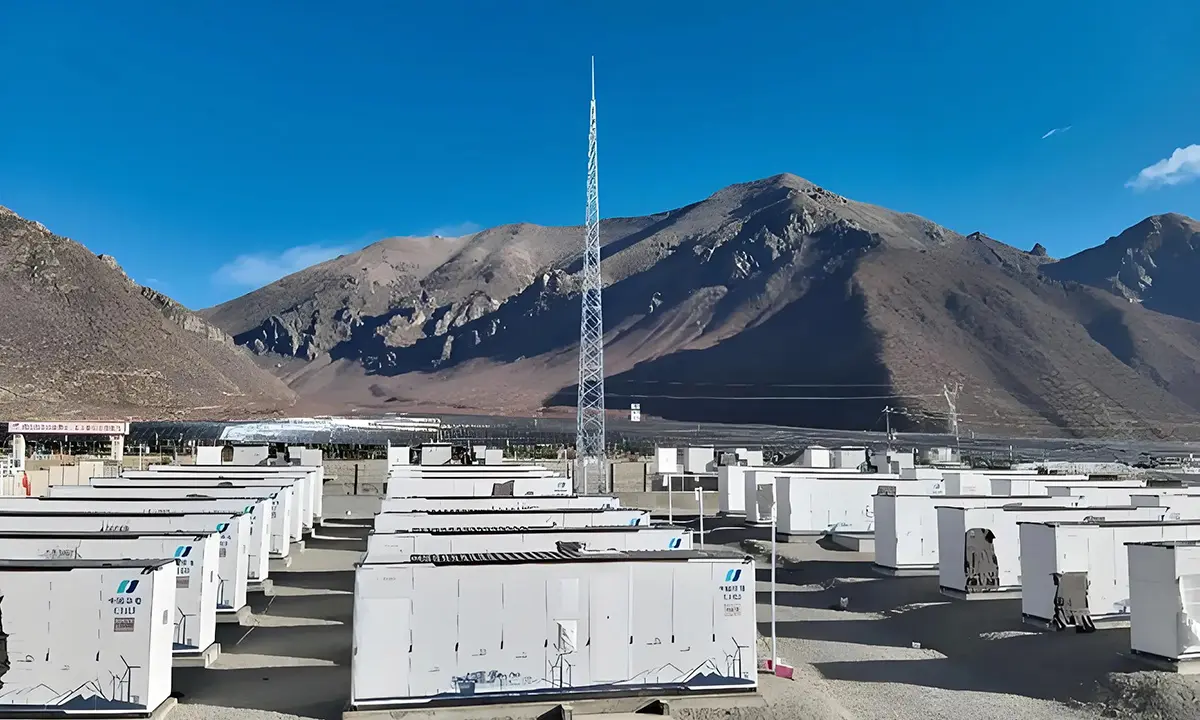
Engineered for installations exceeding 2000m. Clear derating tables specify modifications to dielectric capacity and heat dissipation parameters, ensuring stable performance in mountain telecom nodes.
Offers high flexibility and mechanical endurance, protecting sensitive downstream electronics against grid-level surges, overloads, and short circuits in modern residential and light commercial builds.
Our constant-temperature laboratories (55℃) verify safety profiles for localized high-heat plant rooms, heavy manufacturing centers, and high-ambient enclosed switchgear installations.
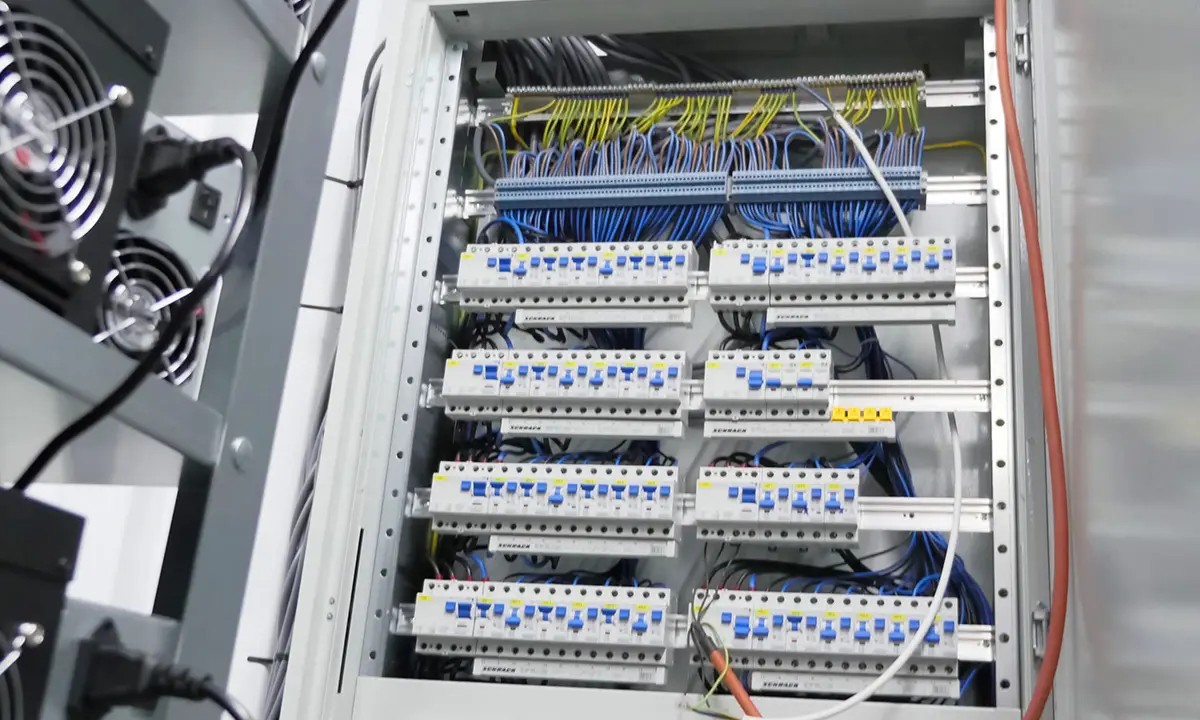
Supports edge-computing communication nodes, offering high-accuracy voltage and current telemetry to feed directly into SCADA networks for automated energy management.
Enabling remote control, selective protection, and automated switchgear networks.
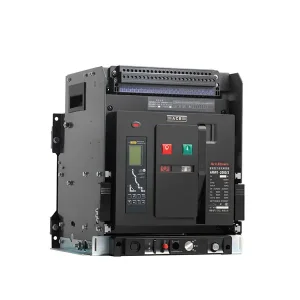
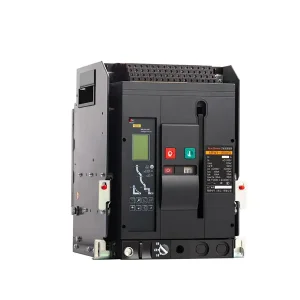
The ARW1 series intelligent Air Circuit Breaker (ACB) is applicable to AC 50Hz networks with rated voltages up to 690V and currents spanning 400A to 6300A. Integrating dual-way digital modems, it provides high-precision fault protection while supporting remote sensing, remote adjusting, remote controlling, and remote signaling functionalities.
Accelerating product development cycles for New Zealand distributor partners.
Strict testing protocols ensure our components satisfy international safety baselines.
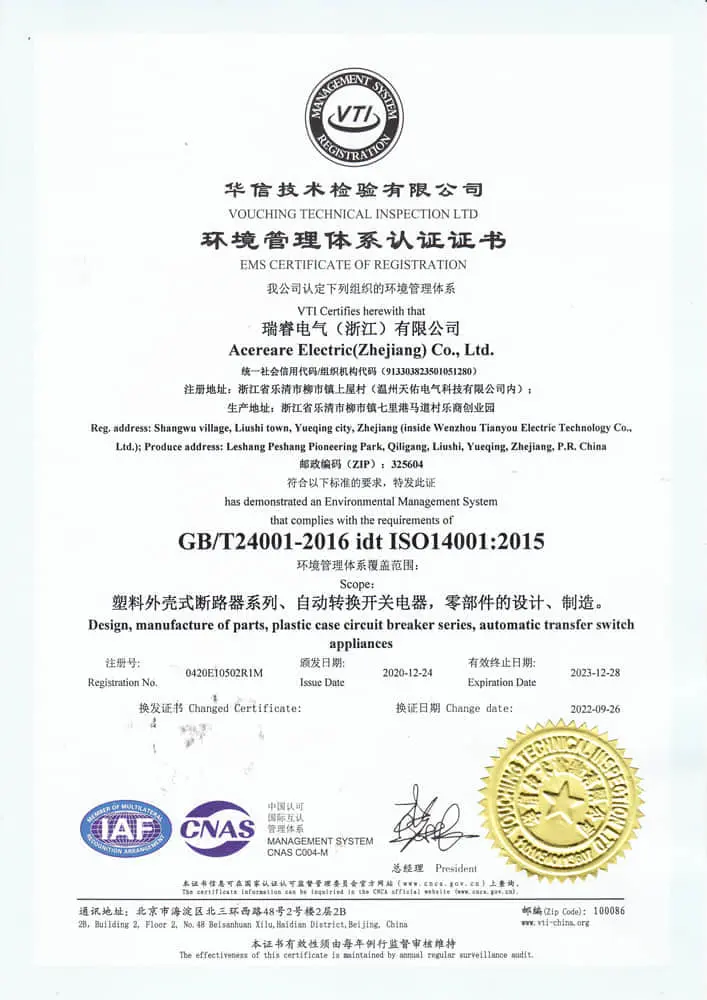
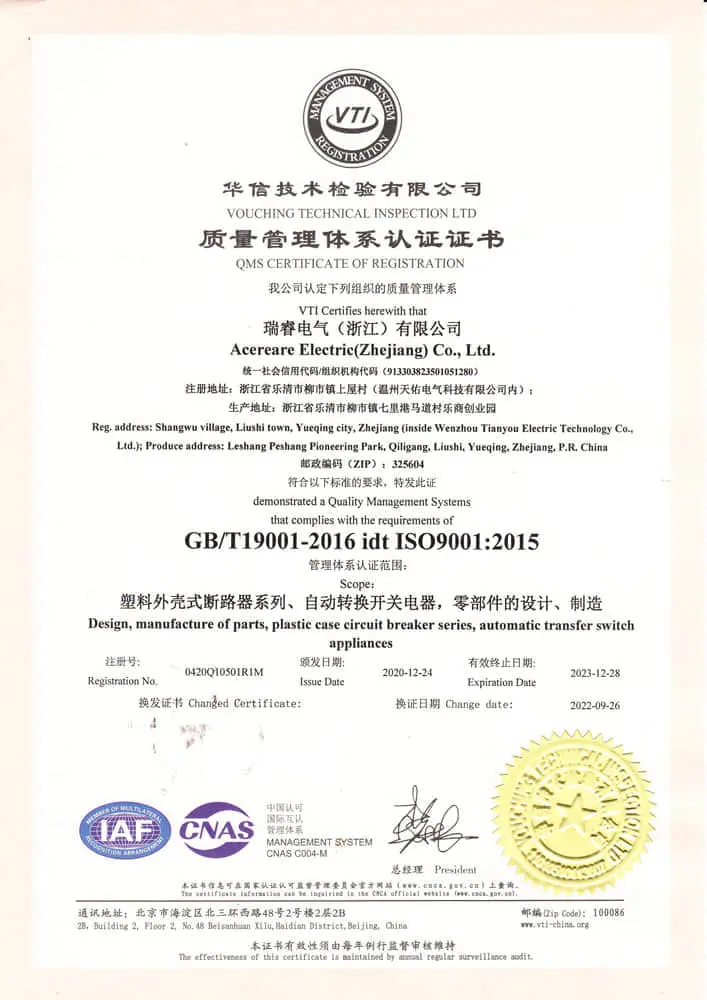
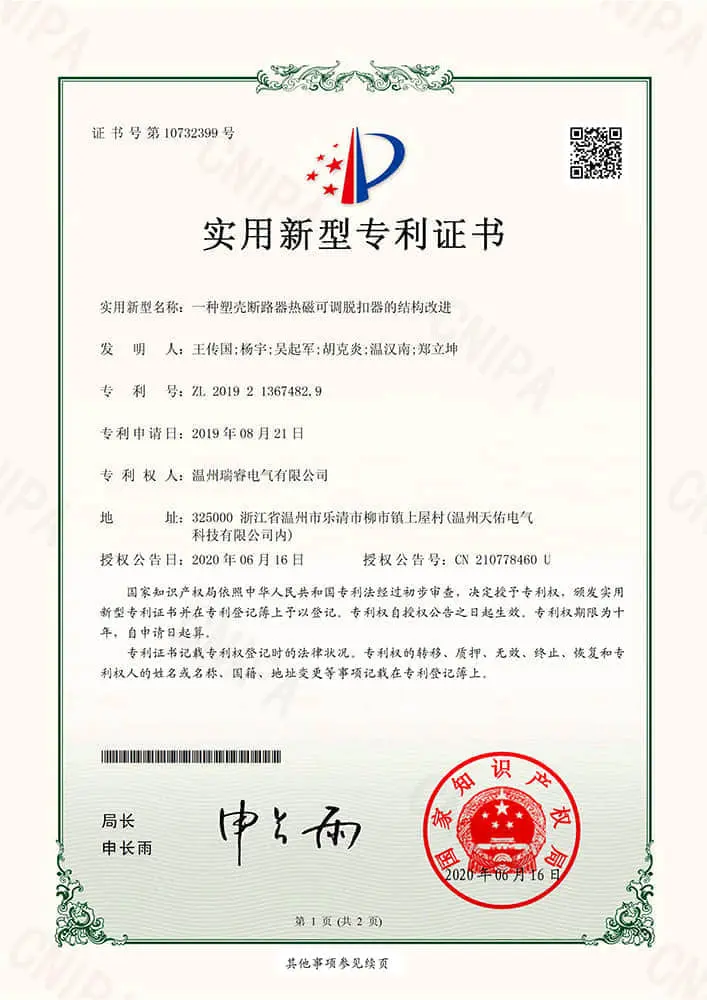
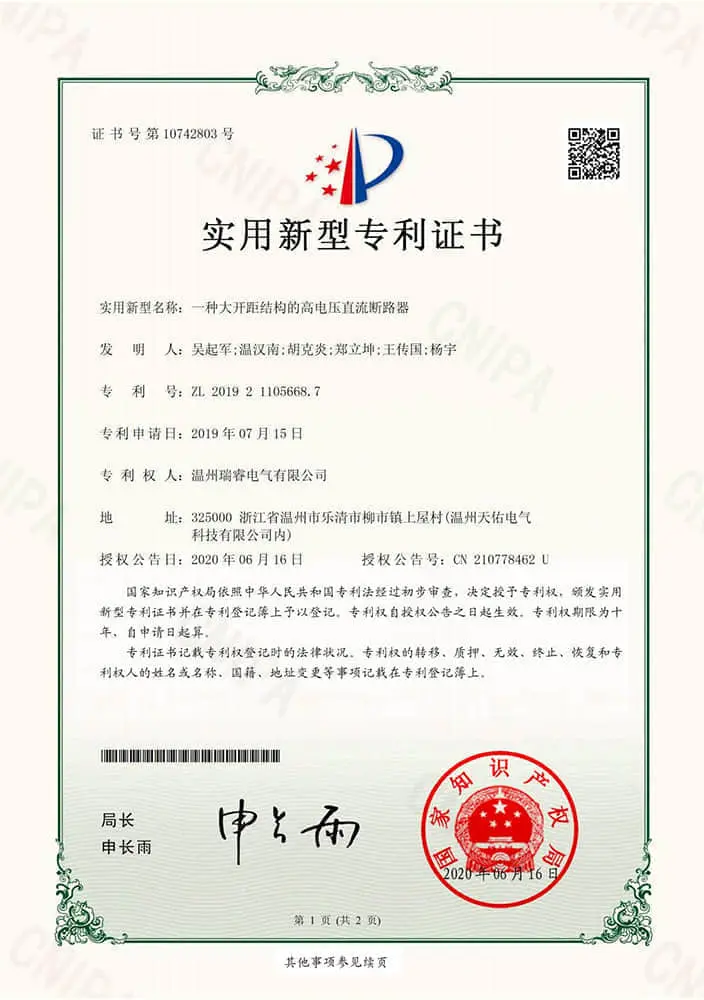
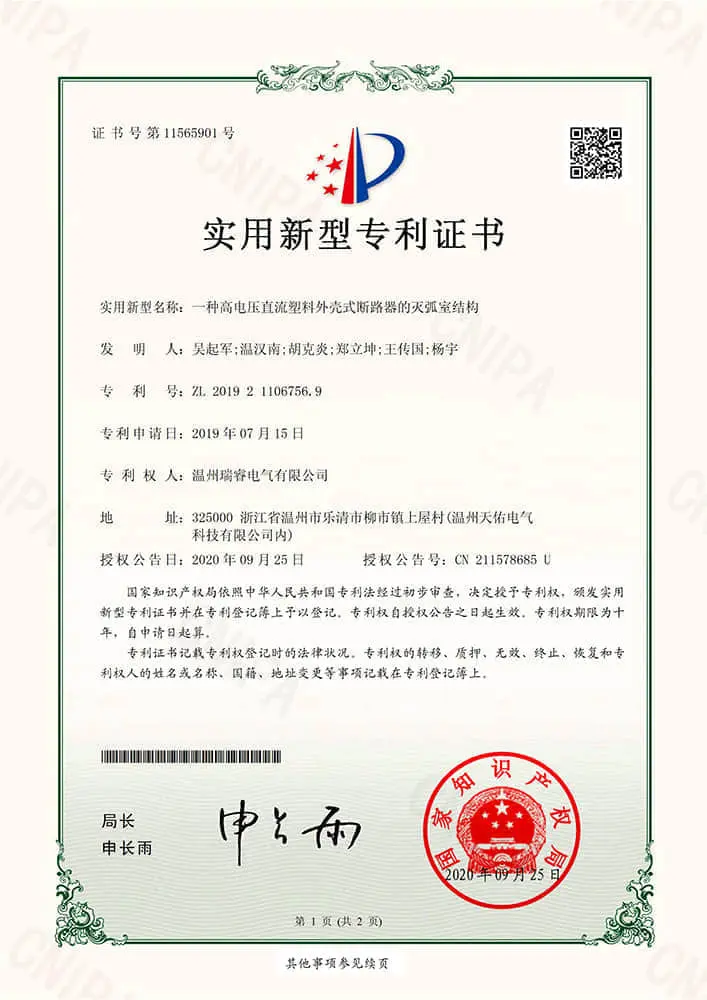
A comprehensive range of switchboard protection and utility-scale solar system components.
Switchboard manufacturing and low-voltage electrical distribution design in New Zealand are governed by precise standards, primarily AS/NZS 60947 (for switchgear and controlgear) and AS/NZS 3000 (the Electrical Installations, or "Wiring Rules"). When sourcing Molded Case Circuit Breakers (MCCBs) and Air Circuit Breakers (ACBs), procurement officers and consulting engineers must verify that the components are compliant with these requirements. Acereare Group's full catalog is built with international standards in mind, ensuring compatibility and compliance for New Zealand infrastructure projects.
The transition from fossil-fuel-powered boilers to high-capacity industrial electrode boilers in regional centers like Canterbury, Waikato, and Southland demands a robust electrical infrastructure. These processing units draw massive, continuous loads, increasing electrical and thermal stress inside distribution switchboards. Sourcing breakers with high thermal stability (such as our 55℃ factory-tested units) and reliable contact structures (incorporating silver plating for minimal contact resistance) is critical to preventing thermal runaways and ensuring plant safety.
With utility-scale solar developments expanding across both the North and South Islands, protecting high-voltage DC arrays is a key design priority. Standard AC circuit breakers are unsuitable for interrupting DC fault currents due to the absence of natural zero-crossing points. Our ARM6DC series (supporting 700VDC, 1000VDC, and 1500VDC applications at 250A) is engineered specifically to manage these demands. They feature optimized arc-extinguishing chambers to quickly quench high-energy DC arcs, protecting solar inverter systems and surrounding switchgear.
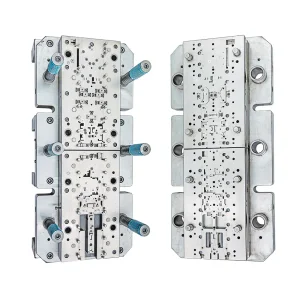
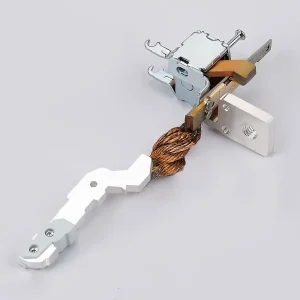
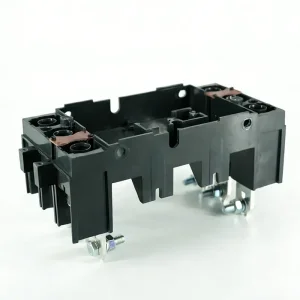
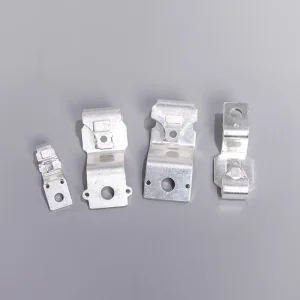
Logistical isolation can present challenges for switchboard builders in Auckland, Wellington, and Lyttelton. Long transit times for complete units can stall construction phases. To address this, Acereare Group offers flexible sourcing options: we supply both finished MCCBs and high-precision replacement sub-assemblies, including silver-plated contacts, moving contact systems, and molded outer chassis components. This allows regional manufacturers to source essential replacement parts directly, reducing downtime and optimizing maintenance schedules.
Common compliance and design questions for New Zealand projects.
Yes. Our circuit breakers are designed and certified in compliance with the IEC 60947 series, which serves as the foundation for the AS/NZS 60947 joint standards in Australia and New Zealand. Detailed type-test documentation is available upon request to assist with local design reviews and sign-offs.
For installations situated above 2,000 meters, thin air reduces thermal dissipation capacity and dielectric strength. In these scenarios, the rated current and operating voltage must be derated. We provide technical tables to calculate the exact adjustment factors for these elevations.
Standard circuit breakers can experience issues in freezing temperatures, as standard lubricants can solidify, leading to slower trip responses. Acereare's low-temperature units utilize specialized low-temperature lubricants and composite housing resins designed to operate reliably down to -40℃. This makes them suitable for installation in alpine regions and colder southern areas.
High relative humidity and atmospheric salt can accelerate corrosion on vital internal copper contacts. Our switchboard circuit breakers undergo specialized plating processes and are verified via 72-hour salt spray testing on complete units. This helps prevent contact degradation and tracking faults in coastal developments.
Yes. To accommodate varying space requirements within industrial boards, we supply both Front-Plug-in and Back-Plug-in mounting formats. This allows switchboard builders to design compact systems while maintaining easy access for maintenance.
 AceReare