Founded officially in 2015, Acereare Electric has consolidated its position as a preeminent ODM/OEM original manufacturer in the low-voltage electrical circuit breaker industry. With two wholly-owned production subsidiaries, "RuiRui Electric" and "KeRui Electric", our enterprise is built upon over 20 years of manufacturing heritage, passed down and refined across two generations.
We specialize in the end-to-end design, tooling, production, and verification of molded case circuit breakers (MCCB), air circuit breakers (ACB), and premium-grade metal/structural components. Operating out of China's advanced manufacturing hubs, Acereare has built strategic OEM partnerships with nearly 100 high-end domestic and global brands.

Analyzing the paradigm shift from 3-Pole systems to robust, safety-first 4-Pole isolation in commercial and modern industrial grid structures.
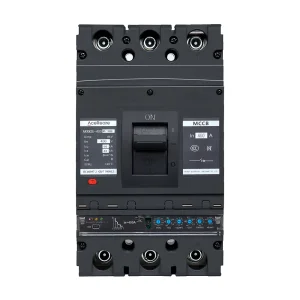
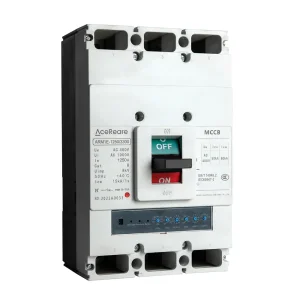
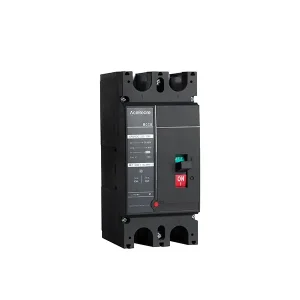
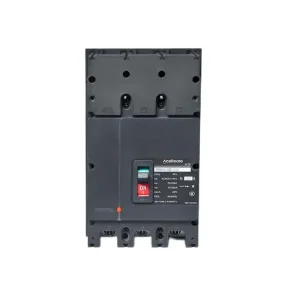
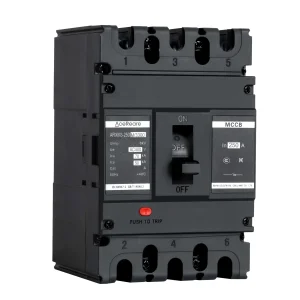
With the rise of nonlinear loads (such as variable frequency drives, switching power supplies, and LED lighting networks), triplen harmonics accumulate on the neutral conductor. Modern 4-pole MCCBs provide physical isolation and overload monitoring on the neutral pole, mitigating fire hazards caused by neutral overheating.
For operations employing dual-source switching schemes (such as Utility-to-Generator transfers via Automatic Transfer Switches), utilizing a 4-pole circuit breaker ensures total isolation of the neutral system. This prevents stray currents and circular ground faults from triggering false ground-fault relays.
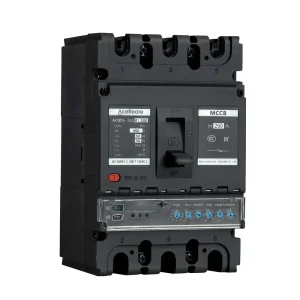
Regulatory mandates like IEC 60364-4-41 require strict protection against electric shock. Advanced 4-pole breakers integrate microcontroller units (MCUs) to handle bidirectional energy monitoring, making them perfect for microgrids containing solar generation, BESS, and EV charging points.
Inside Acereare's high-tech production infrastructure: Where automation, data synchronization, and rigorous testing guarantee system reliability.

Acereare operates two manufacturing facilities that handle everything from raw metal stamping to finished machine assemblies. This layout minimizes dependence on external parts suppliers and controls cost fluctuations.
Our production pipeline is governed by unified enterprise resource planning software, specifically ERP and U8, linking scheduling, inventory, and dispatch. We use professional quality systems like PLM, BI, and MES to monitor each circuit breaker's test data from raw copper contacts to the final high-current calibration bench.
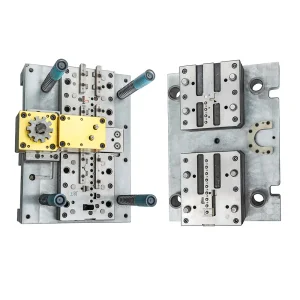
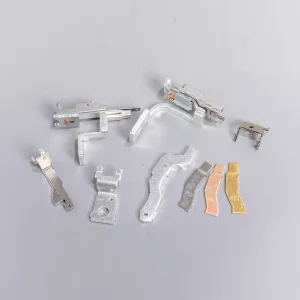
Our in-house stamping workshop utilizes automated progress tooling dies to construct high-conductivity copper terminal blocks and moving contacts, ensuring dimensional tolerance down to ±0.02mm.
Every single thermal-magnetic and electronic trip unit is calibrated on micro-step testing units to guarantee tripping tolerances align with IEC and GB standards.
Equipped with over 150 testing devices, our laboratory handles thermal rise tests, mechanical endurance testing, and dielectric properties analysis, directed by over 20 certified testing inspectors.
With more than 10 manual and automated assembly lines, we adapt our output to support both large-scale standard orders and specialized batch customizations.
Acereare's engineering team modifies standard circuit breaker characteristics to fit extreme ambient conditions worldwide.
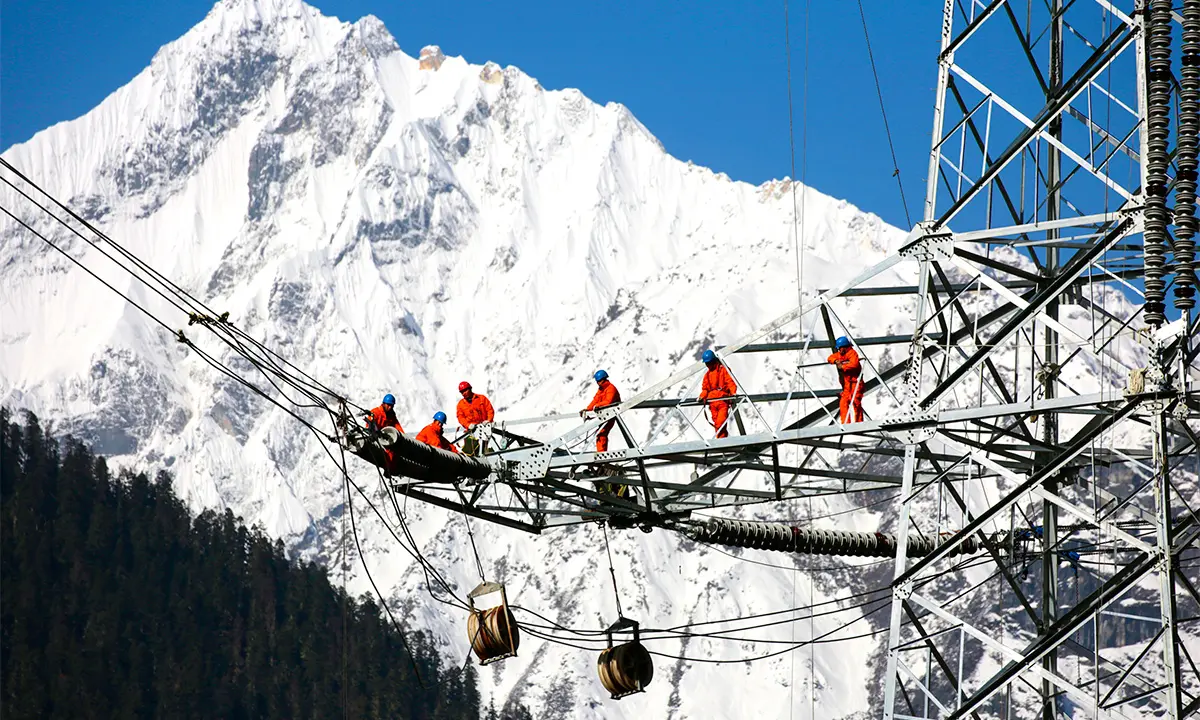
Standard plastics and lubricants fail in sub-zero environments, leading to mechanism seizure. Acereare integrates low-temperature-resistant engineering polymers and low-viscosity greases, validated through our extreme cold chamber testing down to -40°C. Perfect for polar wind installations and industrial cold-chain terminals.

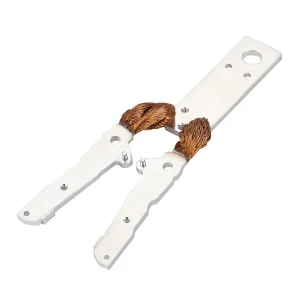
Marine environments accelerate corrosion of metallic current paths. We run standard salt spray testing protocols (72 hours on fully-assembled units, 48 hours on internal components) and apply heavy passivation coatings to copper parts. Our 4-pole breakers protect shore power connections and offshore marine structures against high humidity and salt ingress.
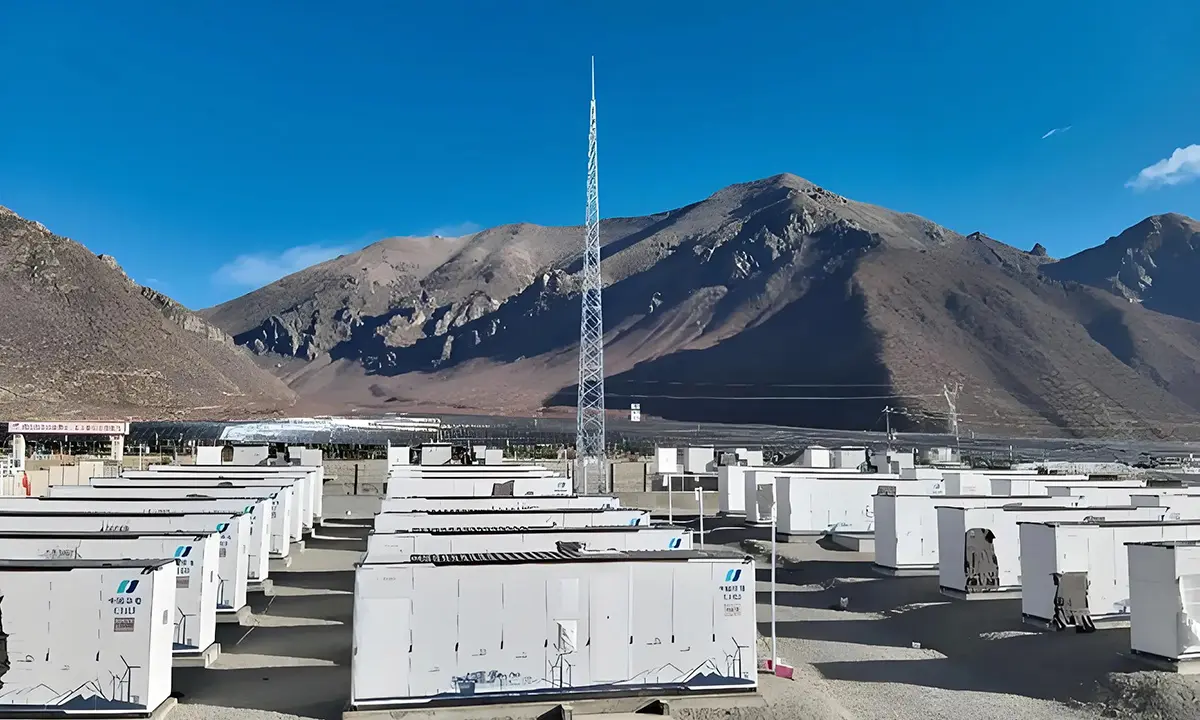
At high altitudes, thin air reduces heat dissipation capabilities and dielectric strength. Acereare supplies specific engineering derating charts and structural spacing configurations to ensure safe operations above 2,000 meters in mountainous mining and industrial sites.

4-pole MCCBs are deployed in main incoming distribution boards for luxury residences, commercial complexes, and retail centers to prevent phase overloads, ground faults, and neutral floating. These units help maintain continuous operation of elevators, HVAC units, and emergency escape lighting systems.
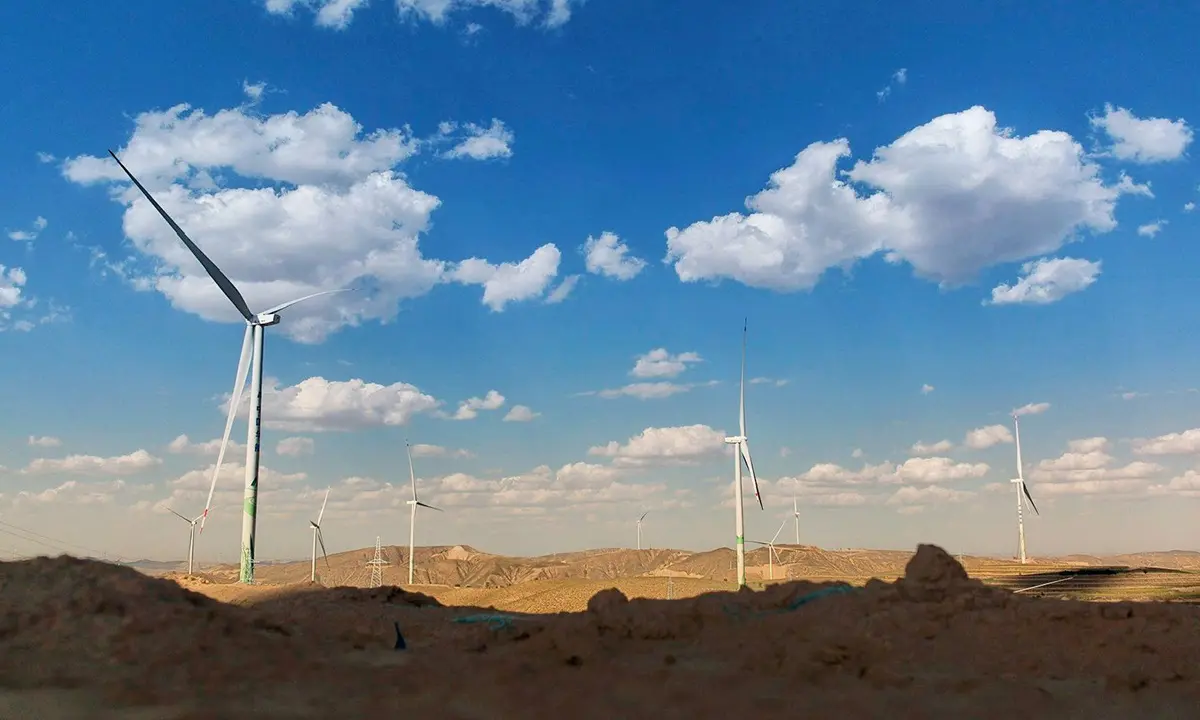
In high ambient temperature areas (such as steel mills or desert PV stations), circuit breakers can trip prematurely. Acereare conducts test cycles in our 55°C climate control chambers, employing thermal-resistant outer casings and special thermal barriers to keep internal assemblies stable.
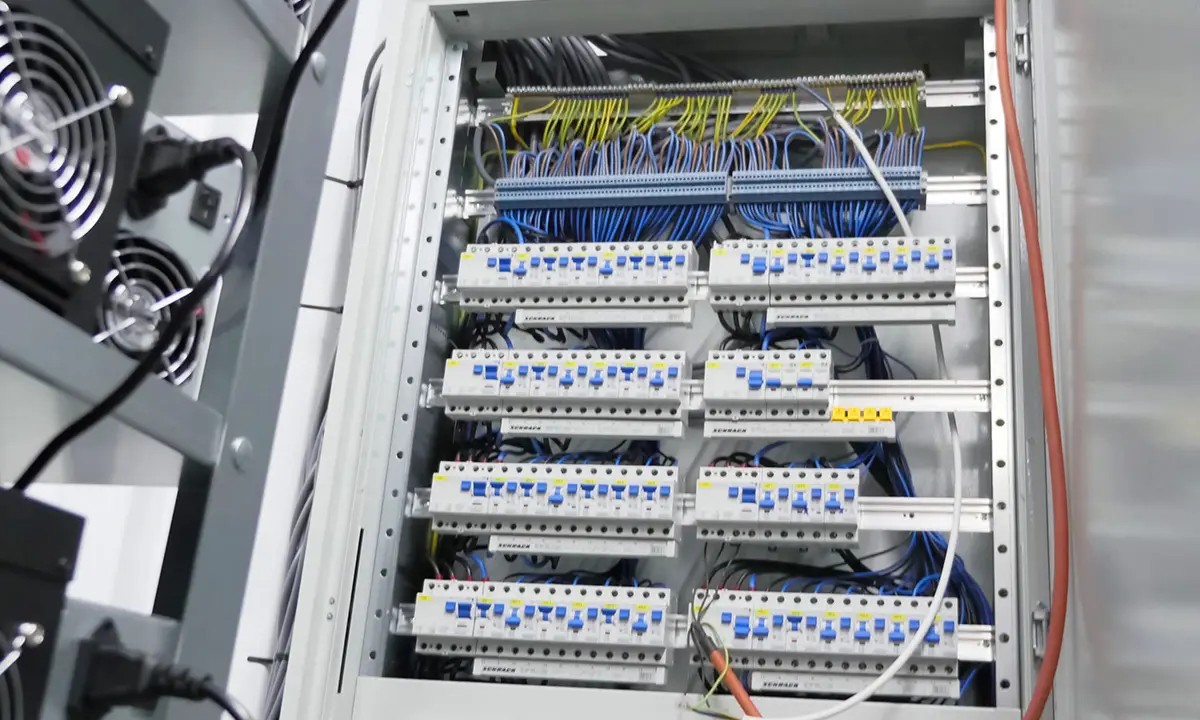
These advanced digital MCCBs include real-time circuit metering, telemetry, command inputs, and edge computing capability. They measure electrical values with high accuracy and communicate via Modbus/Ethernet, forming a vital component of automated power systems.
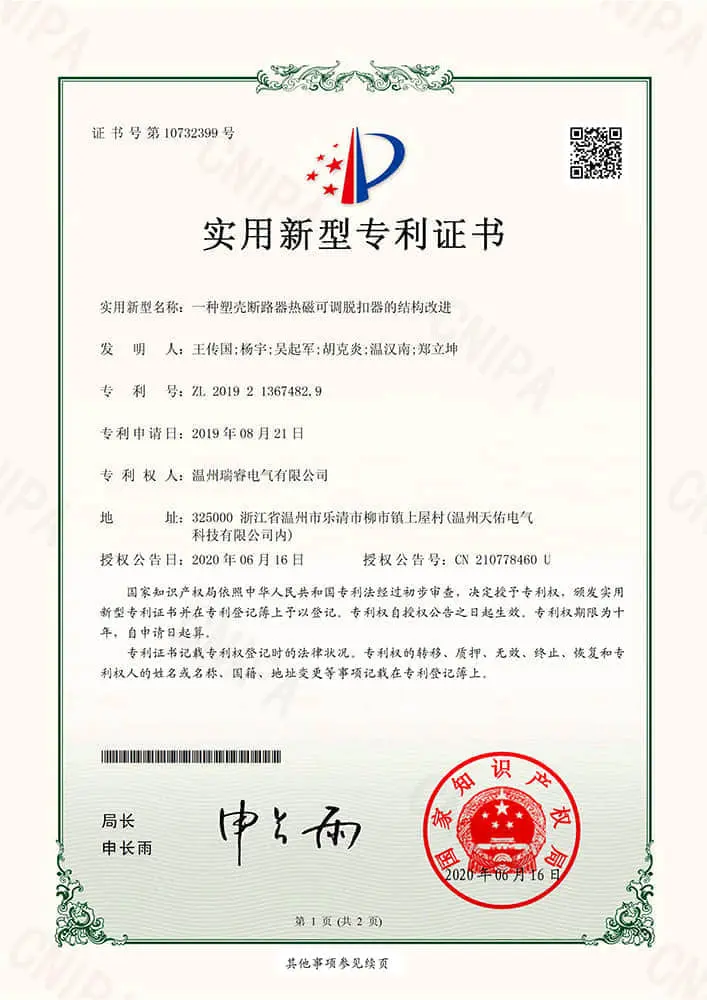
Acereare's manufacturing facilities are certified to international electrical standards, ensuring smooth integration into systems worldwide.
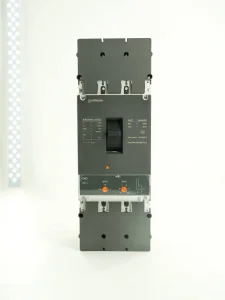
We supply a diverse array of circuit protection models engineered for complex industrial grid environments:







We supply custom molding, laser branding, packaging designs, and compliance testing documentation to build and secure your brand's reputation.
Identify electrical loads, current curves, and standard specifications.
Confirm drawings, trip unit settings, and custom options.
Formalize unit prices, lead times, and QC metrics.
Execute parts stamping, calibration, and test bench verification.
Organize export clearance, shipping, and supply tracking updates.
In-depth answers to common questions about 4-pole MCCB selection, thermal characteristics, and compliance criteria.
A true 4-pole MCCB features a dedicated fourth pole for the neutral conductor, which is physically housed inside the breaker case. This neutral pole can be configured with or without overload and short-circuit protection devices (often adjustable to 0%, 50%, or 100% of the phase protection settings). In contrast, a 3-pole + Neutral setup relies on a solid copper bar for the neutral line, which does not disconnect under fault conditions. 4-pole breakers provide complete isolation, breaking the neutral pole simultaneously with the phase lines to prevent shocks from floating neutral voltages.
For installations situated above 2,000 meters, the low density of the air reduces both its heat dissipation and dielectric insulation capabilities. Therefore, MCCB configurations must be adjusted using a high-altitude derating table. The operational current and voltage settings are adjusted downward to avoid overheating and dielectric breakdown. Our team provides precise derating tables to assist clients with high-altitude system designs.
The salt spray test replicates corrosion rates in coastal, offshore, and marine shipping terminal applications. Exposure to salty air accelerates oxidation of critical components, including copper terminals, braids, and springs. Ensuring components can withstand a 72-hour test for complete assemblies and 48 hours for semi-assemblies confirms they can maintain low contact resistance and prevent system failures in harsh environments.
LSIG electronic trip units use microcontrollers to monitor load currents and offer adjustable parameters for Long-time delay (L), Short-time delay (S), Instantaneous pickup (I), and Ground fault protection (G). This programmability allows engineers to set precise time-current curves, ensuring selective coordination between upstream and downstream breakers. Thermal-magnetic releases, while reliable and cost-effective, operate on bimetallic deflection and electromagnetic coils, which offer less flexibility for tuning system coordination.
 AceReare