Explore our premium, certified industrial circuit breakers engineered for high-voltage robustness, smart grid functionality, and optimal reliability.
Founded officially in 2015, Acereare Electric inherits more than 20 years of craftsmanship passed down through two generations of engineering leaders. By operating two wholly-owned subsidiaries, "RuiRui Electric" and "KeRui Electric", we have built an integrated ecosystem for research, development, assembly, and quality assurance.
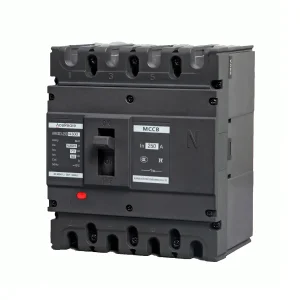
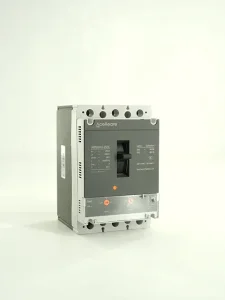
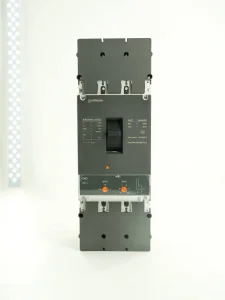
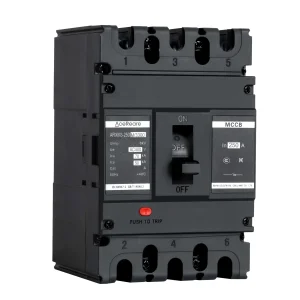
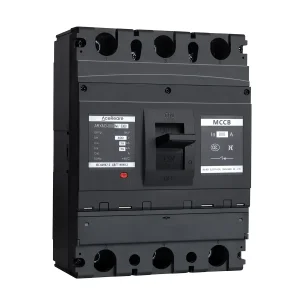
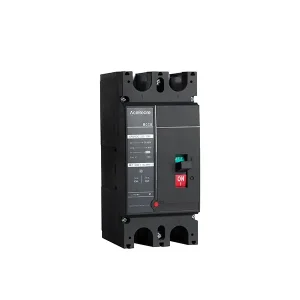
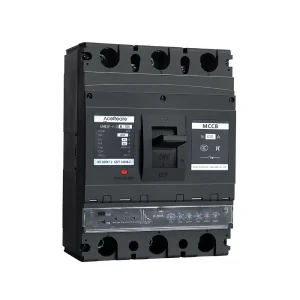
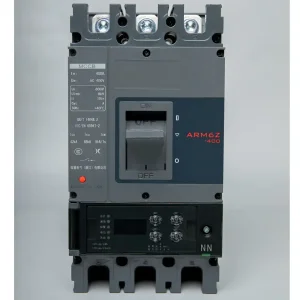
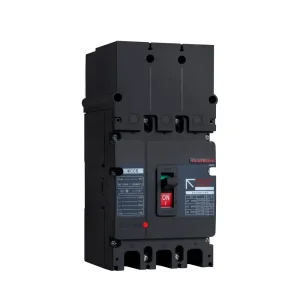
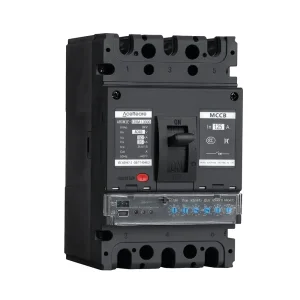
As a leading original equipment manufacturer (OEM) and original design manufacturer (ODM), Acereare Electric ranks among the top circuit breaker factories in China. We specialize in producing Molded Case Circuit Breakers (MCCB), Air Circuit Breakers (ACB), and auxiliary components for global power networks, providing high-precision protection to smart grids, industrial facilities, and clean energy projects.
R&D Engineers
Factory Workers
Annual Sales (RMB)

Key drivers changing the technological landscape of electrical circuit protection.
The global push for carbon neutrality has increased demand for high-voltage DC protection systems. Photovoltaic solar generation networks require specialized MCCBs capable of handling voltages up to 1500VDC to ensure clean power transitions securely.
Traditional thermal-magnetic trip units are giving way to electronic circuit breakers with built-in LSIG controllers and LCD screens. Real-time edge data collection and remote execution allow operators to manage grid loads remotely.
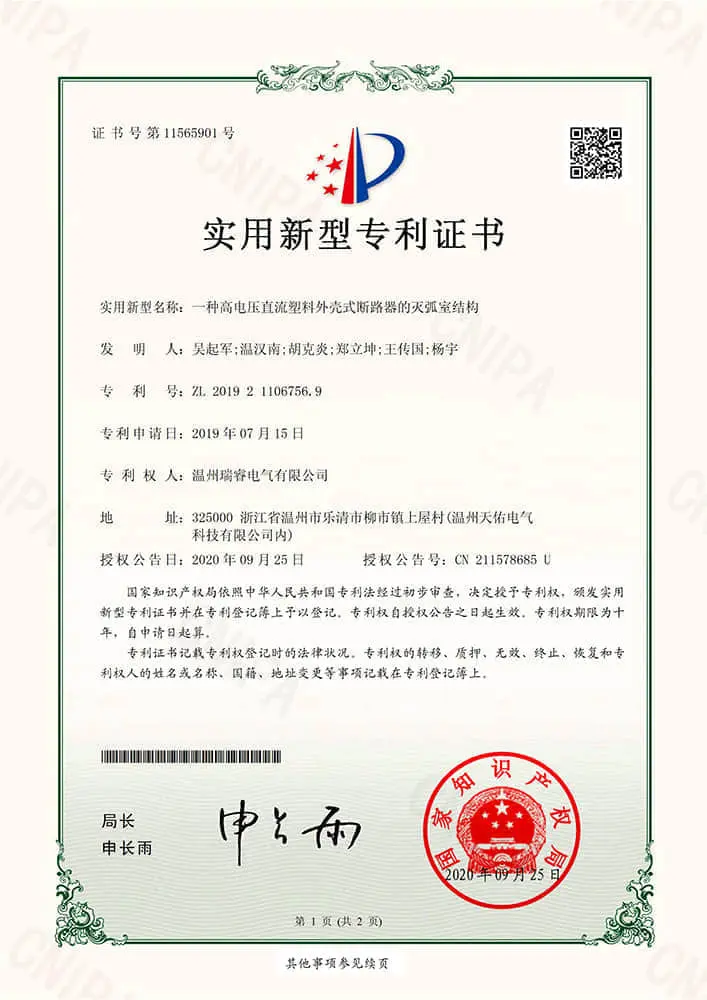
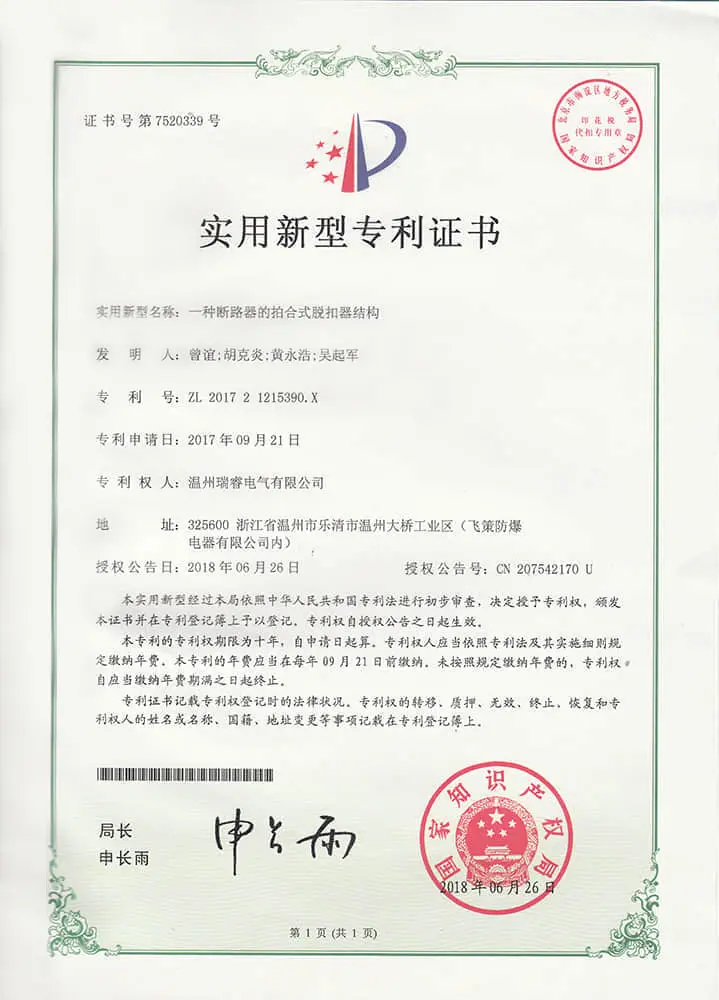
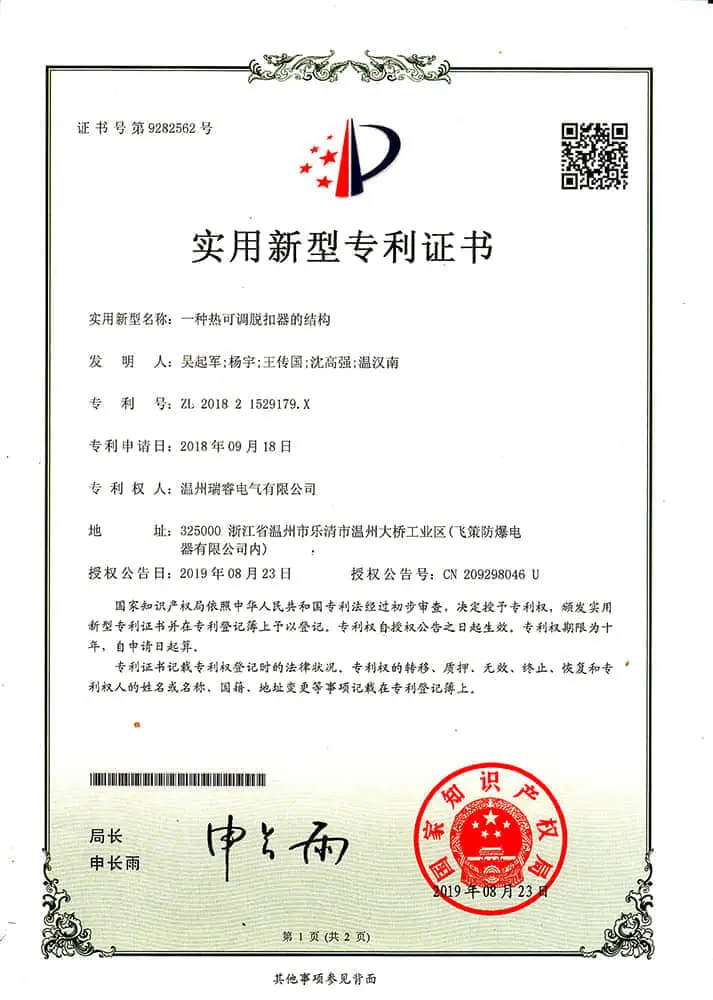
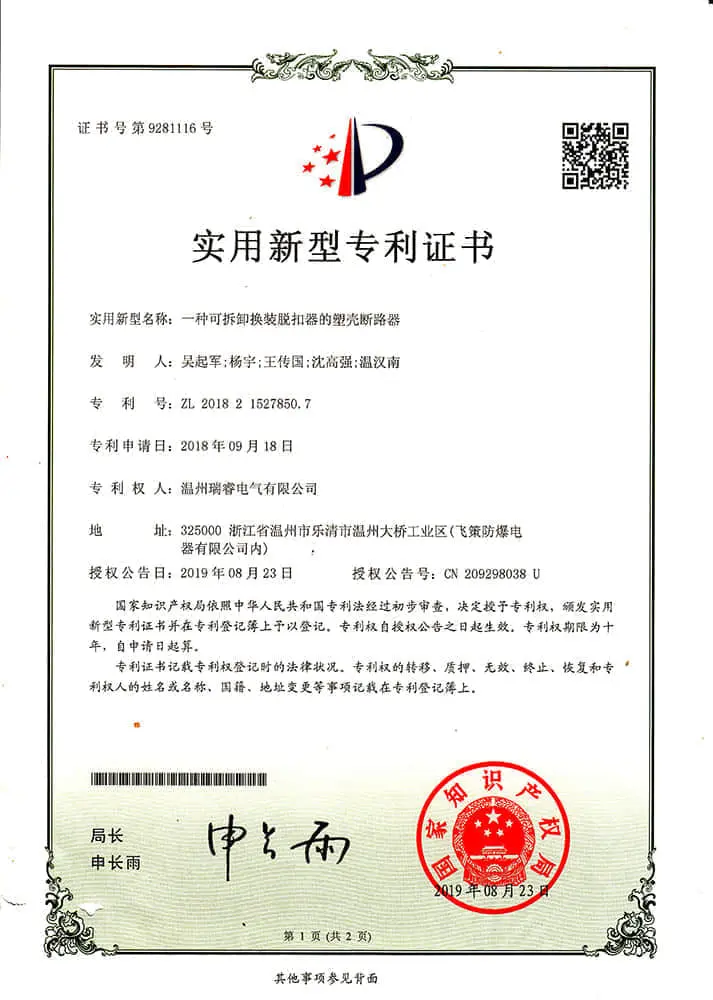
International infrastructure projects demand compliance with KEMA, CE, CB, and UL standards. Top circuit breaker factories must utilize rigorous multi-step laboratories to simulate harsh faults before international transport.
Addressing supply chain requirements for modern B2B electrical distribution channels.
Enterprise buyers need complete transparency from incoming raw materials to final shipping. By integrating PLM, BI, ERP, and MES systems, we manage processing times, component stock levels, and quality validation records automatically.
Engineers often require custom solutions to match physical spacing limits or specific protection configurations. Having dedicated research facilities allows factories to quickly draft, mold, prototype, and manufacture custom parts.
Custom engineering solutions developed to ensure circuit breaker reliability in extreme environments.

Using low-temperature resistant bimetals and anti-freezing lubricants, our products are validated down to -40°C, ensuring reliable operations in cold regions.

Our circuit breakers undergo 72-hour full-machine salt spray testing. Nickel-plated electrical pathways resist ocean humidity, protecting shipboard and dock power stations.
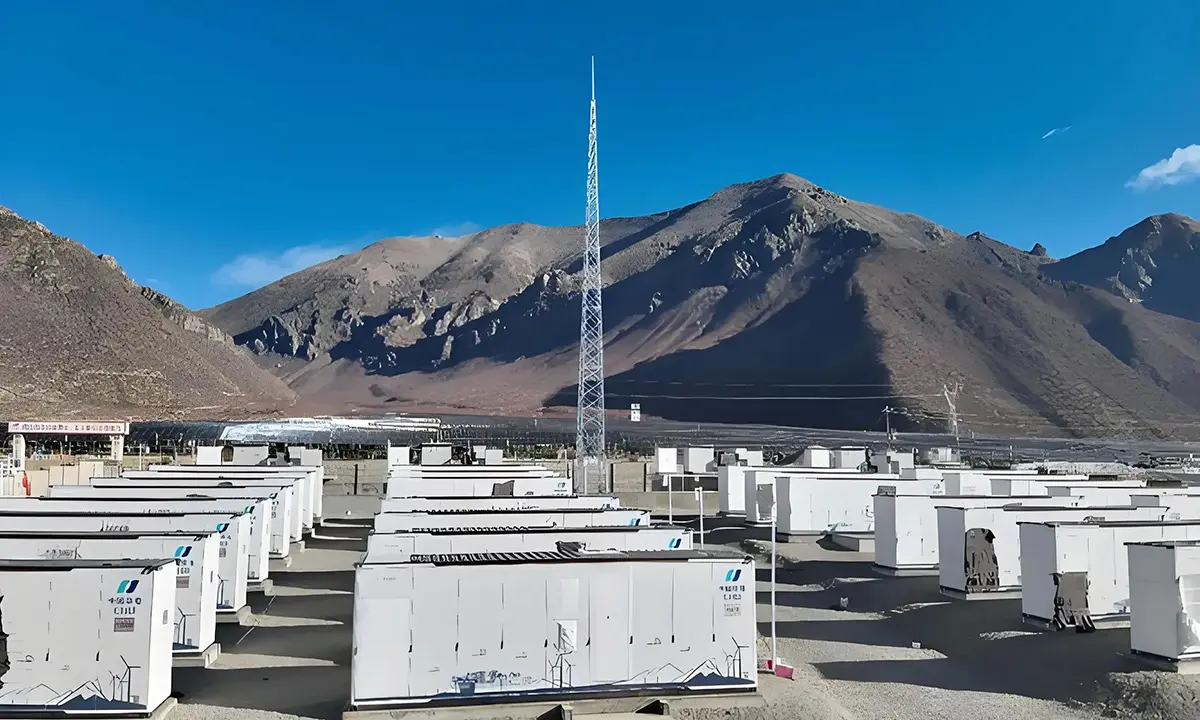
At high altitudes, lower air density decreases cooling efficiency. We provide derating tables to modify breaking capacity, insulation levels, and operating currents for safety.

Compact, highly sensitive MCCBs protect household applications from overloads. Designed with flame-retardant enclosures, they ensure safety in residential distribution boards.

Engineered with thermal-resistant materials and internal heat sinks. We test all heavy-load copper and iron parts in our 55°C constant-temperature rooms to verify stable tripping limits.
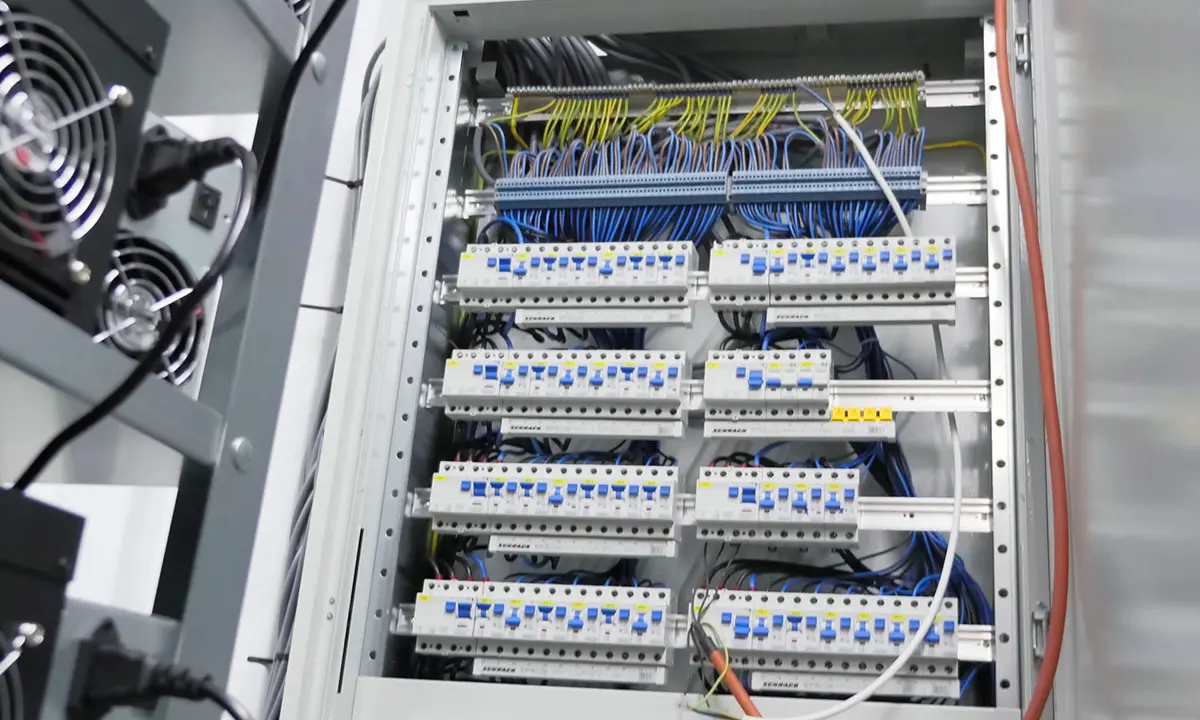
Featuring communication, metering, protection, control, and edge-computing. These breakers measure energy consumption with high precision, providing data for smart grid software.
Operational processes from material inspection to final product assembly.
Our facility runs more than 10 manual and automated assembly lines utilizing six processing technologies. Precision equipment provides consistent, high-rate production.
Over 50 R&D engineers, with extensive experience in 3D modeling, design custom tooling, internal configurations, and enclosures to support 50+ research projects yearly.
By operating two separate factories, we split manufacturing tasks between sub-assembly components and final product testing. System planning is coordinated through ERP and U8 software.
Our internal laboratory contains over 150 testing instruments. More than 20 inspectors oversee each step, tracking data through PLM, BI, and MES quality platforms.
Our production complies with major international electrical safety standards.
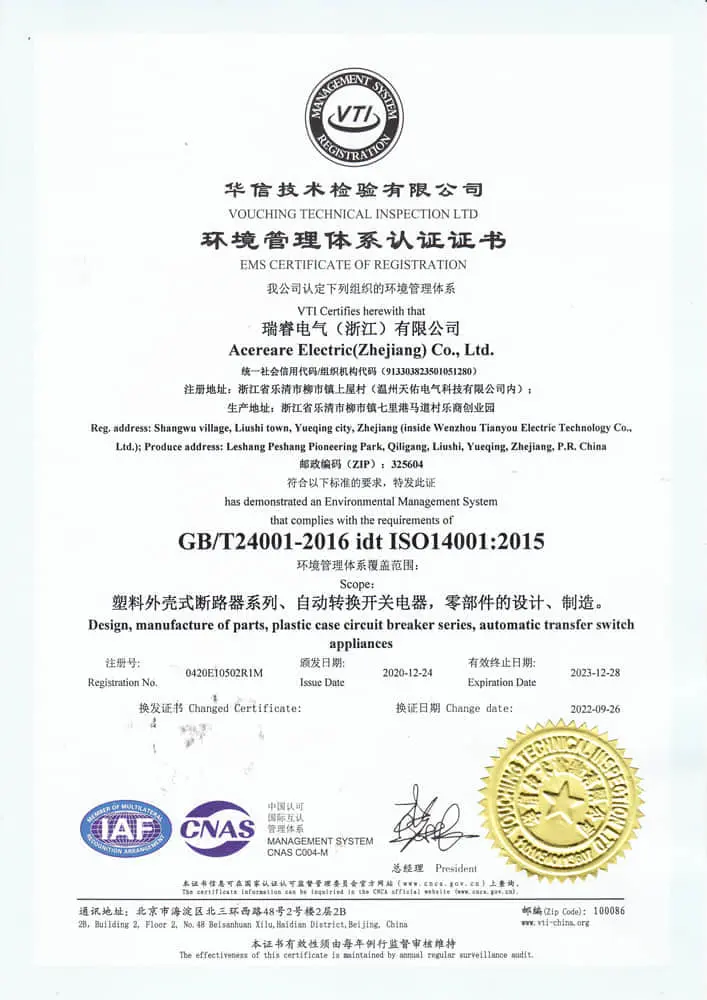
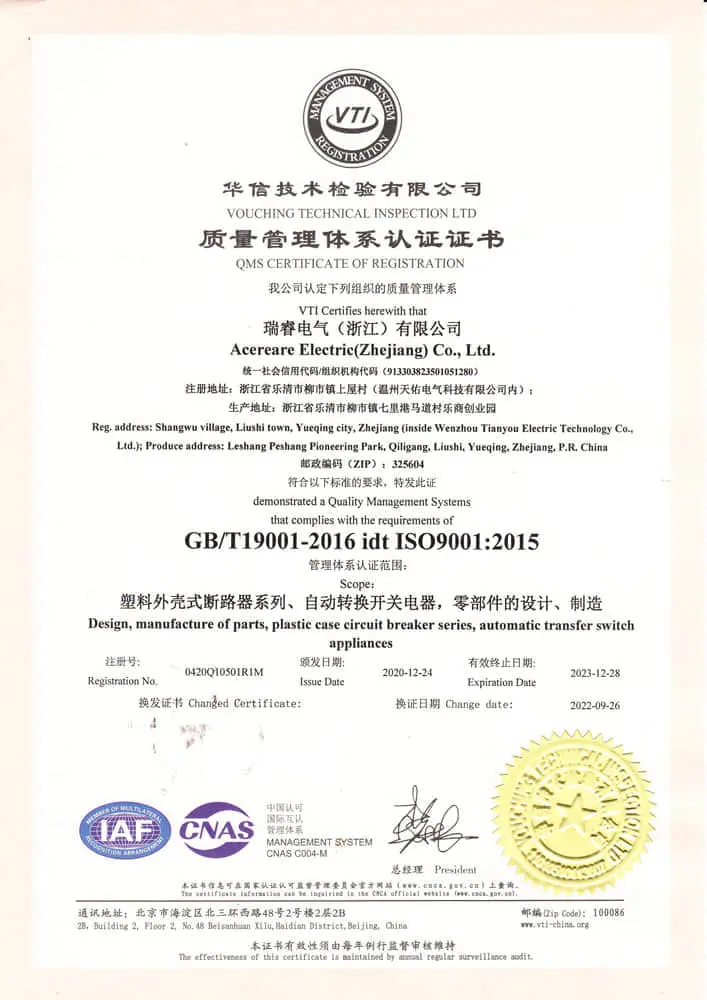
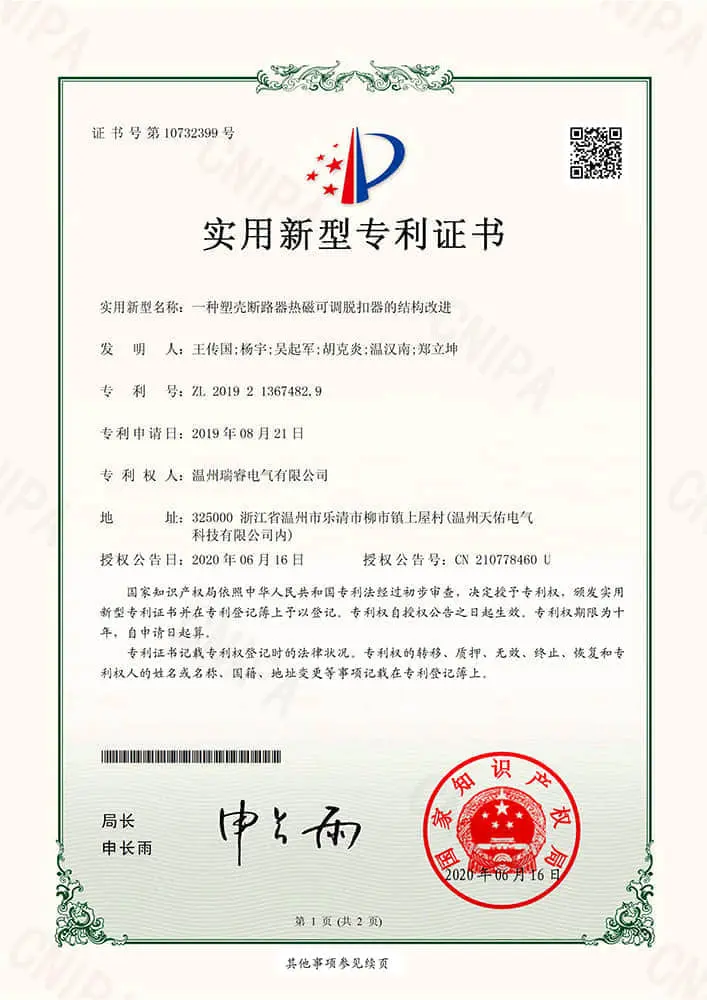
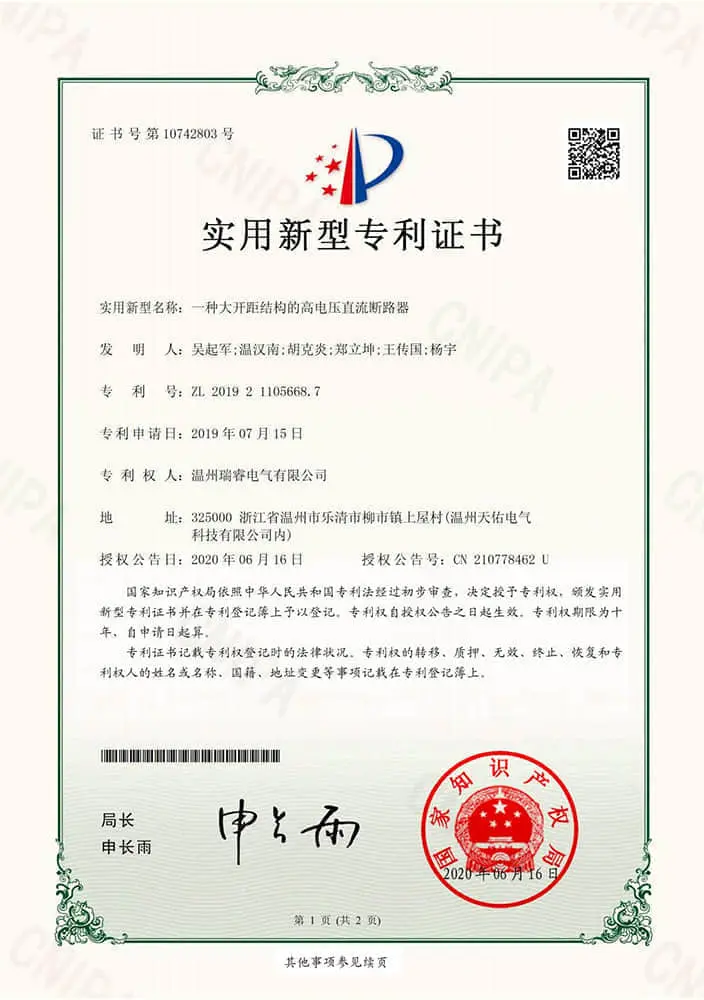
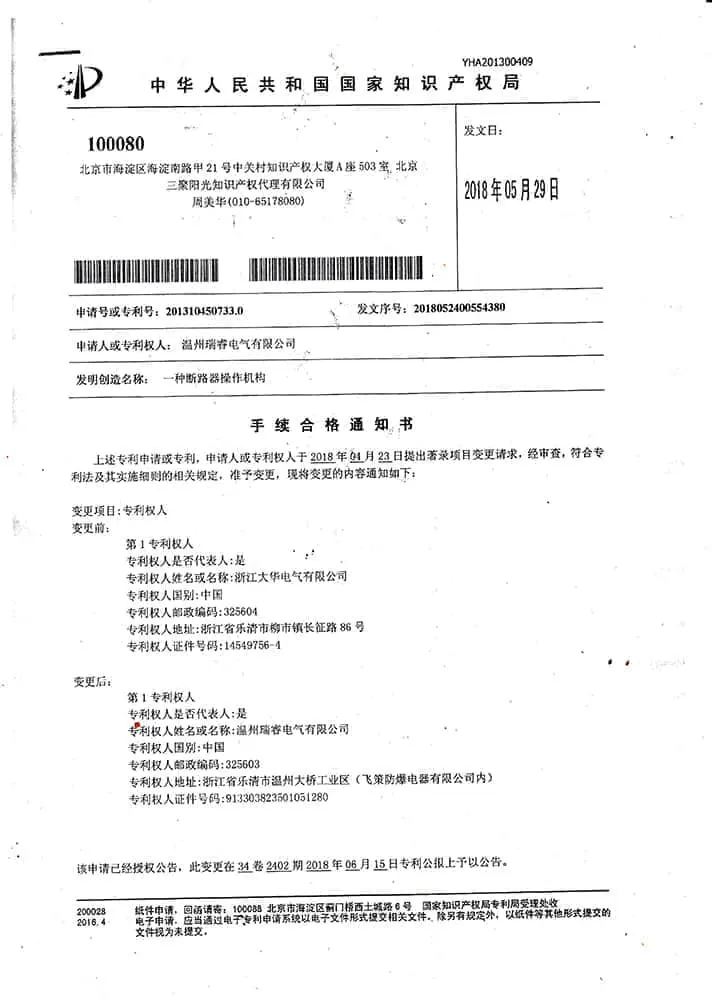
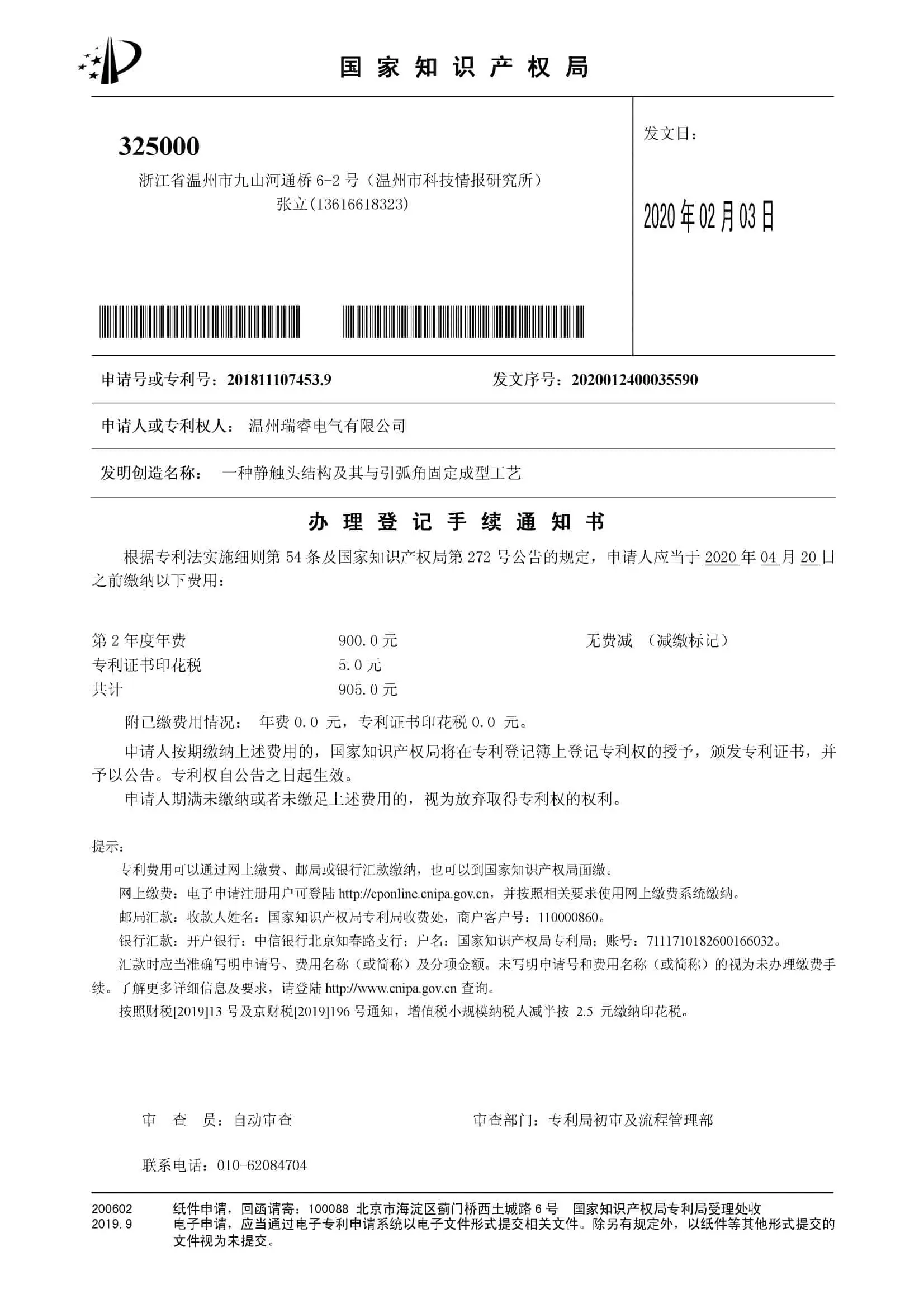
An overview of our standard circuit breaker families and engineering components.
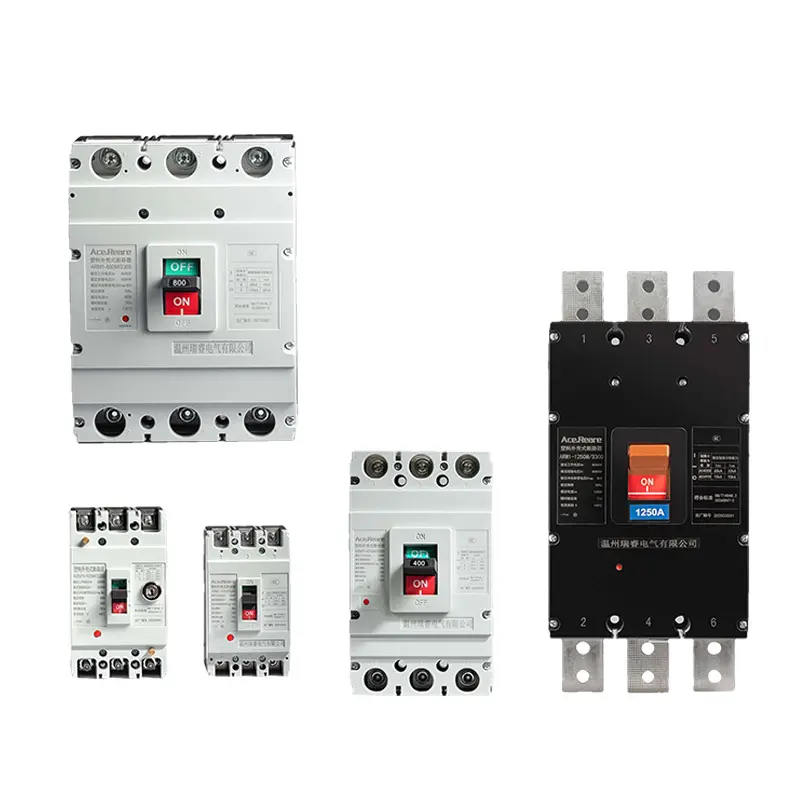 ARM1 Series
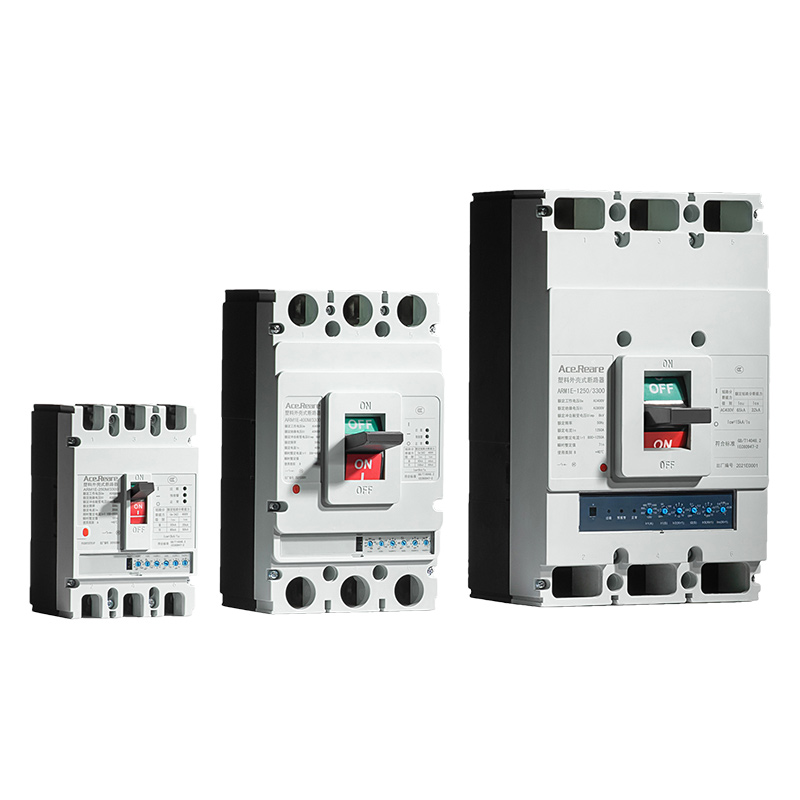 ARM1L Series
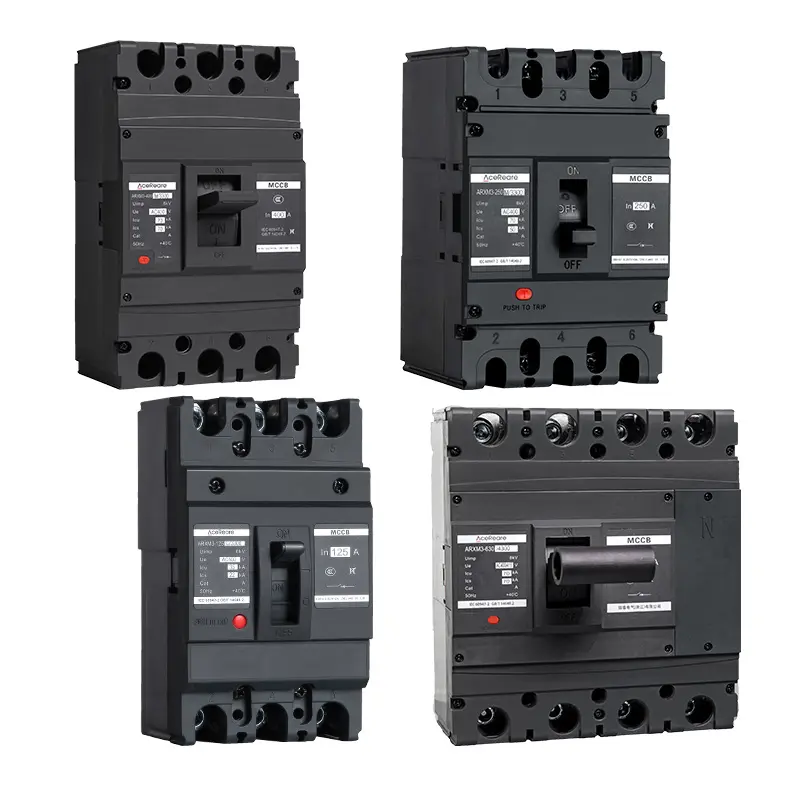 ARXM3 Series
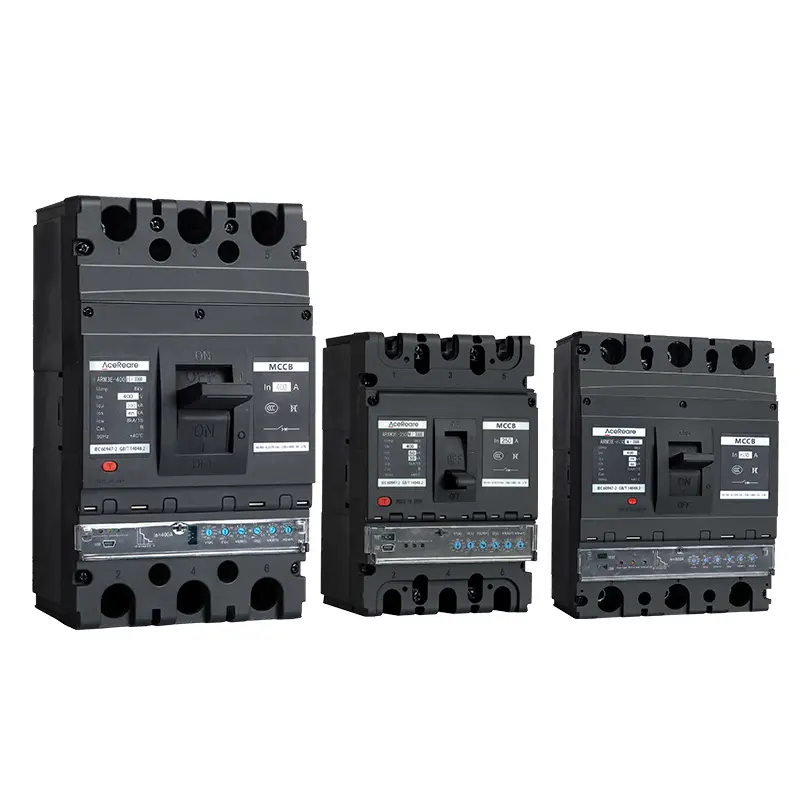 ARM3E Series
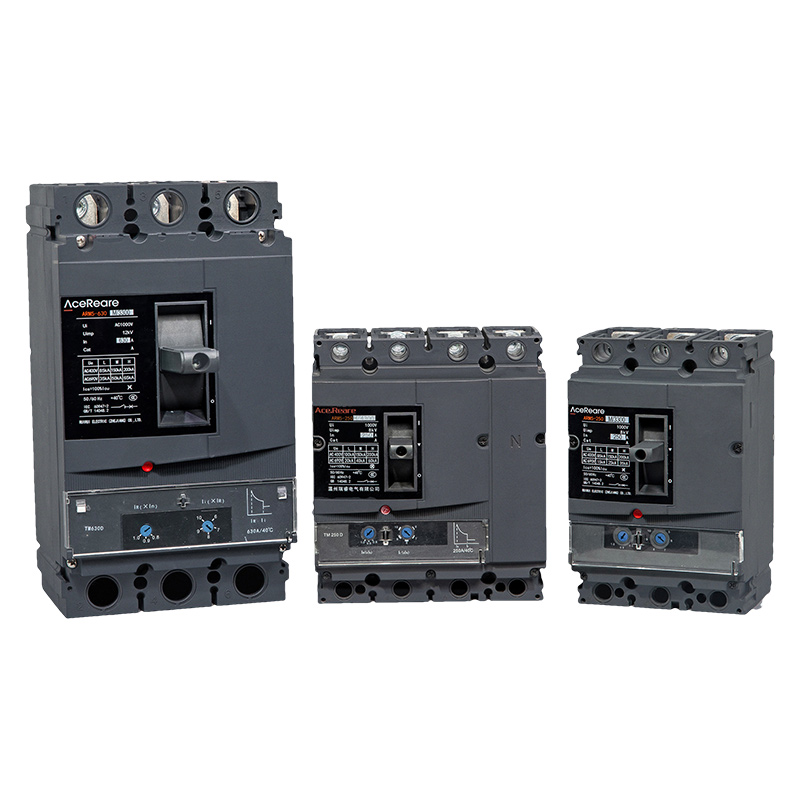 ARM5 Series
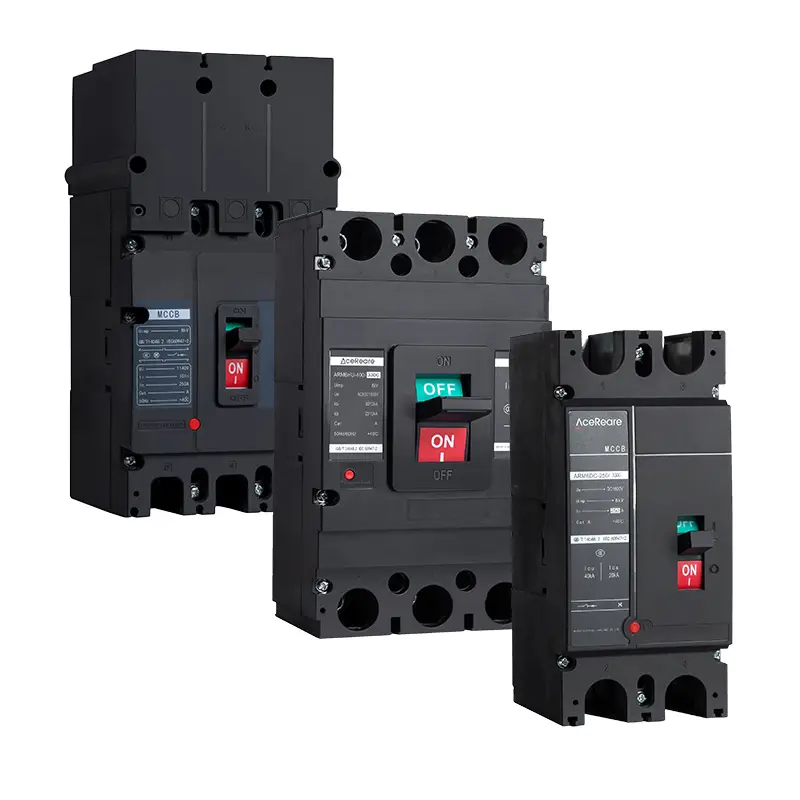 ARM6 Series
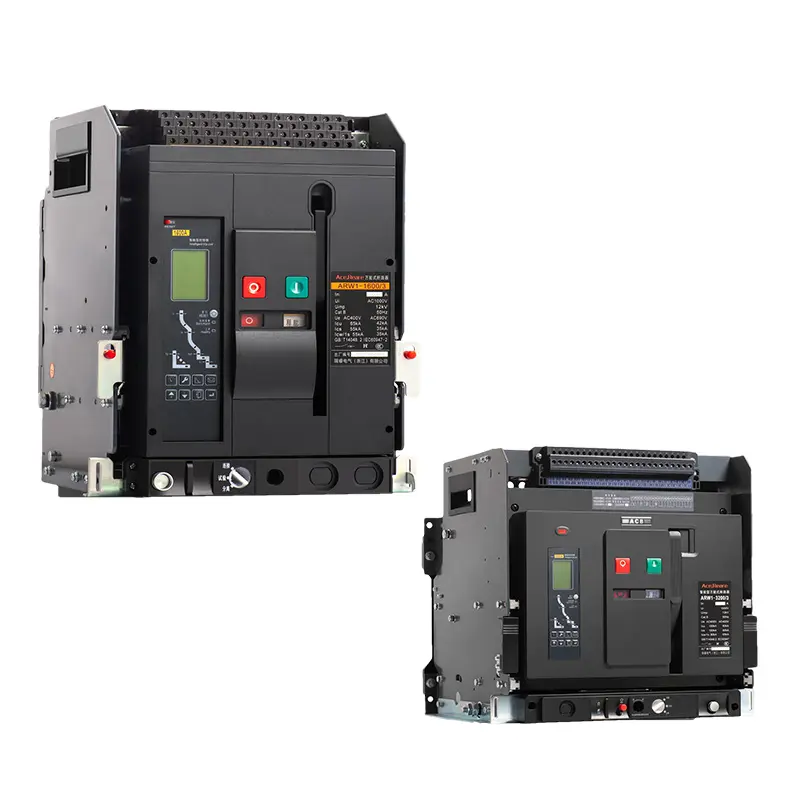 ARW1 Series
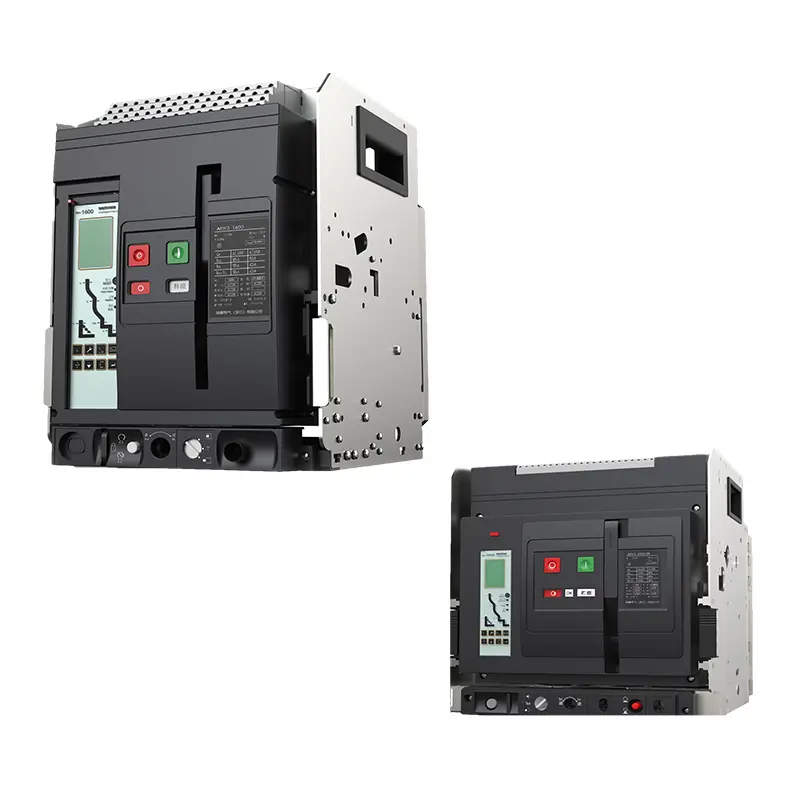 ARW3 Series
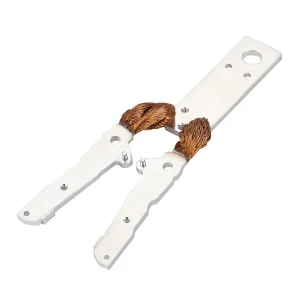
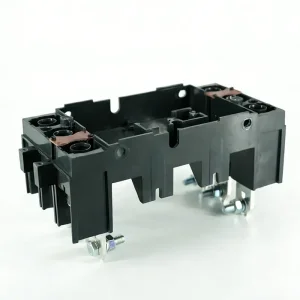
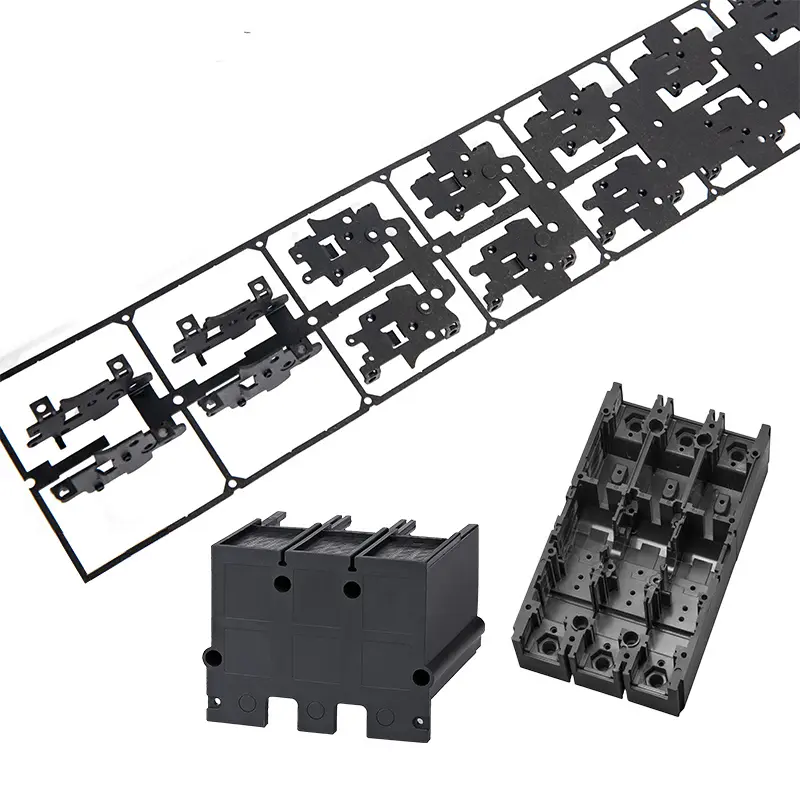 MCCB Parts
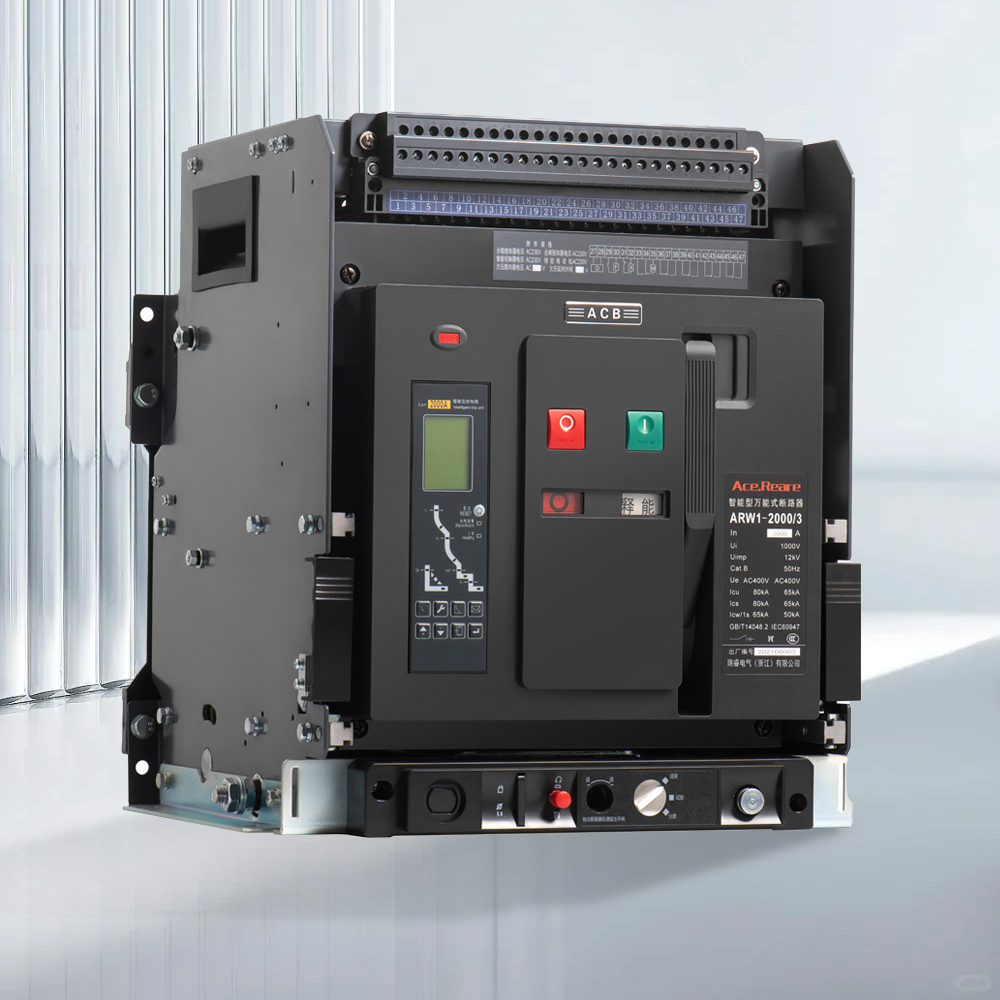
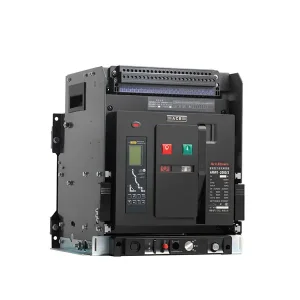
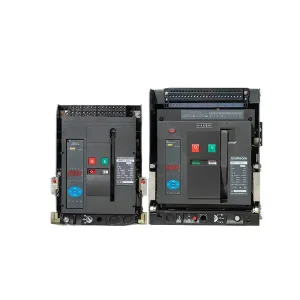
The ARW1 series intelligent ACB is designed for AC 50Hz distribution networks with rated operational voltages of 690V and below, covering nominal currents from 400A to 6300A. Integrating precise microprocessors, this series offers adjustable time-current curves to optimize selectivity across complex systems.
Equipped with open network communication interfaces, the ARW1 facilitates remote monitoring, programming, and diagnosis. This enables systems integration for smart grid automation and industrial energy management.
We work to support our customers' long-term business goals, brand development, and product quality. Get in touch with our technical team today to review custom configurations, pricing, and project delivery timelines.



Custom manufacturing services matching client brands, technical parameters, and specific applications.
Enhance brand visibility using custom packaging, custom product colorways, and precise laser marking. We assist from the initial drawings to industrial compliance testing to help expand your market footprint.
Our plant handles tooling modifications, structural design changes, and internal component adjustments. We assist in obtaining regulatory certificates and offer technical support with rapid turnaround times.
For custom designs, our team develops new molds and designs specialized trip unit boards. We offer flexible minimum order quantities, acting as your manufacturing and engineering partner in China.
Our planned development trajectory for the next generation of smart switchgear.
We are phasing out halogenated plastics and using fully recyclable thermoplastics. This design change reduces lifecycle environmental impact without sacrificing electrical or mechanical strength.
We are researching solid-state circuit breaker concepts. By removing moving mechanical contacts, these units enable microsecond-level fault isolation, addressing the needs of high-speed digital networks.
Integrating wireless sensors and mesh networking modules directly into our breaker casings. This enables predictive diagnostic systems to monitor temperature shifts and predict maintenance requirements.
Expert answers addressing electrical engineering, specification selection, and ordering questions.
Icu (Rated Ultimate Short-Circuit Breaking Capacity) indicates the maximum fault current the circuit breaker can interrupt without permanent damage. Ics (Rated Service Short-Circuit Breaking Capacity) represents the fault current level the breaker can interrupt and continue operating normally afterwards. A higher Ics/Icu ratio (such as 100%) indicates enhanced durability under repeated electrical faults.
At altitudes exceeding 2,000 meters, the thinner air reduces heat dissipation and decreases dielectric insulation performance. To maintain safety, the rated operational current and operational voltage must be adjusted using altitude derating coefficients, typically reducing performance by 1% to 10% depending on the exact altitude.
LSIG trip units allow customization of protection settings: L (Long-Time Delay for overload protection), S (Short-Time Delay for short-circuit protection), I (Instantaneous tripping for severe faults), and G (Ground Fault protection). Adjusting these parameters helps coordinate tripping profiles across your power network to isolate faults locally.
Direct Current (DC) does not have a natural zero-crossing point like AC, which makes extinguishing the electrical arc during interruption more difficult. DC circuit breakers utilize specialized magnetic pole configurations and larger arc chutes to quickly stretch and extinguish the arc, ensuring safe operations in solar PV and battery storage systems.
Each circuit breaker undergoes routine factory testing, including dielectric insulation verification, mechanical operation cycling, calibration checks of thermal and electronic trip units, and contact resistance measurement. For specific project requirements, we can also perform salt spray, temperature rise, and short-circuit testing in our lab.
Explore auxiliary components, compact MCCBs, and high-rating drawer ACB solutions.
 AceReare