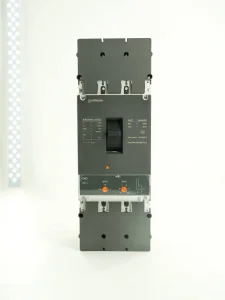
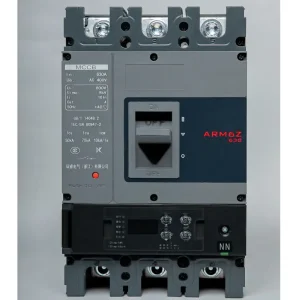
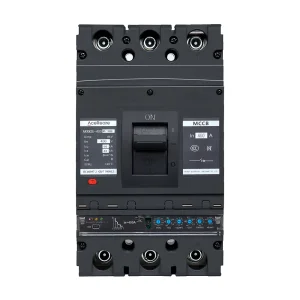
Explore our high-performance thermal magnetic and intelligent electronic circuit breakers designed for rigorous industrial, solar photovoltaic, and commercial applications worldwide.
Acereare Electric, founded in 2015, stands as a premier design house and vertical manufacturer in the global power distribution sector. Operating through its two wholly-owned subsidiaries, "RuiRui Electric" and "KeRui Electric", the company integrates state-of-the-art research, advanced tooling development, component stamping, and full-scale assembly. Specializing in molded case circuit breakers (MCCB), air circuit breakers (ACB), and precision internal copper accessories, Acereare is committed to delivering smart switchgear solutions that keep critical grids, data centers, and heavy industrial facilities safe from fault currents.
With an engineering legacy spanning over 20 years of craftsmanship inherited by two generations, the launch of Acereare Electric in 2015 marked a new era of global OEM/ODM service expansion. Today, the enterprise is recognized as one of the most competent white-label and custom switchgear partners in China, boasting highly integrated manufacturing facilities and a mature research team that optimizes protection systems for extreme industrial conditions.

Our commitment to reliable performance, raw-material control, and customized manufacturing makes us the partner of choice for leading EPC contractors, utilities, and switchboard panel-builders.
One-stop integrated service covering six core metal processing techniques, high-precision automated stamping, tooling, and more than 10 manual and automated final assembly lines.
Over 50 dedicated R&D engineers with 5+ years of specialized low-voltage switchgear experience, managing 50+ new design projects yearly through 3D CAD/CAE modeling.
Owning two separate modern factories allows dual-track production of micro-components and complete assemblies. Fully integrated resource management via advanced ERP/U8 software.
Rigorous, multi-tier inspection utilizing our specialized physical and chemical test lab. Powered by 150+ testing instruments, 20+ QC inspectors, and integrated PLM/MES tracing systems.
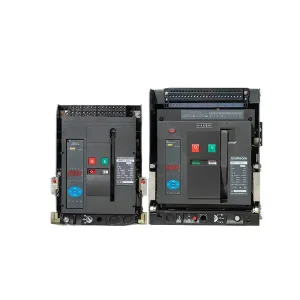
Air Circuit Breakers (ACB) serve as the primary incoming protection devices within low-voltage electrical switchboards, handling massive currents ranging from 400A to 6300A. The physics behind an ACB involves controlling and extinguishing the high-energy arc generated when contacts open under short-circuit conditions. Acereare Electric's flagship ARW1 series intelligent type ACB is specifically engineered to operate in environments up to 690V and 1140V, satisfying the demands of heavy industries, marine docks, and utility-scale solar farms.
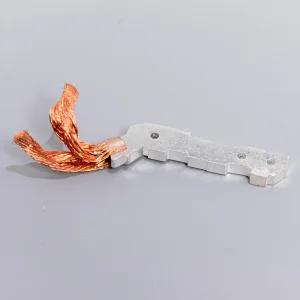
Under a fault condition, the contacts of the ACB separate, causing an intense electrical arc to bridge the contact gap. The temperature of this arc can exceed 6,000 Kelvin, threatening to destroy the breaker frame. The ARW1 series manages this through a highly optimized arc chute design. Made of metallic grid plates, the arc chute splits the main arc into multiple series micro-arcs, increasing the total arc voltage rapidly. This cooling and stretching effect forces the current to extinguish at the zero-crossing point. To support this high mechanical and electrical strain, our contacts utilize advanced silver-tungsten alloys coupled with thick, stamping-grade copper backings, produced in-house for maximum metallurgical consistency.
Modern electrical infrastructure demands more than basic thermal trip functions. The ARW1 is equipped with a digital micro-controller trip unit providing four-stage selective protection (LSIG):
Through embedded communication interfaces (supporting Modbus-RTU, Profibus, or Ethernet), the ARW1 fully realizes the "four remote" functions essential for automated substation automation:
| Breaker Series | Rated Current Range (In) | Operational Voltage (Ue) | Breaking Capacity (Icu) | Trip Unit Types | Standard Applications |
|---|---|---|---|---|---|
| ARW1 Series (ACB) | 400A to 6300A | 400V / 690V | 80kA to 120kA | Intelligent LSIG Digital Release | Main incoming distribution grids, industrial switchgear, power stations. |
| ARW3 Series (ACB) | 400A to 4000A | 400V / 690V / 1140V | 65kA to 100kA | Smart Microprocessor & IoT Release | Heavy-duty mining, high-altitude installations, industrial machinery. |
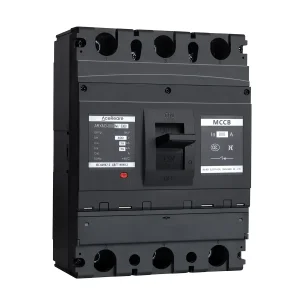
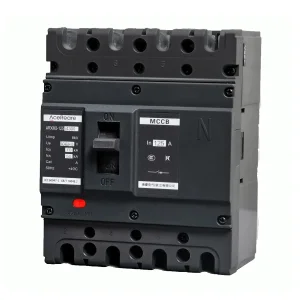
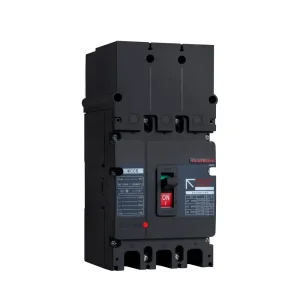
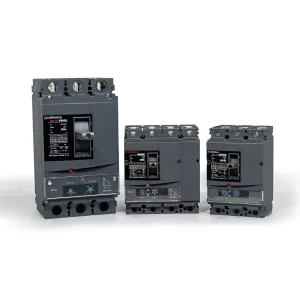
| ARXM3 Series (MCCB) | 16A to 800A | 400V / 690V | 35kA to 85kA | Thermal-Magnetic / Electronic Adjustable | Branch line protection, motor distribution, commercial sub-panels. |
| ARM3E Series (MCCB) | 16A to 1600A | 400V / 690V | 50kA to 150kA | Adjustable Electronic LSIG Unit | Renewable energy plants, solar combiner boxes, motor control centers. |
Electrical gear must endure extreme operating environments. Our circuit breakers are specifically designed and tested to withstand freezing, salt mist, thin air, and scorching temperatures.
Designed with specialized cold-resistant insulation materials and low-viscosity mechanism lubricants. Certified with a cold performance test report validating operational structural integrity at -40°C.
Subjected to strict salt spray testing (72 hours on full assemblies, 48 hours on components). Prevents galvanic corrosion in marine docks, shipboard distribution boards, and saline coastal environments.
For installations exceeding 2,000m altitude. Utilizes customized insulation spaces and high-altitude derating coefficients to manage dielectric thinning and natural heat dissipation.
Compact MCCBs and accessories tailored to safeguard residential complexes, large office towers, and domestic consumer units against overloads and short circuits with high reliability.
Constructed with high-heat-resistant polymer casings. Smart controllers receive internal thermal insulation layers. Metal elements are coated to resist degradation under 55°C ambient chambers.
Smart MCCB/ACB integrations featuring communication protocols, energy metering, and edge computing capability. Empowers modern smart grids to monitor real-time usage and control circuits remotely.
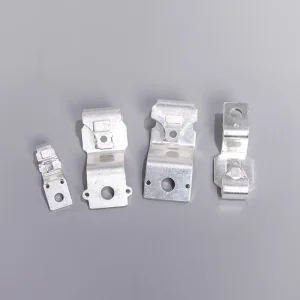
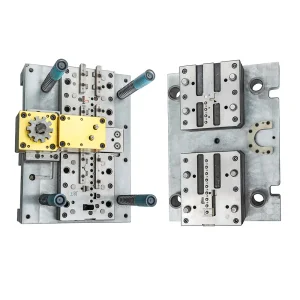
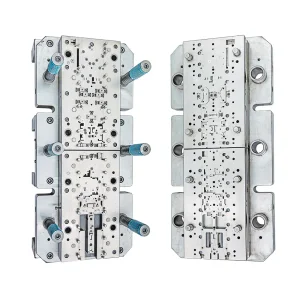
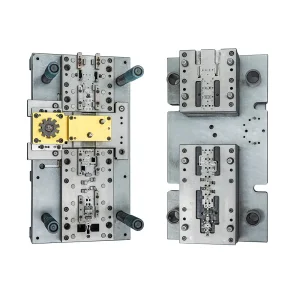
One of the primary risk factors in modern switchgear sourcing is component delay. A delay in procuring small stamping parts, auxiliary contacts, or connection plates can halt the assembly of an entire industrial project. Acereare Electric overcomes this dependency by operating two highly specialized factories with complete internal control over tooling design, metal stamping, and molding operations. We produce our own MCCB fixed contacts, moving contacts with copper, and connection plates.
This deep vertical integration means that when you source ACBs or MCCBs from us, you bypass traditional third-party accessory supply chains. It guarantees unmatched dimensional control, metallurgical purity, and strict thickness alignment, allowing us to maintain a consistent Ics (service short-circuit breaking capacity) equal to 100% of Icu (ultimate short-circuit breaking capacity). Our operations utilize PLM (Product Lifecycle Management), ERP (Enterprise Resource Planning), MES (Manufacturing Execution System), and BI (Business Intelligence) systems to track each manufacturing phase in real time, from incoming copper plate materials to final automated dielectric verification testing.
The transition toward decentralized smart microgrids, high-voltage utility-scale solar projects, and energy storage systems (BESS) is shifting the technological requirements of low-voltage air circuit breakers. Acereare Electric is actively designing the next generation of intelligent switchgear systems, ensuring that our clients remain competitive and compliant with future regulations.
Future iterations of the ARW series intelligent ACBs are integrating predictive maintenance algorithms directly into the trip unit. By monitoring indicators such as mechanical contact wear (calculated by totaling the values of interrupted currents), mechanical travel duration, spring charge time, and terminal temperature trends via infrared internal sensors, the breaker can communicate its health status prior to mechanical failure. This changes how heavy industries handle downtime, shifting operations from periodic maintenance to targeted preventive service loops.
As global environmental regulations tighten, the selection of raw materials inside switchgear becomes critical. Acereare is researching and applying high-temperature, recyclable thermoplastic resin materials for breaker casings to replace traditional thermosetting plastics. These materials are easier to recycle and have a lower environmental impact during manufacture. In parallel, arc-quenching technologies are being refined to operate efficiently in clean air and vacuum environments, eliminating greenhouse gases from low-and-medium voltage switches.
For global engineering agencies, utilities, and electrical distributors, importing switchgear involves strict brand service, technical compatibility, and customized branding rules. Acereare Electric provides structural, logical, and packaging customizations under our tailored OEM and ODM service packages, making us your optimal overseas production center.
Increase market recognition by laser printing customized brand logos directly onto the front panels of the breakers. We provide customized trademark packaging (inner boxes, outer cartons, and customized instruction manuals). Speed up the introduction of your products to new markets by utilizing rapid structural design modifications and custom sample fabrications that match local requirements.
Need specialized performance specs? We manage complete tooling design and execution (refundable once sales volumes are met). We design custom electronic trip unit software, configure special internal shunt and undervoltage releases, and assist in applying for international test certifications (CB, CE, KEMA, UL) for your exclusive branded products with 24-hour engineering turnaround.
Leverage our experienced engineering team to design custom switchgear systems from scratch. Utilizing advanced 3D mold layout software, structural stress modeling, and internal testing laboratories, we can develop proprietary circuit breaker lines to help you capture market opportunities with high-performance low-voltage products.
We work closely with your procurement and technical teams to ensure perfect product delivery through a structured 5-step engineering pipeline:
Different regions follow unique standards for electrical installation. Our global compliance program ensures all exported circuit breakers align with prevailing safety directives. Acereare products are engineered to conform to IEC 60947-2 (international standard for low-voltage switchgear), GB/T 14048.2 (Chinese national standards), and European Union CE marking directives.
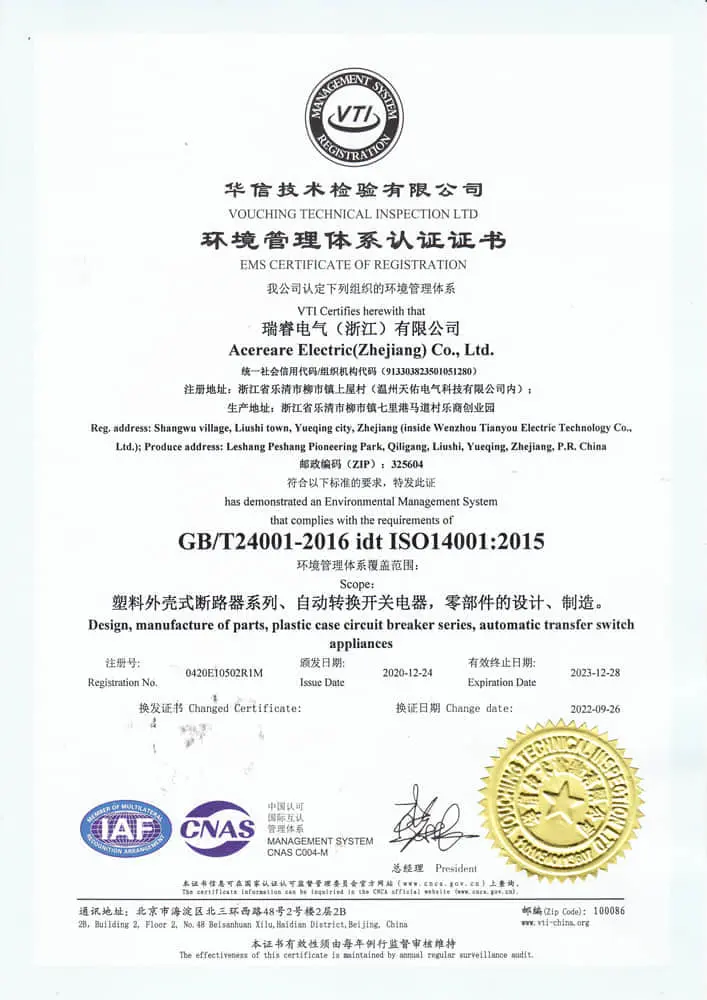
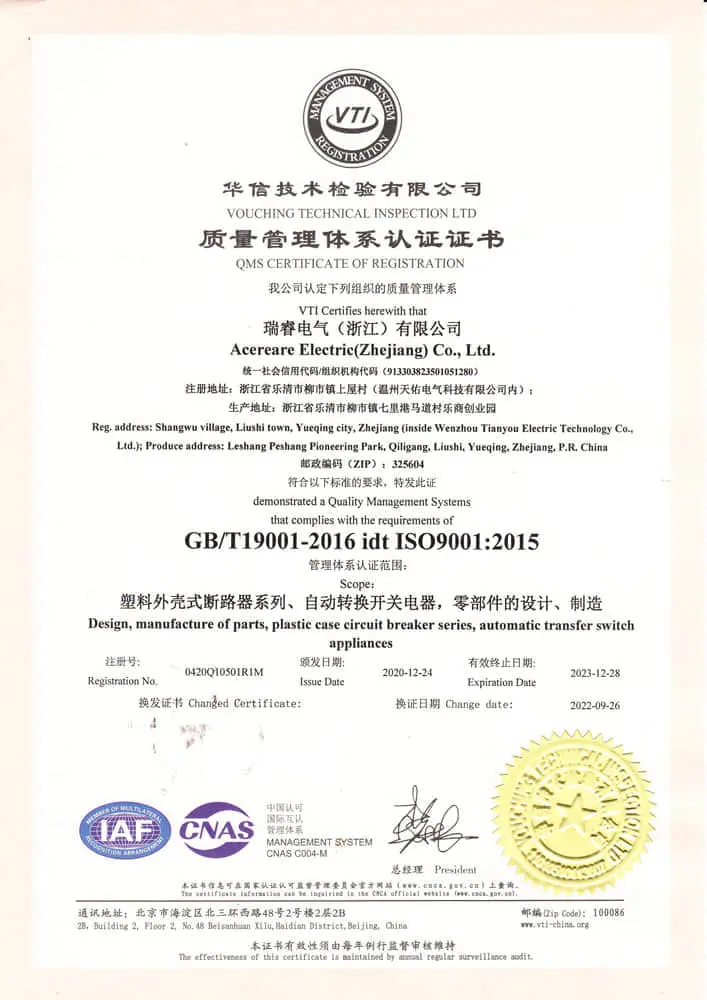
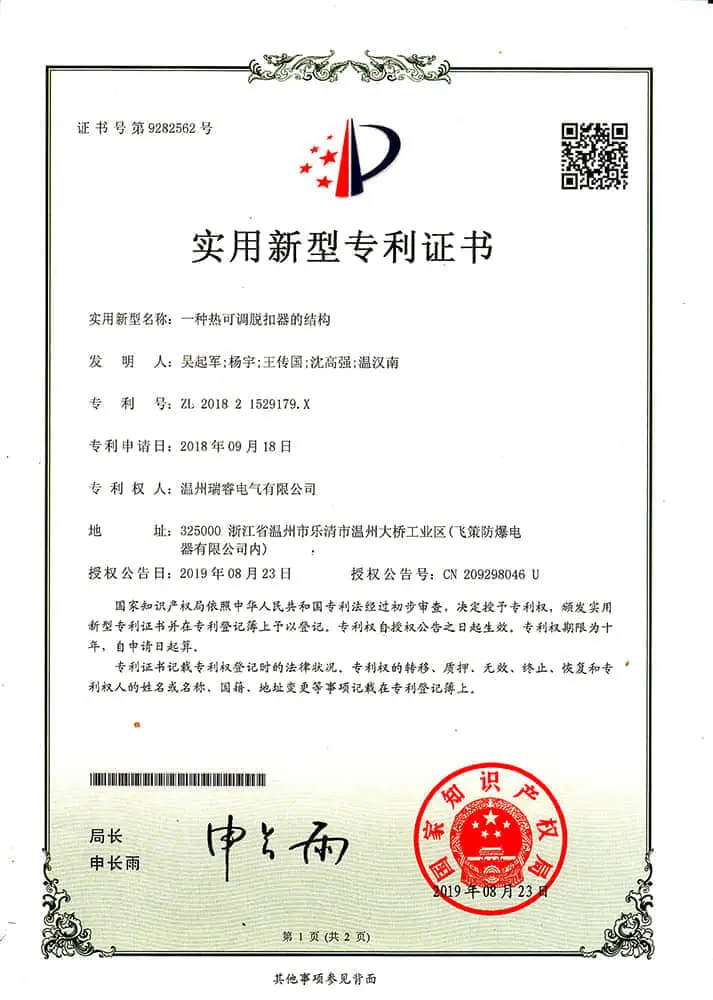
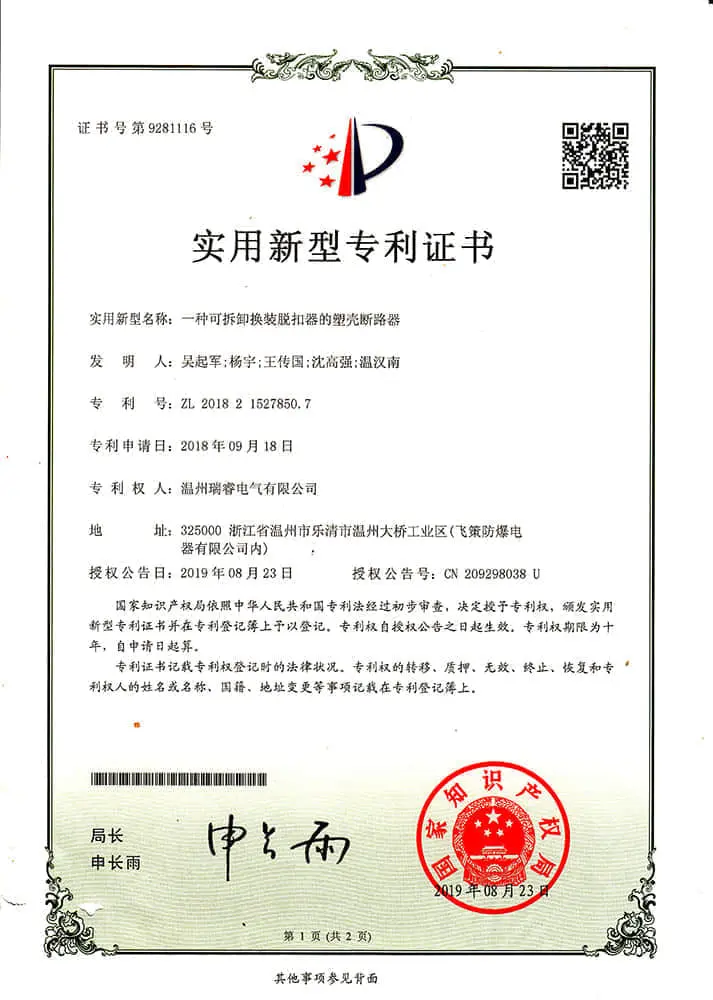
In addition, our manufacturing facilities operate in strict compliance with ISO 9001:2015 Quality Management Systems and ISO 14001 Environmental Management Systems. This ensures that every raw material we source, from fire-resistant plastic shells to high-conductivity copper busbars, is fully traceable. We provide specialized compliance documentation to assist your registration process with national utility boards, including verification of dielectric withstand values, short-circuit current ratings, and vibration resistance certifications.
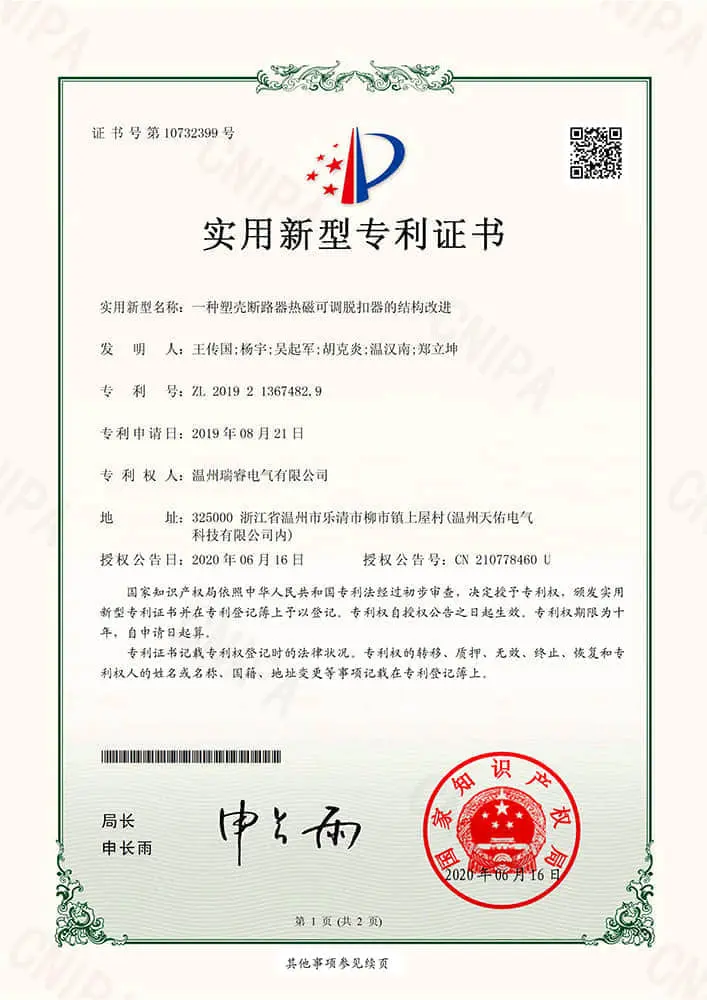
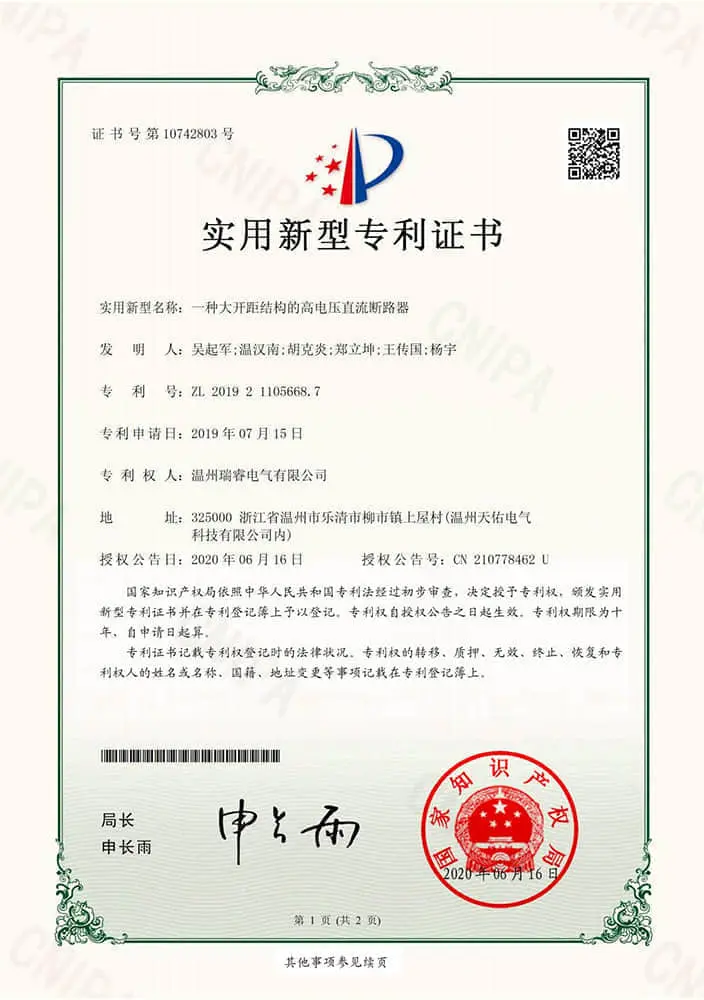
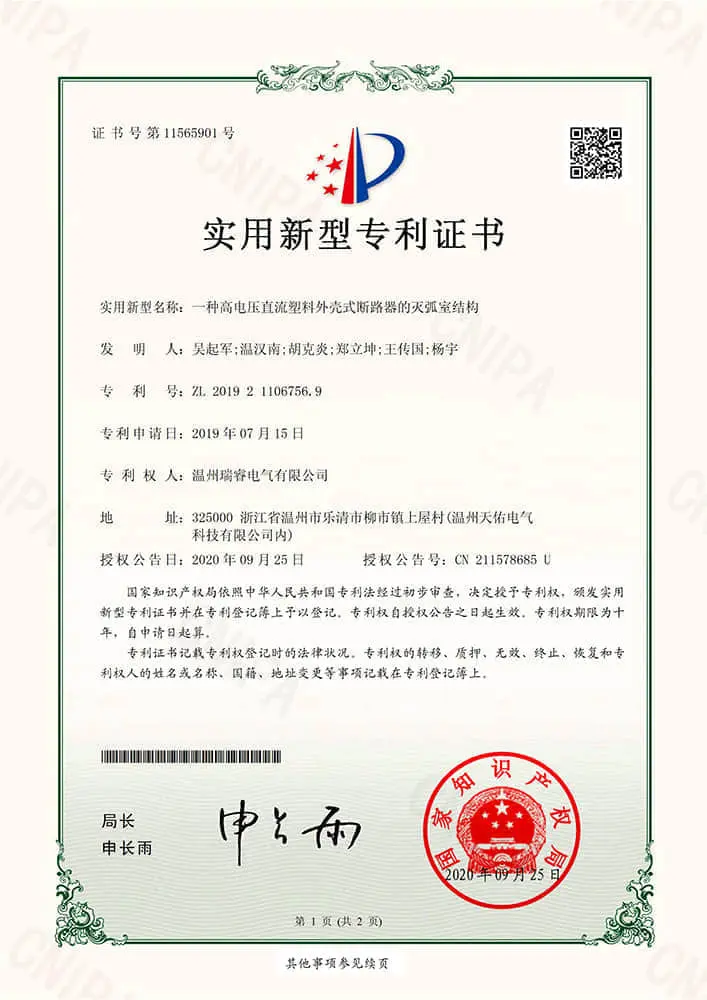
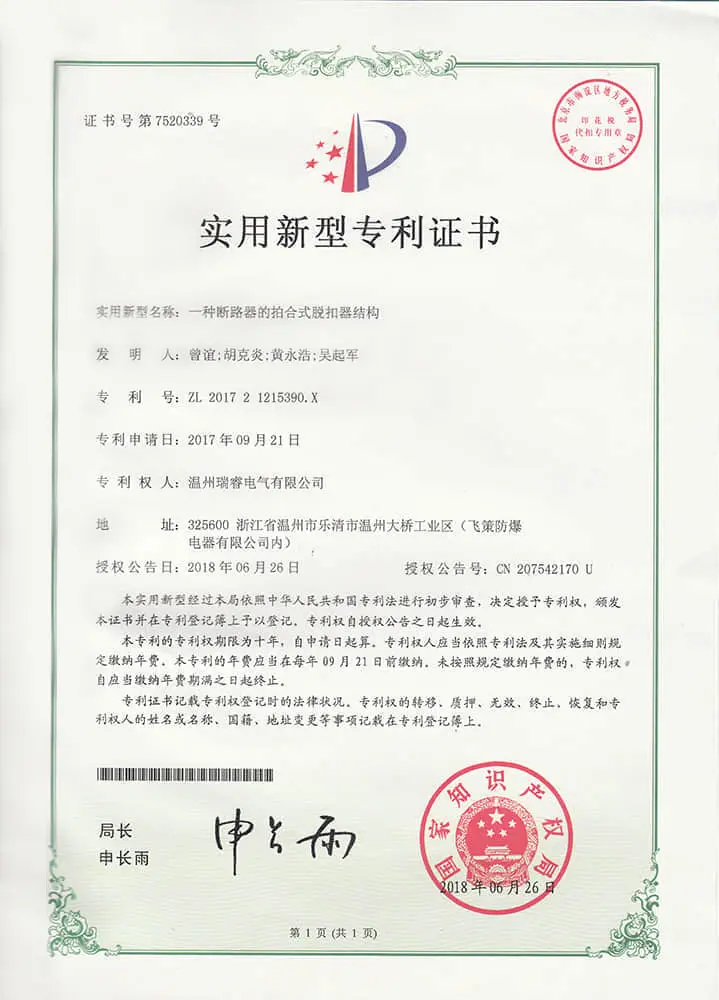
Get answers to common engineering questions regarding the application, selection, and customization of our air circuit breakers and molded case circuit breakers.
Explore our wide array of advanced molded case circuit breakers and switchgear accessories designed to meet complex industrial protection and distribution requirements.
 AceReare