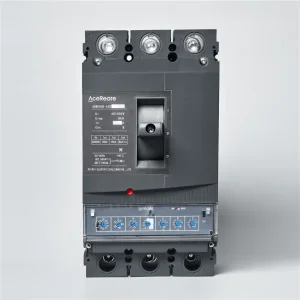
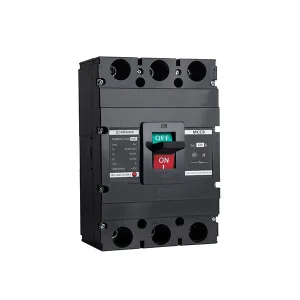
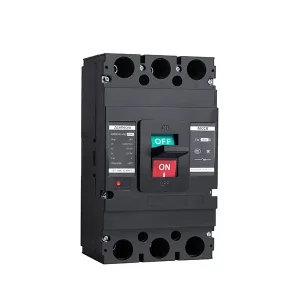
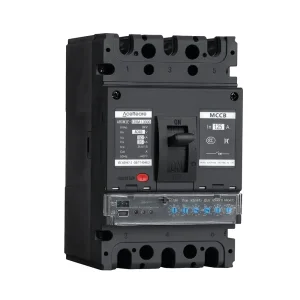
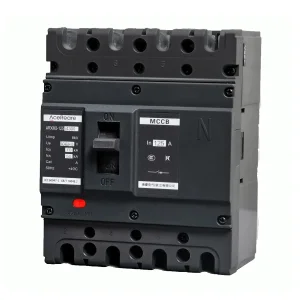
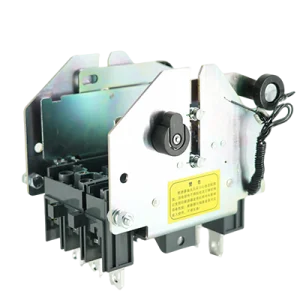
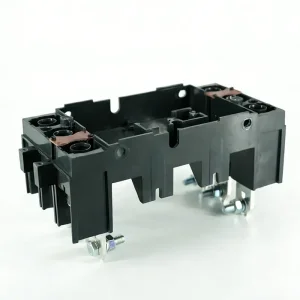
Wholesale Circuit Breaker Release Manufacturers & Suppliers

Empowering Industrial Grid Stability and Circuit Protection Systems Globally with High-Precision Shunt Releases, Undervoltage Trip Mechanisms, and Advanced Smart Controls.

50+
R&D Engineers
400+
Skilled Workers
$250M
Annual Sales
20+
Years Craftsmanship

White Paper: Engineering Advanced Circuit Breaker Releases for Smart Power Distribution

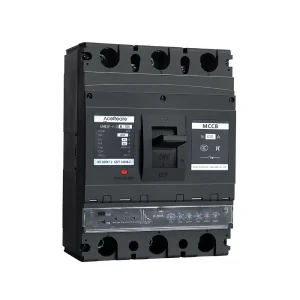
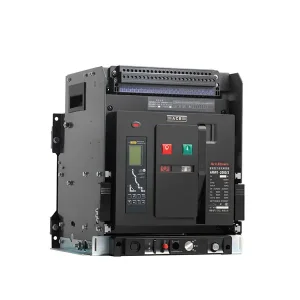
Modern electrical power grids are undergoing an unprecedented shift toward decentralization, smart grid connectivity, and high-performance protection. At the core of low-voltage electrical apparatuses, such as molded case circuit breakers (MCCB) and air circuit breakers (ACB), lies the critical component: the circuit breaker release (often referred to as the trip unit or shunt trip auxiliary). Acting as the mechanical and electronic muscle, these components respond instantly to grid fluctuations, thermal overload, and short-circuits, protecting critical machinery, human life, and industrial assets.

E-E-A-T Technical Focus: Circuit breaker releases operate on diverse physical properties. Thermal-magnetic systems use bi-metallic strips for inverse-time overload protection and electromagnetic solenoids for instantaneous short-circuit protection. Modern smart installations increasingly favor electronic trip units (ETUs) using microprocessor technology to execute advanced L-S-I-G logic (Long-time, Short-time, Instantaneous, Ground fault), communicating system metrics via industrial fieldbuses.

1. Technical Classification of Circuit Breaker Releases

Understanding the application profiles of circuit breaker releases is vital for electrical engineering procurement teams. Sourcing from a specialized original manufacturer guarantees compatibility across system modules:

  • Shunt Releases (MX): Electrically controlled devices that allow remote tripping. They are typically used in emergency stop loops to isolate systems during critical errors.
  • Undervoltage Releases (MN): Ensure automatic trip execution when input voltage drops below a specified threshold (typically 35%-70% Un). This function prevents machinery from restarting unexpectedly upon power recovery, safeguarding operator safety.
  • Auxiliary Contacts (OF) & Alarm Contacts (SD): Provide real-time remote telemetry regarding breaker positions (on/off) or trip occurrences (fault-activated).

2. Vertical Integration in China: The Acereare Manufacturing Advantage

Acereare Electric, founded in 2015, possesses two wholly owned subsidiaries: RuiRui Electric and KeRui Electric. Inheriting over 20 years of manufacturing craftsmanship across two generations, Acereare has built a leading name in low-voltage electrical production in China.

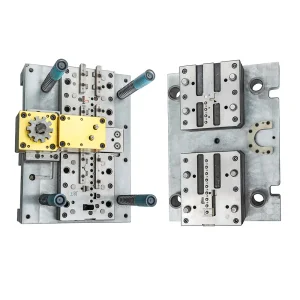
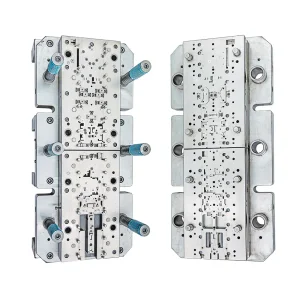
Located in the heart of China’s electrical manufacturing cluster, we utilize premium raw materials, including pure copper contacts and silver alloy tips. Our vertical production integrates stamping and molding processes to ensure strict tolerances. High-speed progressive metal stamping dies, automatic injection molding machines, and robotic assembly stations allow us to optimize cost and performance. This scale makes us a trusted ODM partner for global electrical conglomerates.

3. Key Industry Development & Technological Trends

The low-voltage equipment market is evolving rapidly. We focus on key innovation fields to keep clients ahead of regulatory and market transitions:

  • Smart Grid Integration and Edge Computing: Intelligent MCCBs process voltage, current, power factor, and harmonics directly at the terminal, relieving central processing loads.
  • Eco-Design and Low-Loss Materials: Redesigning internal shunt coils reduces power consumption and heat output inside switchgear enclosures.
  • Solar Photovoltaic High-Voltage Standards: The growth of solar installations requires circuit breakers rated up to AC 800V and AC 1150V, which demands higher insulation and specialized arc-extinguishing chambers.

Why Choose Acereare?

Comprehensive Integration: One-Stop OEM/ODM Service using six processing techniques with high-precision production and testing tools.

Advanced Engineering: More than 50 R&D engineers, expert in 3D modeling, component design, and custom molding systems, running 50+ new projects yearly.

Robust Supply Chain: Two manufacturing facilities running integrated ERP/U8 networks align logistics, production, and procurement.

Rigorous Quality Control: Over 150 dedicated testing instruments managed by 20+ inspectors through PLM, BI, and MES networks.

Acereare Production Workshop

Industrial Application Scenarios & Environmental Solutions

Different industrial environments present unique challenges. Our circuit breaker systems are engineered and tested to maintain performance in extreme conditions.
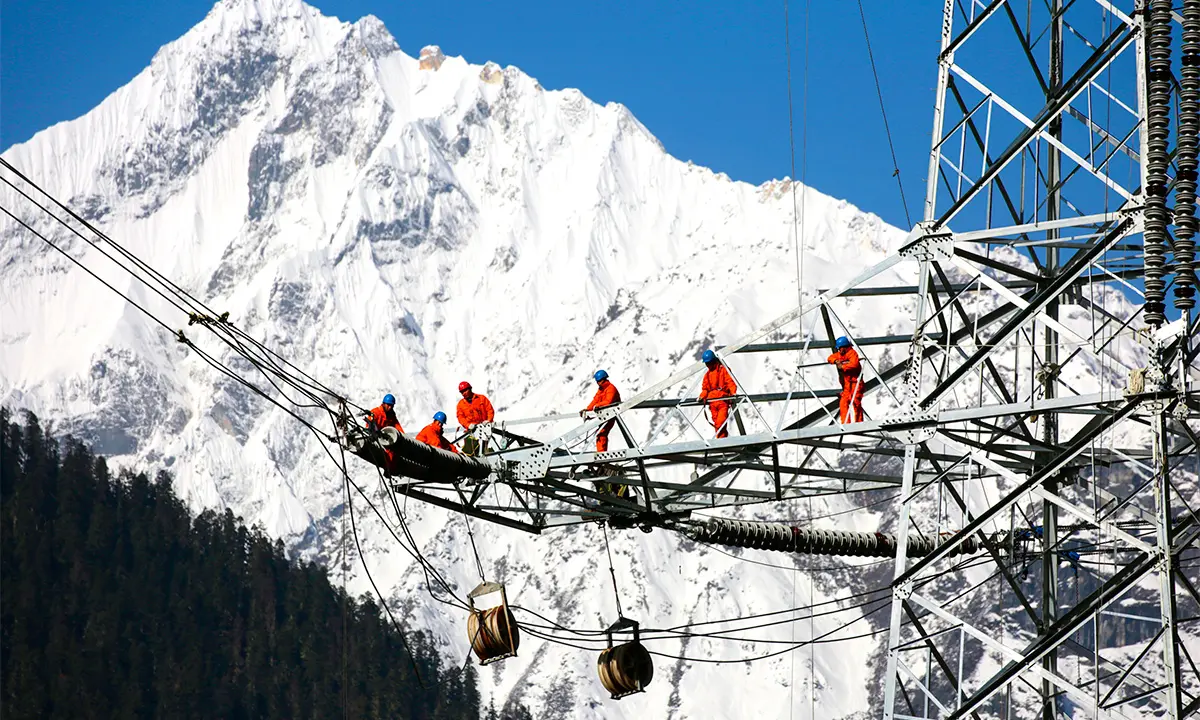
Low Temperature Circuit Breaker Application

01 Low Temperature (-40°C)

Our units use low-temperature resistant structural resins and specialized lubricants. Thickened anti-corrosion coatings enable reliable performance in freezing conditions, backed by certified -40°C testing reports.

Salt Spray Corrosion Protection

02 Salt Spray & Marine

Built for maritime and coastal terminals. We perform 72-hour salt spray testing on complete machines and 48-hour testing on assemblies. This prevents corrosion and stabilizes operations in humid offshore systems.
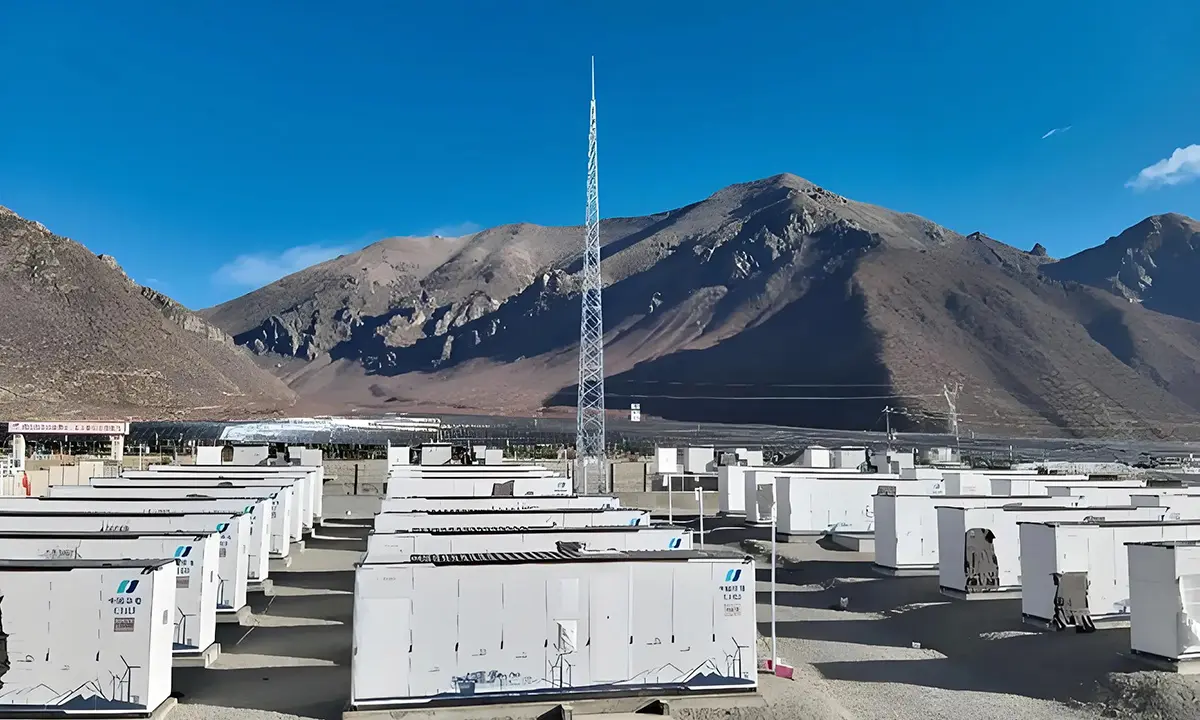
High Altitude Electrical Derating

03 High Altitude (>2000m)

Thin air at higher altitudes reduces heat dissipation and dielectric insulation. We apply derating tables and optimize air-gap insulation design to ensure reliable operation in alpine sub-stations.

Home Furnishing Electrical Safety

04 Residential & Building

Designed for compact, easy installation inside consumer distribution units. These breakers protect home networks and appliances from overload, minimizing fire hazards in residential areas.

High Temperature Thermal Management

05 High Temperature (55°C)

For hot industrial environments. Copper and iron components are moisture-resistant and anti-corrosive, combined with thermal isolation coatings. Rated and tested inside our 55°C constant-temperature rooms.
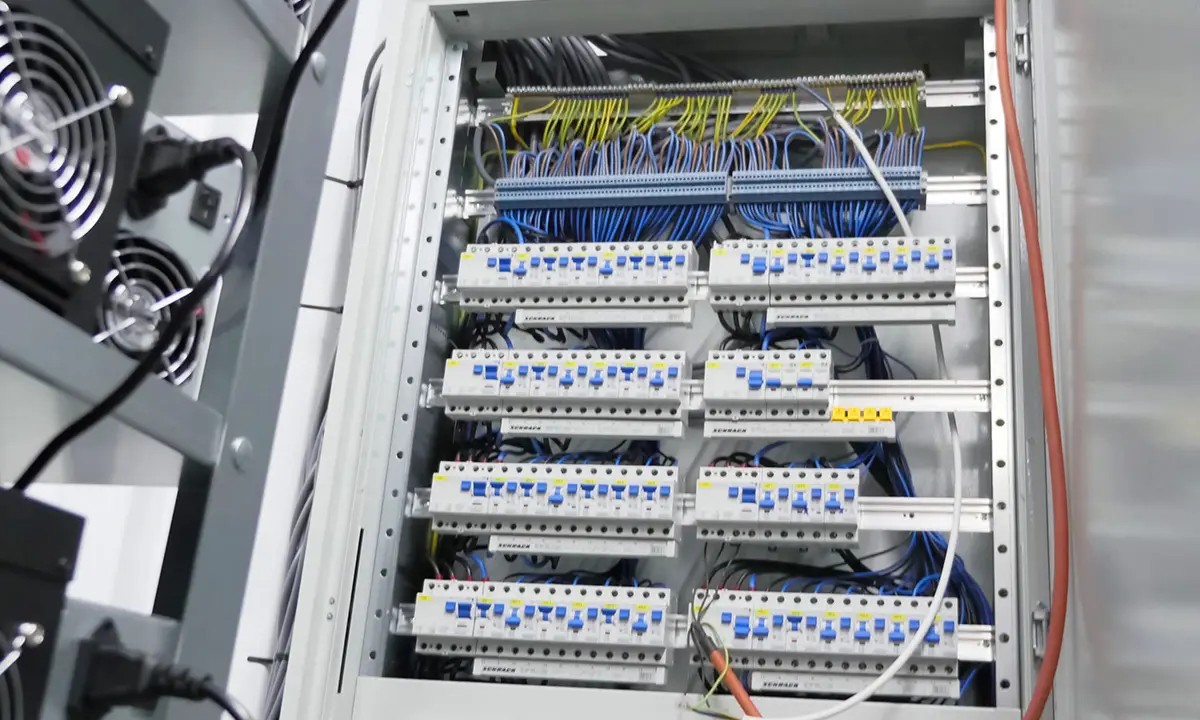
Intelligent Measurement Grid Systems

06 Intelligent Metering

Features embedded edge computing and high-precision metering modules. It supports communication protocols to deliver telemetry data directly to SCADA networks for smart grid billing and management.

One-Stop OEM & ODM Capabilities

From initial design to global supply chain delivery, we provide tailored services to build your brand and expand your market footprint.

Brand Service

Establish high brand equity in your target market through customized laser-engraved branding, premium-grade raw materials, and high-performance structural designs that differentiate your products from the competition.

Logo Customization

Increase brand visibility with high-precision fiber laser marking directly on breaker bodies and shells.

Premium Raw Materials

Constructed with high-purity electrolytic copper and silver-alloy electrical contacts to extend contact lifespan.

Fast Prototyping

Accelerate your time-to-market with quick-turn sample creation and rapid laboratory verification.

OEM & ODM Custom Engineering

Collaborate with our R&D engineering team to design bespoke enclosures, specialized thermal-magnetic configurations, and custom electrical trip mechanisms.

Mold Development

Custom tool and mold development for enclosures, base designs, and stampings, with development costs refundable based on volume milestones.

International Compliance

Assistance in preparing test batches and technical files for CE, KEMA, UL, and CB certifications (refundable under criteria).

24-Hour Engineering Support

Receive direct access to design engineers for rapid updates and adjustments, serving as your virtual overseas super-factory.

Our Structured Procurement Flow

We ensure traceabilty, clarity, and quality inspection at every phase of your project.

1
Consultation
We assess your local electrical standards and recommend the appropriate release configurations.
2
Technical Support
Our engineering team reviews custom drawings, CAD models, and specifications.
3
Contract Signing
Confirm technical specifications, delivery terms, and quality assurance metrics.
4
Production & QA
Manufactured and verified in our laboratories using PLM, MES, and ERP management systems.
5
Delivery
Safely packed and shipped globally via optimized customs and freight networks.

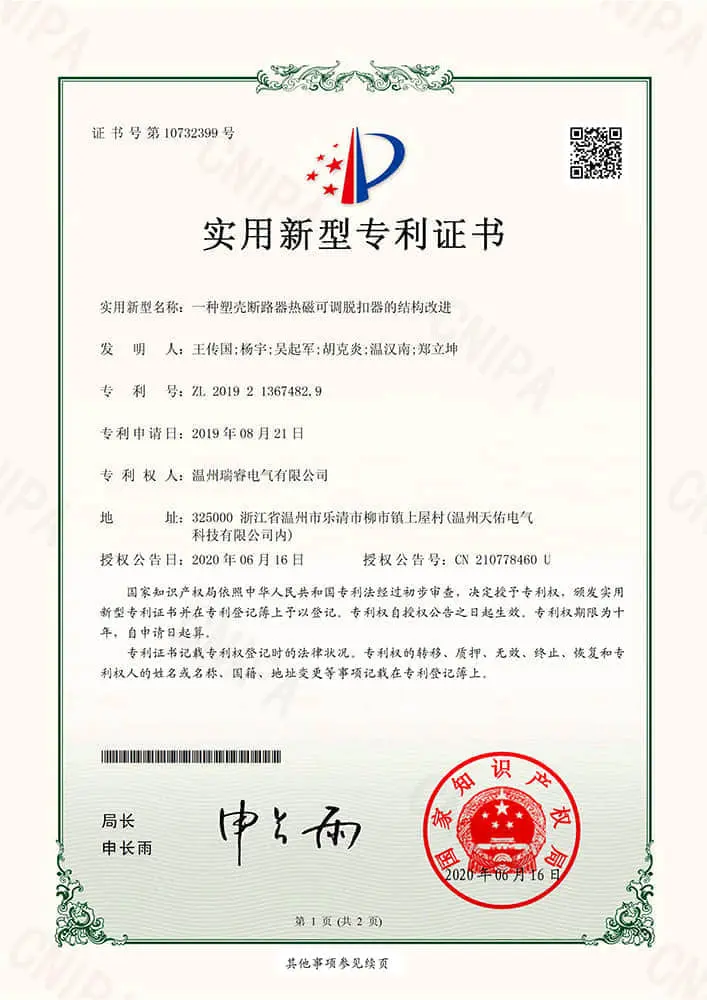
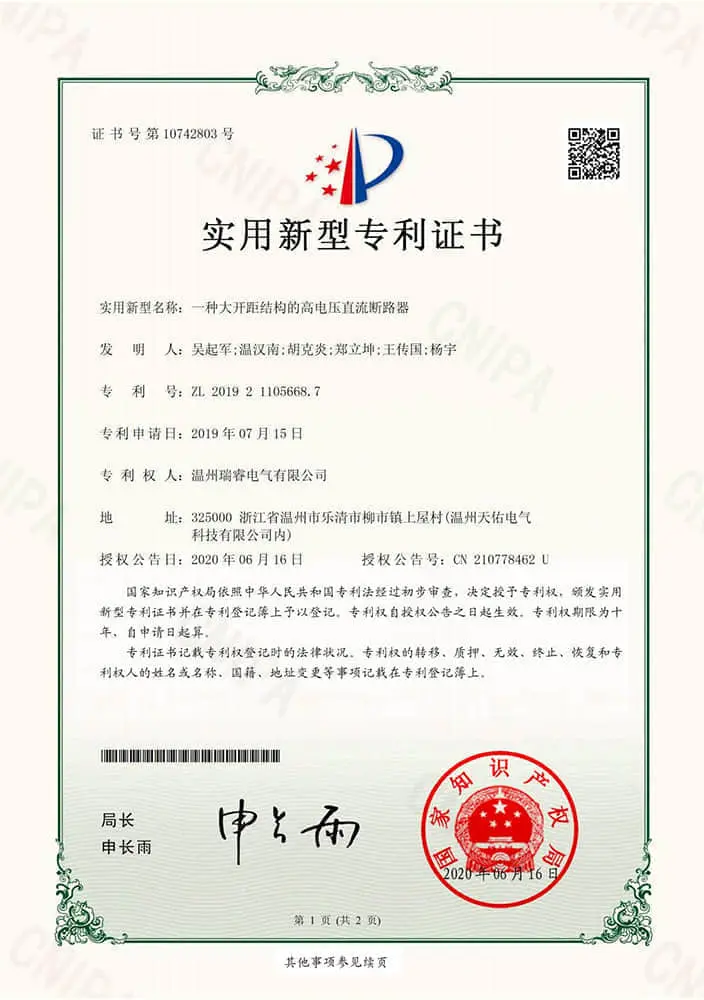
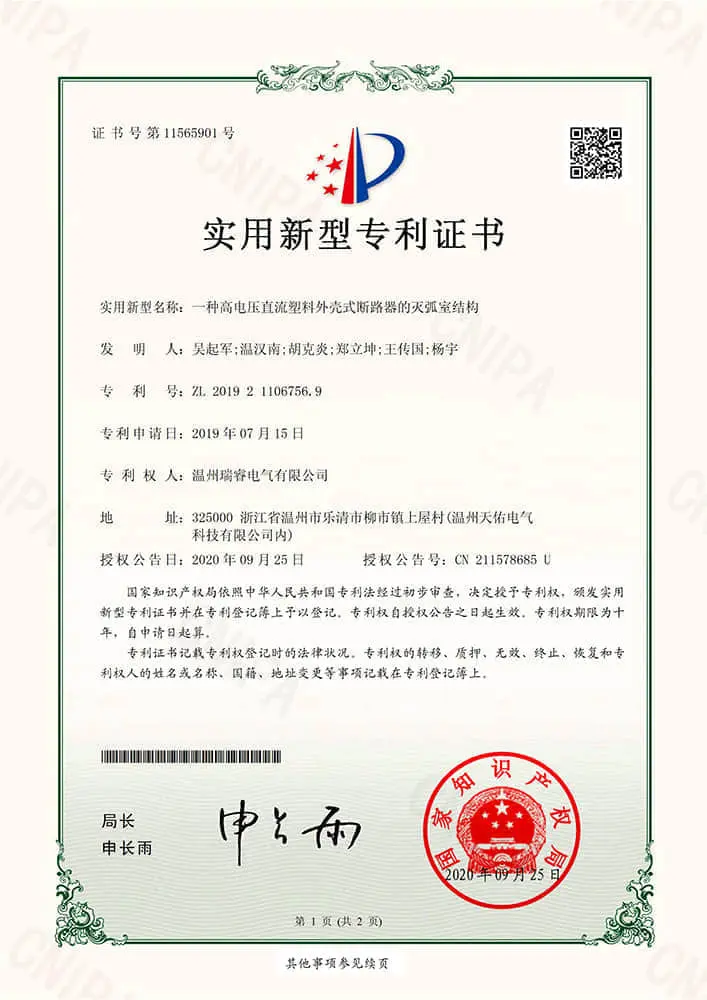
Certified Safety and Quality Standards

Acereare products undergo comprehensive testing to comply with international low-voltage apparatus standards, including IEC/EN 60947.
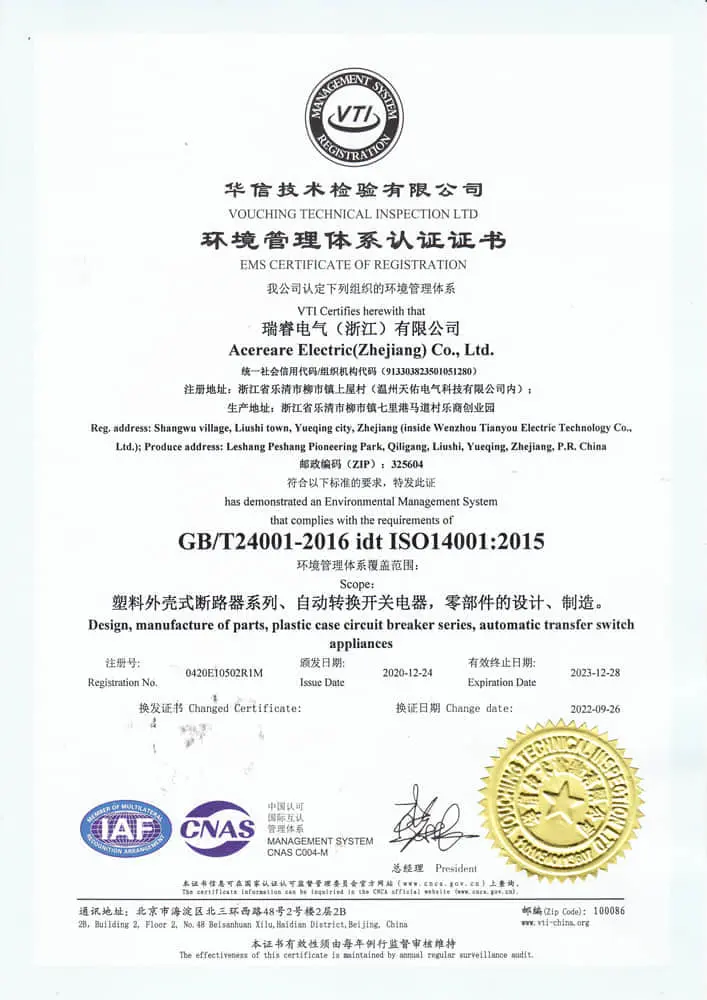
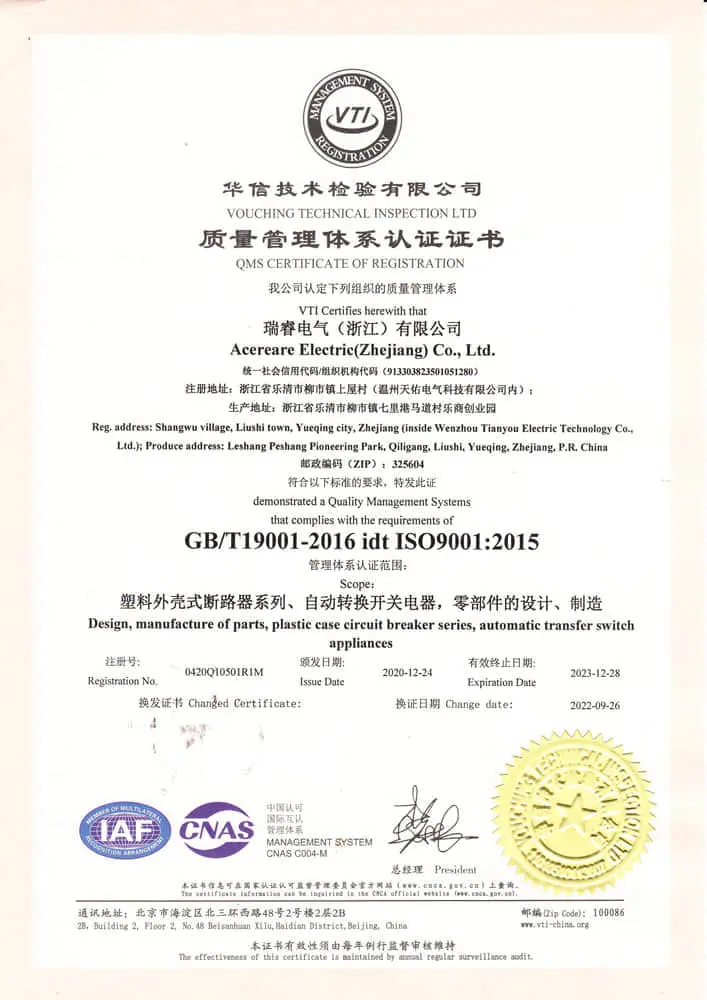
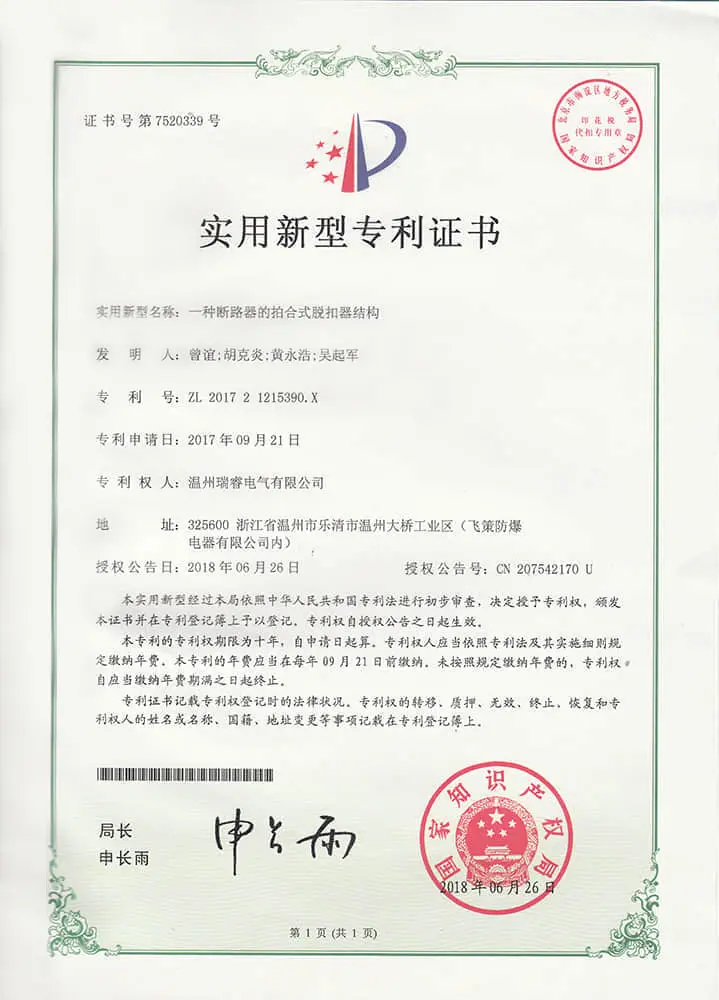
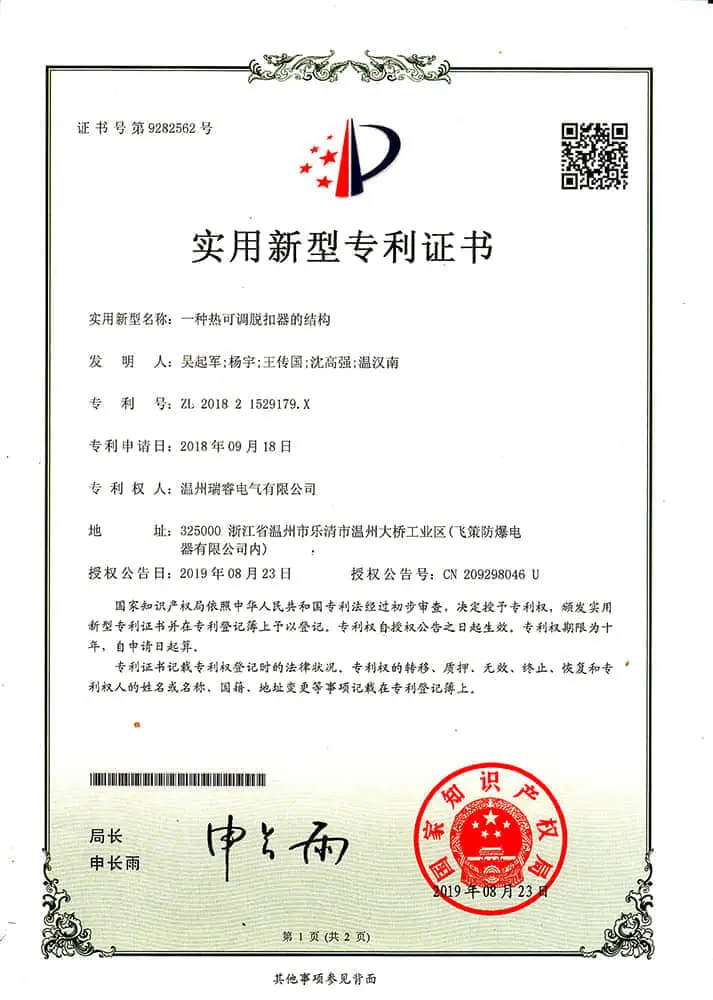
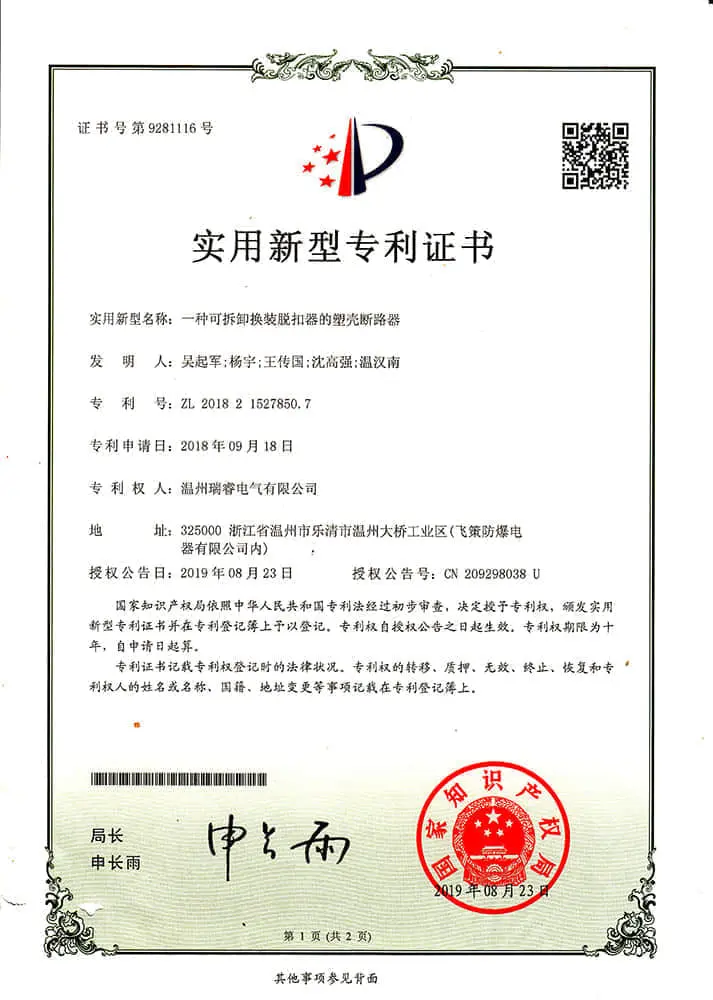
ISO Certification Profile
KEMA Laboratory Certification
Safety Standard Markings
CE Mark Conformity Certificate
Production Quality Inspection Document
Bureau Veritas Factory Inspection
ISO 9001 Certificate
TUV Rheinland Certificate

Frequently Asked Questions

Find answers to common technical and commercial questions about circuit breaker releases, trip mechanisms, and sourcing processes.

What is the function of a shunt release (MX) in low-voltage systems?
A shunt release is an auxiliary mechanism that trips the circuit breaker remotely when control power is applied. It is commonly integrated with emergency stop buttons, fire alarm relays, or safety control circuits to quickly disconnect power during emergency events.
When should an undervoltage release (MN) be specified instead of a shunt release?
An undervoltage release is designed to trip when the system voltage drops below a safe threshold (generally 35% to 70% of the nominal voltage). This prevents electric motors or industrial machinery from automatically restarting when power is restored after a blackout, protecting both the equipment and operators.
How does high altitude (>2000m) affect MCCB and release performance?
At altitudes exceeding 2000 meters, the thinner air reduces the cooling capacity of the breaker, requiring current derating to prevent overheating. Additionally, the decreased dielectric strength of air reduces the breaker’s insulation performance and impulse withstand rating, which requires adjustments to installation clearances and the use of specialized derating factors.
What is the difference between thermal-magnetic and electronic (LSIG) trip units?
Thermal-magnetic trip units use a bimetallic strip for overload protection and an electromagnet for instantaneous short-circuit protection. Electronic (LSIG) trip units use internal current transformers (CTs) and a microprocessor to measure load current, providing precise settings for Long-time (L), Short-time (S), Instantaneous (I), and Ground fault (G) protection.
Does Acereare provide complete custom OEM/ODM production?
Yes. We provide complete OEM/ODM services, including custom mold design, functional electronic and mechanical adjustments, private label laser marking, and customized packaging. Development costs for custom molds can be refunded once agreed production volumes are achieved.
How does the factory control the quality of stampings and contacts?
Our quality control process is managed via integrated MES and PLM software systems. We perform material inspections on incoming copper and silver alloys, run regular dimension checks on stamping lines, and utilize automated test benches to verify the electrical endurance and contact resistance of finished assemblies.