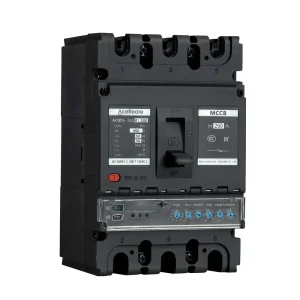
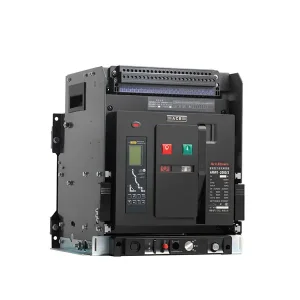
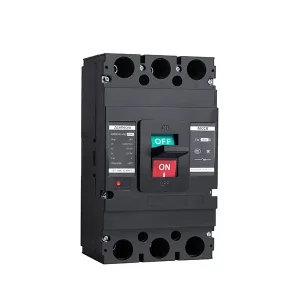
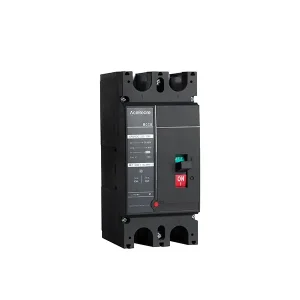
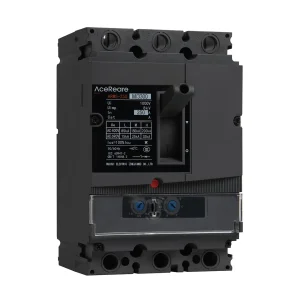
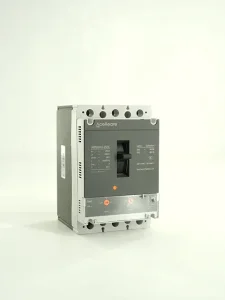
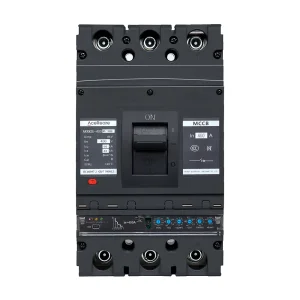
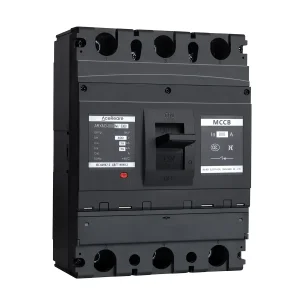
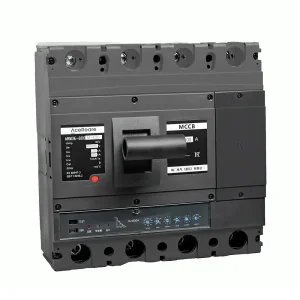
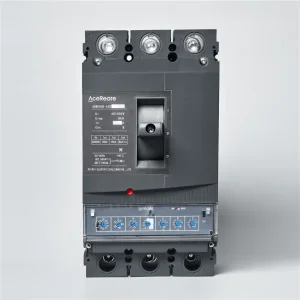
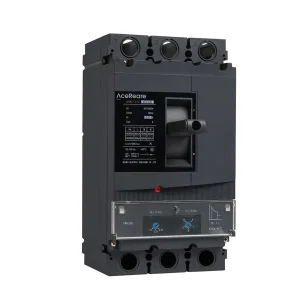
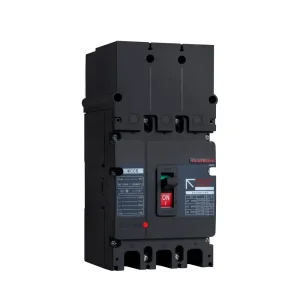
Explore our industrial range of high-breaking capacity molded case breakers and specialized solar switches engineered for rugged performance.
Acereare Electric, established in 2015, owns two wholly-owned subsidiaries: "RuiRui Electric" and "KeRui Electric". We operate as a premier original design and equipment manufacturer integrating advanced R&D, high-precision manufacturing, and global trade solutions.
Specializing in molded case circuit breakers (MCCB), air circuit breakers (ACB), DC isolators, and high-performance distribution components, our operational core inherits over 20 years of technical expertise passed down through two generations of engineering craftsmen. Today, our industrial factory stands proudly among the top well-known ODM manufacturer ecosystems in China.
R&D Engineers
Skilled Workers
Annual Sales (RMB)

Technical architecture, system integration, and global deployment parameters for electrical engineers.
Direct Current (DC) circuits present unique engineering challenges compared to Alternating Current (AC) networks. Because DC does not benefit from a natural zero-crossing point, electrical arcs formed during overcurrent trips are sustained and highly destructive. A 100A DC MCCB must leverage specialized magnetic blowouts, cooling grids, and extended contact gaps to force the arc into extinguishing chambers immediately upon separation.
When deploying a 100 Amp DC circuit breaker in commercial battery storage (BESS) or 1000V/1500V photovoltaic combiners, the thermal and magnetic release mechanics must be calibrated to resist environmental fluctuations while maintaining highly reliable instantaneous tripping thresholds.
The 100A DC breaker acts as a core safeguard across several vital infrastructure setups:
| Parameter Description | DC Circuit Breaker (Typical 100A) | AC Circuit Breaker (Typical 100A) | Engineering Impact |
|---|---|---|---|
| Rated Operational Voltage (Ue) | Up to 1000V / 1500V DC | 230V / 400V / 690V AC | High voltage DC demands multi-pole serial configurations. |
| Arc Interruption Method | Magnetic blowout & long arc chute | De-ion grid cooling | DC requires active force to stretch and extinguish the continuous arc. |
| Short-Circuit Capacity (Icu) | 10kA to 50kA (at rated voltage) | 35kA to 100kA | Ensures system protection during massive grid discharges. |
| Polarity Sensitivity | Often Polarized (direction-specific) | Non-polarized | Wiring must adhere strictly to line/load markings. |
How our DC breakers are structurally enhanced to maintain nominal rating operations across specialized industrial scenarios.
Utilizing premium low-temperature resistant base polymers and low-viscosity mechanical oils, our hardware maintains normal mechanical cycle times at temperatures down to -40℃, supported by full laboratory verification reports.
Subjected to strict salt-spray exposure testing (72h for finished systems / 48h for structural parts). Perfect for coastal, offshore solar installations and containerized maritime power blocks to resist corrosion and micro-leakage currents.
For installations exceeding 2000 meters elevation, we supply certified derating factors. This accounts for thinner air densities affecting insulation strength and convective heat dissipation properties.
Widely deployed within premium household battery systems to prevent damage caused by circuit overload or short circuit faults, providing high switching flexibility and reliable protection.
Manufactured using heat-resistant compounds. Internal components feature protective barriers, and raw conductive copper is treated against oxidation. Operationally rated up to 55℃ with no critical loss of mechanical integrity.
Integrated micro-switches offer real-time telemetry, remote operations, local edge computing calculations, and current tracking, facilitating integration into central SCADA networks.
Four primary structural indicators that define our manufacturing quality and supply capability.
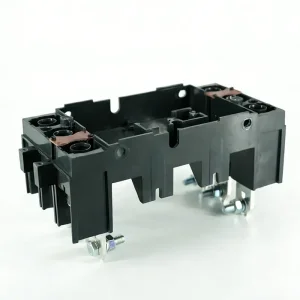
Complete vertically integrated system using 6 unique material processing methods. Built with advanced high-precision testing machinery alongside 10+ manual and automated assembly stations.
50+ active R&D engineers possessing extensive industry experience. Skilled in advanced 3D parts mold prototyping, product visualization, and completing over 50 new design initiatives yearly.
Running two production plants to separate distribution components and final unit assembly. Real-time control is maintained using advanced enterprise management software (ERP & U8).
Rigorous quality controls utilizing our internal test laboratory. Over 150 dedicated diagnostic instruments and a professional QC team ensure quality metrics through integrated PLM, ERP, and MES software.
Observe the engineering precision and quality testing processes that every Acereare circuit breaker undergoes.
We act as your overseas manufacturing base, providing professional customization from raw materials to international certifications.
• High-resolution laser engraving of proprietary corporate logos.
• Use of high-quality raw materials to secure customer trust.
• Fast prototyping cycles to reduce time-to-market.
• Unique mechanical enclosure styling to stand out from competitors.
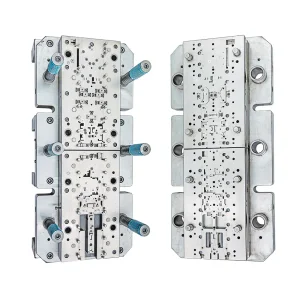
• Custom tooling design and injection mold fabrication.
• Custom electrical release curves and trip-current configurations.
• Direct support for third-party regulatory tests (UL, CE, CB).
• Dedicated account managers with 24-hour response cycles.
• Customized logo printing and laser marking on certified housings.
• Customized product packaging (outer shipping crates, inner cartons).
• Professionally designed catalogs tailored to localized markets.
• Flexible MOQ thresholds for initial verification runs.
From initial design query to long-term after-sales support, we ensure a seamless procurement path.
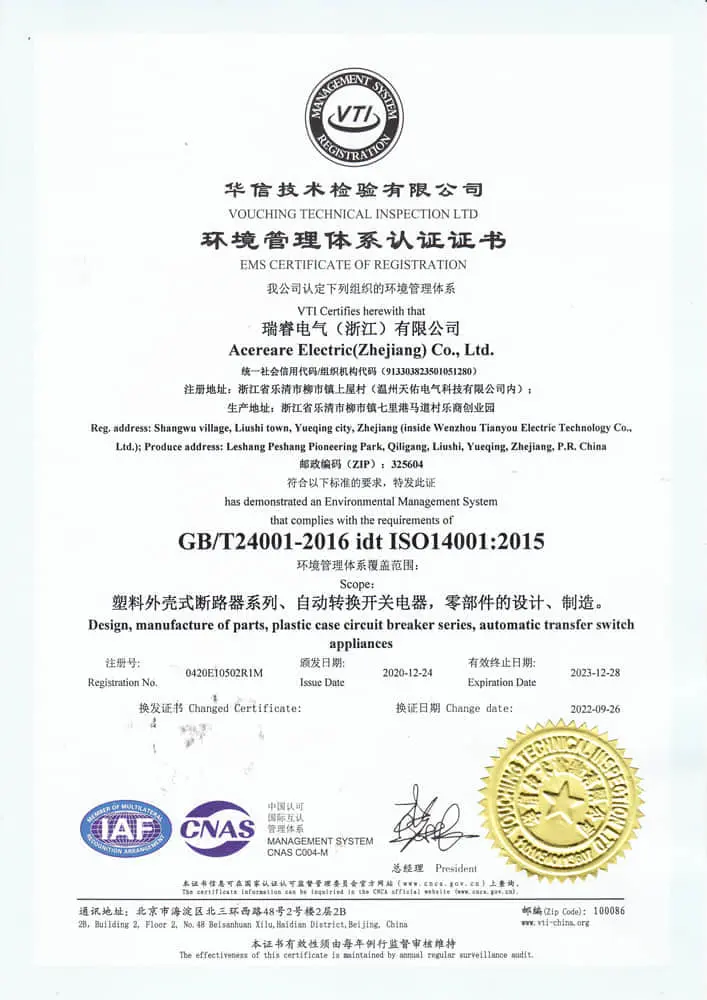
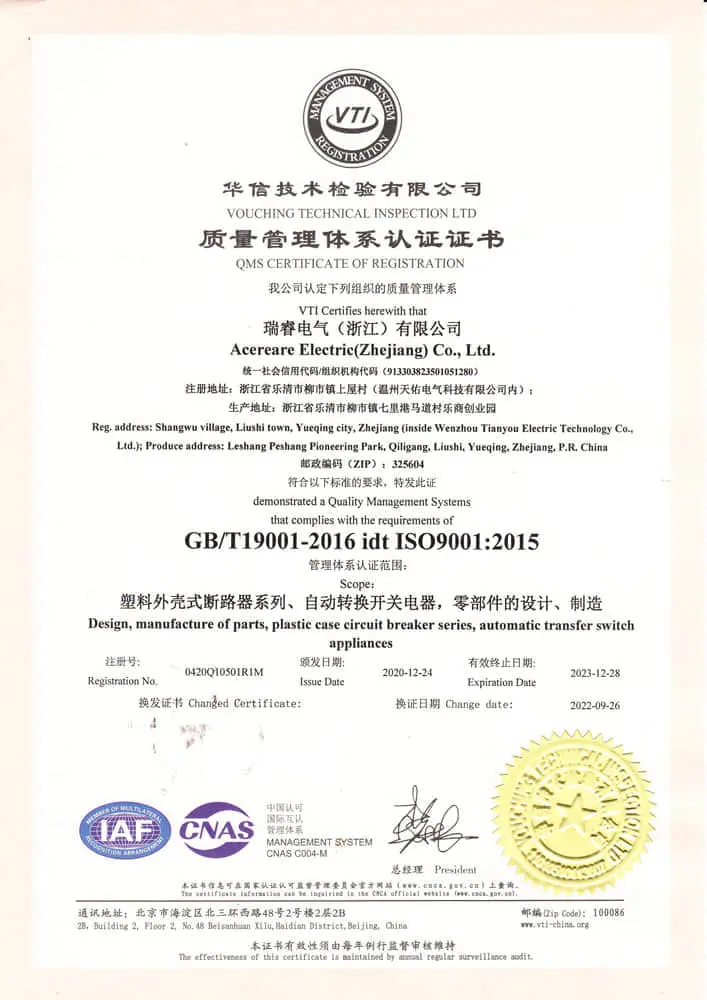
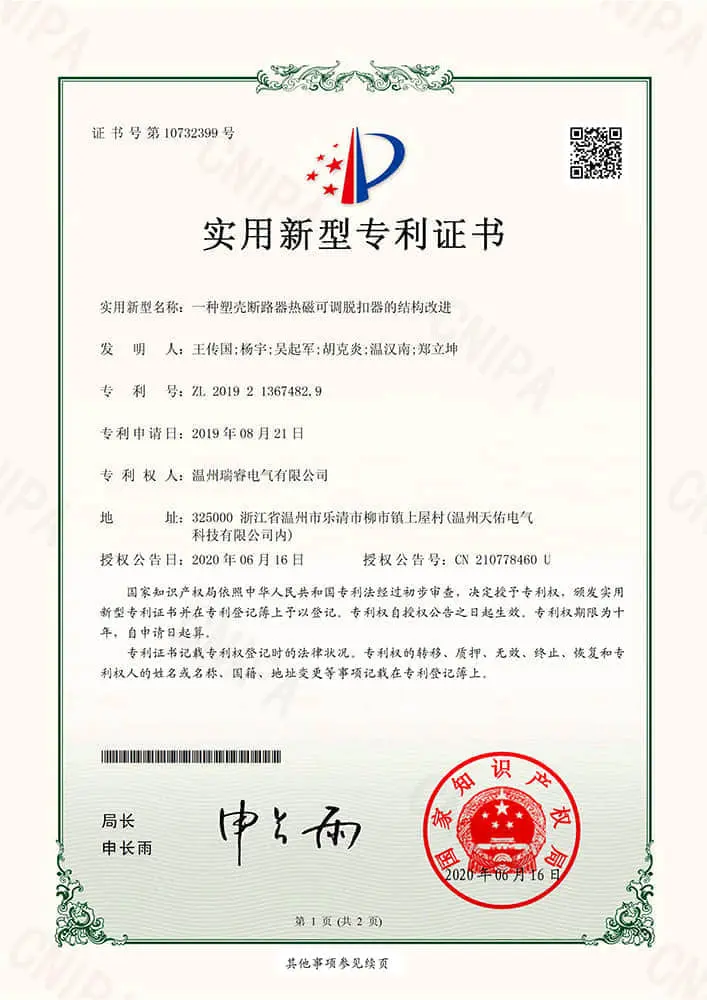
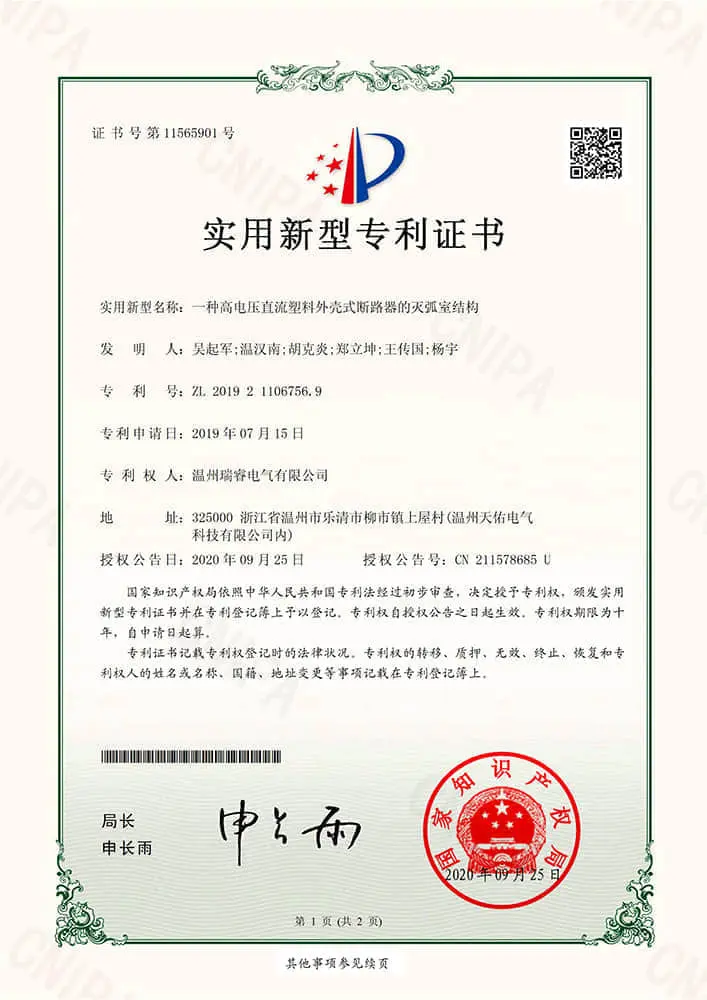
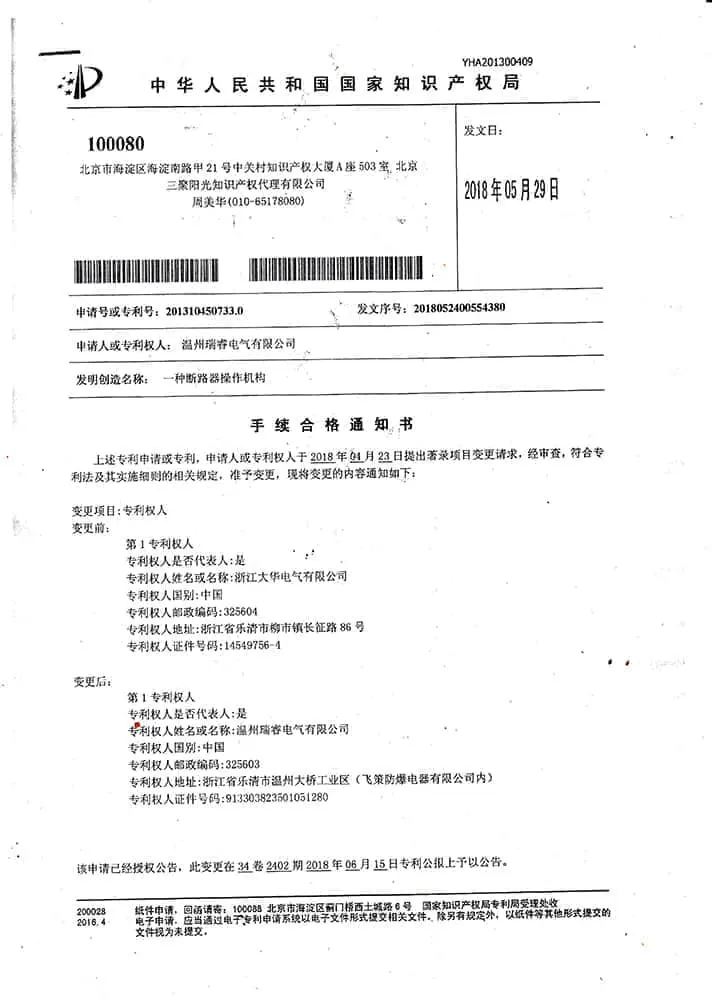
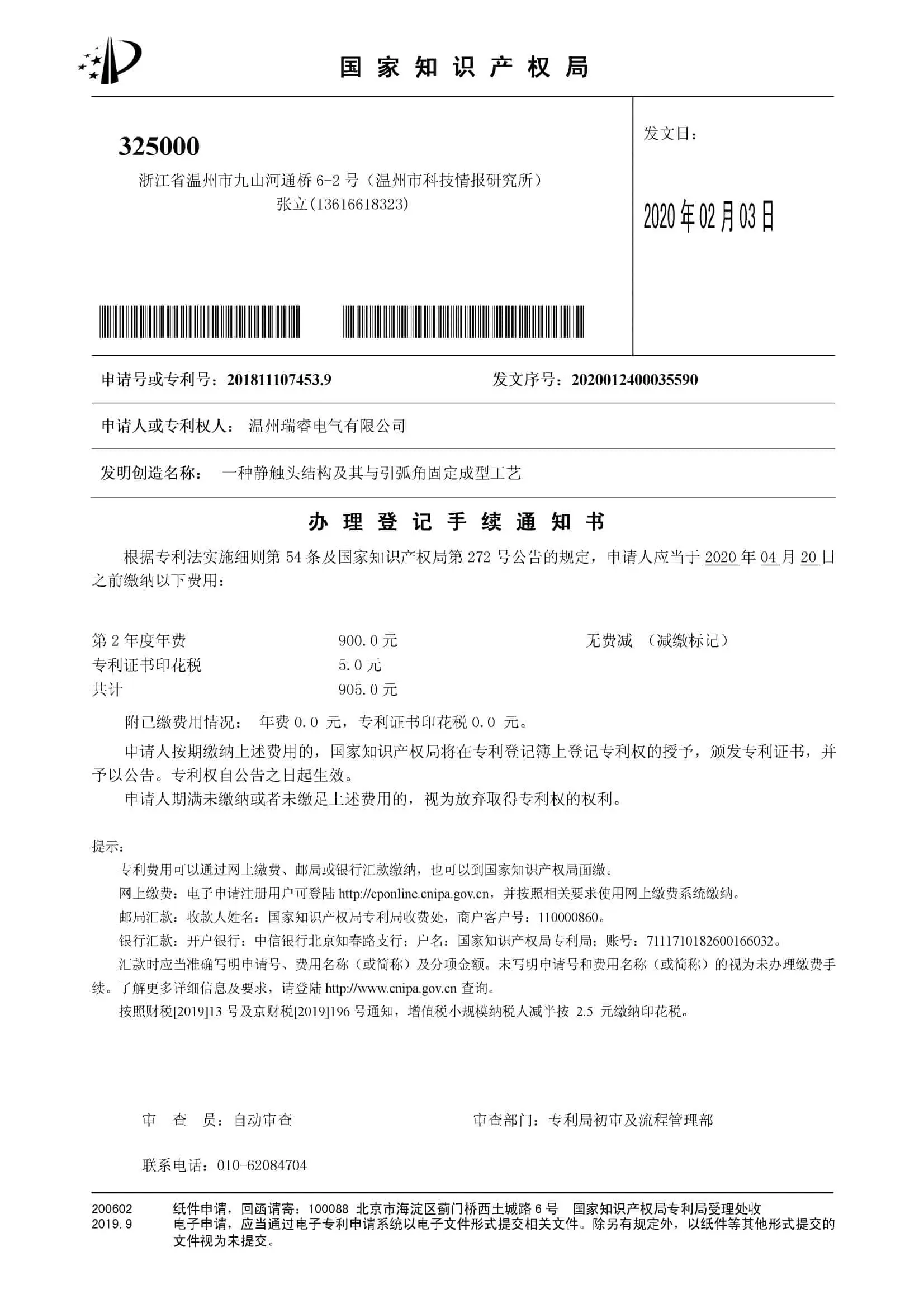
Tested and verified by international laboratories to ensure reliable operation under safety regulations.




Practical answers to common design and integration questions from electrical system designers.
AC breakers rely on the zero-crossing of the alternating current waveform to help extinguish the electric arc. DC current has no zero-crossing, meaning the arc is continuous and sustained. Using an AC breaker in a high-voltage DC system can result in a failure to extinguish the arc, causing the switch housing to melt, catch fire, or fail catastrophically.
Most circuit breakers are calibrated at a reference ambient temperature of 40°C. If operated in higher temperatures (e.g., in a solar combiner box reaching 55°C), the internal thermal bimetallic strip expands sooner, leading to premature tripping. In these cases, derating calculations must be applied (typically rating the unit down to 80-85A or using active thermal management).
Polarized DC breakers require current to flow in a single designated direction (+ to -) to effectively steer the arc into the extinguishing chamber using internal permanent magnets. Incorrect wiring compromises this protection. Non-polarized DC breakers are designed to handle bi-directional current flow, making them ideal for battery storage systems that undergo charge and discharge cycles.
Under international frameworks, DC circuit breakers must comply with IEC 60947-2 (for industrial low-voltage switchgear) or UL 489B (specifically covering molded-case switches and breakers for photovoltaic systems). These certifications ensure the housing materials, dielectric properties, and interrupting ratings are verified for safe DC operation.
Yueqing acts as China's primary electrical components manufacturing hub, offering vertical integration of all key supply stages. This includes stamping raw copper, plastic molding, and automated assembly. This geographic concentration reduces logistical costs, accelerates component sourcing, and allows manufacturers to provide competitive pricing and faster design customization.
Annual preventative maintenance should include thermal imaging to detect hot spots (indicating loose cable terminations), checking for physical degradation or discoloration of the composite housing, cleaning any dust build-up that could cause tracking paths, and manually cycling the breaker to verify its spring mechanics function correctly.
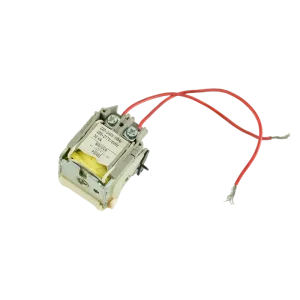
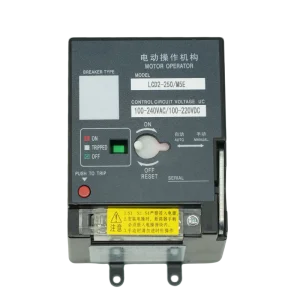
Complete your layout integration with our high-power thermal magnetic breakers, accessories, and automated mechanisms.
 AceReare