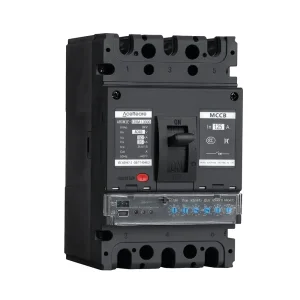
Premium range of OEM/ODM circuit control components, molded case breakers, and operating mechanisms directly from China's leading factory.
In the wake of the global transition toward decarbonization, modern power grids are undergoing their most fundamental architectural shift since the War of Currents. Direct Current (DC) distribution is no longer a niche topology relegated to telecommunication systems or heavy electro-chemical refining. Today, the rapid integration of utility-scale Solar Photovoltaic (PV) plants, Battery Energy Storage Systems (BESS), Electric Vehicle (EV) fast-charging highways, and modern high-voltage DC (HVDC) transmission links has thrust DC protection technology into the spotlight.
The global DC circuit breaker market is expanding at an unprecedented CAGR of over 10.5%. This growth is heavily driven by industrial installations migrating from historical 1000V DC operating limits to higher, more efficient system voltages of 1500V DC and up. At 1500V DC, systems experience significantly reduced line losses and lower cable volume requirements. However, this voltage escalation places immense thermal and electromagnetic stresses on circuit protection hardware.
Globally, manufacturers must satisfy conflicting regional standards: the international IEC 60947-2 standards for switchgear, and the North American UL 489B / UL 98B standards for photovoltaic and DC applications. Factories serving these international networks must possess advanced precision design capabilities, rigorous quality assurance systems, and scalable production capacities to custom-derate switchgear for diverse climatic environments.
To safely isolate DC faults, a circuit breaker must generate a counter-electromotive force (counter-EMF) greater than the system's driving voltage. Acereare’s R&D department utilizes three critical physical mechanisms to force the current to zero:
Over Two Decades of Uncompromised Electrical Engineering Craftsmanship
Founded in 2015, Acereare Electric comprises two wholly-owned production subsidiaries: "RuiRui Electric" and "KeRui Electric." Inherited across two generations of engineering craft, our facility has established strategic alliances with nearly 100 high-end OEM and ODM brands across Europe, South America, and Southeast Asia.
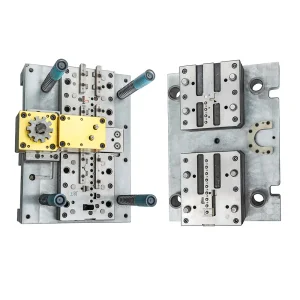
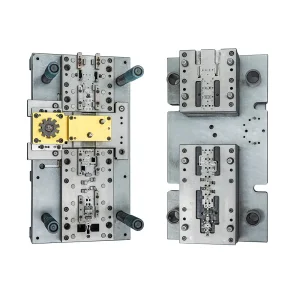
We are a vertically integrated manufacturer, controling every step of production from sheet metal stamping molds and terminal components to electronic LSIG trip units and completed Molded Case Circuit Breakers (MCCB) and Air Circuit Breakers (ACB).

How we ensure zero-defect distribution for global commercial environments
One-stop processing with six distinct techniques. We operate high-precision robotic stamping and tooling lines, paired with over 10 automated and manual assembly chains.
50+ experienced engineers fluent in SolidWorks and UG 3D parametric mold and structure modeling. We initiate over 50 new R&D research prototypes annually.
Owning two separate component and assembly factories. Seamless production tracking via our ERP and U8 software to manage order pipelines, inventory, and deliveries.
Multi-step QC system supported by a private lab. Equipped with 150+ testing sets and 20+ specialized inspectors, all integrated through PLM, BI, and MES quality loops.
Explore our main breakers and components designed for highly complex grid architectures
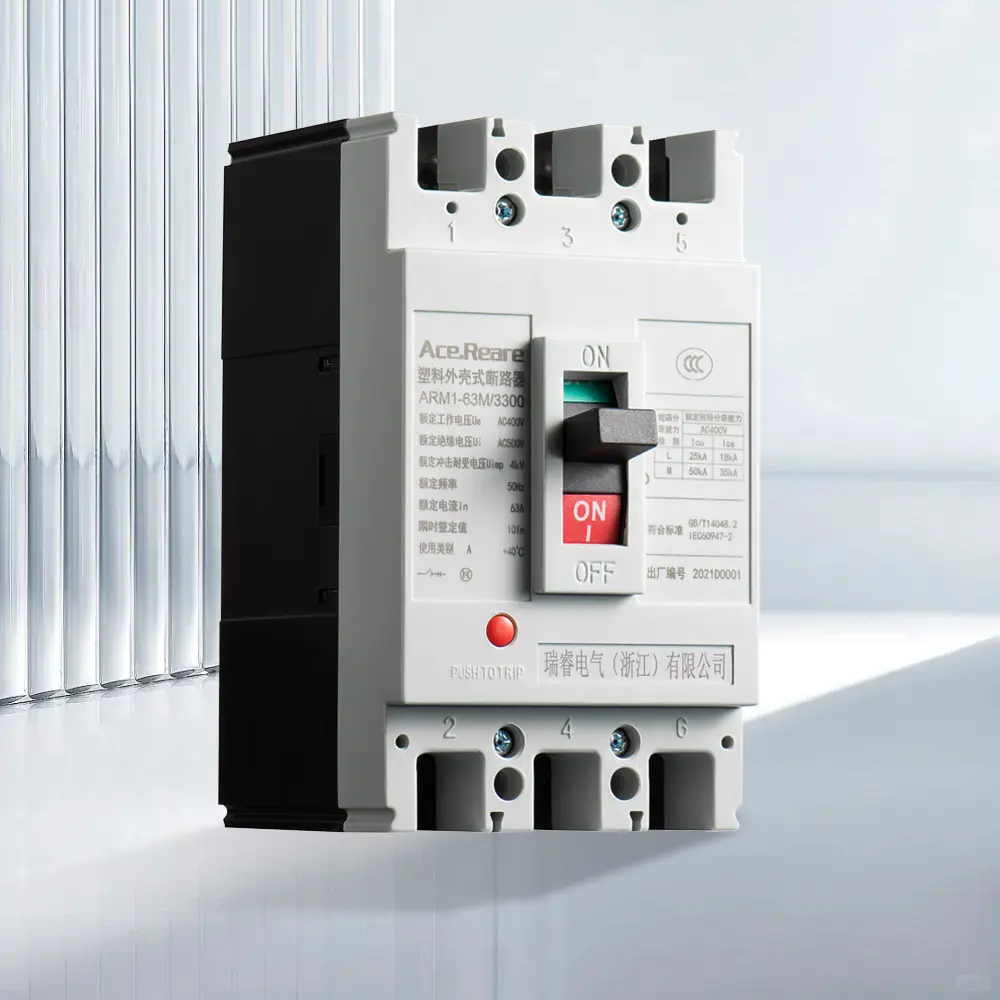
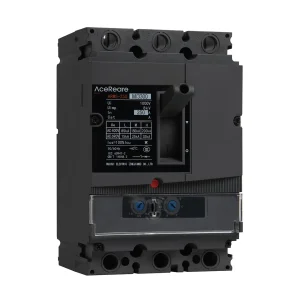
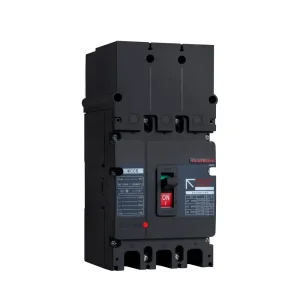
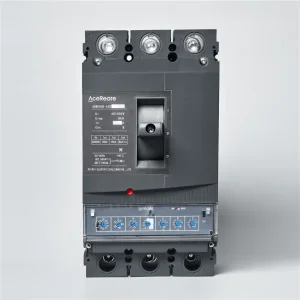
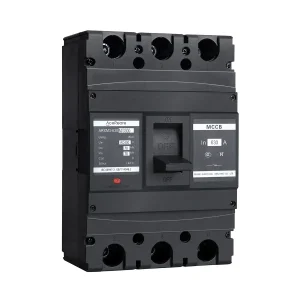
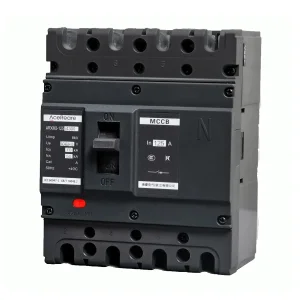
Engineered for general distribution power networks. Offers robust overcurrent protection, phase loss safety, and reliable short-circuit prevention for commercial and grid installations.
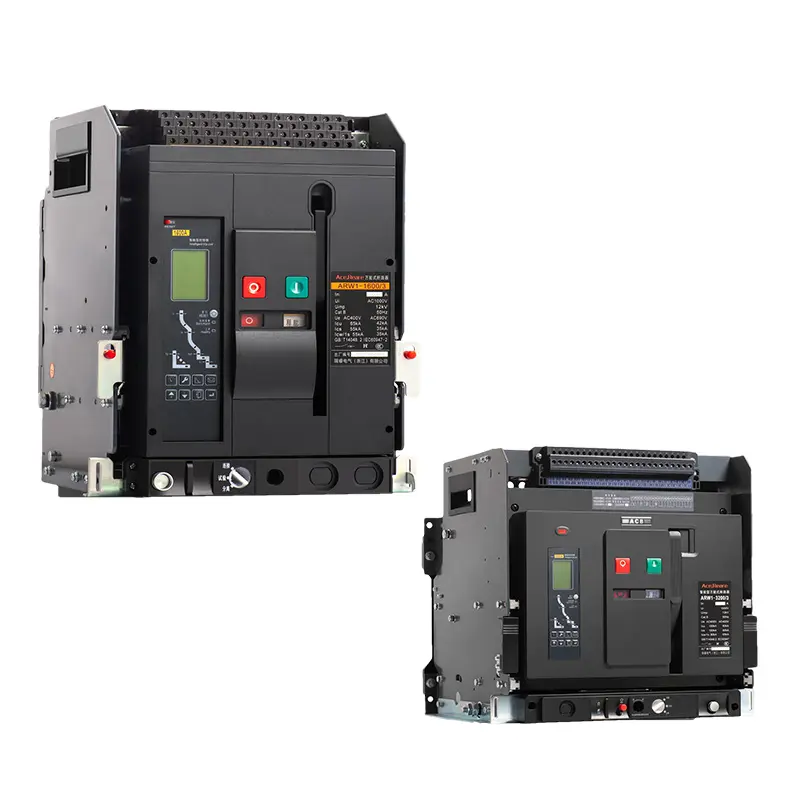
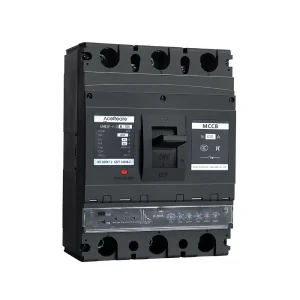
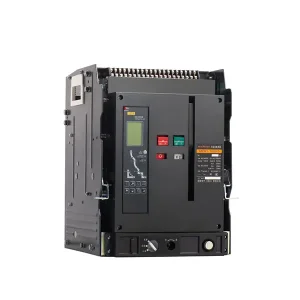
Applicable to AC 50Hz networks with rated voltages up to 690V and currents from 400A to 6300A. Features an intelligent trip unit offering high-precision selective protection and standard communication interfaces supporting remote sensing, remote adjustment, remote control, and remote signaling.
How our DC Current Breakers perform in global extreme climate zones
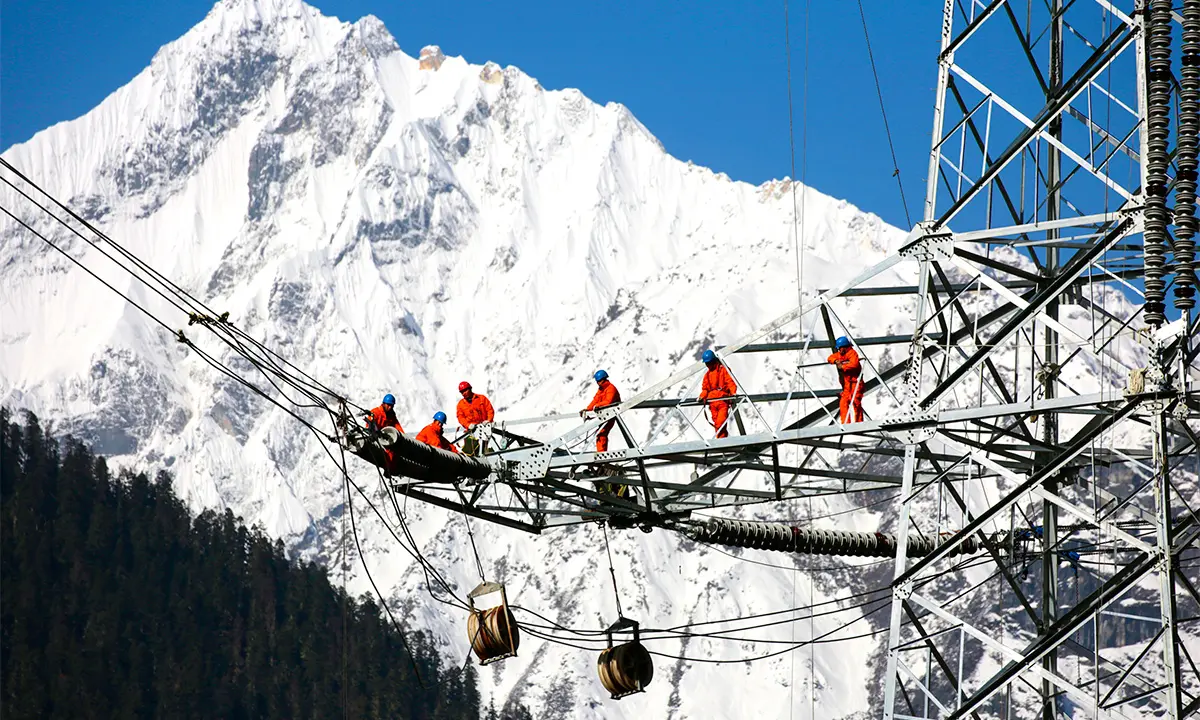
Utilizing high-strength low-temperature resistant thermal plastics, specialized low-viscosity damping oils, and thick anti-cracking plating. All models undergo extensive cryogenic testing chamber reports.

Tested up to 72 hours for complete machines and 48 hours for semi-complete elements. Ideal for seaside wind farms, dock power systems, and offshore marine vessels against salt-laden sea air corrosion.
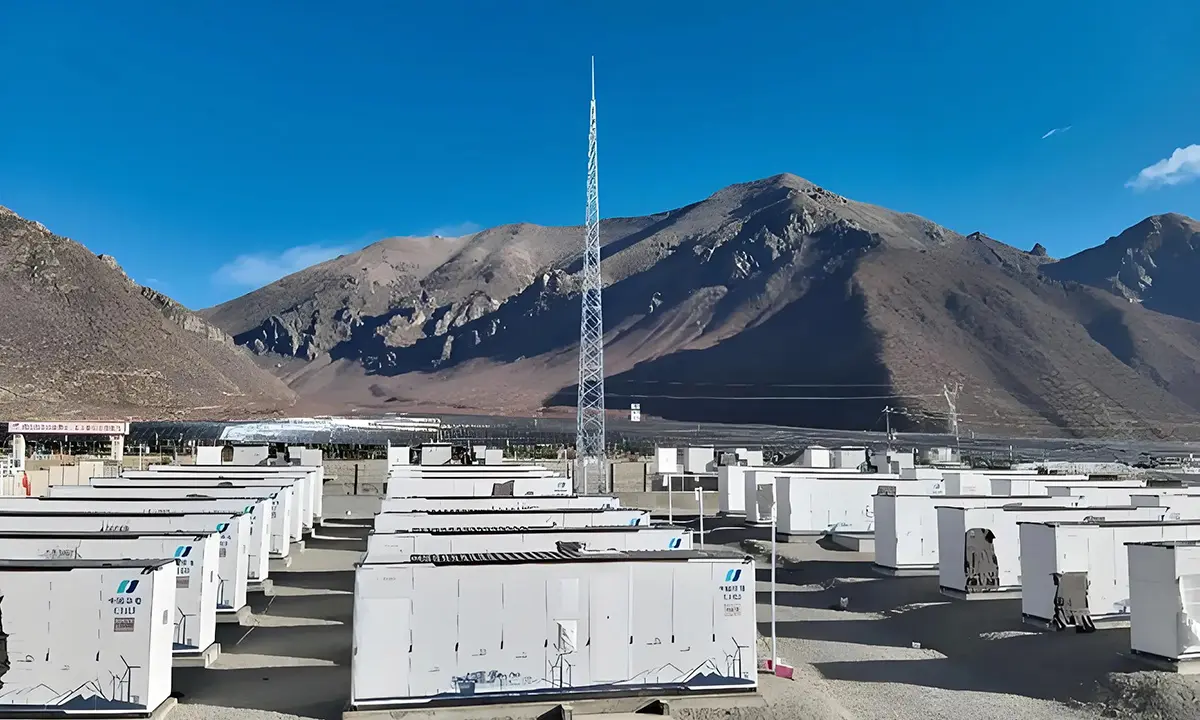
At high altitudes, thin air reduces thermal dissipation and dielectric strength. Our technical division applies dynamic derating tables to modify voltage and current trip points for high-altitude systems.

Provides highly responsive overcurrent protection for modern households. Safeguards expensive appliances, HVAC networks, and electric vehicle wallboxes from electrical faults.
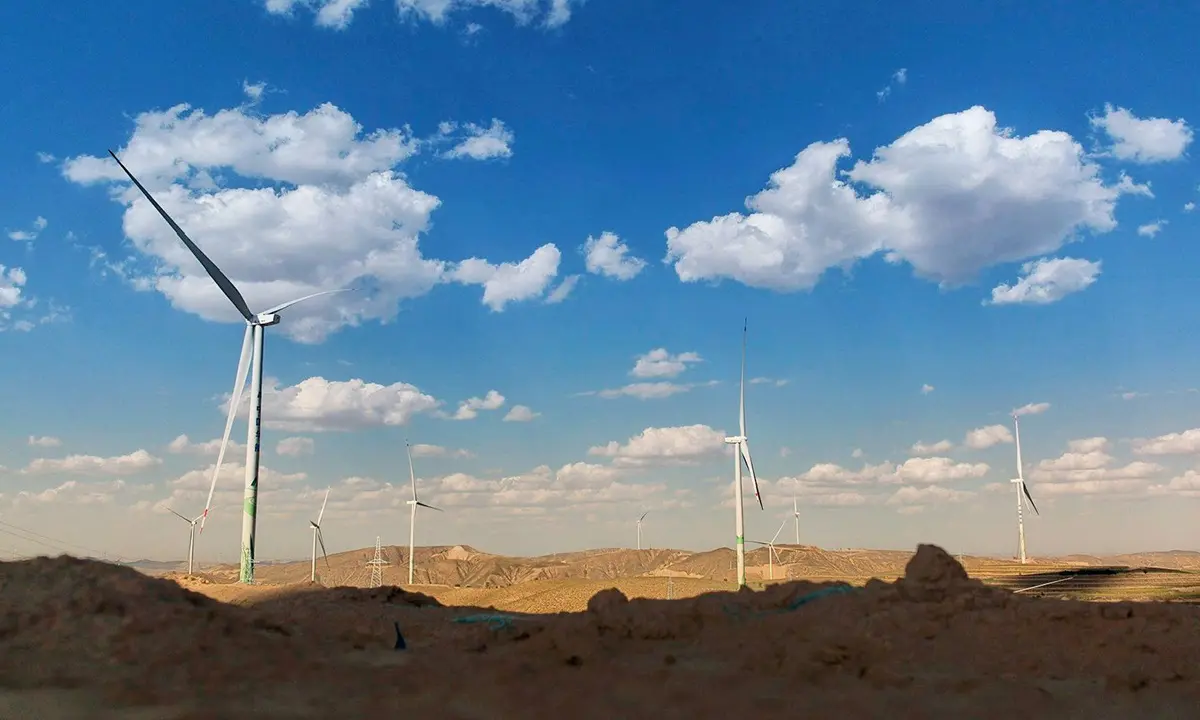
Engineered for desert solar farms. Control modules are coated with thermal insulation barriers. Copper and iron parts are tropicalized to prevent heat-induced oxidation and dynamic drift.
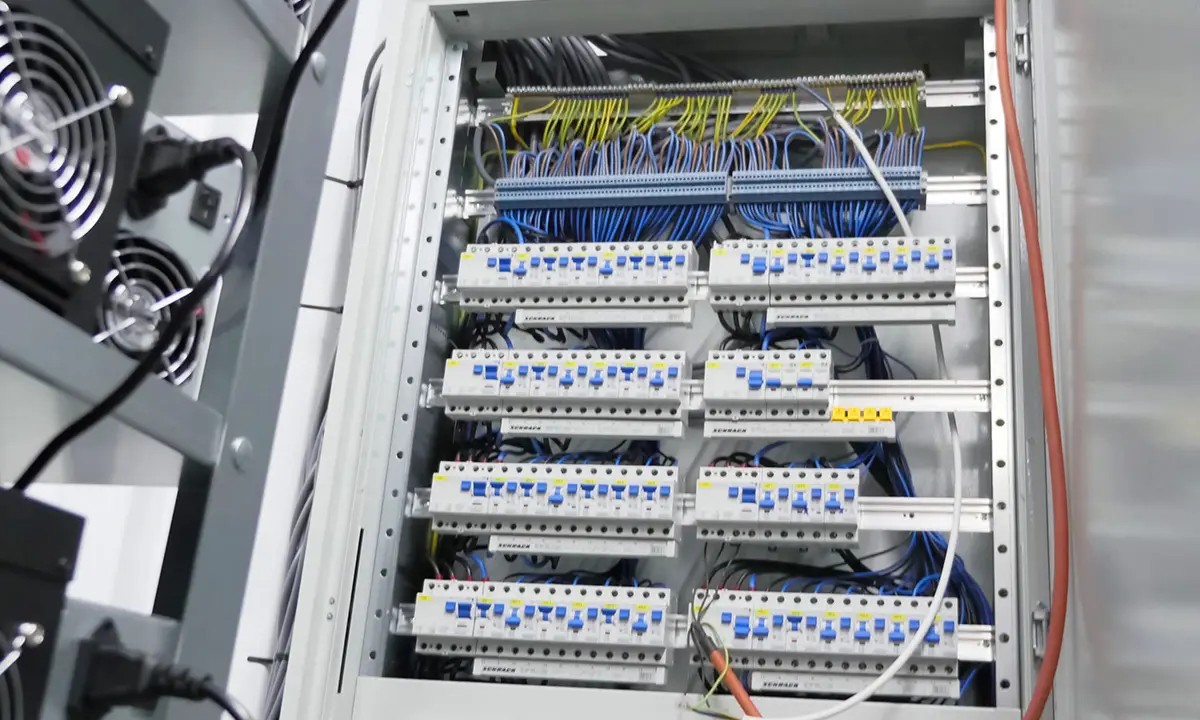
Features embedded energy metering chips, remote control operation, Modbus/RS485 communication protocols, and edge computing capability for active smart grid management.
One-stop production workflow designed for global commercial clients, wholesalers, and engineers
We support global breaker brands to capture market share with localized modifications, fast prototype cycles, and custom-engineered mechanical structures.
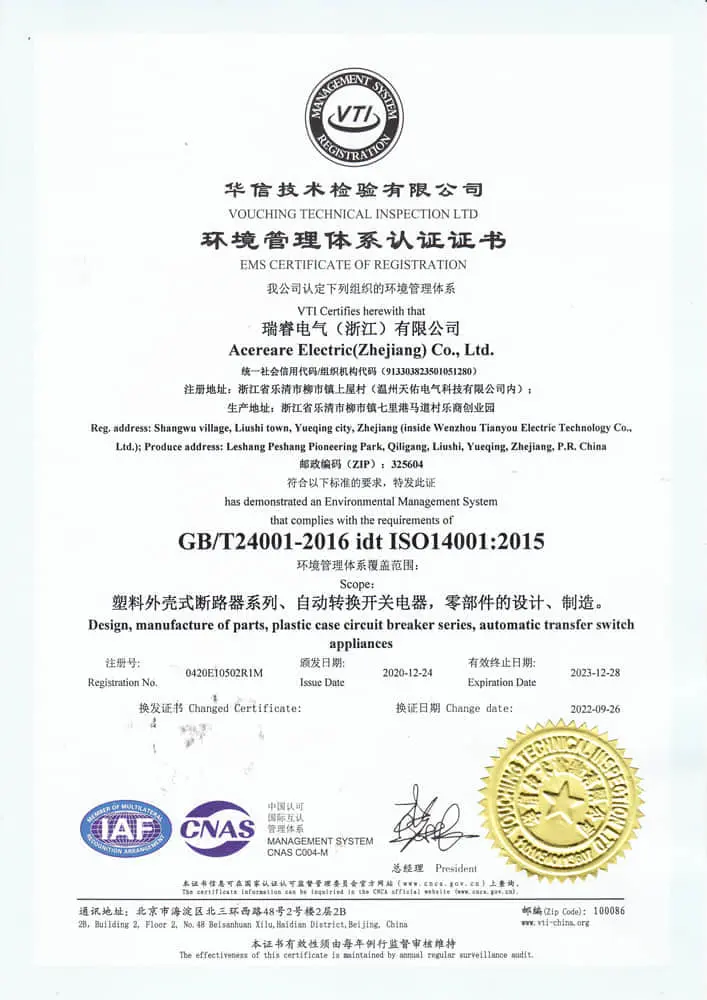
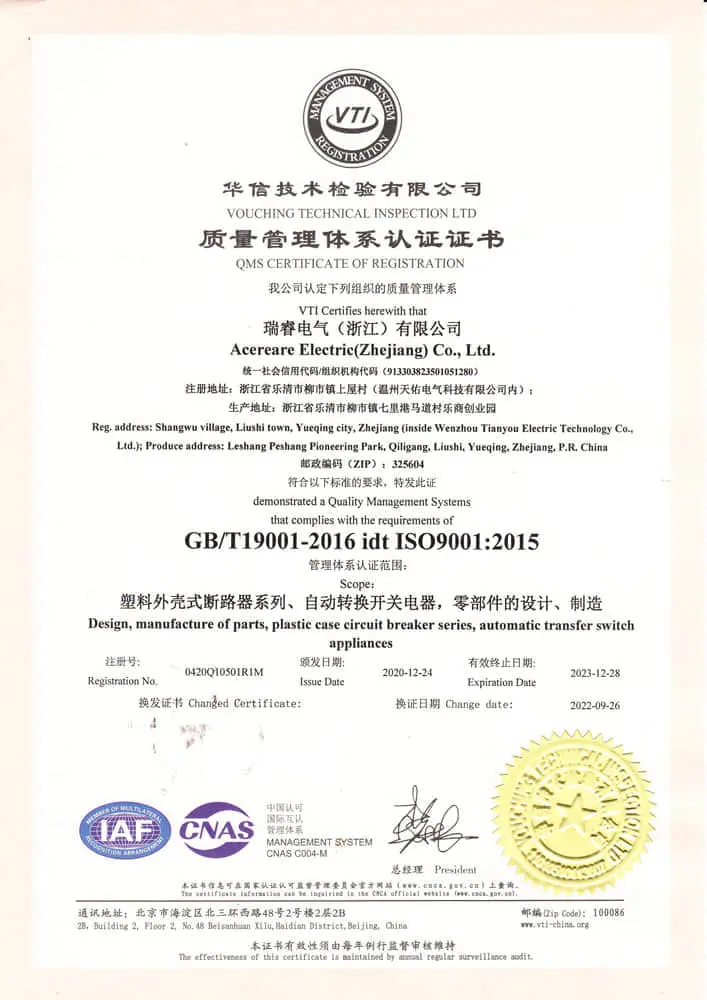
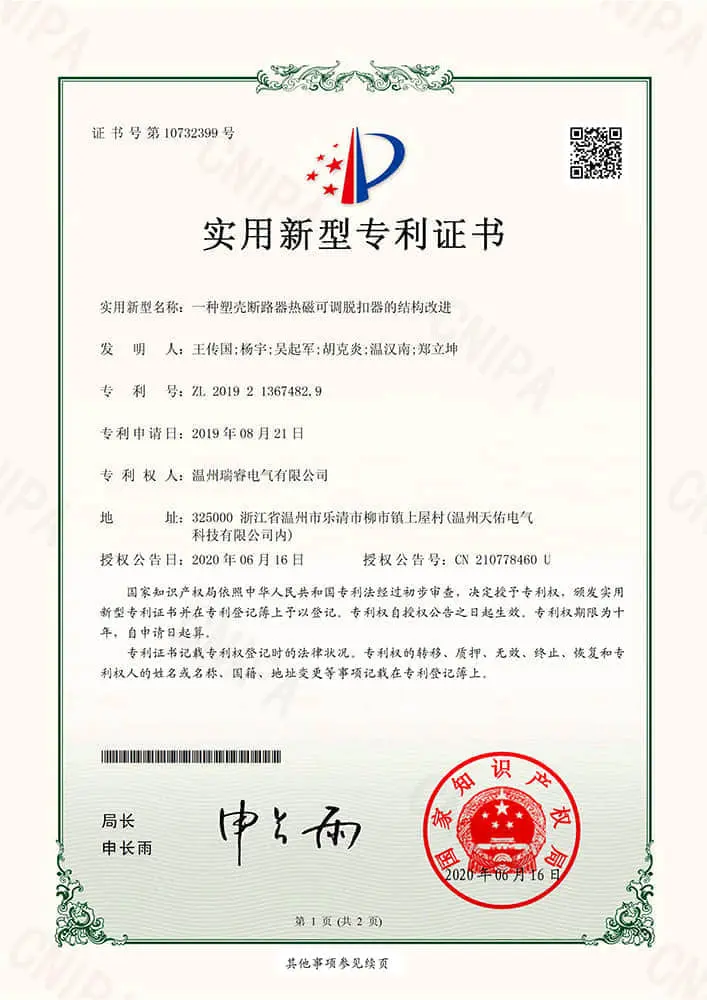
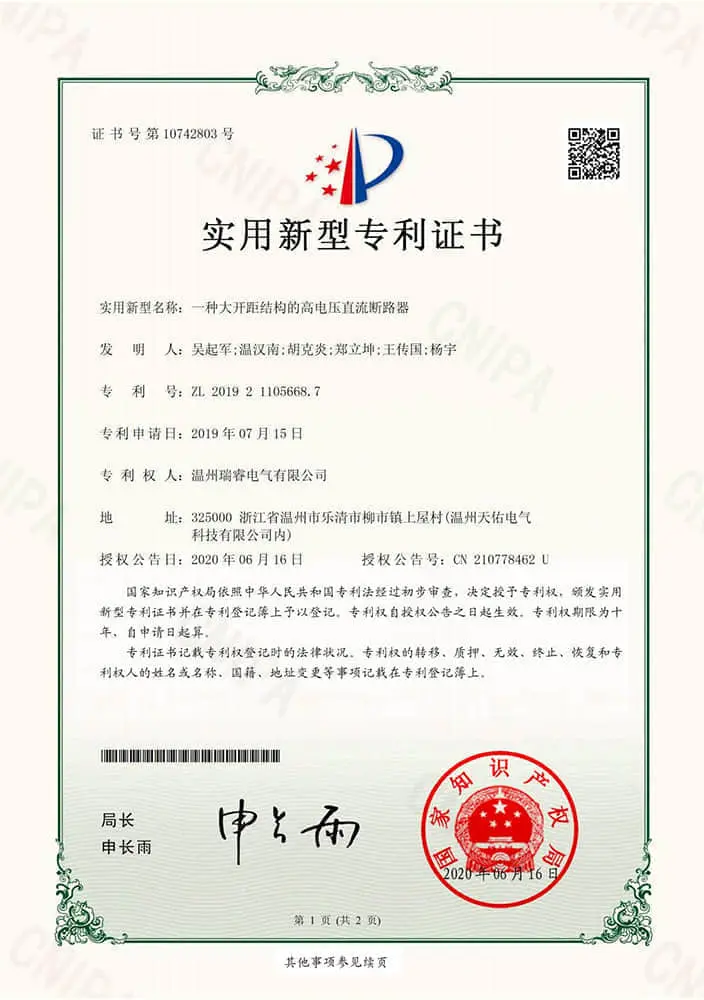
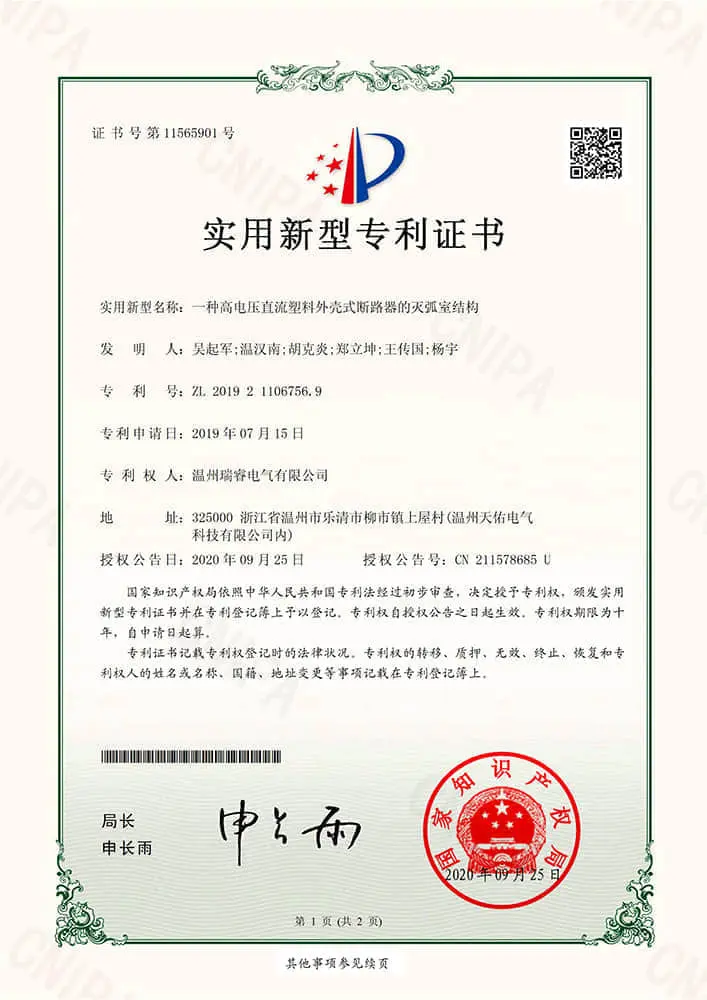
Browse our complete list of heavy industrial hardware components and high-capacity switchgears.
The industry is transitioning toward hybrid and solid-state circuit breakers. While traditional mechanical breakers offer low conduction losses, their trip response time (~20 to 50 milliseconds) can be too slow for delicate semiconductor-based DC microgrids. Over the next decade, Acereare is steering its R&D roadmap to incorporate:
Technical answers directly from our factory engineering laboratory
Alternating current (AC) has a natural zero-crossing point twice per cycle, which naturally helps cool and extinguish the electric arc. Direct current (DC) maintains a continuous voltage, requiring the circuit breaker to actively push the arc into cooling chambers using magnetic blowouts or wide contact gaps to generate a counter-voltage that forces the current to zero.
At altitudes above 2000 meters, the thinner air reduces both the cooling capacity and the dielectric insulation strength. Therefore, circuit breakers must be adjusted using a derating coefficient, reducing the maximum continuous current and rated voltage to prevent overheating and premature dielectric breakdown.
LSIG electronic trip units provide four levels of customizable system protection: L (Long-time overload delay), S (Short-time short-circuit delay), I (Instantaneous short-circuit protection), and G (Ground fault protection). This granularity allows engineers to configure selective protection, ensuring only the breaker closest to the fault trips, preventing wider facility blackouts.
We execute strict corrosion testing inside our environmental simulation laboratory. Complete breakers undergo 72 hours of constant salt spray testing, while internal metallic stampings undergo 48 hours. Copper components are coated with protective plating, and mechanical linkages use marine-grade greases to resist salt and humidity degradation.
Yes. Our in-house research team design and develop customized molds for authorized trade brands. Depending on order volume, we also offer mold development cost refunds once specific bulk purchasing thresholds are achieved.
 AceReare