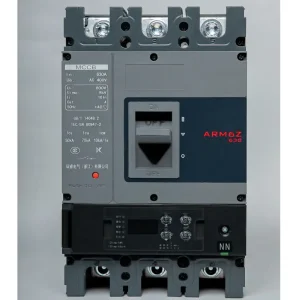
Wholesale Explanation Of Circuit Breaker Supplier & Suppliers

A Professional Whitepaper and Procurement Guide of Moulded Case Circuit Breaker (MCCB) & Air Circuit Breaker (ACB) Technology

Acereare Electric

Original Manufacturer Specialized in MCCB, ACB & Electrical Components

Founded in 2015 with two wholly-owned subsidiaries, "RuiRui Electric" and "KeRui Electric", Acereare is a professional original manufacturer integrating R&D, production, and sales. Specialist in Molded Case Circuit Breakers (MCCB), Air Circuit Breakers (ACB), and essential structural components, we have inherited over 20 years of technical craftsmanship passed down across two generations. Our factories stand as premier ODM/OEM hubs in China, recognized for high-performance and reliable circuit protection equipment.

50+

R&D Team Engineers

400+

Skilled Operators

250M

Annual Sales (RMB)

Acereare Manufacturing Plant Industrial Assembly Area
Industry Knowledge Hub

Wholesale Circuit Breakers: Critical Engineering & Procurement Insights

In the modern industrial electrical network, a circuit breaker is not just a switch; it is a critical protection mechanism that secures lives, expensive equipment, and continuity of service. As global industries shift toward high-capacity automation, renewable energy integration, and smart grids, understanding the role of professional circuit breaker suppliers becomes crucial for engineers, EPC contractors, and B2B procurement managers.

1. Defining the Core Technology: MCCB vs. ACB

Circuit protection devices are categorized based on their structural design, arc-quenching media, and voltage/current thresholds. The two most prominent categories in commercial and industrial settings are:

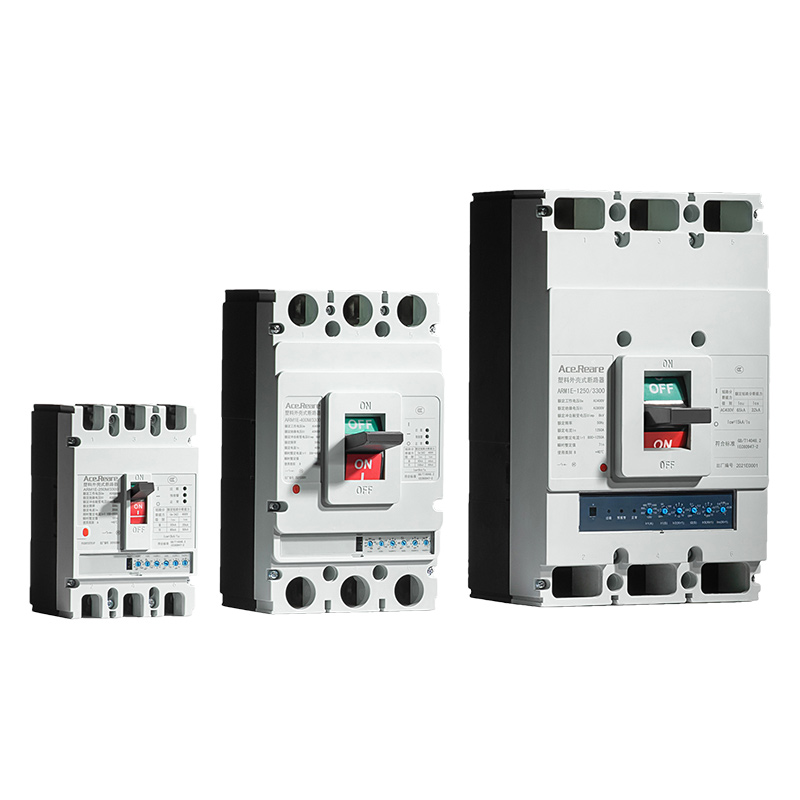
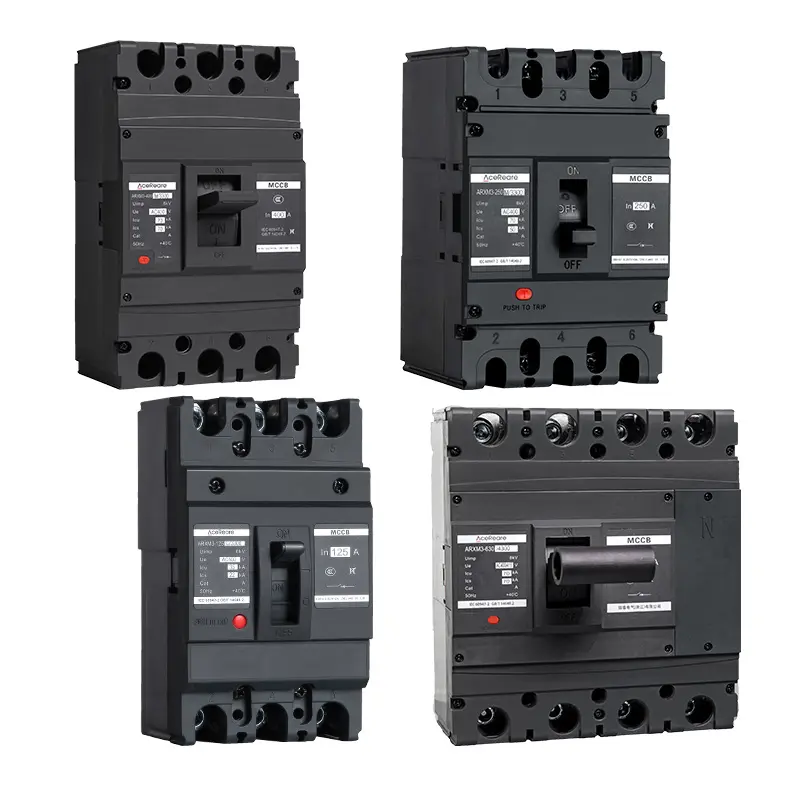
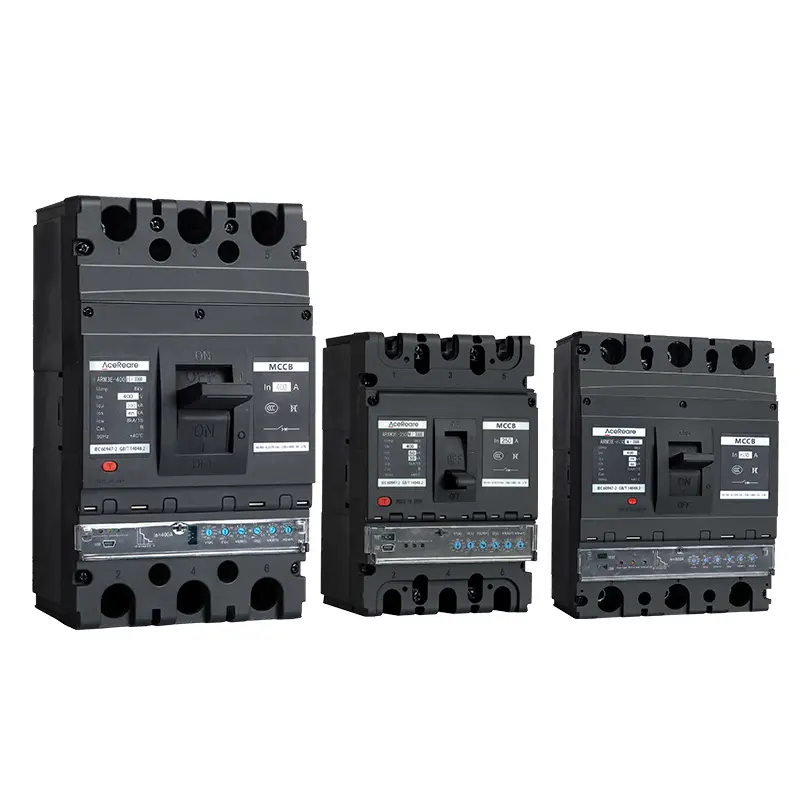
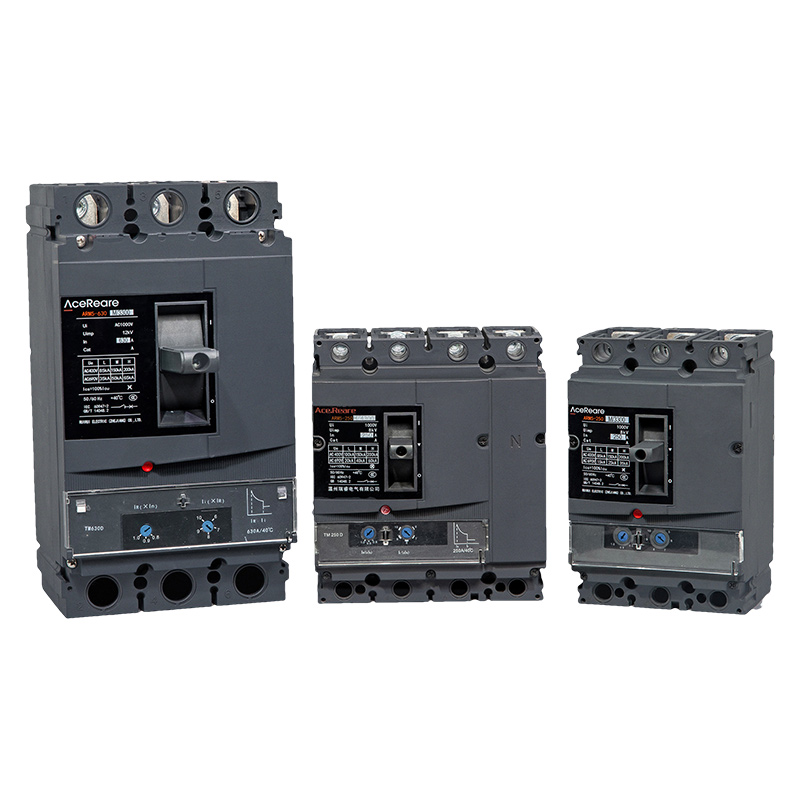
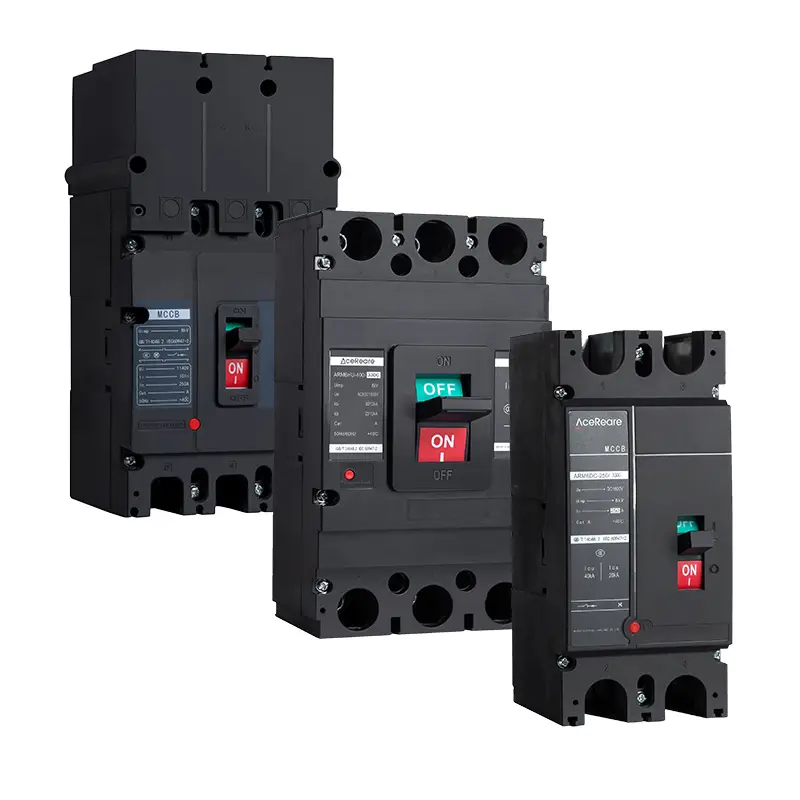
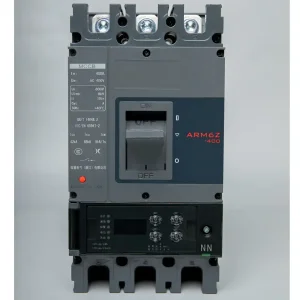
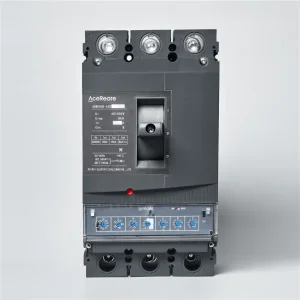
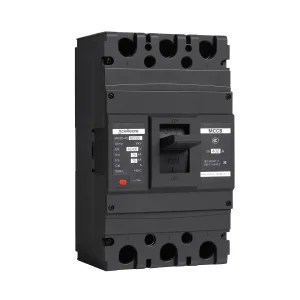
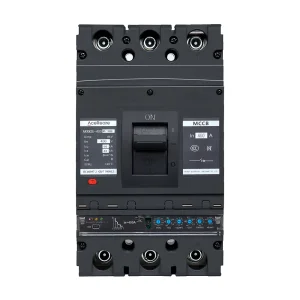
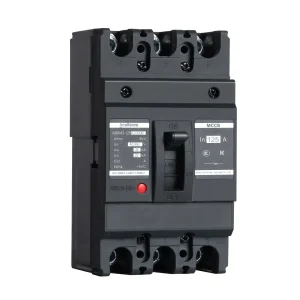
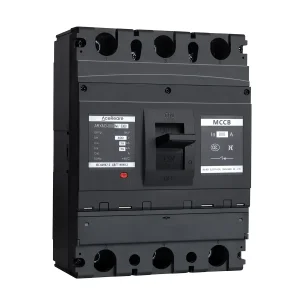
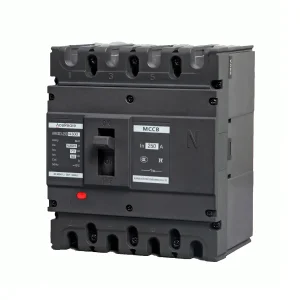
  • Molded Case Circuit Breakers (MCCB): Typically used for current ratings from 15A to 1600A and voltages up to 690V. They feature a sealed plastic housing made of glass-polyester or phenolic resins, protecting the internal components from external environmental hazards. Examples include the ARXM3 Series and the electronic ARM5E Series.
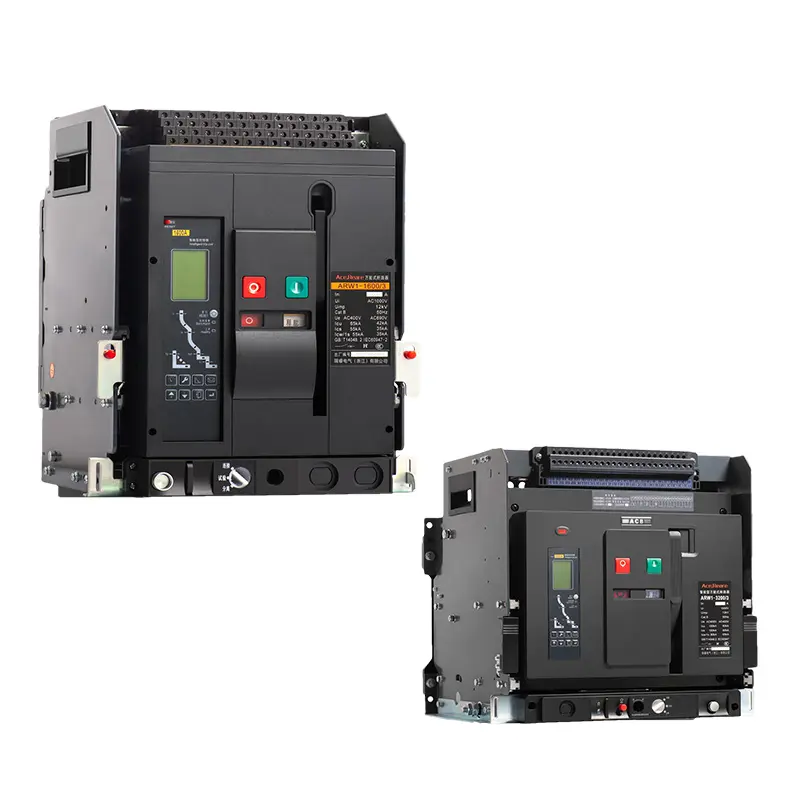
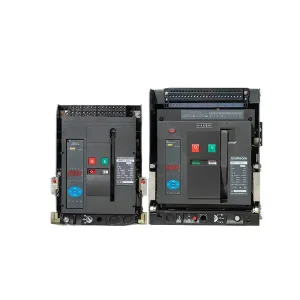
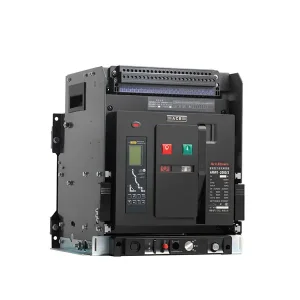
  • Air Circuit Breakers (ACB): Deployed in high-current low-voltage distribution systems, generally from 800A up to 6300A (such as the ARW1 Series). These devices operate in open air at atmospheric pressure and use complex arc chutes with high-efficiency cooling plates to extinguish electrical arcs during overload or short-circuit faults.

Engineering Insight: Choosing between thermal-magnetic and electronic trip units is fundamental. While thermal-magnetic breakers utilize a bimetallic strip for inverse-time overload protection and a magnetic coil for short circuits, electronic units process active sensor signals using microprocessors to enable adjustable, precise LISG (Long-time, Short-time, Instantaneous, Ground fault) protection curves.

2. Global Commercial & Industrial Market Status

The global demand for low-voltage switchgear is growing, driven by:

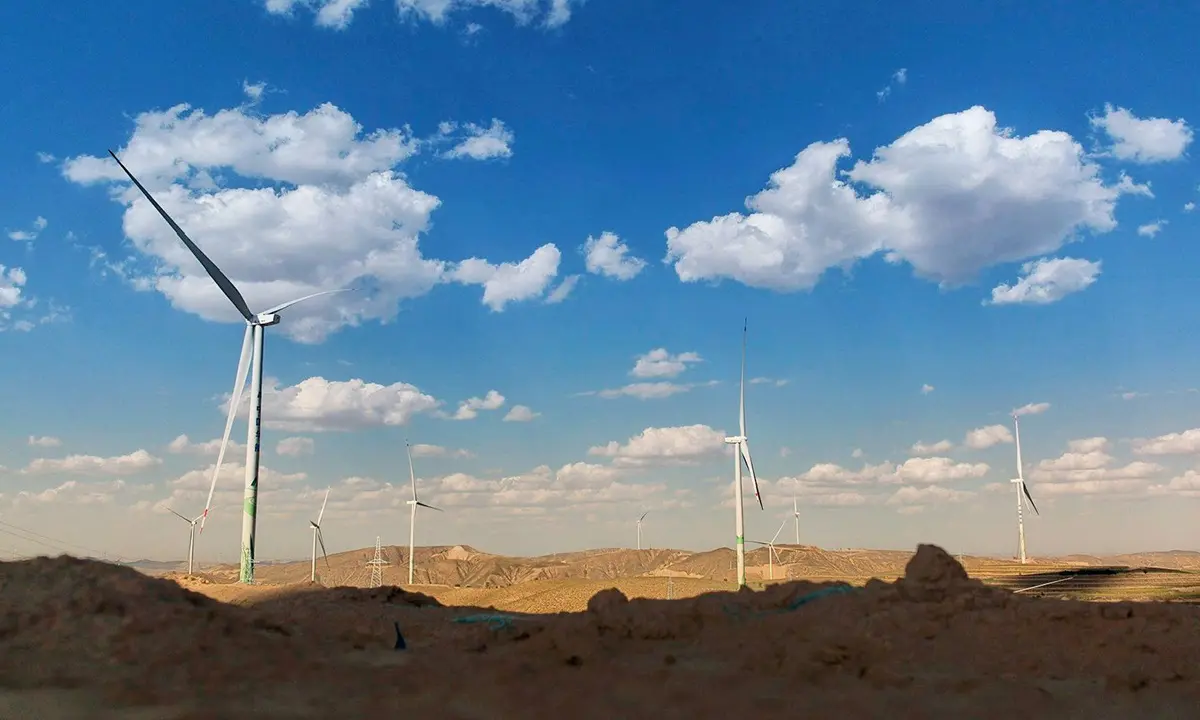
  • Renewable Energy Integration: Wind and solar PV stations utilize high-power inverters requiring circuit protection devices that operate reliably under fluctuating loads and higher ambient temperatures.
  • Smart Grid Infrastructure: Smart cities require intelligent measurement systems that record energy parameters, monitor grid anomalies, and execute remote operations.
  • Data Center Power Distribution: Mission-critical infrastructure demands selective tripping coordination (Selectivity) and high ultimate short-circuit breaking capacity (Icu) to prevent cascading failures.

3. Supply Chain Advantages of China Circuit Breaker Factories

China has evolved from a basic component exporter into a center for high-tech electrical engineering. For global buyers, partnering with a Chinese original manufacturer like Acereare Electric offers several structural advantages:

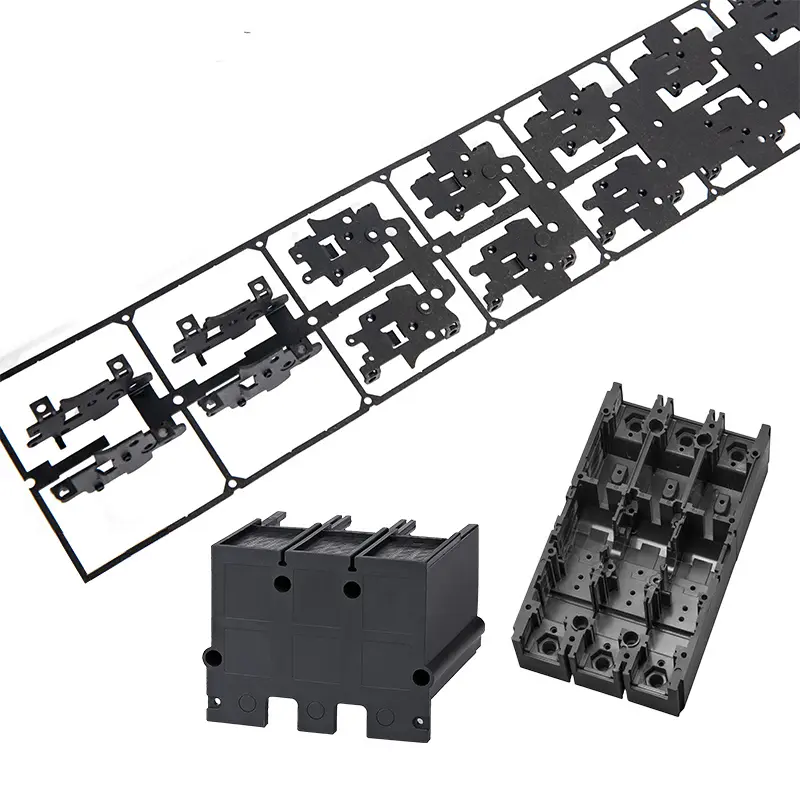
  • Vertical Manufacturing Integration: Unlike factories that assemble outsourced parts, Acereare produces internal components (such as moving contacts, arc chambers, and structural moldings) in-house. This ensures tight control over dimensional tolerances and material purity.
  • Advanced Quality Infrastructure: Leading Chinese suppliers deploy comprehensive software systems—including PLM (Product Lifecycle Management), ERP (Enterprise Resource Planning), MES (Manufacturing Execution System), and BI (Business Intelligence)—to track production data and maintain compliance records.
  • Cost Efficiency & High Speed: Automated tooling and integrated logistics enable rapid prototyping, short lead times, and competitive pricing for custom brand configurations.
Why Industrial Leaders Partner With Us

Comprehensive Manufacturing & Engineering Capability

Manufacturing Ability

One-stop production incorporating six types of processing techniques. High-precision manufacturing machinery, testing instruments, and over 10 manual and automated assembly lines.

Research & Innovation

A team of 50+ R&D engineers, each possessing over 5 years of industry experience. Expertise in 3D CAD modeling, custom tooling design, and managing 50+ innovative projects annually.

Supply & Delivery

Two distinct modern factory complexes optimize component production and final assembly. Operations are integrated via advanced ERP and U8 software systems.

Quality Assurance

A comprehensive lab equipped with over 150 testing instruments. Managed by 20+ specialized inspectors utilizing PLM, MES, and BI control systems.

Broad Scope of Safety & Control

Specialized Applications & Industrial Solutions

We supply circuit breakers tailored to meet specific industrial and commercial requirements, ensuring reliable operation even in demanding environments.
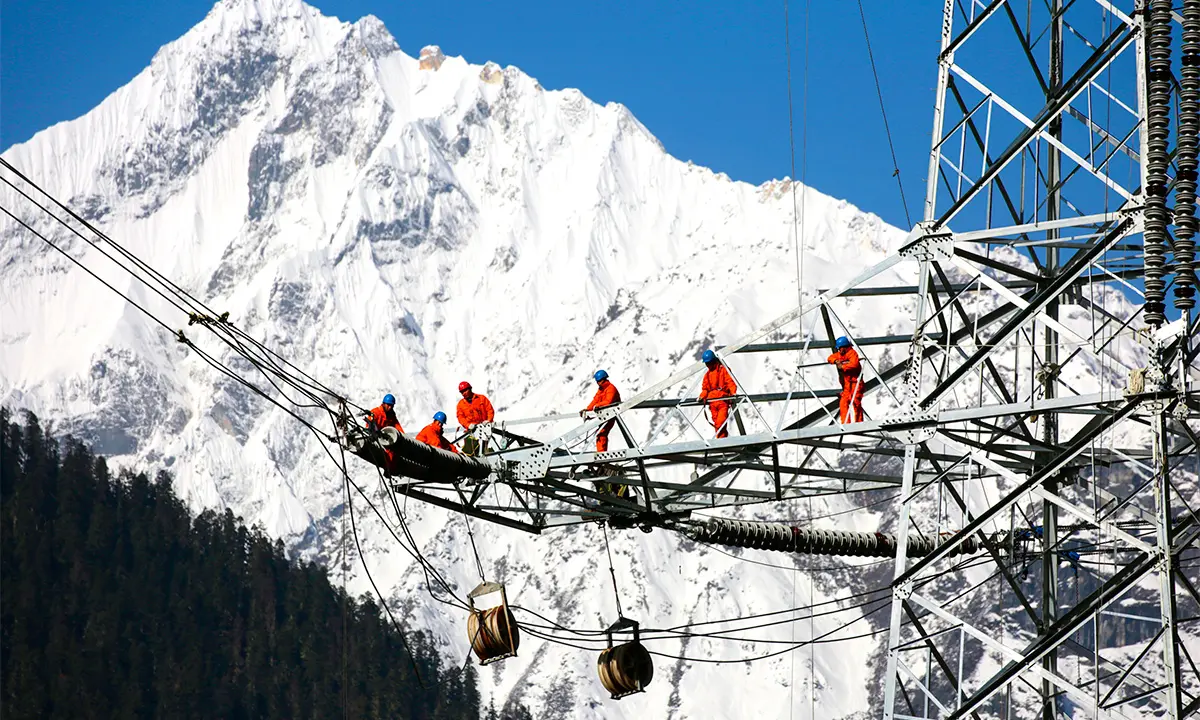
Low Temperature Applications for Circuit Breakers
01 / INDUSTRIAL

Low Temperature Operation

Specially formulated low-temperature lubricants, structural materials, and thickened anti-corrosive coatings guarantee stable circuit breaker operation in environments down to -40°C.

Salt Spray Resistant Circuit Breakers
02 / MARINE

Salt Spray Resistance

Designed for docks, marine vessels, and offshore substations. Devices undergo 72 hours of full-machine and 48 hours of sub-assembly salt spray testing to prevent chloride-ion corrosion.
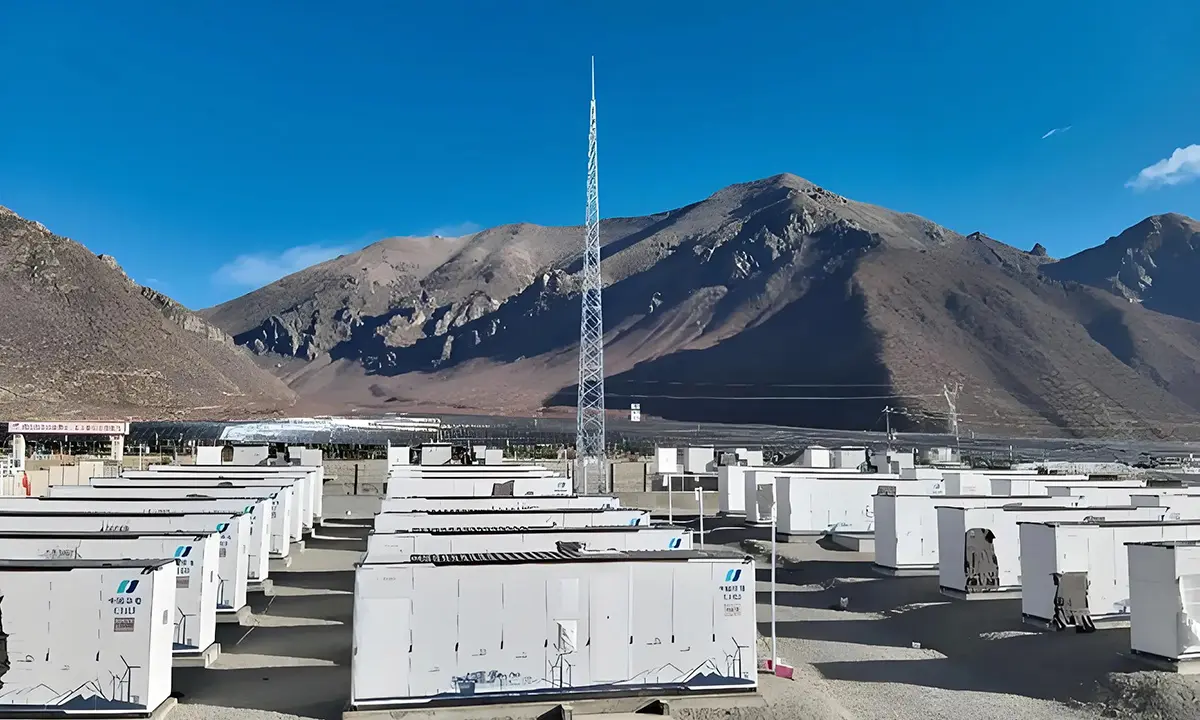
High Altitude De-rating Applications
03 / RENEWABLE ENERGY

High Altitude De-rating

For installations above 2000m. Design adjustments account for lower air density, ensuring dielectric strength and thermal dissipation parameters comply with target altitude coefficients.

Residential and Home Furnishing Circuit Breaker Solutions
04 / INFRASTRUCTURE

Home & Commercial Panels

Compact MCCBs and MCBs protect household and commercial electrical panels against overloads and short circuits, offering high operational reliability.
High Temperature Testing Chamber
05 / UTILITIES

High Temperature Stability

Constructed with flame-retardant polymers and thermal insulation coatings. These breakers are verified in a 55°C constant-temperature testing chamber, making them suitable for arid and hot desert climates.
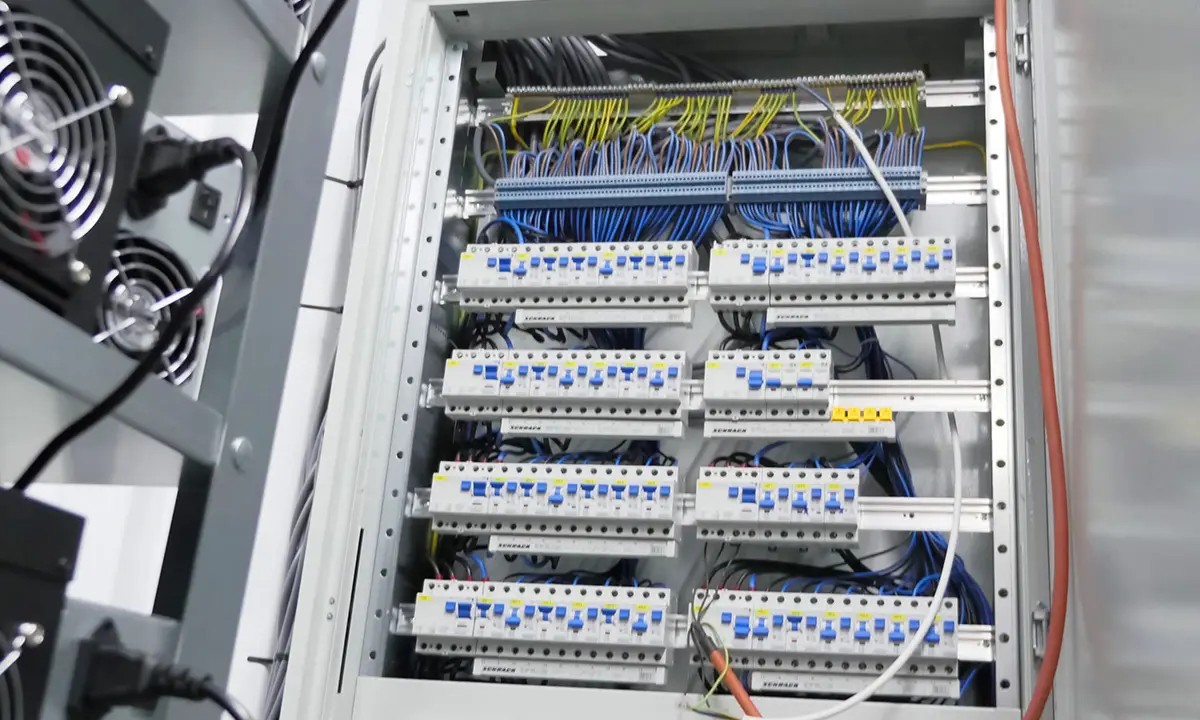
Intelligent Measurement and Smart Grids
06 / SMART GRID

Intelligent Measurement

Equipped with built-in current transformers and microprocessors. Supports Modbus/RS485 communication protocols, offering edge computing, high-accuracy metering, and remote-control operations.
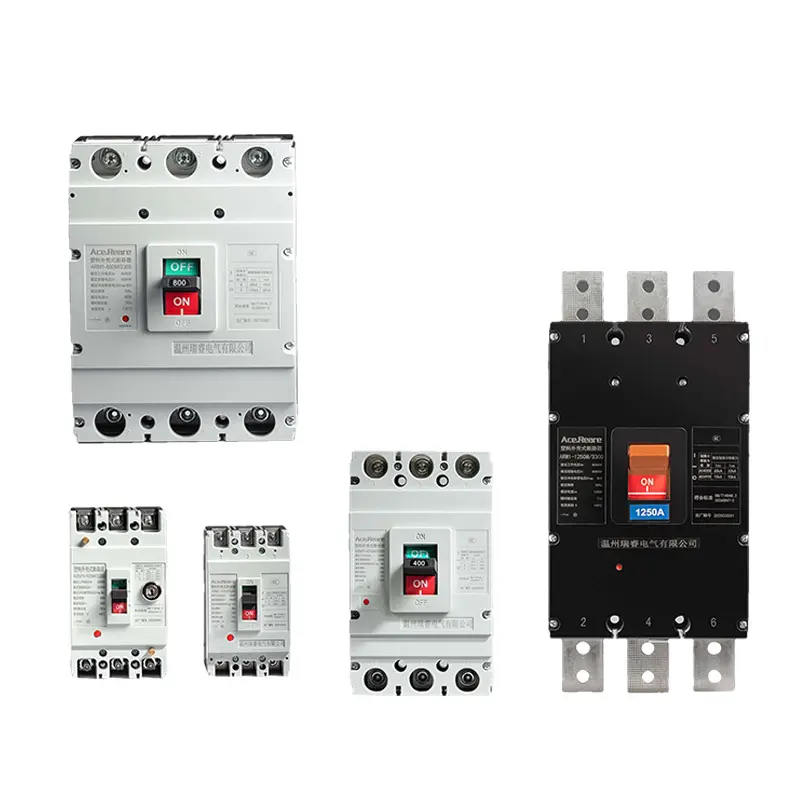
Broad Series Portfolio

Explore Our Standard and Intelligent Series

ARM1 Series MCCB

ARM1 Series

ARM1L Series MCCB with Residual Current Protection

ARM1L Series

ARXM3 Series Industrial Breaker

ARXM3 Series

ARM3E Electronic Trip MCCB

ARM3E Series

ARM5 Series Distribution Protection

ARM5 Series

ARM6 Intelligent LCD Breaker

ARM6 Series

ARW1 Smart Air Circuit Breaker

ARW1 Series

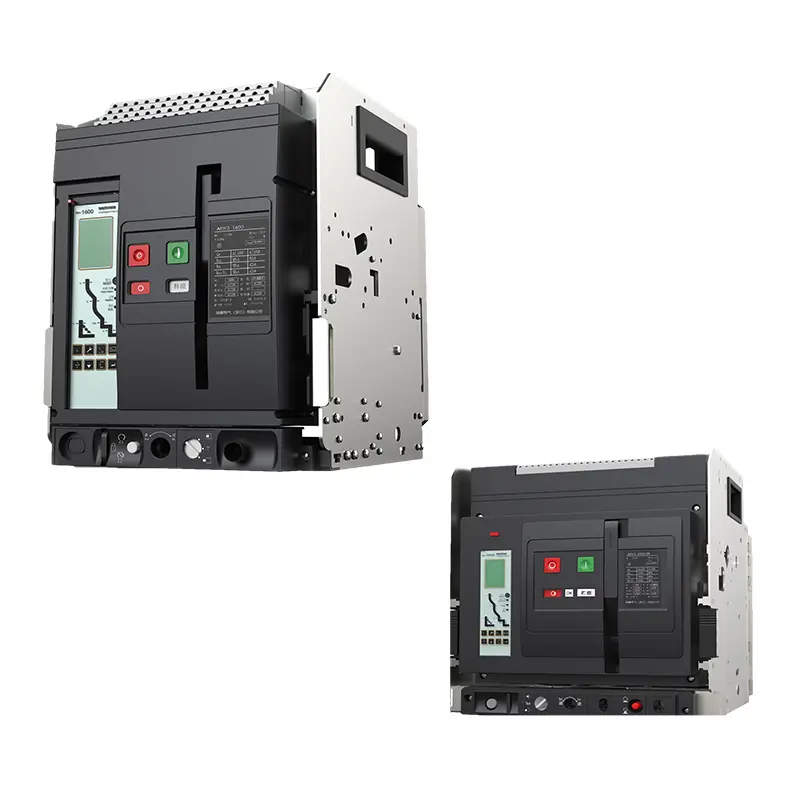
ARW3 Advanced ACB Series

ARW3 Series

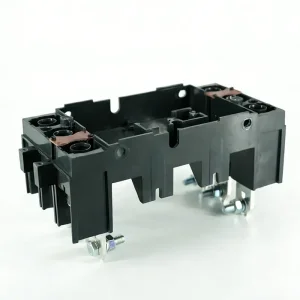
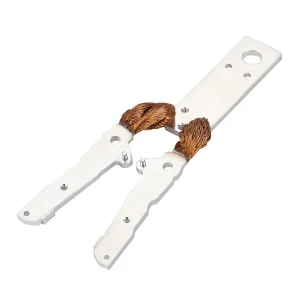
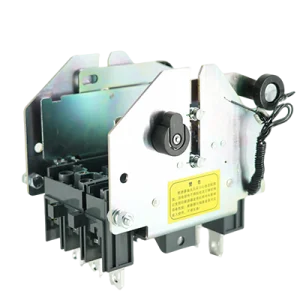
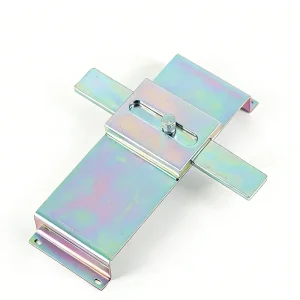
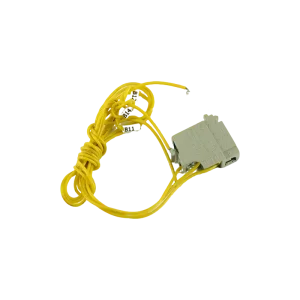
OEM Molded Case Circuit Breaker Internal Components

MCCB Components

Highlight Spotlight: ARW1 Intelligent Air Circuit Breaker

Smart Control

The ARW1 series intelligent type ACB is designed for AC 50Hz/60Hz distribution networks with rated operational voltages up to 690V and rated currents from 400A to 6300A. It provides high-precision selective protection to ensure power supply reliability.

Featuring an open communication interface, the ARW1 series supports intelligent integrations, enabling four remote operations: "remote sensing", "remote adjustment", "remote control", and "remote signaling". This matches the demands of modern automated control systems.
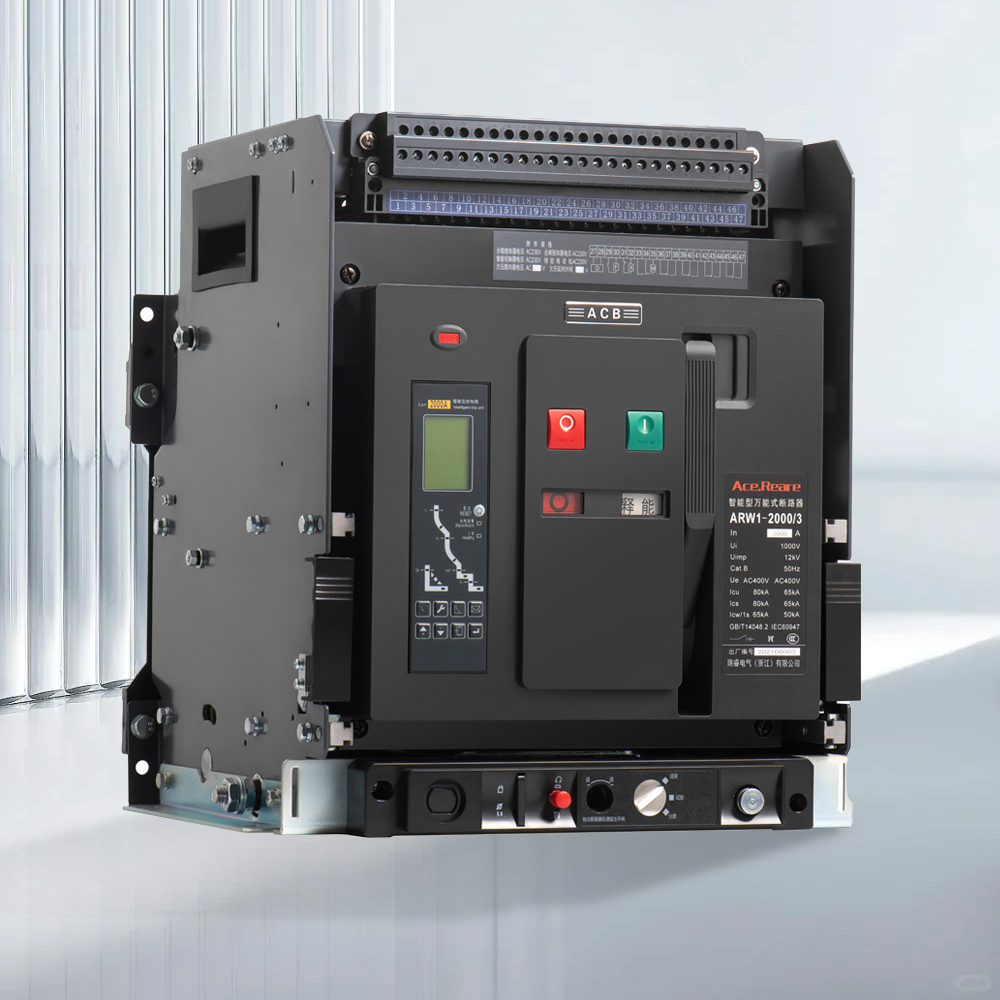
ARW1 Air Circuit Breaker Large Assembly

Technical Guide: Specifying Circuit Breakers for Global Supply Contracts

When sourcing circuit breakers at a B2B level, procurement departments must evaluate several mechanical and electrical criteria:

Understanding Breaking Capacity: Icu, Ics, and Icw

Fault current capabilities are defined by international standards like IEC 60947-2:

  • Ultimate Short-Circuit Breaking Capacity (Icu): The maximum fault current the circuit breaker can interrupt without being damaged permanently. The breaker is not required to carry rated current after this event.
  • Service Short-Circuit Breaking Capacity (Ics): The level of fault current the breaker can interrupt and subsequently remain operational. A higher Ics/Icu ratio (preferably 100%) indicates robust contact design and durable arc chutes.
  • Rated Short-Time Withstand Current (Icw): Specifically for ACBs (Category B breakers), this defines the device's ability to withstand a short-circuit current for a set duration (e.g., 1s) to allow downstream breakers to clear the fault first, preserving selective coordination.

Environmental Challenges and Material Choices

Standard circuit breakers are calibrated for operation at 40°C in non-corrosive atmospheres. However, industrial sites often present harsher conditions:

  • Extreme Cold (-40°C): Standard plastics become brittle, and standard grease hardens, preventing the mechanical linkage from tripping. Special thermosetting housings and low-viscosity synthetic lubricants are required.
  • Corrosive Environments: Marine docks and chemical plants expose breakers to salt-heavy air, leading to contact corrosion. Thickened silver alloy coatings on moving contacts are necessary to maintain low contact resistance.
  • High Altitudes: Above 2000m, the thinner air reduces cooling and insulation capacity. System designers must apply a de-rating factor to the voltage and operational current ratings.

Engineering Best Practice: Always request verified type-test reports from independent laboratories (such as KEMA, ASTA, or national equivalents like CQC) when reviewing high-volume bids. This verifies the manufacturer's performance claims under standardized test sequences.

B2B Customized Engineering

Professional OEM & ODM Services

1. Brand Services

Brand Identity

We help establish your local brand presence through tailored structural and visual customization:

  • Custom logos to enhance brand visibility.
  • High-quality raw materials to maintain field reliability.
  • Rapid prototyping for timely market entry.
  • Custom mechanical structures to differentiate your products.

2. OEM Services

Original Equipment

Access our production lines for built-to-order manufacturing with direct support:

  • Product mold design and development.
  • Functional design modifications.
  • International test reports and certifications.
  • 24-hour engineering support.
  • Functioning as your dedicated offshore production hub.

3. ODM Services

Original Design

Utilize our complete circuit breaker designs and customize them to fit your business:
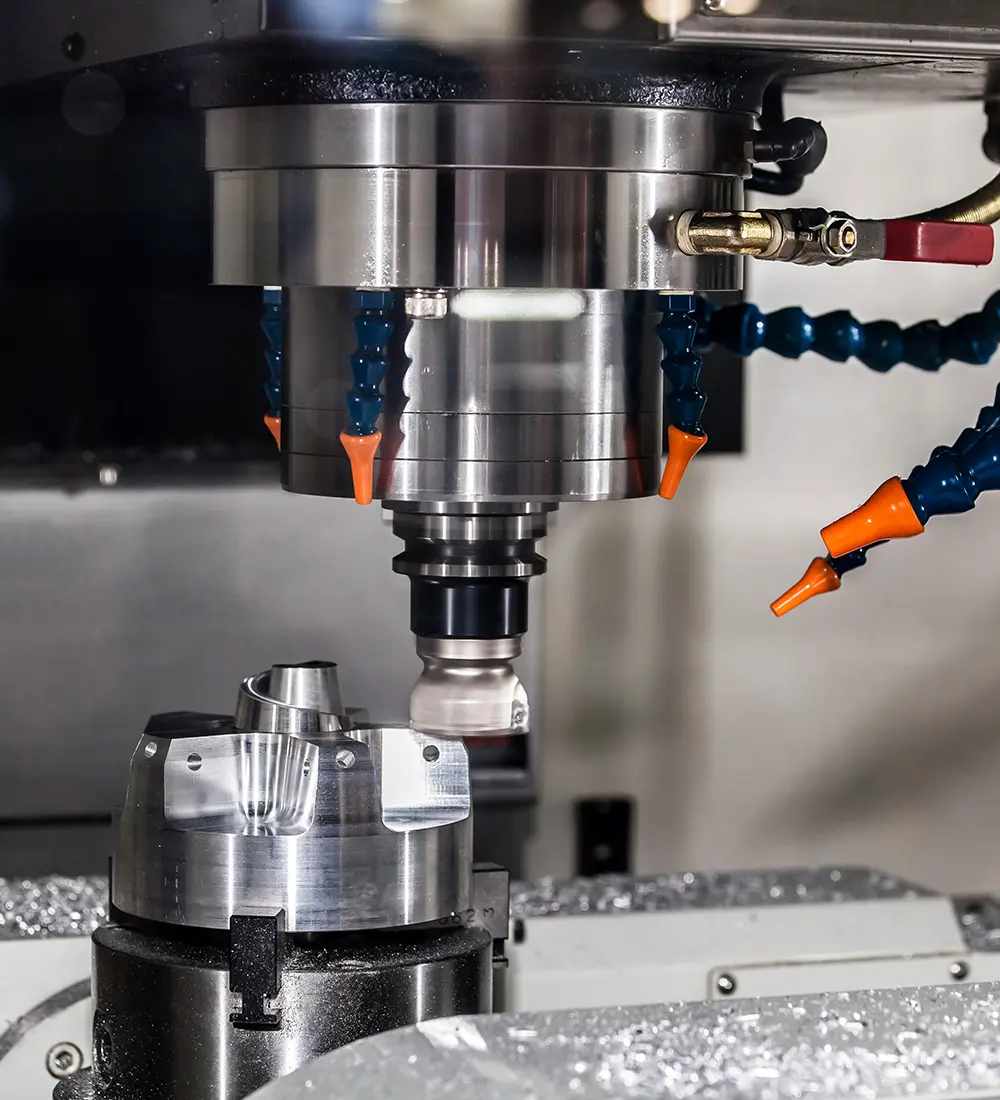
  • Custom logo printing or laser etching.
  • Customized packaging solutions (inner and outer boxes).
  • Custom catalog layouts with technical data sheet integration.
  • Flexible ordering options for small quantities.
Acereare Automatic Assembly Line & Robotic Calibration

Standardized One-Stop Quality Control Process

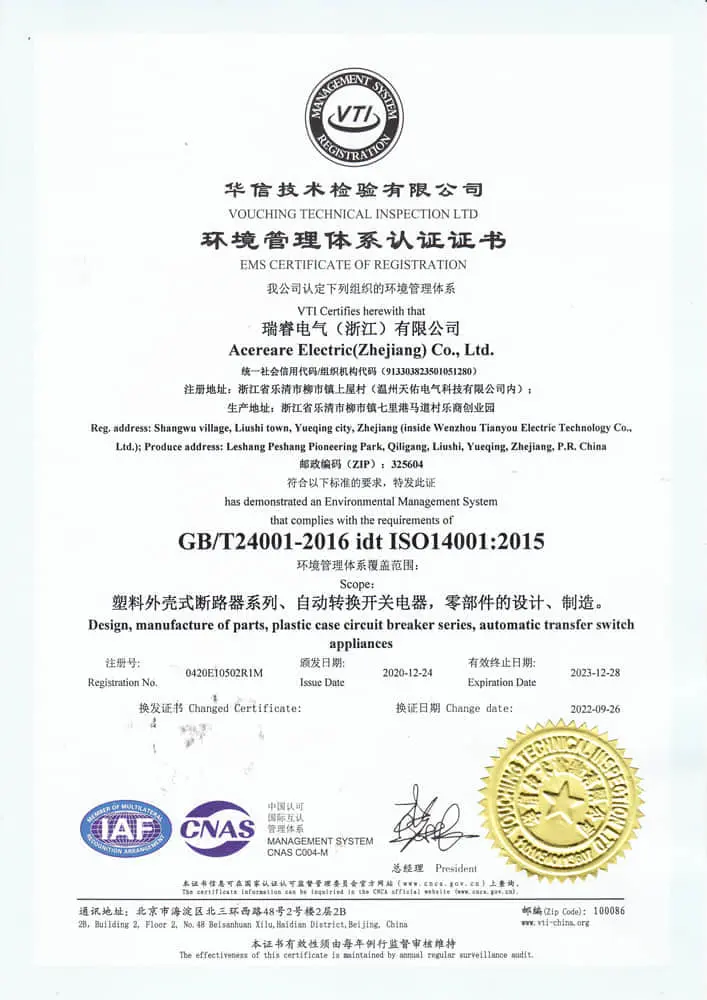
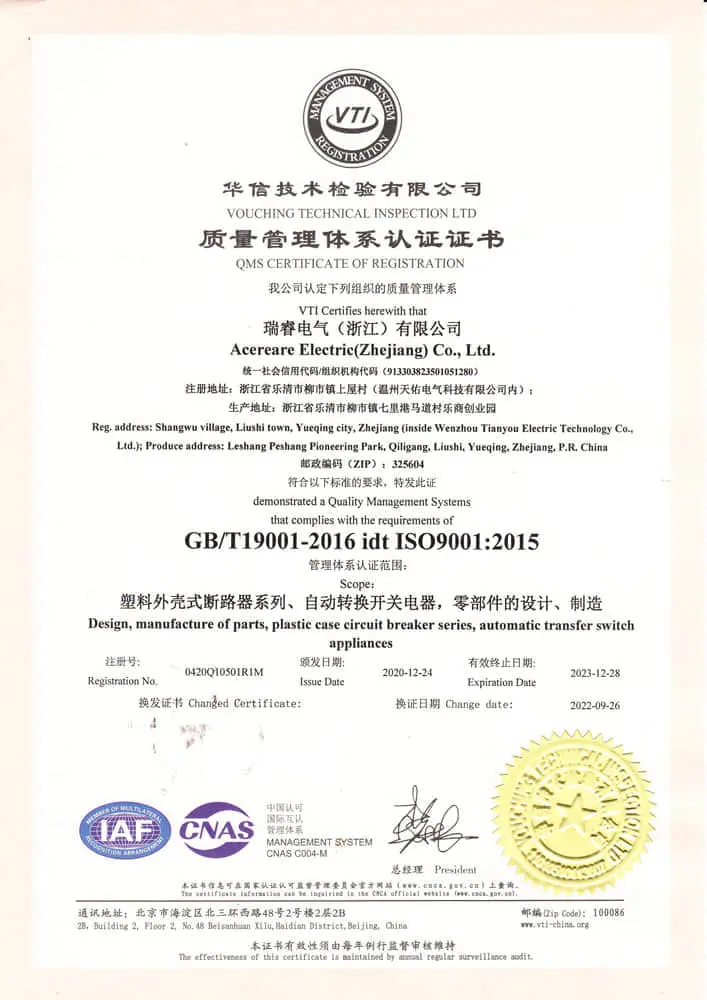
Our quality management system covers all production stages, from raw material inspection to final electrical testing.
  • Client Inquiry: Technical requirements analysis and product recommendations.
  • Technical Support: Solution engineering, CAD design verification, and customized drawings.
  • Contract Execution: Finalizing technical parameters, scheduling production, and executing contracts.
  • Manufacturing & QA: In-process inspection, automatic calibration, and final test validation.
  • Logistics: Safe export packaging and global shipping coordination.
Learn More About Our Quality Protocols
Verified Compliance

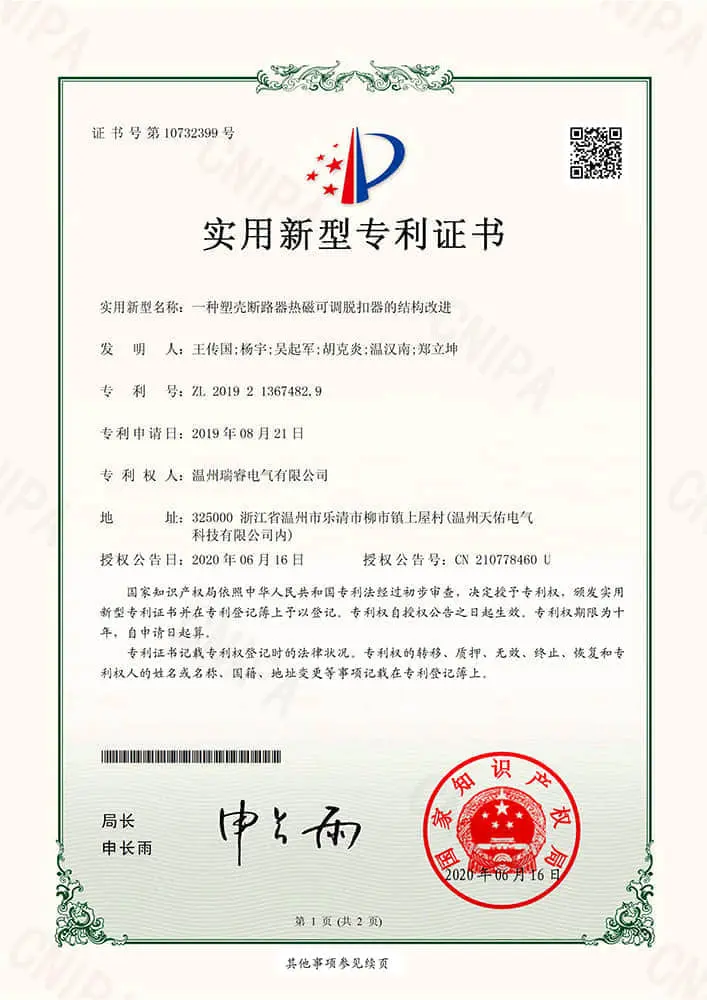
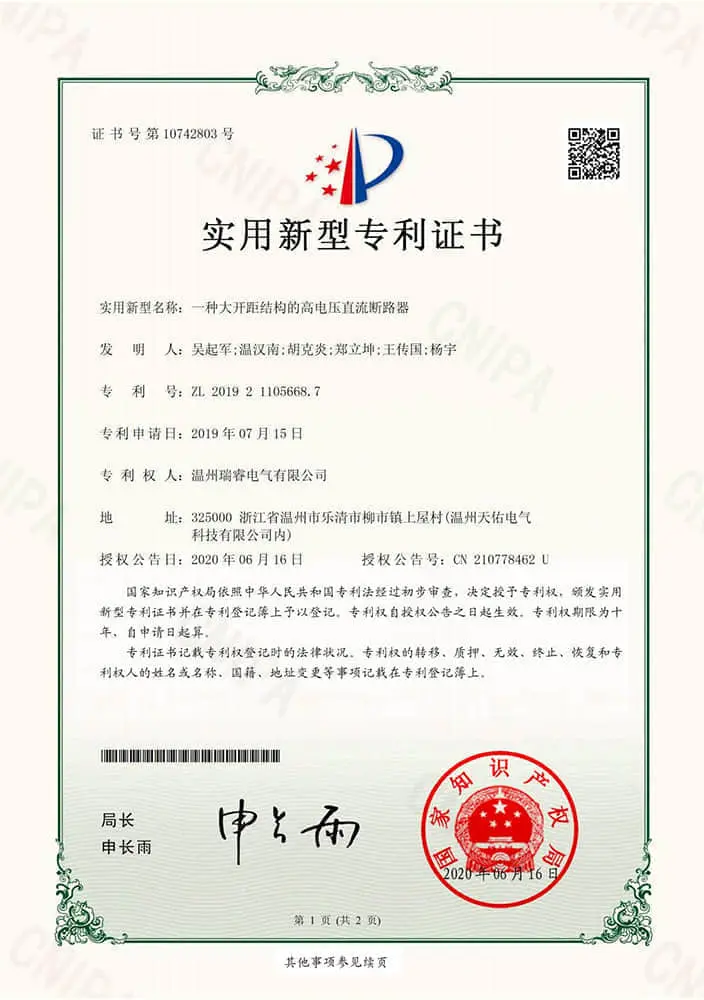
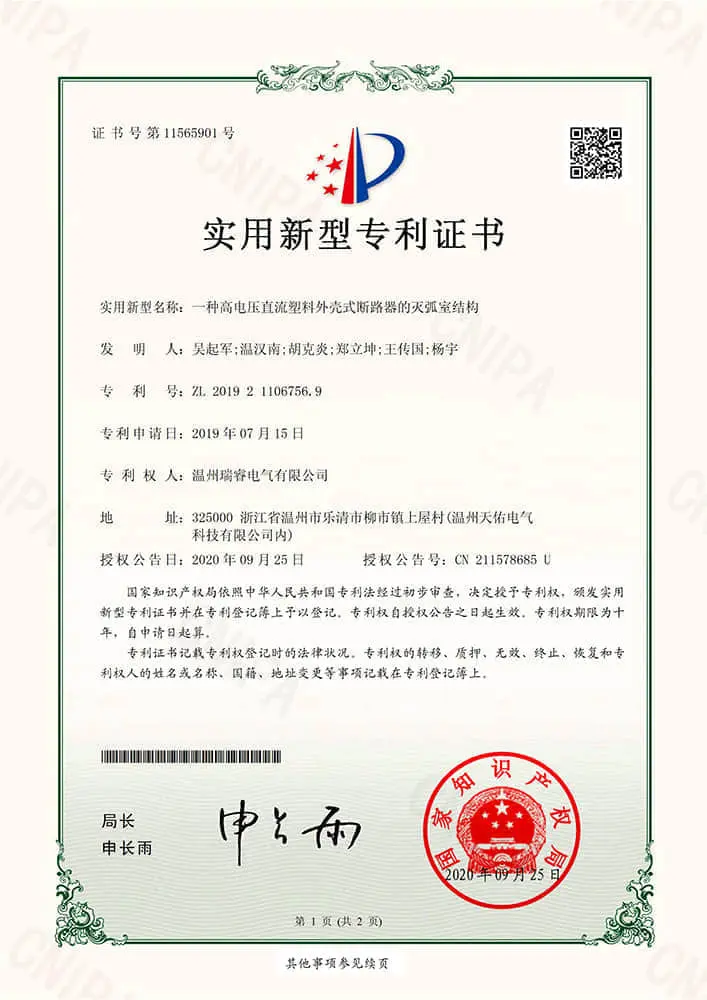
International Certificates & Test Reports

Acereare Quality Management ISO Certificate
Environmental System ISO Certification
Occupational Health and Safety Certificate
Molded Case Circuit Breaker CE Certificate
Air Circuit Breaker CCC Certification
Buyer Support

Frequently Asked Questions (FAQ)

What is the difference between Icu and Ics in circuit breakers?

Icu is the Ultimate Short-Circuit Breaking Capacity, specifying the maximum fault current a breaker can interrupt safely, although the device may require replacement afterward. Ics is the Service Short-Circuit Breaking Capacity, defining the fault current level the breaker can interrupt and remain operational. A higher Ics-to-Icu ratio ensures better system continuity.

How does altitude affect the performance of a molded case circuit breaker?

At elevations above 2000m, the lower air density reduces convective heat dissipation and limits dielectric insulation properties. Consequently, circuit breakers operating in these environments must be de-rated in terms of operational voltage and current using correction coefficients, preventing premature tripping or insulation breakdown.

What parameters are included in LISG protection?

LISG refers to four distinct trip zones in electronic circuit breakers: (L) Long-time delay for thermal overload protection, (I) Short-time delay for selective fault coordination, (S) Instantaneous tripping for immediate short-circuit protection, and (G) Ground fault protection to detect phase-to-ground leakage currents.

Does your factory support customized OEM/ODM packaging and branding?

Yes. We provide complete OEM/ODM branding services, including custom logo placement, custom-designed packaging, user manuals, and customized technical catalogs, allowing you to establish a consistent brand presence in your target market.

How does Acereare control quality during component manufacturing?

Our quality control process is integrated across PLM, ERP, MES, and BI software. We manufacture primary mechanical components in-house, inspect incoming raw materials, conduct automatic calibration of trip mechanisms, and run final electrical and mechanical operations testing on every unit before shipping.