Explore our premium grade selection of MCCB components, high-breaking capacity units, and circuit protection systems designed for critical distribution systems.
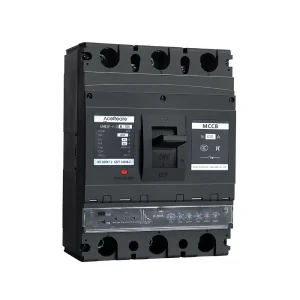
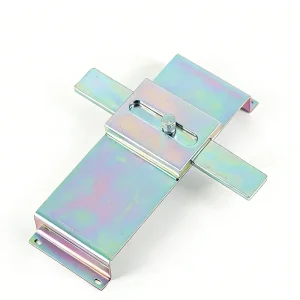
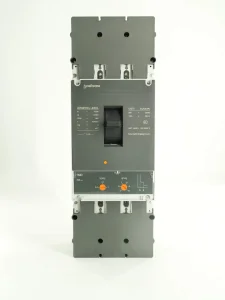
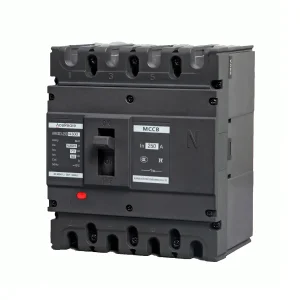
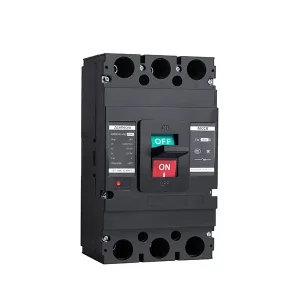
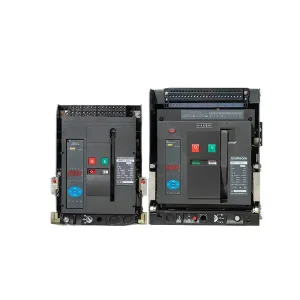
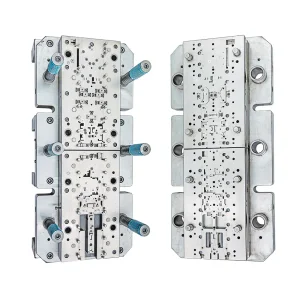
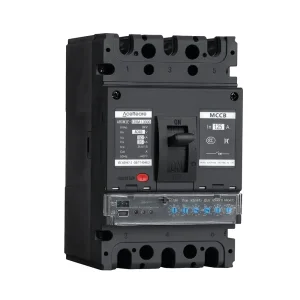
A deep examination of Molded Case Circuit Breaker design, contact metallurgy, and overcurrent sensing mechanisms.
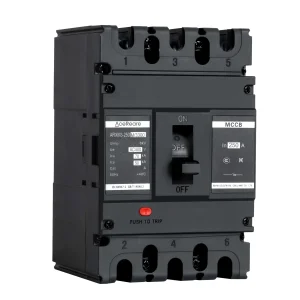
In modern industrial electrical distribution, the Molded Case Circuit Breaker (MCCB) rated at 150A operates as a fundamental safeguard. Tasked with protecting downstream feeders, motors, branch circuits, and transformers from overload and short-circuit faults, the design of a 150A system must satisfy stringent electrical and thermal constraints. The choice between thermal-magnetic trip units and electronic trip units dictates the degree of control an operations manager has over selective coordination and transient protection.
Standard 150A MCCB architectures are engineered around structural glass-reinforced polyester cases, capable of withstanding the immense mechanical stresses generated by thermal expansion and electrodynamic forces during a fault. Inside the molded frame, a contact system—typically comprised of silver-tungsten alloy contacts—ensures low contact resistance during normal operation while resisting welding during high-amperage switching events.
For high-reliability infrastructure, the breaker must handle multiple insulation thresholds, including rated operational voltage ($U_e$), insulation voltage ($U_i$), and rated impulse withstand voltage ($U_{imp}$). These parameters establish the dielectric strength of the MCCB, guaranteeing that under high surge conditions, tracking or internal arcing does not compromise the device's protective structure.
| Electrical Parameter | Standard Specification (150A MCCB) | Performance & Operational Significance |
|---|---|---|
| Rated Operational Voltage ($U_e$) | 400V / 690V AC (Up to 1140V for Solar PV) | Determines the operational grid application range, from commercial builds to solar systems. |
| Ultimate Short-Circuit Breaking ($I_{cu}$) | 35kA to 85kA (Depending on frame size) | The maximum fault current the breaker can interrupt without catastrophic internal failure. |
| Service Short-Circuit Breaking ($I_{cs}$) | 75% to 100% of $I_{cu}$ | Indicates the current level the breaker can interrupt and still remain operational afterward. |
| Impulse Withstand Voltage ($U_{imp}$) | 8kV | Ensures resilience against transient voltage spikes from lightning or grid switching events. |
| Thermal Tripping Mechanism | Bi-metallic deflection elements | Provides inverse-time delay protection against continuous low-level overload conditions. |
Acereare Electric, founded in 2015, possesses two wholly-owned subsidiaries: "RuiRui Electric" and "KeRui Electric". We operate as a professional original manufacturer integrating research and development, production, and sales. We specialize in Molded Case Circuit Breakers (MCCB), Air Circuit Breakers (ACB), and related precision components.
With over 20 years of craftsmanship inherited across two generations, Ruirui Electric was officially registered and established in 2015, marking the start of the current proprietor’s entrepreneurial journey. Boasting solid technical accumulation and a mature production system, our factory ranks among the top well-known ODM manufacturers in China in terms of comprehensive experience and professional capabilities. We have established strategic cooperation relationships with nearly 100 high-end customers at home and abroad.

Developing robust electrical distribution solutions across standard grids, smart cities, and solar networks.
Our solar type Molded Case Circuit Breakers support voltages of 800VAC, 1000VAC, and up to 1140VAC. These specialty devices protect DC-to-AC inverters and large-scale battery storage units from reverse-current events and high-amperage faults common in modern photovoltaic sites.
Heavy machinery and motor control centers (MCC) rely on consistent power profiles. The ARXM3 and ARM5 series MCCBs prevent voltage dips, short-circuits, and phase imbalances from destroying expensive industrial equipment, ensuring zero downtime for processing plants.
Utilities demand real-time status updates from their sub-stations. Through integrated communication modules and electronic trip units (LSIG), our breakers feed live current, voltage, and power quality metrics to central SCADA systems for predictive maintenance scheduling.
Engineered to operate in extreme geographic zones and challenging physical conditions globally.
We use specialized low-temperature resistant structural materials and apply low-viscosity synthetic oils to the mechanical latch mechanisms. The critical electrical components are treated with a thickened anti-corrosion coating, backed by our certified laboratory low-temperature test reports showing operation down to -40°C.
We perform rigorous salt spray chamber testing, maintaining a 72-hour exposure duration for fully assembled units and 48 hours for sub-assemblies. This treatment allows our MCCBs to withstand highly humid marine air, preventing contact oxidation in dock power terminals, vessel distribution panels, and seaside substations.
At operational altitudes exceeding 2000 meters above sea level, the thinner atmosphere reduces both dielectric cooling and electrical insulation properties. Our technical manuals provide detailed altitude de-rating coefficients to safely adjust operational current values and keep equipment within thermal thresholds.
For commercial real estate, multi-family residential complexes, and light commercial switchgear, our MCCBs provide robust protection against short-circuit currents. They safeguard high-draw HVAC units, ventilation fans, and appliances while minimizing false trips.
Using temperature-resistant composite formulations, the control units are protected by a high-grade thermal barrier. Internal metal contact stampings are moisture-proofed and corrosion-treated. Performance characteristics are mapped inside our 55°C constant-temperature calibration chambers.
Equipped with advanced microprocessor control units, our smart MCCBs combine power metering, fault logging, current tracking, and edge computing diagnostics. They support Modbus-RTU, Profibus, and Ethernet protocols for direct inclusion in smart grids.
A look at the four core organizational capacities that allow Acereare to secure top market share.
We provide a comprehensive, one-stop manufacturing process utilizing six key metal fabrication techniques. Our facility is equipped with high-precision production machinery and calibration systems, running more than ten manual and automated production lines.
Our team consists of more than 50 R&D engineers, each possessing over five years of active industry experience. Utilizing advanced 3D CAD software, we design parts, complex plastic molds, and complete structural drawings, executing over 50 product development projects annually.
Operating two dedicated production facilities allows us to scale up components and complete breaker assembly lines simultaneously. We track all logistics processes through an integrated ERP and U8 software management environment.
We run a multi-step quality control protocol inside our internal laboratory. Armed with more than 150 calibration instruments and over 20 quality control inspectors, we track reliability metrics using PLM, BI, ERP, and MES software.
Flexible manufacturing programs designed to build brand equity for our global wholesale partners.
Deploying specialized lasers, we print customer logos directly onto breaker chassis, ensuring clear brand visibility. We use top-tier resin compounds and raw contact metals to build end-user trust. Furthermore, quick-turn sample prototyping helps accelerate target market entry.
We provide full structural mold design, component layout optimization, and functional engineering adjustments. Our engineering team assists in compiling international test records and product safety certificates. We offer 24-hour turnaround support, acting as your reliable overseas factory.
We design custom circuit breaker topologies tailored to unique industrial applications. We offer customized packaging layouts, print catalog materials, and maintain flexible minimum order quantity requirements to support business scaling.
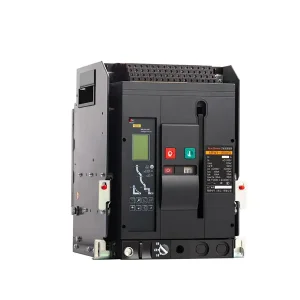
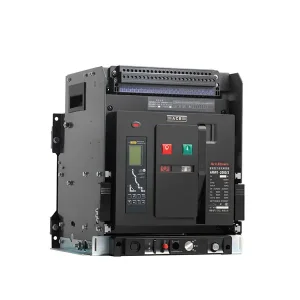
The ARW1 series intelligent type ACB is designed for AC 50Hz/60Hz distribution networks with rated operational voltages of 690V and below, spanning rated current ranges from 400A up to 6300A. The unit features built-in advanced microprocessor trip units, offering high-accuracy selective protection to improve supply reliability. Equipped with standardized open communication protocols, the ARW1 facilitates remote monitoring, remote control, remote adjustments, and telemetry to support smart utility operations.
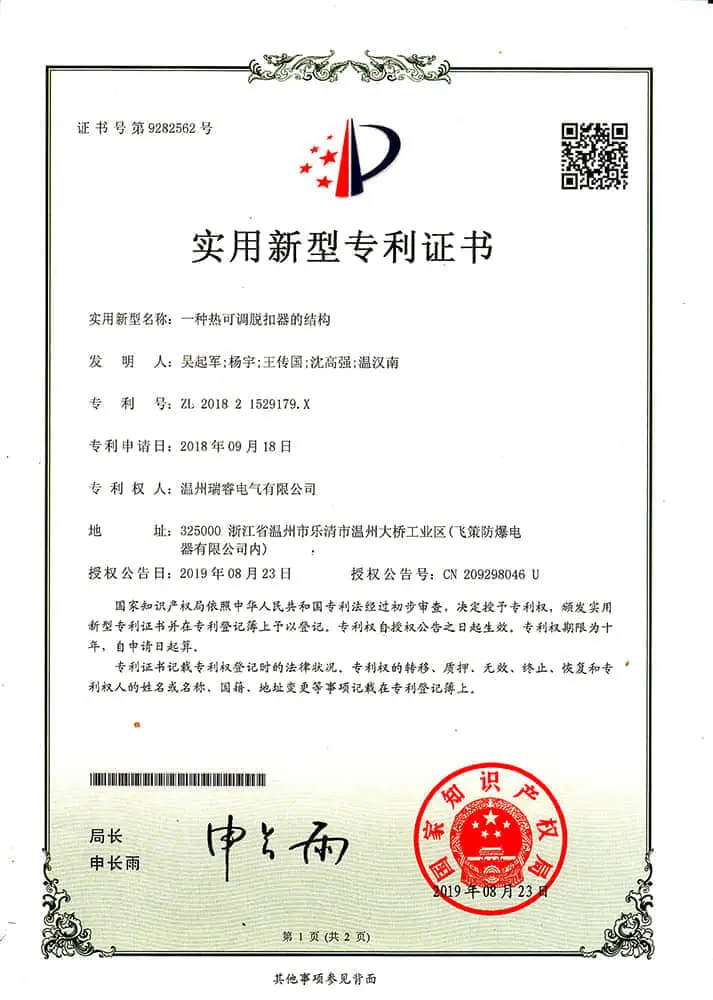
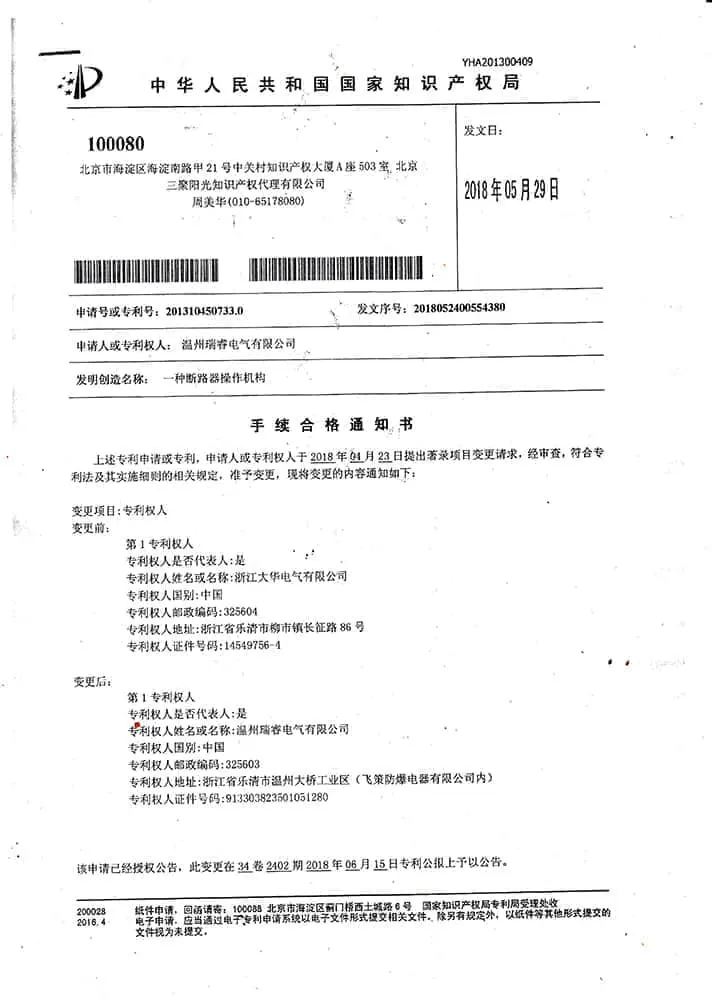
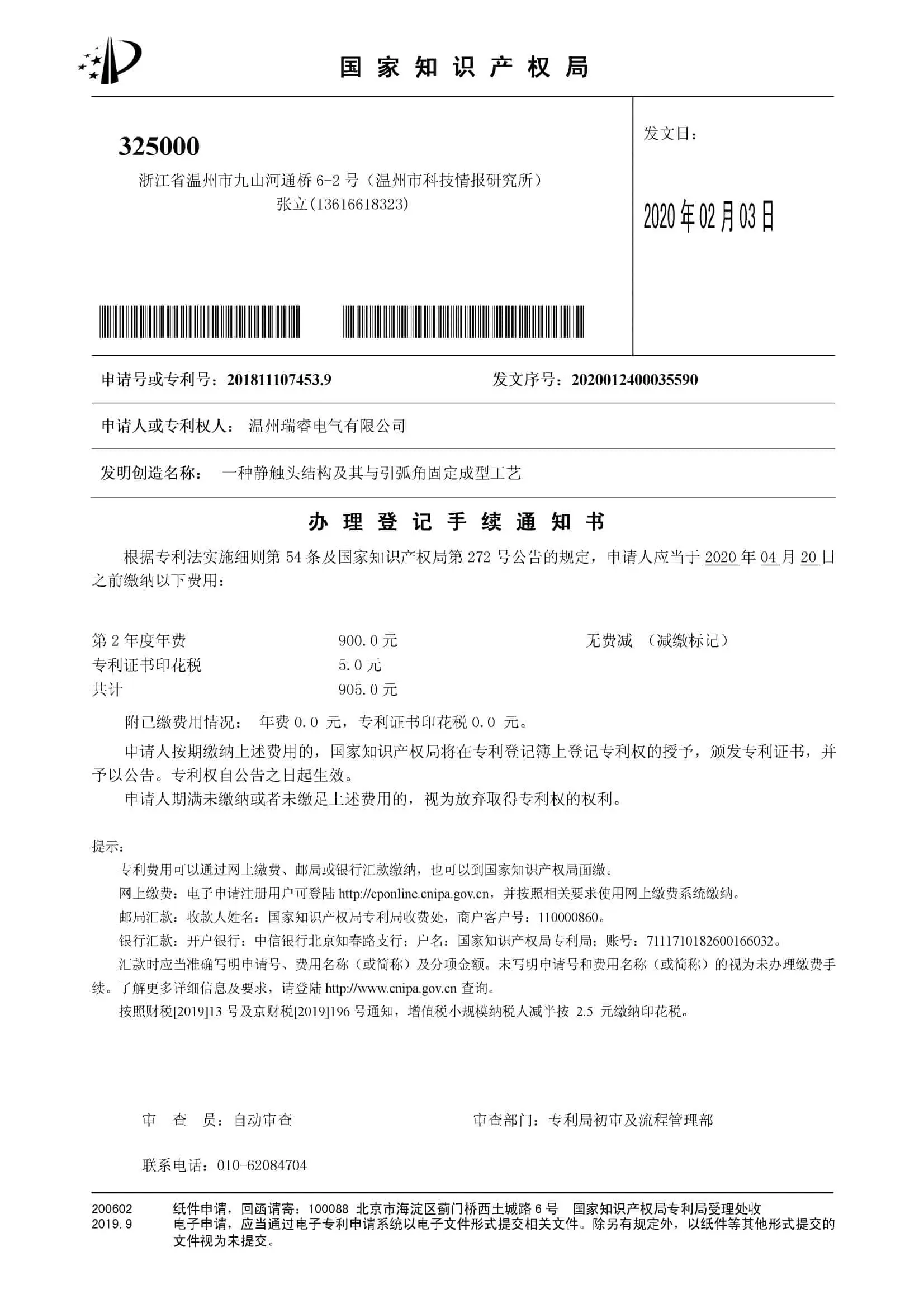
Our products undergo rigorous testing in independent laboratories, complying with standard quality control systems.
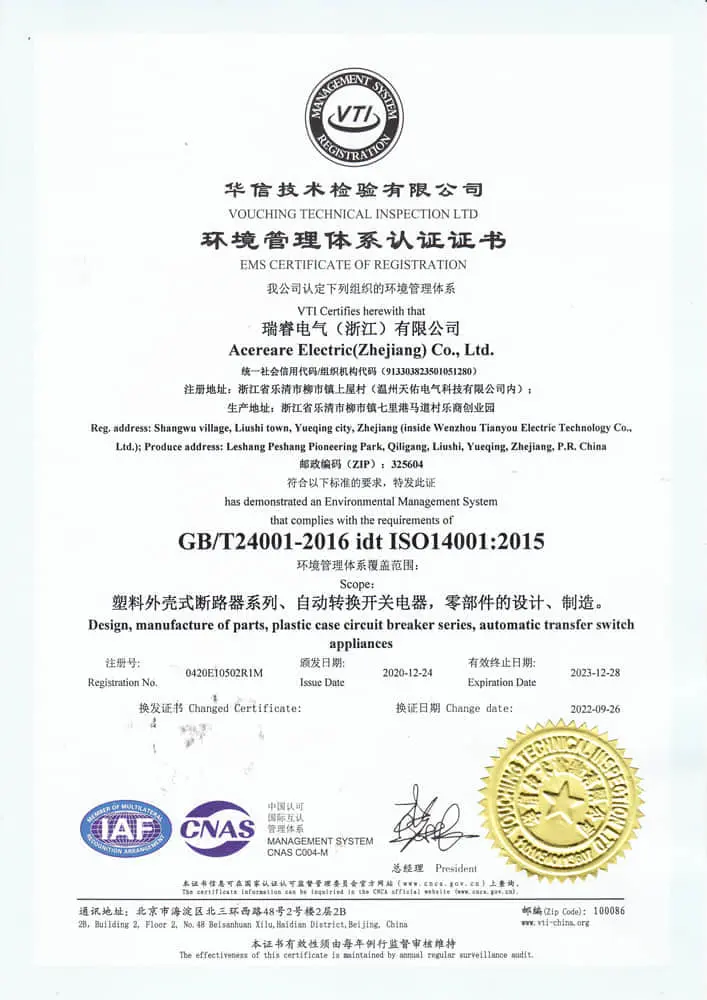
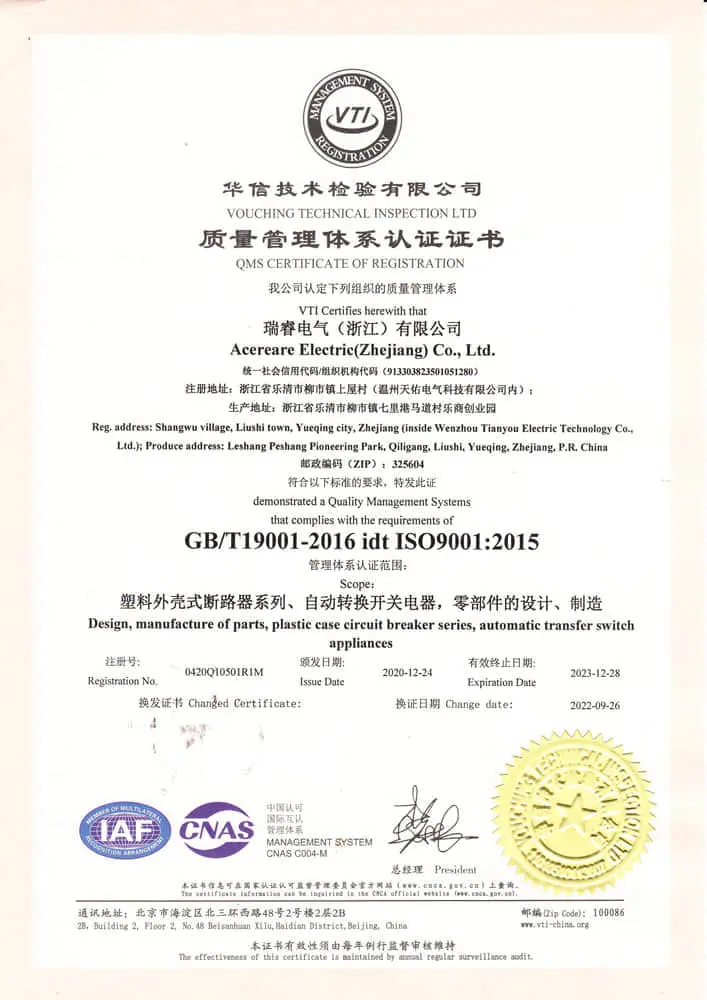
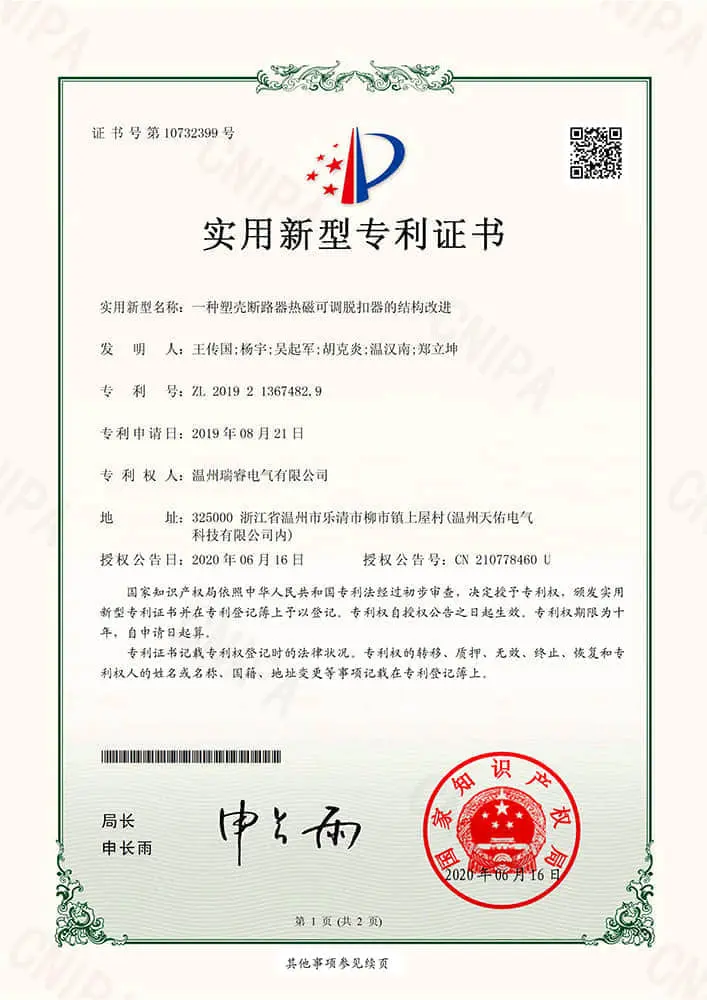

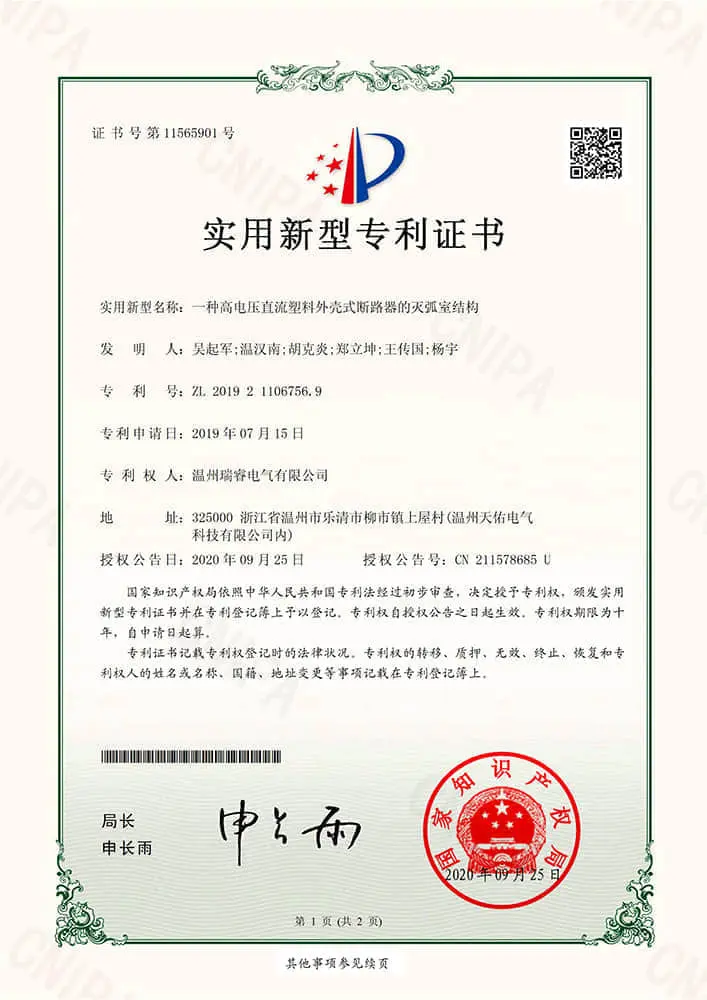


Acereare's long-term research plans for smart switches, solid-state circuit breaking, and green manufacturing.
The low-voltage electrical distribution market is undergoing a significant transition toward digitization and decarbonization. To address these demands, Acereare's engineering team has established a technology roadmap focused on three core pillars:
Common technical questions answered by our engineering and logistics teams regarding Molded Case Circuit Breaker applications.
The ultimate breaking capacity (Icu) is the maximum short-circuit current the breaker can safely interrupt, but it may require replacement afterward. The service breaking capacity (Ics) indicates the fault current level the breaker can handle and still remain operational. When sourcing for industrial facilities, look for an Ics rating that is 100% of Icu to minimize downtime after a fault occurs.
Thermal-magnetic MCCBs rely on bimetal deflection to trigger the overload trip mechanism. Because they calibrate to standard ambient ratings of 40°C, operating in higher temperatures (e.g., inside 55°C switchboard rooms) causes the bimetal to deflect sooner. Acereare tests and calibrates these devices in controlled thermal chambers, providing precise high-temperature de-rating charts to prevent nuisance tripping.
At high altitudes, lower air density reduces the efficiency of thermal dissipation and lowers the dielectric breakdown voltage of air. This reduces the arc-extinguishing capability of the arc chute. For installations above 2000m, electrical characteristics must be adjusted using altitude de-rating coefficients to maintain safe operation.
Electronic trip units use current transformers and microprocessors to monitor load currents, offering precise and adjustable tripping profiles (Long-time, Short-time, Instantaneous, Ground fault protection - LSIG). This flexibility allows for better system coordination and fault localization compared to traditional thermal-magnetic trip units.
By owning and operating two dedicated production facilities in China, we manage the complete manufacturing lifecycle internally—from component stamping to final calibration. We use ERP and U8 software to track raw materials, schedule manufacturing runs, and coordinate shipping dates, mitigating supply chain disruptions for our global partners.
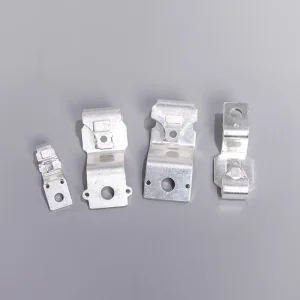
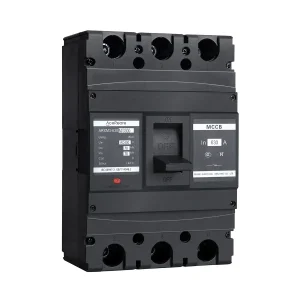
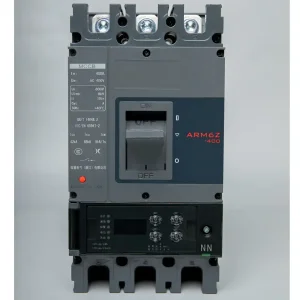
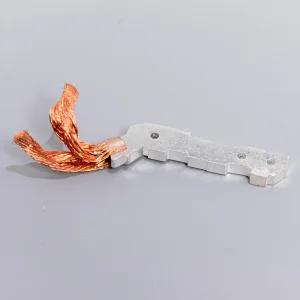
Browse our catalog of thermal-magnetic breakers, liquid crystal remote-control breakers, drawer-type ACBs, and critical copper moving contacts.
We are committed to delivering product reliability, technical expertise, and support to ensure our partners' success. Pls feel free to contact us with your procurement queries.
Inquire Now / Get Direct Factory Pricing AceReare