Explore our premium grade molded case circuit breakers designed specifically for modern photovoltaic energy distribution networks.
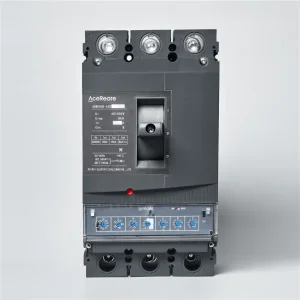
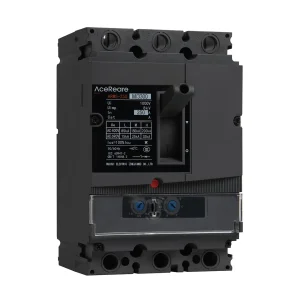
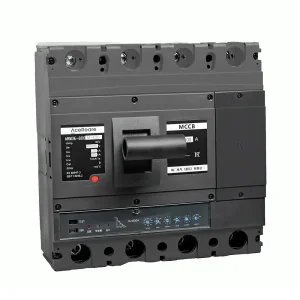
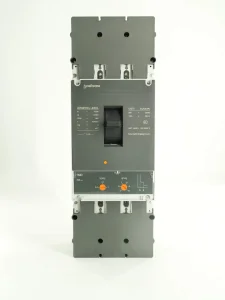
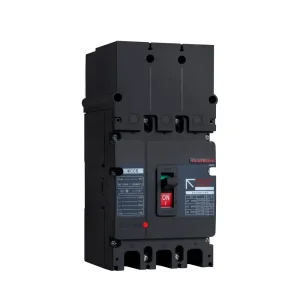
Understanding the technological paradigm shift driving high-voltage alternating current (AC) circuit protection in utility-scale solar farms.
As utility solar projects scale globally, system designers are moving from conventional 400V/690V lines to 800VAC configurations. Increasing the voltage level to 800V significantly drops the output current for a given capacity. This translates to over a 50% reduction in ohmic losses (I²R) in the cabling network, permitting the usage of smaller, lighter, and more economical copper or aluminum conductors across thousands of sub-arrays.
Modern commercial string inverters (250kW to 350kW+) generate native AC outputs between 800VAC and 1140VAC. To protect these capital-intensive systems from electrical faults, downstream Molded Case Circuit Breakers (MCCBs) must withstand higher operating voltages while delivering exceptional short-circuit breaking capacity (Icu). Our specialized 800V AC MCCB ranges are calibrated to match these exact inverter parameters.
Interrupting circuits at 800V is vastly more demanding than at 400V. At higher potentials, electrical arcs sustain themselves longer upon contact separation. Our manufacturers integrate custom magnetic blow-out systems and extended arc grid chutes. These safety features split, cool, and extinguish high-energy arcs rapidly, preventing switchgear explosions and significantly extending the unit’s electrical lifespan.

Founded in 2015, Acereare Electric operates through its two wholly-owned subsidiaries: "RuiRui Electric" and "KeRui Electric". Over the years, we have established ourselves as a powerhouse in the design and production of low and medium voltage switchgear, specializing in Molded Case Circuit Breakers (MCCB), Air Circuit Breakers (ACB), and premium-grade electrical components.
With over 20 years of craftsmanship inherited across two generations, our operation has scaled into one of China's top ODM/OEM manufacturers. Our factories utilize advanced, high-precision processing equipment and state-of-the-art testing laboratories to ensure all items entering the market satisfy rigorous international benchmarks.
Compare the operational boundaries and performance metrics of our flagship photovoltaic switchgear arrays.
| Model Series | Rated Voltage (Ue) | Rated Current (In) | Breaking Capacity (Icu) | Trip Unit Technology | Poles |
|---|---|---|---|---|---|
| ARM5HU Series | 800V / 1000V / 1140V AC | 63A - 630A | 35kA - 50kA | Thermal-Magnetic / Electronic | 3P / 4P |
| ARM5E Series | Up to 800V AC | 16A - 630A | 50kA | Microprocessor-Based LSIG | 3P / 4P |
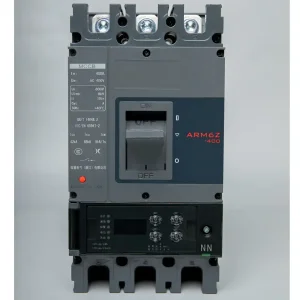
| ARM6Z Series | 400V / 690V / 800V AC | 100A - 400A | 50kA - 70kA | Liquid Crystal Remote Control (LCD) | 3P |
| ARXM3 Series | 400V / 690V / 800V AC | 63A - 250A | 35kA | Adjustable Thermal-Magnetic | 3P / 4P |
How we leverage automation, vertical integration, and digital quality systems to guarantee reliable supply chains for global PV projects.
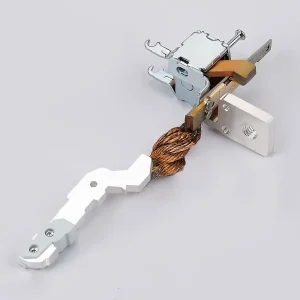
By operating our own component stamping, mold injection, and silver contact metallization plants, we eliminate dependencies on external suppliers. This vertical integration keeps our cost margins low and prevents supply delays. For example, our 250A moving silvered contacts are manufactured in-house to protect downstream logistics from raw material fluctuations.
Our two production plants utilize real-time ERP, U8, and PLM software to control operational workflow. Every batch is traced via Manufacturing Execution Systems (MES), which log high-precision calibration metrics, trip test parameters, and electrical resistance values for complete accountability from manufacturing to global destination ports.
We boast a proprietary testing facility packed with over 150 dedicated testing instruments and staffed by over 20 certified quality engineers. We carry out regular routine testing, including heat endurance, dielectric strength, magnetic saturation limits, and high-current overload testing to verify the continuous safety of every single MCCB series.
Photovoltaic installations operate under some of the most challenging environments on earth. Our components are specially hardened to ensure failure-free lifecycle performances.
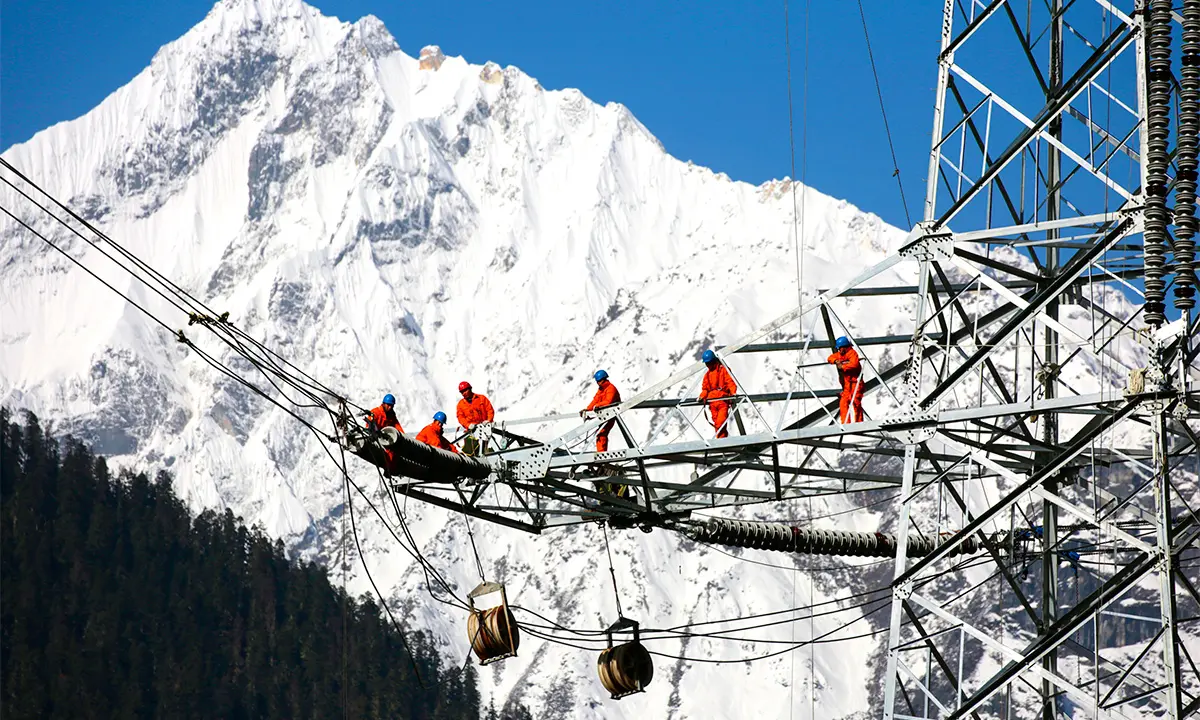
Our circuit breakers utilize specialized low-temperature resistant structural resins, sub-zero mechanical lubricating oil, and thickened anti-corrosion plating layers. Certified to operate down to -40℃, they are perfectly suited for sub-polar solar arrays.

To resist corrosive marine air, our products undergo up to 72 hours of salt spray chamber tests for completed assemblies and 48 hours for key internal metal subgroups. This prevents oxidation and electrical tracking in coastal and floating PV arrays.
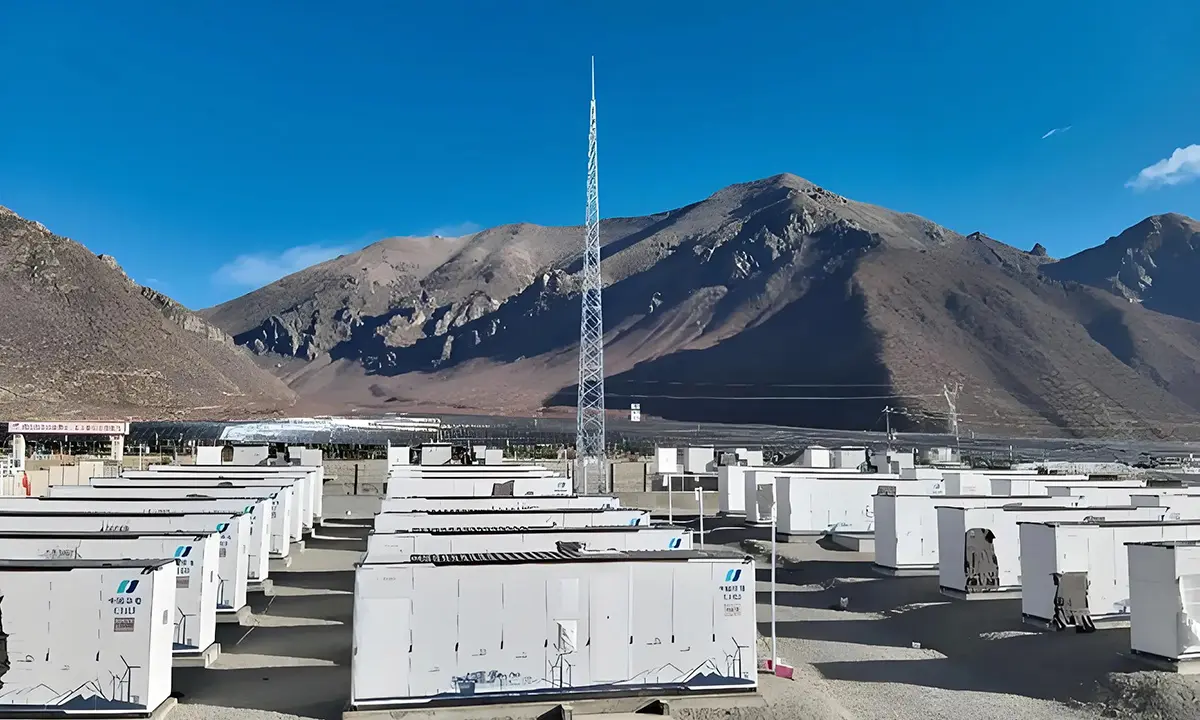
At elevations exceeding 2000m, air density changes. This reduces dielectric properties and cooling performance. We provide dedicated high-altitude derating coefficients to ensure proper, safe calibration of MCCBs at high elevations.
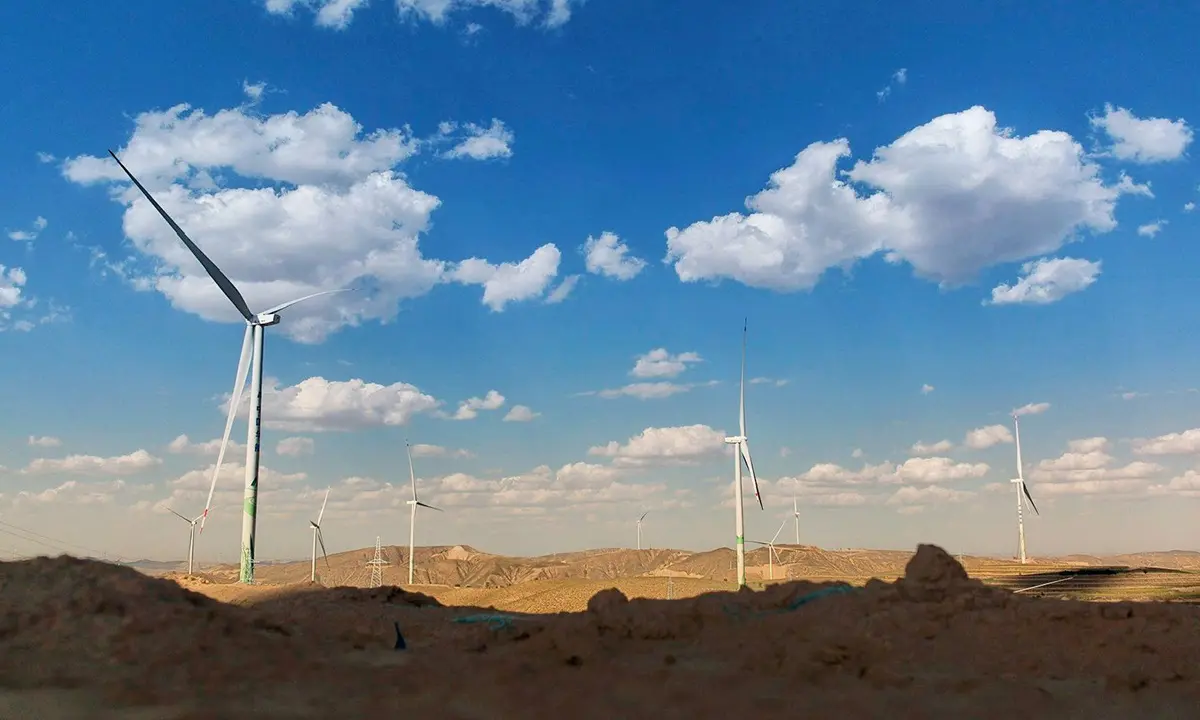
Our thermal-magnetic and electronic trip components utilize specialized high-temperature structural resins. Critical electronics are protected with heat insulation coatings, tested and rated for reliable service in ambient conditions of up to 55°C.
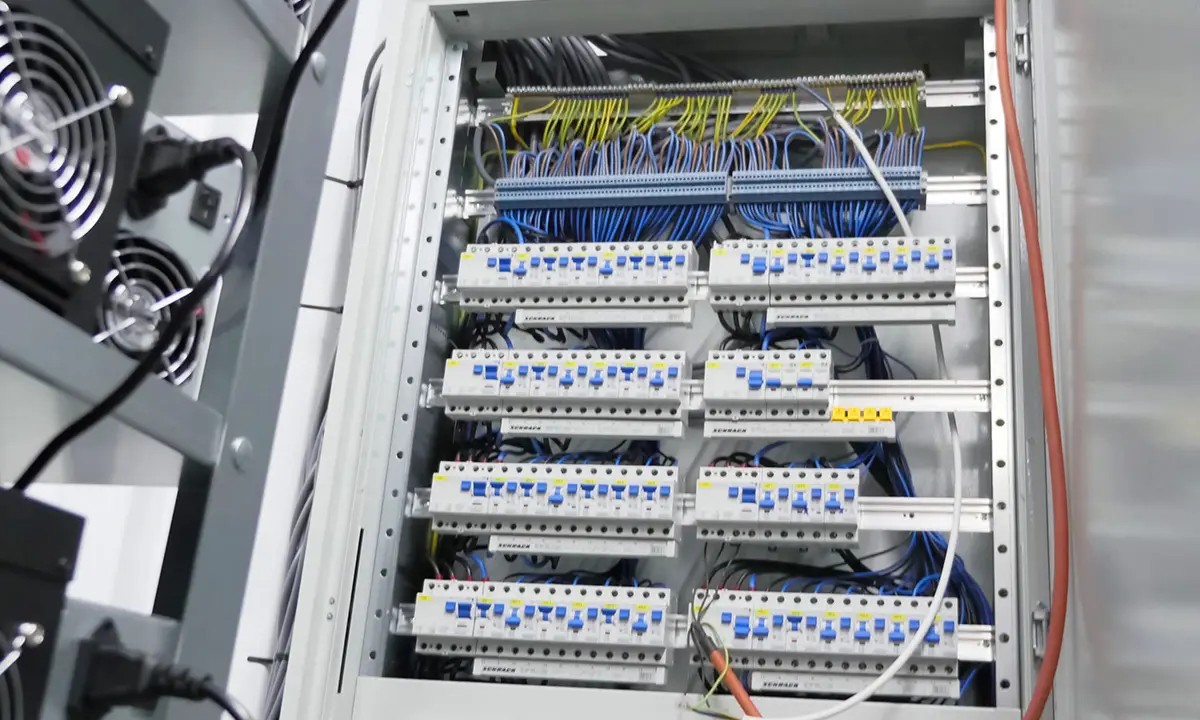
Providing protection, metering, remote data transfer, and edge computing capabilities. Built-in Modbus and wireless communications enable real-time current, voltage, and diagnostic reporting to support smart-grid management systems.

Protecting critical sub-circuits, electric vehicle chargers, and commercial distribution boards against short circuits and overcurrents, ensuring excellent operational stability and flexible deployment options.
Partner with our factories to scale your business, customize branding, and leverage our China manufacturing capacity.
Customized logos, tailored outer/inner packaging design, and exclusive product catalog development to build local brand awareness.
Product mold development, function adjustments, international compliance testing reports (refundable based on order scale), and 24-hour response support.
Collaborative 3D modeling, structure adaptations for unique spacing, customized trip curves (LSIG), and custom current ratings.
Low minimum order quantities (MOQ), optimized packing configurations, prompt global export clearances, and complete tracing.
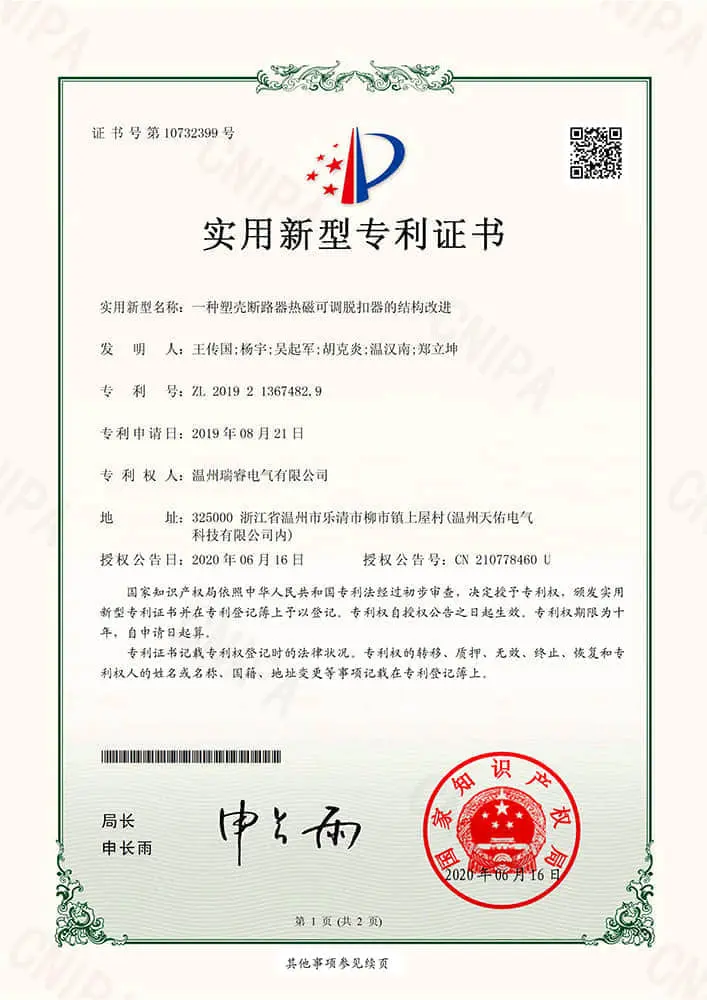
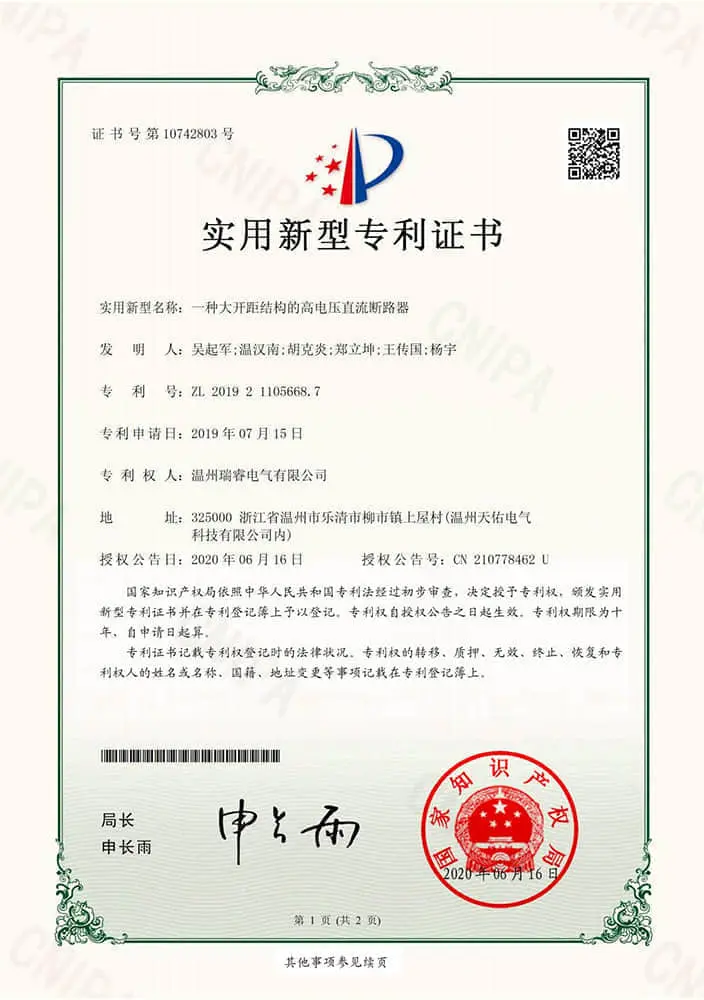
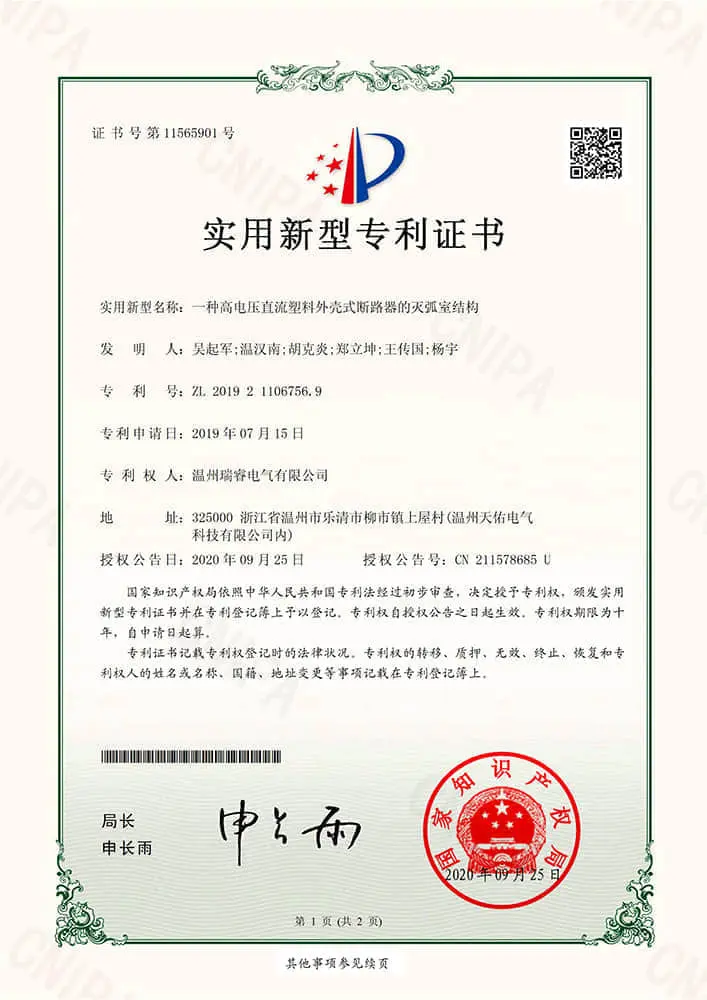
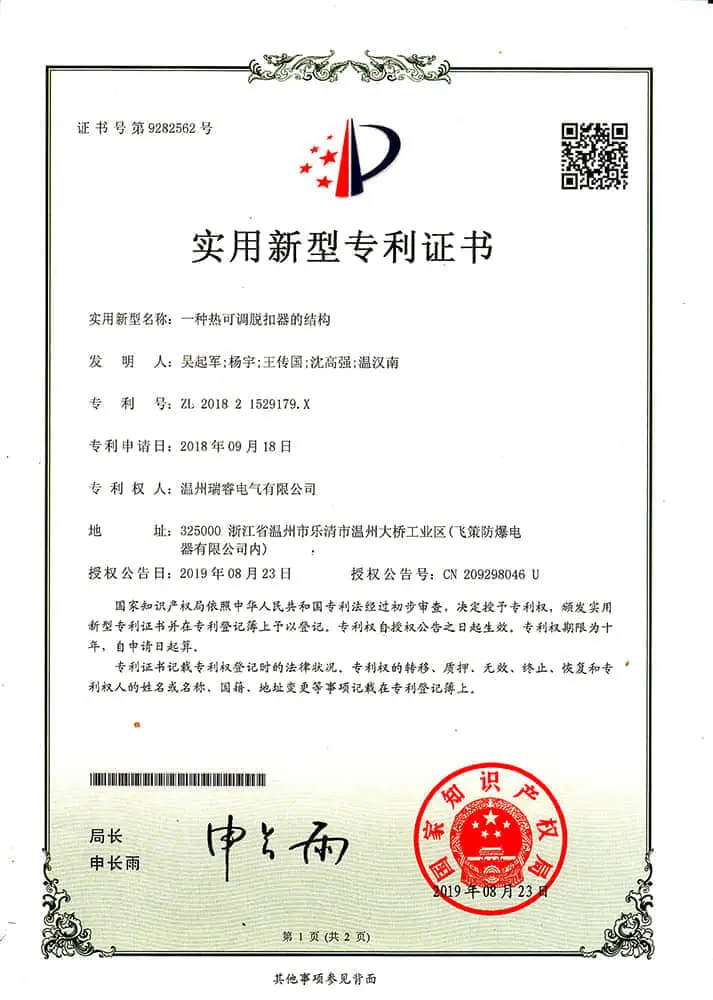
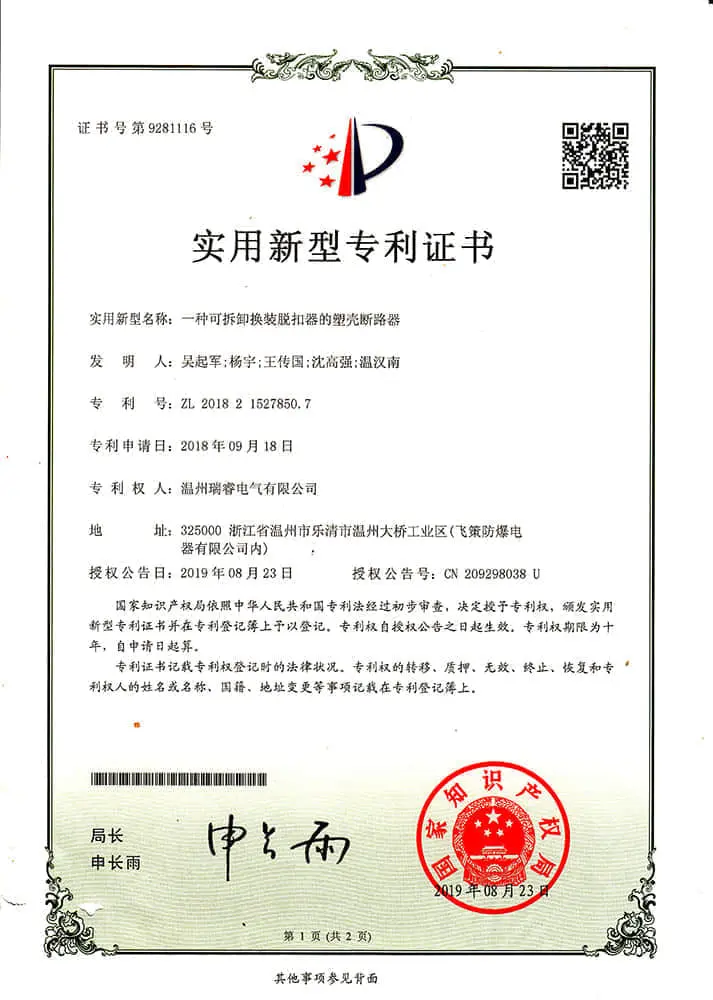
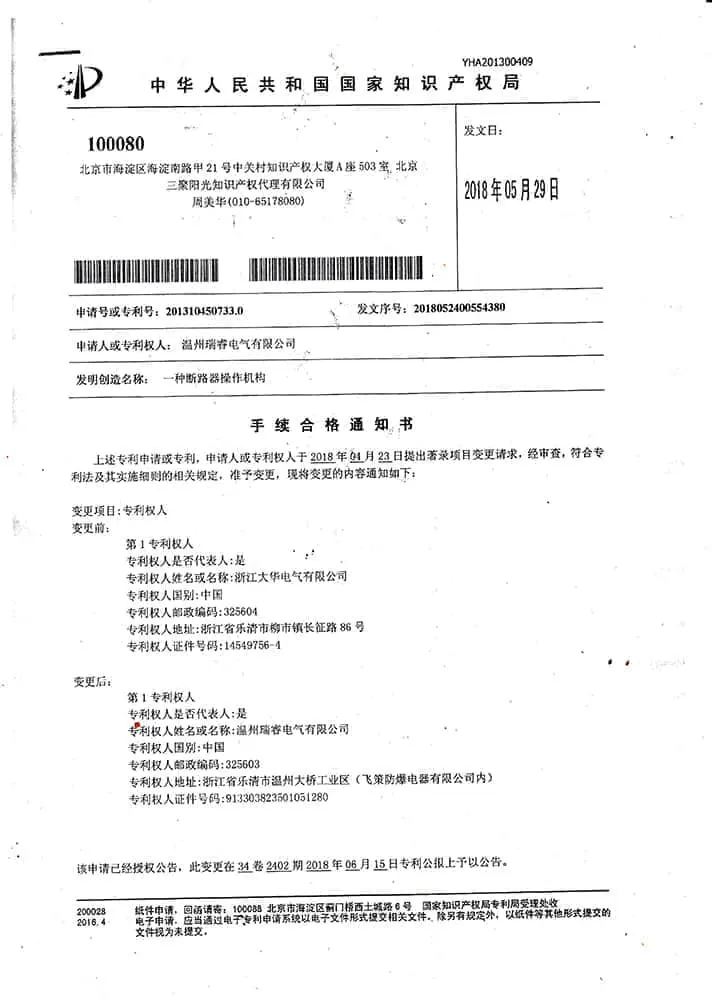
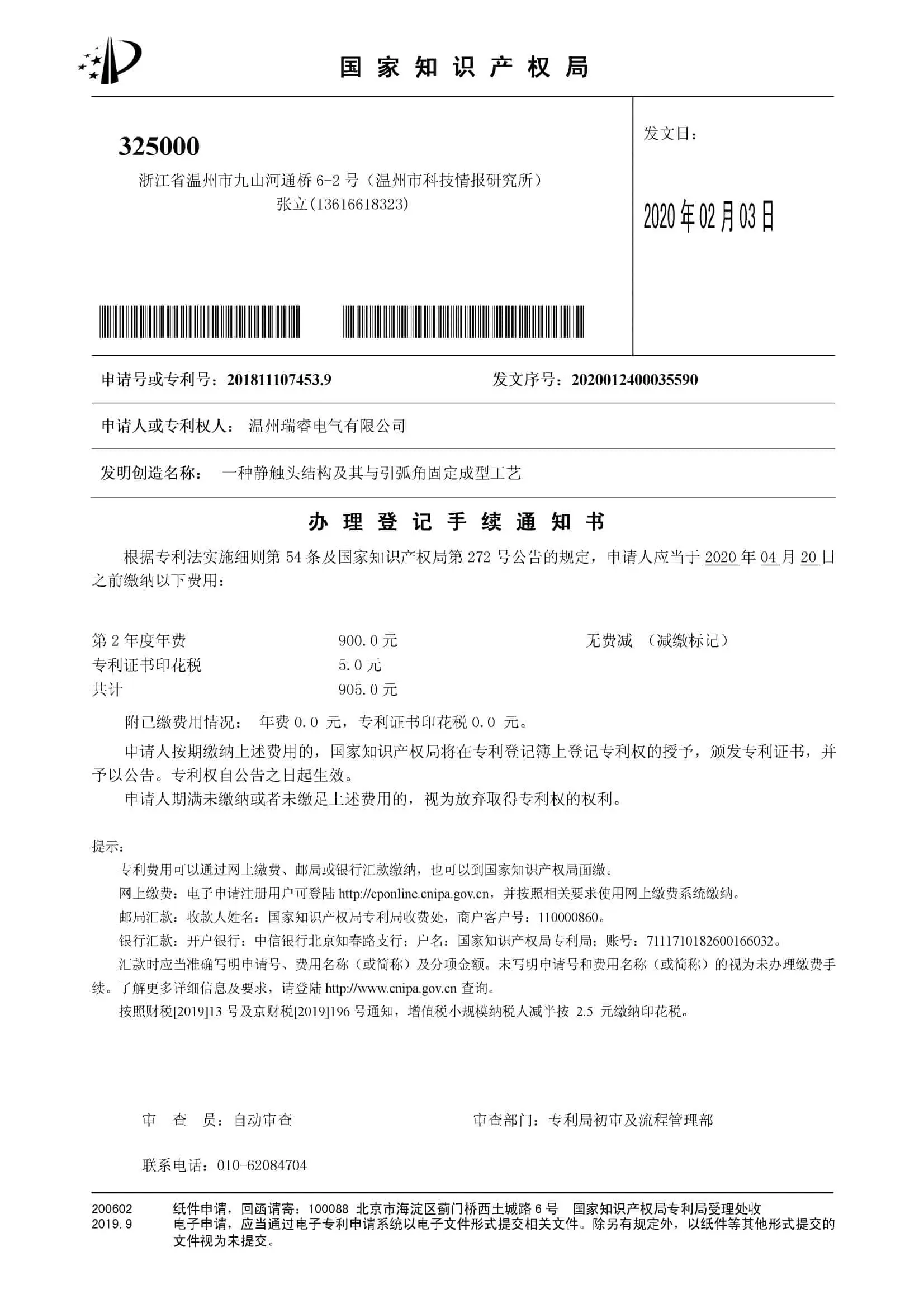
Our products comply with standard testing protocols. View our laboratory testing qualifications and internationally recognized compliance certificates.
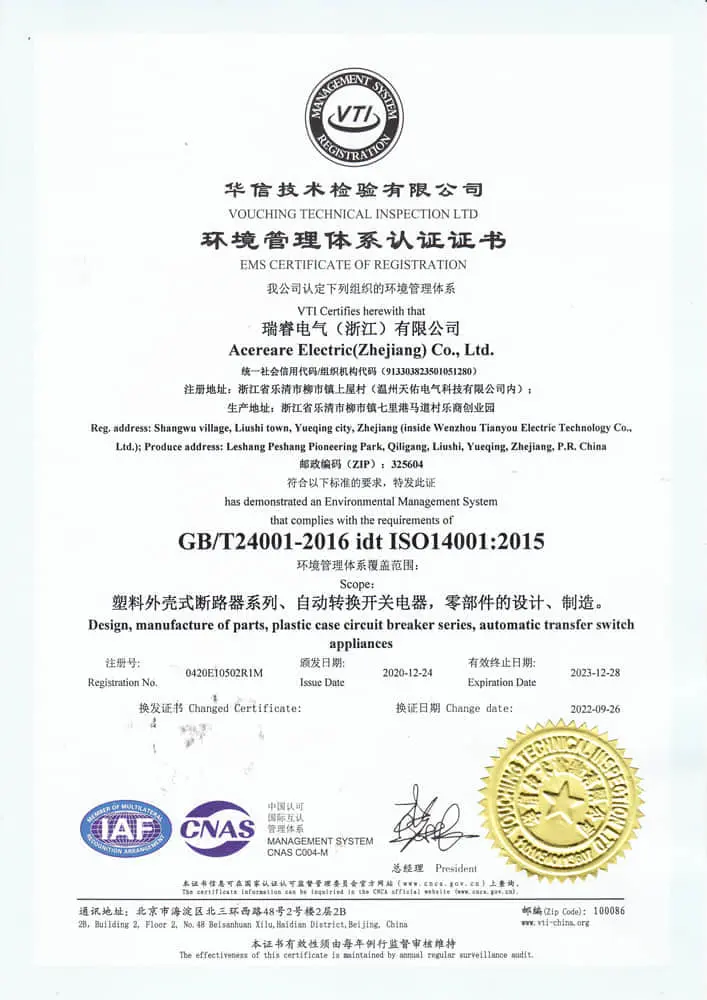
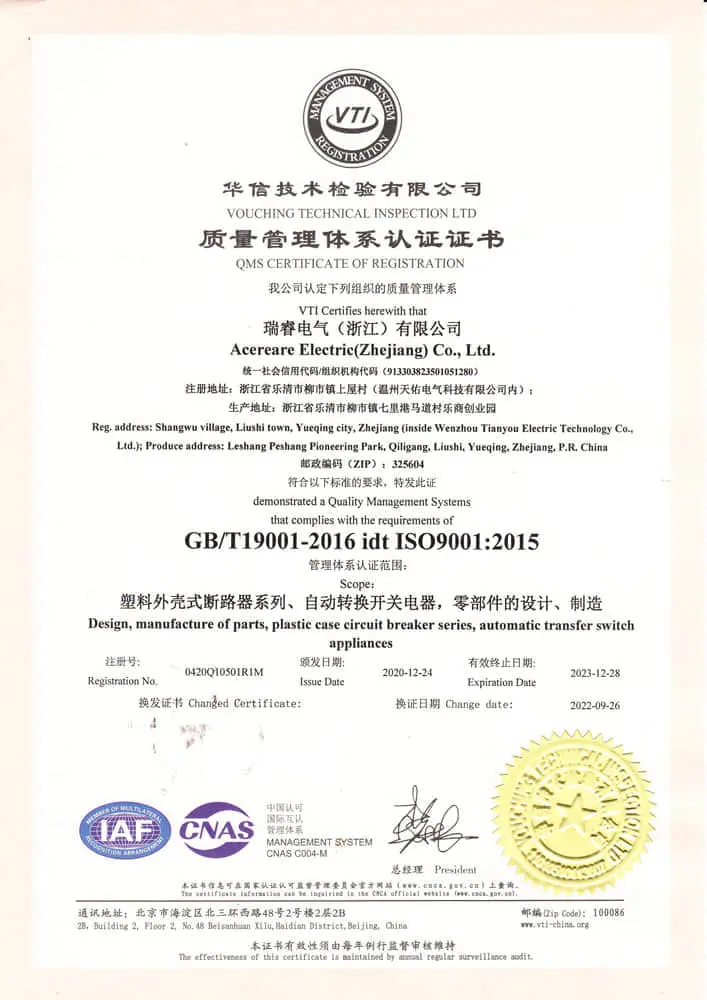

Find answers to common technical, procurement, and deployment questions asked by electrical engineers and purchasing managers.
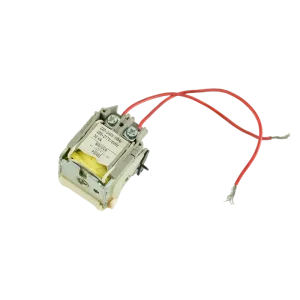
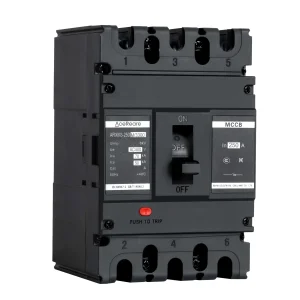
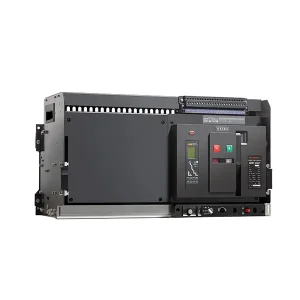
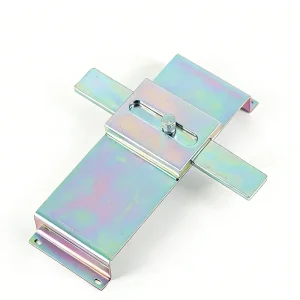
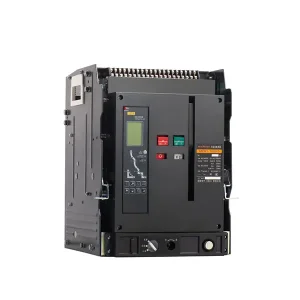
Select the correct breakers, mechanical accessories, and spare parts to build your power distribution grids.
 AceReare