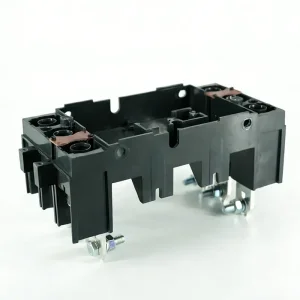
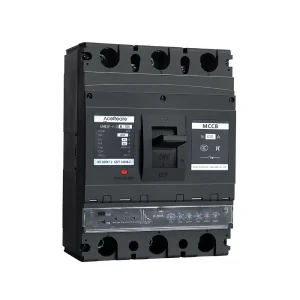
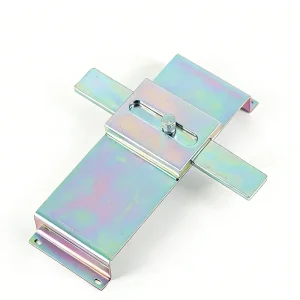
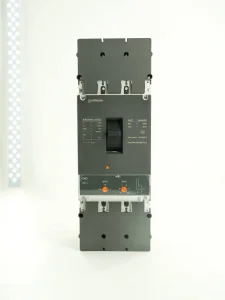
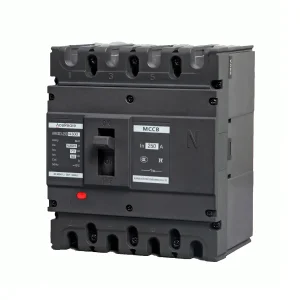
Premium grade mechanical contact systems designed for high-breaking capacity molded case circuit breakers operating in United States industrial networks.
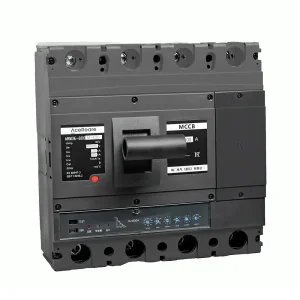
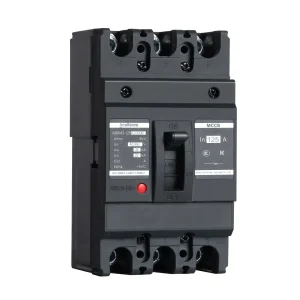
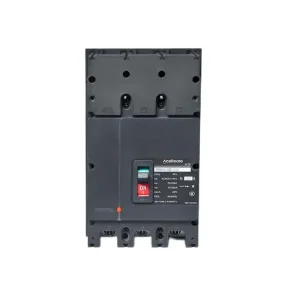
The modernization of the United States power grid represents one of the largest infrastructure shifts of the 21st century. As the nation transitions toward decentralized energy resources (DERs), utility operators, OEM switchgear manufacturers, and heavy industries face unprecedented demands for system reliability. Molded Case Circuit Breakers (MCCBs) serve as critical protection components, guarding downstream circuits against overcurrent and short-circuit faults. In these advanced distribution grids, the internal metal welding parts and contacts are the primary mechanical systems handling thermal and electrical stresses.
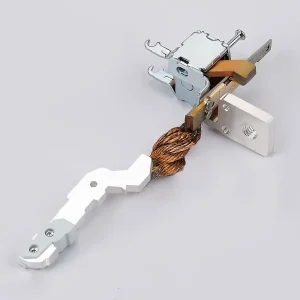
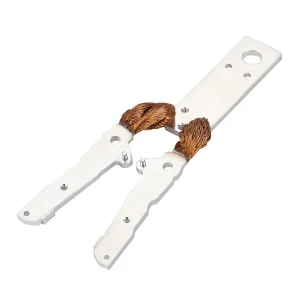
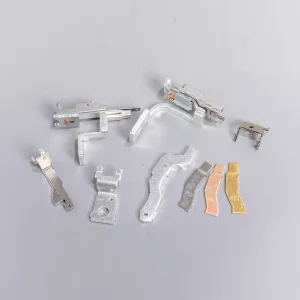
In the US market, high-capacity switchgear must conform to stringent standards set by NEMA (National Electrical Manufacturers Association), ANSI (American National Standards Institute), and UL (Underwriters Laboratories). In particular, UL 489 demands that circuit breakers operate safely under harsh environmental profiles. The mechanical and electrical integrity of MCCB metal welding parts, such as silver-plated copper moving contacts and stamped terminal joints, directly dictates the breaker's ultimate breaking capacity (Icu) and service breaking capacity (Ics). Any micro-void or defect in the welding zone will lead to elevated contact resistance, localized heating, and eventually, catastrophic insulation degradation or trip failures.
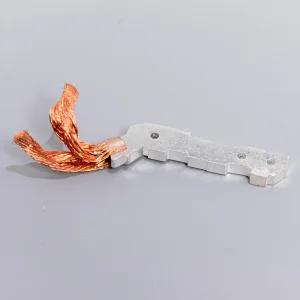
Engineering premium MCCB contacts requires deep knowledge of metallurgy and thermal dissipation. Our factories utilize high-purity C11000 oxygen-free copper as the substrate material to achieve minimum electrical resistance. For high-amperage breakers (ranging from 250A to 800A and beyond), contact points are bonded with silver-tin-oxide (AgSnO2) or silver-cadmium-oxide (AgCdO) alloys. These alloy tips resist electrical arcing, micro-welding, and erosion during circuit interruption.
Brazing contact tips to copper carriers requires high precision. Standard resistance welding can leave gas pockets, but our factory uses automated vacuum brazing and medium-frequency induction welding. This ensures a uniform diffusion layer, zero gas inclusion, and optimal shear strength. Below is a comparative overview of key metallurgical processes used in our factory:
| Processing Method | Core Technology | Key Performance Metric | Target US Application Scenario |
|---|---|---|---|
| Medium-Frequency Induction Welding | Controlled thermal profiles with high-frequency currents. | Shear Strength > 120 MPa, minimal heat-affected zone. | Heavy industrial switchgear and critical power cabinets. |
| Automatic Laser Spot Welding | CNC-guided optical laser alignment and pulse modulation. | Precision depth control, tolerance within ±0.02 mm. | Micro-circuit breakers, auxiliary contacts, and sub-modules. |
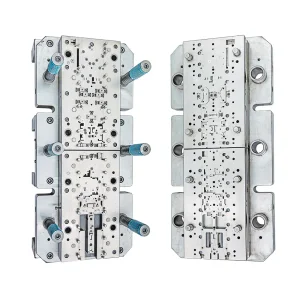
| Progressive Stamping & Forming | Multi-stage high-speed precision die presses. | High flatness, dimensional repeatability over 1M cycles. | High-volume industrial stamping and housing components. |
| Silver Electroplating (Inlay/Overlay) | Electro-deposition with thickness-monitoring feedback. | Silver layer thickness: 3μm - 15μm, low contact resistance. | Corrosive environments, coastal substations, marine docks. |
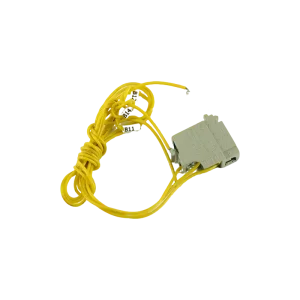
Providing a comprehensive suite of primary and secondary circuit components matching standard US industrial form factors.
A heritage of craftsmanship, engineering innovation, and smart manufacturing.
Acereare Electric was founded in 2015 and operates two wholly-owned subsidiaries: RuiRui Electric and KeRui Electric. We are a professional original manufacturer integrating R&D, production, and sales. We specialize in molded case circuit breakers (MCCB), air circuit breakers (ACB), and high-precision metal stamping and welding parts.
Backed by over 20 years of craftsmanship passed down through two generations, we combine traditional engineering expertise with modern Industry 4.0 production systems. Our factories rank among the top ODM partners in China, helping us establish strategic cooperation with nearly 100 high-end customers across both domestic and international markets, including the United States.
We run automated production lines integrated with ERP (U8) and MES software. This setup links tooling design, stamping, induction welding, electroplating, and testing to ensure full traceability and high quality.

How we ensure quality, responsiveness, and scale for US electrical manufacturers.
We provide a one-stop shop with six distinct processing techniques. Our setup includes high-precision tooling, automatic stamping presses, and more than 10 manual and automated assembly lines.
Over 50 R&D engineers, each with 5+ years of experience, design custom parts, molds, and complete systems. We execute over 50 custom R&D projects annually.
Our in-house labs run multi-step inspections with over 150 instruments and 20+ inspectors. We manage quality control through PLM, BI, ERP, and MES software systems.
How we design parts to handle extreme temperatures, coastal corrosion, and high altitudes.
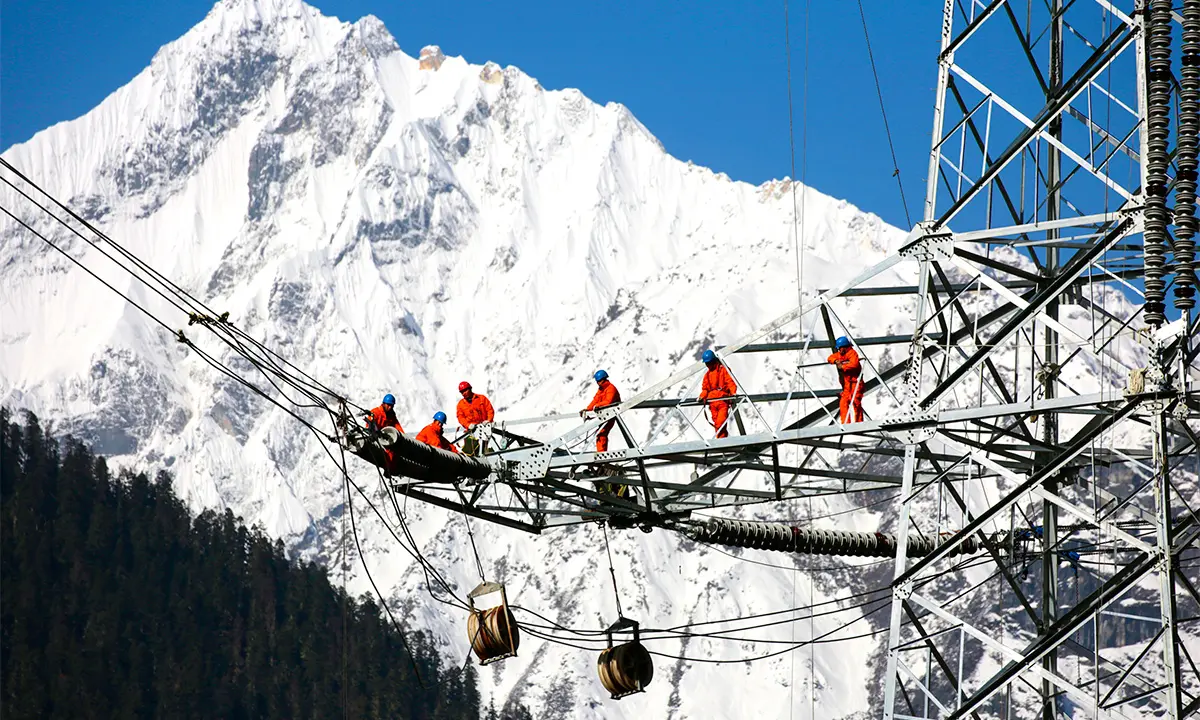
Designed for northern US wind farms and outdoor cabinets. We use low-temperature oils, thick protective coatings, and run certified -40°C operational testing.
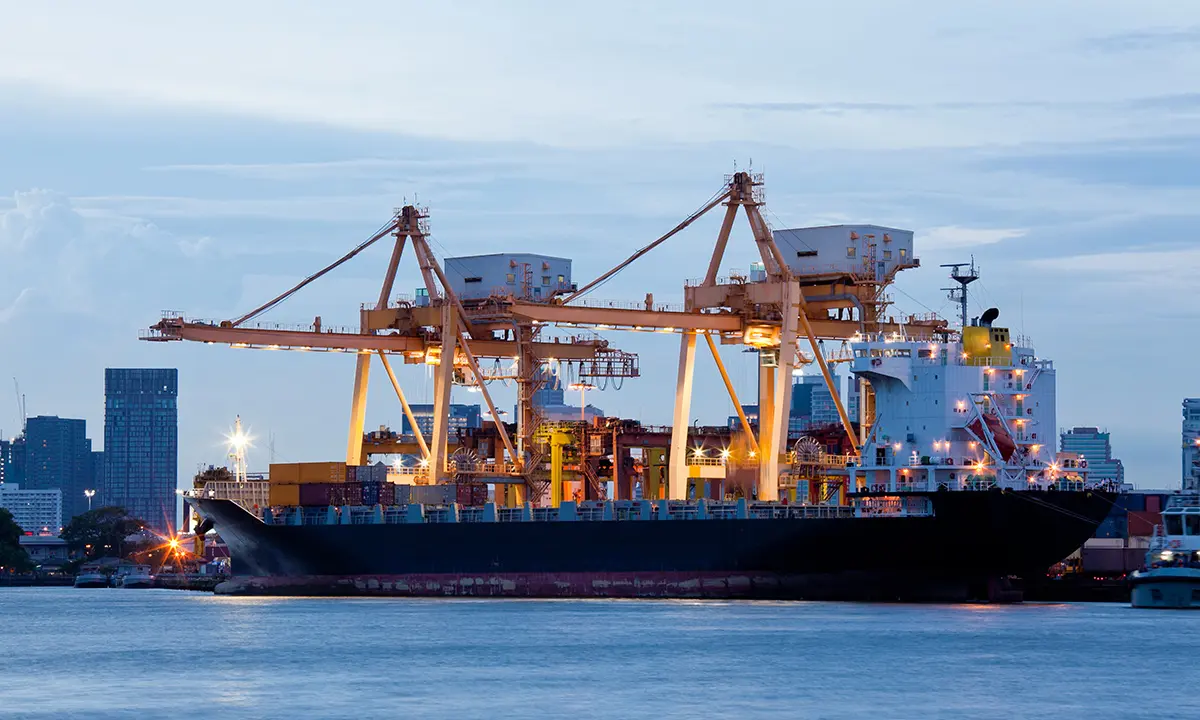
Essential for Gulf Coast and marine port installations. Our parts undergo 72-hour whole-machine and 48-hour sub-assembly salt spray tests to ensure stability against humid, salty air.
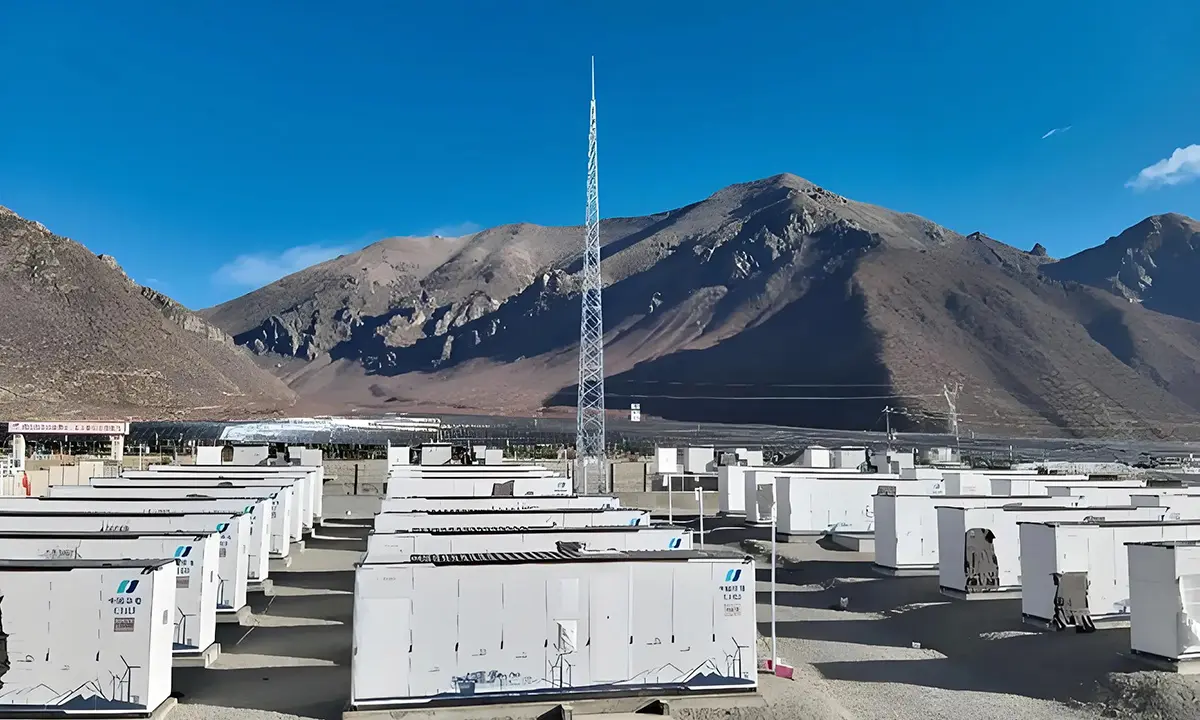
For installations in the Rocky Mountain region. We apply custom derating calculations to offset lower air density, ensuring dielectric strength and effective heat dissipation.
A streamlined, trace-managed process from initial engineering consult to final US delivery.
Common questions from electrical procurement managers and engineers regarding MCCB welding parts.
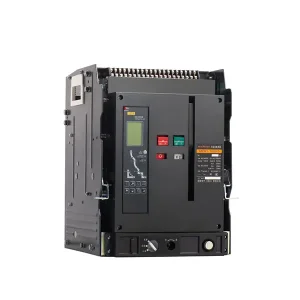
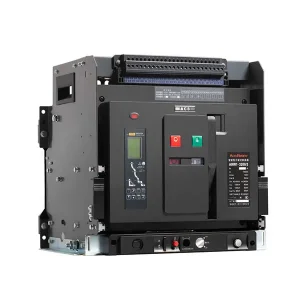
Explore our full range of circuit protection devices and assemblies designed for international electrical grids.
 AceReare