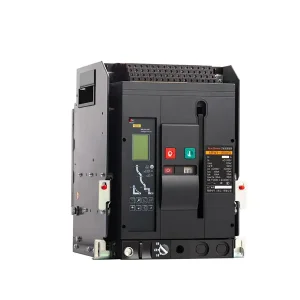
Engineered for high performance in urban solar networks and modern industrial power distribution plants.
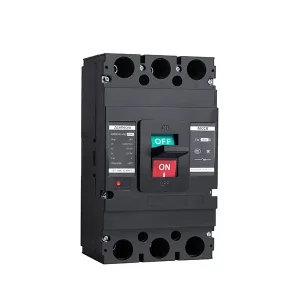
A deep analysis of the modern power requirements within South Korea's fast-evolving urban infrastructure.
As Seoul advances its initiatives toward becoming an eco-friendly smart city, the electrification of metropolitan infrastructure has driven a major transition in power engineering. The municipal grid is shifting from conventional low-voltage networks to higher-voltage operational levels, notably 800V AC and above. This transition is critical to accommodate the surging demand from commercial electric vehicle (EV) charging hubs, central data centers in Yeouido and Digital Media City, and utility-scale solar PV installations scattered across the Gyeonggi metropolitan area.
At these elevated voltages, circuit protection becomes complex. Standard Molded Case Circuit Breakers (MCCBs) designed for 400V/690V systems face severe limitations under 800V operations, including rapid arc propagation and elevated thermal loads. Utilizing advanced Thermal Magnetic 800V MCCBs designed by top-tier global manufacturers is no longer optional; it is a fundamental requirement to guarantee reliability, mitigate catastrophic faults, and extend the operating life of distribution boards.
In high-capacity solar setups (Photovoltaic installations) and commercial Energy Storage Systems (ESS), raising the system voltage to 800V AC or higher allows installers to dramatically reduce cable cross-sections, lowering copper conductor costs. It also cuts total power losses in transmission lines, driving a better Return on Investment (ROI) for municipal developers in South Korea. However, raising the voltage exponentially increases arc energy during short-circuit faults. Advanced manufacturers like Acereare provide custom-tailored solutions to withstand these high-energy stresses under continuous industrial loading.
Acereare Electric, founded in 2015, owns two wholly-owned subsidiaries: "RuiRui Electric" and "KeRui Electric". We are a professional original manufacturer integrating R&D, production, and sales of high-performance Molded Case Circuit Breakers (MCCB), Air Circuit Breakers (ACB), and premium electrical accessories.
With over 20 years of manufacturing craftsmanship inherited across generations, we rank among the top ODM/OEM manufacturers in China. Our state-of-the-art facilities produce high-voltage breaker lines designed to withstand the rigorous standards of Seoul's modern utility networks.
Send Inquiry Now
Understanding the mechanical and electrical trade-offs between trip topologies for 800V grids.
In high-power environments, developers in Seoul must choose between thermal-magnetic trip units and electronic trip units (LSIG). Below, we outline the primary characteristics of each technology when deployed at 800VAC/1000VAC/1140VAC operations.
| Feature / Specification | Thermal Magnetic Trip Unit | Electronic Trip Unit (LSIG) |
|---|---|---|
| Operation Mechanism | Bimetallic strip (overload) & Electromagnetic coil (short circuit) | Microprocessor-driven current sensor sampling current waveforms |
| Environmental Stability | Highly robust, immune to electromagnetic interference (EMI) | Requires digital filtering; sensitive to extreme harmonic distortion |
| Application Suitability | Solar string inverters, harsh industrial motors, distribution panels | Complex grids requiring remote telemetry, precise selectivity |
| Maintenance Cost | Lower; highly durable and less prone to electronic faults | Requires diagnostic calibration and periodic firmware audits |
| Harmonic Tolerance | Excellent resistance to high-frequency transients | Requires specialized circuitry to avoid nuisance tripping |
Thermal Magnetic MCCBs remain the industry standard for solar photovoltaic systems. Photovoltaic installations generate high ambient heat and high-frequency harmonics via solar inverters. The physical, analogue operation of a bimetallic strip paired with an electromagnetic coil ensures that the breaker trips reliably during true thermal or short-circuit events without failing due to electronic card burnout or noise interference.
Leveraging state-of-the-art facilities, certified design procedures, and world-class testing labs.
One-stop solution with six distinct processing technologies. High-precision production equipment, and more than 10 manual and automated assembly lines.
Over 50 R&D engineers with 5+ years of experience. We handle complete 3D design of components, custom molds, and generate over 50+ projects annually.
We own and operate two manufacturing facilities. Our processes are unified under ERP and U8 software to guarantee smooth logistics for Seoul clients.
Rigorous testing inside our private laboratory, loaded with 150+ instruments. We monitor production quality via PLM, BI, ERP, and MES software.
Testing and engineering for low temperature, high altitudes, salt environments, and smart grids.
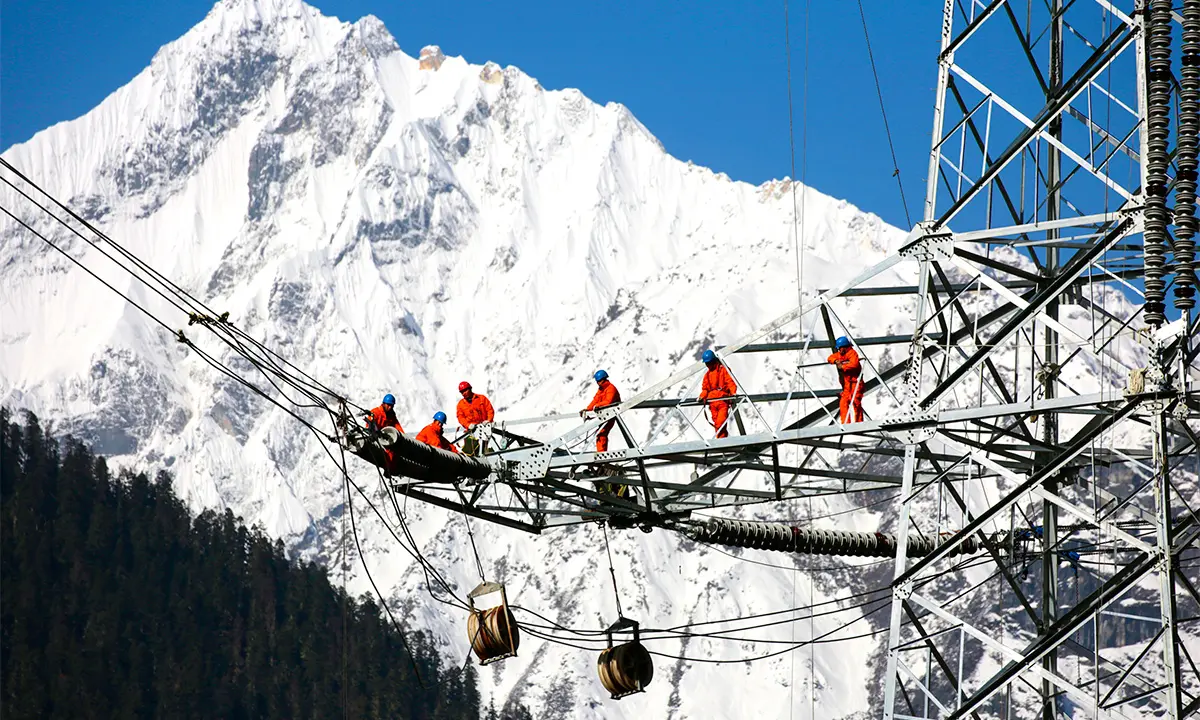
Designed with low-temperature resistant structural materials and custom lubricants, verified in testing rooms to ensure no mechanical locking during Seoul's winter cold spells.
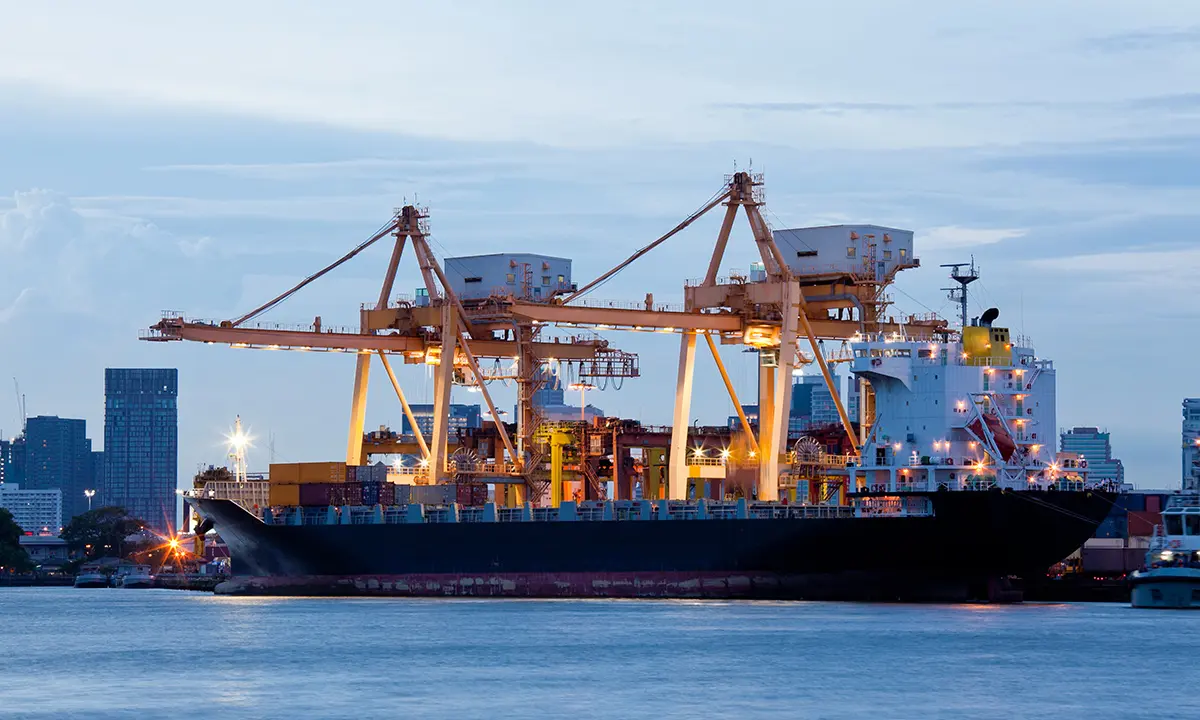
Withstands the humid, corrosive atmosphere of coastal locations and port infrastructure. Verified by 72-hour complete machine salt spray testing.
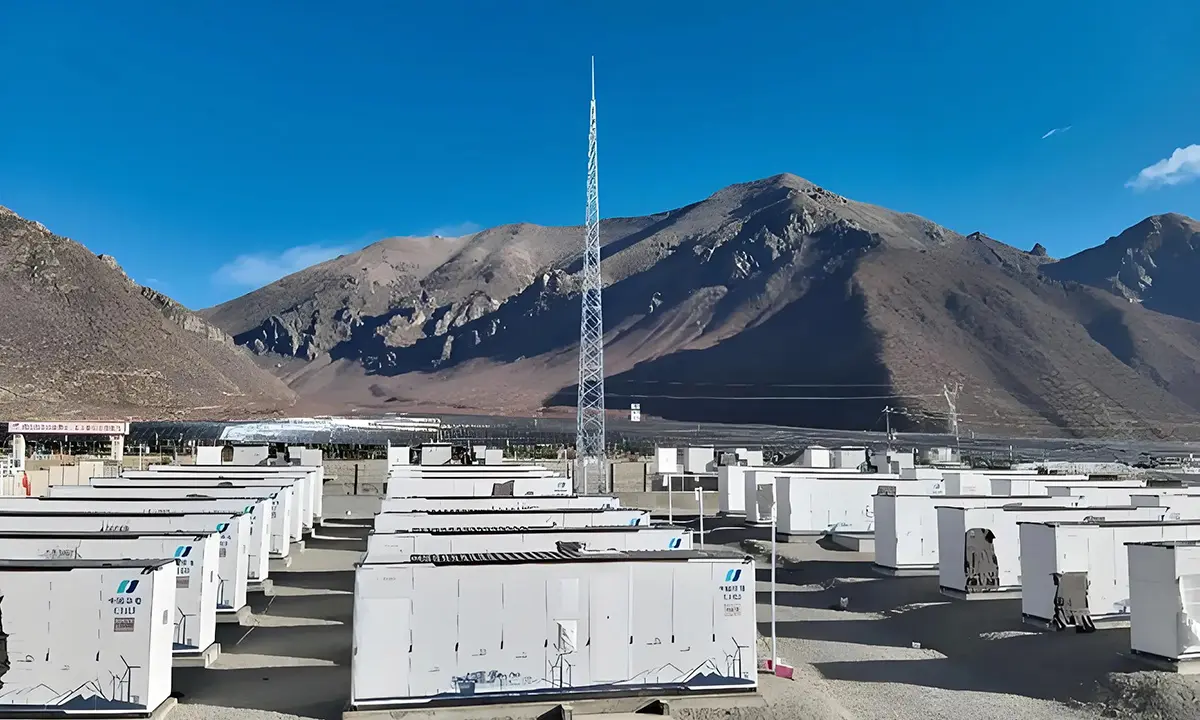
For installations exceeding 2000m. We adjust operational coefficients utilizing precise high-altitude derating parameters to avoid over-heating.
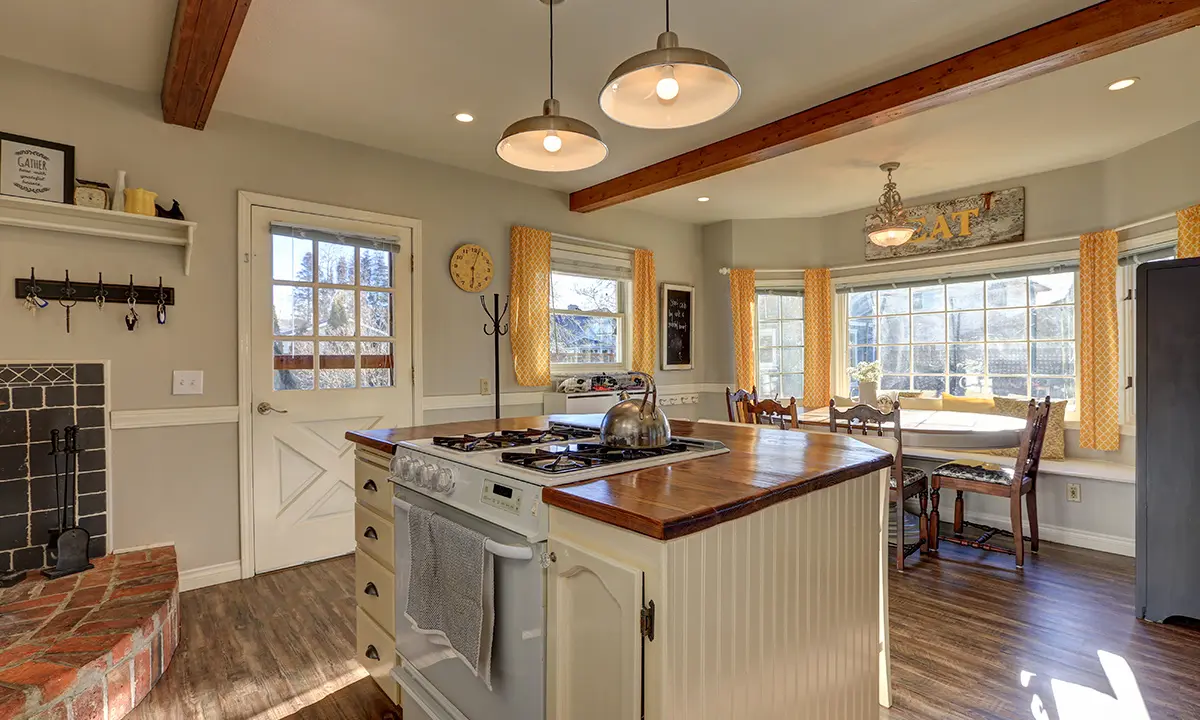
Widely deployed in commercial HVAC and smart skyscraper distribution boards across Seoul, safeguarding systems against dangerous overload damage.
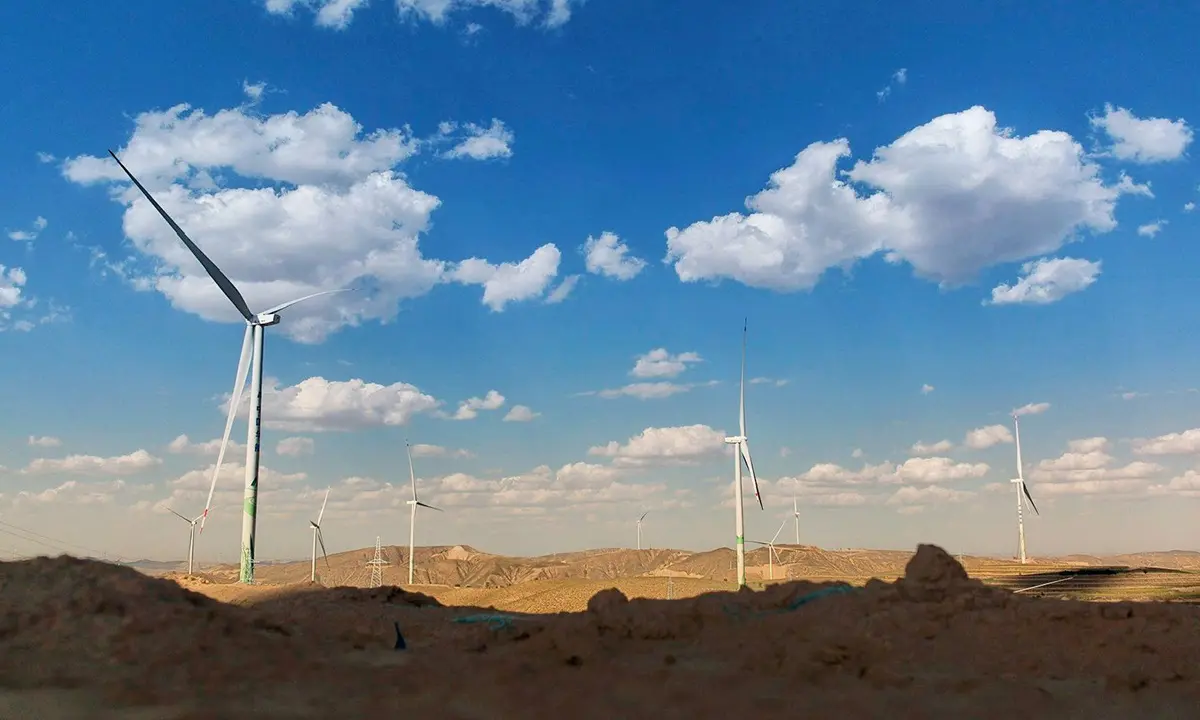
Uses high-temperature resistant thermoplastics. Copper and iron components are insulated against thermal aging, verified in 55°C constant-temperature rooms.
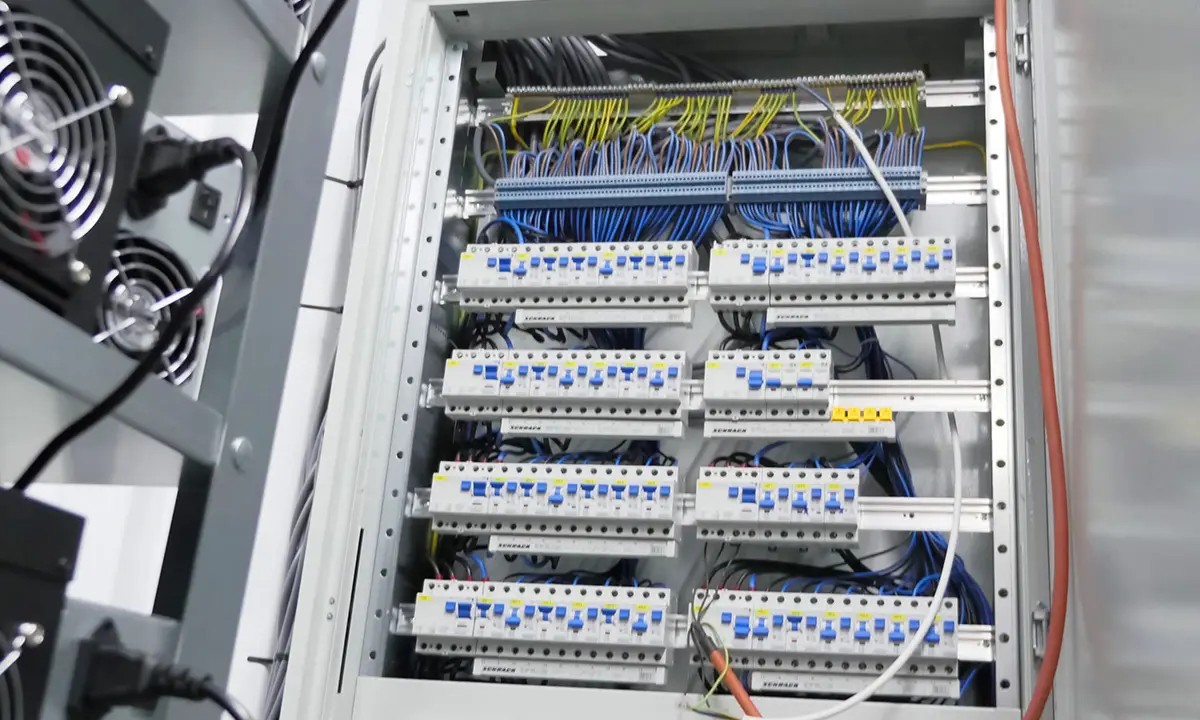
Provides dual circuit protection and high-precision metering. Supports modern edge computing protocols and smart grid integration.
Our products comply with standard testing benchmarks to ensure secure operation in Korean electrical systems.
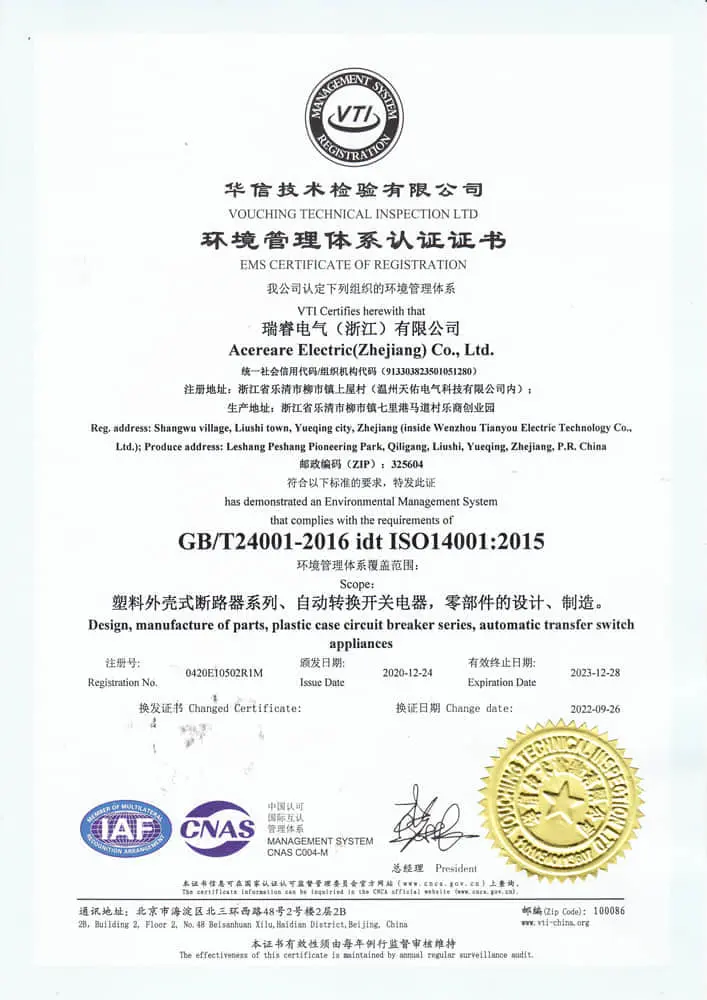
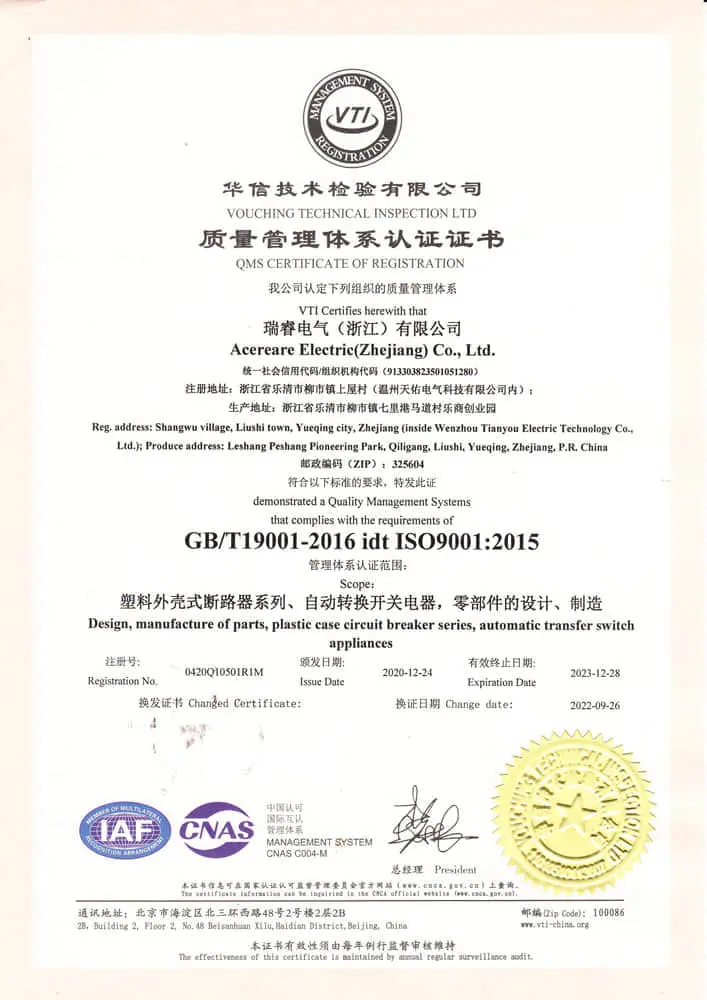
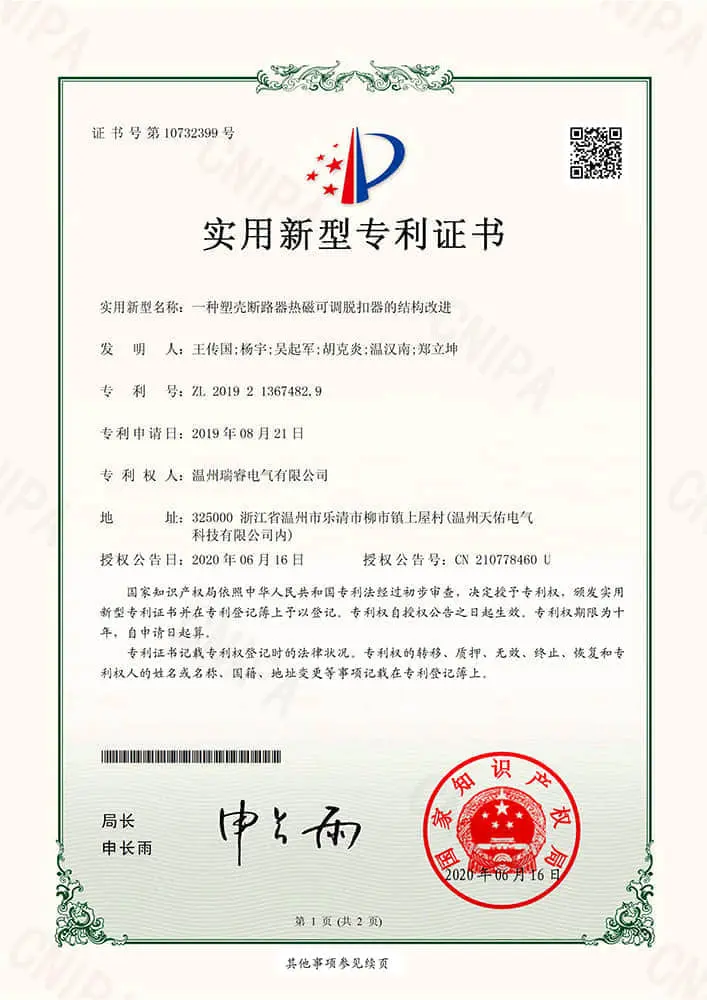
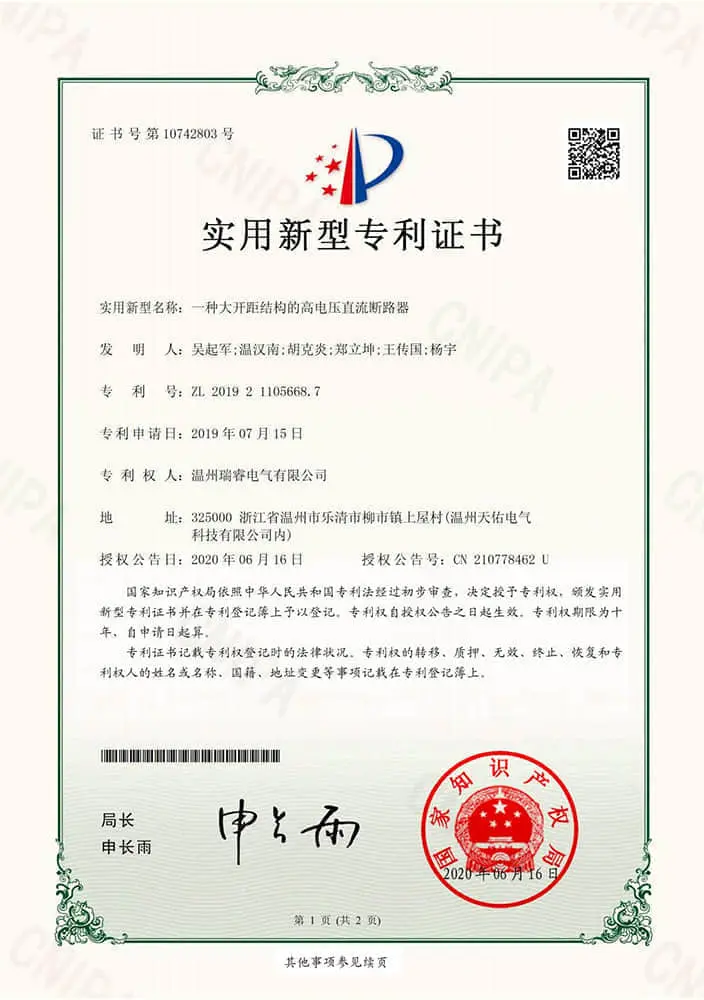
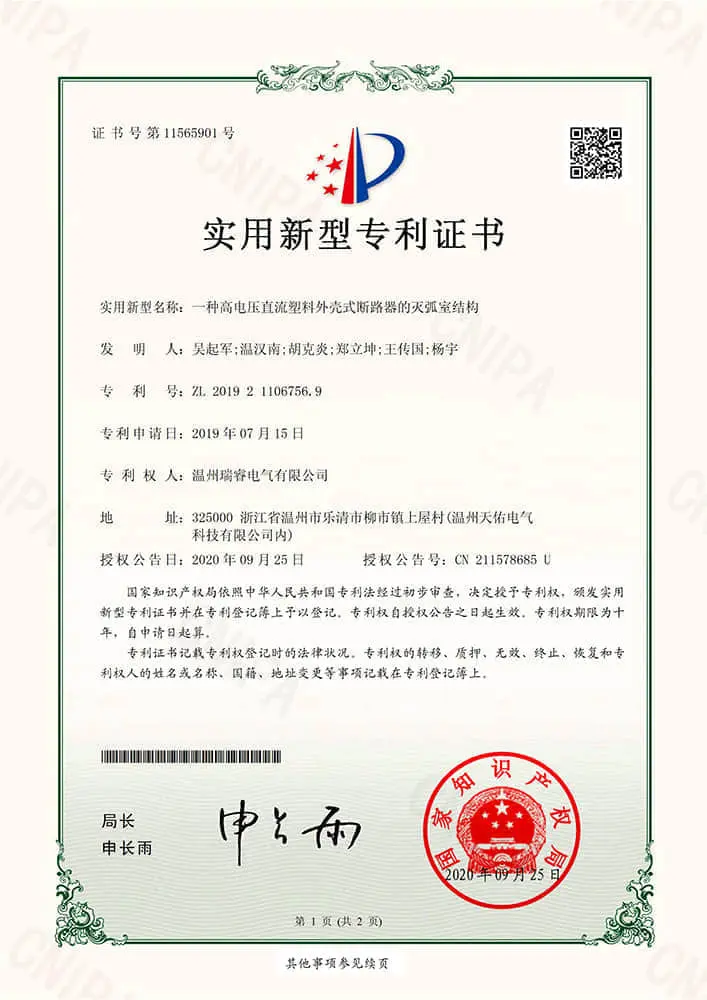
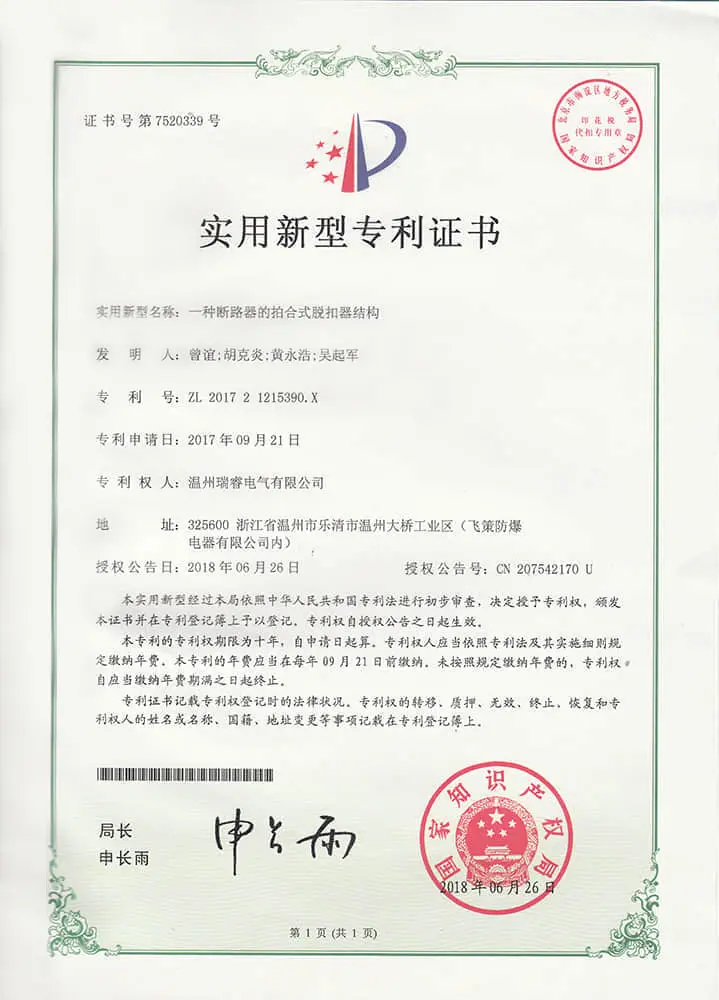
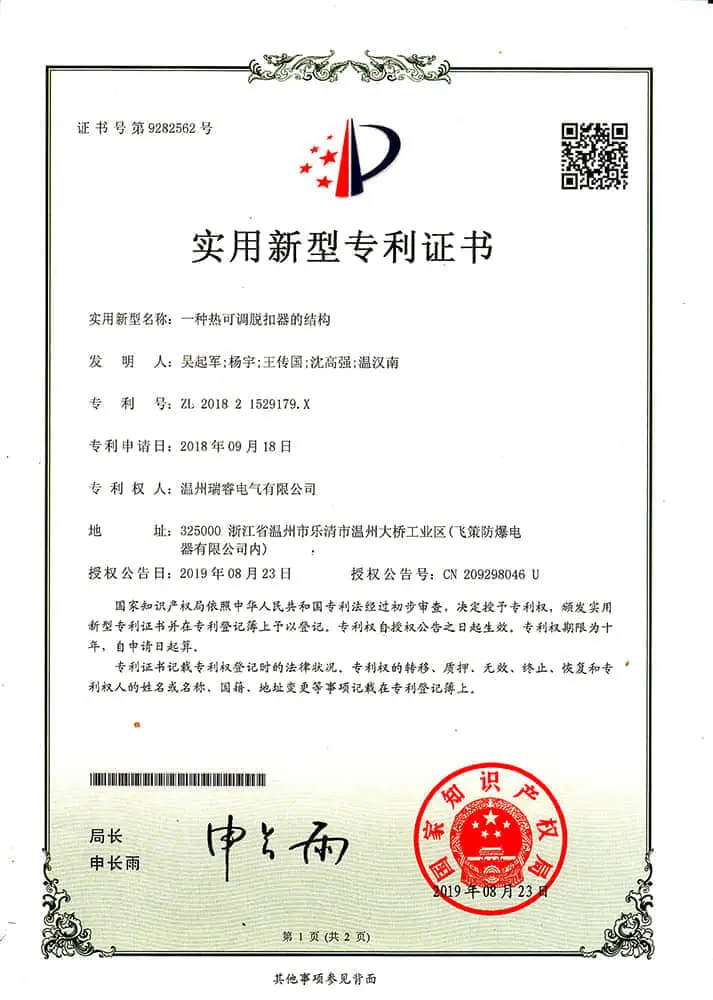
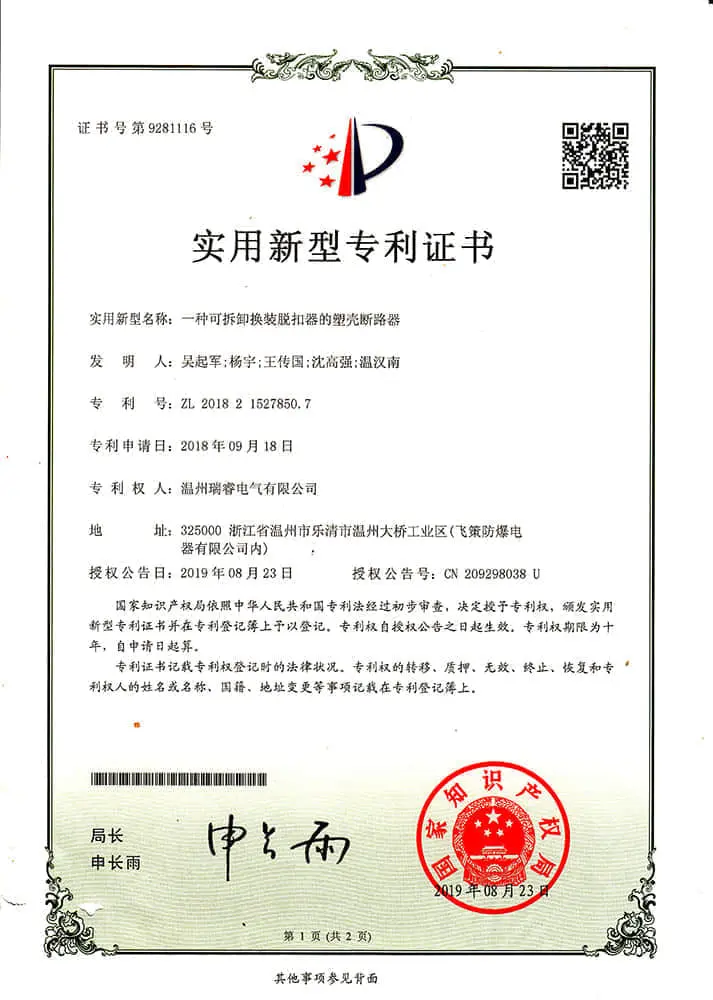
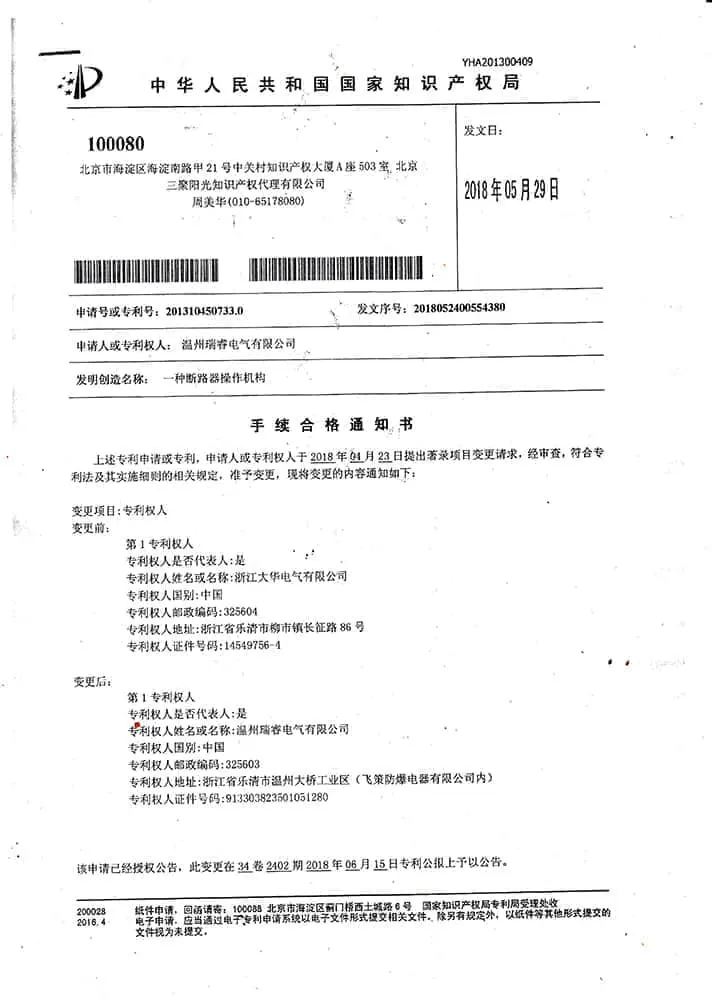
Explore our extensive line of MCCBs, Air Circuit Breakers, and accessories for comprehensive grid safety.
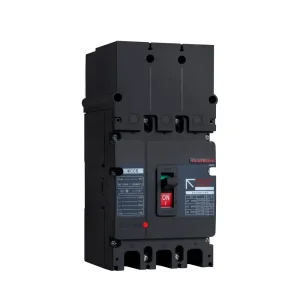
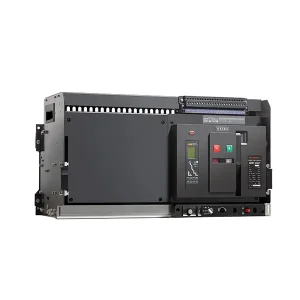
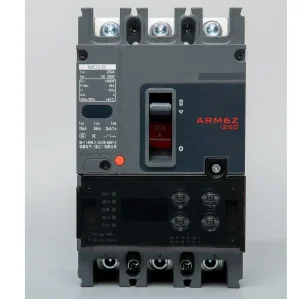
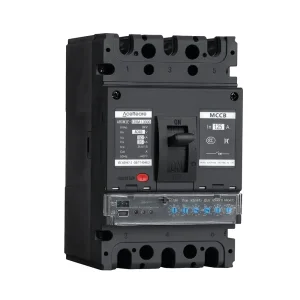
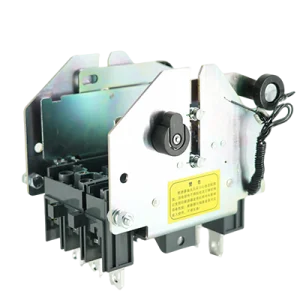
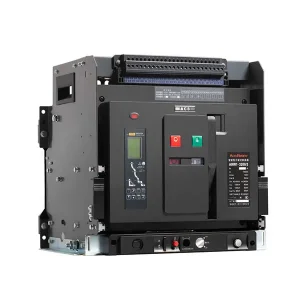
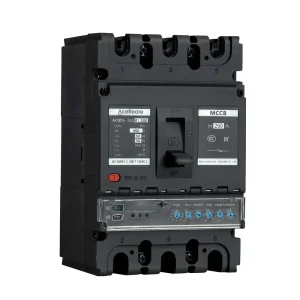
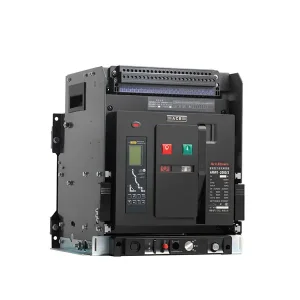
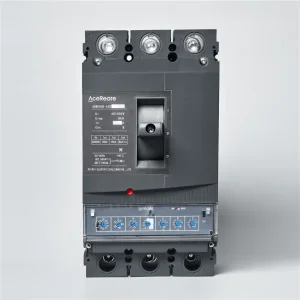
Acereare acts as your premium offshore super-factory, accelerating project schedules for Korean electrical contractors.
Maximize margins through custom mold designs, structural parameter calculations, and certified international testing reports (IEC/CE/CB). We offer dynamic prototyping with a prompt 24-hour turnaround.
Get localized brand layouts, bespoke product logos (laser etching), custom catalogs, and specialized packaging boxes (outer/inner cartons). Low MOQ parameters are available for test batches.
Leverage top-grade raw materials to secure a premium reputation in Seoul. Fast tooling optimization sets your distribution boards apart in competitive bid tenders.
An authoritative review of grid trends that will impact procurement decisions over the next decade.
The global electrical market is transitioning toward higher operating efficiency and active telemetry. As energy demands climb, distribution systems must support high electrical loads without taking up excessive space. Next-generation 800V-1140V MCCBs are evolving from passive thermal triggers into active, connected components. By integrating current transducers and smart telemetry modules inside the breaker body, they allow facility operators to track power indicators in real time.
For Seoul's smart grid infrastructure, this connectivity supports predictive maintenance. Instead of waiting for a high-temperature threshold to trigger a physical trip, smart breakers monitor small temperature fluctuations at terminal connections. This data helps system software flag loose terminals or winding wear before a costly fault occurs. Furthermore, these smart devices support communication protocols like Modbus-RTU and Ethernet, linking up with municipal management platforms.
In addition, sustainable materials are becoming a priority in manufacturing. Future designs will replace heavy halogen compounds and non-recyclable structural materials with eco-friendly alternatives, helping global utilities achieve carbon neutrality targets.
Addressing the core technical concerns of electrical engineers, utility buyers, and OEM customers in Seoul.
 AceReare