Direct supply from China's leading OEM/ODM factories. Explore our high-capacity components, structural modules, and heavy-duty switchgear accessories engineered to international compliance protocols.
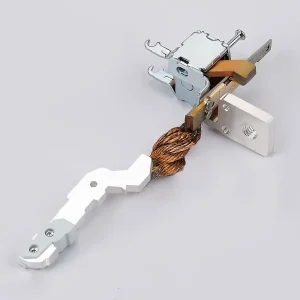
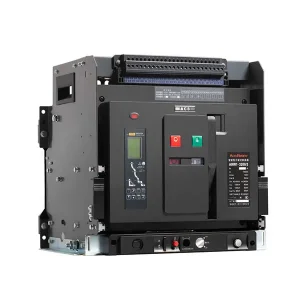
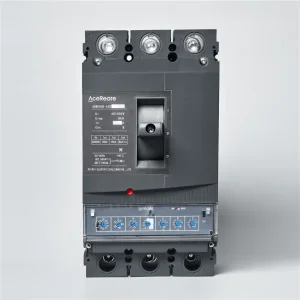

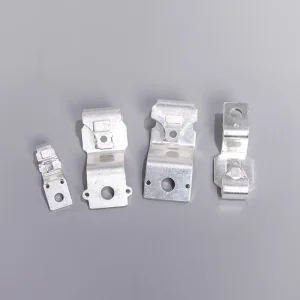
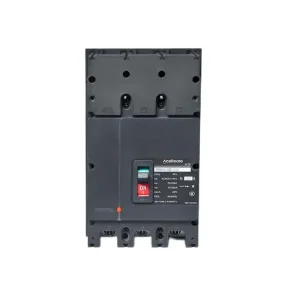
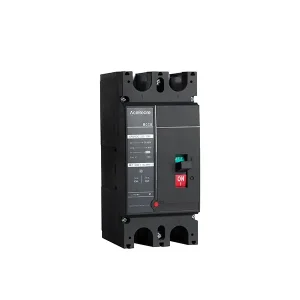
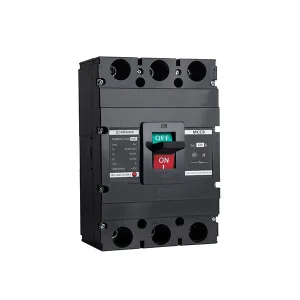
Acereare Electric, established in 2015, runs with its two fully-owned, vertically integrated manufacturing arms: RuiRui Electric and KeRui Electric. Specializing in high-performance circuit protection modules, our manufacturing plant stands out as a leading OEM/ODM service provider in China.
Built upon a foundations of 20+ years of industrial legacy inherited through two generations of engineers, we provide custom design, tool development, precision metal stamping, high-purity copper silvering, assembly, and testing under one roof.

Why Tier-1 global switchgear integrators, distribution network suppliers, and EPC developers select Acereare Electric as their technical manufacturing partner.
End-to-end processing across six core techniques. Equipped with high-precision stamping tools, automatic riveting lines, and automated breaker assembly lines.
Over 50 mechanical and electrical engineers developing 50+ new projects annually. Expertise in 3D transient electromagnetic simulations and complex mold design.
Two dedicated factories managing upstream components and final systems via unified ERP, U8, and MES databases for reliable production times.
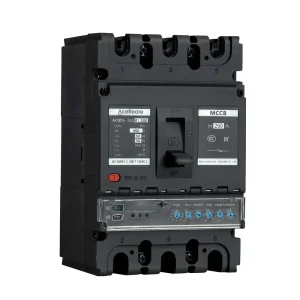
In low-voltage power networks, circuit breaker poles function as the primary physical barrier and switching conduit for electrical loads. As green energy, industrial automation, and microgrids continue to grow, modern switchgear systems face challenges that test standard mechanical and electrical designs.
The rise of commercial and utility solar PV arrays operating at 1000VDC to 1500VDC has changed the design of Molded Case Circuit Breakers (MCCB). Classic thermal-magnetic designs cannot handle the heavy arcing produced by high-voltage direct current (DC) systems. Because DC has no natural zero-crossing point, breaker poles must be designed with wider air gaps, specialized arc-extinction chambers, and permanent magnetic blowouts to pull the arc into the splitter plates quickly.
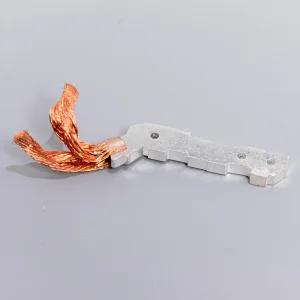
At the center of breaker poles are the fixed and moving contacts. The choice of contact tip material determines both electrical life and contact resistance. High-purity copper is used as the base structure, with a surface finish that is critical for performance. The contact interface features a specialized silver-nickel (AgNi) or silver-tin-oxide (AgSnO2) coating, applied through advanced silvering and vacuum-welding processes. This provides:
Standard thermal-magnetic trip units are being replaced by electronic trip units (ETU) in modern power systems. Modern smart MCCBs use high-speed microcontrollers to measure real-time currents and apply precise time-delay curves. The standard configuration includes:
| Protection Parameter | Engineering Functionality | Trip Curve Thresholds |
|---|---|---|
| L - Long Time Delay | Protects against long-term overloads; mimics thermal bimetallic behavior using digital tracking. | 0.4 to 1.0 × In (Adjustable) |
| S - Short Time Delay | Protects against transient overcurrent conditions, allowing upstream coordination without premature tripping. | 1.5 to 10 × In (With selective time delay) |
| I - Instantaneous | Trips immediately on high short-circuits to protect cables and machinery from magnetic forces. | Up to 15 × In (Fast acting < 20ms) |
| G - Ground Fault | Protects against phase-to-ground leaks, preventing electrical fires and machinery damage. | Adjustable current and time delays |
Standard industrial circuit breakers often experience derating or component failure under harsh operating conditions. We design and test our breaker poles for extreme environments.
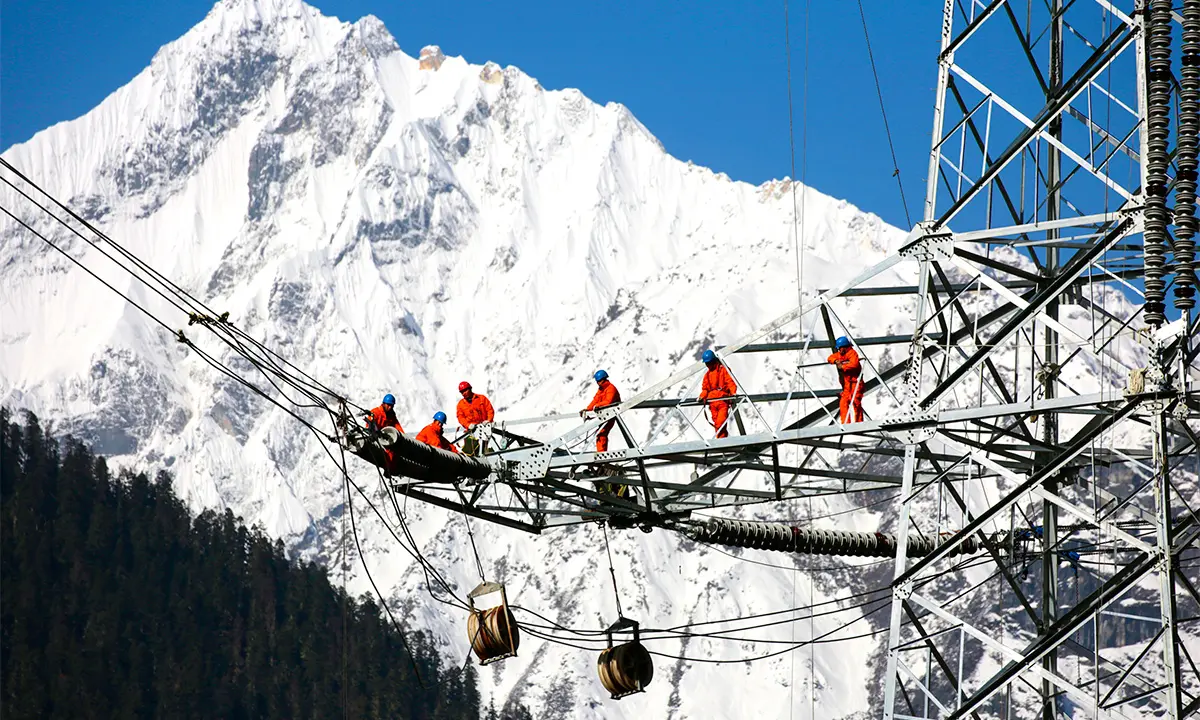
Built with low-temperature materials, specialty synthetic lubricants, and thickened metal platings. Tested and certified to operate down to -40°C.

Designed for docks and marine switchgear. Withstands 72-hour salt spray testing on complete assemblies and 48-hour testing on key mechanical components.
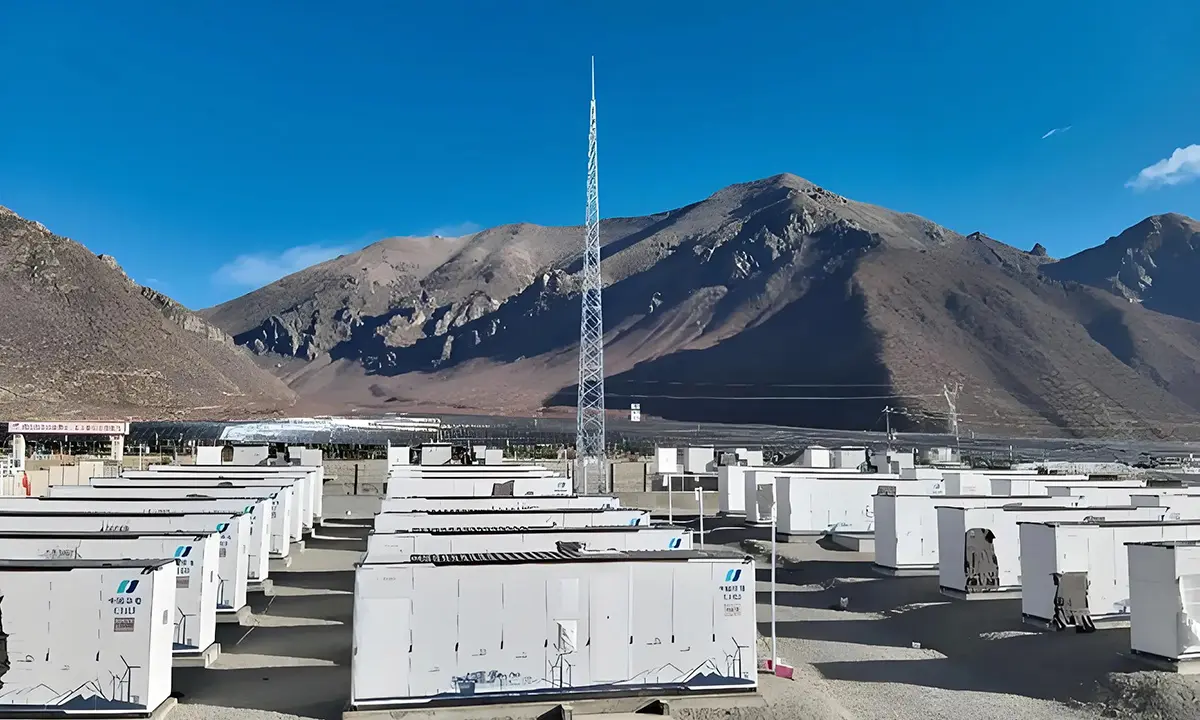
For installations above 2000 meters. Designed with adjusted air gaps and customized thermal coefficient tables to prevent arc ionization in thin air.

Highly compact breaker components that easily integrate into standard residential load centers, ensuring reliable overload and short-circuit protection.

Constructed with flame-retardant structural polymers and moisture-resistant coatings. Calibrated in +55°C thermal testing chambers for stability.
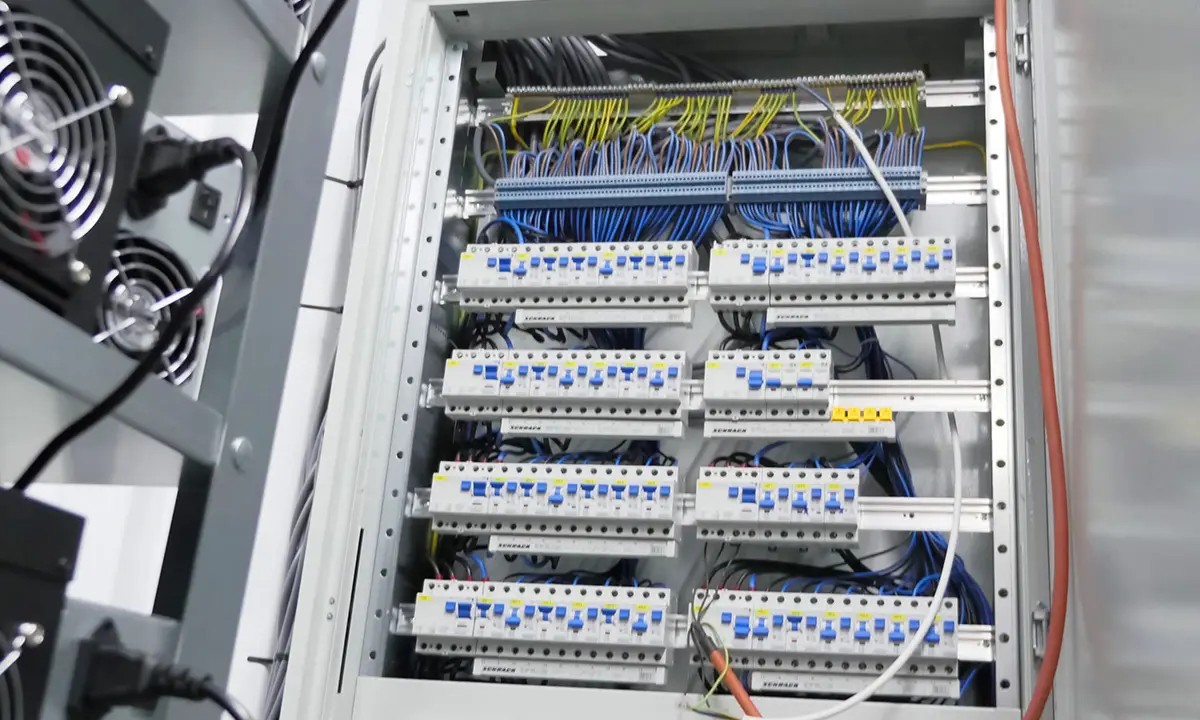
Features embedded current sensors and RS485/Modbus communication modules for real-time power monitoring and remote control.
Acereare Electric offers tailored manufacturing solutions for international switchgear brands, helping partners bring products to market efficiently.
Add your authorized trademark directly onto products using laser printing. We supply custom packaging, user manuals, and technical catalogs to match your brand requirements.
Get custom mold development, functional design changes, and testing support for international certifications. Standard mold costs are refundable upon reaching target volumes.
Collaborate with our engineering team to design custom circuit boards, magnetic release mechanisms, and multi-pole configurations for specific application needs.
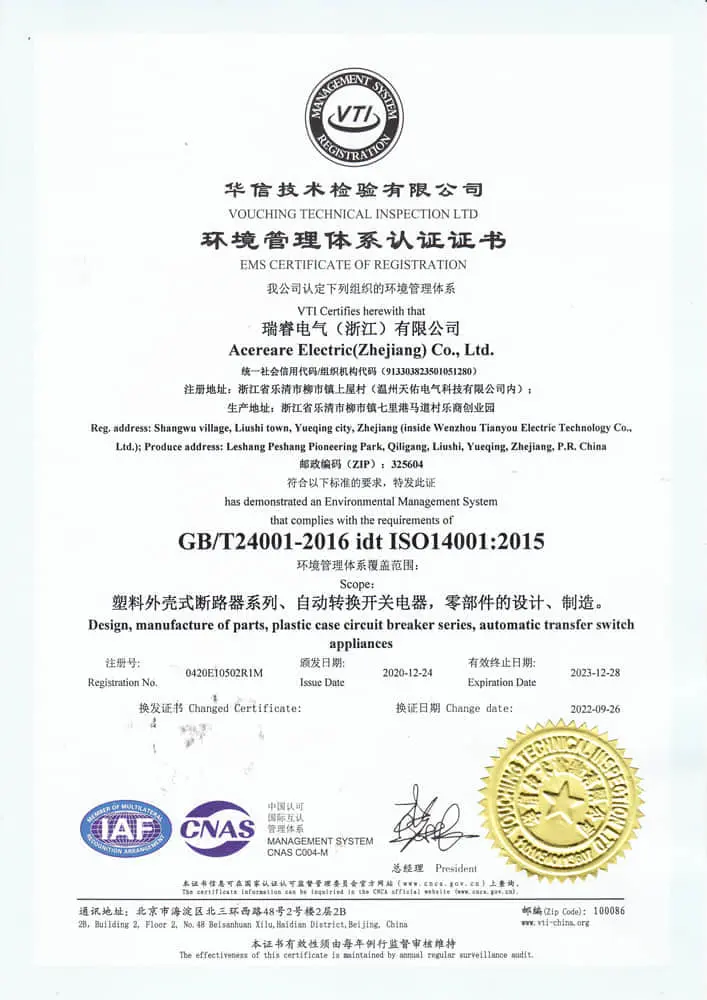
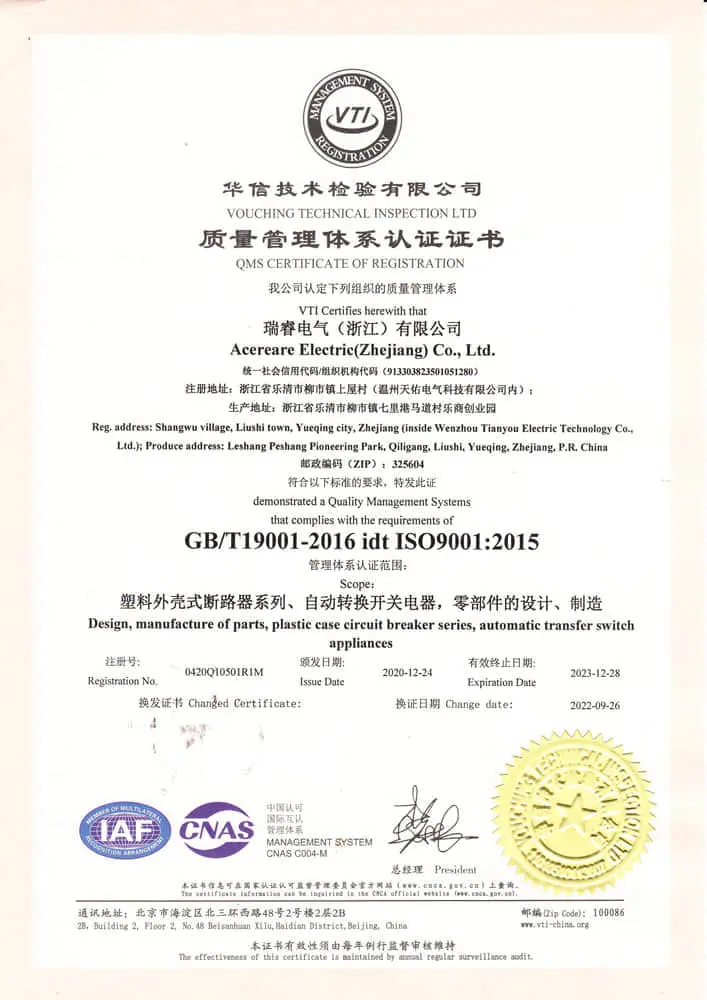
Our factories run under strict ISO9001 and ISO14001 guidelines. Our components carry major international safety approvals, ensuring trouble-free site approvals.



Expert answers to common engineering and sourcing questions about circuit breaker components.
The thickness and density of the silvering layer directly affect the contact's resistance and thermal heating. For high-current circuit breakers (250A to 630A), thin silver coatings can wear down quickly under arcing, exposing the copper core to oxidation. We use precise stamping and plating methods to ensure uniform thickness, preventing contact degradation during overloads.
A 4-pole breaker is needed when switching the neutral conductor is required by local codes or grid configurations (such as TN-S and TT distribution systems). This ensures the neutral is safely disconnected alongside the three phase poles, preventing potential floating neutral voltages and protecting sensitive electronic equipment.
At altitudes above 2000 meters, lower atmospheric pressure decreases both the heat dissipation capability and the dielectric strength of air. Breakers operating at these heights require derating. This involves adjusting the breaker's operational current (Ie) and insulation voltage (Ui) limits using standard high-altitude coefficients.
Icu is the maximum short-circuit current a breaker can interrupt safely without suffering structural damage, though it may require replacement afterward. Ics represents the level of short-circuit current the breaker can interrupt and still remain operational. Quality industrial-grade breakers typically have an Ics rating equal to 100% of their Icu rating.
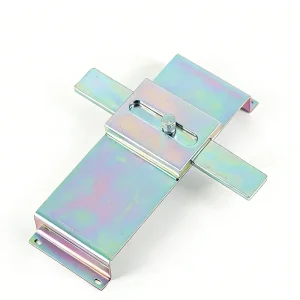
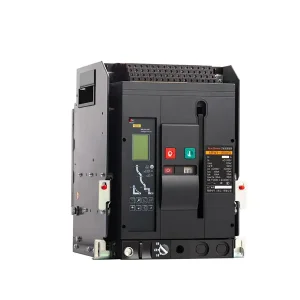
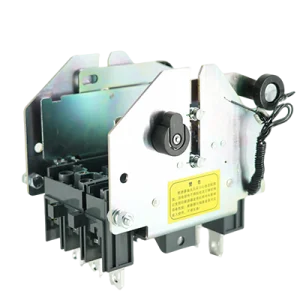
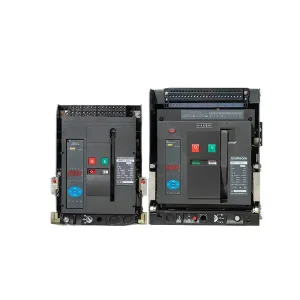
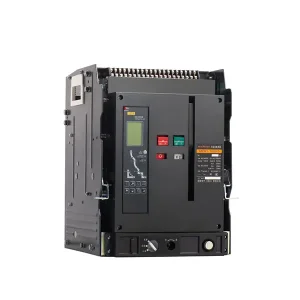
Complete your sub-assembly procurement with our line of mechanical interlocks, modular drawer bases, copper stamping parts, and smart electronic air circuit breakers.
 AceReare