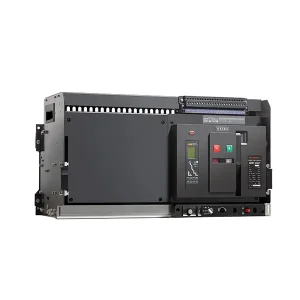
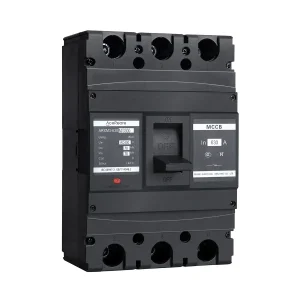
Explore our engineering-grade Molded Case Circuit Breakers, Air Circuit Breakers, and essential accessories.
A technical whitepaper analyzing current industrial demands, grid safety protocols, and supply chains.
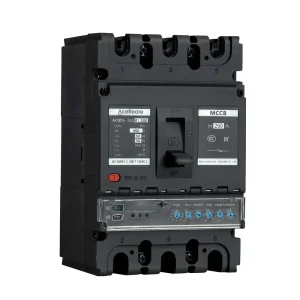
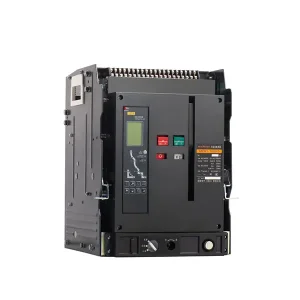
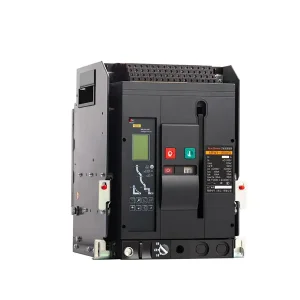
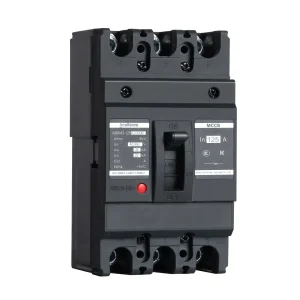
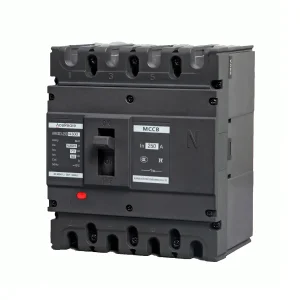
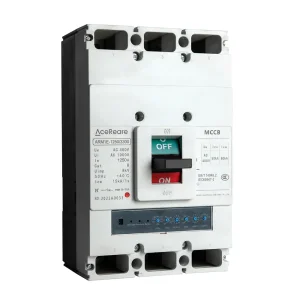
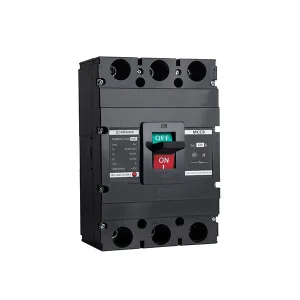
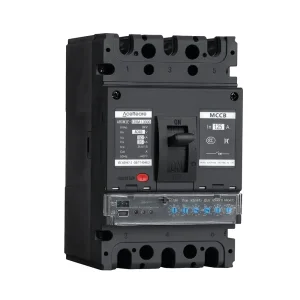
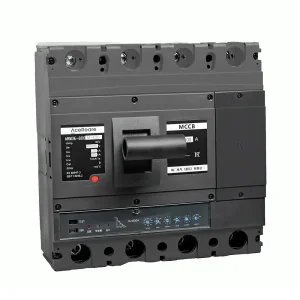
In modern electrical distribution networks, the 800A Molded Case Circuit Breaker (MCCB) serves as a crucial line of protection. Positioned directly between the heavy-duty Air Circuit Breakers (ACBs) at the main switchboards and lower-amperage sub-distribution MCCBs (under 250A), the 800A frame size handles massive mechanical and thermal loads. As factories, high-rise commercial structures, and datacenters scale their power infrastructure, the demand for highly reliable, adjustable, and robust 800A breakers has increased significantly.
Typically running at nominal voltages of 400V to 690V AC, these devices protect systems against short circuits, overloads, and earth leakage faults. By providing micro-adjustable trip thresholds, industrial designers can precisely coordinate selectivity, ensuring that a fault downstream trips only the localized breaker, preventing wider system blackouts.
"Selective coordination and reliable fault-interrupting capacity at 800 Amps are non-negotiable for modern manufacturing plants. The choice of thermal-magnetic vs electronic trip units directly determines the uptime of your production lines."
The global electrical market is undergoing a structural shift. The rapid growth of green energy sources, such as photovoltaic (PV) solar installations and wind energy systems, requires circuit breakers capable of operating at higher DC/AC system voltages (such as 800VAC to 1140VAC).
Furthermore, digital integration represents the next generation of electrical protection. The modern 800A MCCB is no longer just a passive, mechanical safety switch. Today's systems incorporate microprocessors offering LSIG protection (Long-time delay, Short-time delay, Instantaneous short-circuit, and Ground-fault protection). These smart breakers collect telemetry data on phase current, voltage, harmonic distortions, and operational cycles, transmitting this information directly to control systems via Modbus, Profibus, or Ethernet protocols.
Historically, bi-metallic strips and electromagnetic coils handled simple over-current scenarios. Now, the industry has transitioned toward digital adjustable microcontrollers. By measuring thermal stresses through advanced mathematical models, electronic trip units can prevent premature tripping in high ambient temperature environments while maintaining precise, microsecond reaction times for actual short-circuit events.
Founded in 2015, Acereare Electric has grown rapidly as a premier manufacturer of low-voltage electrical distribution systems. Operating with two wholly-owned subsidiaries, RuiRui Electric and KeRui Electric, the group combines decades of manufacturing history with modern engineering capabilities.
With a strategic focus on R&D, we manufacture Molded Case Circuit Breakers (MCCB), Air Circuit Breakers (ACB), and premium mechanical components. As a leading OEM/ODM supplier in China, our team delivers industrial-grade components globally.

Adhering to our core values, we deliver advanced R&D, modern manufacturing, and transparent quality control.
One-stop solution with six distinct processing technologies, high-precision automated assembly lines, and calibrated inspection systems.
Over 50 expert engineers utilizing specialized 3D design software for parts, mold simulation, and physical testing. Delivering 50+ projects annually.
Two specialized factories scaling production of raw components and complete machines. Fully integrated with advanced ERP and U8 ERP software.
Rigorous multi-step inspection within our internal laboratory. Running over 150 calibrated testing devices monitored by PLM, MES, and ERP systems.
Precision-engineered configurations for extreme physical environments and heavy electrical applications.
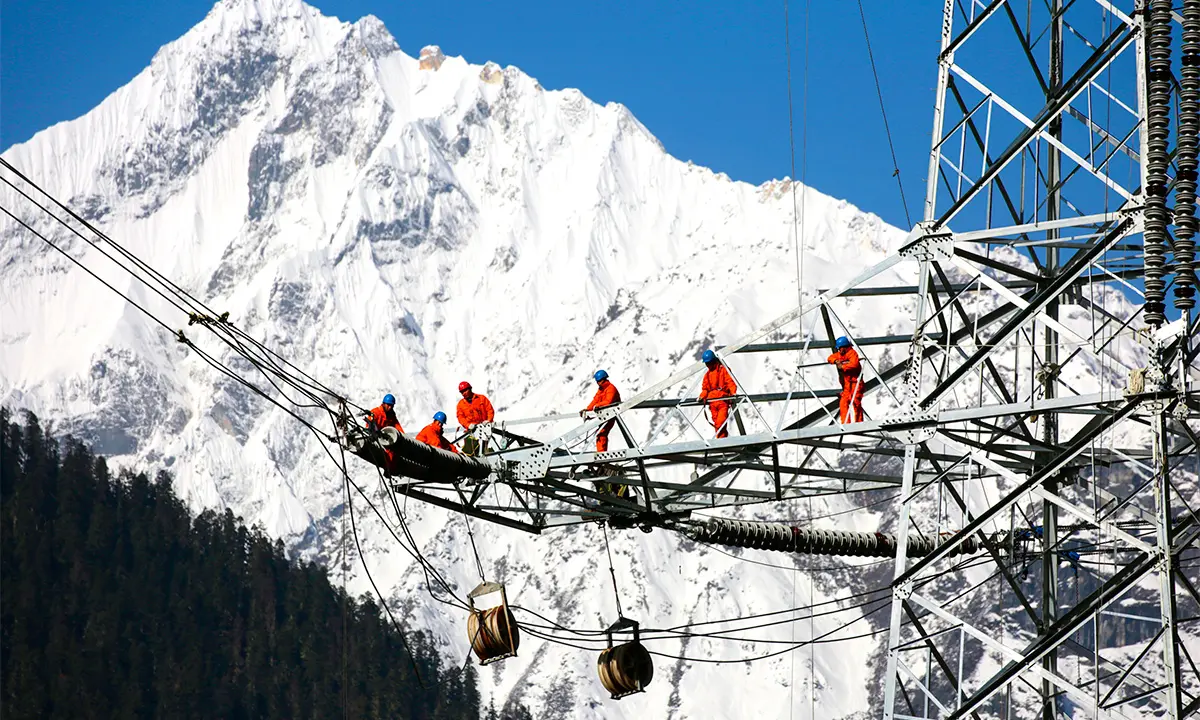
Designed using impact-resistant polymers, specialized low-temperature lubricants, and thickened protective plating to ensure operation down to -40°C.

Withstands humid air and salt spray in marine environments. Rated for 72 hours of salt spray testing for complete assemblies, ideal for ports and shipboard systems.
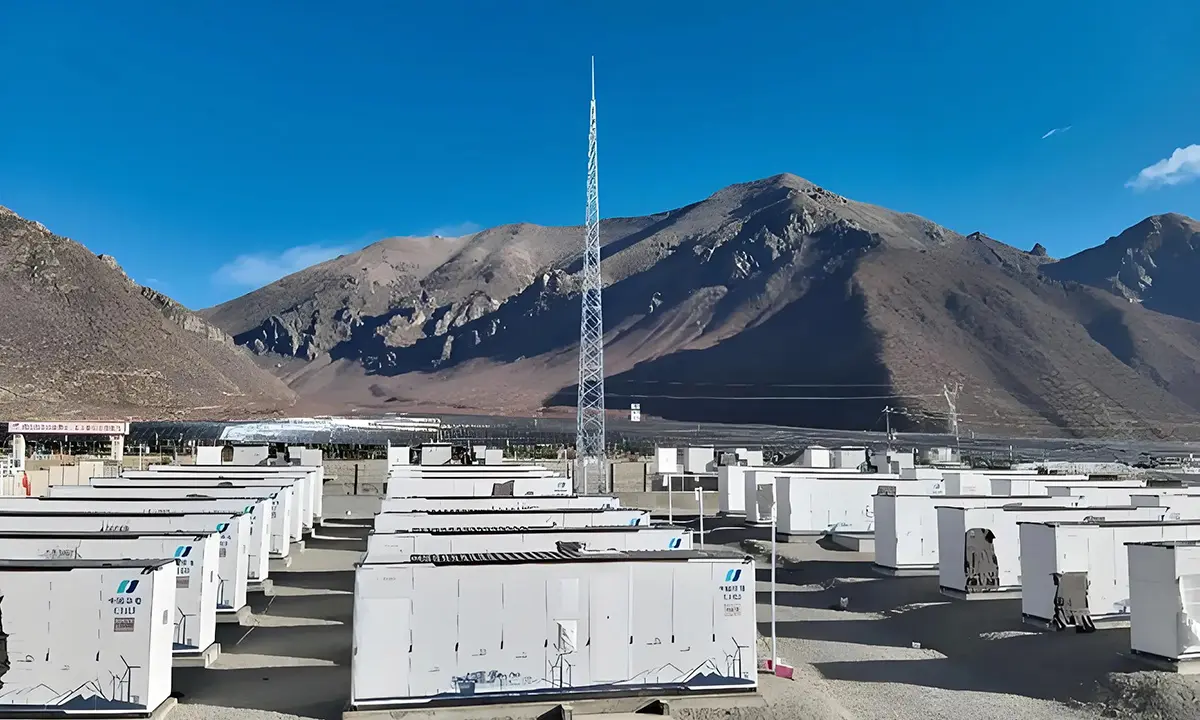
Designed for thin atmospheres at high altitudes. Our engineers utilize specific derating tables to ensure safe dielectric strength and heat dissipation.

Protects household and commercial appliances from overcurrent damage, featuring compact form factors and high operational reliability.

Tested in our 55°C constant-temperature rooms. Copper, iron, and plastic parts are treated with specialized coatings to prevent thermal degradation.
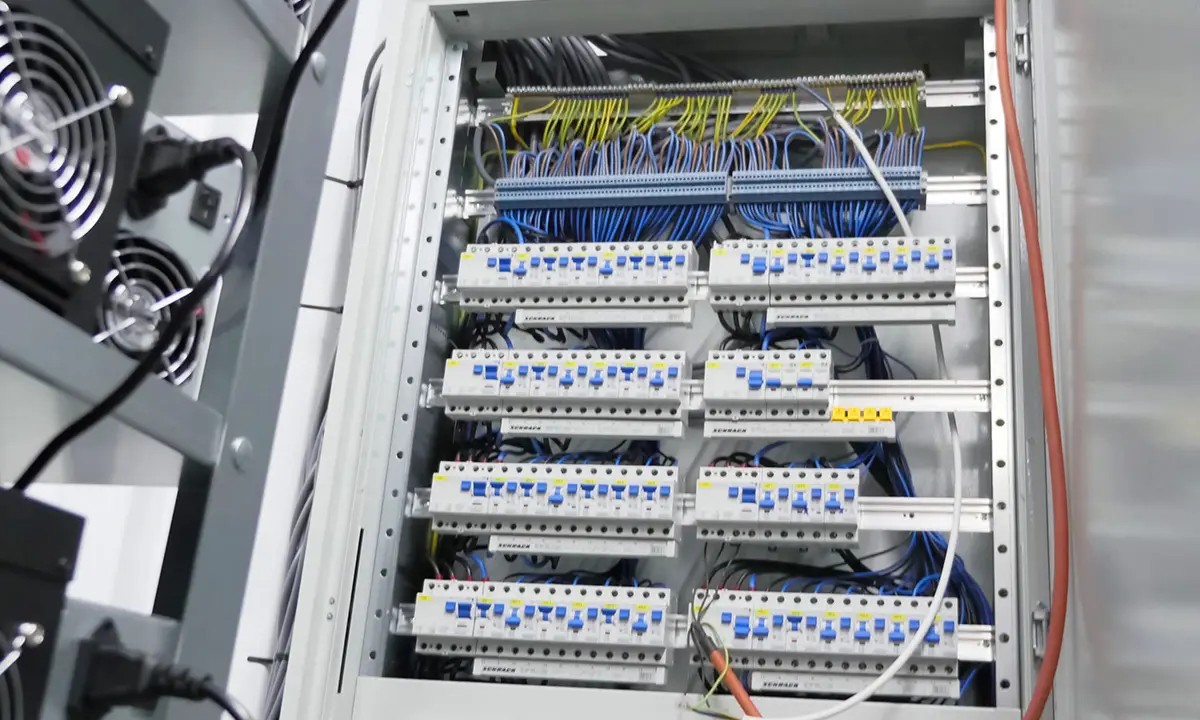
Supports edge computing, high-precision power metering, and bidirectional communication, serving as a key component for smart grids.
Our structured development process ensures your products align with target market requirements.
Our sales and application engineers analyze your specific grid standards, load profiles, mounting parameters, and certification requirements (such as CE, CB, or CCC).
Our R&D department creates 3D CAD models, validates structural configurations, and designs custom trip curve parameters based on your requirements.
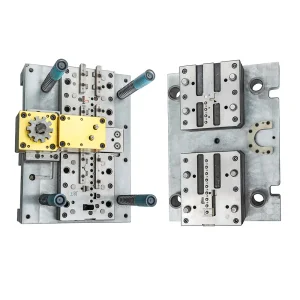
We finalize electrical and mechanical drawings, select specific materials, and initiate high-precision mold development (with tooling fee refund programs available).
Components are manufactured across our automated lines. Assemblies undergo dielectric, mechanical operation, and thermal calibration tests before shipping.
We manage final packaging, customs documentation, and global shipping, while providing continuous technical support for your engineering teams.
Our products undergo rigorous testing to comply with international electrical standards.
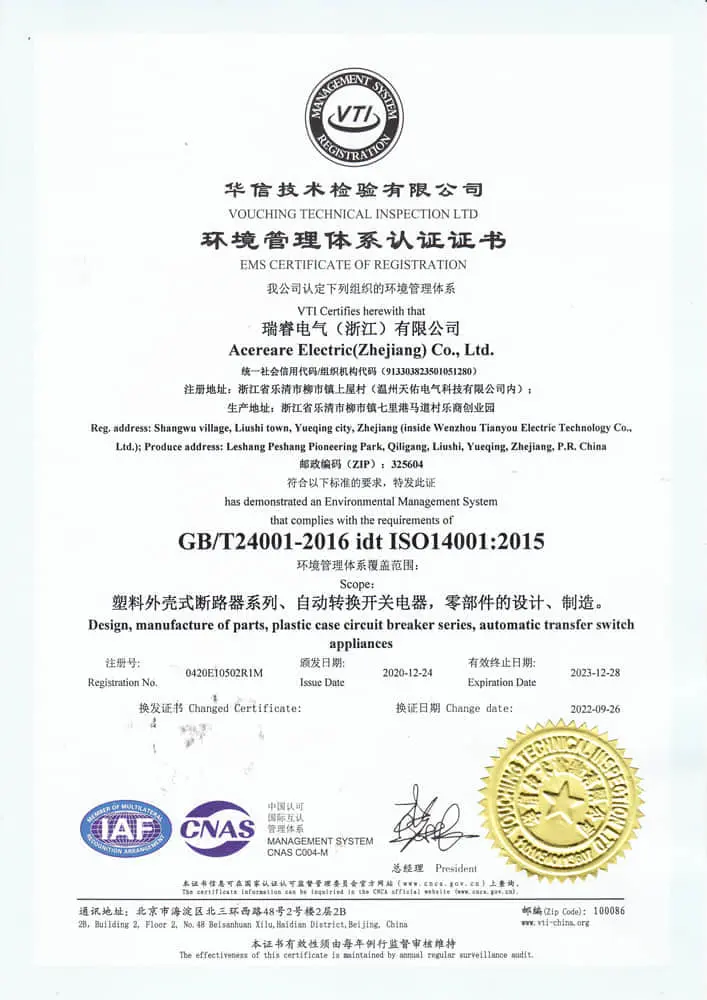
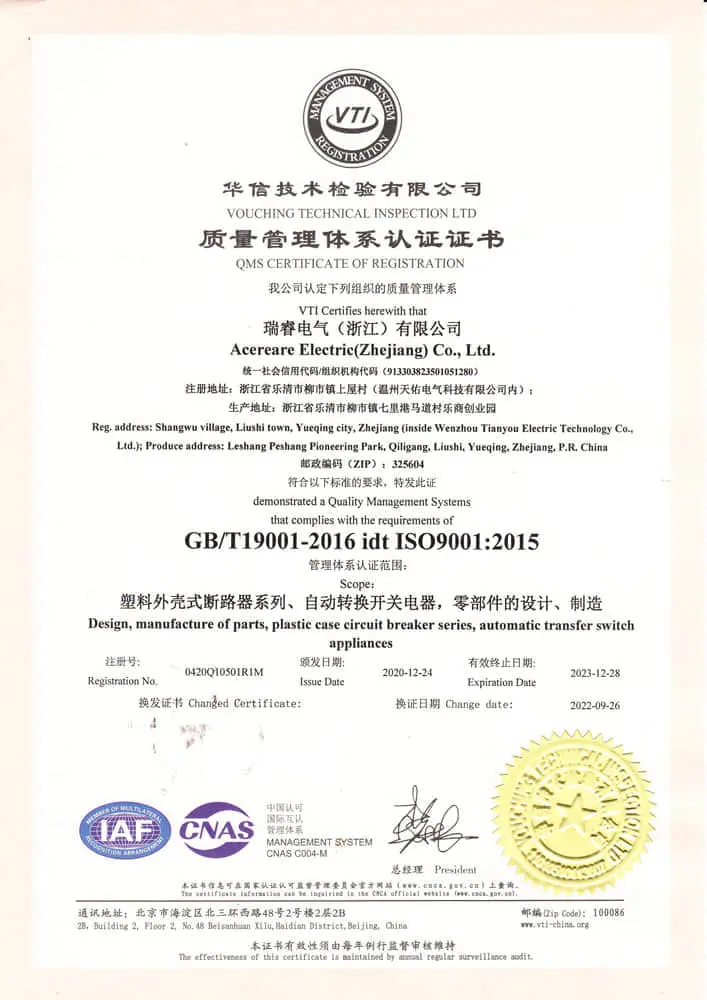



Expert answers to common engineering questions regarding the selection, application, and operation of 800A MCCBs.
Thermal-magnetic trip units use a bi-metal strip for overload protection and an electromagnet for short circuits. They are robust, economical, and suitable for standard industrial environments. Electronic trip units use current transformers (CTs) and a microprocessor to measure current. They offer precise adjustment options (LSIG), allowing engineers to set exact tripping curves, which improves selectivity in complex distribution systems.
Standard circuit breakers are rated for operation up to 2,000 meters above sea level. At higher altitudes, the thin air reduces heat dissipation and dielectric insulation. Therefore, electrical properties (rated current, operational voltage) must be derated according to the high-altitude derating table. Contact our engineering team for advice on installations above 2,000m.
LSIG stands for L (Long-time delay for overload protection), S (Short-time delay for short circuit protection with time delay), I (Instantaneous short circuit protection), and G (Ground fault protection). This configuration allows engineers to customize the breaker's response curves to prevent cascading outages, ensuring only the local breaker trips during a fault.
We use specialized, heat-resistant components and insulating coatings for high-temperature settings (up to 55°C). For low-temperature environments (down to -40°C), we employ impact-resistant polymers and specialized low-temperature lubricants. Our products undergo rigorous testing in our environmental simulation chambers.
Communication modules allow real-time monitoring of voltage, current, power quality, and device status. This supports predictive maintenance by identifying potential issues before they cause system failures, minimizing downtime in critical applications like data centers and automated manufacturing plants.
Explore our high-current air circuit breakers, mechanical interlocks, and specialized solar PV circuit breakers.
 AceReare