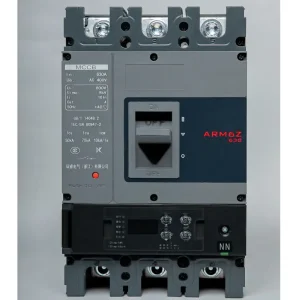
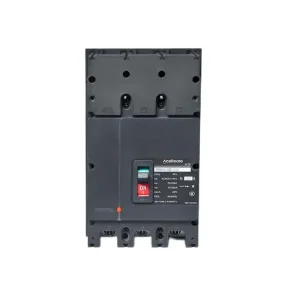
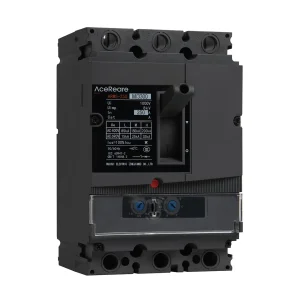
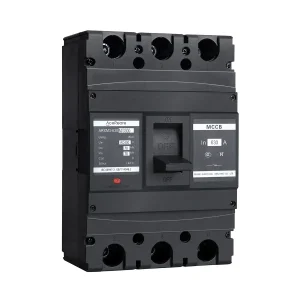
Acereare Electric, founded in 2015, operates two wholly-owned subsidiaries: "RuiRui Electric" and "KeRui Electric". We are a professional original equipment and design manufacturer (OEM/ODM) specializing in high-performance molded case circuit breakers (MCCB), air circuit breakers (ACB), and structural copper components.
Inheriting over 20 years of craftsmanship passed down across two generations, our industrial pedigree blends deep historical technical know-how with highly automated manufacturing technology. Today, Acereare ranks among the top well-known electrical apparatus manufacturers in China, serving over 100 global B2B clients in power grid distribution, industrial manufacturing, and renewable energy sectors.

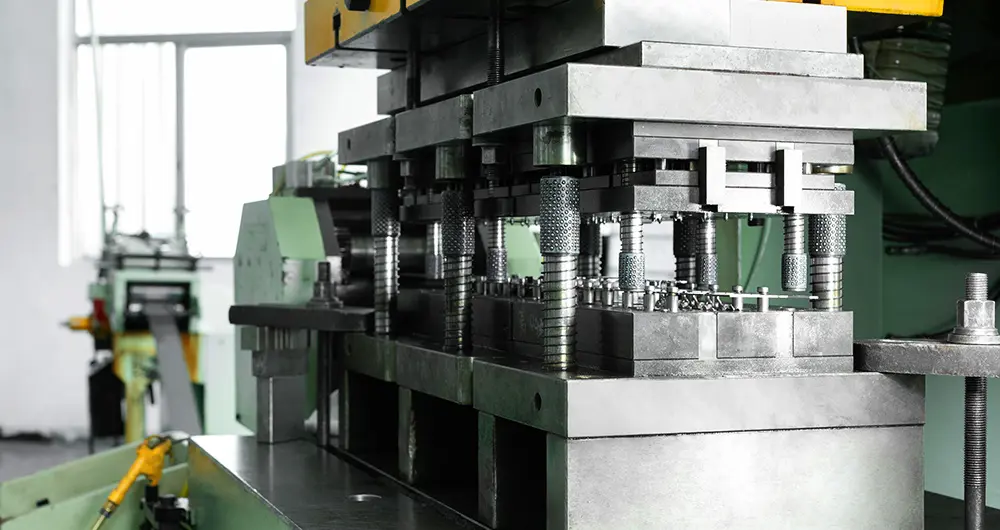
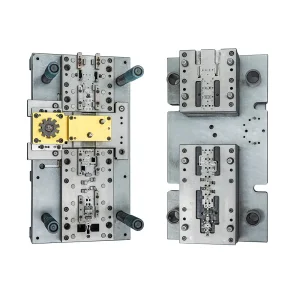
One-stop processing covering 6 distinct technical methods, advanced precision stamping, molding machinery, and over 10 automated and manual assembly lines to meet tight production lead times.
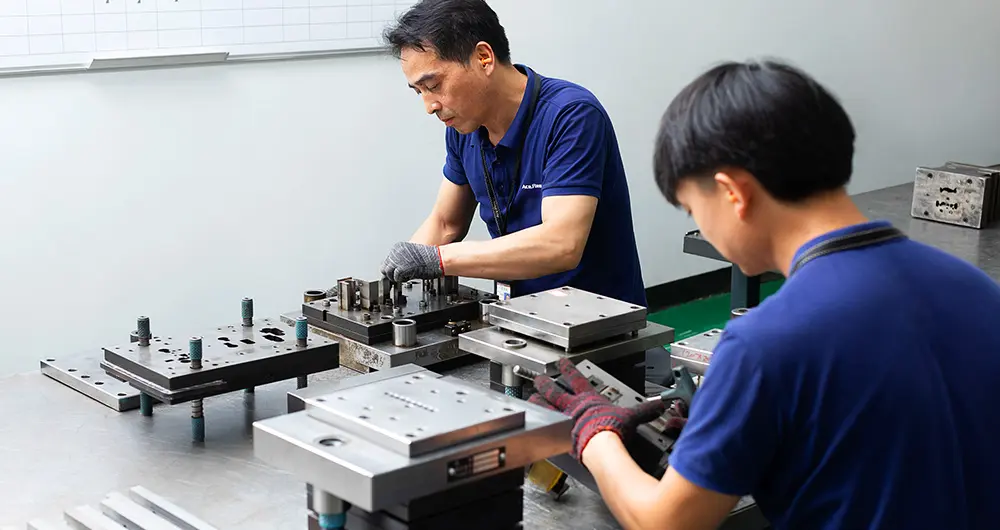
A specialized R&D department of over 50 engineers with 5+ years of average design experience. Expert utilization of advanced 3D simulation tools to prototype components, molds, and finished assemblies, executing over 50 projects annually.
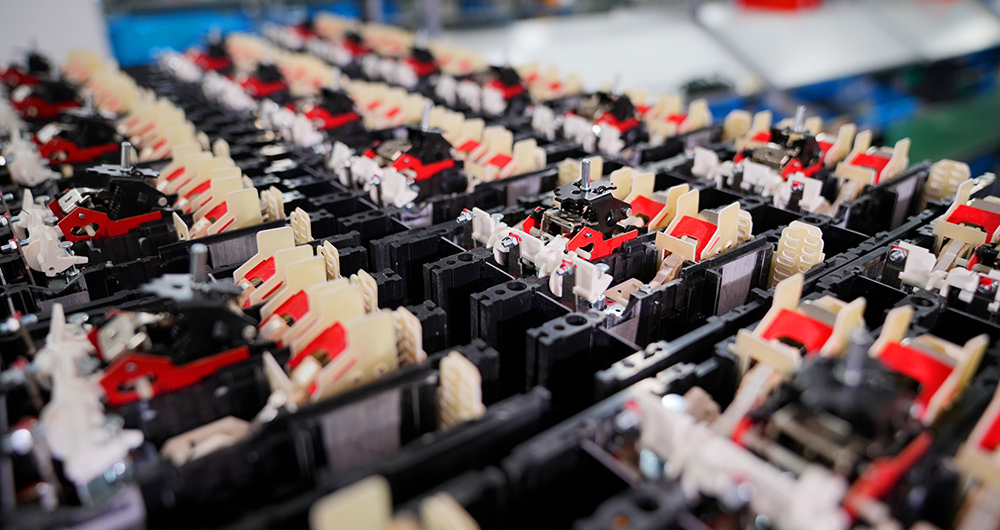
Operating two modern manufacturing facilities. Internal operations, raw material storage, production routing, and final logistics are integrated through advanced ERP and UFIDA U8 systems for transparent progress tracking.
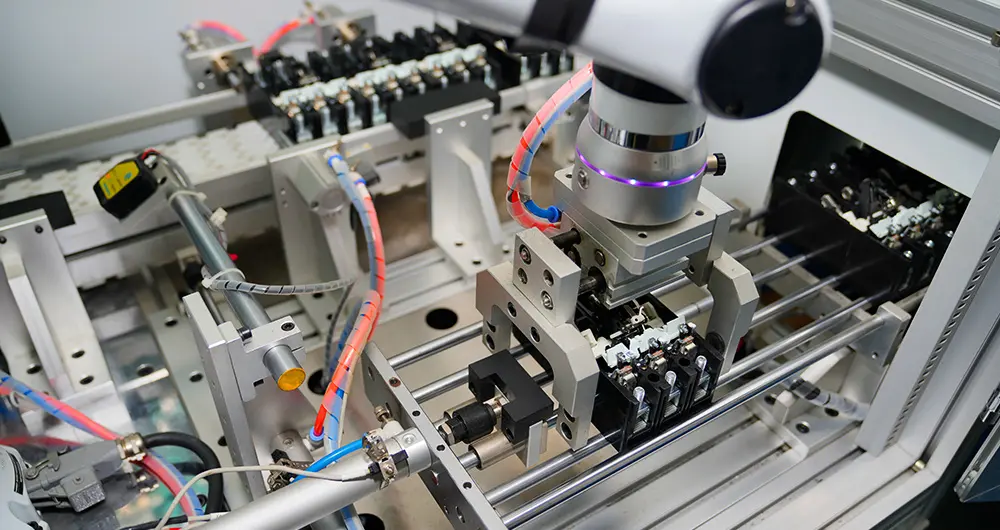
Rigorous multi-point inspection. Our on-site testing lab is outfitted with 150+ specialized test instruments and managed by 20+ QC inspectors. Total traceablity and control are maintained through PLM, BI, ERP, and MES.
The modern power grid is undergoing a significant energy transition. Decarbonization, digitization, and decentralization are shifting the operational characteristics of modern circuit protection devices. Traditional systems engineered for predictable alternating current (AC) distribution are no longer sufficient to handle the requirements of solar photovoltaic (PV) generation, battery energy storage systems (BESS), electric vehicle charging stations, and modern industrial automation.
In utility-scale photovoltaic solar projects, developers are continuously raising system voltages to reduce line losses, minimize cable cross-sections, and lower capital expenditure (CAPEX). High-voltage solar configurations demand specialized ACBs and MCCBs capable of handling stable voltages of 800VAC, 1000VAC, and up to 1140VAC. Breaking short-circuit currents at these high voltages requires advanced arc-chute topologies, optimized silver-alloy moving contacts, and robust housing materials with high tracking resistance (CTI).
The smart grid era demands circuit breakers that do more than trip during overloads. Today's devices function as edge-computing nodes. Integrating microcontrollers with measurement and communication technologies enables features like "Four Remote" controls (Remote Sensing, Remote Adjustment, Remote Control, and Remote Signaling) utilizing Modbus, Profibus, or Ethernet protocols. Real-time data regarding current, voltage, temperature, and harmonic distortion is streamed directly to SCADA systems, enabling predictive maintenance schedules and reducing downtime.
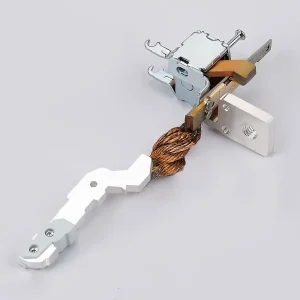
China's industrial electrical cluster, particularly in the Wenzhou region, offers unparalleled integration of specialized supply chains. Our facilities directly manufacture critical internal components—such as 250A Moving Contacts with Silvering and stamped MCCB busbars. This vertical integration guarantees control over raw material composition, controls electrical contact resistance, and provides competitive pricing without compromising quality control.
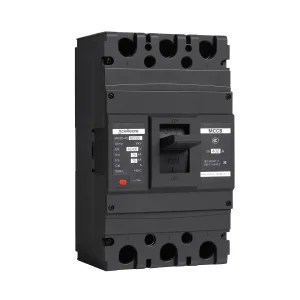
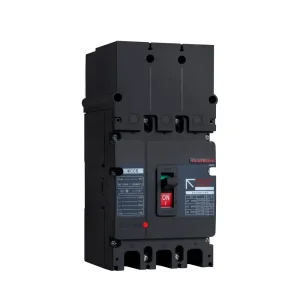
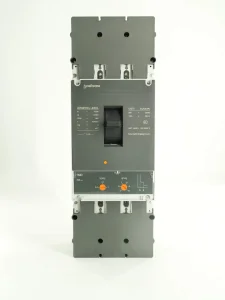
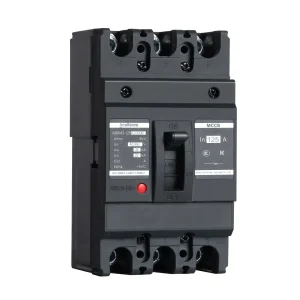
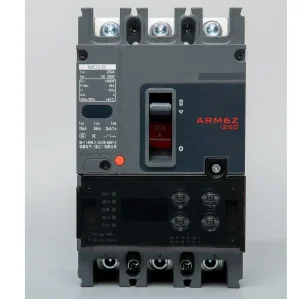
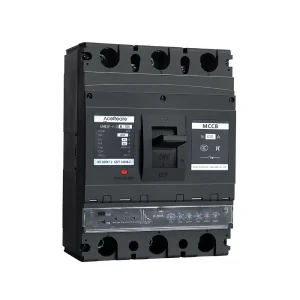
We design and manufacture a wide array of high-quality circuit protection apparatus, including Molded Case Circuit Breakers, Air Circuit Breakers, and specialized spare parts.







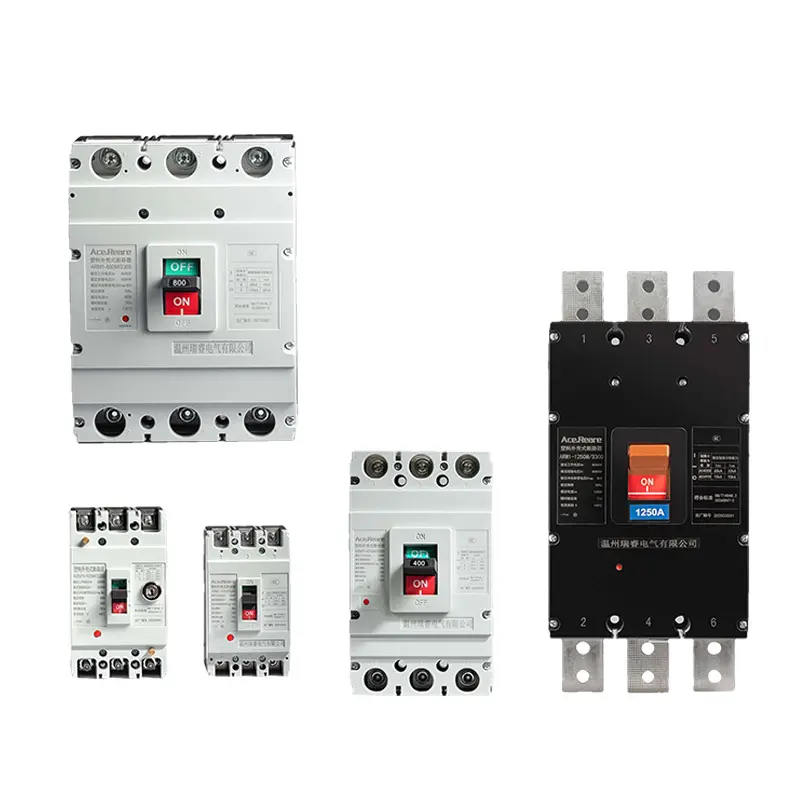 ARM1 Series
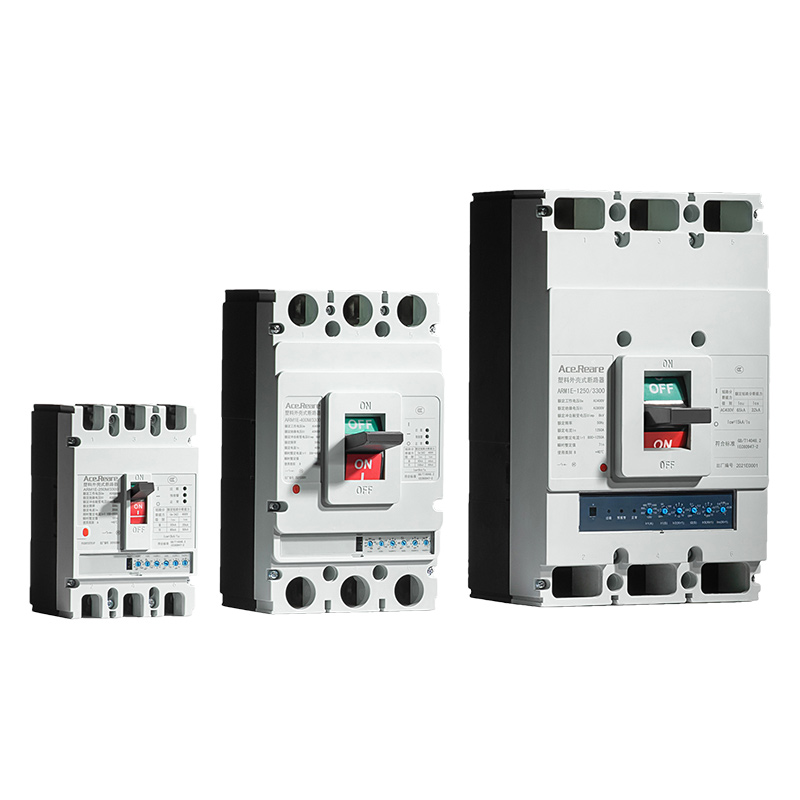 ARM1L Series
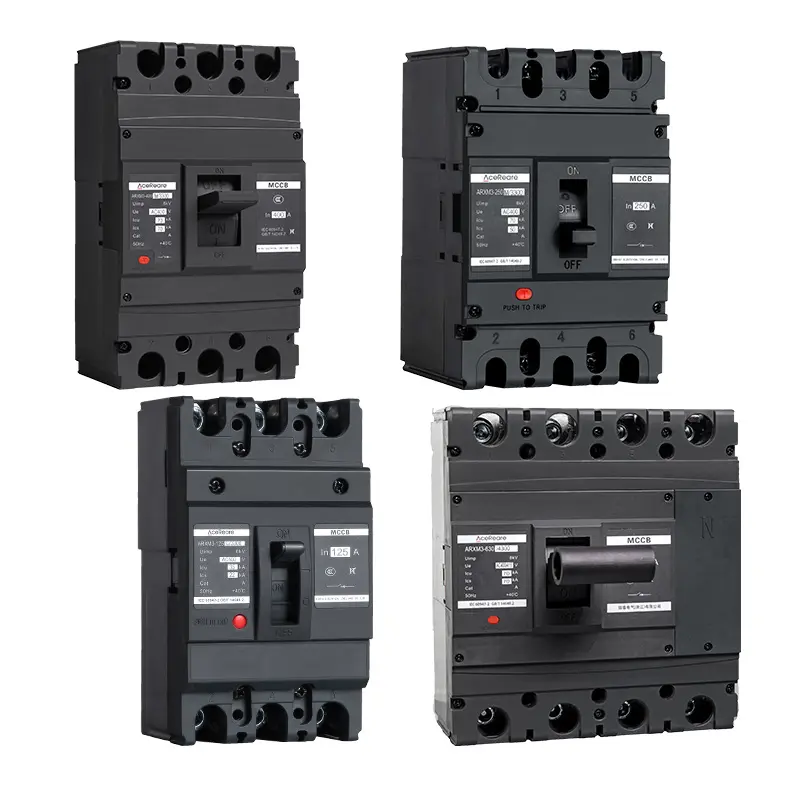 ARXM3 Series
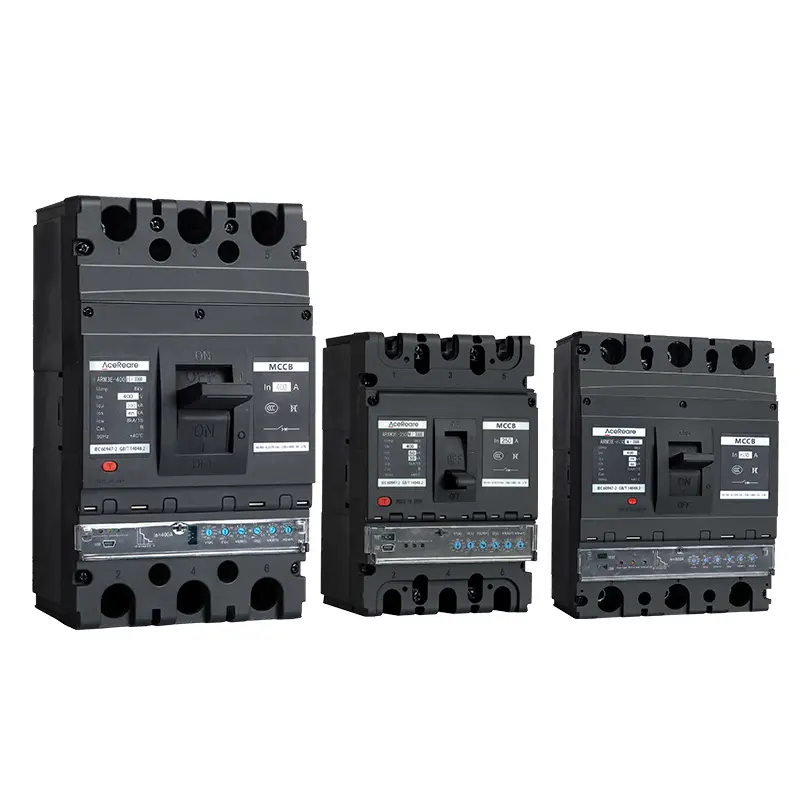 ARM3E Series
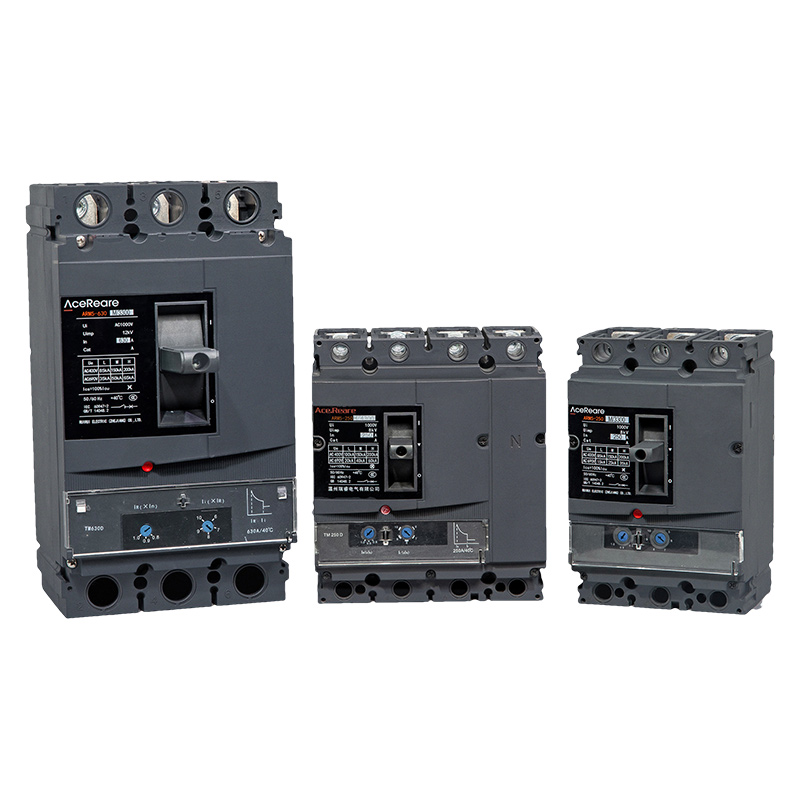 ARM5 Series
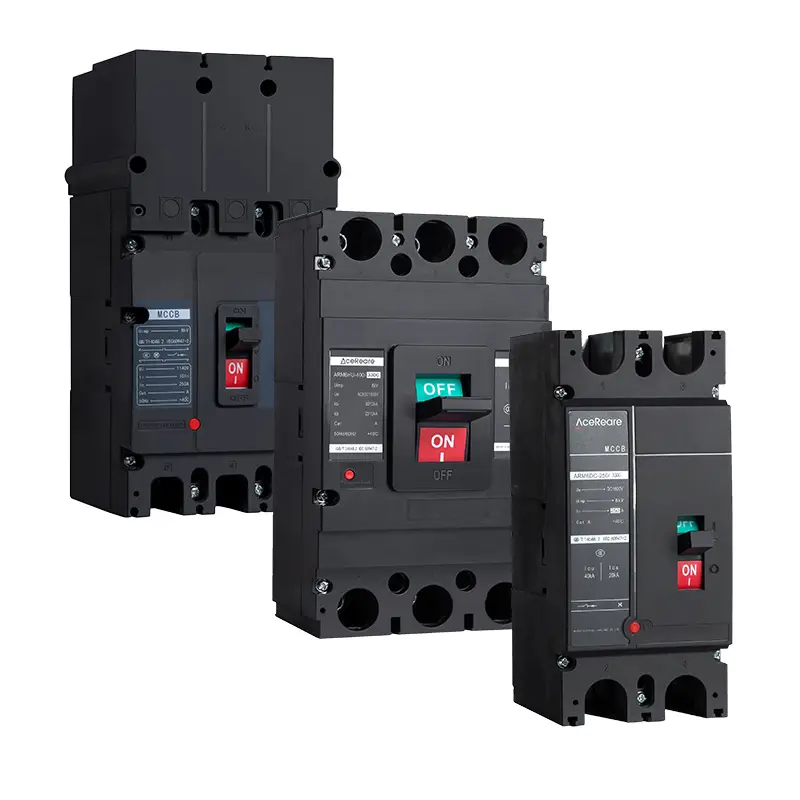 ARM6 Series
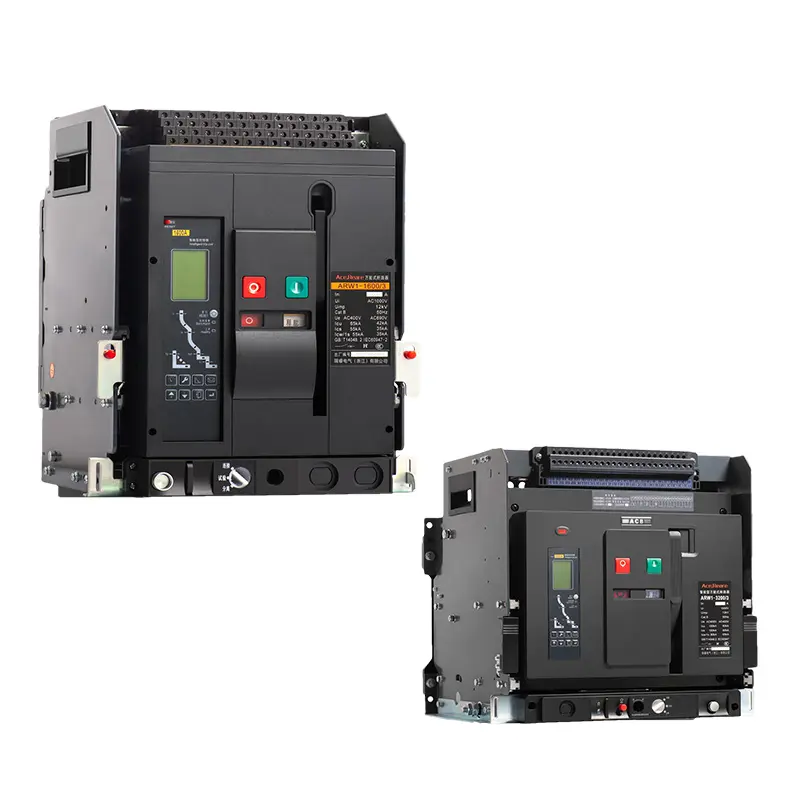 ARW1 Series
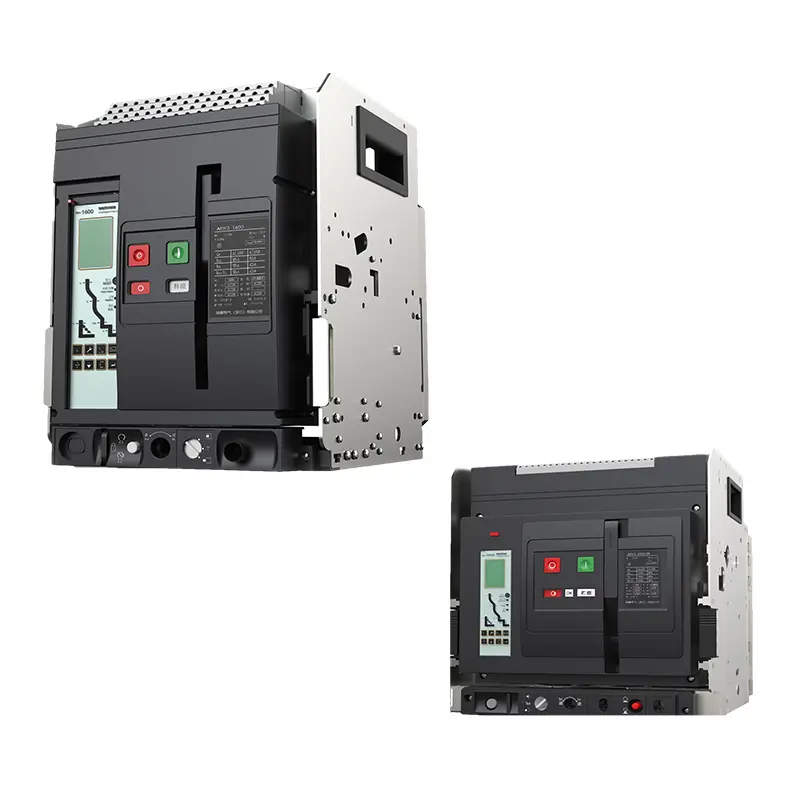 ARW3 Series
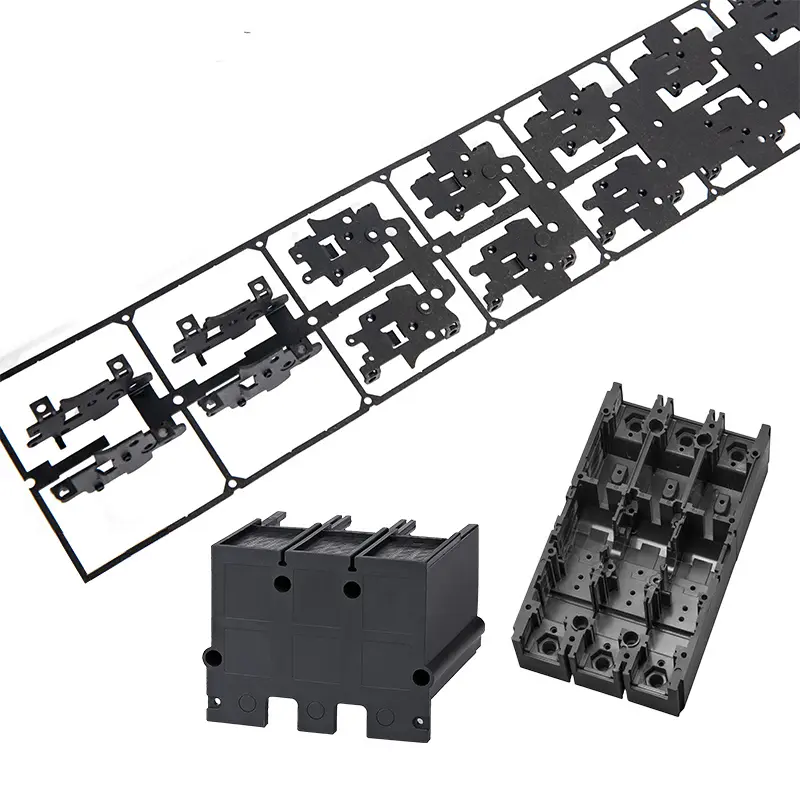 MCCB Parts
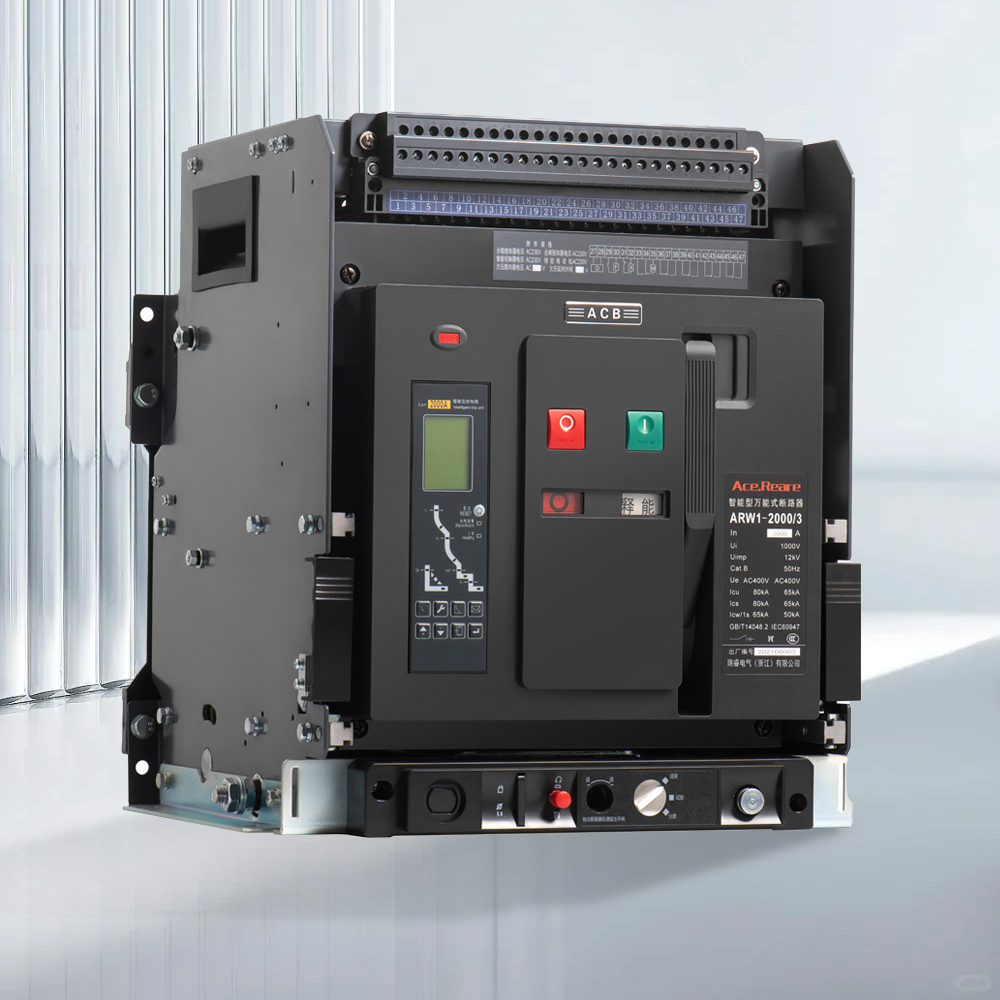
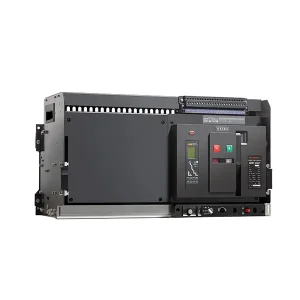
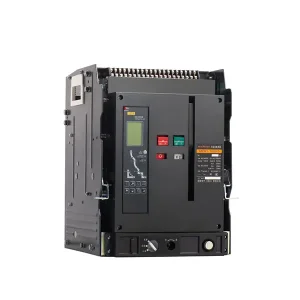
The ARW1 series intelligent Air Circuit Breaker is applicable for AC 50Hz/60Hz distribution networks with rated operational voltages up to 690V and rated currents spanning 400A to 6300A. The integrated microcomputer control unit enables high-precision selective protection to optimize power supply continuity and prevent unnecessary wide-scale blackouts.
Equipped with open, high-speed communication interfaces (supporting Modbus protocol), the ARW1 allows operators to execute "Four Remote" features: remote sensing, remote adjustment, remote control, and remote signaling. This makes the ARW1 the ideal central protection device for smart grids, municipal power infrastructure, and industrial manufacturing plants.
Different operational environments present distinct physical stresses. We engineer customized circuit protection devices configured for optimal performance in harsh or specialized operating conditions.
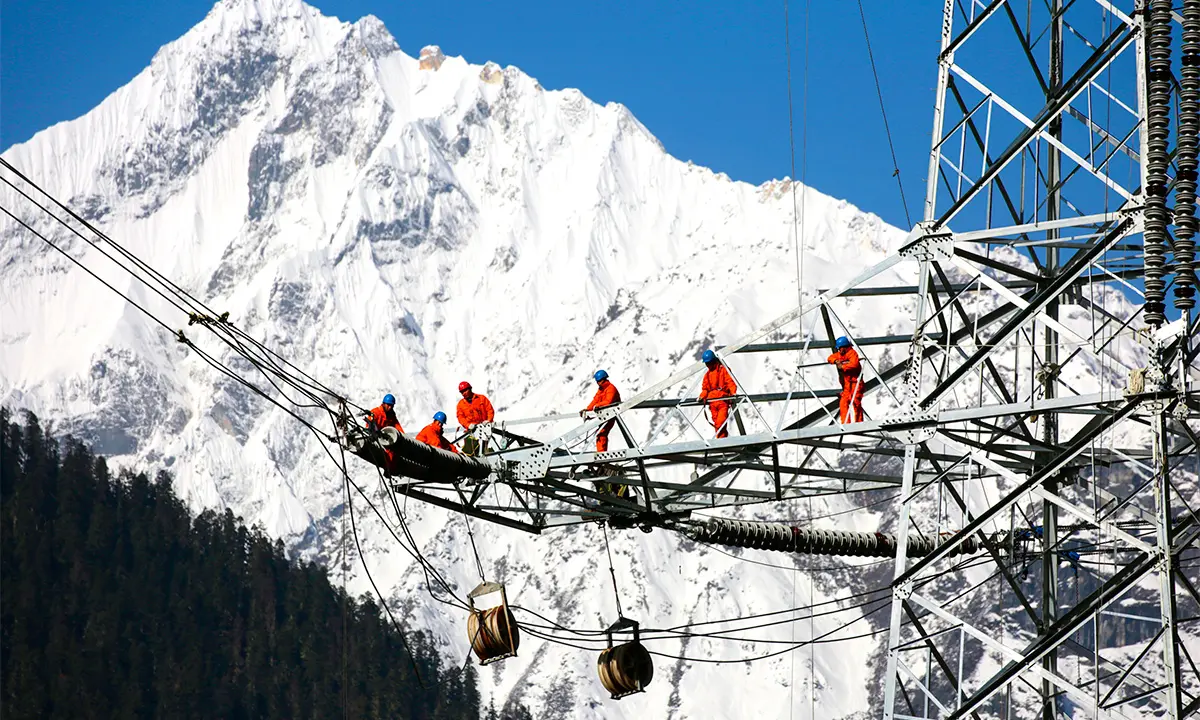
Operating reliably down to -40°C. Utilizing structural polymers that resist cold-embrittlement, low-temperature lubricants that maintain design viscosity, and thick-coated metallic components, verified by certified lab test reports.

Corrosion-proof design for maritime and port environments. Devices withstand salt spray testing (72 hours for complete assemblies, 48 hours for sub-assemblies) to ensure electrical conductivity and mechanical movement in damp, saline coastal regions.
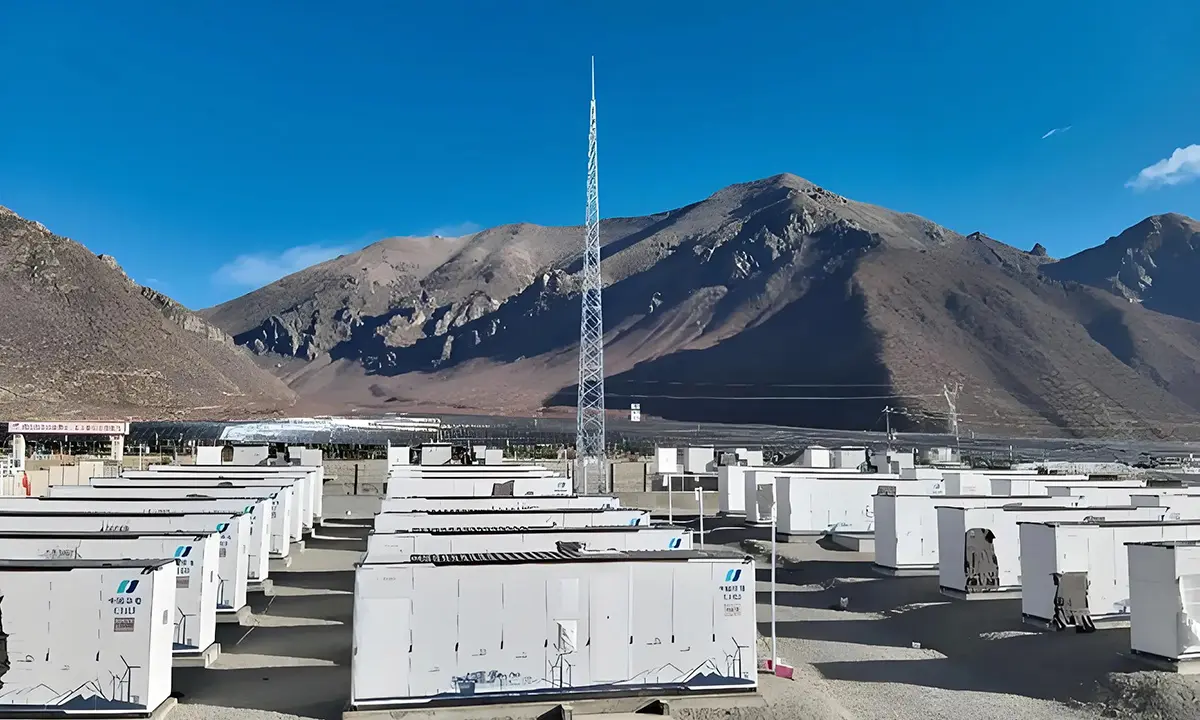
For installations exceeding 2000m. Because low atmospheric pressure reduces dielectric insulation and air cooling efficiency, electrical parameters are factory-adjusted utilizing specialized altitude derating tables.

Optimized for commercial real estate, data centers, and modern residential structures. Compact profile designs deliver reliable overload and short-circuit protection with high mechanical and electrical endurance.
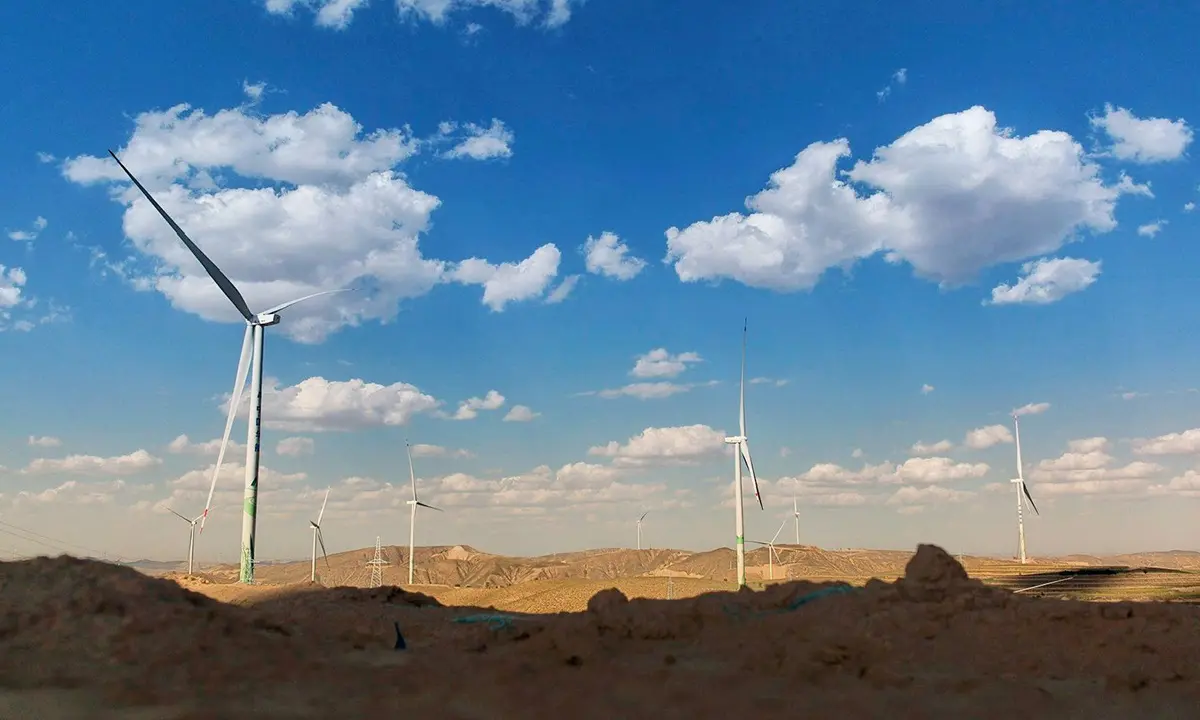
Engineered for hot desert climates and enclosed electrical cabinets up to 55°C. Outer casings feature thermal insulation layers, and structural components are protected from moisture and heat, verified in specialized constant-temperature testing chambers.
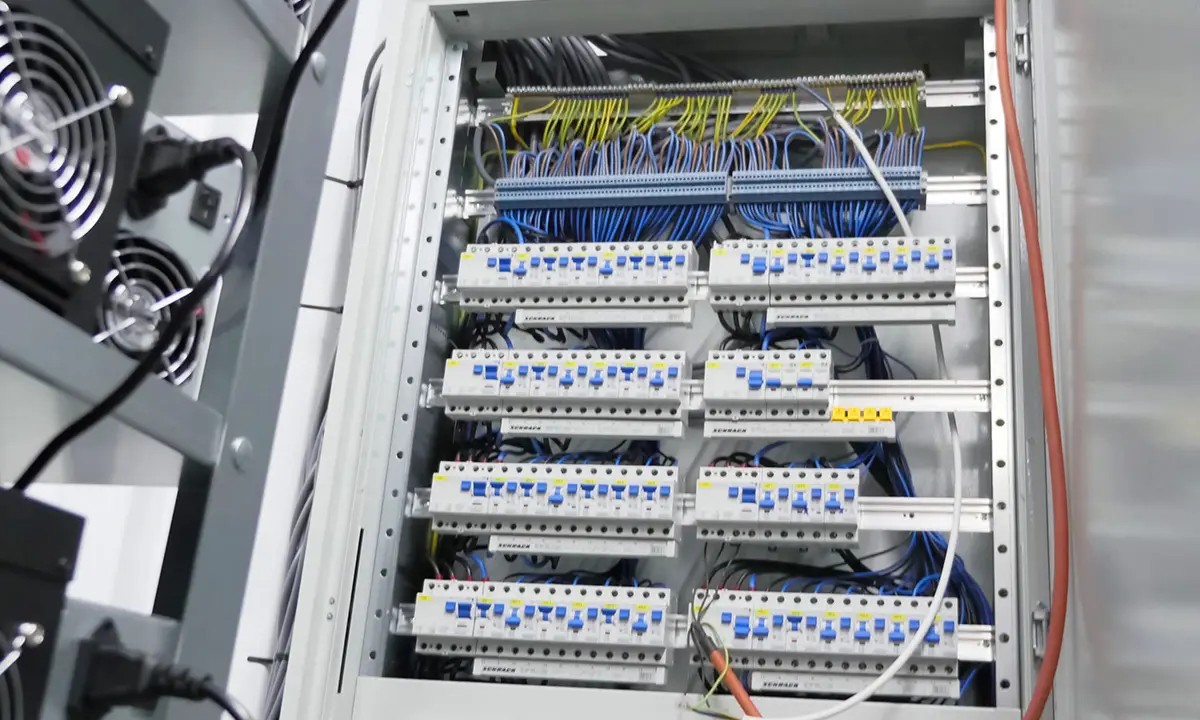
Combines reliable circuit protection with digital metering, communication protocols, control logic, and edge-computing. Provides real-time load analytics and system diagnostics for next-generation smart grids.
Securing the right supplier is critical to capturing market share, protecting capital equipment, and building brand authority. We provide custom branding, structural modification, and international regulatory support for global distributors, electrical system integrators, and industrial procurement managers.
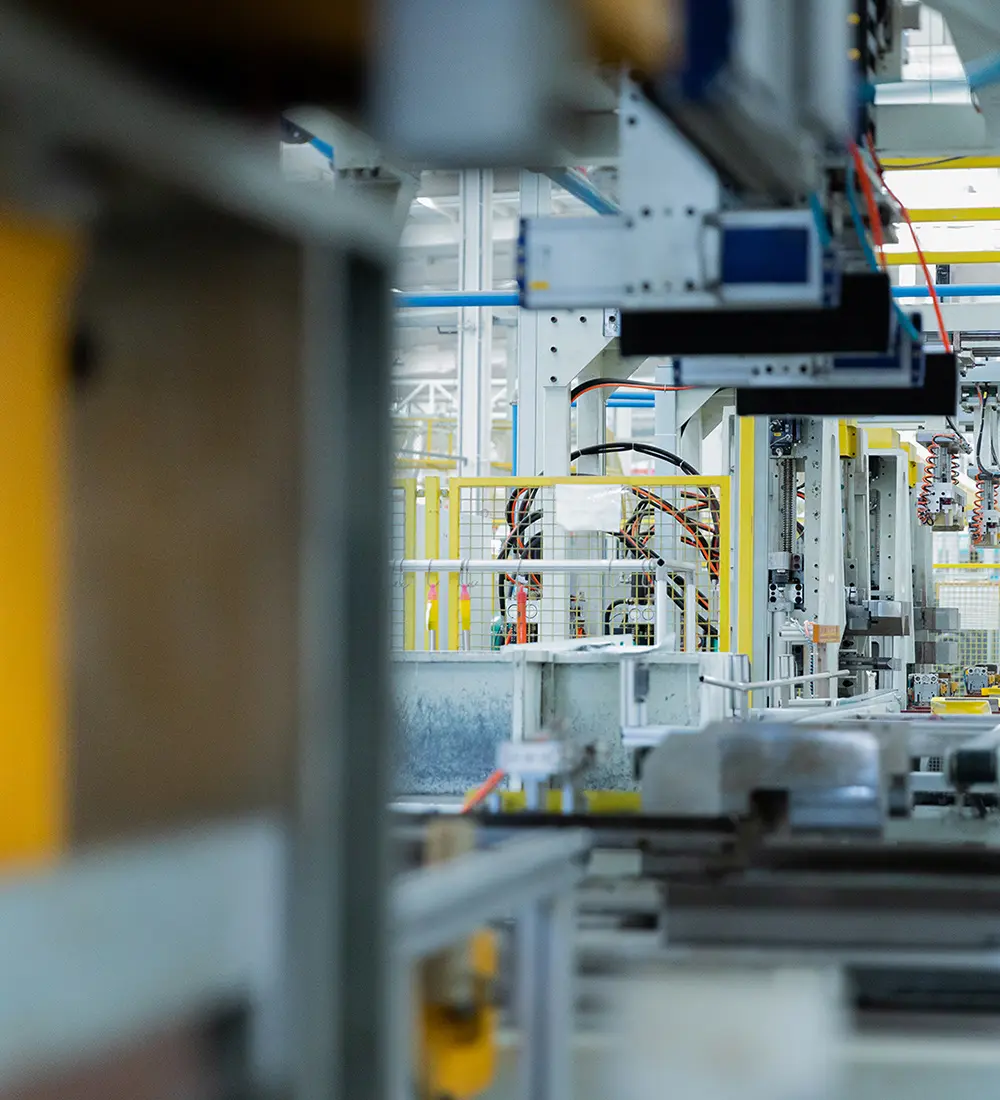
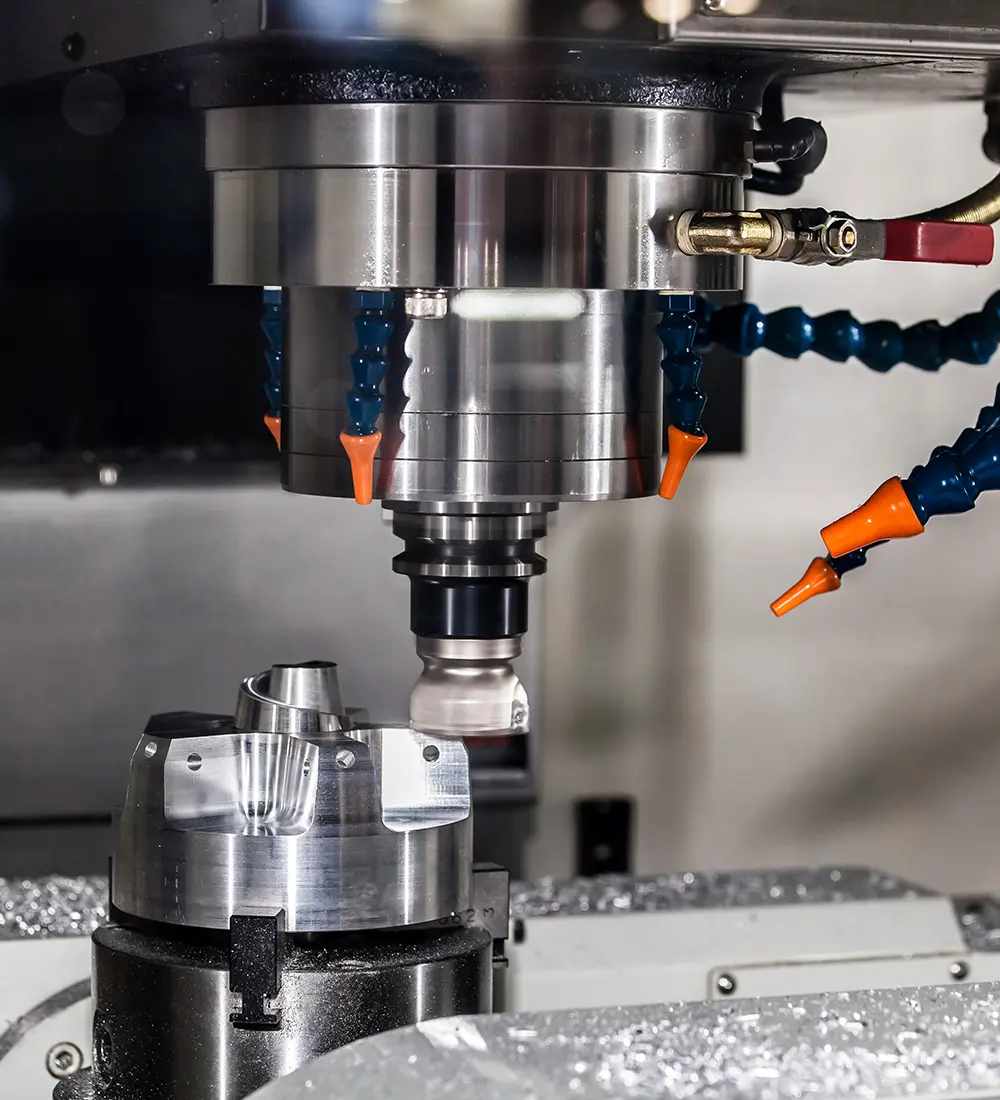
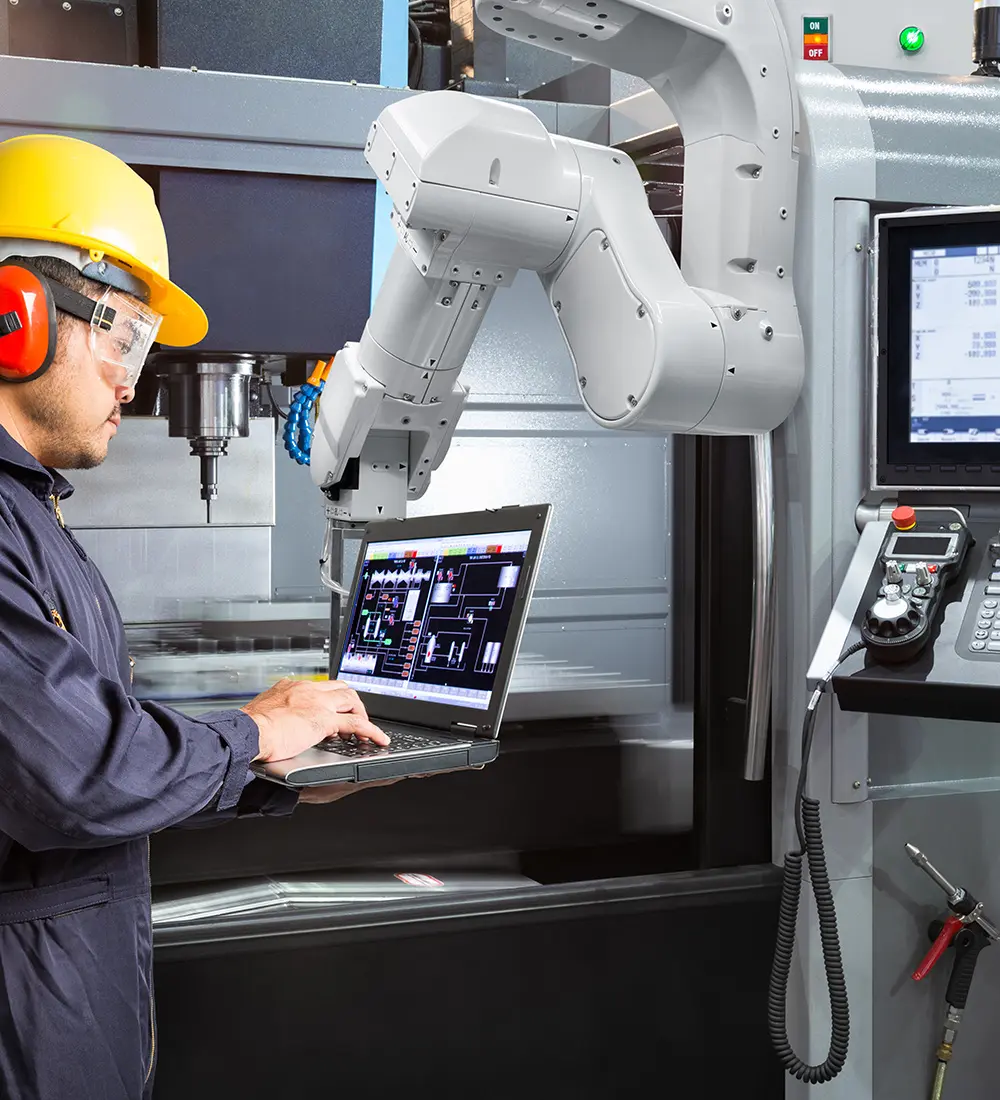
Increase brand visibility with laser-etched custom logos on breaker casings. Utilize premium materials to establish local market authority, configure physical housing geometries to fit customized panels, and expedite prototype development to accelerate product launch schedules.
Full manufacturing support including mold design, prototype development, tooling adjustments, and support for international regulatory testing and certifications. 24-hour engineering feedback acts as your reliable overseas factory support.
Complete custom design based on your electrical requirements. Design customized casing parameters, execute custom trademark licensing, build specialized packaging, and print catalogs. Support for low minimum order quantities (MOQs) simplifies supply chain setup.
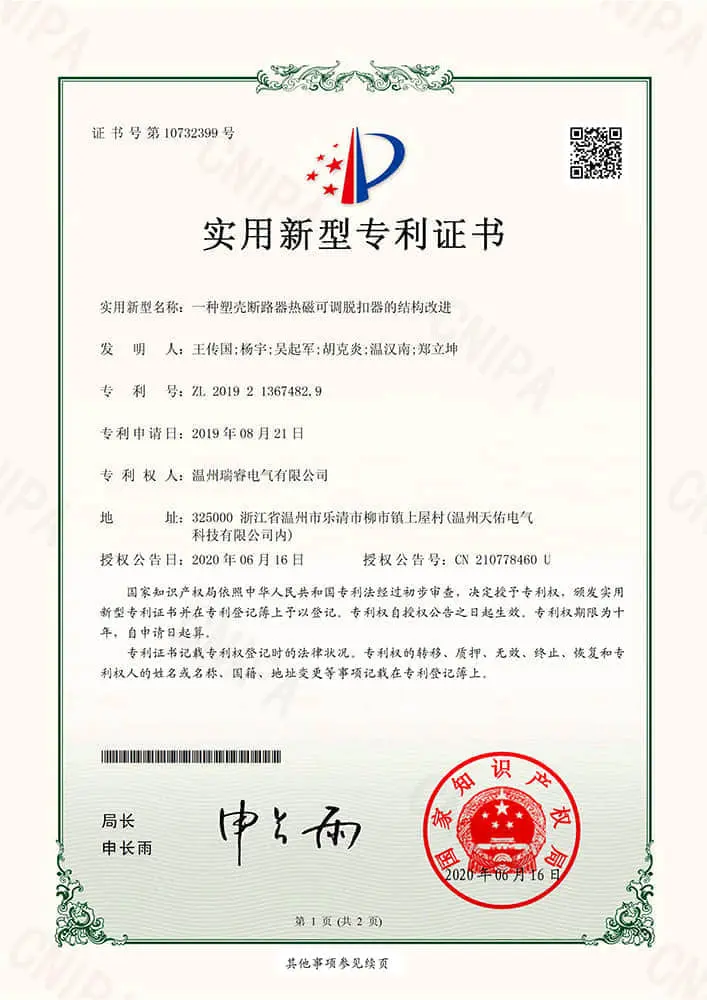
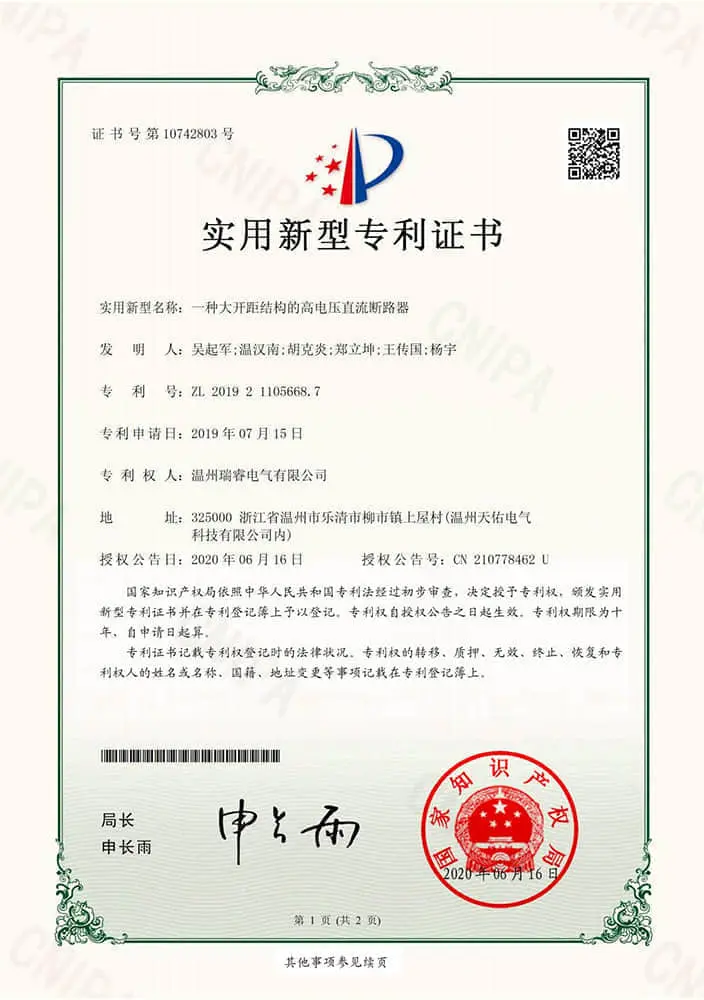
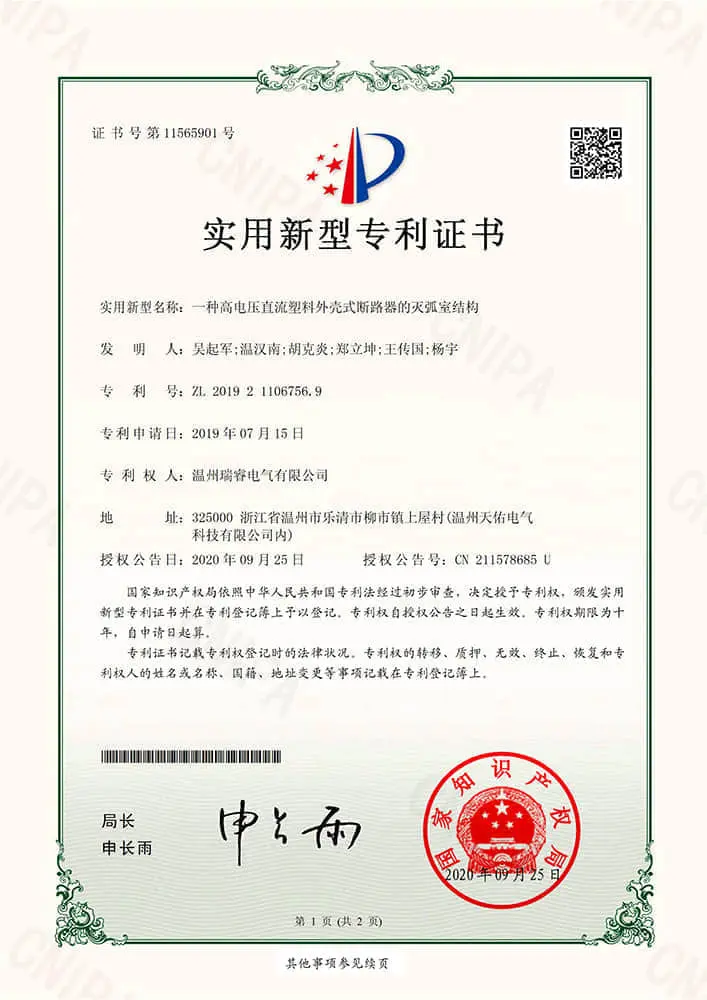
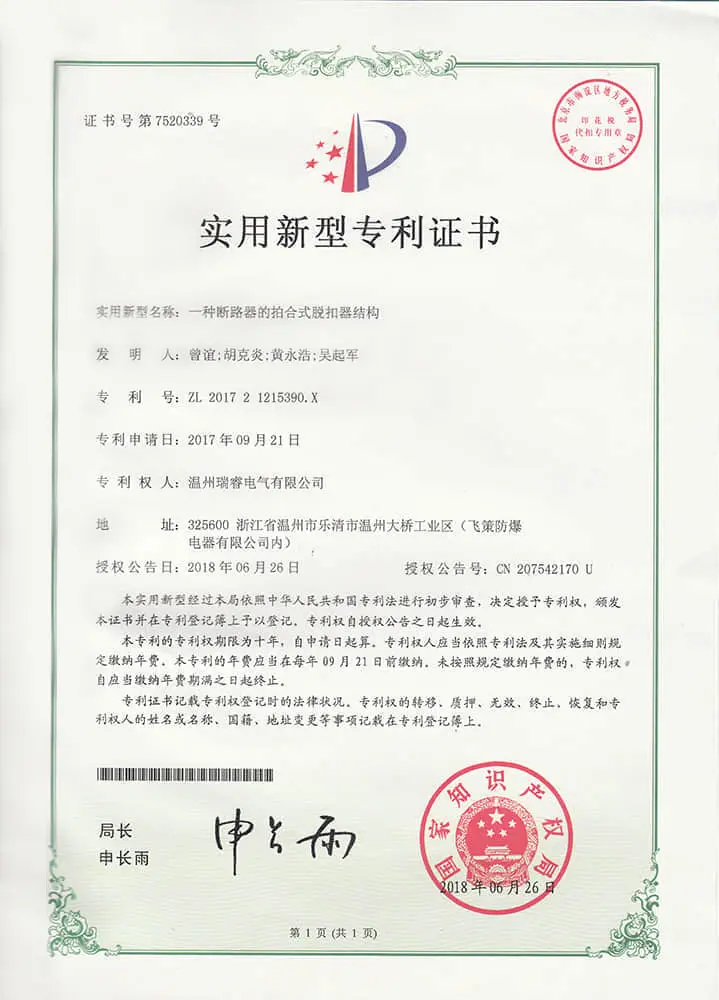
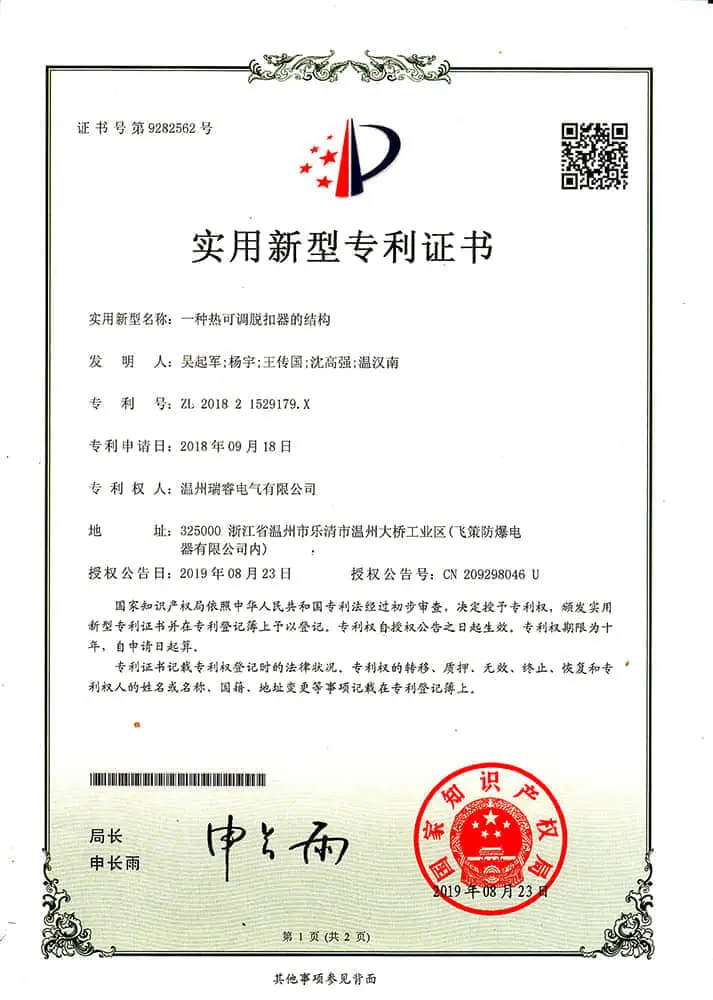
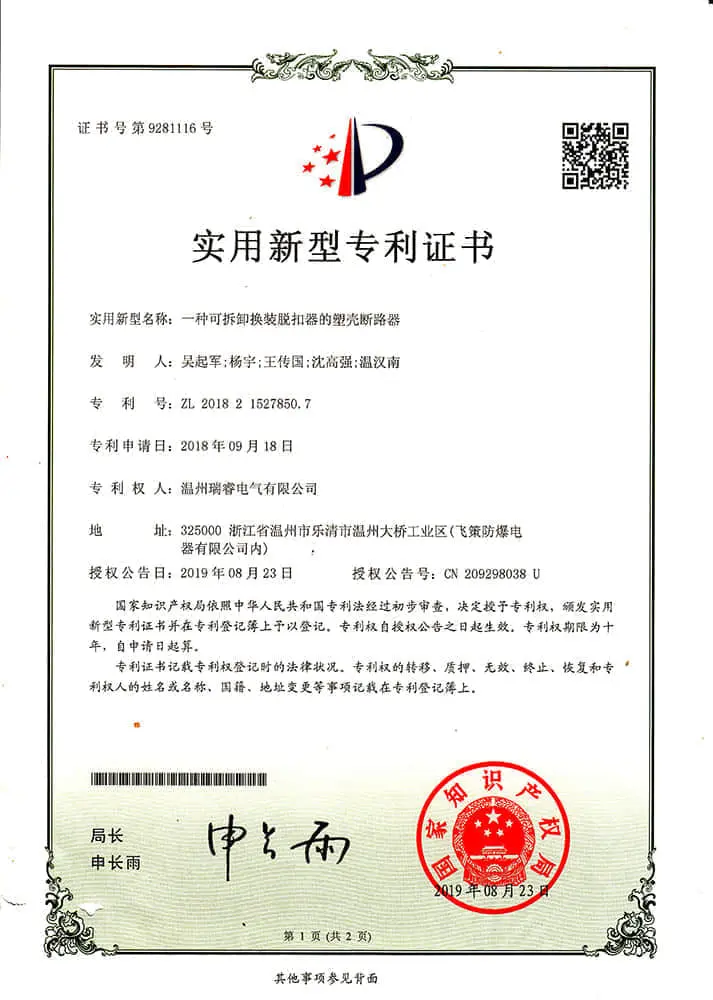
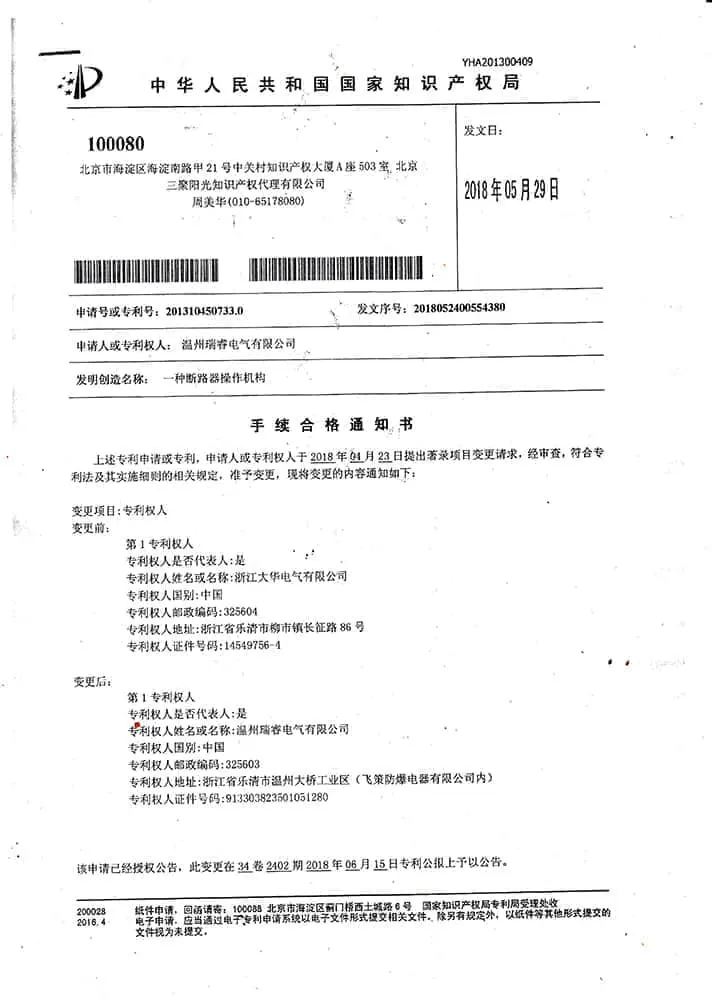
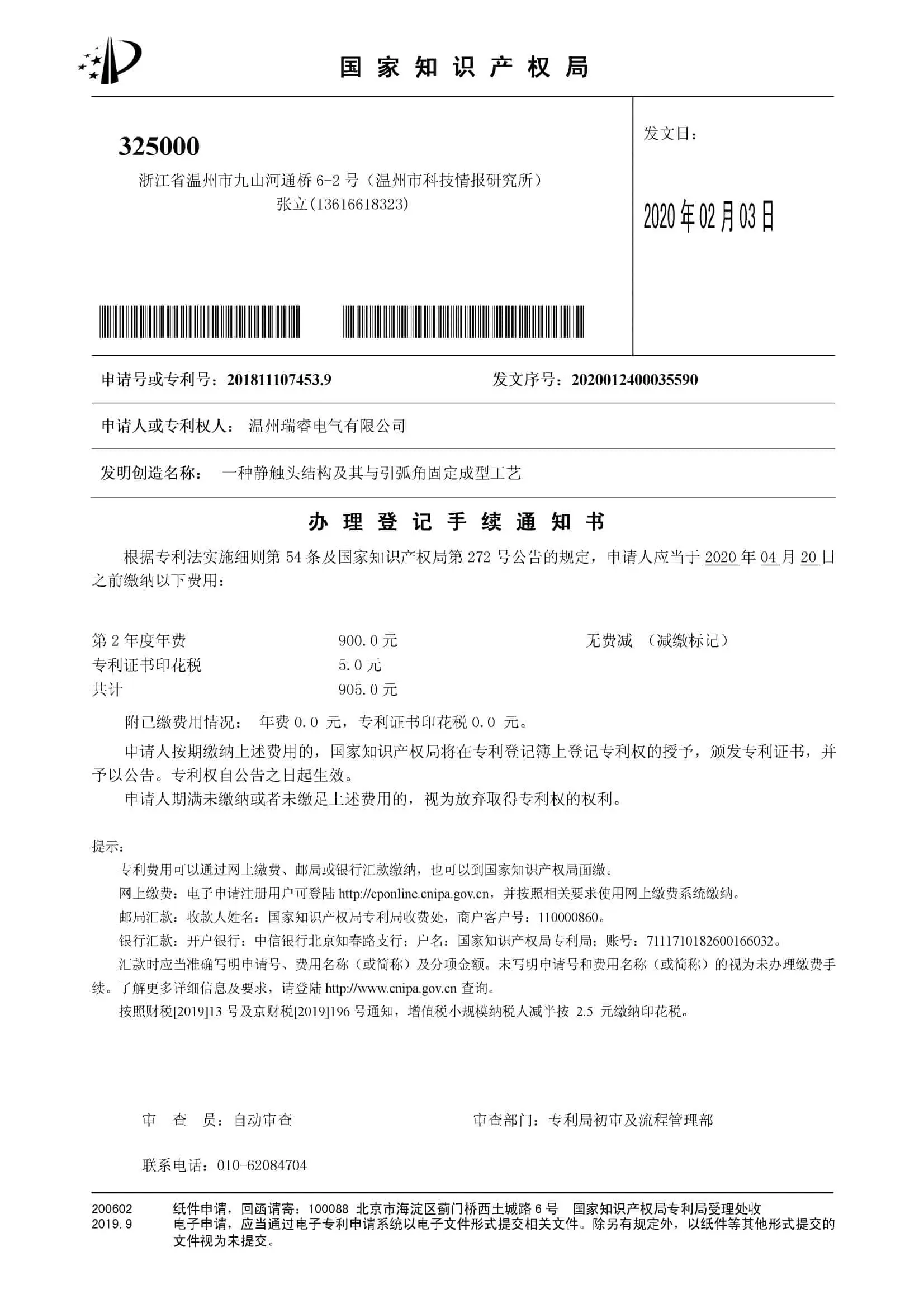
Our manufacturing processes comply with ISO9001 and ISO14001, and our products carry relevant international certifications, ensuring compliance with global distribution standards.
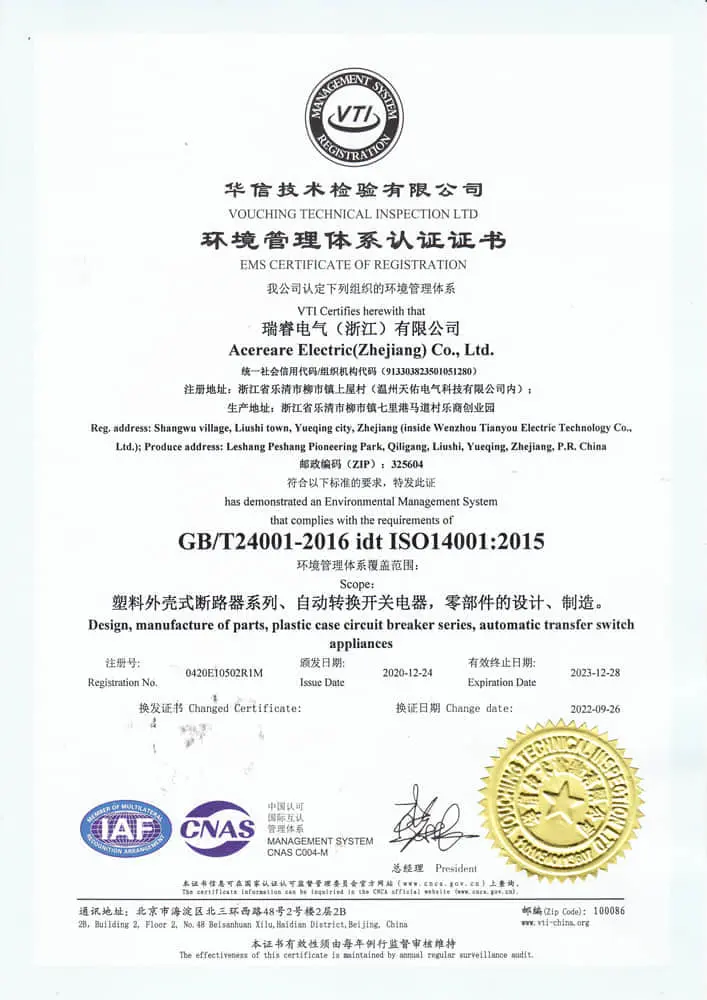
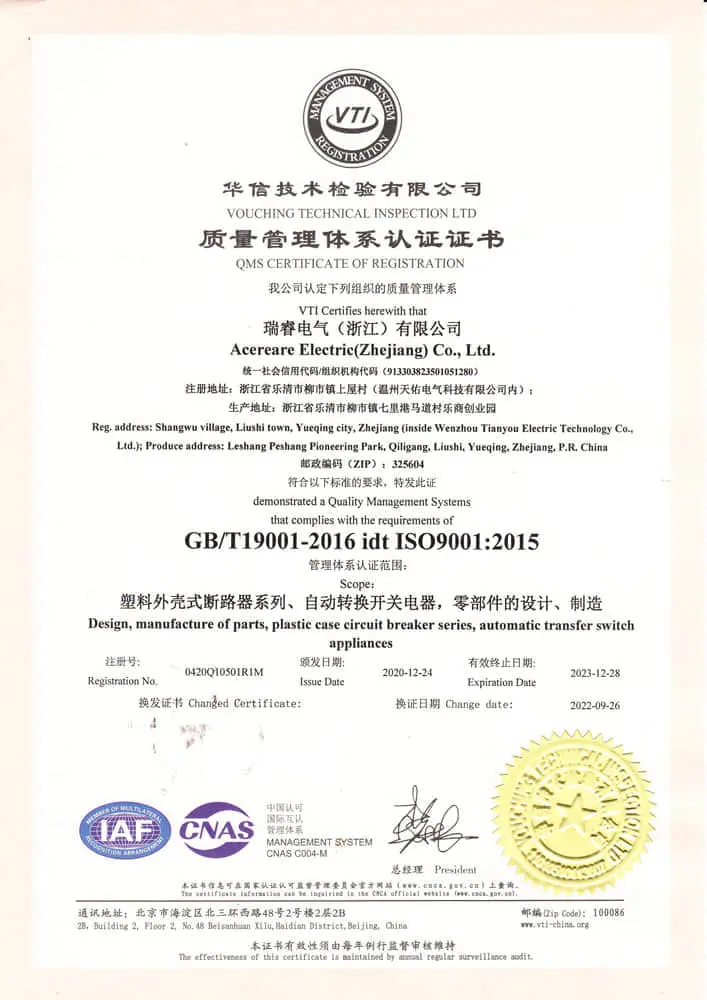
Icu (Ultimate Breaking Capacity) defines the maximum short-circuit current that the circuit breaker can successfully interrupt at a specified voltage without permanent damage to the device. However, after breaking a fault at Icu, the breaker may not be fit for continuous service and must be inspected. Ics (Service Breaking Capacity), expressed as a percentage of Icu (e.g., 50%, 75%, or 100%), defines the maximum short-circuit current the breaker can interrupt and still remain operational. For high-demand industrial systems, choosing breakers where Ics = 100% Icu guarantees high operational reliability.
As altitude increases, the atmospheric density decreases. This affects the circuit breaker in two ways: 1. Reduced Cooling: Lower air density decreases convection cooling, increasing the operational temperature of the conductors. 2. Reduced Dielectric Strength: The insulation level of air decreases, making it easier for electrical arcs to form. To compensate, we apply derating factors for rated operational voltage (Ue) and rated continuous current (Iu). For example, at 4000m, a breaker rated for 400V might be derated to 0.82 times its voltage rating.
Modern solar plants operate at high string voltages (up to 1500VDC or 800V-1140VAC on the inverter side). Under these high operating voltages, traditional industrial breakers are prone to restrike during interruption due to insufficient contact gap distance and slow arc-extinguishing. Solar-specific MCCBs use wide double-break structures, optimized arc-chutes, and silver-alloy contact plating to quickly extinguish arcs and handle the bidirectional energy flows common in BESS and grid-tied systems.
Thermal-magnetic trip units rely on bimetallic strips and electromagnetic coils. They are cost-effective but susceptible to ambient temperature fluctuations and offer limited adjustments. Electronic trip units (LSIG) use current transformers (CTs) and microprocessors to monitor current values. They offer adjustable thresholds for L (Long-time overload), S (Short-time short circuit), I (Instantaneous short circuit), and G (Ground fault protection), enabling selective coordination and avoiding nuisance tripping.
The moving and stationary contact surfaces are the most critical points in a circuit breaker. Electroplating contact surfaces with silver-tungsten or silver-nickel alloys reduces electrical contact resistance. Proper silvering thickness prevents contact welding under high short-circuit currents and resists wear over thousands of operational cycles, maintaining low temperature rise ratings.
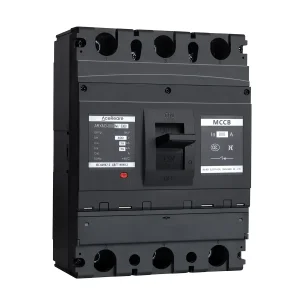
Strategic B2B supply chains require reliability, compliance, and custom design options. Partner with an industry-recognized circuit breaker factory to secure your next project requirements.
Contact Our Engineering Team AceReare