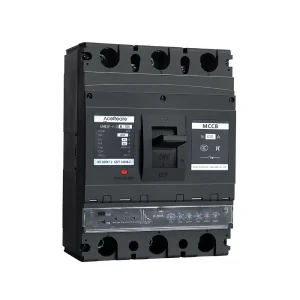
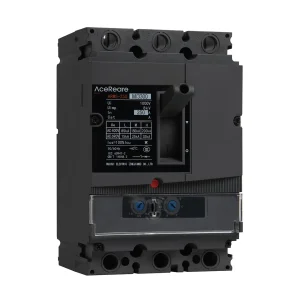
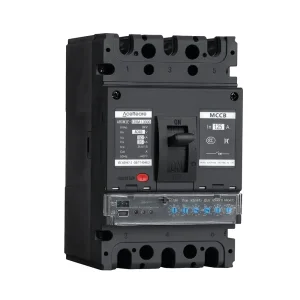
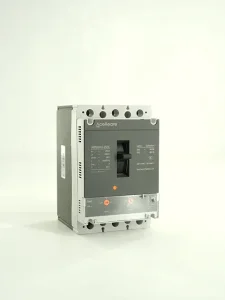
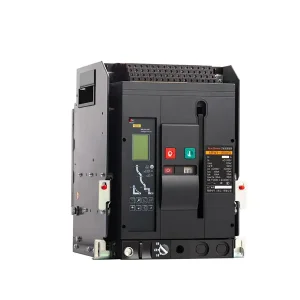
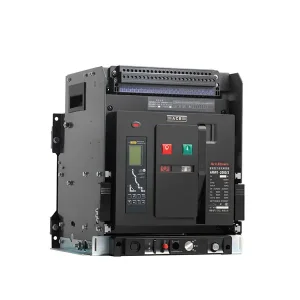
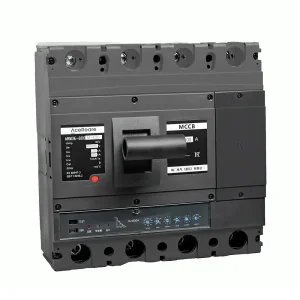
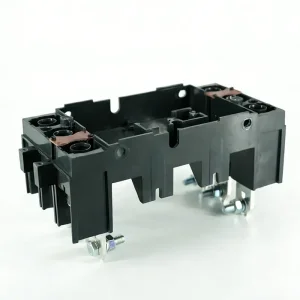
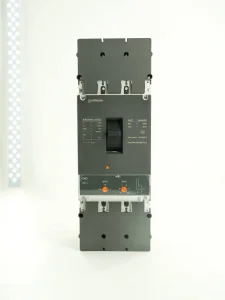
Explore our foundational range of highly engineered 3-Pole Molded Case Circuit Breakers (MCCB) and precision component sub-assemblies directly from our manufacturing facilities.
An in-depth examination of contact kinetics, thermal-magnetic coordination, and electronic trip trip curves for high-reliability electrical distribution networks.
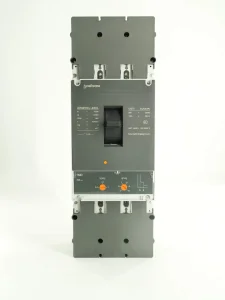
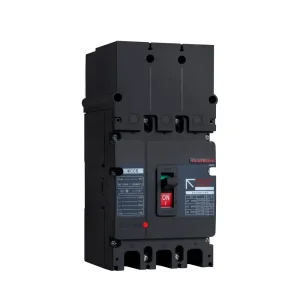
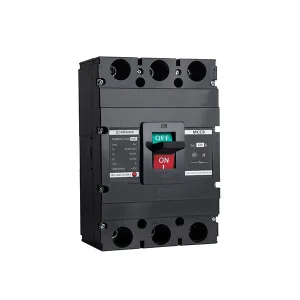
In modern industrial and commercial electrical infrastructure, the 3-pole molded case circuit breaker (MCCB) serves as the primary safeguard for three-phase electrical systems. It provides essential protection against system overloads and short circuits. It acts as the frontline of defense for high-value downstream machinery, transformers, and distribution networks. Modern electrical engineering demands that a 3-pole MCCB operate reliably under diverse conditions. As a leading China 3-pole MCCB factory, we ensure our products meet these demands. They must withstand rapid transient currents, manage thermal dissipation, and extinguish electrical arcs within milliseconds.
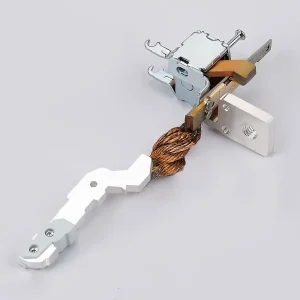
A critical engineering indicator of a premium 3-pole circuit breaker is its capacity to handle extreme fault currents without structural failure. This is determined by the design of its contact system and arc chute. When a short-circuit fault occurs, the internal electromagnetic trip unit responds instantly. It generates a magnetic force that separates the contacts before the fault current peaks. The silver-alloy contact tips (utilizing our proprietary 250a Moving Contact with Silvering technology) provide excellent electrical conductivity and resist contact welding under high thermal stress.
As the contacts open, an intense electrical arc is drawn. The MCCB forces this arc into an arc extinguishing chamber containing parallel metallic splitter plates. The plates divide the arc into smaller segments. This cools the ionized gas and rapidly raises the arc voltage. The increased resistance starves the arc of current, extinguishing it at the next zero-crossing of the AC wave. This process happens in less than 10 milliseconds, minimizing let-through energy (I²t) to protect the downstream cable insulation.
Industrial applications present diverse electrical characteristics, requiring different tripping technologies. Acereare specializes in manufacturing both traditional thermomagnetic and advanced electronic microprocess-based 3-pole circuit breakers:
Founded in 2015, Acereare Electric has established itself as a leading manufacturer in the low-voltage electrical apparatus industry. Operating through our two wholly-owned subsidiaries, RuiRui Electric and KeRui Electric, we run a vertically integrated factory. We manage the entire production process, from precision metal stamping and molding parts fabrication to final electronic calibrating, testing, and assembly.
Our craftsmanship spans two generations, representing over 20 years of experience. Ruiru Electric was officially registered in 2015, launching our modern brand. Today, Acereare ranks among the top ODM/OEM manufacturers in China for molded case circuit breakers (MCCB), air circuit breakers (ACB), and premium component sub-assemblies. We maintain strategic partnerships with nearly 100 high-end customers across the domestic and international markets, delivering tailored circuit protection solutions for demanding environments.
Why global procurement teams choose Acereare Group for high-integrity electrical components and system-level manufacturing.
We provide a comprehensive service utilizing six distinct processing techniques. Our facility is equipped with high-precision fabrication gear and automated testing machinery. Operating 10 manual and automated assembly lines, we maintain complete control over raw material conversion, tooling creation, and final calibration.
Our engineering team includes over 50 R&D engineers, each bringing more than 5 years of industry experience. Using advanced 3D modeling systems, we design internal parts, stamp tooling, and finished breakers. The R&D team completes over 50 product development projects annually.
Operating two manufacturing plants, we balance component fabrication and final product assembly. We coordinate these operations using ERP and U8 management systems, ensuring seamless material flow, tracking, and delivery timelines.
We execute multi-stage inspections at our testing facilities. Supported by over 150 test instruments and a team of 20 inspectors, our quality control is integrated through digital PLM, BI, ERP, and MES software architectures.
Analyzing the performance of 3-Pole MCCBs in extreme environments, from polar cold to high-altitude installations.
Standard circuit breakers are rated for mild operating conditions. However, commercial and industrial installations often expose electrical components to harsh environments. Acereare engineers and tests our 3-pole circuit breakers to operate reliably in these challenging settings.
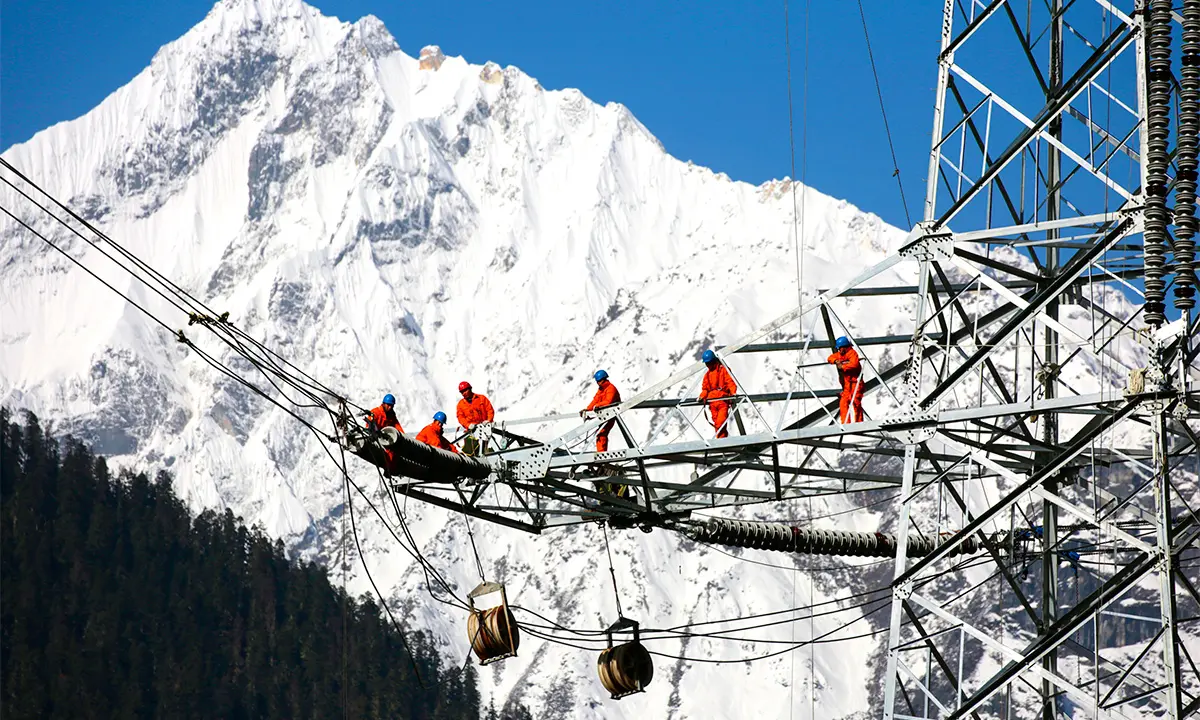
In sub-zero climates, standard mechanical lubricants can freeze, slowing the trip linkage and increasing trip times. Acereare addresses this by using low-temperature lubricants, structural materials rated for cold performance, and thick protective plating. These changes prevent mechanical binding and preserve fast trip times down to -40°C.

Coastal and offshore environments contain salt-laden moisture that can corrode copper busbars, springs, and contact surfaces. This corrosion increases contact resistance, leading to overheating. Acereare subjects its breakers to salt-spray testing—48 hours for sub-assemblies and 72 hours for complete units. This process ensures our MCCBs withstand marine environments and provide reliable service on docks and marine vessels.
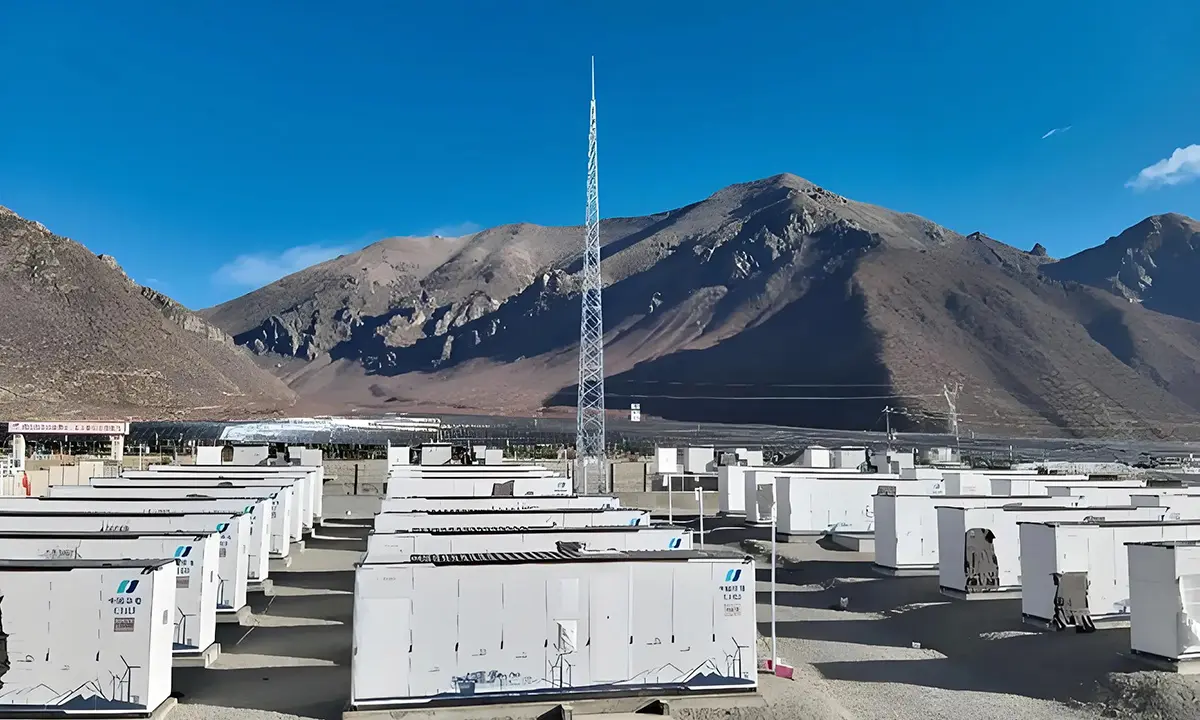
At elevations above 2,000 meters, the thinner air reduces cooling efficiency and lowers dielectric strength. This increases the risk of arc flashover across air gaps. To prevent failures, we apply derating factors for operating voltage and rated current according to elevation tables. This adjustment maintains safe insulation thresholds and reliable protection at high altitudes.

For commercial properties and residential high-rises, circuit breakers must balance high breaking capacity with quiet operation and a compact footprint. Our 3-pole MCCBs fit neatly into standard electrical panels, providing protection for high-load appliances and central HVAC systems.

Industrial machinery and steel mills can subject electrical panels to ambient temperatures of 55°C or higher. To prevent nuisance tripping, we use high-temperature insulation on control units and apply anti-corrosion treatments to metal parts. We test these designs in our temperature-controlled labs to ensure consistent calibration at high temperatures.
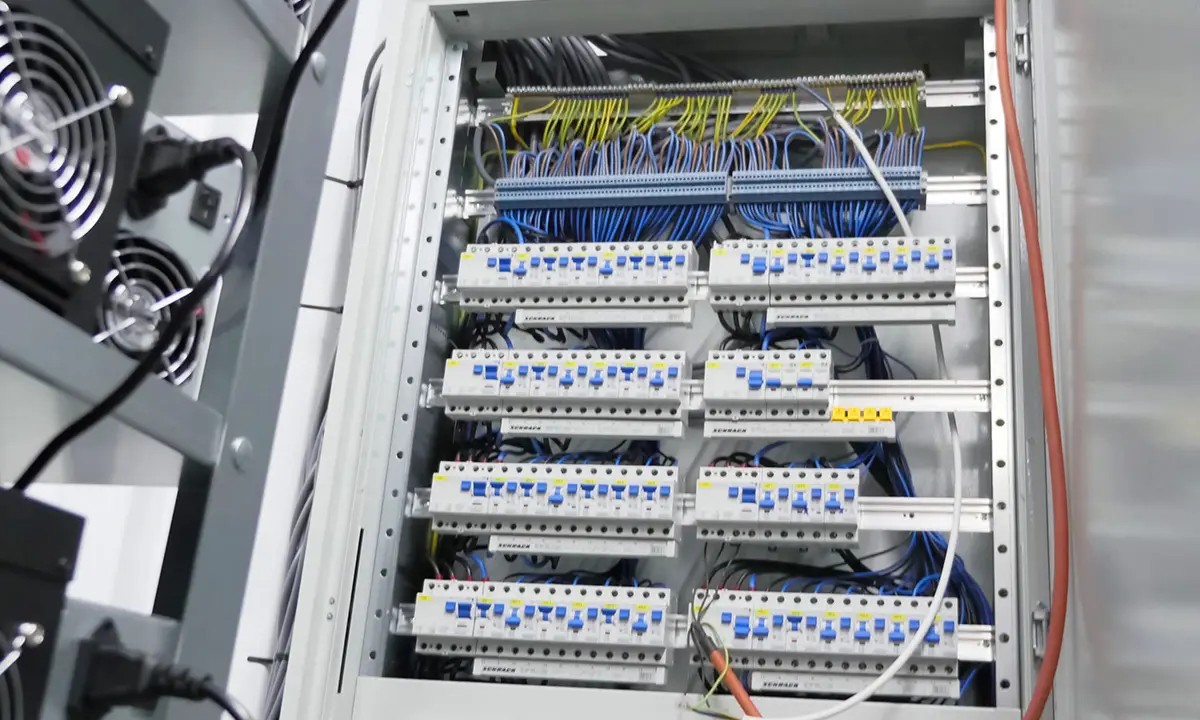
Modern electrical grids rely on real-time data to optimize distribution. Our smart-metering MCCBs feature integrated voltage tap-offs and micro-CTs. These components measure voltage, current, active power, and harmonics, sending the data over Modbus or Ethernet. This functionality supports energy management and predictive maintenance in smart grids.
How our localized production model in Wenzhou reduces lead times, controls costs, and ensures quality compliance.
Acereare's facilities are located in Wenzhou, China's low-voltage electrical manufacturing hub. This location provides us with access to a dense network of raw material suppliers, component specialists, and engineering talent. By grouping our production stages geographically, we minimize logistics delays, reduce tooling costs, and streamline design updates.
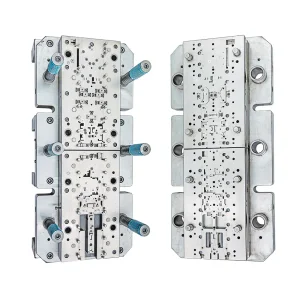
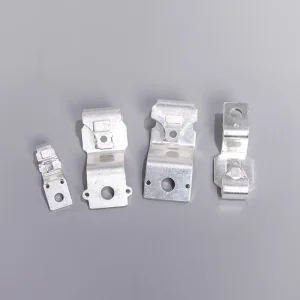
Unlike factories that rely entirely on outsourced sub-assemblies, Acereare fabricates its own core components. This includes the internal stamping dies, silver-plated contacts, and plastic enclosures. This vertical integration allows us to enforce strict quality control at every stage of production. For example, our China High-Quality MCCB Mental Stamping Moulding Parts are produced in-house on high-speed press lines. This keeps tolerances within microns and prevents defects that could lead to contact misalignment or overheating. By controlling both component fabrication and final assembly, we manage costs and insulate our clients from global supply chain volatility.
The performance of a 3-pole circuit breaker depends on the quality of its internal metal components. The contact arm, magnetic yoke, and trip latch require high precision and structural strength. Acereare uses multi-stage stamping presses to form these components from high-conductivity copper and structural steel alloys. This process ensures consistent performance over thousands of mechanical cycles. Additionally, our automated silver-plating lines apply a uniform silver layer to the contacts. This layer minimizes resistance and prevents oxidation during long-term operation in humid environments.
Our products undergo laboratory testing to meet international safety and regulatory standards.




From initial design concepts to final international certification, we provide clear paths for custom products.
Our engineering team works with you to understand your specific current, voltage, and breaking capacity requirements.
Using 3D CAD modeling and simulation software, we design customized internal mechanisms and external enclosures.
We test prototypes in our lab to verify thermal characteristics, short-circuit breaking capacity, and electrical insulation.
We assemble products using automated lines, perform final calibration, apply your custom branding, and arrange delivery.
Developing next-generation electrical protection devices for smart grids and renewable energy systems.
The growing adoption of renewable energy, electric vehicle charging stations, and industrial automation is changing the demands on electrical distribution systems. Standard circuit protection is no longer sufficient. Modern systems require intelligent, communicable, and adaptable devices. Acereare's R&D team focuses on key areas to meet these evolving needs:
Solar energy systems continue to migrate to higher operating voltages to reduce line losses. Our solar circuit breakers are designed to operate at 1000VAC and 1140VAC. These devices feature optimized arc-chutes and permanent magnets that drive high-voltage DC arcs into the splitter plates, providing rapid circuit interruption.
Replacing scheduled maintenance with predictive monitoring reduces downtime and operating costs. Our next-generation electronic MCCBs feature integrated microchips that monitor parameters like contact temperature, mechanical operations, and wear. Using Modbus, Ethernet, or wireless protocols, they send this data to building management systems, allowing operators to schedule maintenance before a failure occurs.
In line with global environmental initiatives, we are redesigning our product lines to use recyclable, halogen-free thermoplastics and RoHS-compliant contact materials. This transition helps our customers meet their environmental targets while maintaining the same performance and durability.
Common technical questions answered by our engineering and product support teams.
Heavy-duty industrial circuit breakers and critical sub-assemblies for major infrastructure installations.
 AceReare