Highly engineered protective hardware featuring adjustable parameters, advanced trip units, and smart monitoring capability.
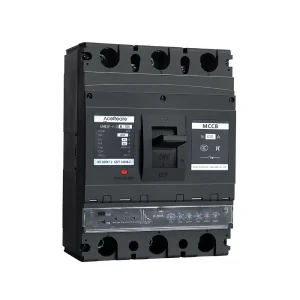
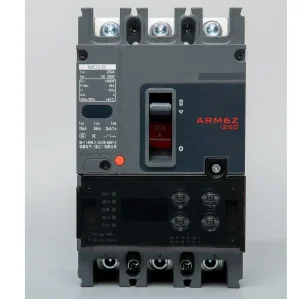
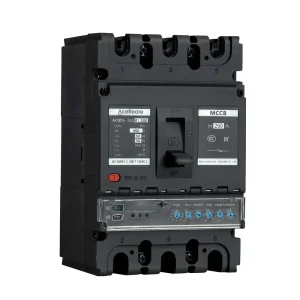
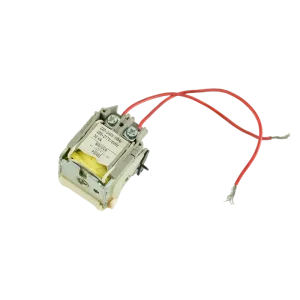
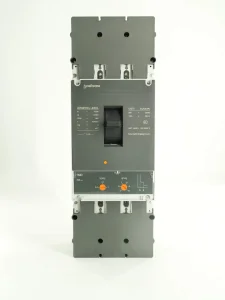
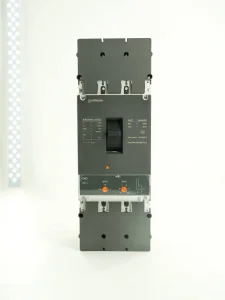
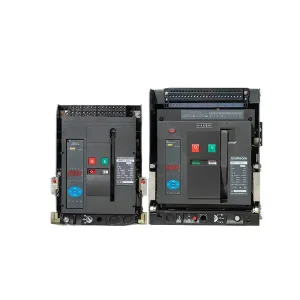
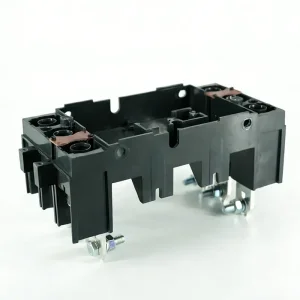
Founded officially in 2015, Acereare Electric inherits over 20 years of craftsmanship developed across two generations. As a leading specialized manufacturer of Molded Case Circuit Breakers (MCCB), Air Circuit Breakers (ACB), and premium copper/iron mechanical component parts, we control two wholly-owned production subsidiaries: RuiRui Electric and KeRui Electric.
Our core mission centers on supplying global markets, infrastructure developers, and industrial switchgear assemblers with reliable overload, short-circuit, and undervoltage protection. Operating with advanced CAD/3D rendering systems, automated production lines, and high-precision test benches, our facilities represent one of China's top-tier ODM/OEM hubs for electrical safety gear.

Ensuring compliance, reliability, and precision at scale through automated assembly and standard testing protocols.
Equipped with 6 specialized processing technologies, including high-speed metal stamping, precision terminal welding, and automatic testing. Our lines guarantee consistent mechanical quality.
Supported by 50+ in-house structural and electrical engineers. Over 50 custom research projects completed annually, utilizing advanced 3D CAD molding tools.
Operational workflows run via interconnected PLM, BI, ERP (U8), and MES software modules, ensuring traceablity from raw copper and iron stampings to packed assemblies.
Over 150 dedicated testing instruments and 20 quality inspectors oversee calibration, mechanical life simulation, and thermal stability checks in a controlled environment.
Molded Case Circuit Breakers (MCCBs) form the foundational tier of electrical network protection across municipal, commercial, and heavy industrial domains. In an era marked by rapid decentralization, renewable energy integration (such as large-scale photovoltaic plants and battery storage systems), and the smart grid transition, the engineering requirements for low-voltage switchgear have changed significantly. Global operators require more than simple mechanical contact separation; they demand smart data acquisition, remote controls, and custom protection parameters.
A critical parameter when specifying MCCBs is breaking capacity. Ultimate short-circuit breaking capacity ($I_{cu}$) defines the maximum fault current the circuit breaker can safely interrupt, though the unit may require replacement afterward. In contrast, service short-circuit breaking capacity ($I_{cs}$) represents the maximum current the breaker can interrupt and continue operating normally. High-quality manufacturers ensure that $I_{cs} = 100\% I_{cu}$, verifying structural resilience under repeated short-circuit faults.
Conventional thermal-magnetic MCCBs rely on bimetallic strips and electromagnetic yokes to detect overload and short-circuit faults. While reliable, thermal-magnetic mechanisms lack precision adjustment. Modern projects specify electronic trip units (such as the ARM3E Series with LSIG Trip Unit). These systems monitor current waveforms in real-time via internal current transformers (CTs) and microcontrollers, utilizing adjustable parameters:
During circuit interruption under load, an intense electrical arc forms between the separation contacts. Managing this thermal energy requires specialized contact design. Acereare utilizing premium silver alloy contacts (such as AgW or AgC) to balance conductivity and erosion resistance. The arc is directed into the arc chute, where it is divided by copper-plated steel splitter plates, cooled, and extinguished rapidly. This mechanical sequence keeps total clearing times under 10 milliseconds, protecting downstream components.
Standard MCCB designs require modifications to operate safely under extreme environmental conditions.
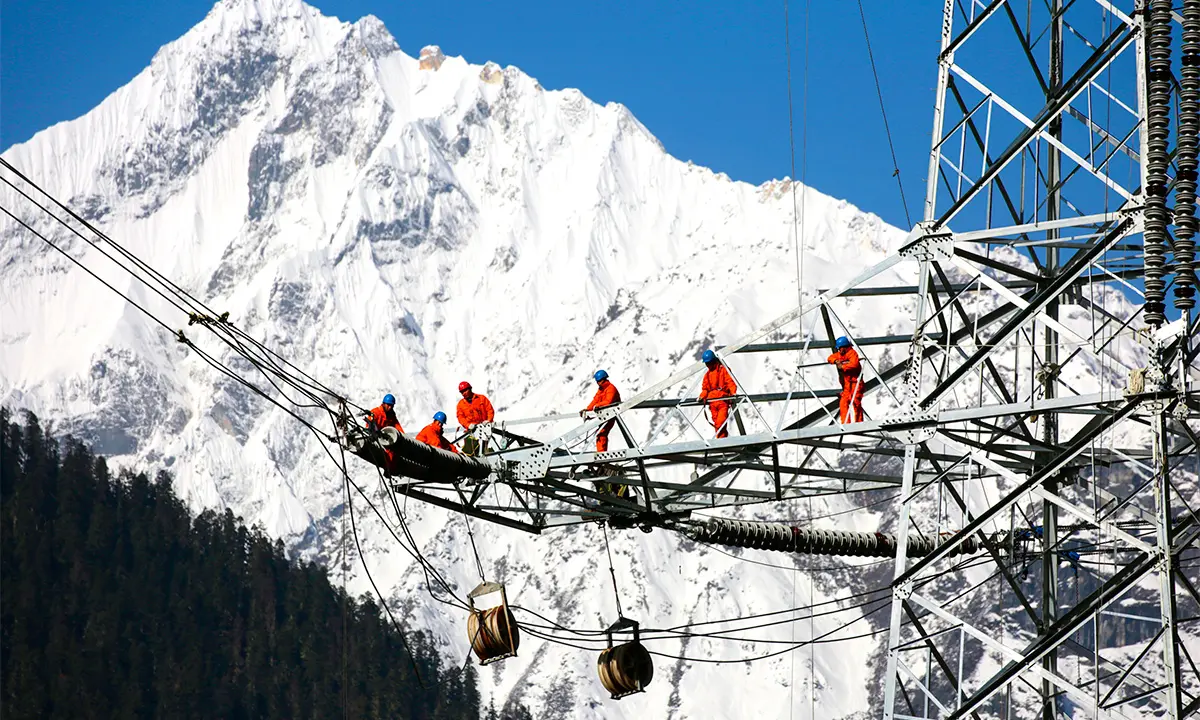
Standard plastics become brittle in sub-zero environments, and standard lubricants stiffen. Our low-temperature models utilize polycarbonate resins, low-temperature lubricants, and specialized coatings to ensure reliable trip operation down to -40°C.

Marine applications require defense against humid, corrosive, salt-laden atmospheres. We run 72-hour salt spray testing on complete machines and 48-hour testing on sub-assemblies. All copper busbars and iron components are nickel-plated to prevent oxidation.
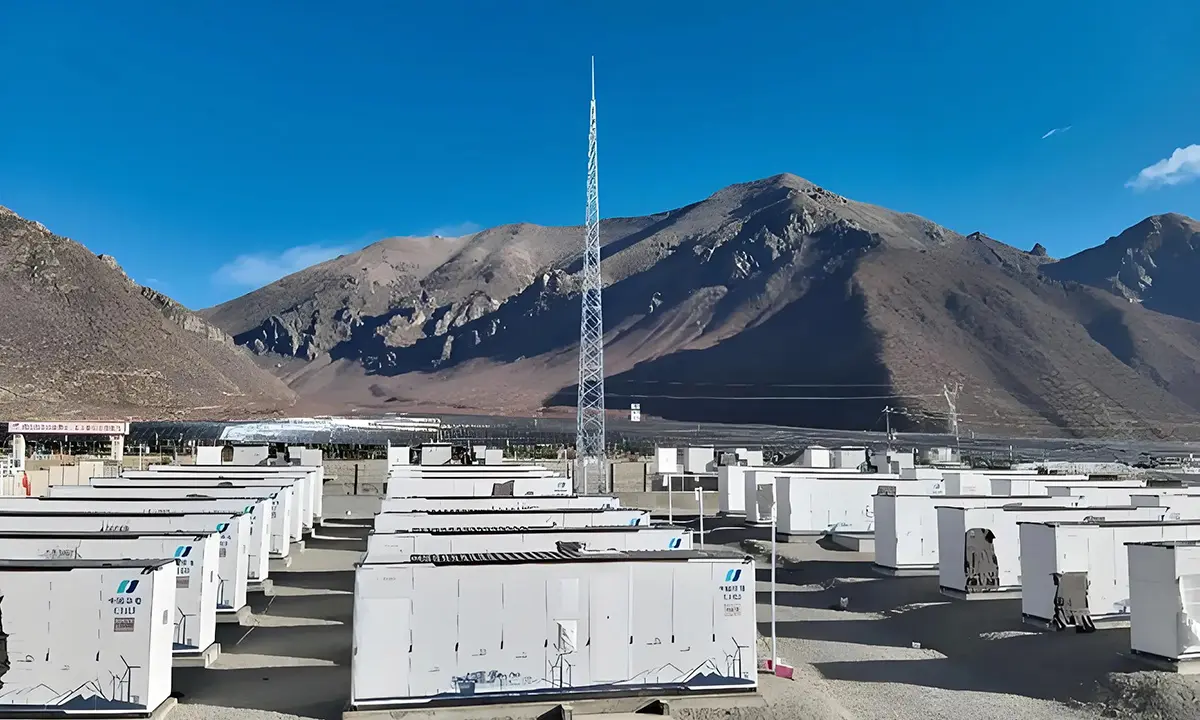
At altitudes above 2000m, air density and atmospheric pressure decrease. This reduces the air's insulation strength and cooling capacity. We offer adjusted performance parameters based on our high-altitude derating index to prevent thermal runaway.

We produce compact, high-reliability switchgear for residential and light-commercial panels, offering simple installation, front-plug connections, and clear status indication to simplify field installations.
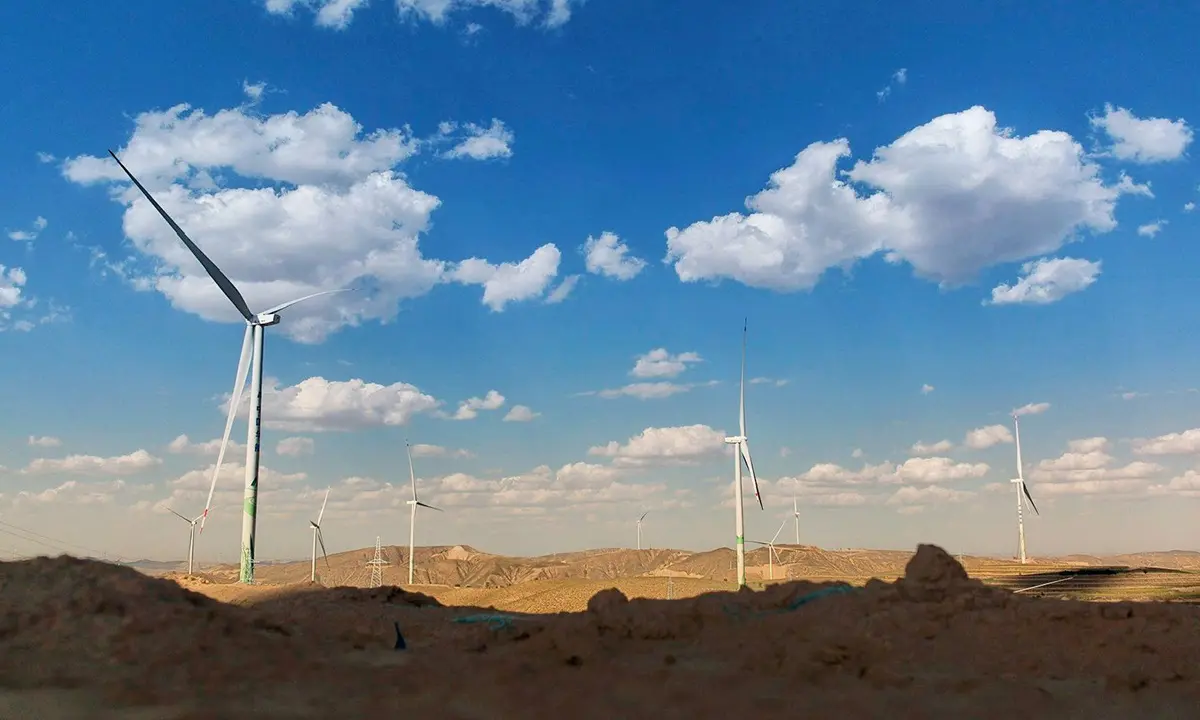
For use in steel mills, glass production, and hot desert installations. Using thermal-resistant materials and internal coatings, we calibrate and test our thermal elements in a constant temperature room at 55°C.
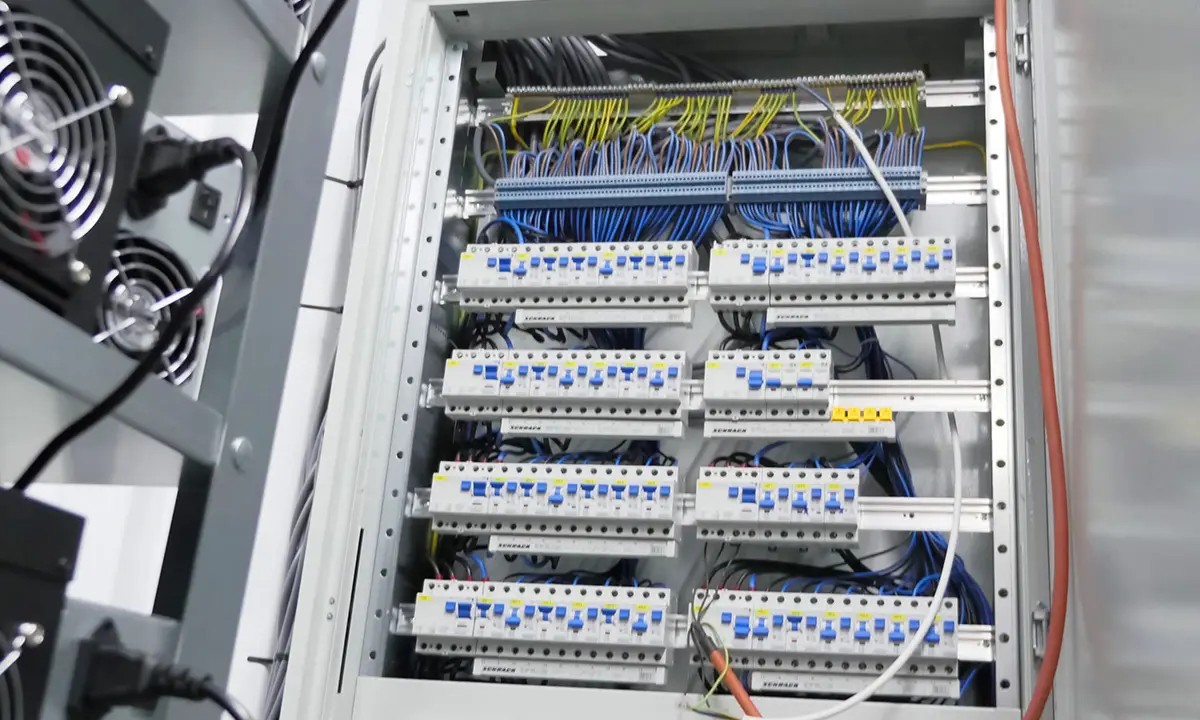
Equipped with internal Modbus communication and micro-processors, these units handle metering, status reporting, and edge computing for automated industrial grids.
Standard rating values across the flagship ARM and ARXM circuit breaker product lines.
| Model Series | Rated Voltage ($U_e$) | Rated Current ($I_n$) | Breaking Capacity ($I_cu$ / 400V) | Trip Unit Options | Application Scope |
|---|---|---|---|---|---|
| ARM1 Series | 400V / 690V AC | 16A - 1250A | 35kA - 85kA | Thermal-Magnetic Fixed | General Power Distribution |
| ARM3E Series | 400V / 690V AC | 32A - 800A | 50kA - 100kA | Electronic Adjustable (LSIG) | Advanced Process Protection |
| ARXM3 Series | 400V / 690V AC | 320A - 800A | 65kA - 100kA | Thermal-Magnetic Adjustable | High Dynamic Industrial Plants |
| ARM5HU Series | 800V / 1140V AC | 100A - 630A | 20kA - 50kA | Specialized High Voltage | Solar Photovoltaic, Mines |
| ARM6Z Series | 400V AC | 16A - 250A | 50kA - 75kA | LCD Microcontroller (Remote Control) | Smart Microgrids, Data Centers |
Our products are tested and certified to verify safety and performance across international markets.
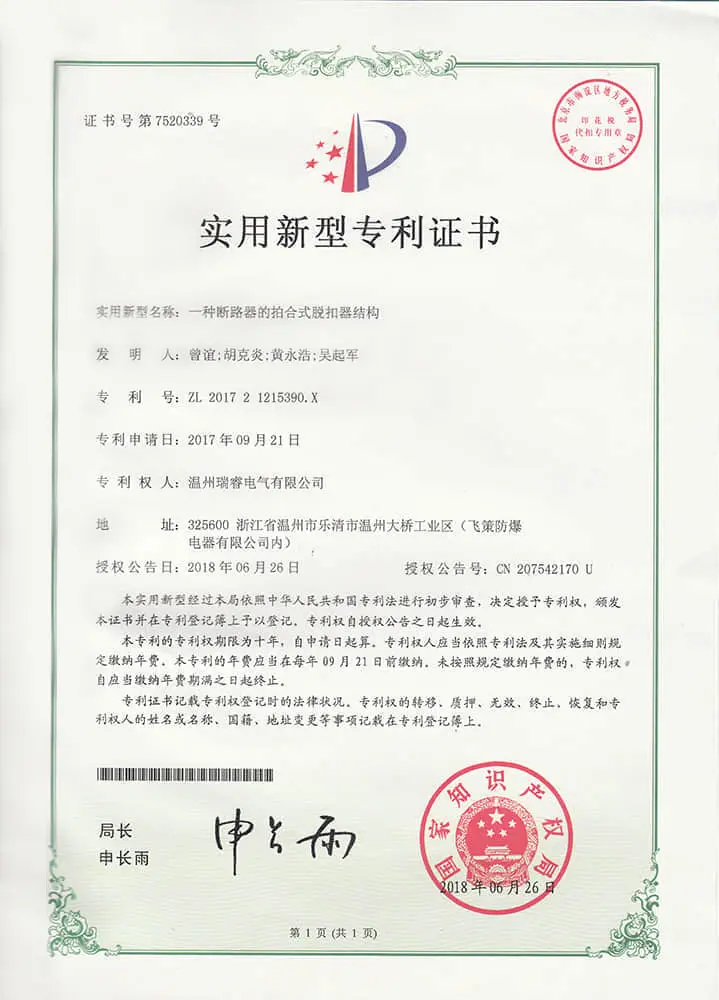
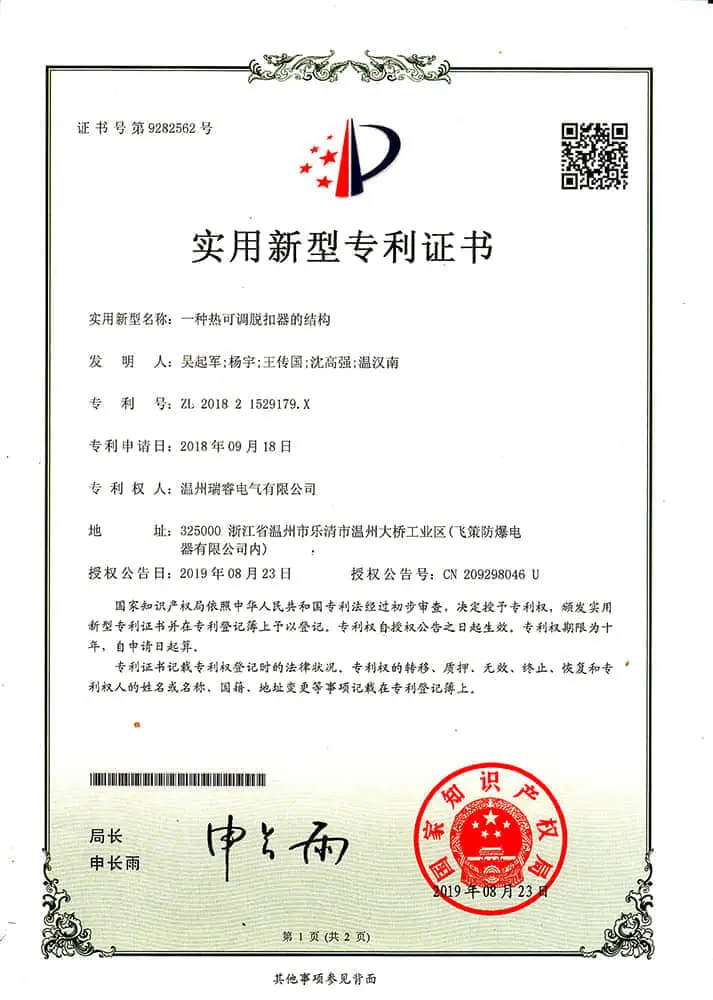
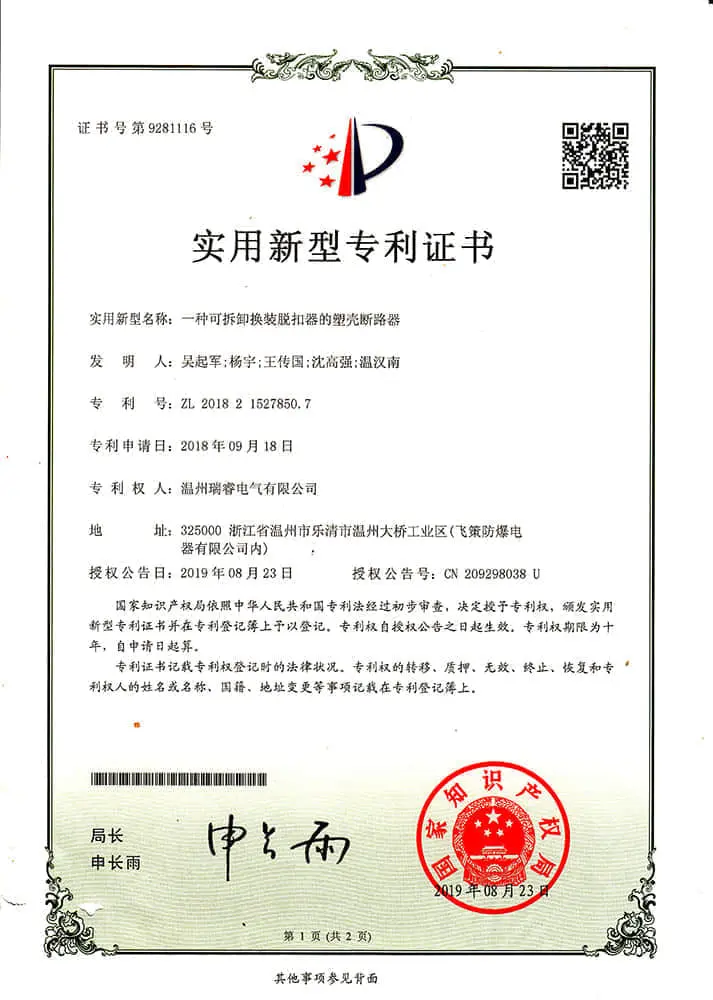
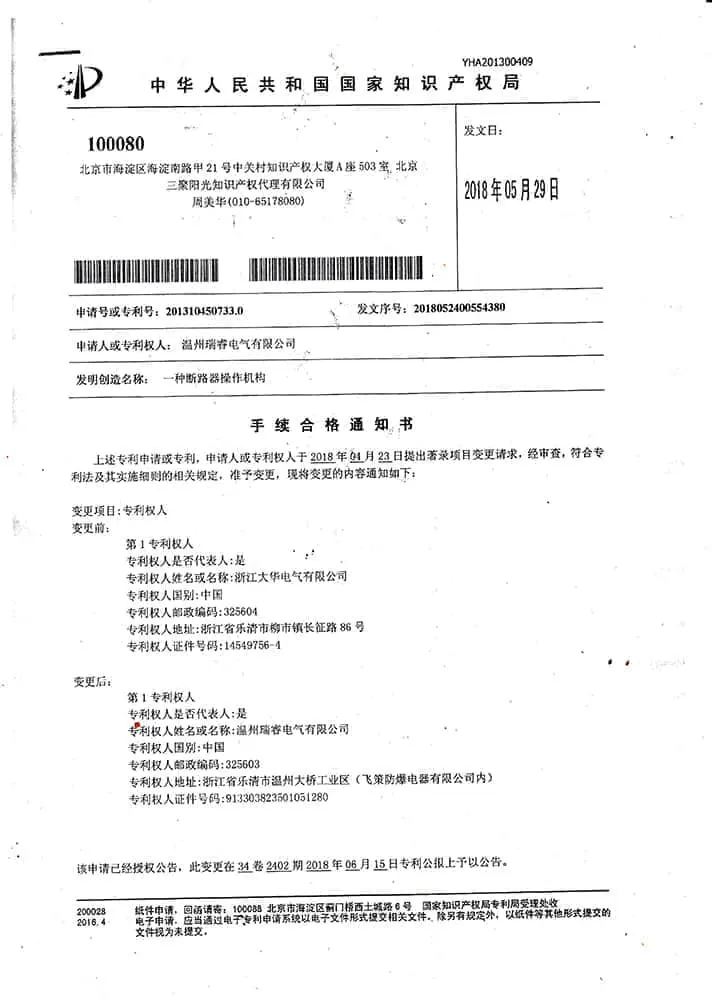
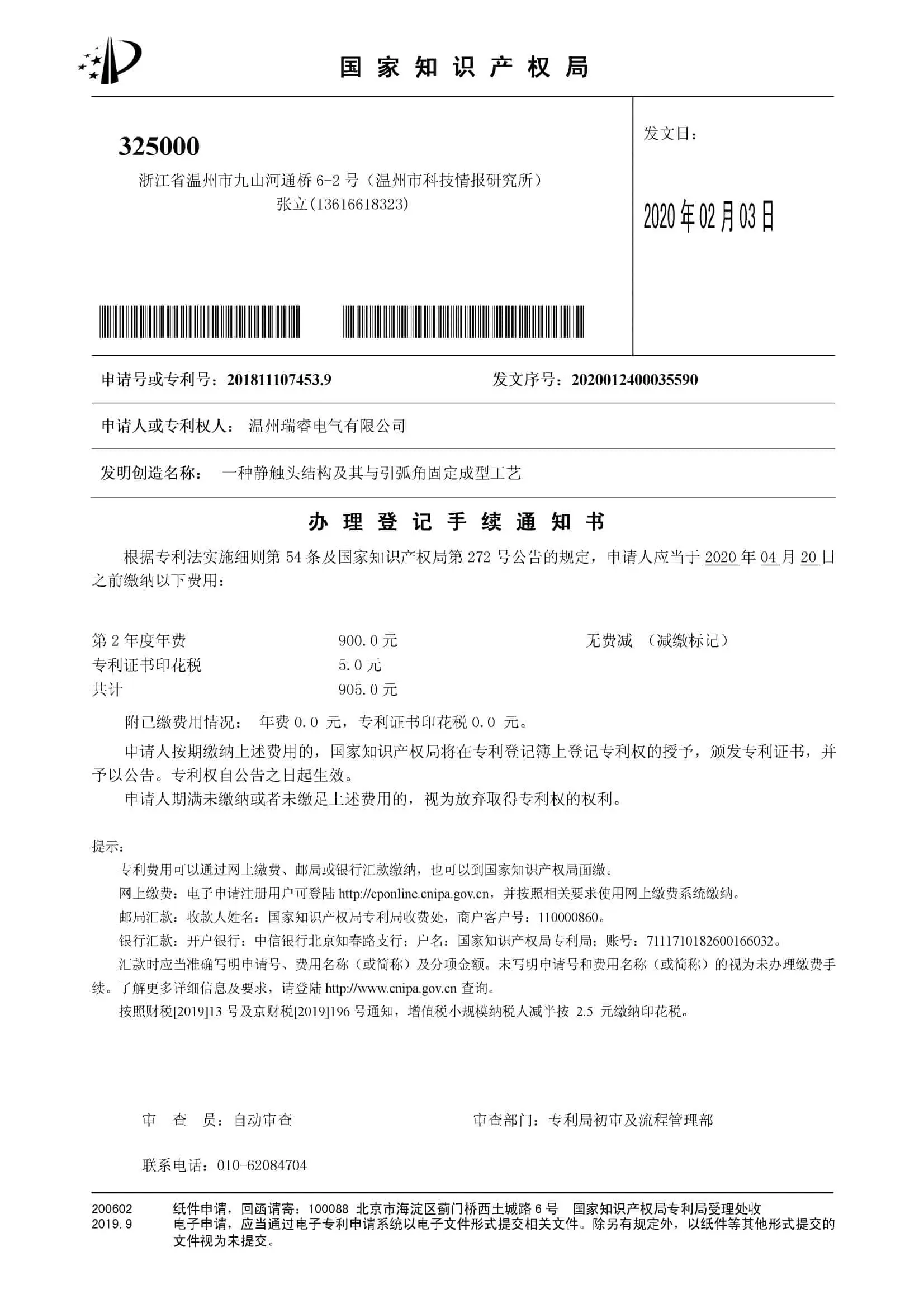
We work directly with distributors, panel builders, and engineering partners to optimize their local supply chain.
We offer laser-marked logos, custom packaging, and localized catalog designs to help establish and support your local brand identity.
We can design and build custom outer casings, terminal configurations, and mechanical structures. Engineering costs are refundable upon reaching volume milestones.
We assist partners in securing CE, TUV, RoHS, and local test certificates for customized configurations to simplify regulatory approval.
Selecting the correct molded case circuit breaker requires assessing the installation site's parameters. Specifying engineering systems based strictly on nominal current values can lead to nuisance tripping or equipment damage. Two key parameters must be accounted for: thermal derating due to high ambient temperatures, and air density derating for high-altitude installations.
Thermal-magnetic circuit breakers are calibrated at a reference temperature of 40°C. When operating in environments exceeding this limit, the thermal bimetal bends earlier under lower load currents. To find the permissible operational current ($I_{perm}$), we apply the temperature derating factor ($k_t$):
Where $I_n$ represents the rated current and $k_t$ is the correction coefficient. For example, at 55°C, typical bimetallic systems require a $k_t$ of 0.88. Neglecting this factor can cause nuisance trips during periods of high ambient temperature.
At elevations above 2000 meters, thin air reduces thermal dissipation and insulation performance. For installations at high altitudes, apply the following adjustments:
Common questions from electrical engineers, global wholesale buyers, and switchgear assemblers.
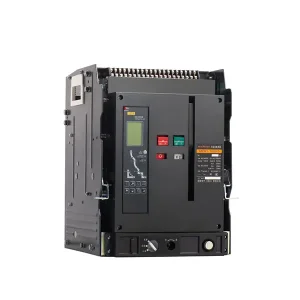
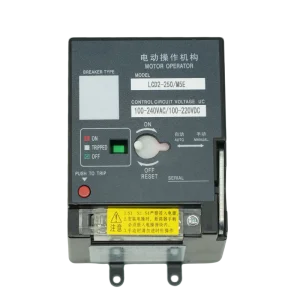
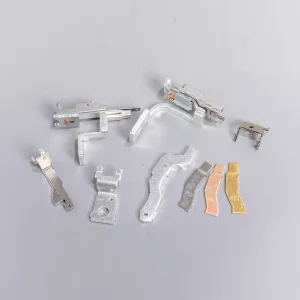
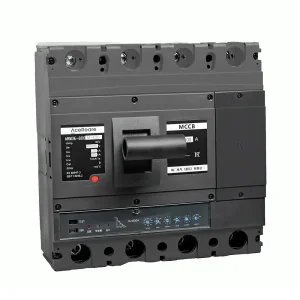
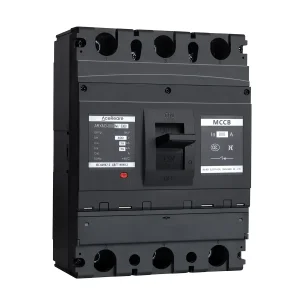
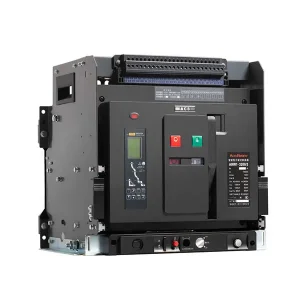
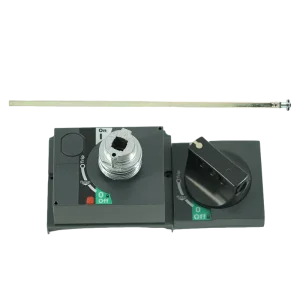
Explore our complete range, including high-capacity ACBs, control mechanisms, and stamping parts.
 AceReare