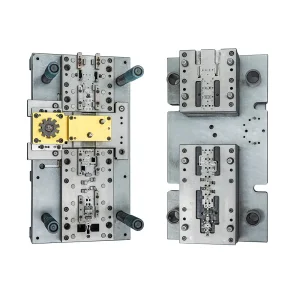
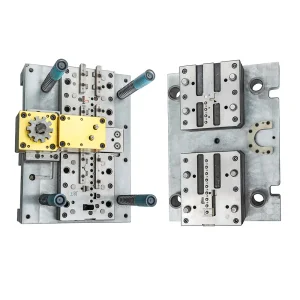
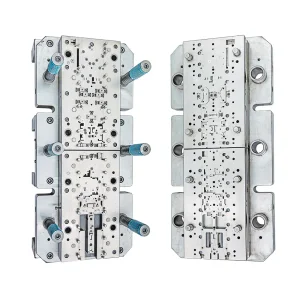
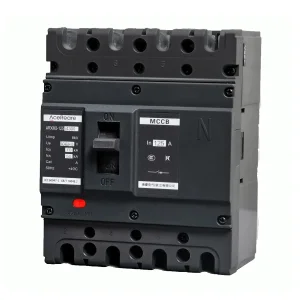
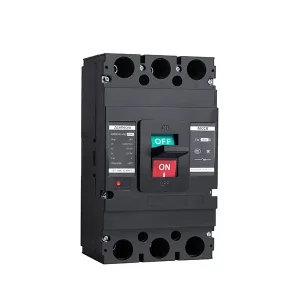
Optimized micro-engineering components designed to withstand severe thermal loads and short-circuit fault stresses within French industrial and commercial power boxes.
France is currently experiencing a rapid electrification transition, spurred by national mandates for grid modernization (France 2030 initiatives) and extensive rollouts of EV charging (IRVE) systems. Under these strict operational frameworks, standard electrical switchgears demand high performance and reliable internal components to prevent catastrophic arcing.
In the French electrical supply chain, standard parts do not suffice. Large B2B buyers and local switchgear integrators seek precision-stamping parts characterized by exceptional metallurgical integrity. Copper-alloy components (like C10100 and C11000 grade coppers) must undergo tight-tolerance progressive stamping and silver-alloy electroplating. These components must ensure minimum contact resistance, long operational cycles, and zero degradation under thermal surges.
Products exported to France must comply with CE marking, EN 60947-2 (standard for low-voltage circuit breakers), RoHS Directive, and REACH registrations. Electrical designers must also verify that mechanical tolerances of stamping components do not exceed ±0.015mm to avoid localized overheating at high fault ratings.

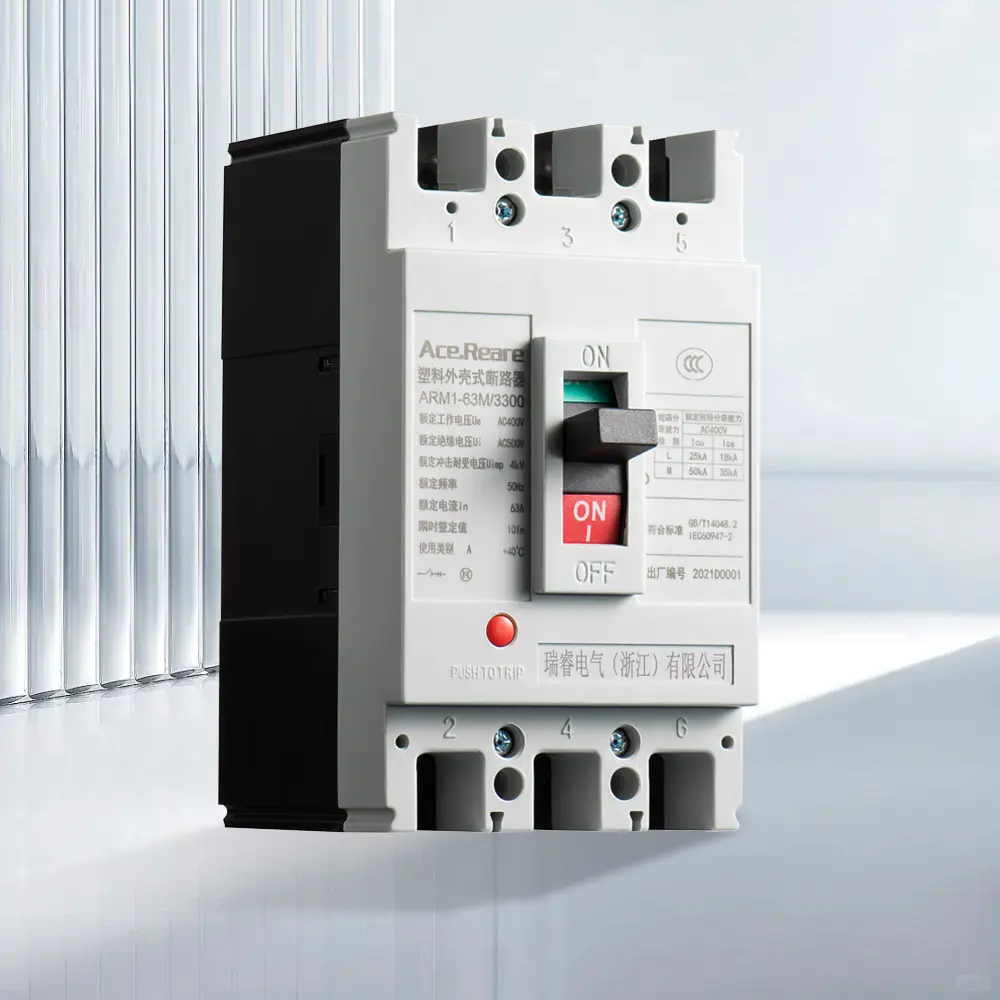
Acereare Electric, founded in 2015, operates with "RuiRui Electric" and "KeRui Electric" as two wholly-owned subsidiaries. We are a professional original manufacturer integrating R&D, production, and sales. We specialize in Molded Case Circuit Breakers (MCCB), Air Circuit Breakers (ACB), and related components.
With over 20 years of technical expertise inherited across generations, our production facility has grown to be a key player in low-voltage electrical component ODM/OEM supply. Our facility integrates stamping, cold forging, high-speed press lines, and automated assembly to supply components to industrial switchgear assemblers globally.
Adhering to the core value of win-win cooperation, we have built a solid reputation among our customers for outstanding service, first-class products, and competitive prices.
One-Stop Service utilizing six core processing technologies, high-precision stamping and forging lines, advanced testing equipment, and more than 10 manual and automated production lines.
Over 50 R&D engineers with 5+ years of industry experience. Proficient in 3D structural analysis, progressive tool/mold designs, and complex electrical mechanism simulation. We deliver 50+ research projects yearly.
Operating two industrial plants to scale up raw stamping materials and finished breaker assemblies. Management is integrated across workflows through ERP and U8 systems to ensure on-time B2B delivery.
Rigorous quality inspection using our in-house metallurgical and electrical laboratory. Equipped with 150+ testing instruments, controlled by PLM, MES, and ERP systems.
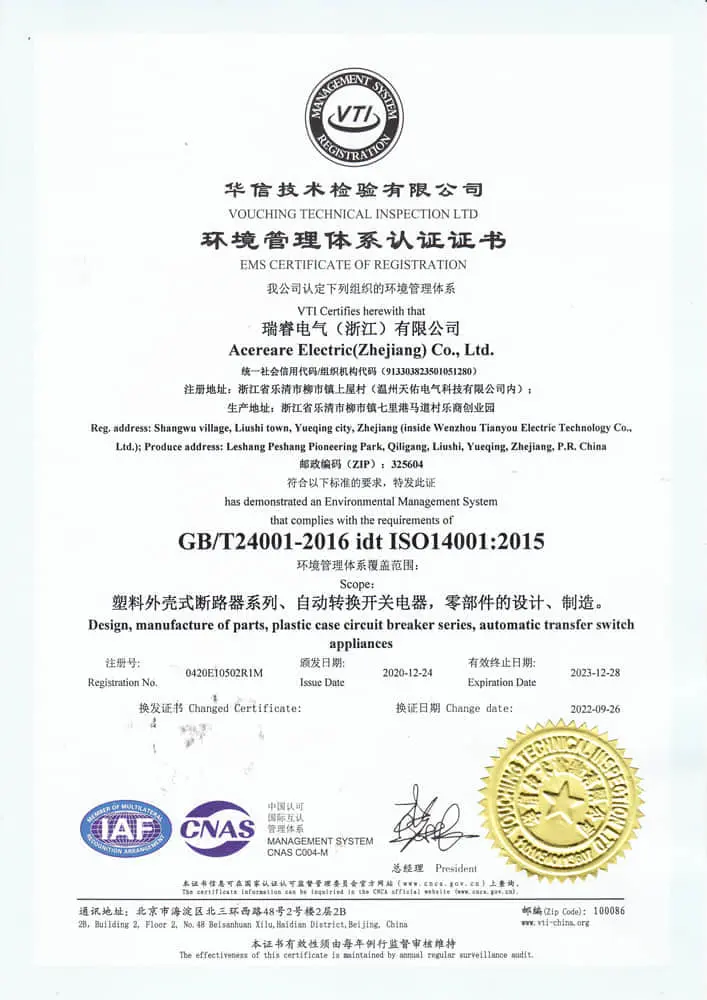
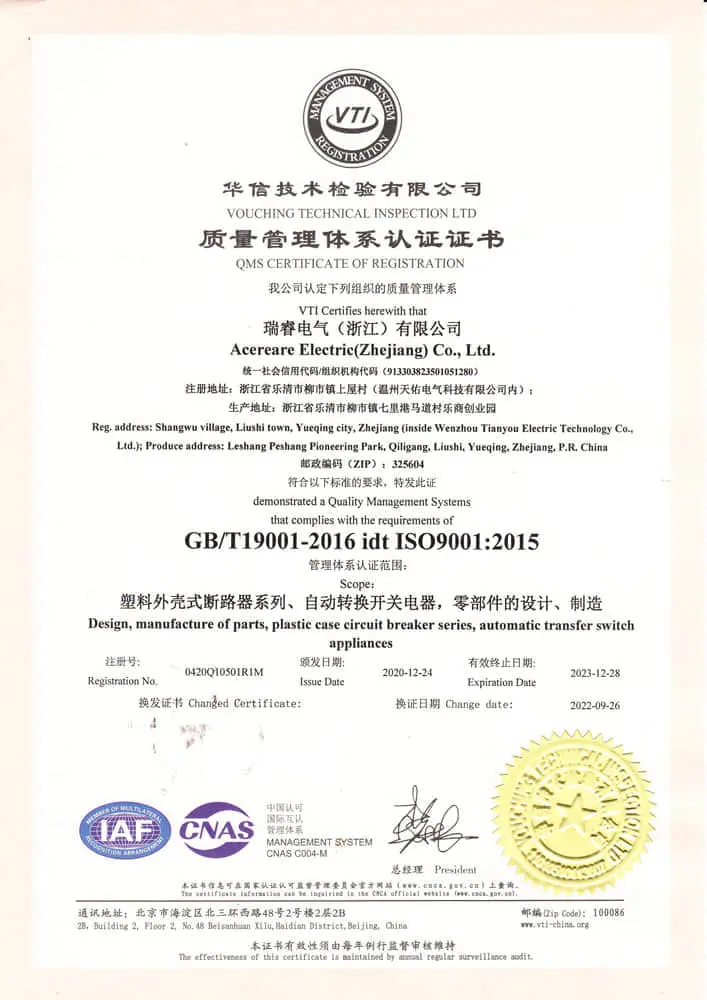
Our production processes and metal stamping assemblies comply with standard safety benchmarks.
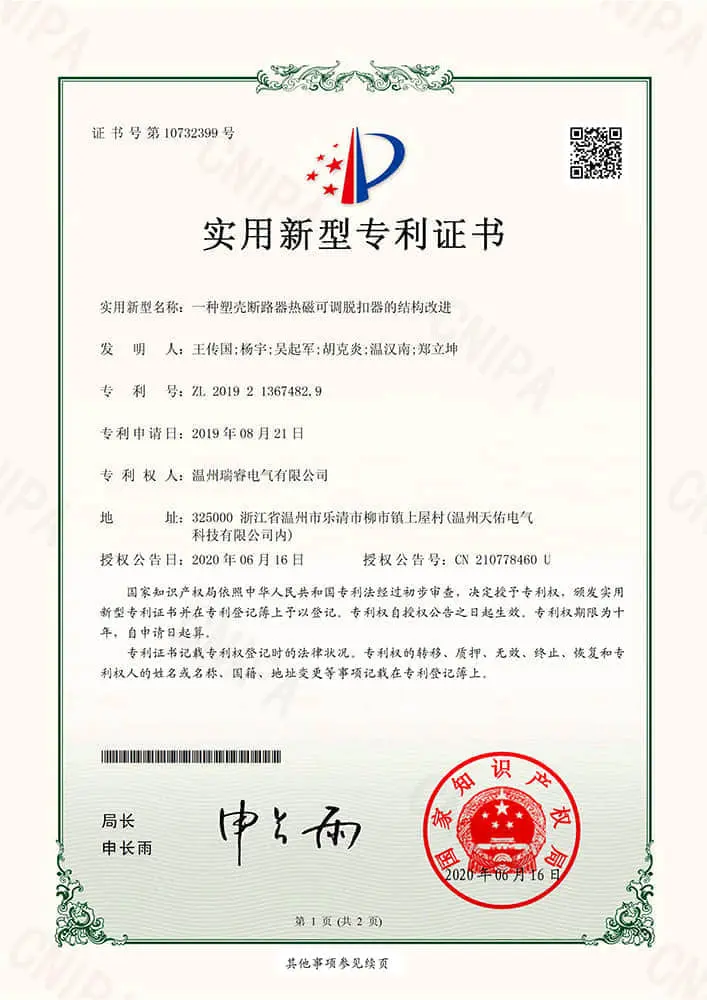
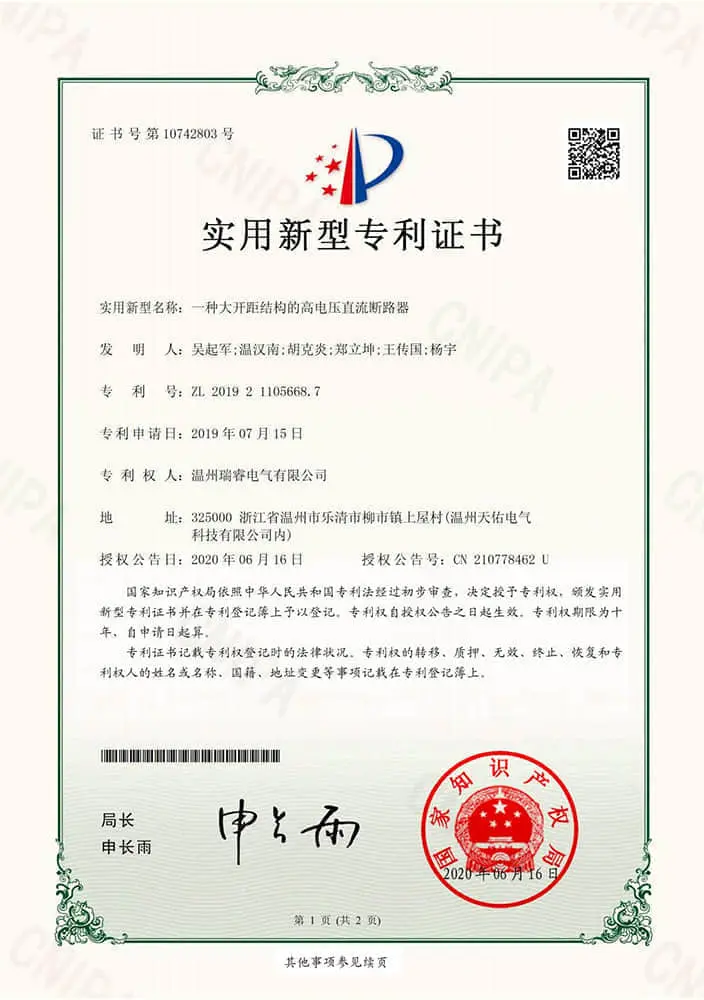
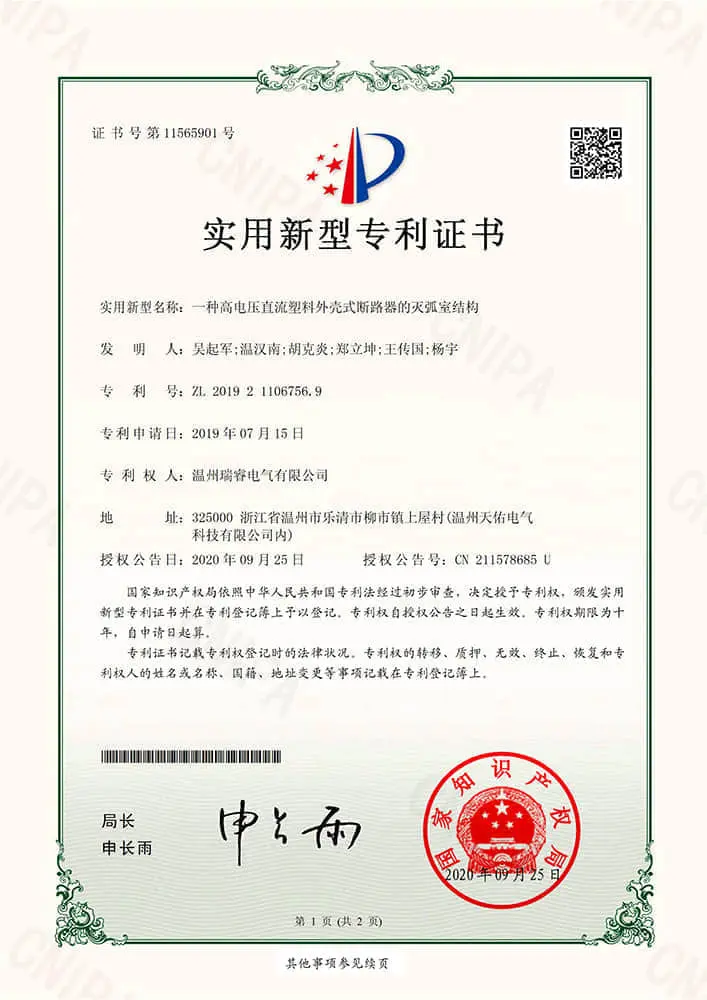
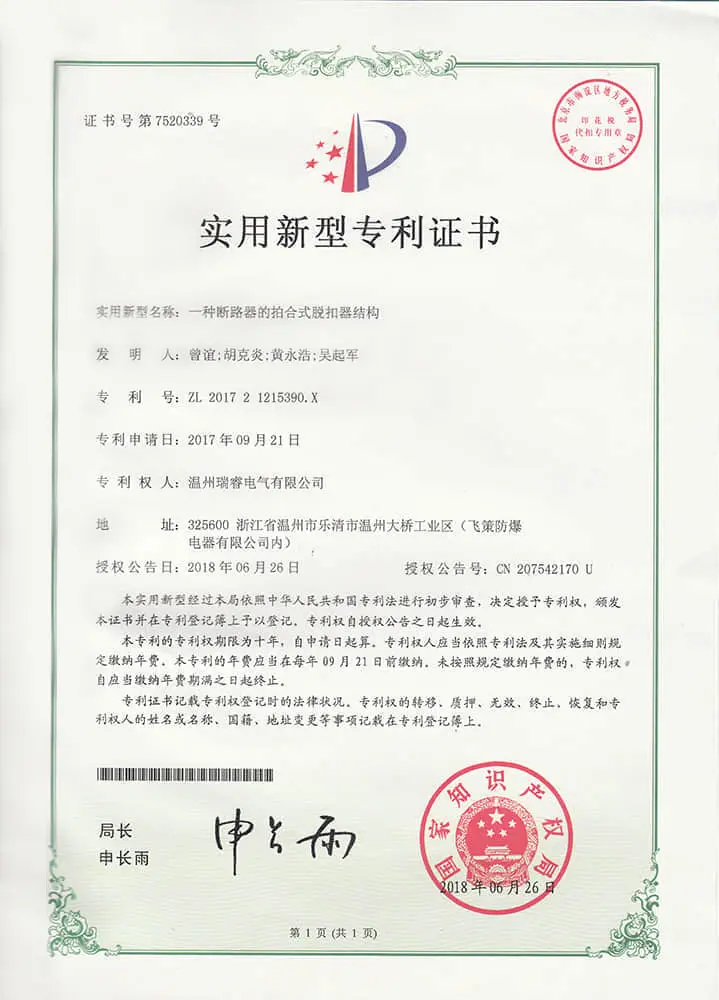
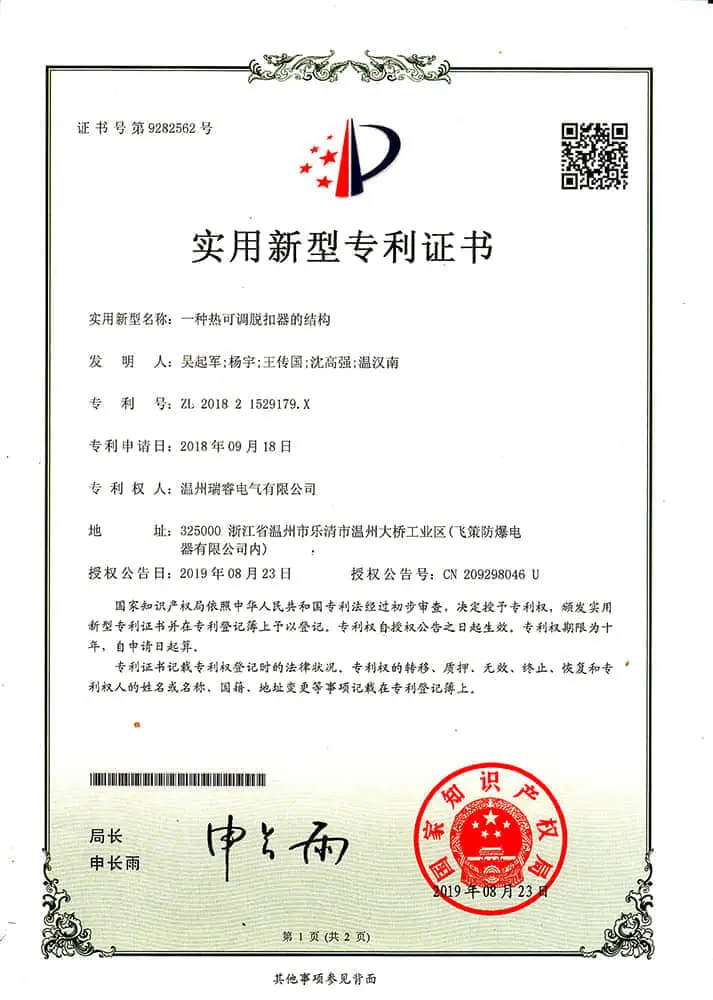
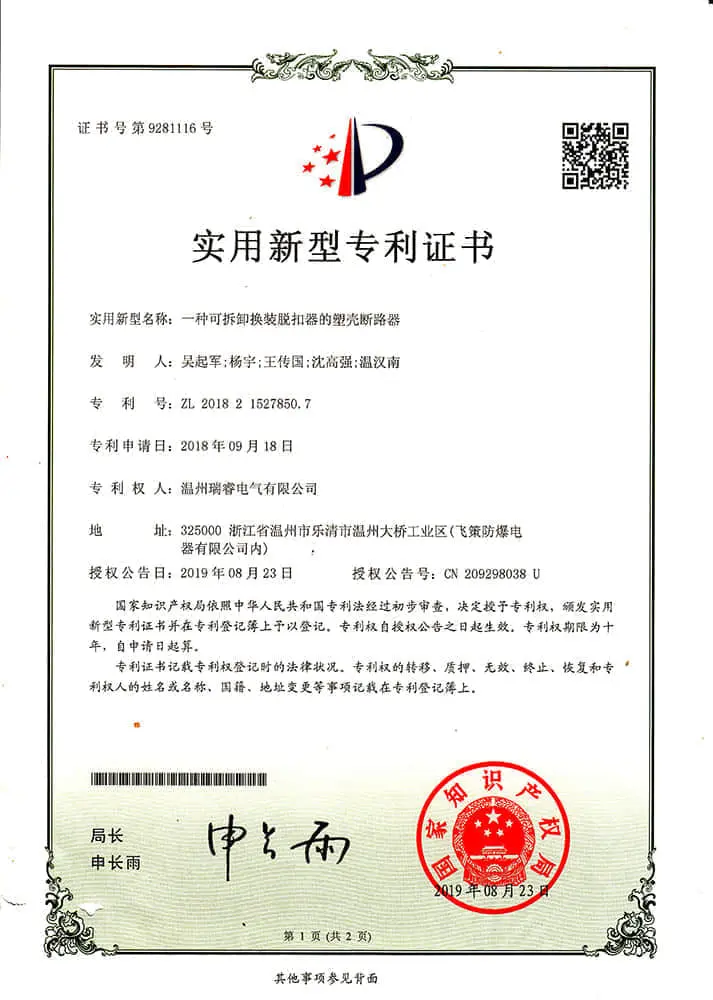
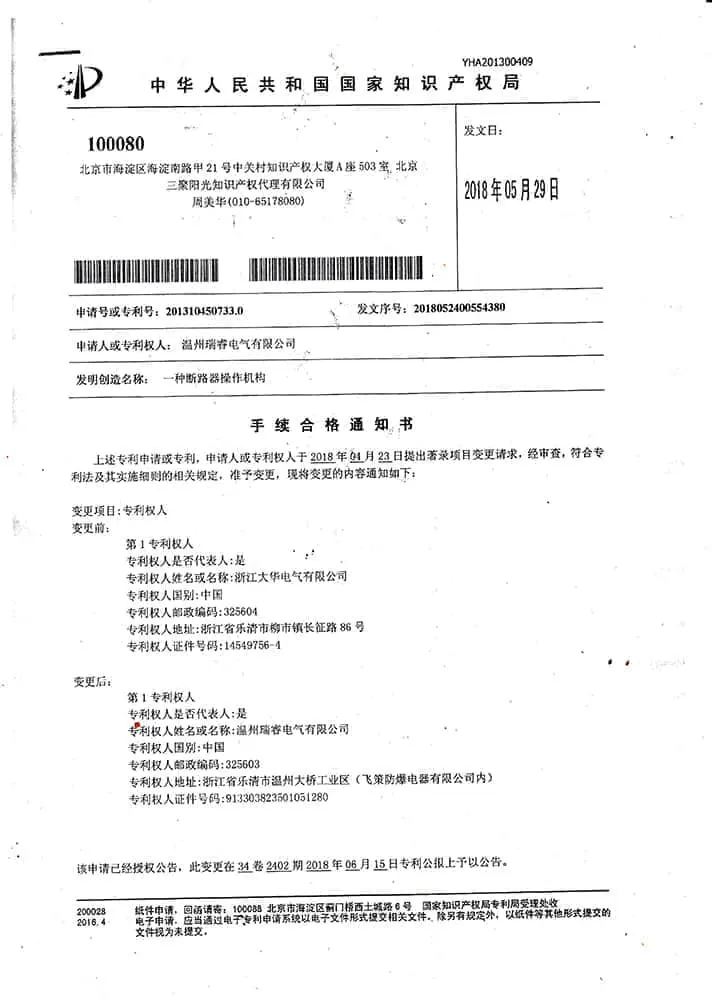
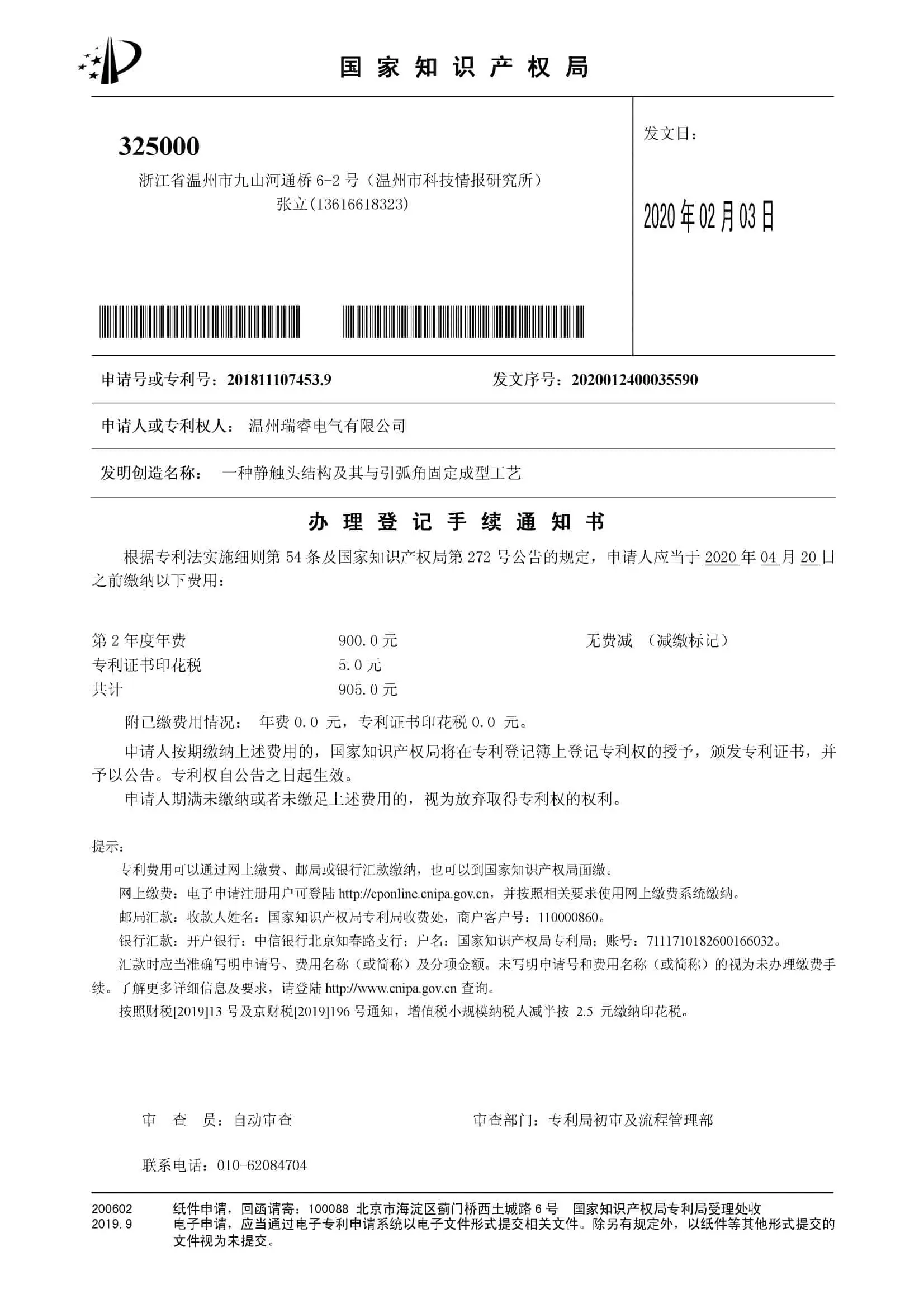
French electrical grids operate across diverse environments—from high-humidity coastal wind farms in Brittany to sub-zero conditions in alpine regions. We customize stamping and molding structures to meet these specific operating environments.
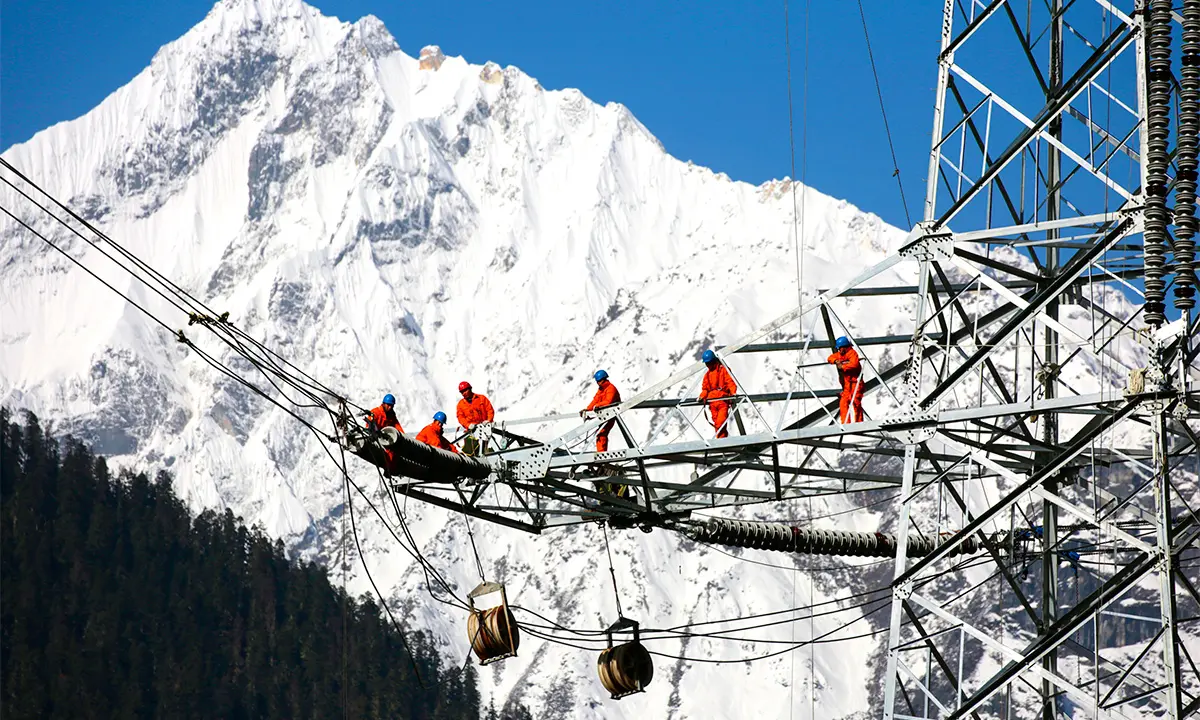
We source low-temperature resistant alloys and apply specialized synthetic lubricants to internal linkages. Components undergo rigorous testing at -40°C to prevent mechanical jamming in alpine environments.

We conduct salt spray tests—72 hours for finished MCCB breakers and 48 hours for stamping elements. Our copper and steel parts receive thick electroplated finishes to protect against marine humidity in coastal areas.
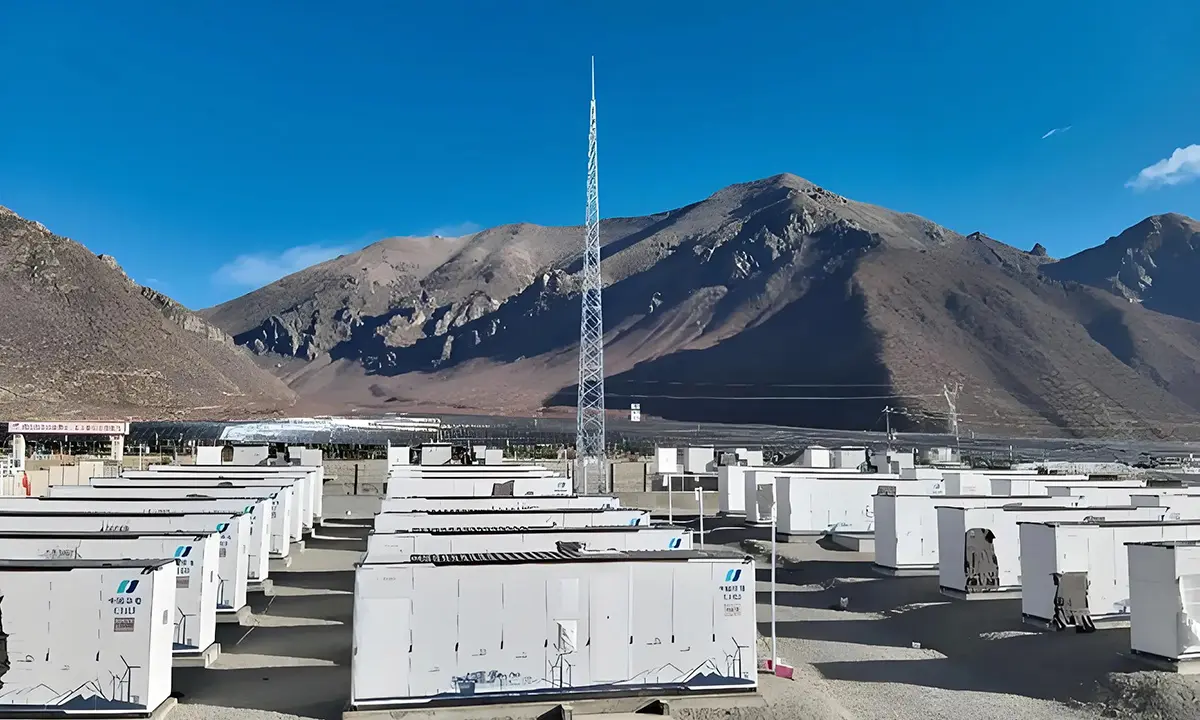
At altitudes exceeding 2000 meters, thin air reduces dielectrics and cooling efficiency. We optimize heat-dissipation pathways in the stamping design and offer precise engineering coefficients based on high-altitude derating charts.
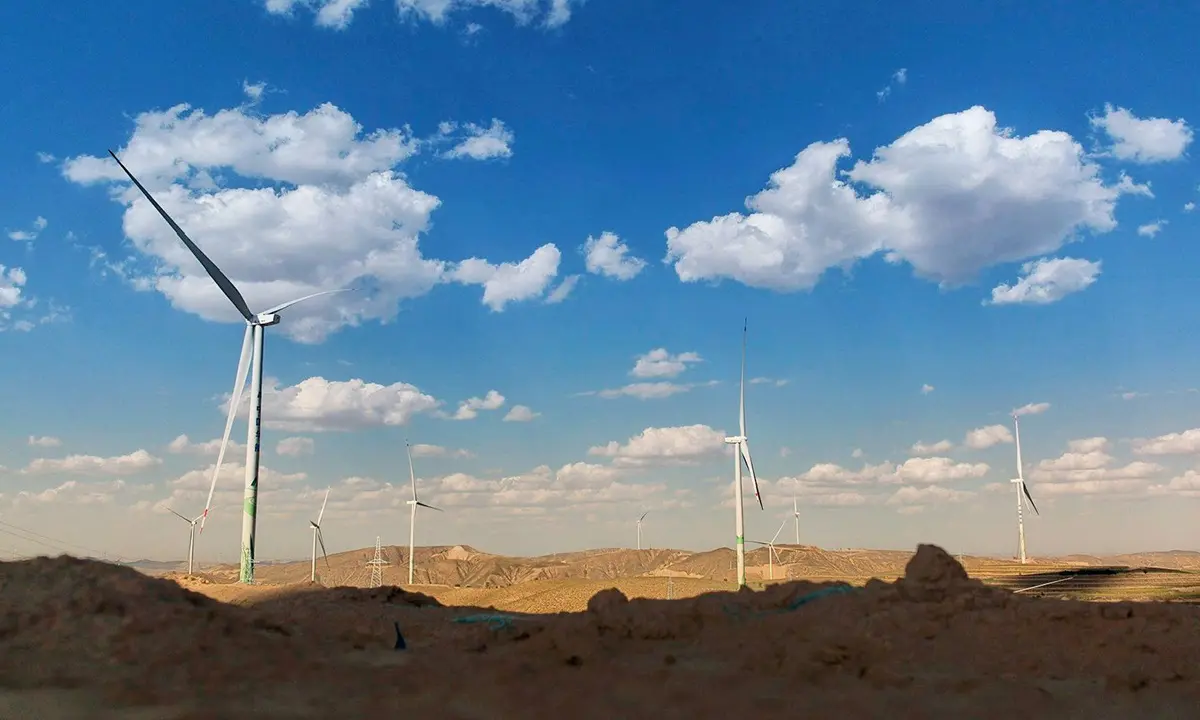
Using heat-resistant structural polymers and corrosion-proof metal plating, we verify long-term performance under high thermal stress by conducting continuous operation tests inside a 55°C chamber.
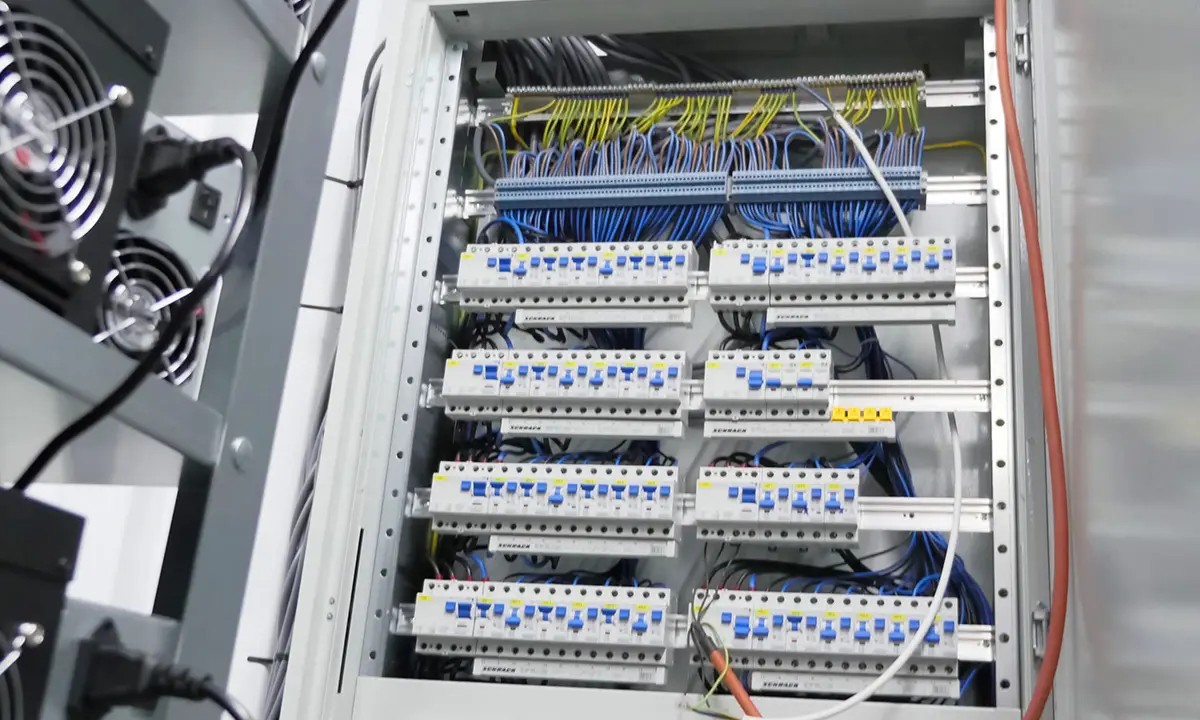
Our MCCB designs integrate communication, metering, and edge-computing. The stamping pathways are configured to house high-accuracy CT coils and digital monitoring systems for smart grids.
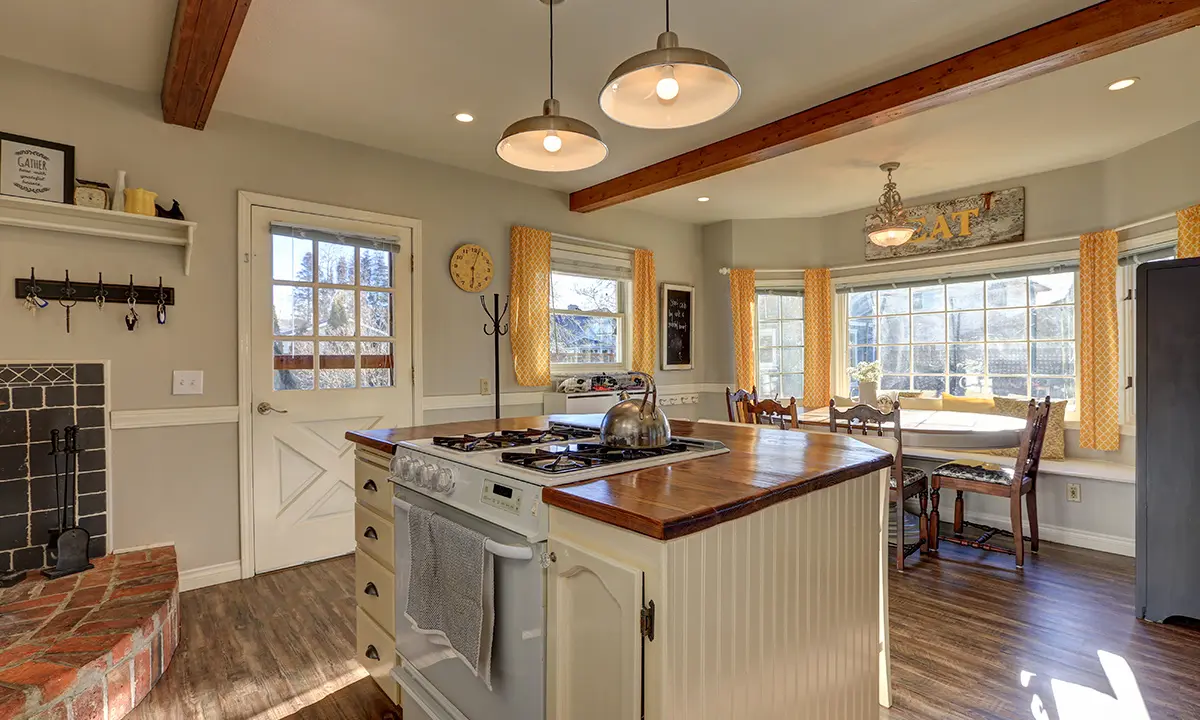
We supply compact and safe structural stamping and molding components designed for residential panel applications, ensuring reliable protection and compact footprints.
We manage the entire manufacturing cycle, from mechanical simulation and progressive tooling design to stamping, automated contact welding, and dynamic trip calibration. B2B buyers can review our production processes in the accompanying video showcase.
Customized branding, packaging, and laser-engraving on outer enclosures. We support low minimum order volumes to assist with initial market deployments.
Design and development of customized molds, functional modifications (thermal-magnetic vs. electronic trip units), and third-party laboratory verification.
Using advanced copper alloy grades and high-performance spring designs to lower contact resistance, optimize dimensions, and minimize power loss.
We manage every step from initial consultation to logistics to ensure your customized requirements are met.
High-performance molded case circuit breakers and precision internal assemblies engineered for European energy networks.
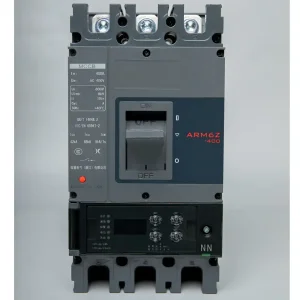
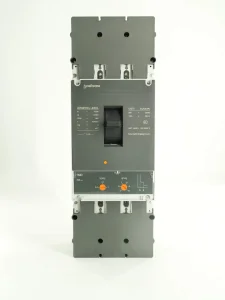
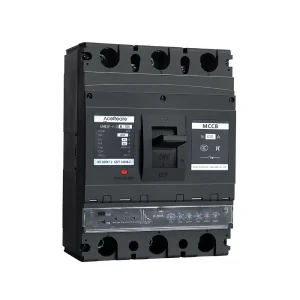
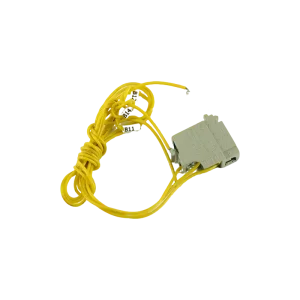
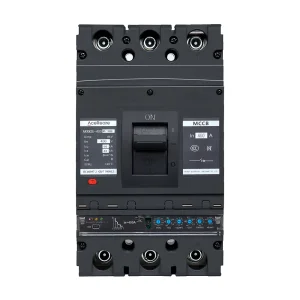
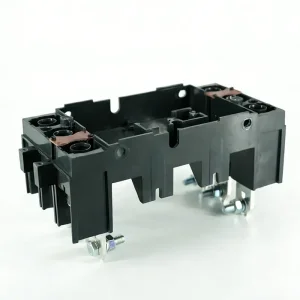
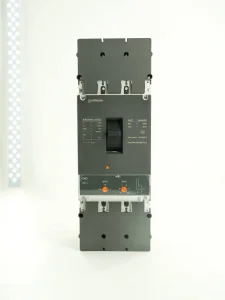
French switchgear integrators must address technical compatibility issues early in the design stage. Low-voltage circuit breakers (MCCB) installed in European networks operate under strict regulatory and environmental standards.
First, the raw materials for internal contacts require high mechanical strength and electrical conductivity. We use certified red copper (99.9% purity) and premium silver alloys to prevent degradation during repeated operation. Our progressive die stamping tools process parts with a precision of ±0.01mm. This prevents current density concentrations and limits heat buildup.
Additionally, environmental compliance is a key requirement for French and European markets. Components must conform to REACh and RoHS rules, ensuring they are free from heavy metals like lead and cadmium. Our plating facilities use hexavalent chromium-free passivation and RoHS-compliant silver plating to ensure full compliance.
Regarding testing standards, our components undergo verification according to IEC/EN 60947-2. This covers key areas like breaking capacity under short circuit, thermal-magnetic trip accuracy, and mechanical durability. Our standard testing includes salt-spray chamber runs and environmental testing down to -40°C.
| Component Type | Substrate Material | Plating Options | Tolerance Limit | Applicable Standards |
|---|---|---|---|---|
| Stamping Busbars | T2 Copper (Cu ≥ 99.9%) | Nickel (2-3μm) + Tin (5-8μm) | ±0.02 mm | IEC 60947-2, RoHS |
| Contact Plates | Copper-Beryllium Alloys / T2 | Silver Plating (3-5μm) | ±0.01 mm | EN 60947-2, REACh |
| Arc Chute Parts | Low Carbon Steel / SPCC | Zinc-plated Cr3+ Passivation | ±0.05 mm | DIN Standards |
Detailed technical and regulatory answers for engineering and sourcing managers in the European market.
We are committed to delivering competitive products and high-quality customer service. Connect with our engineering and sales teams to request quotations, test samples, and tooling reviews.
 AceReare