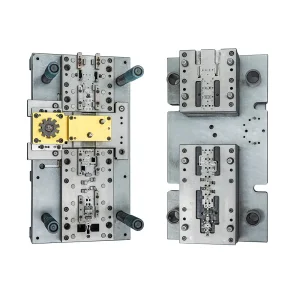
Explore our high-performance circuit protection components, precision stamping parts, and modular bases designed for strict engineering parameters.
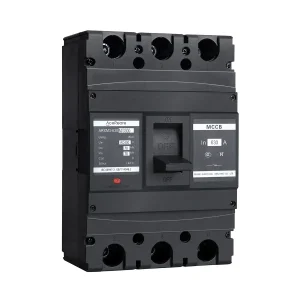
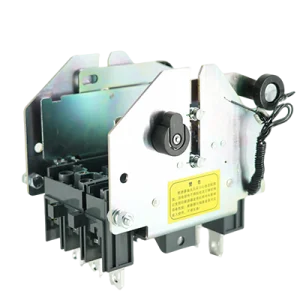
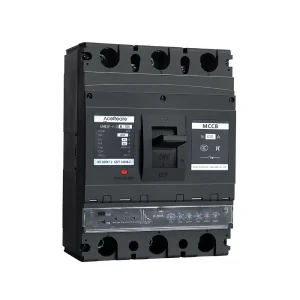
Founded in 2015, Acereare Electric operates two wholly-owned subsidiaries: RuiRui Electric and KeRui Electric. We integrate robust R&D, advanced manufacturing, and strategic market development into a seamless supply chain. With a rich heritage of electrical craftsmanship spanning over 20 years and inherited across two generations, we stand as one of China's premier original equipment manufacturers (OEM) and original design manufacturers (ODM).
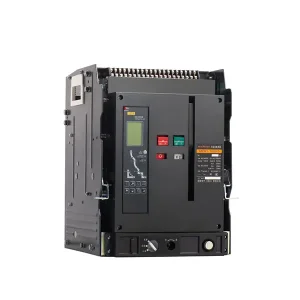
Our focus revolves around high-performance protection systems—specifically Molded Case Circuit Breakers (MCCB), Air Circuit Breakers (ACB), and auxiliary components. Serving industrial, commercial, and distribution substation requirements globally, we deliver smart electrical solutions that conform to international safety regulations.

Why sourcing from an integrated manufacturer provides superior reliability, pricing, and project speed.
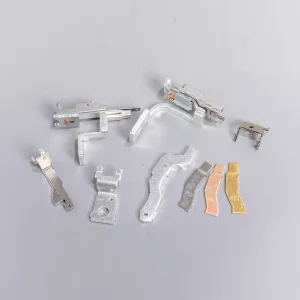
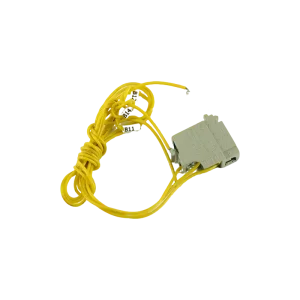
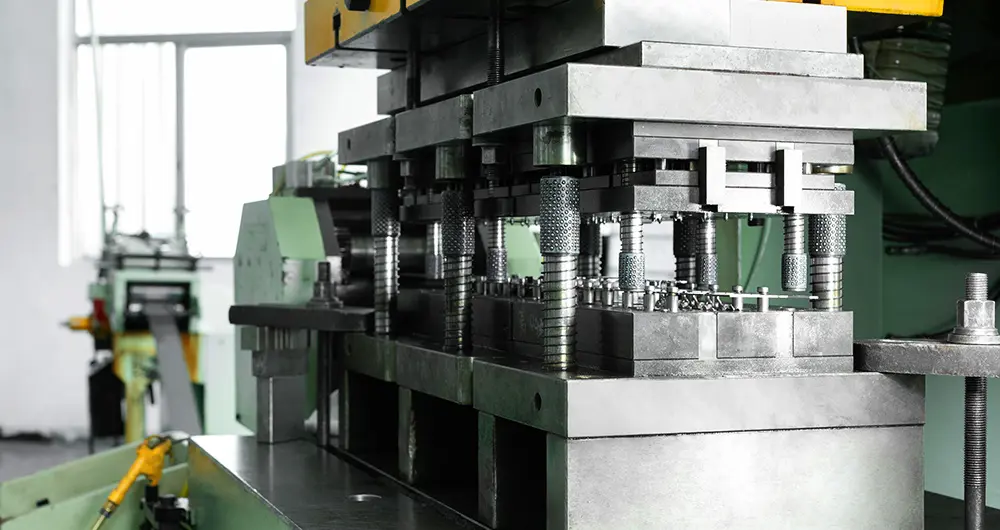
We perform metal stamping, plastic molding, busbar processing, and product assembly in-house. This internal control over components, such as drawer bases and auxiliary contacts, limits component variation, ensuring predictable performance.
By owning dual manufacturing bases, we balance localized production needs with scalable export distribution. Utilizing ERP and U8 software, we run synchronized production schedules to match strict lead times.
Based in China's electrical engineering heartland, our facilities leverage raw materials, surface plating providers, and high-efficiency freight ports to keep raw material overhead low and transit operations efficient.
Detailed analysis of core parameters, protection units, and structural designs for low-voltage power networks.

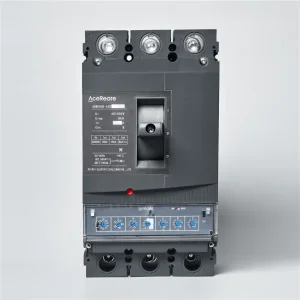
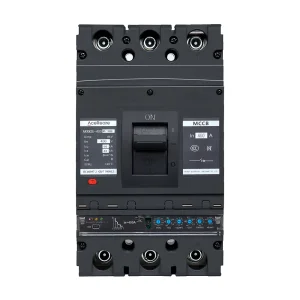
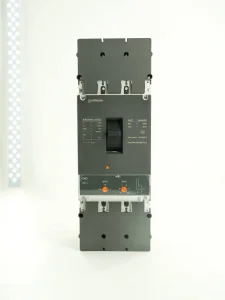
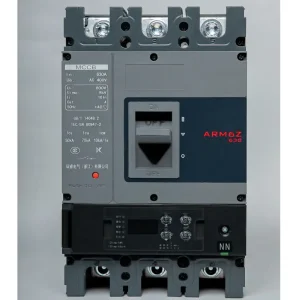
A 150 A Molded Case Circuit Breaker (MCCB) serves as a reliable protective unit in electrical distribution panels. It bridges the gap between lower-capacity miniature circuit breakers (MCBs) and high-power Air Circuit Breakers (ACBs). Operating within a rated current range of up to 150 Amps, this equipment protects against overloads and short circuits.
Evaluating cost, regulatory compliance, and mechanical specifications for industrial and commercial projects.
Global projects demand strict compliance with international standards such as CE, RoHS, and IEC 60947-2. Sourcing certified circuit protection components minimizes insurance, regulatory, and operational risks.
Evaluating initial cost against long-term maintenance, replacement intervals, and energy losses helps optimization. Integrated parts manufacturing keeps quality high and production costs competitive.
Each distribution system has unique physical footprints, terminal configurations, and trip curves. Standardized yet configurable frame designs allow rapid adjustments to support custom layouts.
Engineers need access to 3D CAD step files, trip curve charts, selective coordination tables, and installation guides to complete their distribution plans on schedule.
Aligning circuit protection equipment with regional electrical standards and installation requirements.
Electrical safety requirements differ significantly across regions. Adapting power systems to these differences requires a thorough understanding of local standards, wiring configurations, and grid characteristics.
Our circuit breakers undergo rigorous laboratory testing to perform reliably in extreme industrial environments.
Built with low-temperature resistant structural resins and specialized lubricants. Thick-coated metallic mechanisms prevent binding, certified by test reports down to -40°C.
Subjected to salt spray tests (72 hours for complete assemblies, 48 hours for sub-assemblies). Engineered to resist salty marine air in ports, coastal docks, and offshore setups.
For installations above 2000 meters, we adjust breaker operational parameters using high-altitude derating tables to compensate for lower air density and cooling capacity.
Features thermal insulation barriers on control faces and anti-corrosive copper coatings. Evaluated inside constant-temperature chambers at 55°C to limit derating in warm climates.
Provides protection alongside electrical measurement, status communications, and edge computing. Supports integration into smart grids and automated energy systems.
Compact designs protect large commercial buildings and residential developments against overloads and short circuits, helping to maintain system uptime.
Developing next-generation electrical distribution equipment designed for sustainability and smart grids.
Modern distribution boards rely on connected breakers to transmit voltage, current, power factor, and diagnostics in real time, shifting maintenance from reactive to predictive.
The growth of solar installations, battery storage, and EV charging stations has increased demand for high-voltage DC circuit breakers that can quickly interrupt direct current faults.
Manufacturers are replacing traditional materials with recyclable thermoplastics and halogens-free insulation to comply with international RoHS and REACH environmental rules.
How we take your custom circuit breaker requirements from initial consultation to final volume delivery.
We review your technical requirements, load demands, and target market standards to select the right platform.
Our R&D team drafts 3D layouts of custom enclosures, contact structures, and terminal interfaces.
Prototype samples undergo short-circuit, temperature rise, and mechanical wear tests in our laboratory.
Volume manufacturing begins on automated and manual lines, monitored by ERP and MES software.
Breakers are packed in protective custom containers, verified, and shipped via ocean or air freight.
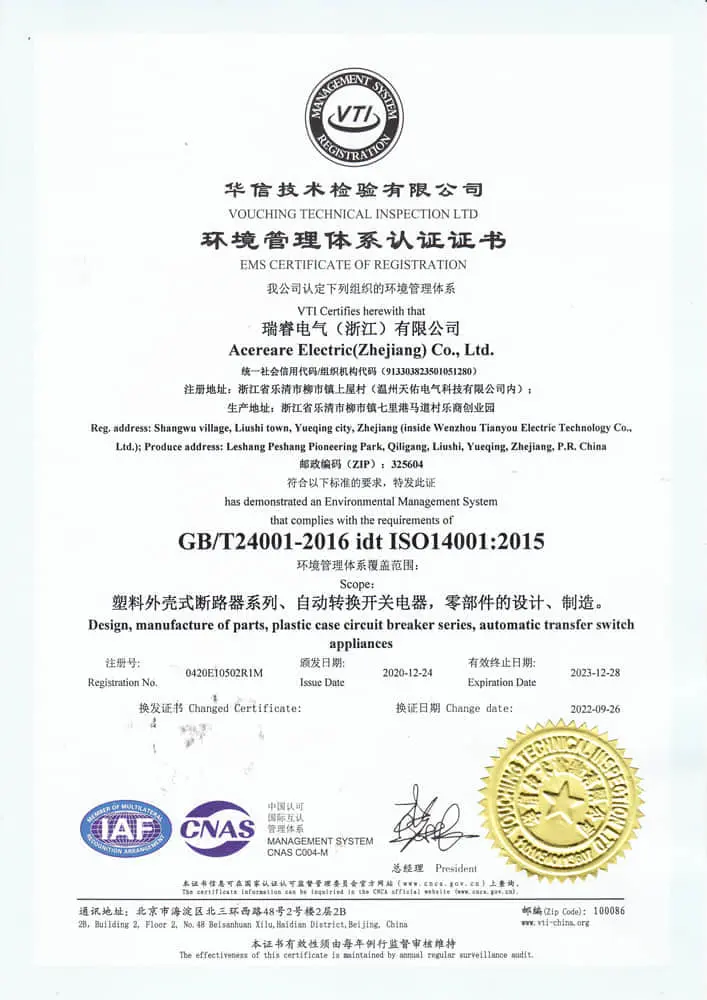
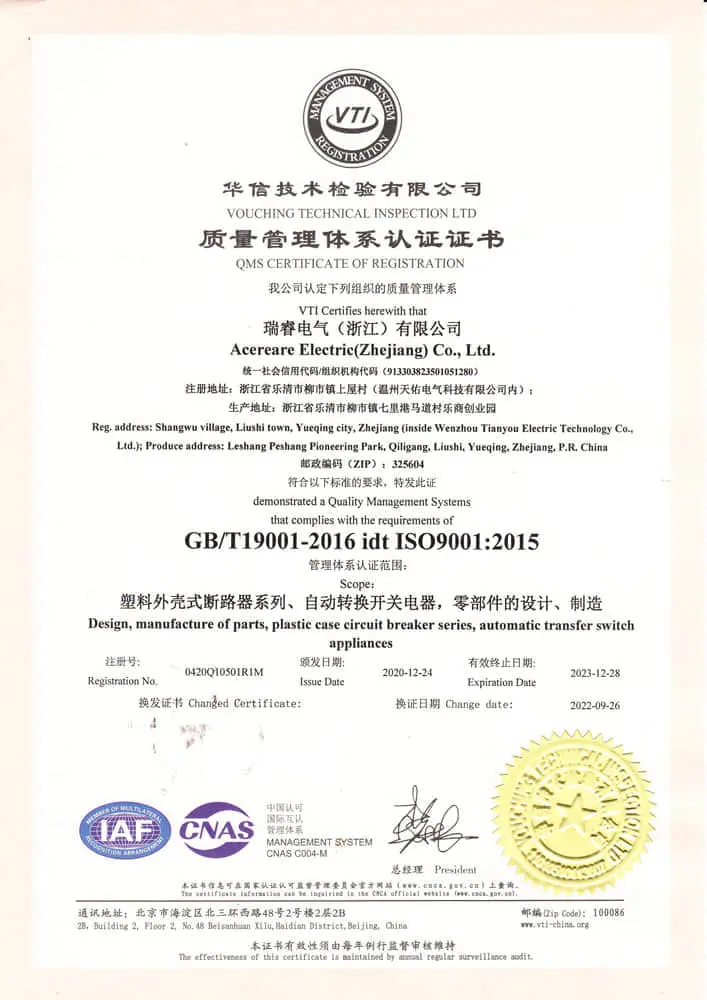
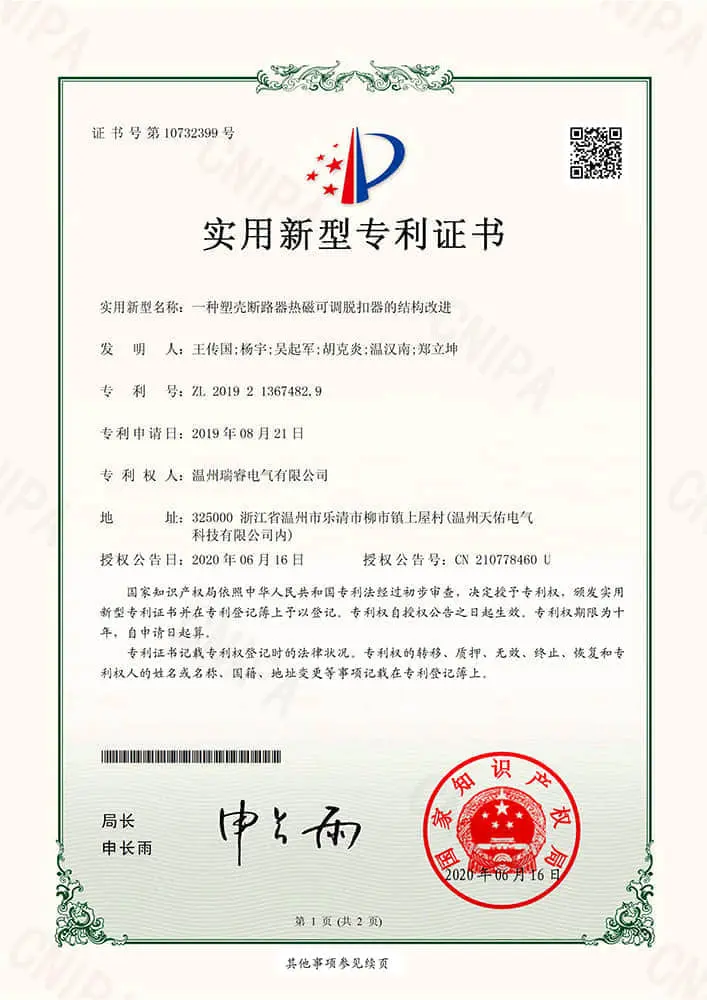
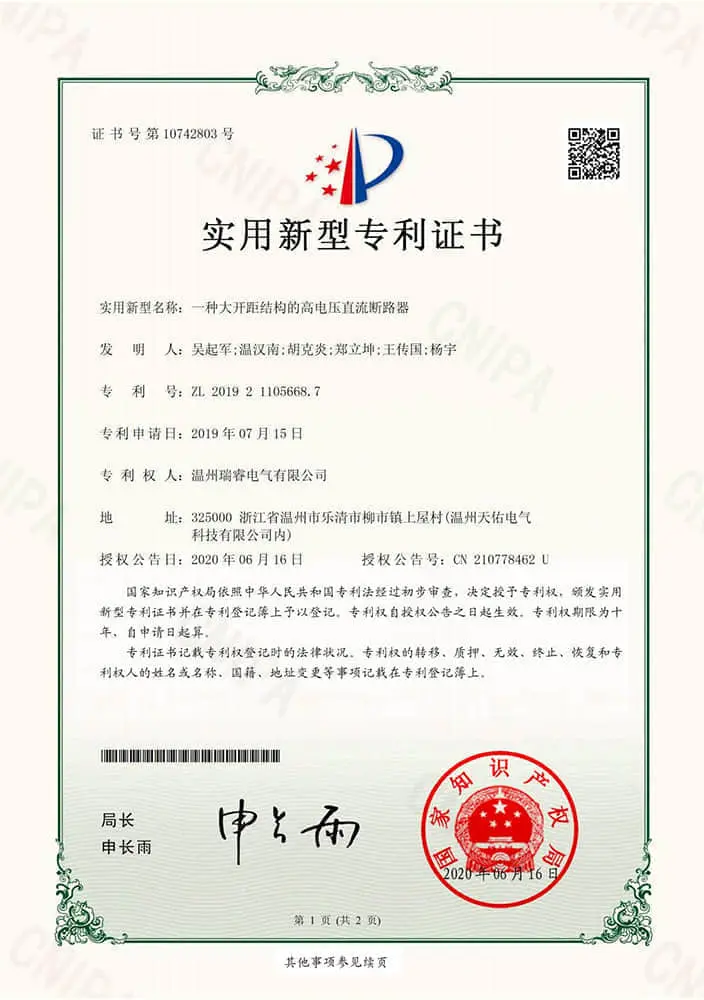
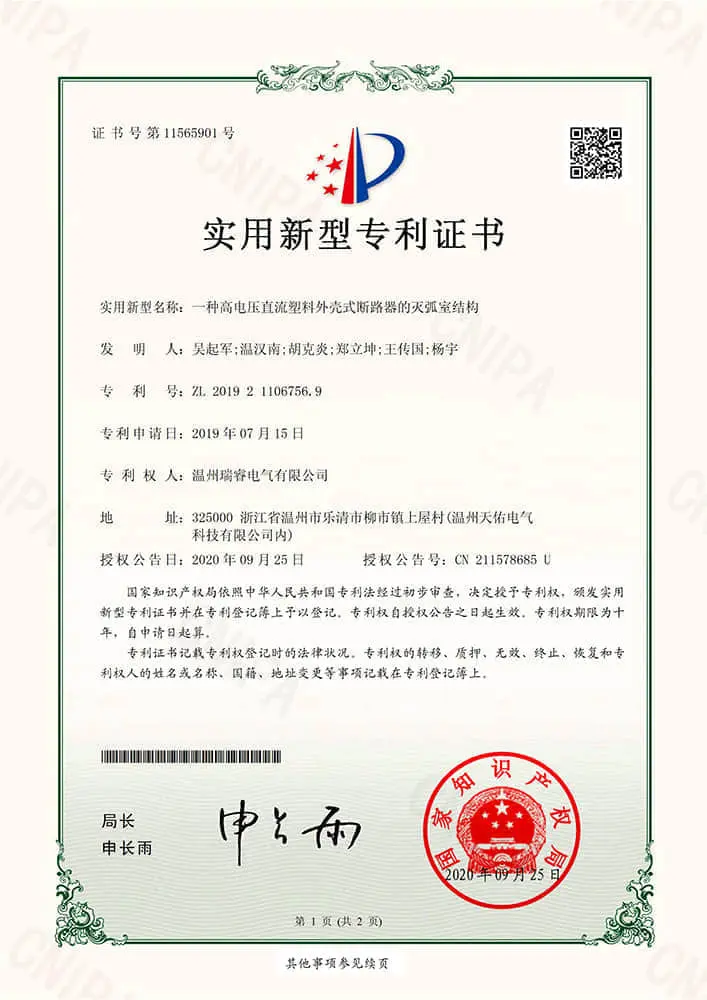
Our products are systematically tested to comply with international safety and quality standards.
Common questions regarding selection, installation, and operation of 150 Amp Molded Case Circuit Breakers.
Icu (Ultimate Short-Circuit Breaking Capacity) defines the maximum fault current the breaker can safely interrupt, though it may require replacement afterward. Ics (Service Short-Circuit Breaking Capacity) is the maximum fault current the breaker can interrupt and continue to operate afterward. For reliable distribution systems, engineers should choose breakers where Ics is 100% of Icu, ensuring continued protection after clearing a fault.
A 4-pole MCCB is used when the neutral conductor needs to be disconnected alongside the phase lines. This is common in dual-power switching configurations (like generator backup systems), systems with multiple ground references, and installations with high non-linear loads where third harmonics can cause high neutral currents.
Thermal-magnetic breakers rely on a bimetallic strip that bends under heat. If the ambient temperature inside the distribution enclosure rises above the calibrated reference temperature (typically 40°C), the breaker will trip at a lower current. In these situations, engineers must use temperature derating factors to calculate the actual usable current carrying capacity.
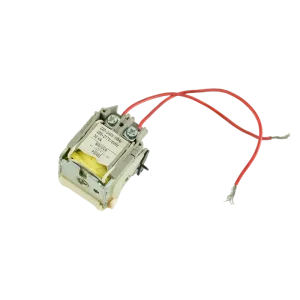
An Undervoltage Release is a safety accessory that trips the breaker if the supply voltage drops below a specified threshold (usually 35% to 70% of rated voltage). This prevents motors and industrial machinery from automatically restarting when power is restored after a brownout, helping protect operators and equipment.
Yes, most modern MCCBs are rated for both 50Hz and 60Hz. However, at 60Hz, the slightly higher frequency can cause minor shifts in the magnetic trip thresholds due to increased eddy currents. You should check the manufacturer's technical data sheets to confirm compatibility before installation.
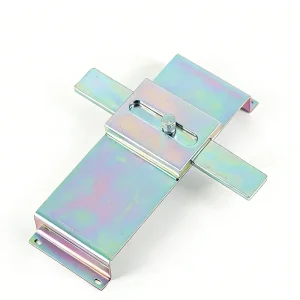
Complete your electrical distribution setups with our modular bases, interlocks, and heavy-duty switchgear.
 AceReare