Explore our high-performance low-voltage protective devices engineered for industrial, solar power, and smart grid automation environments.
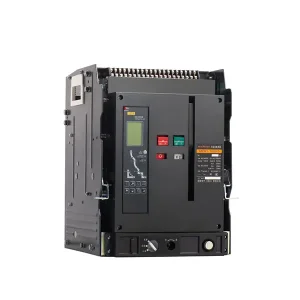
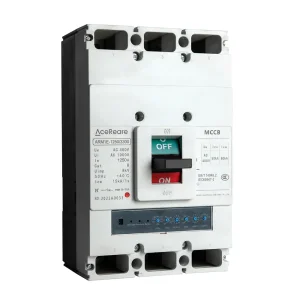
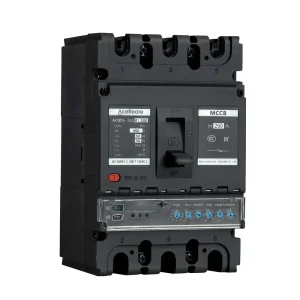
In modern industrial engineering, electrical grid resilience, safety infrastructure, and power quality protection constitute the pillars of uninterrupted operations. Low-voltage electrical switchgear, molded case circuit breakers (MCCB), and air circuit breakers (ACB) function as the intelligent gatekeepers of electrical networks, preventing catastrophic system downtimes, equipment failure, and electrical fires. As globally integrated distribution systems adapt to high-load demands, carbon neutrality objectives, and digitalization, standard protection topologies are being replaced by highly customized, communicative, and robust circuit breakers.
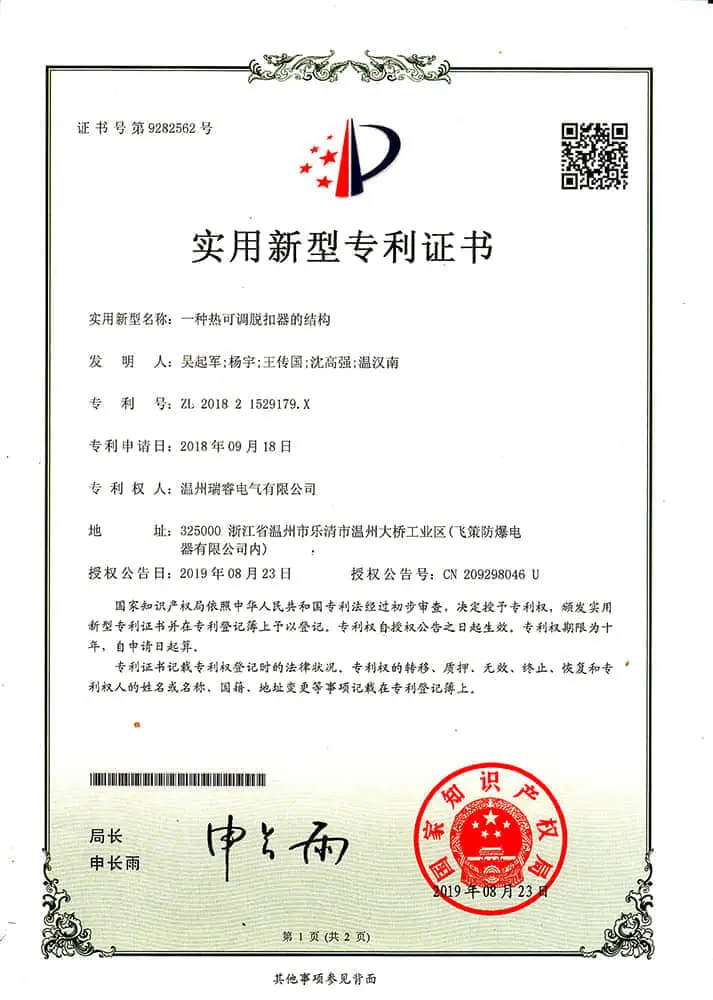
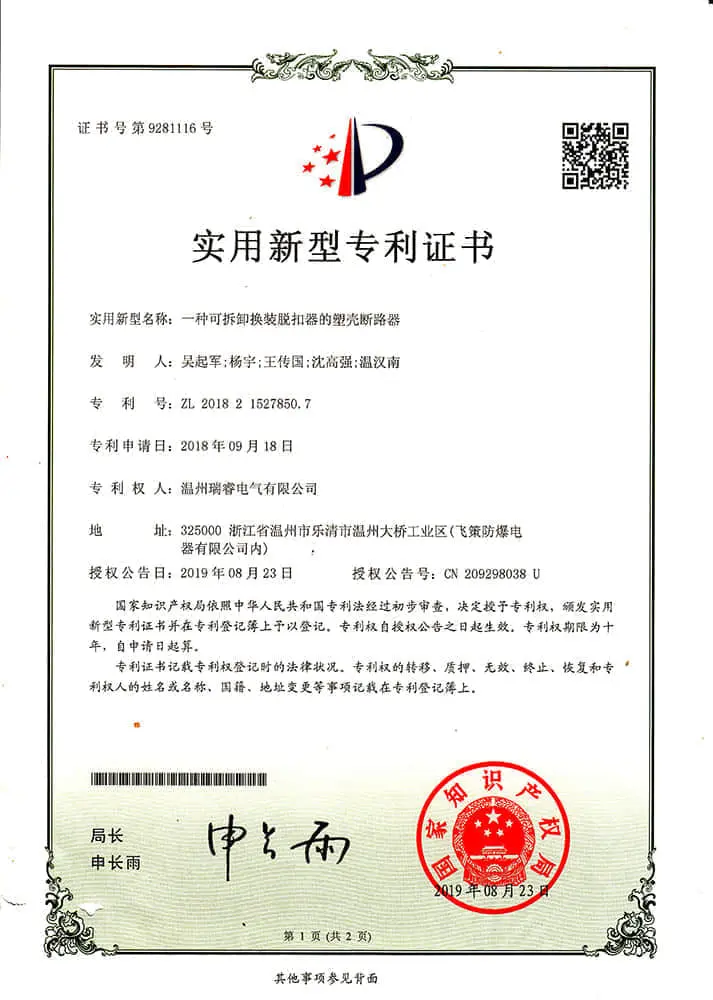
At Acereare Electric (consisting of two wholly-owned manufacturing arms: RuiRui Electric and KeRui Electric), we command over two decades of design expertise. Combining a legacy of custom craftsmanship with highly automated, digitized factories in China, we act as a key strategic partner to global B2B procurement managers, utilities, and engineering firms seeking to reinforce their logistics chain with reliable circuit protection technologies.
B2B procurement departments handling electrical systems face a highly volatile market defined by logistical bottlenecks, raw material cost fluctuations (copper, engineering plastics, silver contacts), and escalating technical standards. To satisfy modern regulatory frameworks (such as CE, IEC 60947-2, CCC), buyers can no longer rely on single-source brokers. Rather, they require direct access to original manufacturers with comprehensive design verification, automated manufacturing capabilities, and strategic component stocks.
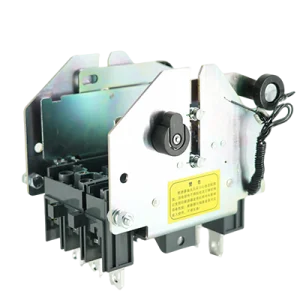
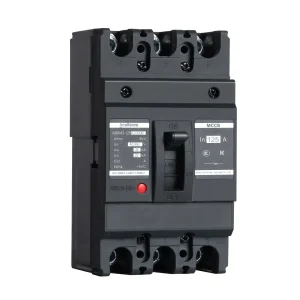
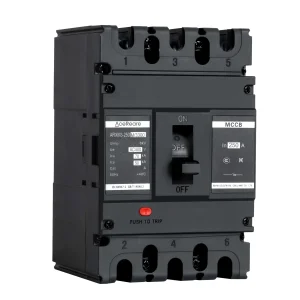
Acereare Electric addresses these challenges by offering vertical integration. Our control over component fabrication—ranging from stamping terminal blocks and winding coils to advanced injection molding of flame-retardant housings—guarantees that every product, including our specialized *ARM5 drawer bases* and *ARXM3 thermal-magnetic circuit breakers*, achieves rigorous tolerances. Our ERP-controlled, dual-factory configuration guarantees structural flexibility and continuous supply capacity, mitigating geopolitical and economic disruptions.
Adhering to mutual B2B success, we have established strategic cooperations with nearly 100 high-end domestic and international clients.
One-stop processing encompassing six distinct advanced production technologies, high-precision automated assembly lines, and calibrated performance verification apparatus.
More than 50 mechanical and electrical engineers skilled in 3D CAD/CAE modeling, developing over 50 custom engineering projects and proprietary patents yearly.
Two specialized subsidiary factories leveraging ERP and UFIDA U8 systems to coordinate material planning, warehouse operations, and timely international shipments.
In-house laboratories executing rigorous electrical, mechanical, thermal, and environment simulations integrated with real-time MES/PLM quality tracking software.
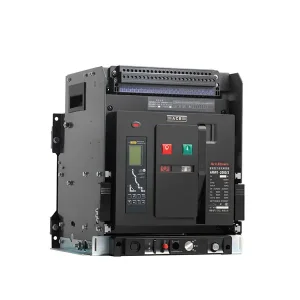
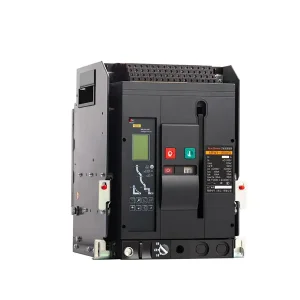
The paradigm of Chinese manufacturing has evolved from simple assembly lines into "Smart Manufacturing 4.0." Under our specialized factory system, we leverage cyber-physical systems, real-time telemetry, and predictive tool maintenance. Our implementation of automated copper punching machines and robotic terminal screw drivers limits mechanical variations, ensuring consistent performance for high-current applications like our *ARW1 series ACB (up to 6300A)*.
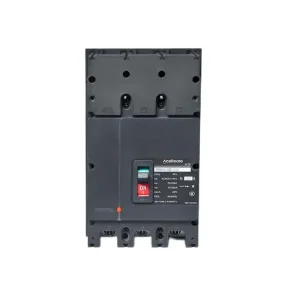
Additionally, we mitigate risk through automated internal calibration checks. Our computer-guided testing systems check every single MCCB's calibration curve (thermal overload and magnetic short-circuit response times) prior to shipping. This level of traceability ensures that our high-capacity components perform reliably when deployed in safety-critical networks.
A major development in modern distribution systems is the transition towards higher voltage levels, particularly in grid-tied solar photovoltaic (PV) generators. Commercial solar arrays use high-power string inverters, which push operating AC voltages up to 800V, 1000V, or 1140V to minimize thermal line losses. Traditional electrical breakers struggle in these high-voltage environments, often failing due to insufficient arc-chute capability or dielectric degradation.
Acereare Electric has developed a series of specialized high-voltage solar MCCBs designed to isolate systems operating up to 1140VAC. Integrating magnetic arc-extinguishing grids and reinforced contact systems, these units prevent thermal runaway and handle massive short-circuit stresses, protecting valuable inverter circuits and solar installations.
We customize our low-voltage products to meet specialized, challenging, and extreme operating requirements worldwide.
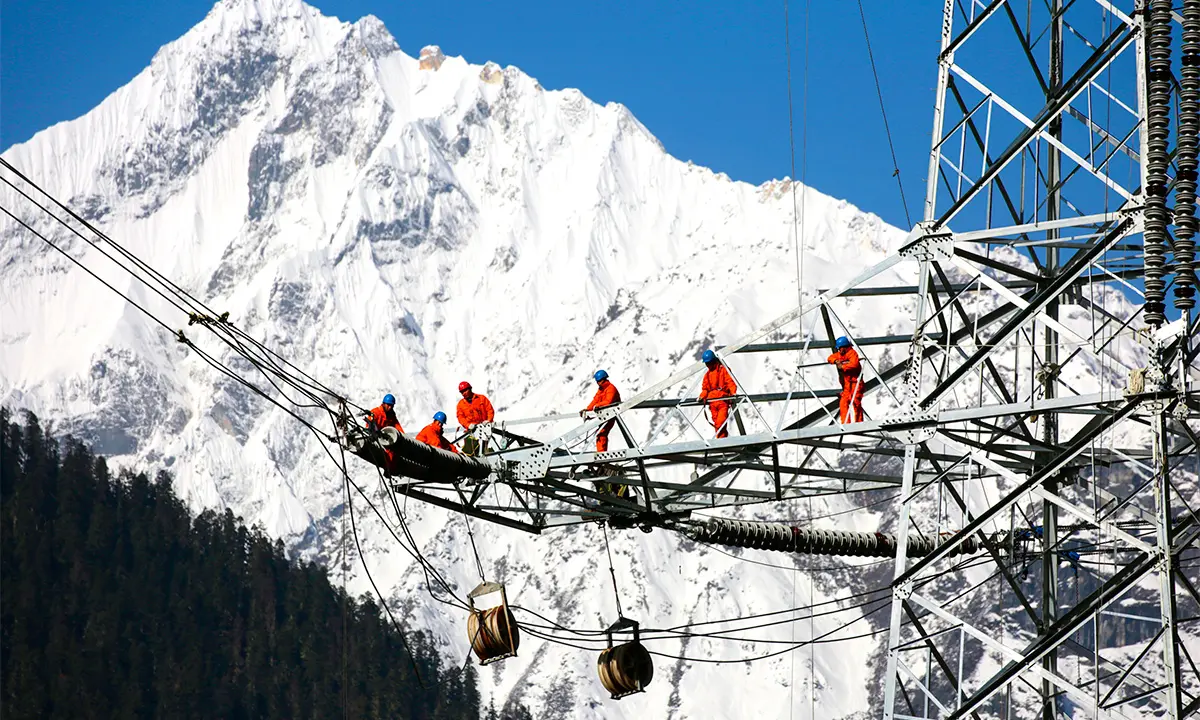
Utilizing high-impact engineered plastics and low-viscosity greases, our circuit breakers carry test validations verifying mechanical operations down to -40°C. This makes them ideal for polar substations and cold-storage facilities.

To resist corrosion in marine environments, we execute 72-hour complete machine and 48-hour sub-assembly salt spray tests. This is critical for docks, sea freight ports, and offshore auxiliary facilities where saline air degrades standard steel components.
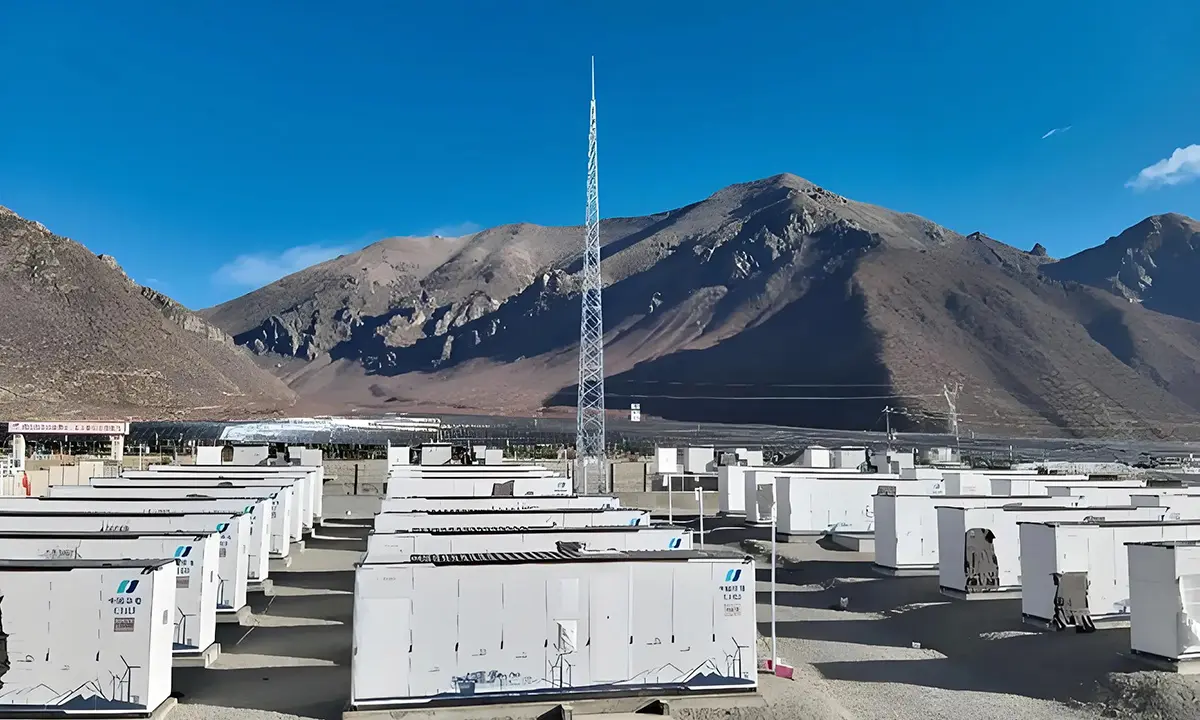
At altitudes above 2000m, low atmospheric density alters heat dissipation and air insulation properties. We provide detailed high-altitude derating data, modifying safety coefficients to maintain performance up to 5000m.

Providing compact protection for residential distribution blocks, ensuring reliable overload and short-circuit isolation for lighting, HVAC, and household electrical circuits.
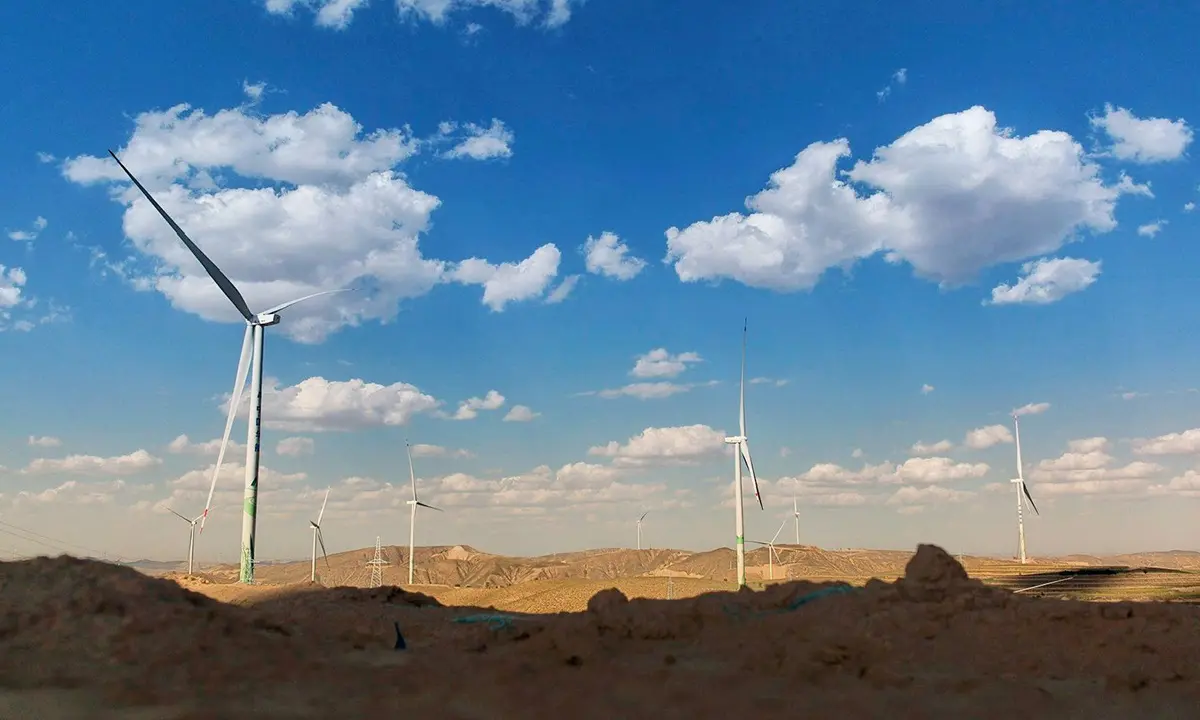
Engineered for high-ambient industrial machinery zones. Operating continuously within our 55°C test chambers, these units feature custom thermal barriers and tin/silver plated copper components to prevent oxidation.
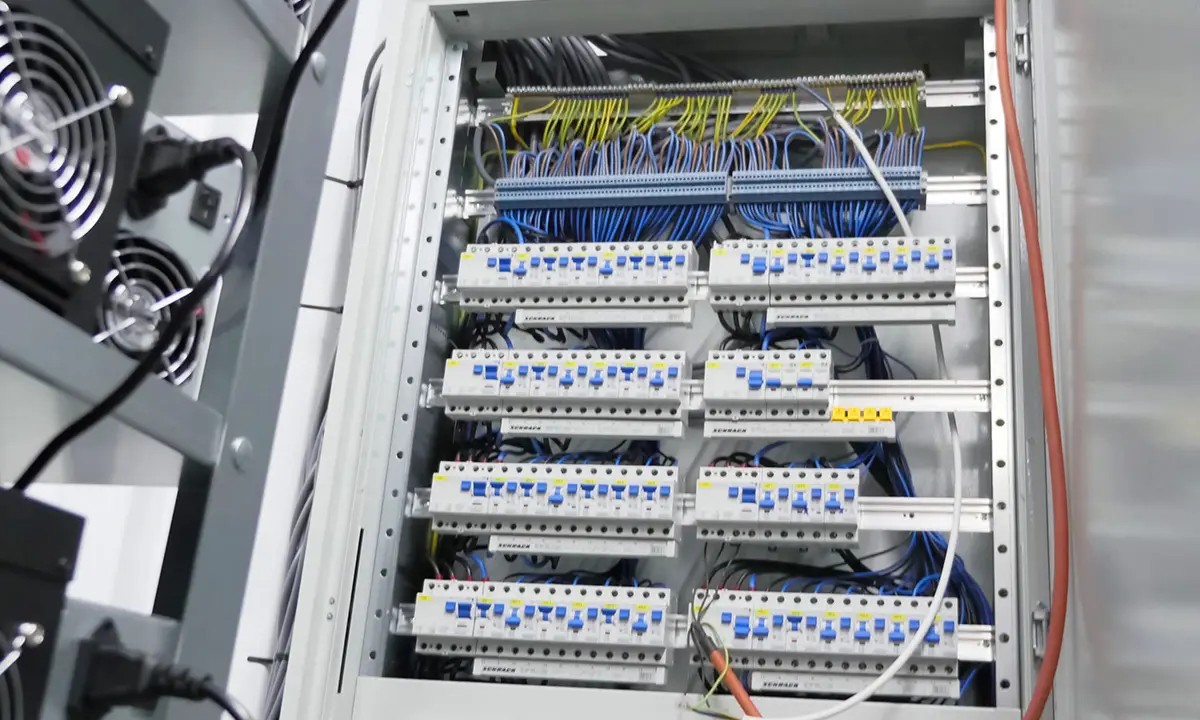
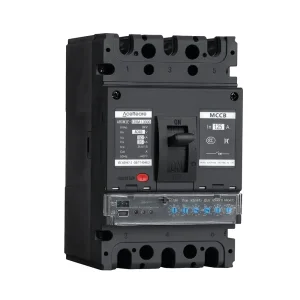
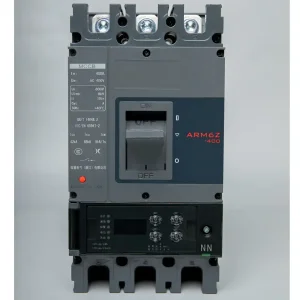
Our smart circuit breakers (e.g., *ARM6Z series with LCD display*) integrate current transformers, metering microcontrollers, and Modbus communications. They support edge computing, high-precision power metering, and remote grid management.
We provide professional, customized manufacturing solutions to help establish and expand your local brand footprint.
We analyze your target market requirements and establish electrical specifications.
Our team develops tailored CAD drawings, electrical schematics, and mechanical models.
We supply functional samples for performance validation in your target markets.
We initiate raw material quality checks, automated assembly, and calibration checks.
Our team manages sea, air, and land freight customs clearance and shipping.
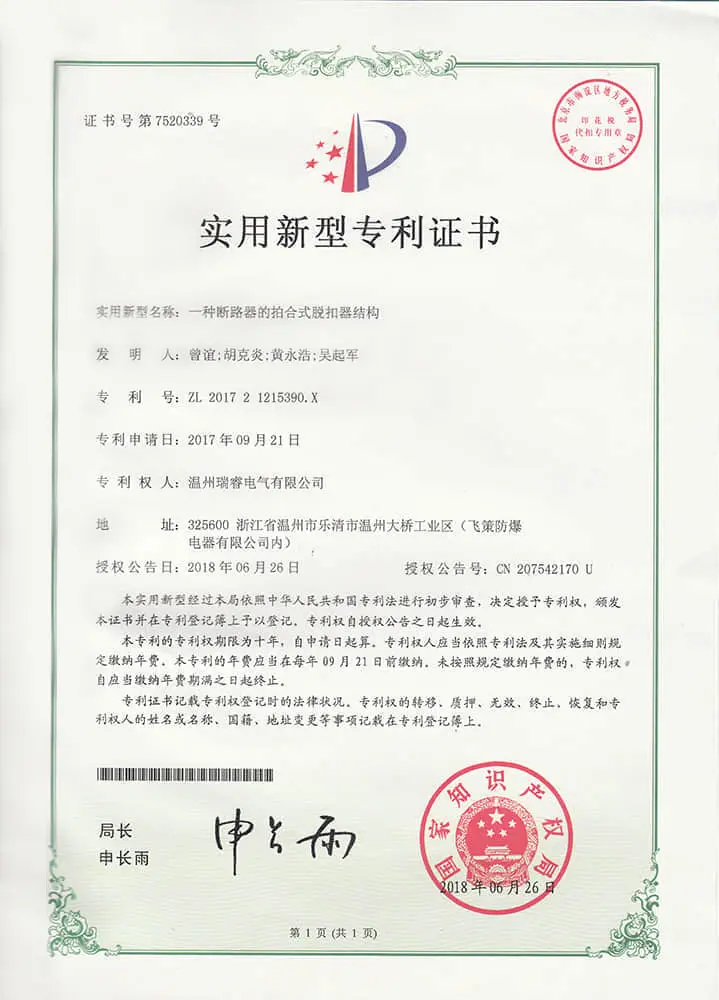
Every circuit breaker model is designed, validated, and manufactured to meet global safety standards.
Expert answers regarding B2B circuit breaker selection, technical parameters, and procurement logistics.
Thermal-magnetic trip units rely on bimetallic strips and electromagnetic coils to trigger trips based on heating curves and high fault currents. This is a reliable, economical option. Electronic LSIG trip units utilize current transformers and microprocessors to monitor current values. They offer adjustable setting thresholds for Long-time delay (L), Short-time delay (S), Instantaneous pickup (I), and Ground fault protection (G). This supports precise system selectivity and coordination.
Standard industrial MCCBs are rated for 400V or 690VAC. In solar inverter applications, AC voltages frequently reach 800V or 1140VAC. Using standard switchgear here can cause sustained electrical arcing during trip events, leading to catastrophic failure. High-voltage MCCBs are engineered with elongated contact paths, advanced magnetic arc-chutes, and specific dielectric isolation to extinguish high-energy AC arcs quickly.
Drawer bases, like the *ARM5 series*, allow maintenance staff to pull the circuit breaker body out of the switchboard without disconnecting primary busbars. This slide-out system disconnects load and line terminals automatically. It provides safe isolation for inspections, servicing, or quick unit swaps, minimizing overall down-time.
Standard stock configurations are processed and prepared for shipping within 15–20 days. OEM projects requiring specialized logo branding, custom printing, and custom packaging generally take 30–45 days. Complete ODM projects with custom structural molds and electrical testing cycles are scheduled on a case-by-case basis.
At altitudes above 2000 meters, thin air reduces heat dissipation by convection, and low atmospheric pressure lowers the dielectric strength of air gaps. This can lead to faster thermal tripping at lower current values. To compensate, designers apply altitude derating coefficients, adjusting operating voltages, dielectric withstand voltages, and rated current values to keep operating temperatures safe.
Browse our advanced digital circuit breakers, adjustable trip models, and factory-direct industrial components.
 AceReare