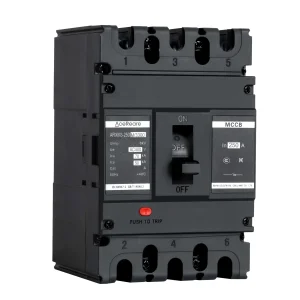
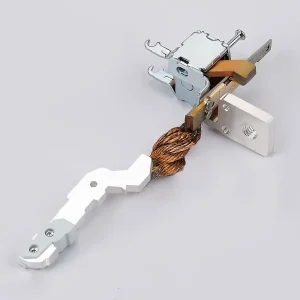
The global transition towards zero-emission infrastructure requires highly reliable and robust electrical protection systems. As photovoltaic (PV) generation, Battery Energy Storage Systems (BESS), and electric vehicle (EV) charging networks transition to higher operating voltages to reduce system losses, the demand for high-performance DC Molded Case Circuit Breakers (MCCBs) has grown significantly. In DC systems, fault currents represent a unique set of challenges compared to AC environments. The absence of a natural voltage zero-crossing makes electrical arc extinguishment complex and demanding, requiring precise magnetic blowout geometries and sophisticated contact materials.
Acereare Group is at the forefront of this industrial shift. Leveraging advanced thermodynamic modeling and extensive electromagnetic field simulations, our wholesale DC Molded Case Circuit Breakers deliver stable circuit interruption under critical short-circuit states. From centralized solar inverters to commercial-scale energy storage racks, our engineering protects expensive downstream assets while maintaining long-term operational longevity.
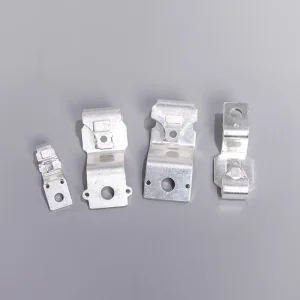
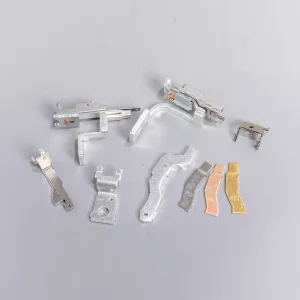
Founded in 2015, Acereare Electric operates through two wholly-owned subsidiaries, RuiRui Electric and KeRui Electric. We specialize in the design, development, and high-volume manufacture of Molded Case Circuit Breakers (MCCB), Air Circuit Breakers (ACB), and structural components. Our engineering heritage spans over two generations of research, production, and quality control.
We are a trusted ODM and OEM partner for leading brands worldwide, combining raw material sourcing, tooling fabrication, precision stamping, and final assembly under a single system.
R&D Team
Employees
Annual Sales (RMB)
One-stop processing covering six distinct manufacturing methodologies. Equipped with high-precision testing machinery, automatic stamping systems, and ten assembly lines optimized for scale and precision.
Our team of 50+ engineers utilizes 3D computer-aided engineering (CAE) platforms to perform structural, thermodynamic, and kinematic simulations, delivering over 50 completed projects annually.
Two distinct factories manage internal parts stamping, contact plating, and complete breaker integration. Unified through U8 ERP and PLM suites to ensure precise scheduling and material trace-ability.
Our ISO-accredited test lab runs comprehensive tests with more than 150 calibrated instruments. In-line and final QA are monitored via MES and BI databases to eliminate production anomalies.
Across Europe, the Americas, and the Asia-Pacific region, renewable energy integration has moved from small-scale pilots to multi-megawatt utility grids. Modern solar energy sites frequently use 1000V to 1500V DC layouts. These higher voltages reduce power losses over long cable runs but require circuit breakers capable of clearing high energy faults safely. In battery storage installations (BESS), short-circuit current rise times are exceptionally fast, needing microsecond interruption speeds to prevent battery fire risk.
This demanding operating environment makes high-capacity DC Molded Case Circuit Breakers critical safety components. Breakers must manage physical wear on contacts, maintain electrical insulation under high humidity, and operate reliably during fault events. Acereare Group designs and manufactures these systems with enhanced safety margins to meet the demanding requirements of commercial and industrial applications.
Unlike AC current, which naturally crosses zero 100 or 120 times per second, DC current flows continuously without interruption. When a breaker's contacts open under load, a high-temperature plasma arc forms. This arc will persist unless the circuit breaker can increase the arc voltage above the system's supply voltage. Our design solves this by incorporating two key features: permanent magnets that generate a strong Lorentz force to push the arc into the extinguishing chamber, and a multi-segmented arc chute with de-ionization plates that cool and split the arc, extinguishing it within milliseconds.
| Technical Criterion | AC Circuit Breaking Challenge | DC Circuit Breaking Solution |
|---|---|---|
| Zero-Crossing Point | Natural zero-crossing allows self-extinguishing of the arc. | No natural zero-crossing; arc must be forced to zero via high arc voltage. |
| Arc Chute Dynamics | Standard splitter plates are sufficient. | Elongated, narrow arc chutes with permanent magnet blowout helpers. |
| Contact Materials | Silver-Nickel / Silver-Copper alloys for AC load profiles. | Silver-Tin-Oxide (AgSnO2) with thick silver plating to prevent contact welding. |
| Grid Configuration | 2, 3, or 4 poles based on phase configuration. | Multi-poles connected in series to share the DC voltage drop. |
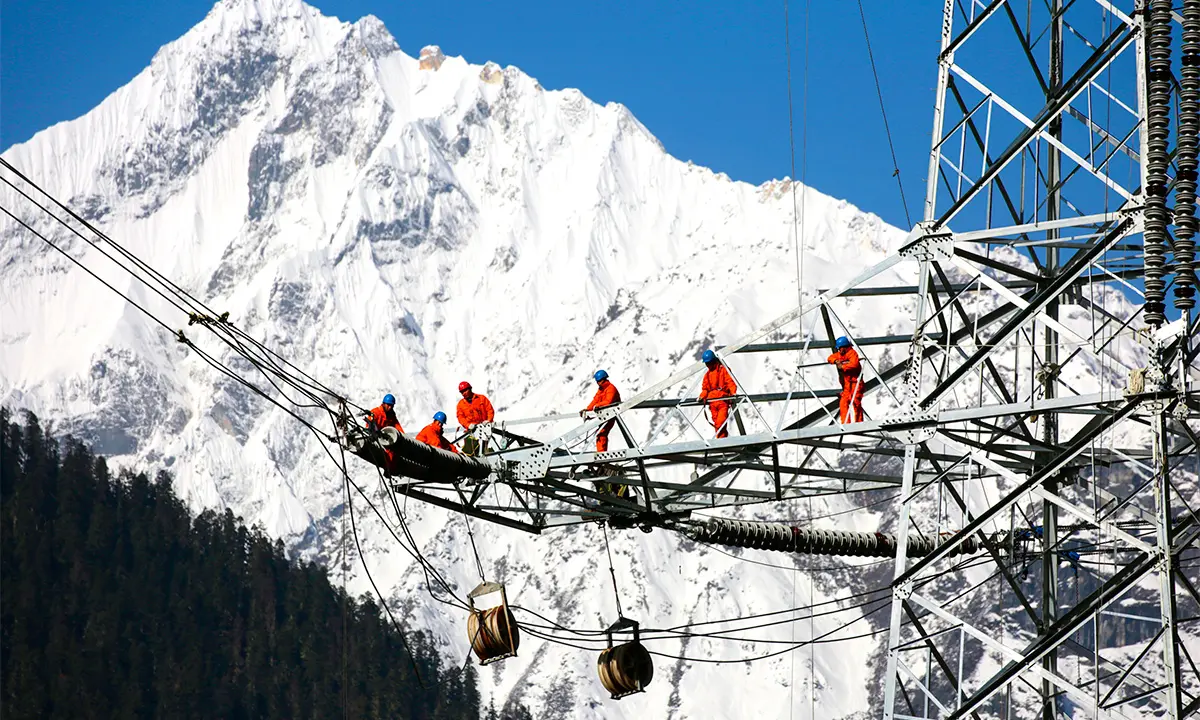
Our sub-zero breakers utilize specialized low-temperature lubricants and high-impact polycarbonate enclosures. This prevents plastic embrittlement and ensures mechanism fluidity in cold climates.

Tested with 72-hour salt spray protocols on complete assemblies and 48 hours on components. Thickened nickel/tin plating prevents oxidation in offshore wind, coastal PV, and port power systems.
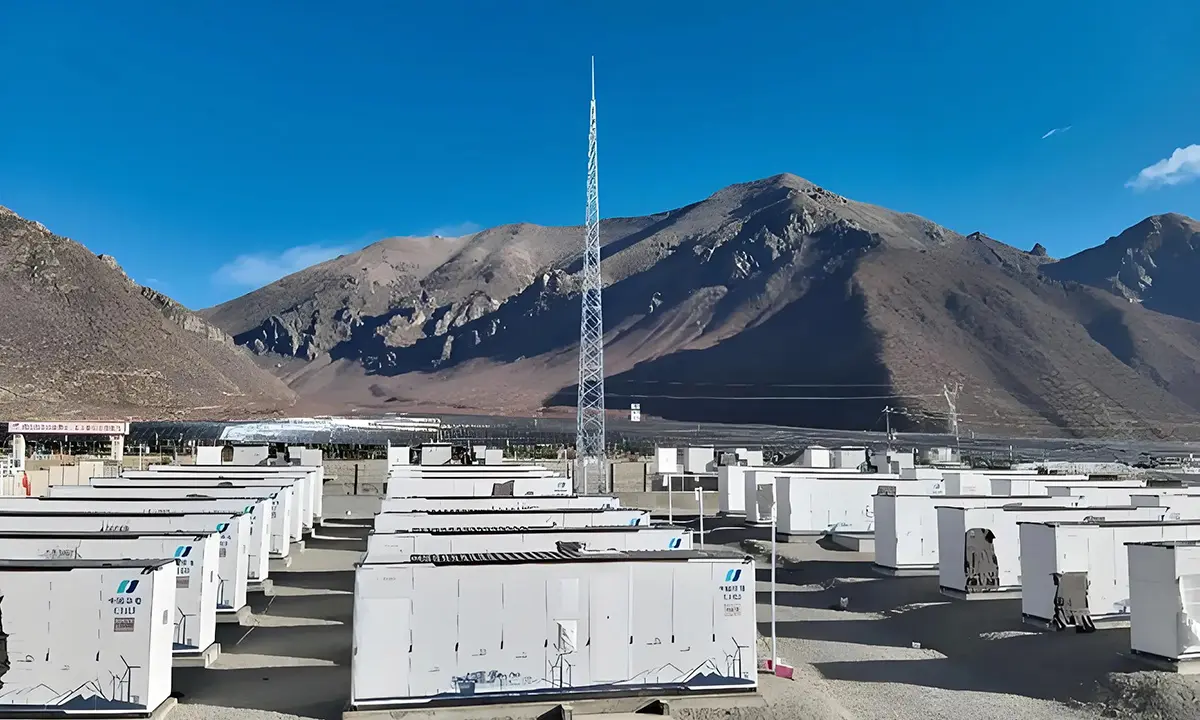
For installations in thin air regions, we use high-clearance molded cases to prevent voltage breakdown, applying verified correction coefficients to maintain safety at elevations up to 5000m.

Compact form factor designs provide overload and short-circuit protection for building services, HVAC networks, and residential solar arrays, combining high reliability with space-efficient packaging.
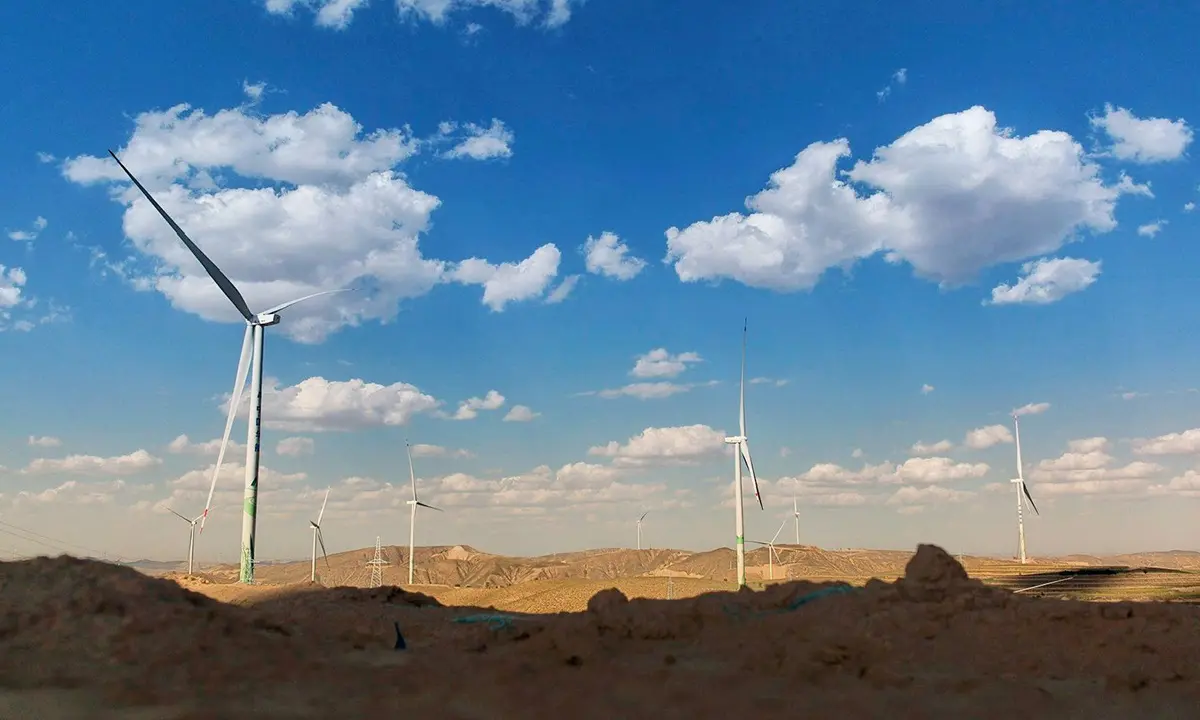
Thermal stability is achieved through advanced BMC housings and calibrated bi-metal trip structures. This ensures consistent performance in high-temperature environments, preventing nuisance tripping.
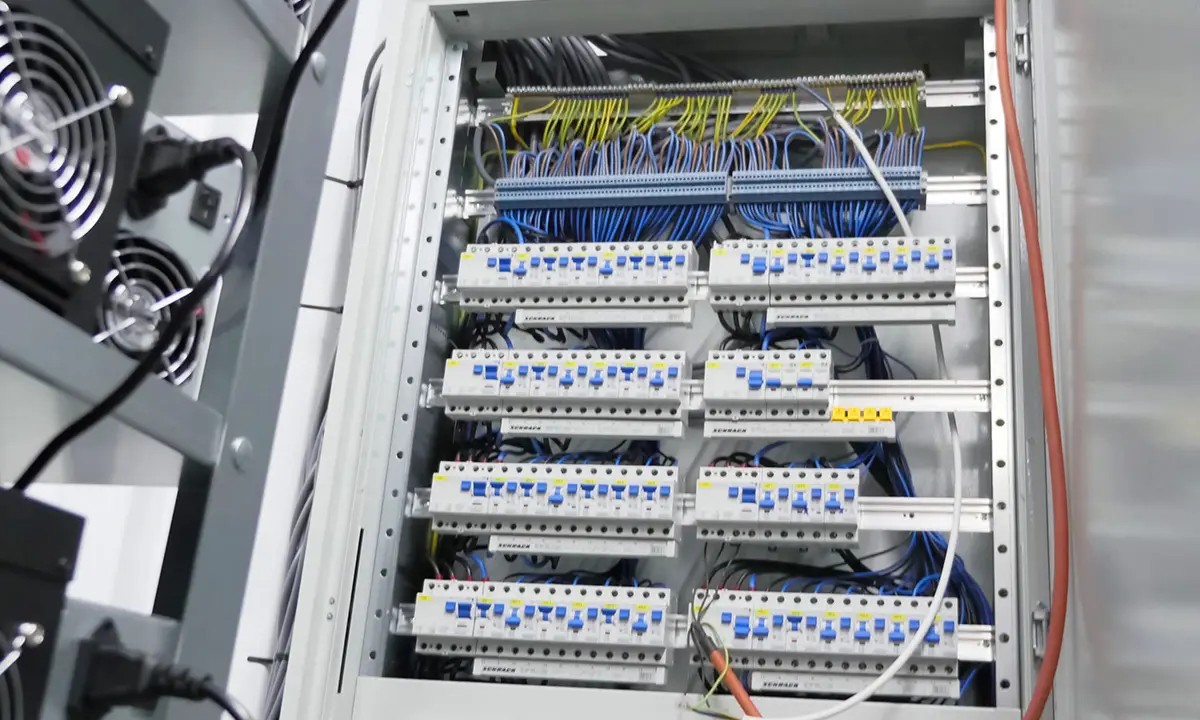
Integrating microcontrollers and Modbus communications, these systems monitor current, voltage, temperature, and wear, enabling predictive maintenance and power quality tracking.
We help partners build brand recognition by integrating customer logos, custom packaging, and specific product styling. High-quality raw materials ensure long-term field reliability, while our rapid prototyping accelerates new product introductions to target markets.
For established brands requiring specialized production capacity, we offer contract manufacturing services. Our tooling and testing assets allow us to manufacture customer-owned designs to strict tolerances and quality standards.
Our R&D team designs and develops electrical solutions tailored to customer specifications. Using advanced simulation tools, we create custom mechanisms, trip curves, and communications interfaces from the ground up.
Defining electrical requirements, transient tolerances, mechanical footprints, and targets.
Using 3D printing and quick-turn tooling to verify physical forms and initial electrical parameters.
Running temperature rise, dielectric, short-circuit, and mechanical endurance tests.
Executing mass production tracked by ERP/MES, followed by secure global logistics coordination.
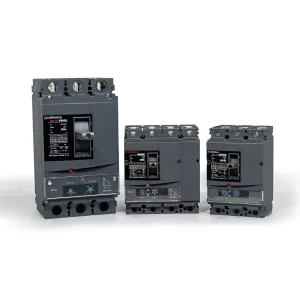
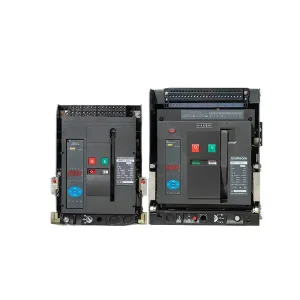
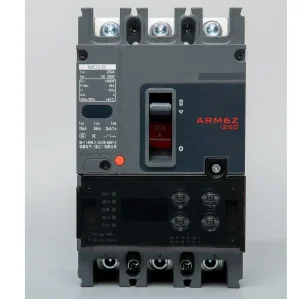
Acereare Group manufactures a wide range of circuit protection devices designed for diverse electrical grids. Below is an overview of our main breaker series, spanning miniature components to air circuit breakers.
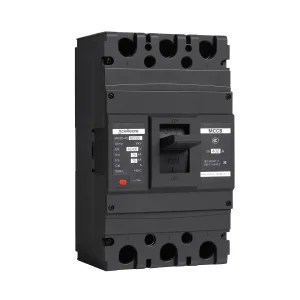
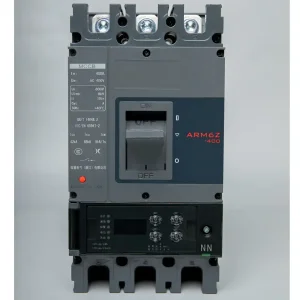
Our core industrial product line, covering rated operational voltages up to 690V and currents from 63A to 400A. It provides adjustable thermal and magnetic trip elements, making it suitable for motor, distribution, and commercial solar circuits.



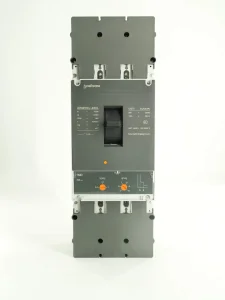
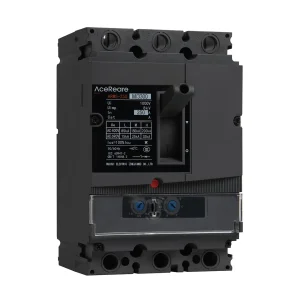
Engineered for next-generation renewable networks, the ARM5HU series manages operational voltages up to 1150V or 1500V DC. It is widely used in high-power solar central inverters and battery energy storage containers.


Our heavy-duty Air Circuit Breaker series, supporting rated currents from 400A to 6300A at voltages up to 690V. The intelligent control unit provides high-accuracy selective protection and dual-direction telemetry interfaces.


The electrical protection industry is moving towards solid-state circuit breaking and integration with the Internet of Things (IoT). Acereare Group's technical roadmap focuses on three main developments: hybrid semiconductor interruption technologies that minimize physical contact wear; integrated IoT connectivity to support cloud-based preventive maintenance; and sustainable materials and manufacturing methods that align with environmental standards.
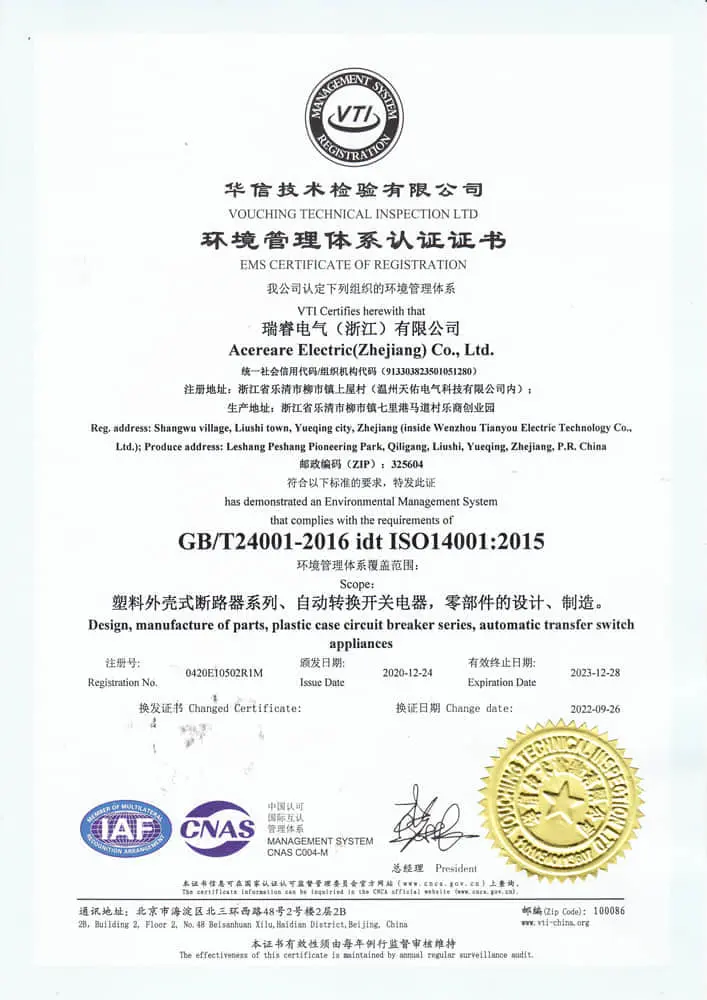
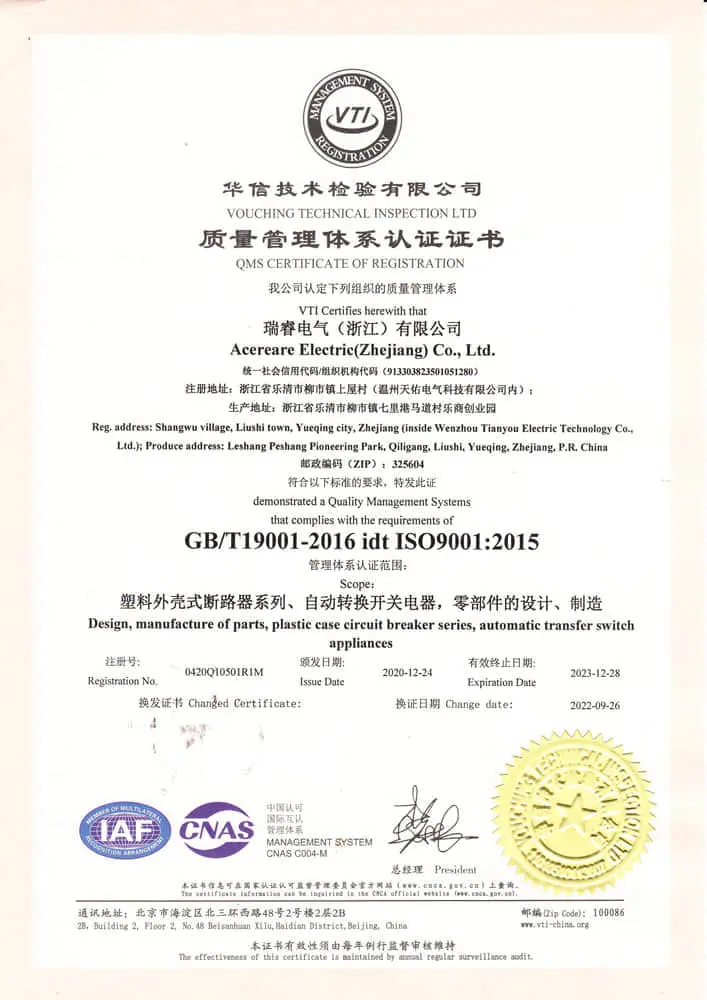
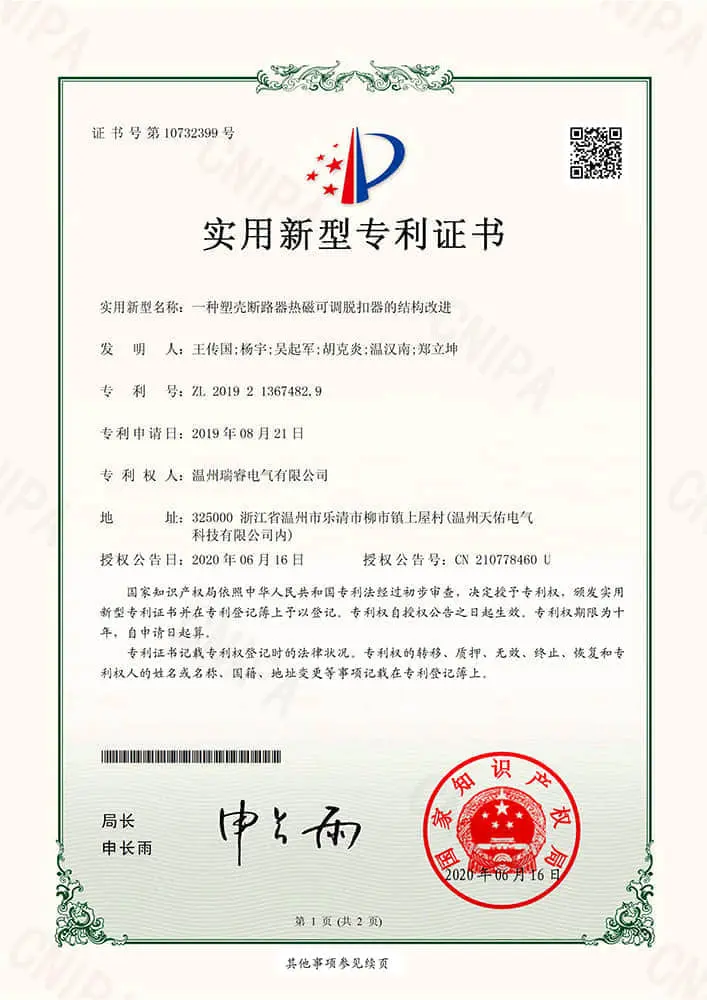
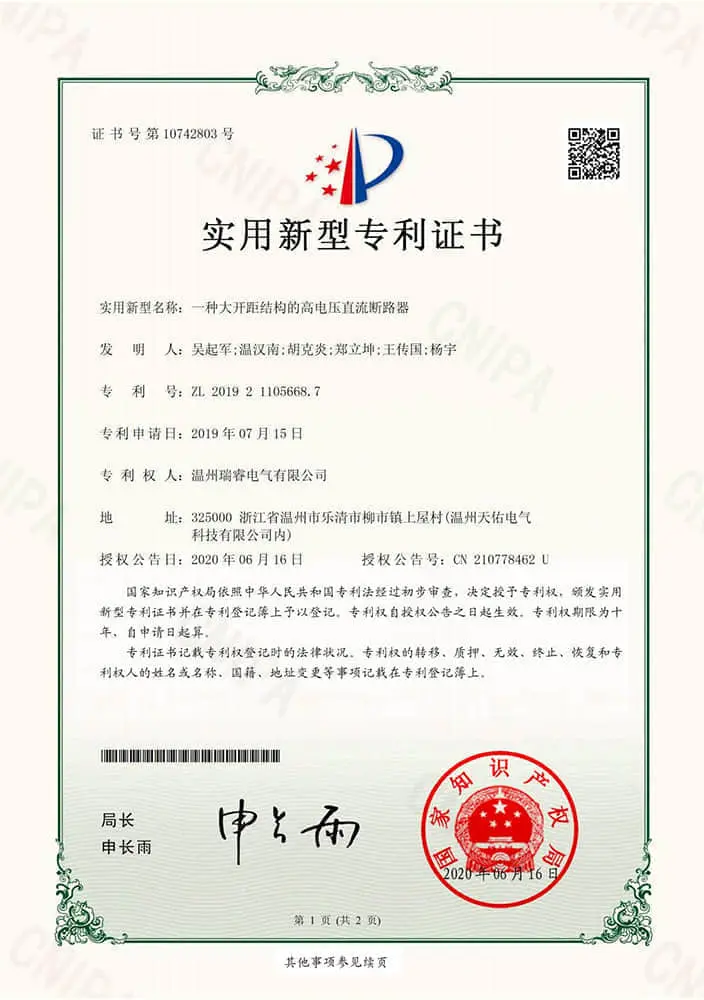
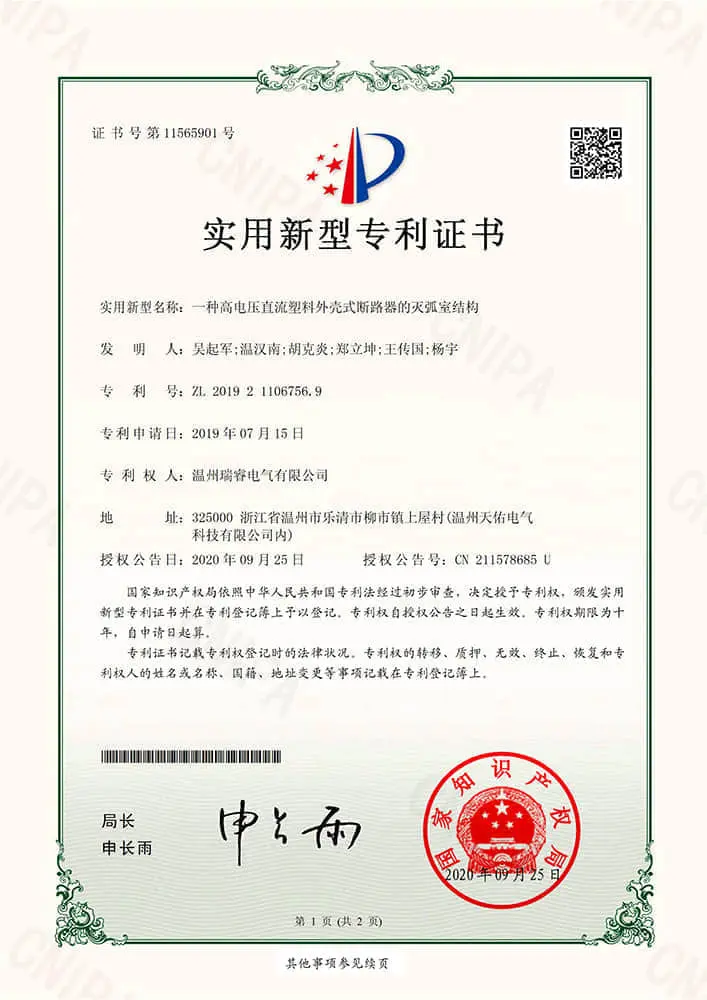
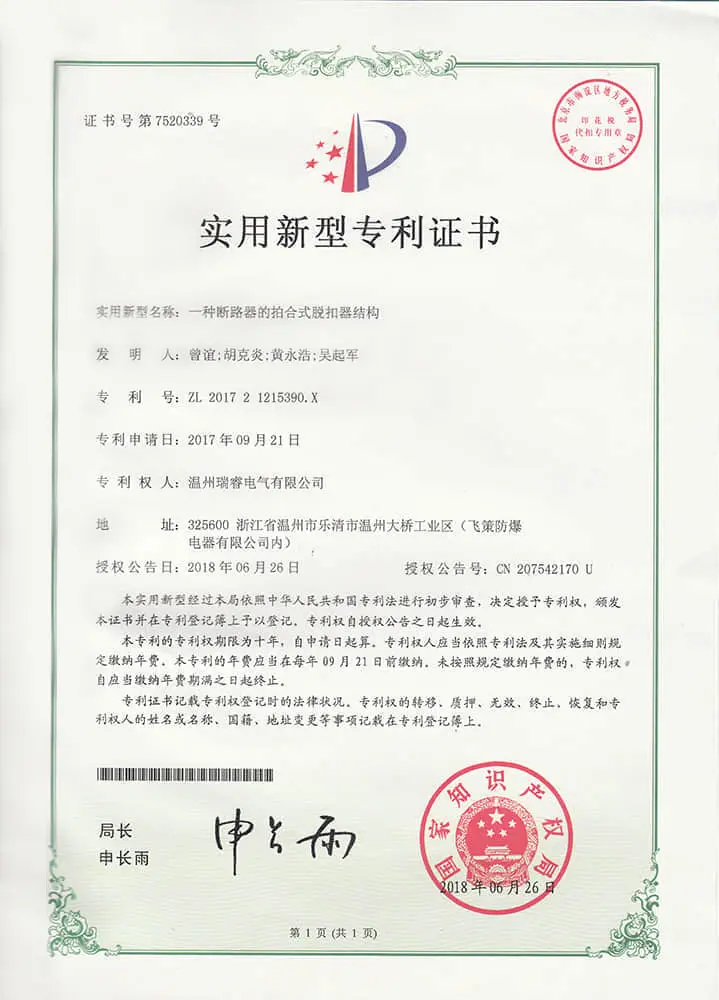
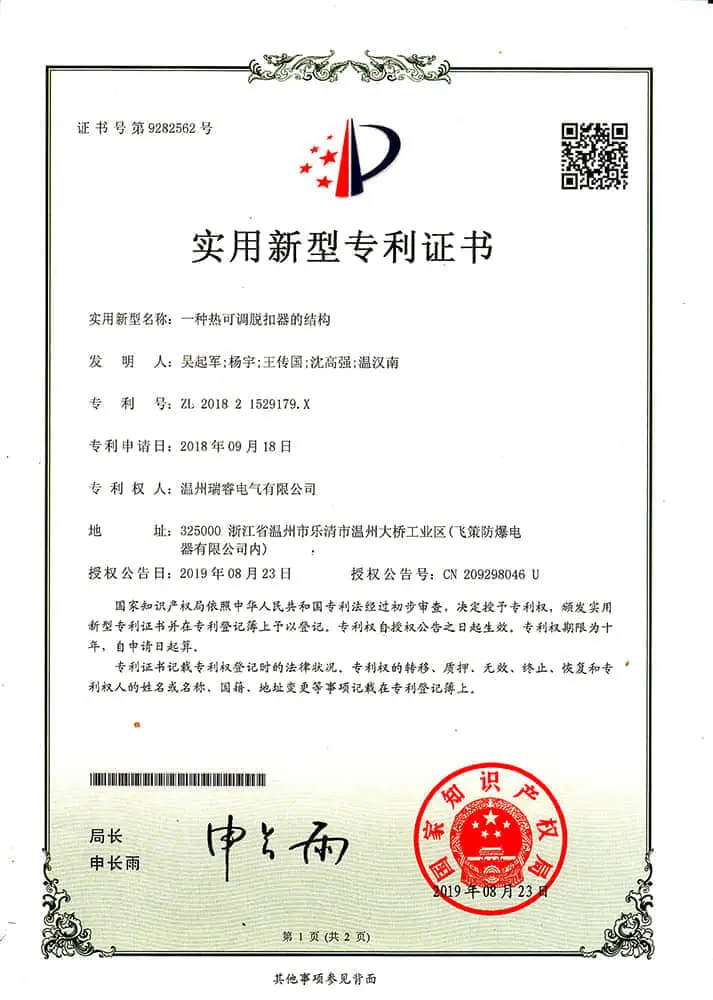
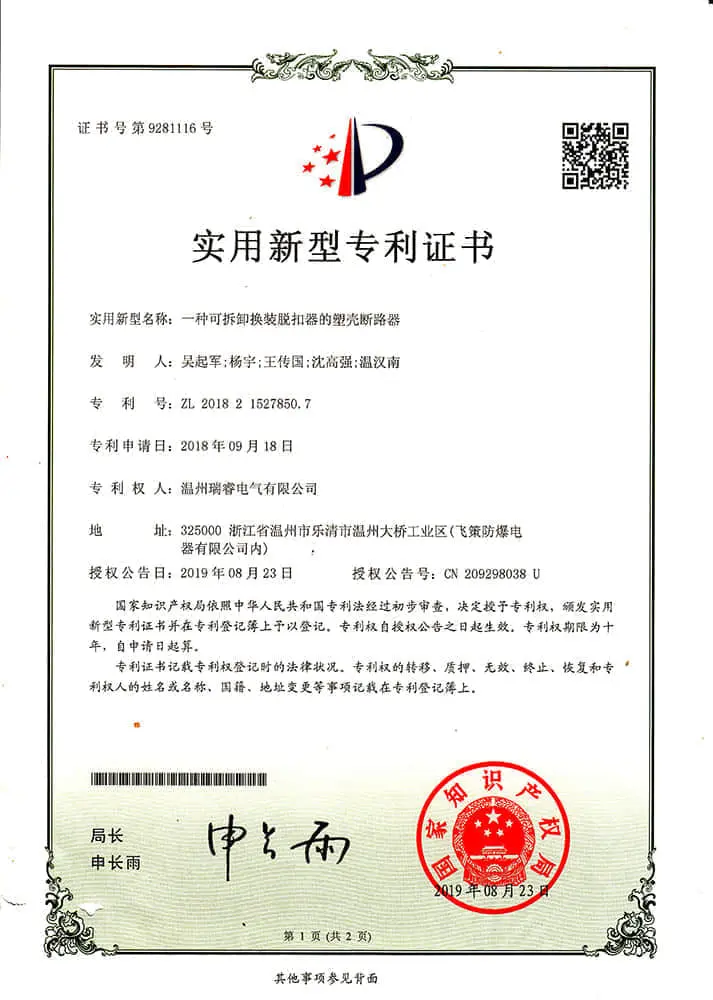
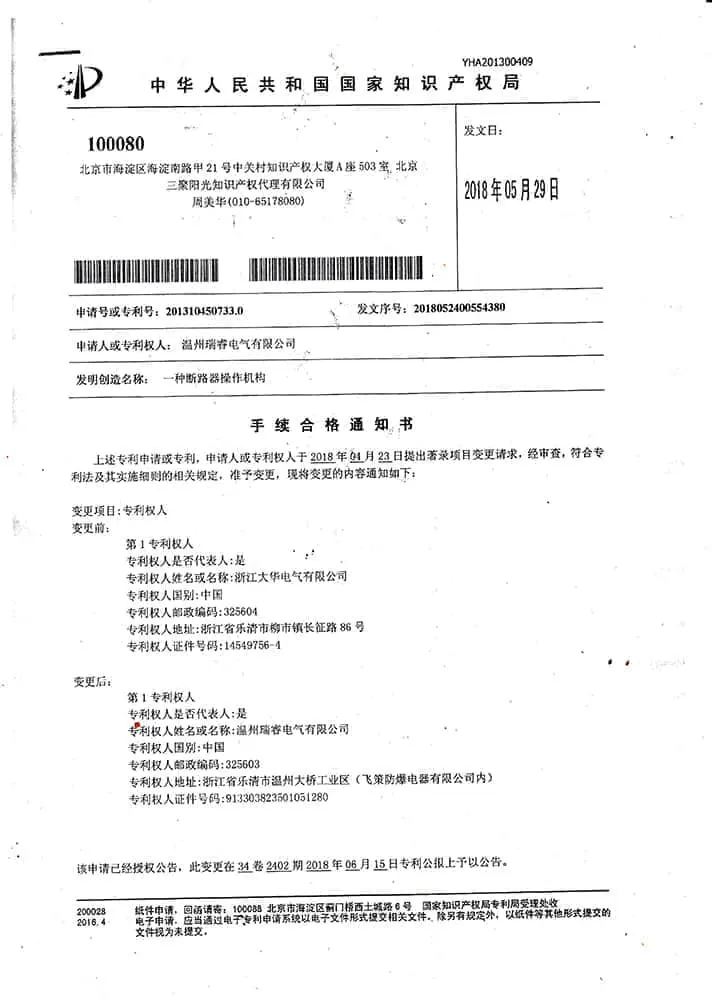
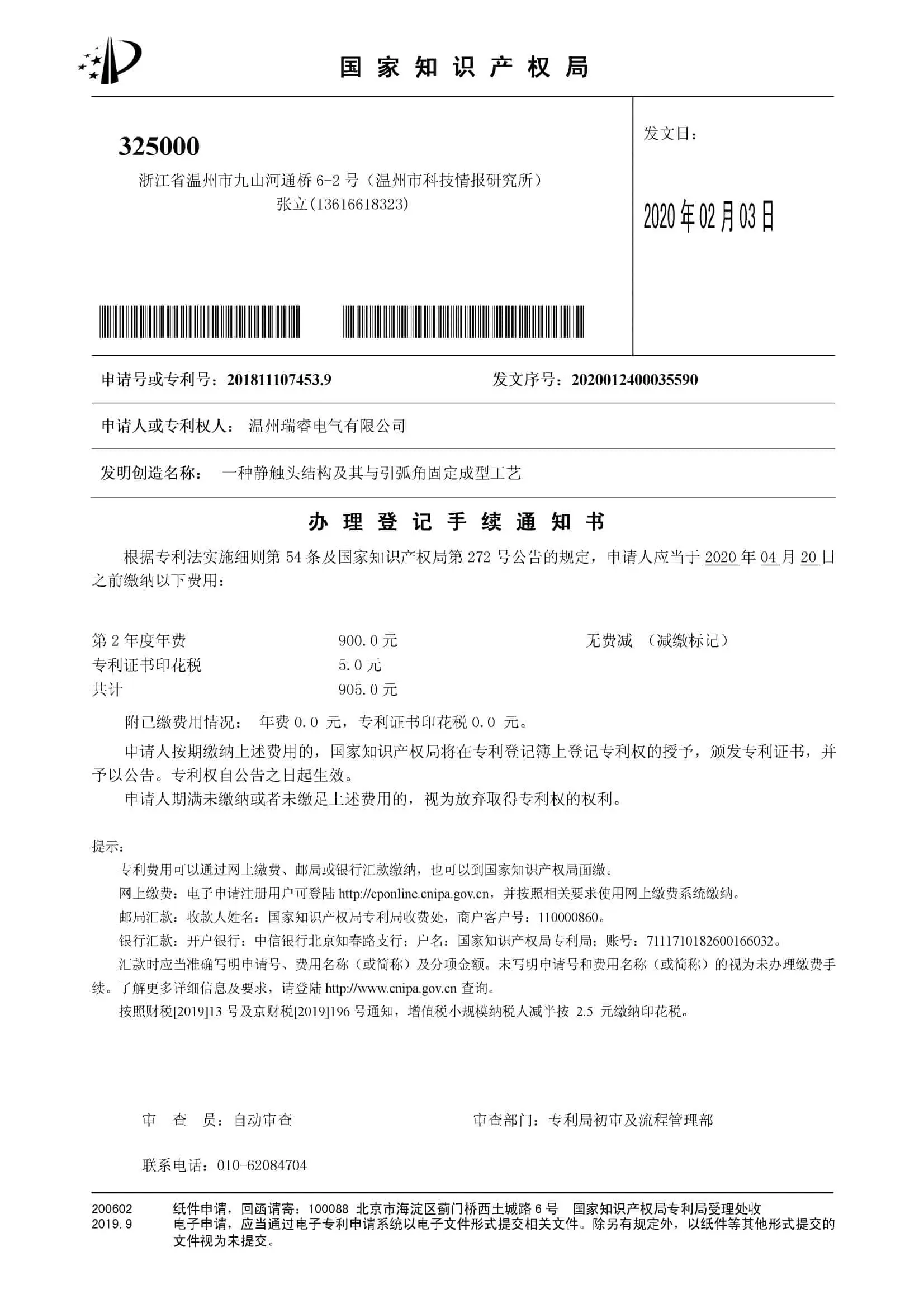
Our systems comply with major international standards including IEC 60947-2, CE, and CCC. This compliance guarantees that our products meet the technical requirements for distribution switchboards, utility-scale photovoltaic sites, and commercial battery storage configurations globally.
 AceReare